Driving to Bath: tolls, fuel & road trip guide
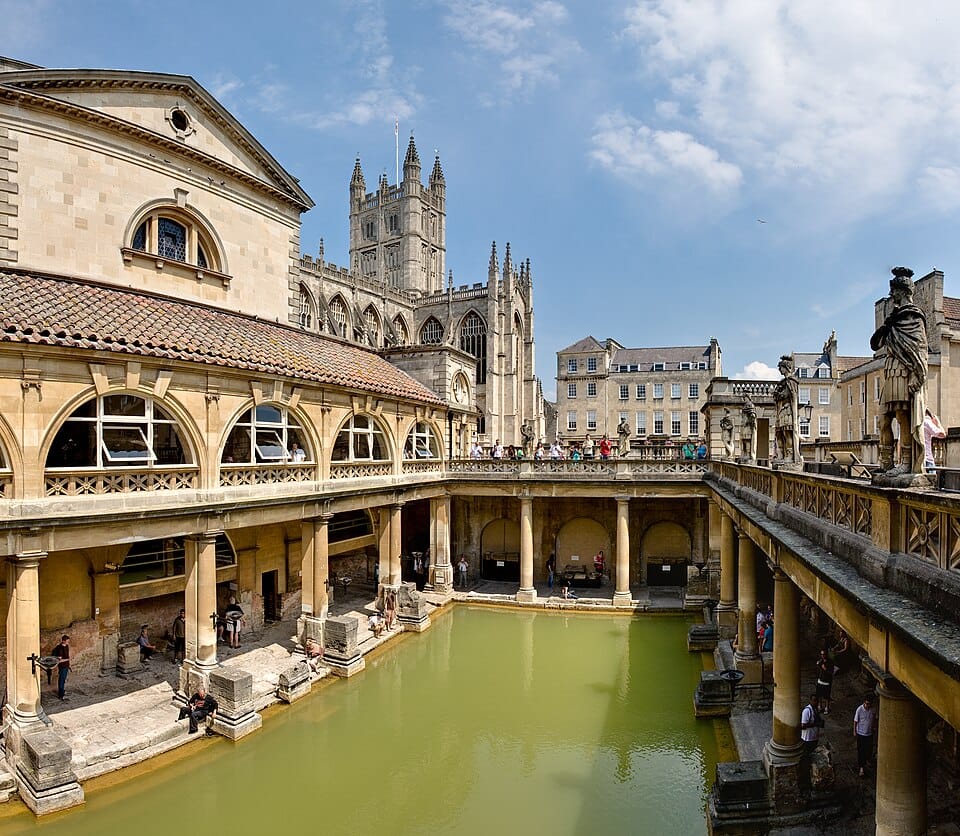
Bath grew up around natural hot springs first developed by the Romans, who built an elaborate bathing complex that still survives beneath the modern city. Later, in the 18th century, Bath was rebuilt in elegant Georgian style with golden limestone terraces and crescents, becoming a fashionable spa resort associated with Jane Austen.
The entire city centre is a UNESCO World Heritage Site, and its compact, walkable layout makes it a natural stop on a route through southwest England. Bath sits just off the M4 corridor between London and Wales, making it convenient to combine with Bristol, the Cotswolds, or Stonehenge on the same loop.
Top attractions
Roman Baths
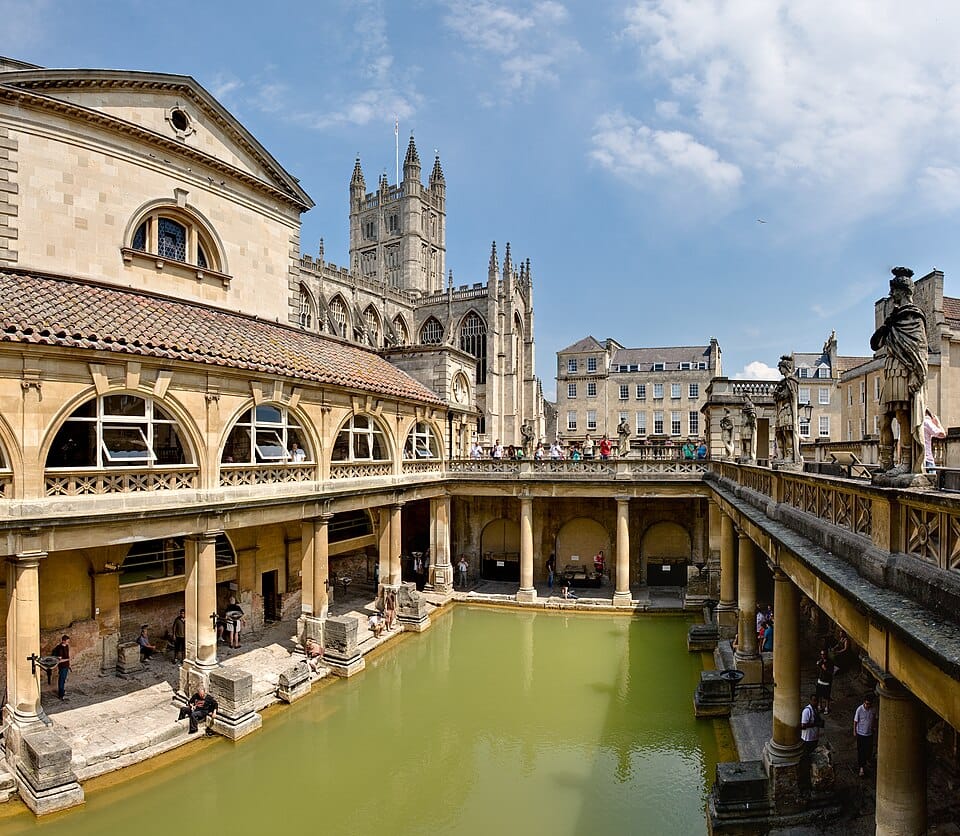
A remarkably preserved Roman bathing complex built around the city's natural hot spring, with the original lead-lined Great Bath still holding steaming water.
Royal Crescent
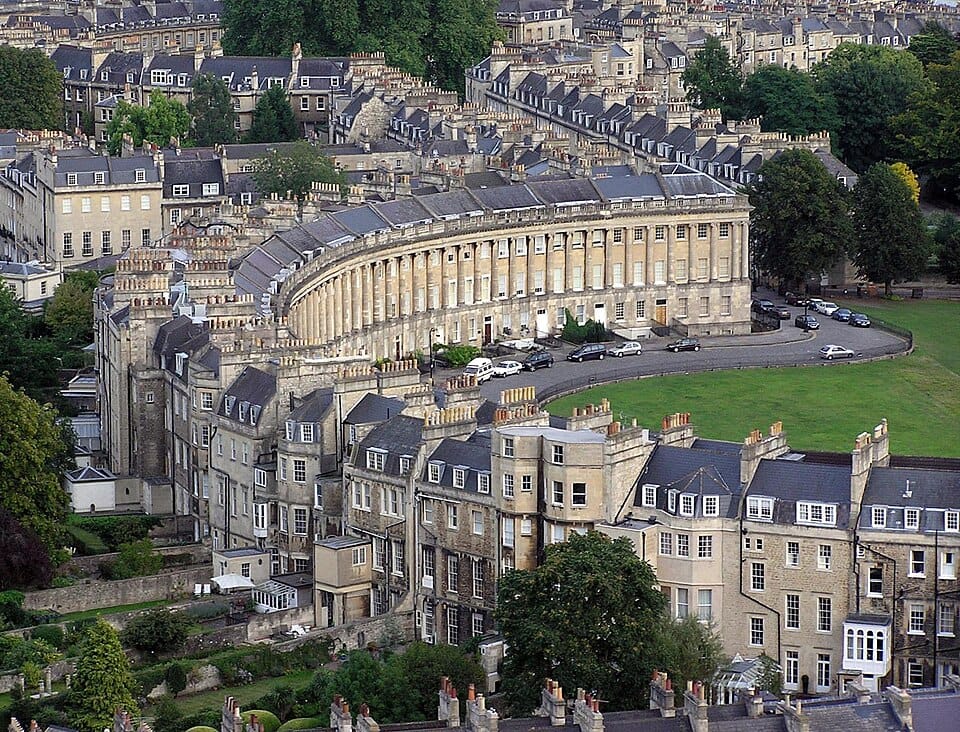
A sweeping row of 30 Georgian terraced houses arranged in a crescent, completed in 1774 and considered a masterpiece of 18th-century architecture.
Bath Abbey
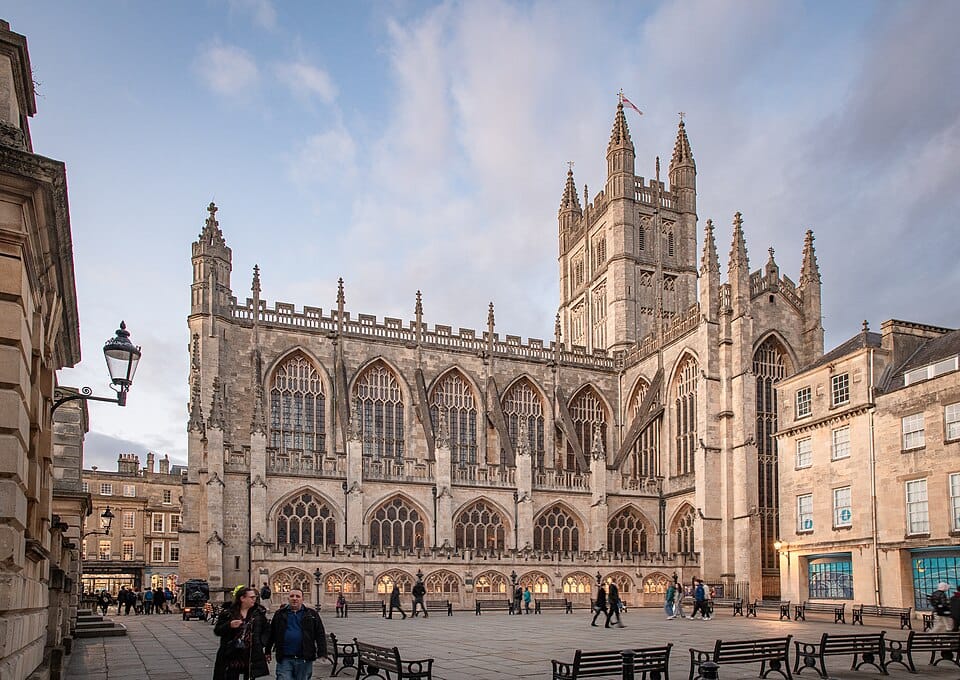
A late-medieval Gothic church known for its fan-vaulted ceiling and as the site where King Edgar was crowned first King of England in 973.
Pulteney Bridge
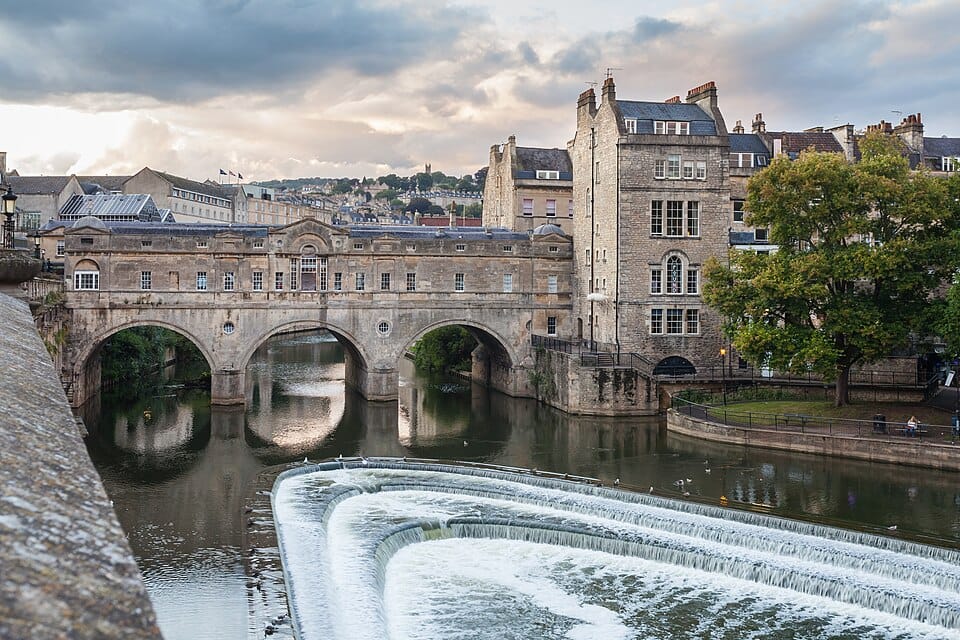
An 18th-century bridge over the River Avon lined with shops on both sides, one of only a handful of such bridges remaining in the world.
Thermae Bath Spa
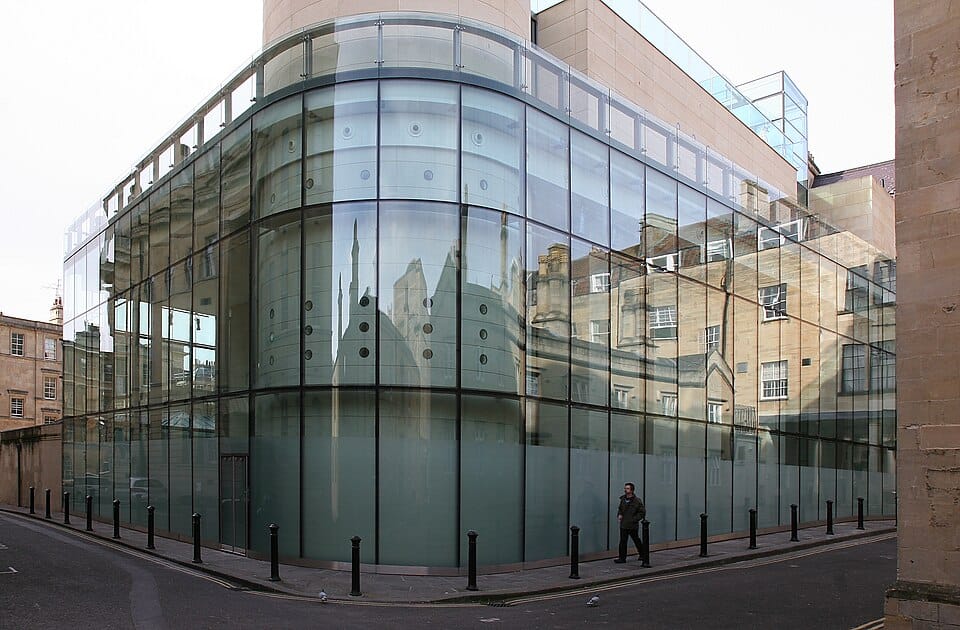
A modern spa complex fed by the same natural hot springs as the Roman Baths, with a rooftop pool offering views across the city's skyline.
Driving to Bath
Road charges in United Kingdom
No motorway vignette or environmental sticker is required for passenger cars in United Kingdom; motorways are free or distance-tolled.
Driving distances from Bath
| To | Road km | Drive time |
|---|---|---|
| Oxford | 113 | 1 h 37 min |
| London | 202 | 2 h 53 min |
| York | 390 | 5 h 34 min |
| Lake District | 470 | 6 h 43 min |
| Edinburgh | 665 | 9 h 30 min |
| Pitlochry | 778 | 11 h 07 min |
| Glencoe | 801 | 11 h 27 min |
| Fort William | 820 | 11 h 43 min |
Plan your route with EuroDrive Scout →