Driving to Cork: tolls, fuel & road trip guide
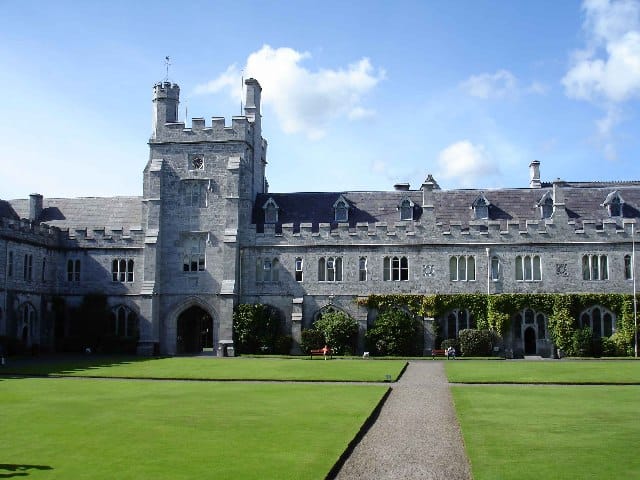
Cork is Ireland's second-largest city, built on islands and quaysides where the River Lee splits into two channels before reaching Cork Harbour. Long an important centre of trade and shipping, the city is known for the covered English Market, its steep hillside streets around Shandon, and a local pride that leads residents to call it the 'real capital' of Ireland.
As a road trip hub, Cork anchors the southwest, with the harbour town of Cobh and Blarney Castle both within easy reach by car. The city centre's one-way system and limited parking make it more practical to leave the car at a hotel or car park and walk the compact centre, before driving west toward Kerry or east along the coast, on the left as throughout Ireland.
Top attractions
English Market
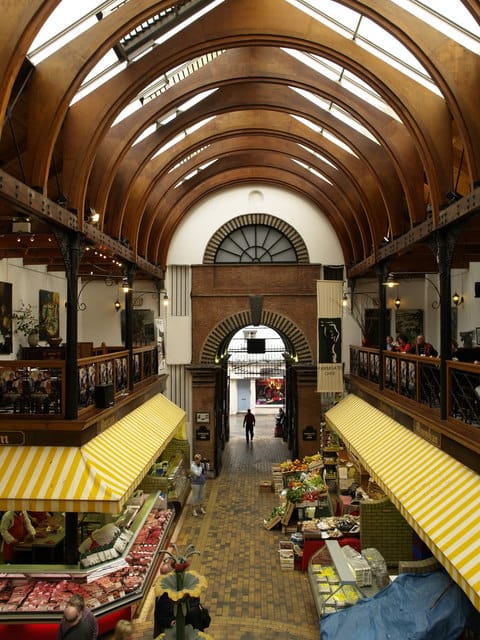
A covered municipal food market trading since 1788, known for its fishmongers, butchers, and local produce stalls beneath a Victorian-era roof.
St Fin Barre's Cathedral
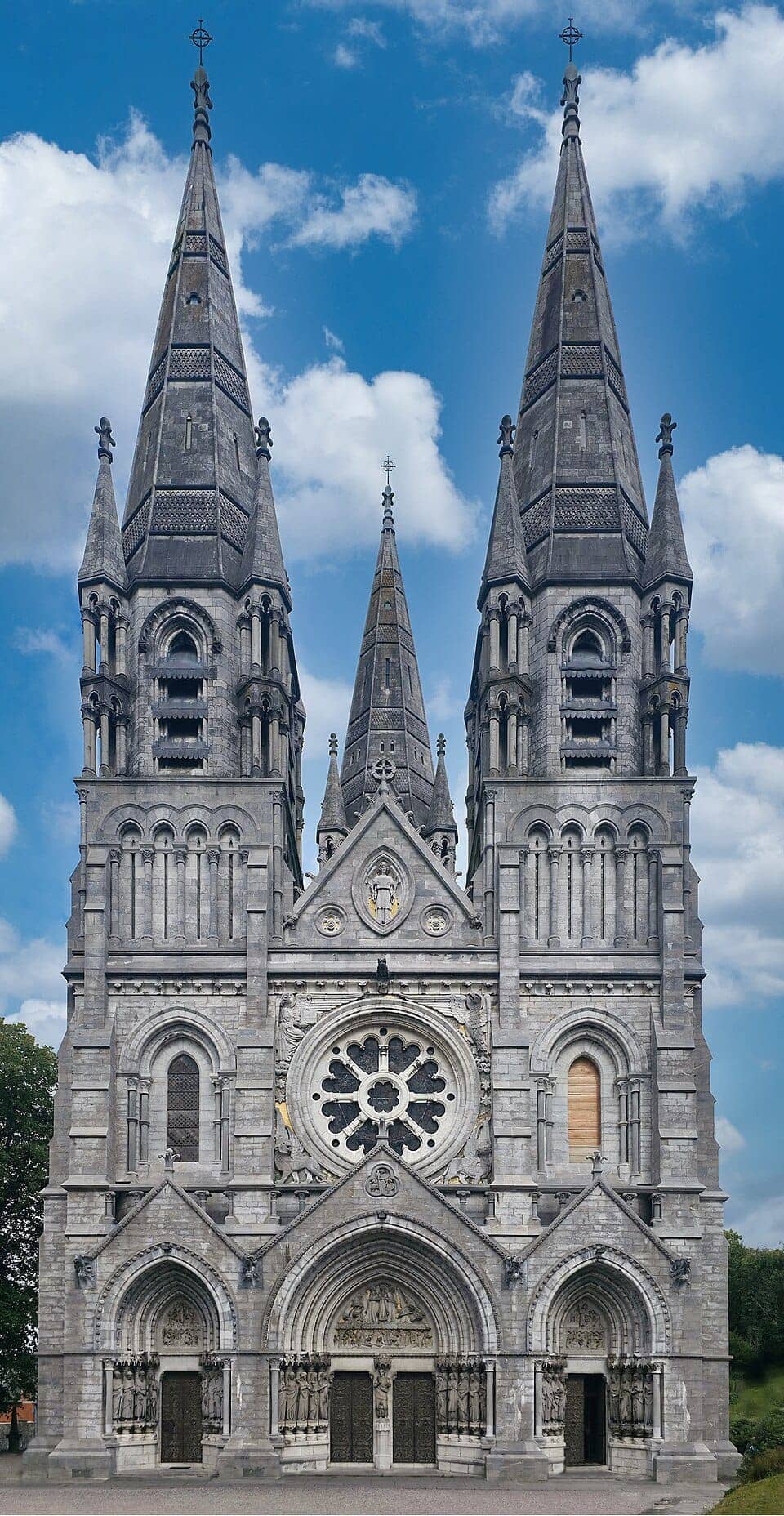
A 19th-century Gothic Revival cathedral designed by William Burges, built on a site associated with the 7th-century monastery founded by Cork's patron saint.
Blarney Castle
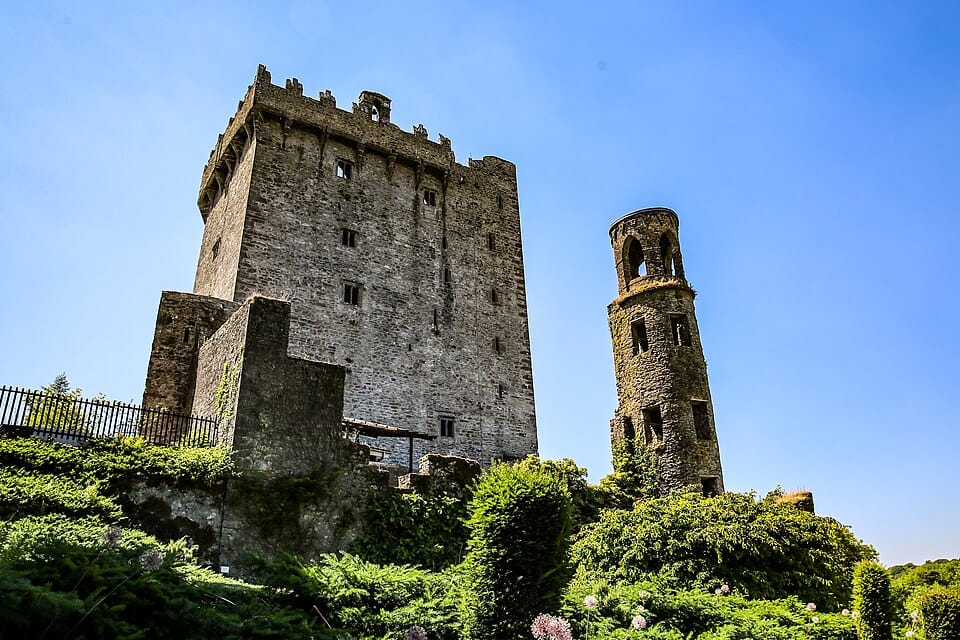
A 15th-century castle a short drive from Cork, famous for the Blarney Stone set into its battlements, which visitors kiss for the traditional gift of eloquence.
Cobh
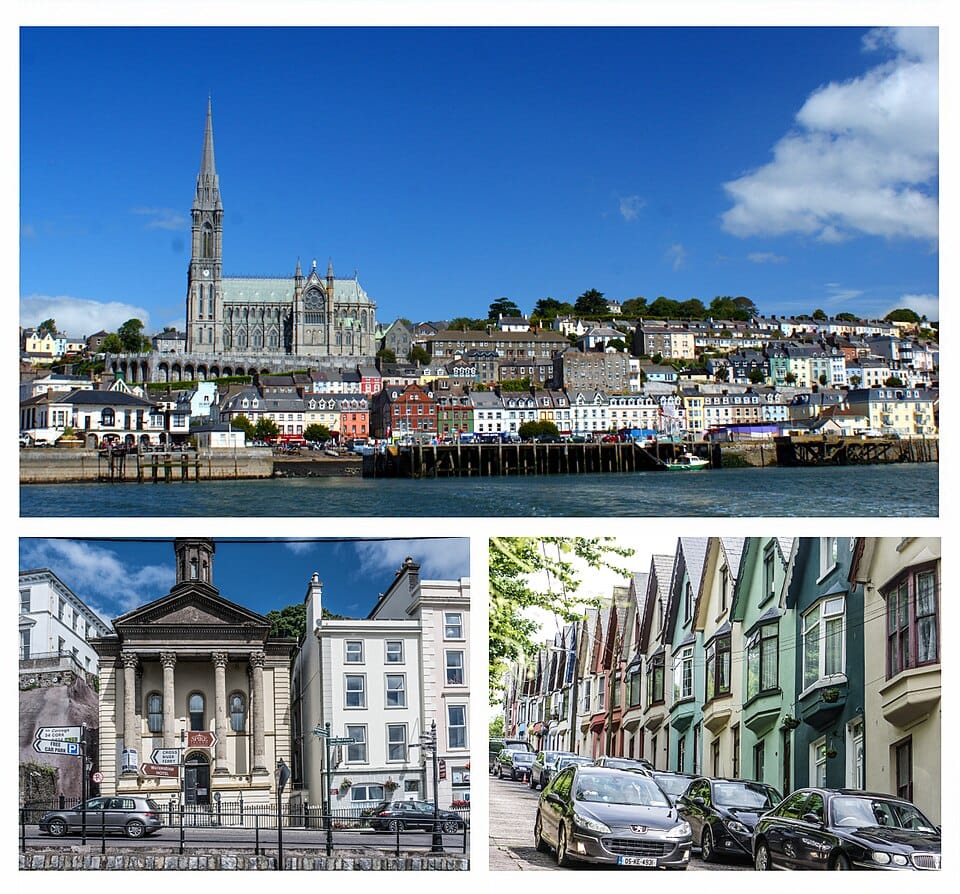
A harbour town on Cork Harbour that was the Titanic's final port of call in 1912 and the main departure point for Irish emigrants to America for over a century.
Shandon Bells (St Anne's Church)
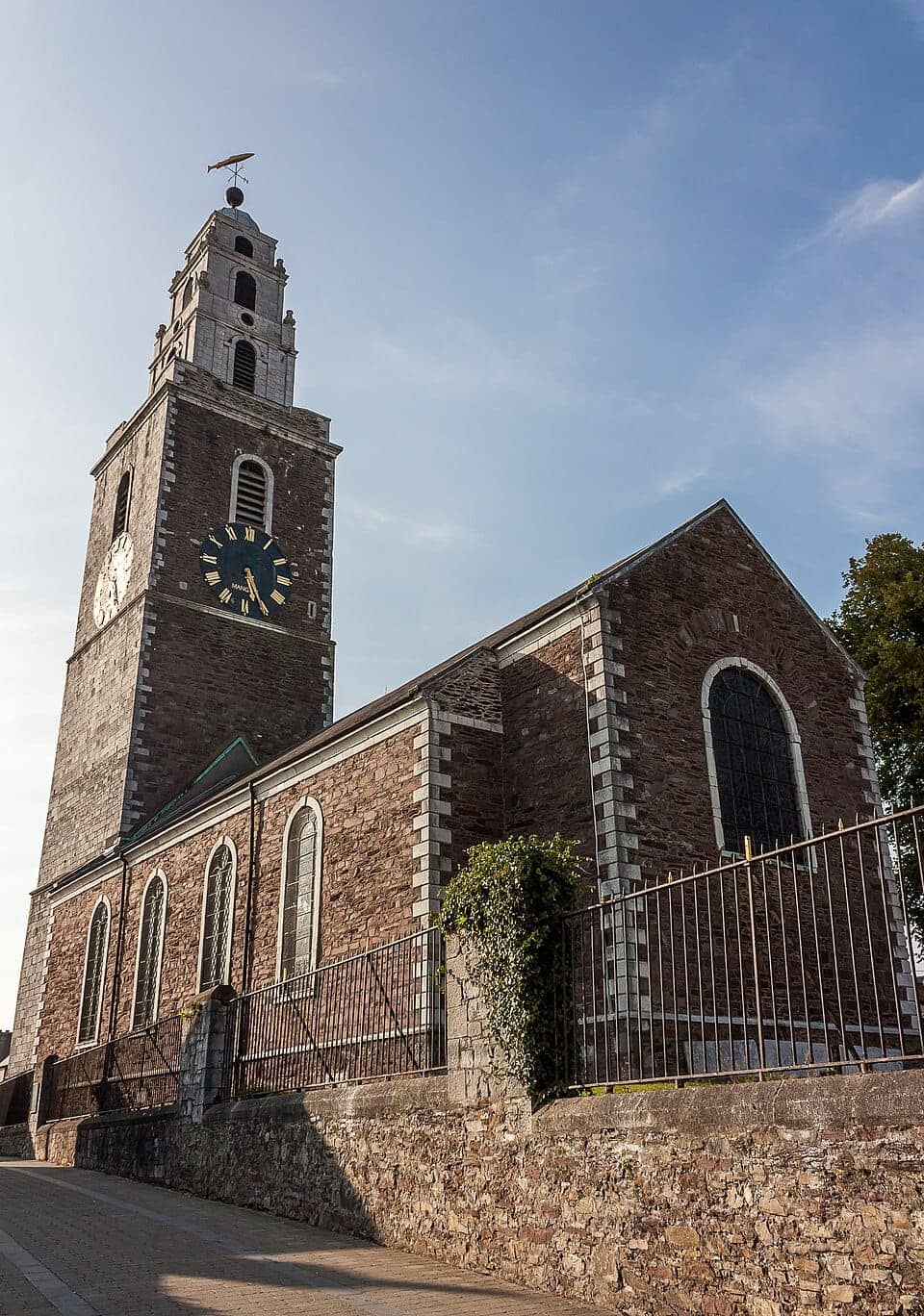
An 18th-century church known for its distinctive clock tower, visible from across the city, where visitors can ring the bells of Shandon themselves.
Elizabeth Fort
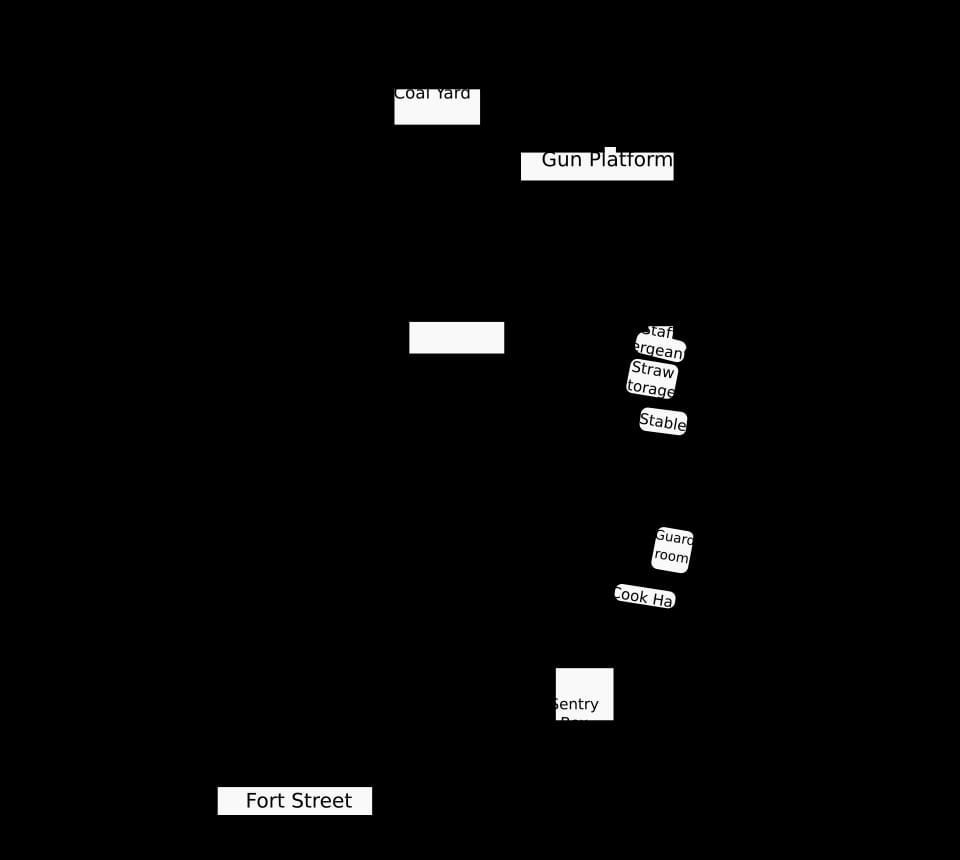
A star-shaped fort built in the early 17th century on a hill above the city, offering panoramic views over Cork's rooftops and the River Lee.
Driving to Cork
Road charges in Ireland
No motorway vignette or environmental sticker is required for passenger cars in Ireland; motorways are free or distance-tolled.
Driving distances from Cork
| To | Road km | Drive time |
|---|---|---|
| Killarney | 95 | 1 h 21 min |
| Kilkenny | 153 | 2 h 11 min |
| Cliffs of Moher | 176 | 2 h 31 min |
| Galway | 205 | 2 h 56 min |
| Dublin | 286 | 4 h 05 min |
Fuel prices in Ireland
Petrol 95 €1.97/L · Diesel €2.12/L (2026-09-28)
Plan your route with EuroDrive Scout →