Driving to Zadar: tolls, fuel & road trip guide
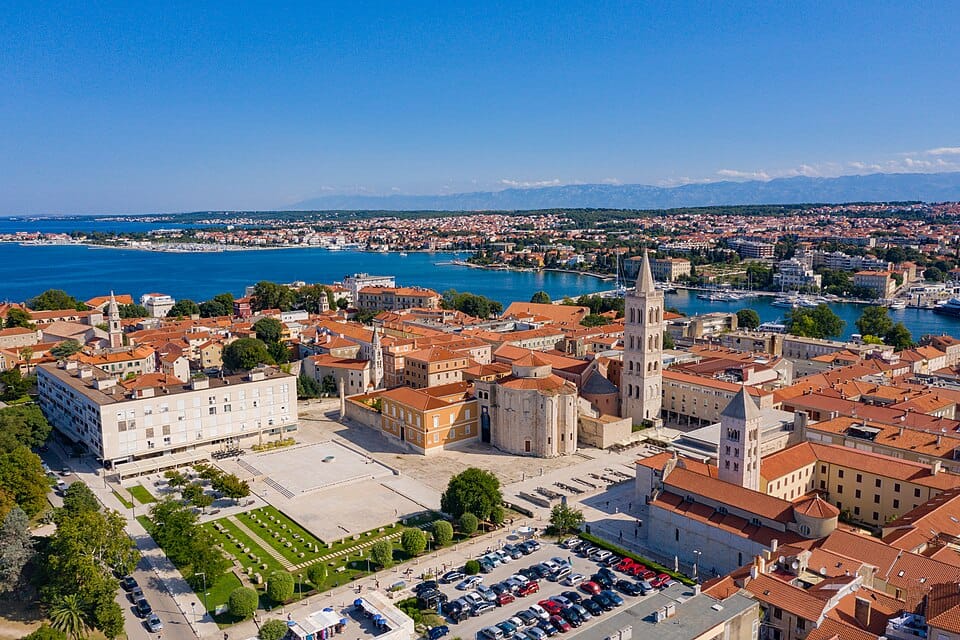
Zadar is a Dalmatian coastal city built on a peninsula, layering a dense Roman and medieval old town over an even older Illyrian settlement. It combines ancient ruins and Romanesque churches with modern public art, including two well-known installations built directly into the waterfront promenade.
On the coastal road trip route, Zadar sits north of Split and Dubrovnik along the Adriatic Highway, making it a common first or last stop before or after the more scenic stretch of coastline further south. Its old town is pedestrian and best explored on foot, while the surrounding islands are reached by ferry from the harbour.
Top attractions
Sea Organ
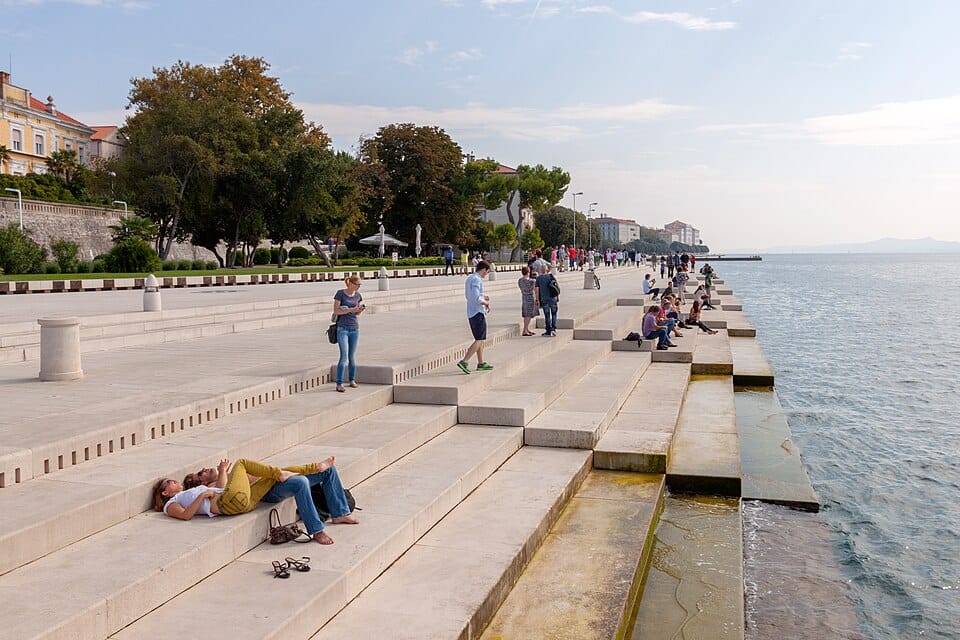
A set of stone steps built into the waterfront with underwater pipes and whistles that turn wave motion into ambient musical tones, designed by architect Nikola Bašić.
Greeting to the Sun
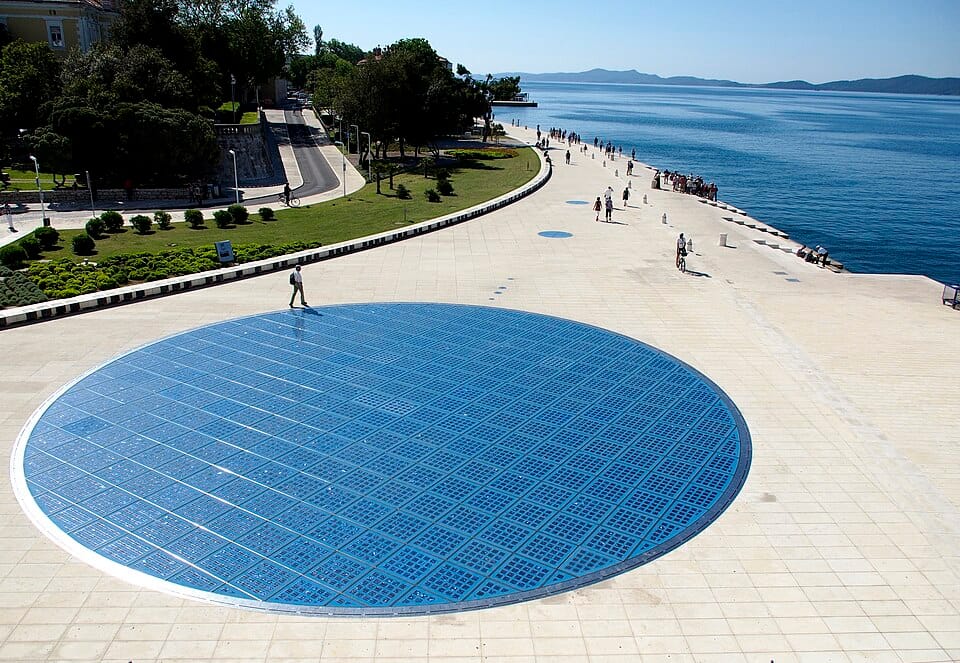
A circular installation of solar panels set flush into the pavement beside the Sea Organ that stores daylight and produces a choreographed light display after dark.
St. Donatus Church
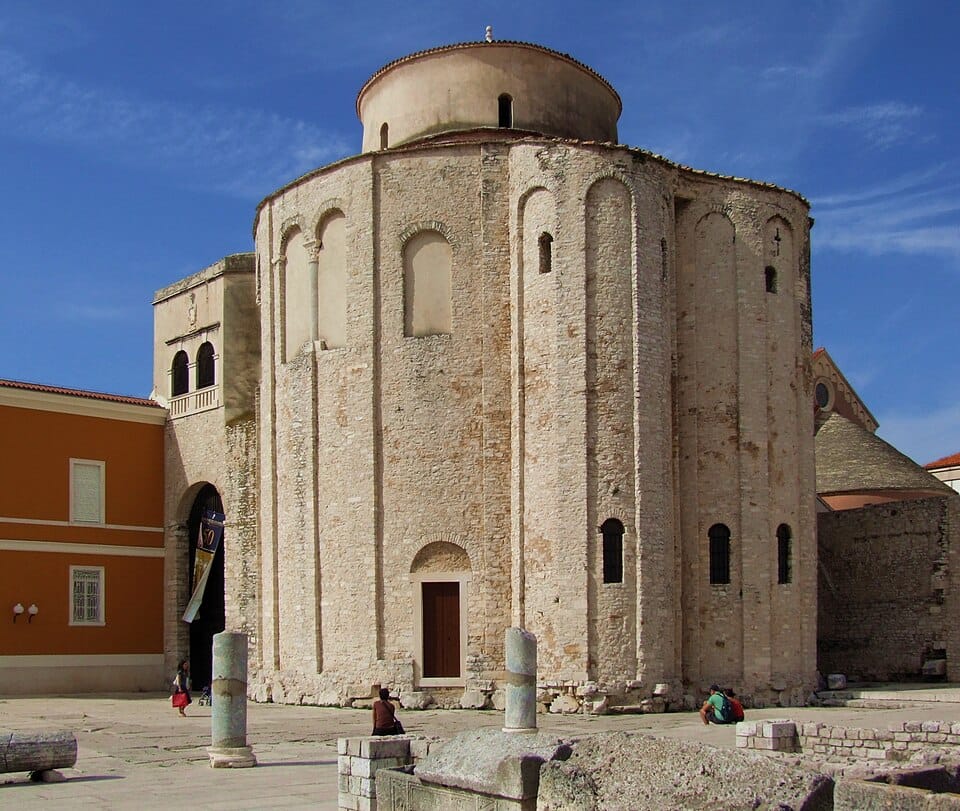
A cylindrical pre-Romanesque church dating to the 9th century, built partly from recycled Roman stone and standing atop the ruins of the ancient Roman forum.
Roman Forum
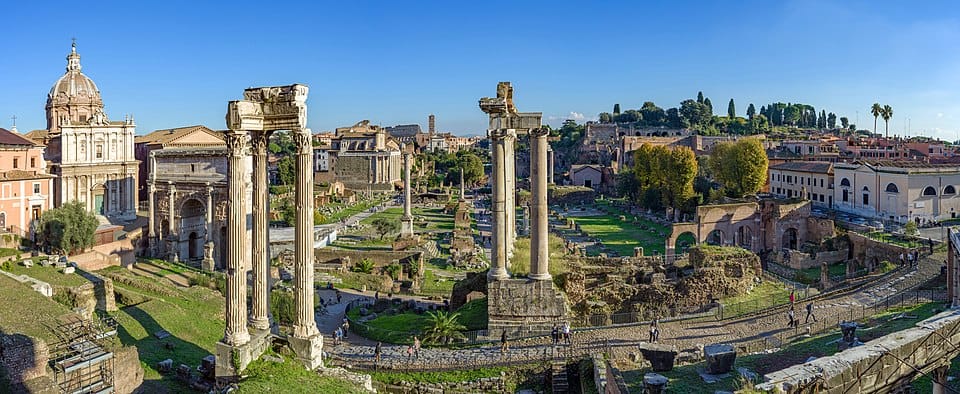
The largest Roman-era public square on the eastern Adriatic, built between the 1st century BC and 3rd century AD, now an open-air site scattered with columns and stone fragments.
Zadar City Walls and Land Gate
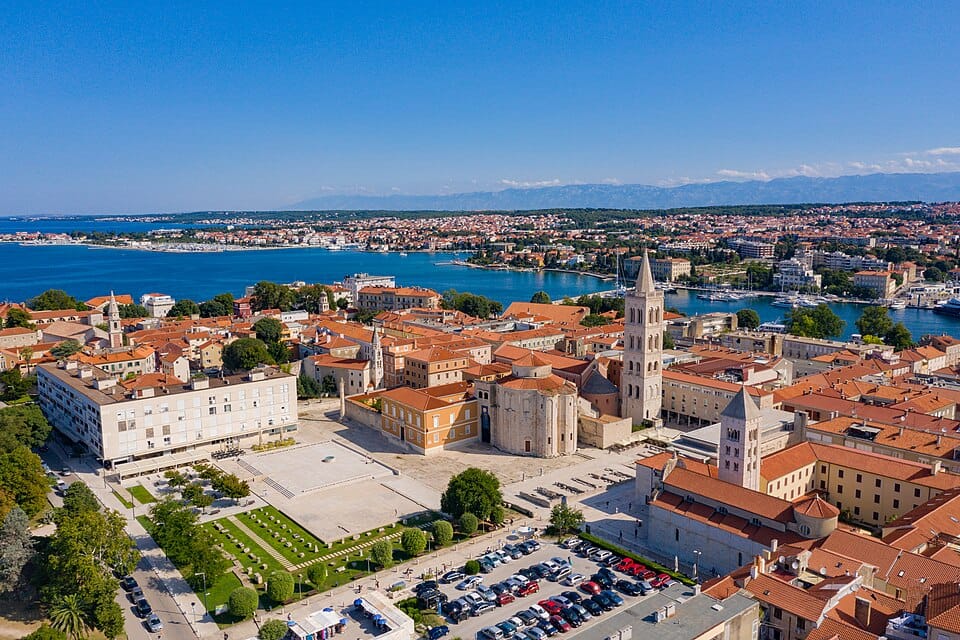
Renaissance-era fortifications, part of a UNESCO-listed defence system, with the monumental 16th-century Land Gate serving as the main historic entrance to the old town.
Driving to Zadar
Road charges in Croatia
No motorway vignette or environmental sticker is required for passenger cars in Croatia; motorways are free or distance-tolled.
Mandatory equipment in Croatia
- Headlights (daytime running lights or dipped beam)
- Safety vest (reflective, high-visibility)
- Warning triangle
- First aid kit
- Spare bulbs (headlights)
- Winter tires
- Snow chains
Driving distances from Zadar
| To | Road km | Drive time |
|---|---|---|
| Šibenik | 88 | 1 h 15 min |
| Plitvice Lakes | 112 | 1 h 36 min |
| Split | 153 | 2 h 11 min |
| Zagreb | 257 | 3 h 40 min |
| Dubrovnik | 368 | 5 h 15 min |
Fuel prices in Croatia
Petrol 95 €1.81/L · Diesel €2.04/L (2026-09-28)
Plan your route with EuroDrive Scout →