Budapest & the Danube Bend: attractions & sights guide
A stop-by-stop guide to the best things to see along the Budapest & the Danube Bend route — 4 destinations, their must-see sights and how to drive between them.
Plan this route with EuroDrive Scout — tolls, vignettes, ZTL alerts, fuel & parking →
Budapest
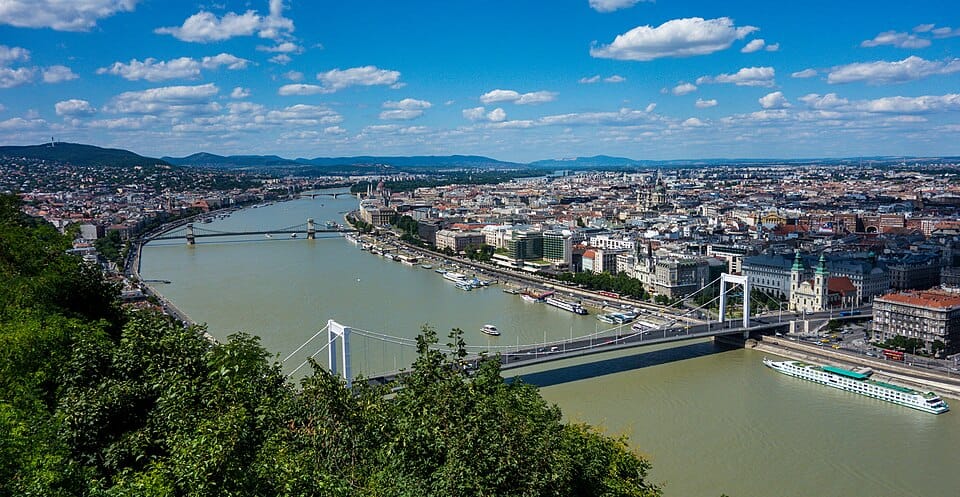
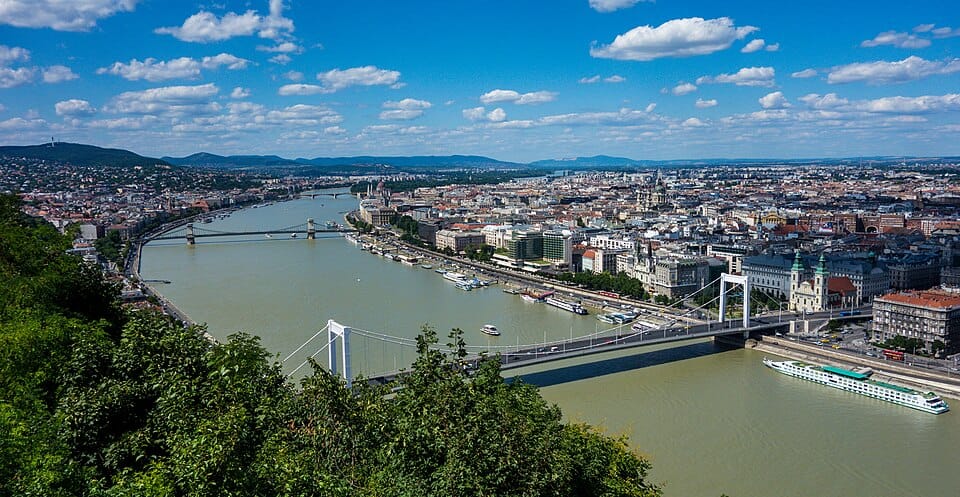
Budapest is Hungary's capital, split by the Danube into hilly Buda on the west bank and flat Pest on the east. The riverside panorama, anchored by the Neo-Gothic Parliament building and the hilltop Buda Castle, is a UNESCO World Heritage site. The city is known for its thermal baths, ruin bars, and grand 19th-century boulevards such as Andrássy Avenue.
Top attractions in Budapest
Hungarian Parliament Building
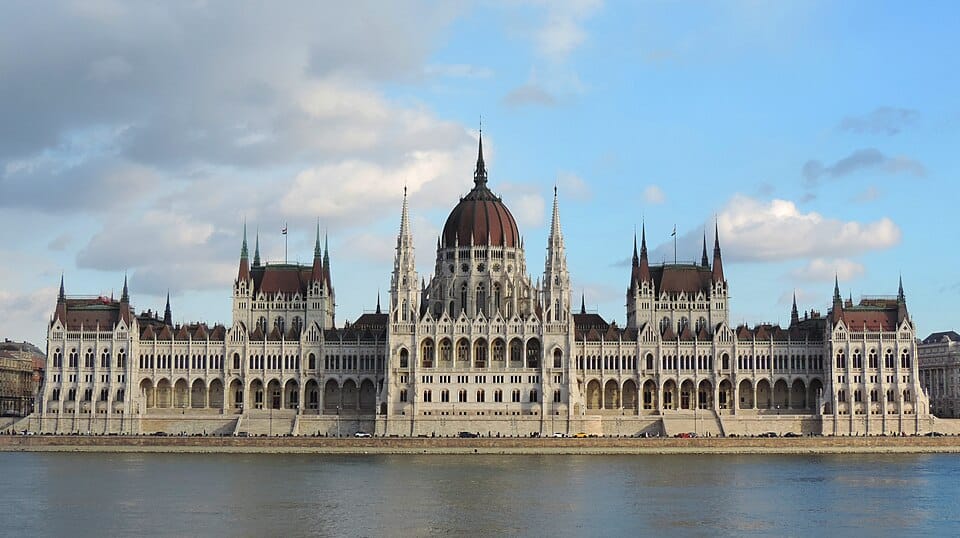
A vast Neo-Gothic building on the Pest riverbank, completed in 1904, that remains the largest building in Hungary and houses the National Assembly and the Hungarian crown jewels.
Buda Castle
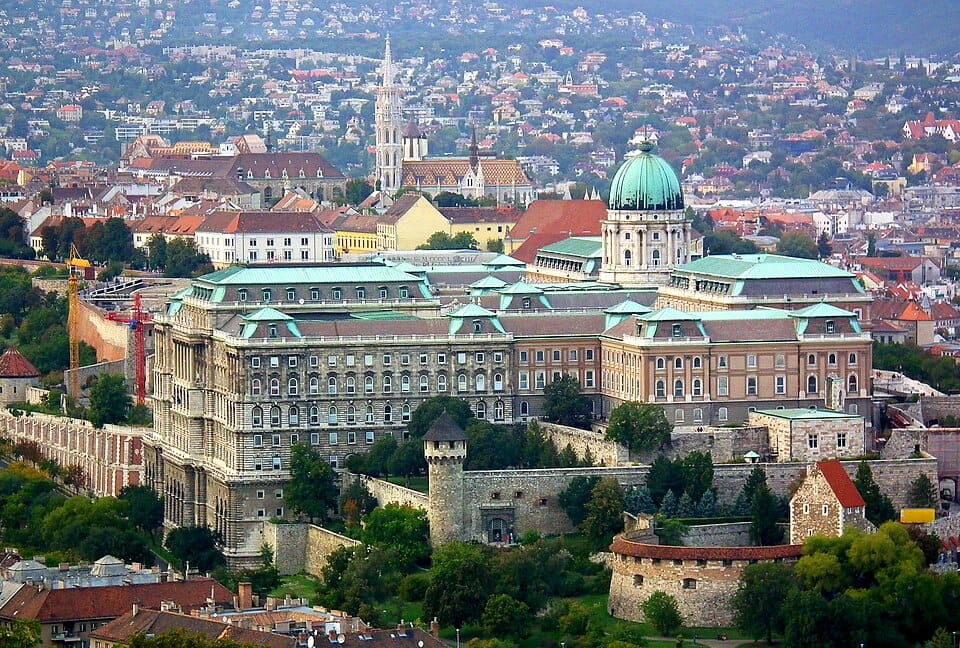
The historic royal palace complex atop Castle Hill, rebuilt many times since the 13th century, that now houses the Hungarian National Gallery and the Budapest History Museum.
Fisherman's Bastion
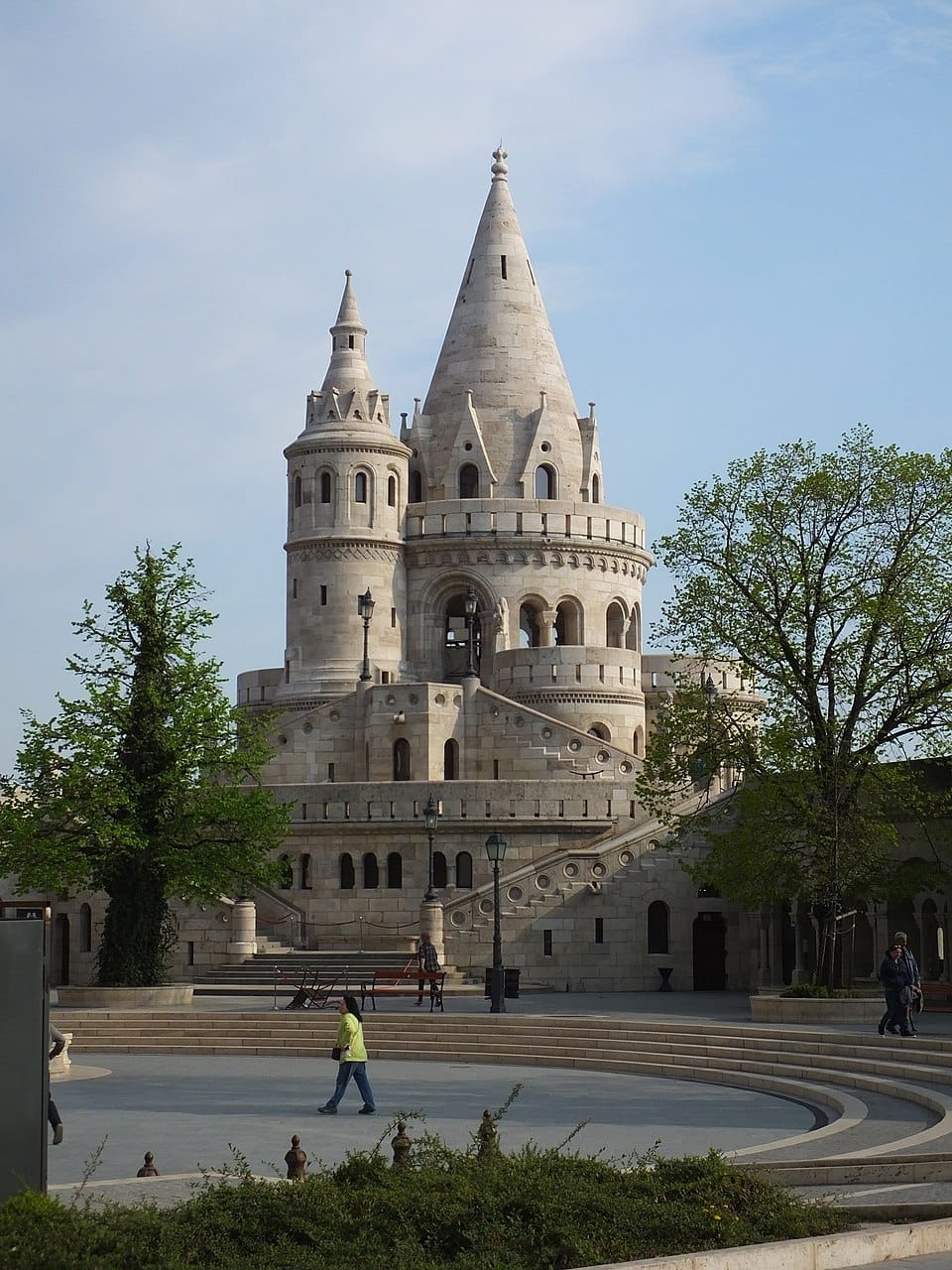
A terraced neo-Romanesque lookout on Castle Hill built around 1900, prized for its turrets and sweeping views over the Danube and Pest.
Széchenyi Thermal Bath
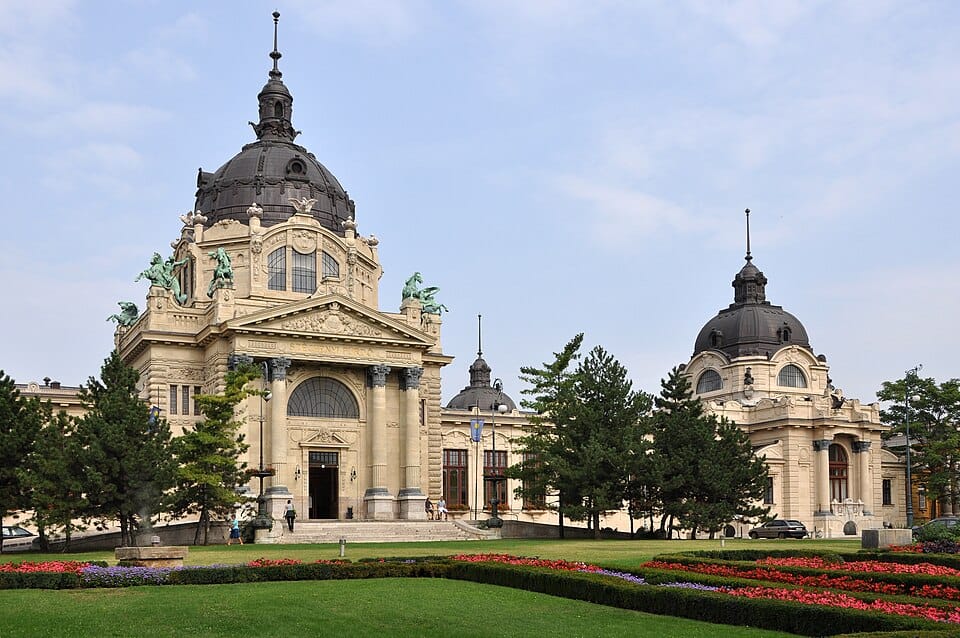
One of Europe's largest thermal bath complexes, fed by natural hot springs, with grand neo-baroque outdoor and indoor pools in City Park.
Chain Bridge
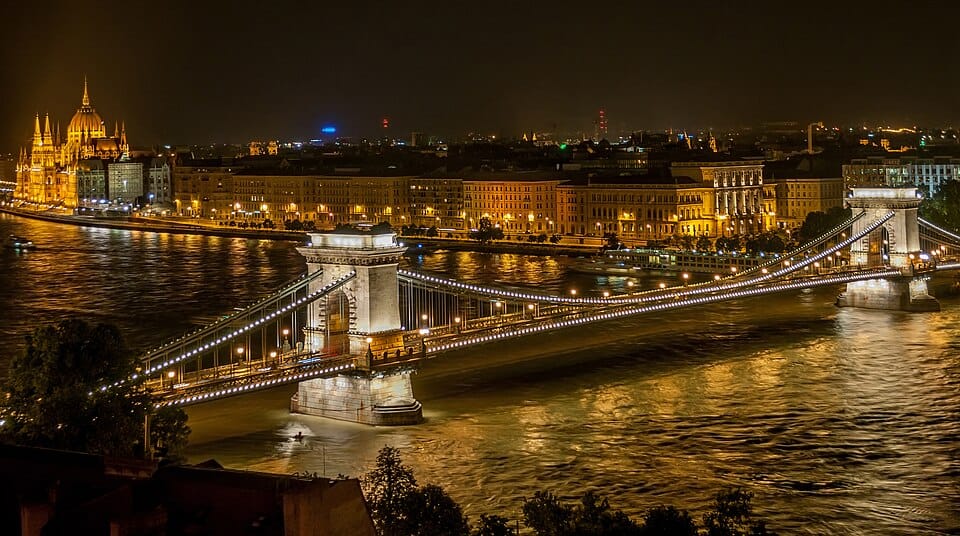
The first permanent bridge across the Danube in Budapest, opened in 1849, linking Buda and Pest and flanked by stone lion statues.
St. Stephen's Basilica
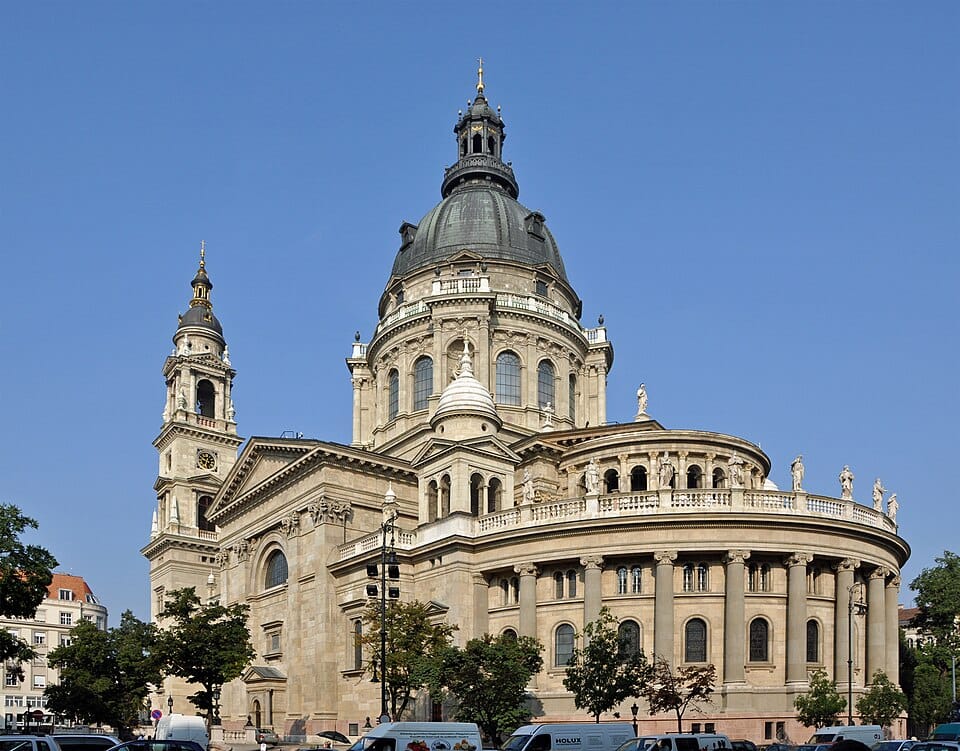
Budapest's largest church, completed in 1905, named for Hungary's first king and holding his mummified right hand as a relic.
Szentendre
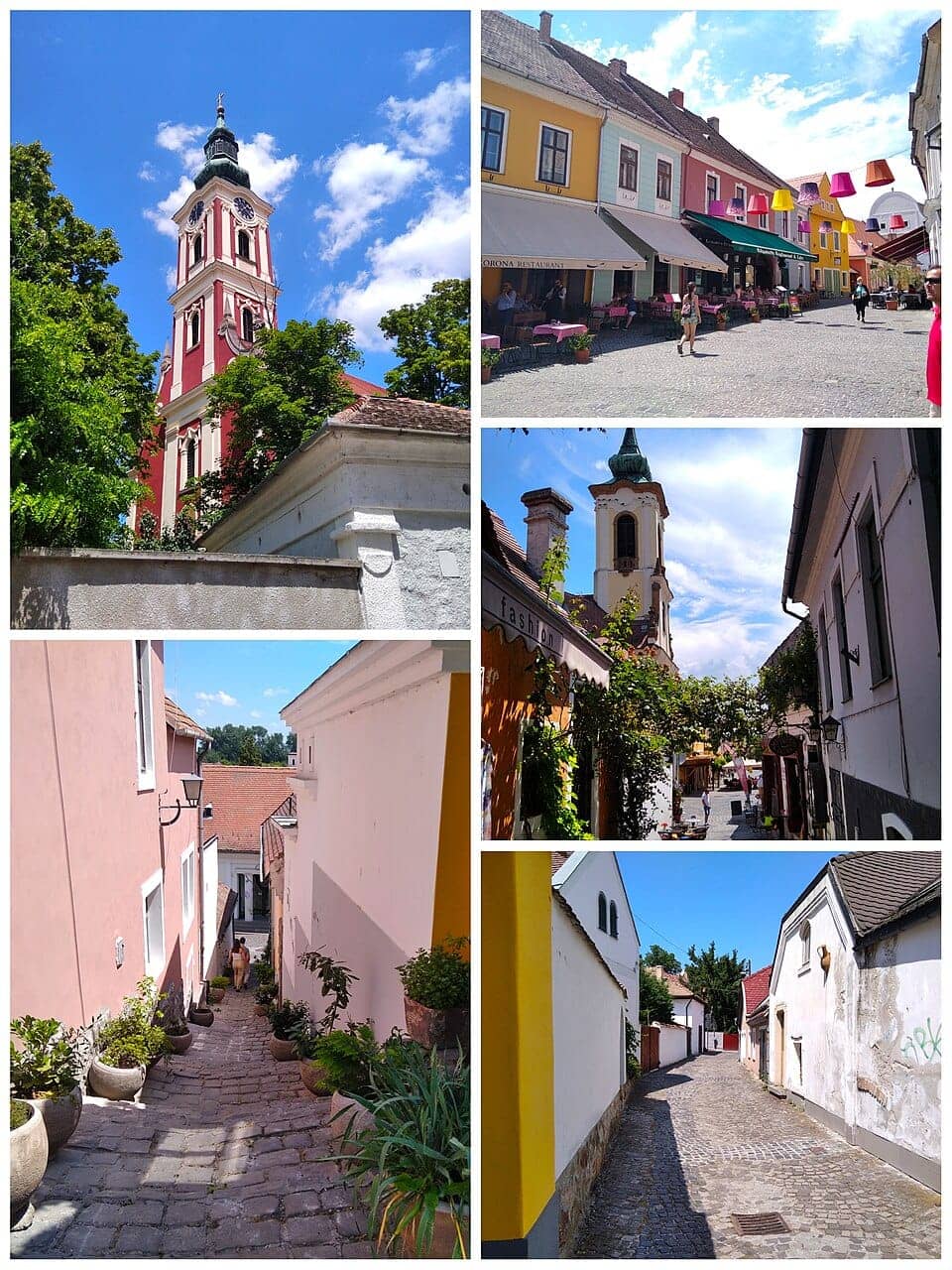
Szentendre is a small baroque town on the west bank of the Danube, settled by Serbian merchants and craftsmen who fled Ottoman rule in the 17th and 18th centuries. Its cobbled streets, pastel-colored houses, and several Serbian Orthodox churches reflect that heritage, and the town has long attracted painters, giving it a reputation as an artists' colony.
Top attractions in Szentendre
Blagovestenska Church
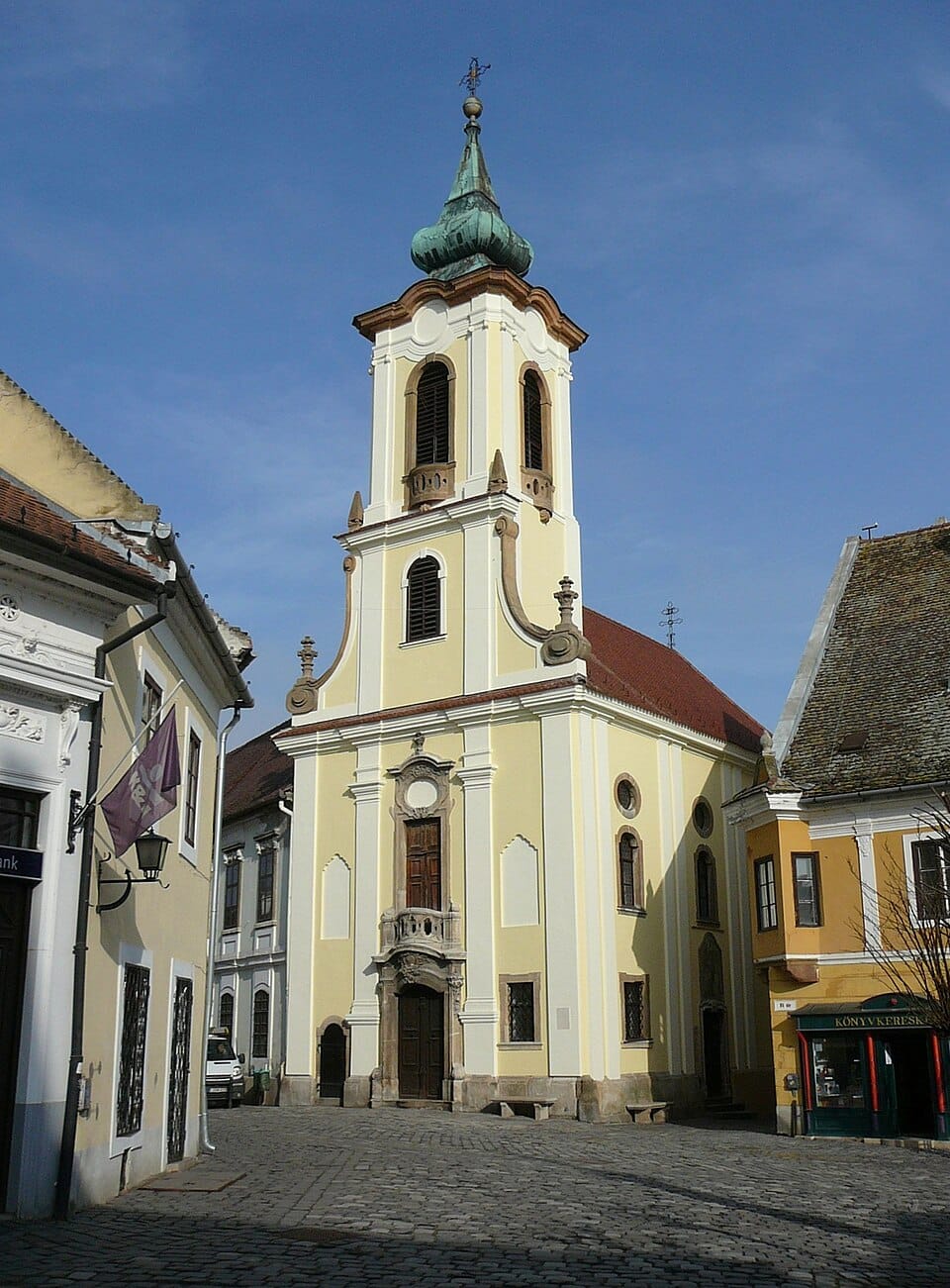
A small Serbian Orthodox church on the main square, built in the mid-18th century with an ornate iconostasis, one of the last active reminders of the town's Serbian community.
Szentendre Open-Air Museum (Skanzen)
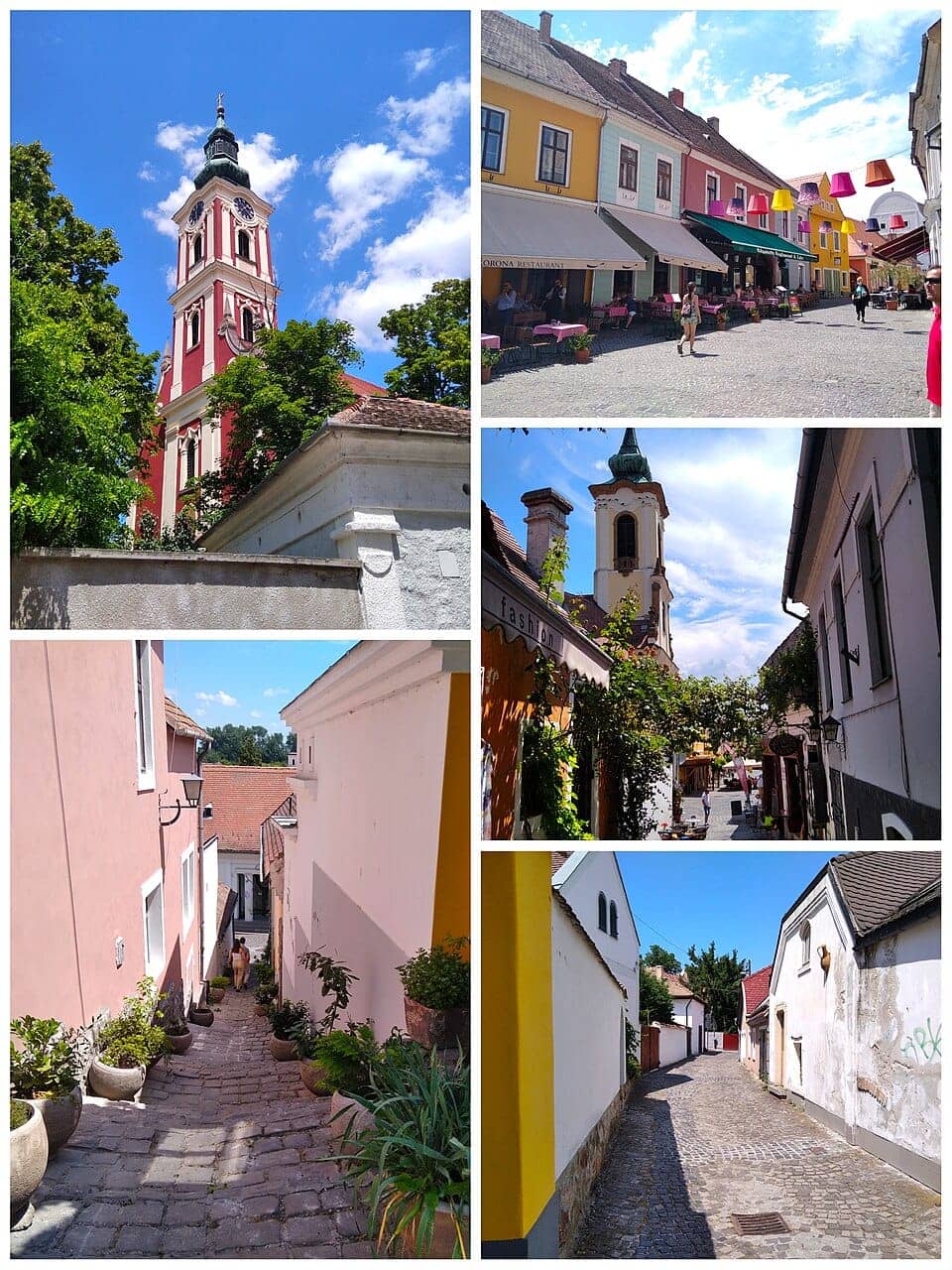
Hungary's largest open-air ethnographic museum, gathering original historic houses and farmsteads relocated from across the country to show regional rural life.
Main Square (Fő tér)
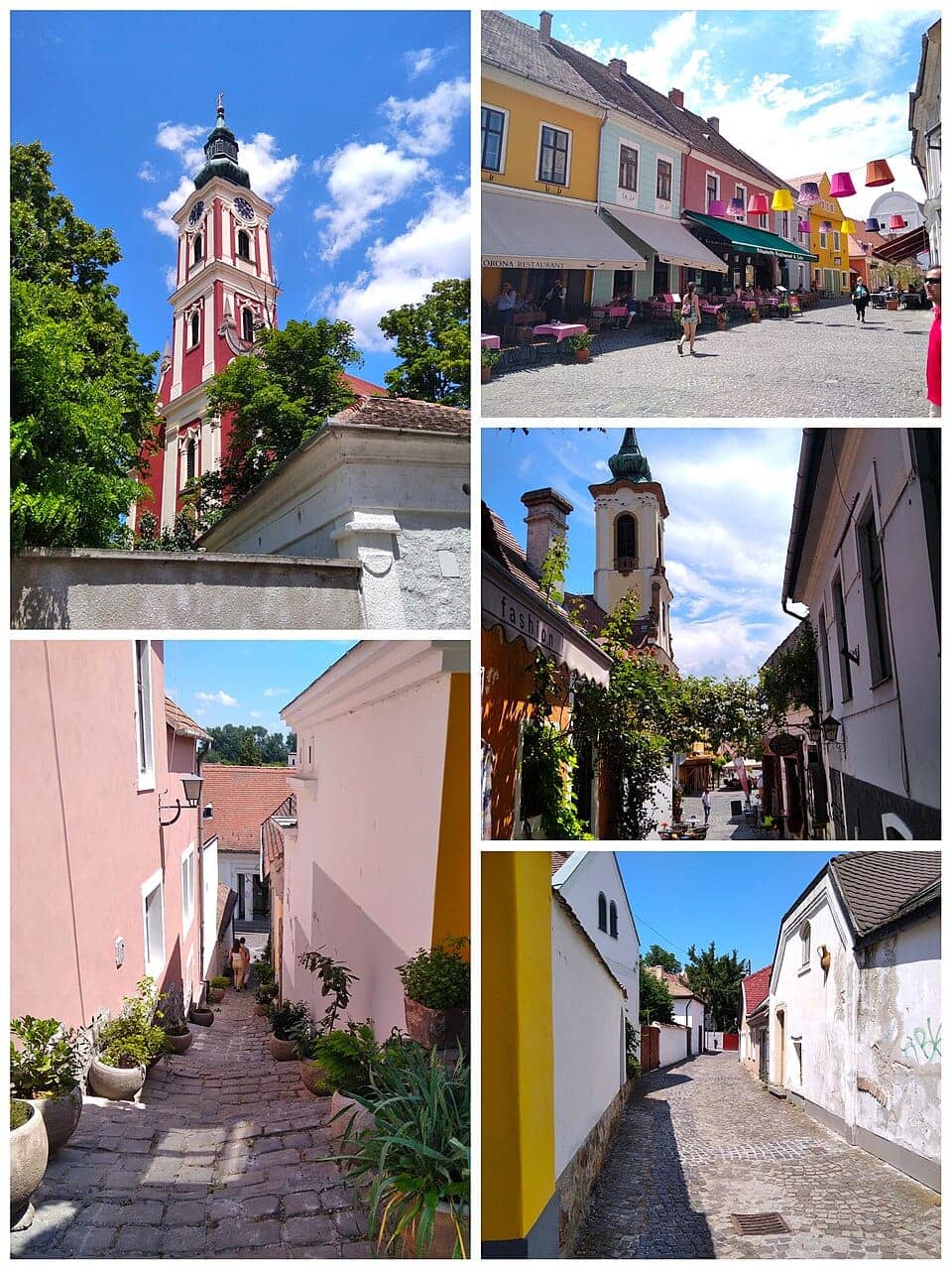
The town's baroque central square, lined with colorful merchant houses and a plague cross from 1763, forming the heart of the old town.
Margit Kovács Museum
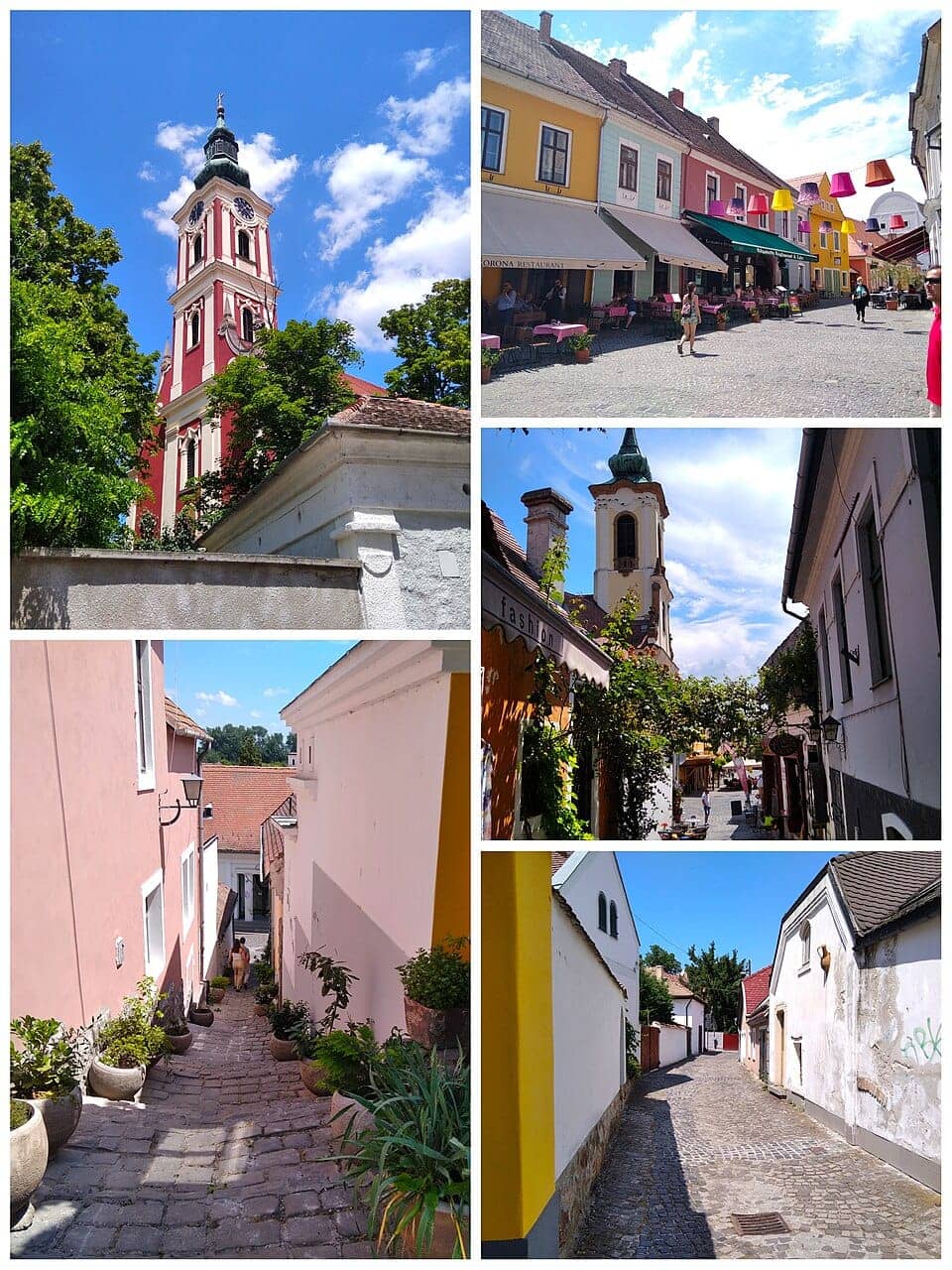
A museum dedicated to ceramicist Margit Kovács, housed in an 18th-century merchant house and displaying her figurative sculptures and glazed reliefs.
Belgrade Cathedral
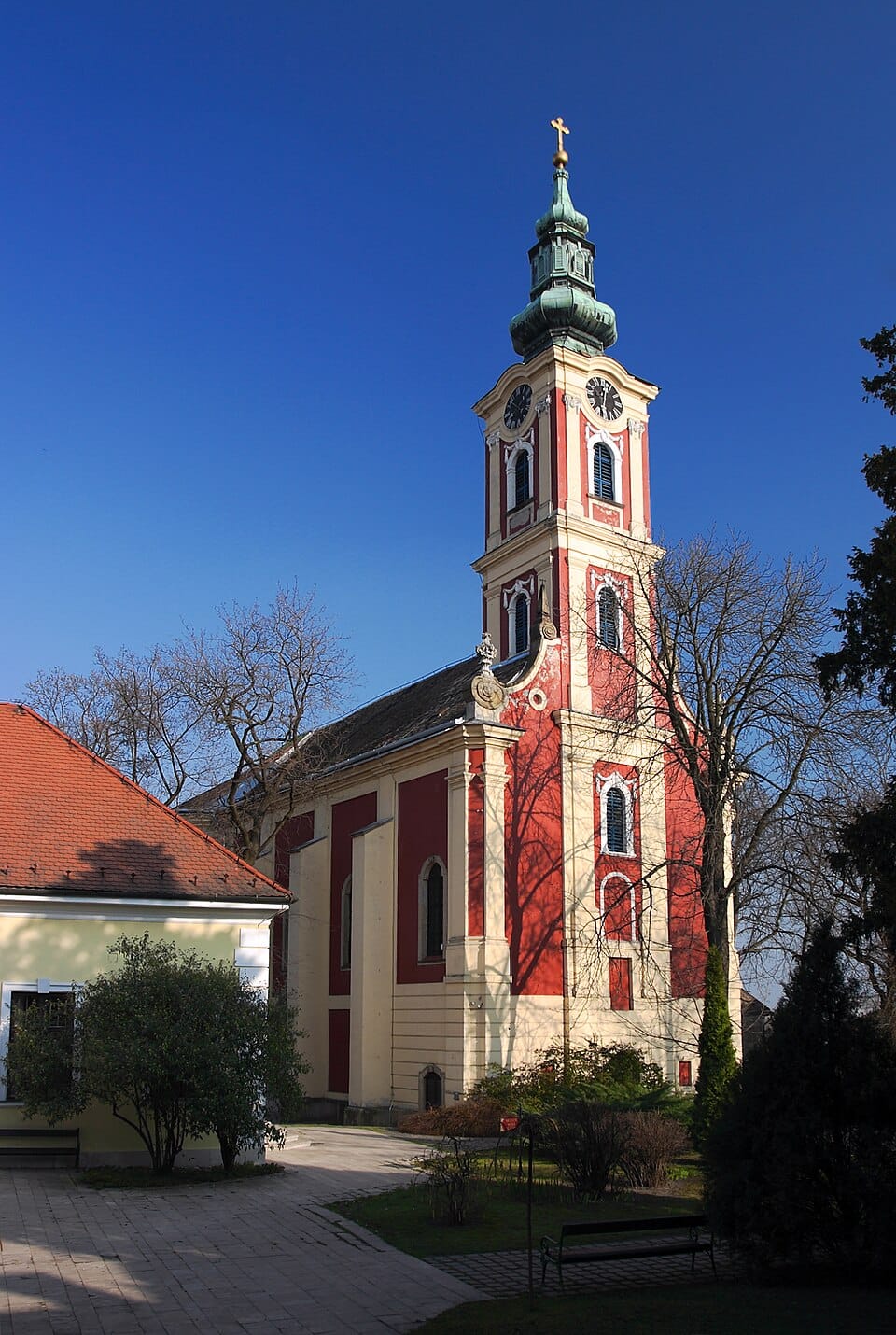
The seat of the Serbian Orthodox bishopric in Hungary, set behind walls in a quiet courtyard and home to a museum of ecclesiastical art.
Visegrád
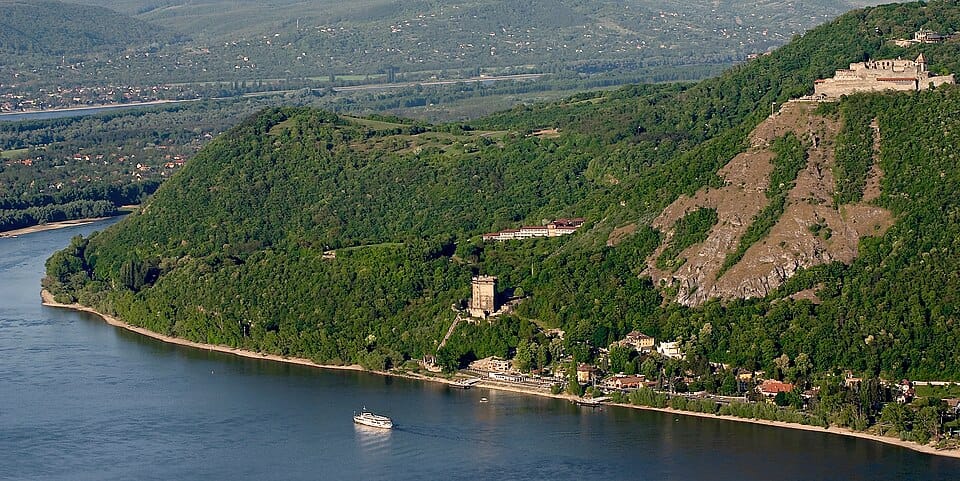
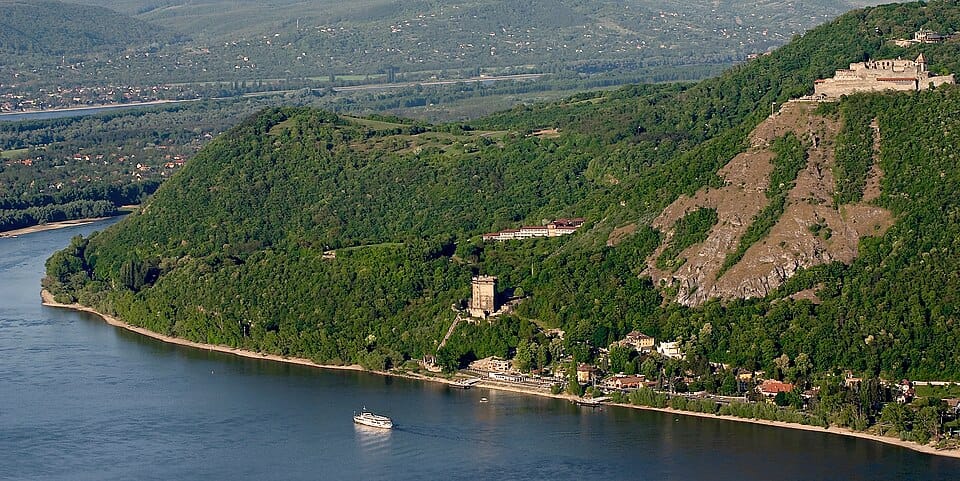
Visegrád is a small town on the Danube Bend, dominated by a ruined hilltop citadel that was once the seat of medieval Hungarian kings. In 1335, King Charles I hosted a summit of Central European monarchs here, an event later commemorated in the name of the modern Visegrád Group of nations. The lower Royal Palace, largely rebuilt from excavated ruins, once ranked among the grandest Gothic residences in Europe.
Top attractions in Visegrád
Visegrád Citadel (Fellegvár)
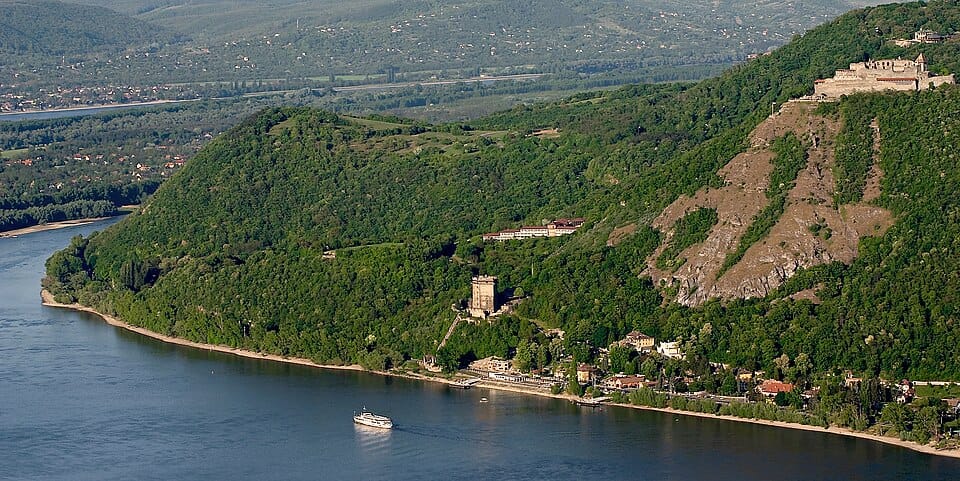
A 13th-century hilltop fortress rebuilt over the centuries, which once safeguarded the Hungarian crown jewels and now offers panoramic views over the Danube Bend.
Solomon's Tower
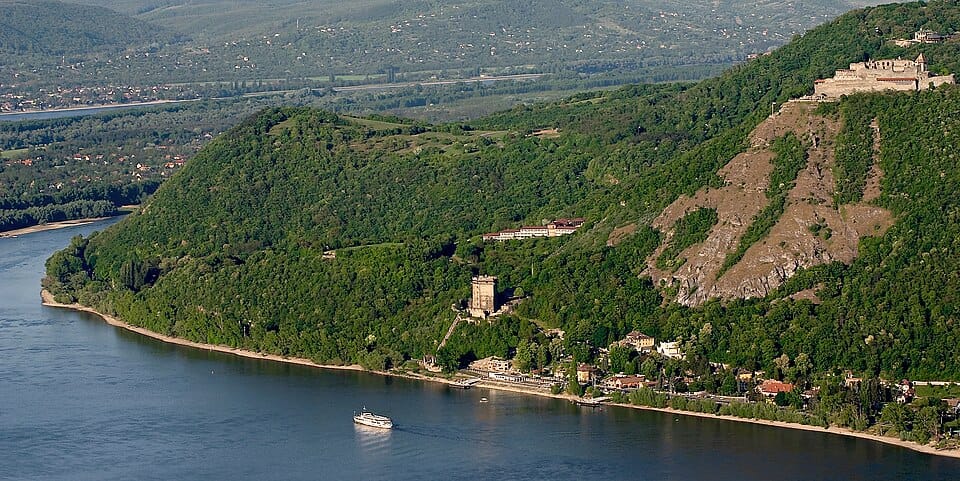
A massive hexagonal keep at the base of the hill, built in the 13th century as part of the lower castle's river defenses.
Royal Palace ruins
The excavated remains of the Gothic-Renaissance palace of King Matthias Corvinus, once one of the largest royal residences in Europe, with a reconstructed Hercules Fountain and Court of Honor.
Danube Bend viewpoint
The dramatic curve where the Danube changes course from an eastward to a southward flow, best appreciated from the citadel or the riverside road above Visegrád.
Eger
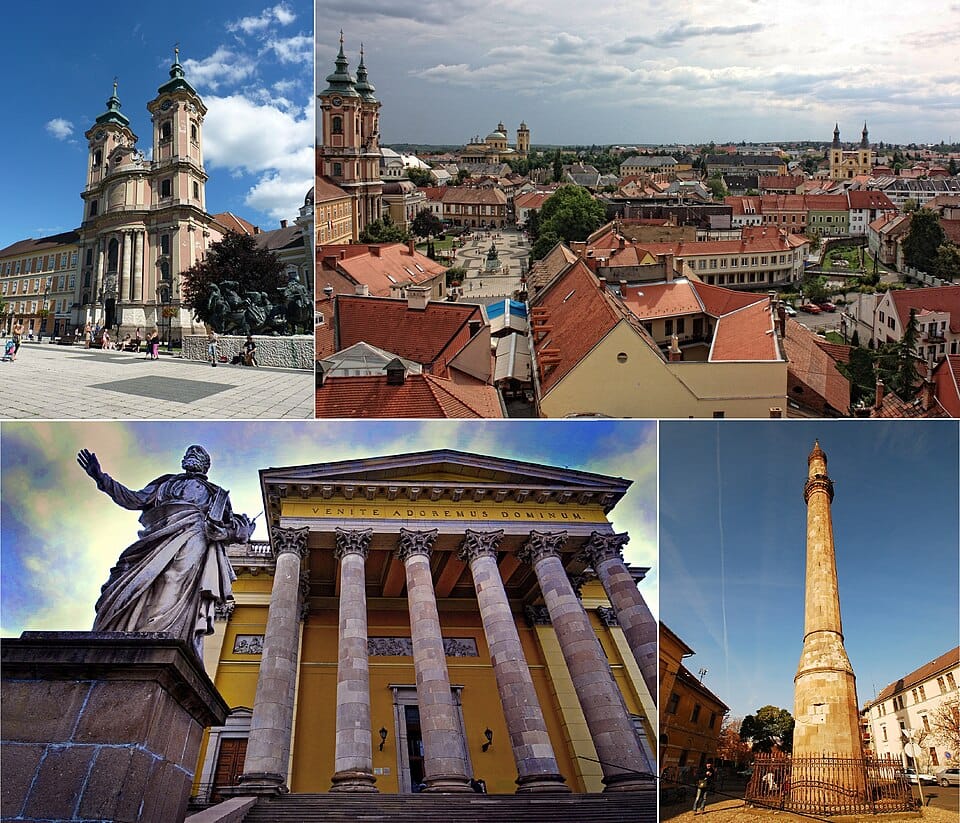
Eger is a town in northern Hungary known for its hilltop castle, baroque townscape, and surrounding wine country. The castle famously withstood a massive Ottoman siege in 1552, a defense commemorated in Hungarian national memory, though the town fell to the Ottomans decades later, leaving behind the country's northernmost surviving minaret. Eger is also the home of Egri Bikavér, or Bull's Blood, a well-known red wine blend.
Top attractions in Eger
Eger Castle
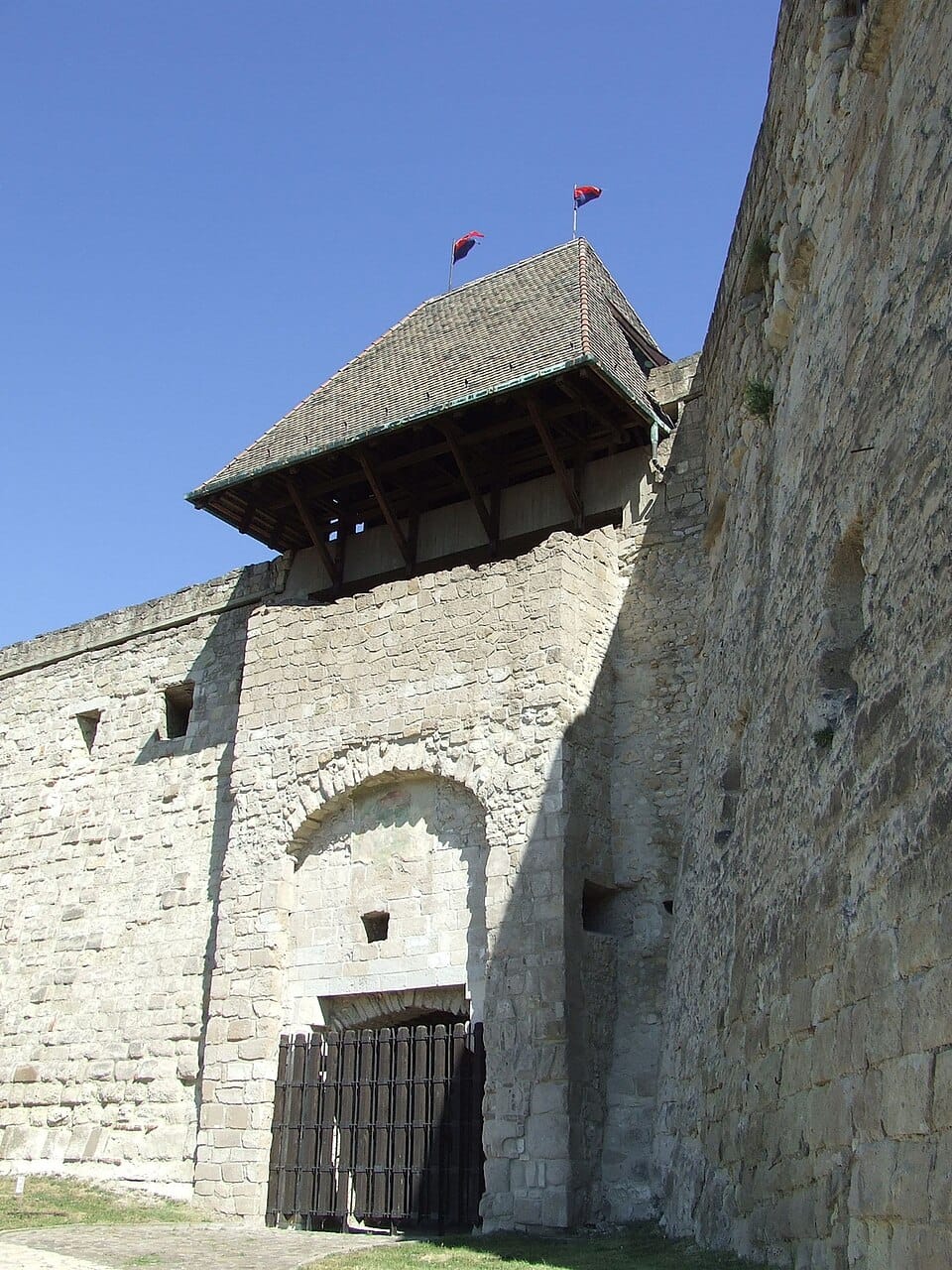
A hilltop fortress that survived a famous 1552 siege by a much larger Ottoman army, now housing museums on the town's military history and offering wide views over the rooftops.
Eger Minaret
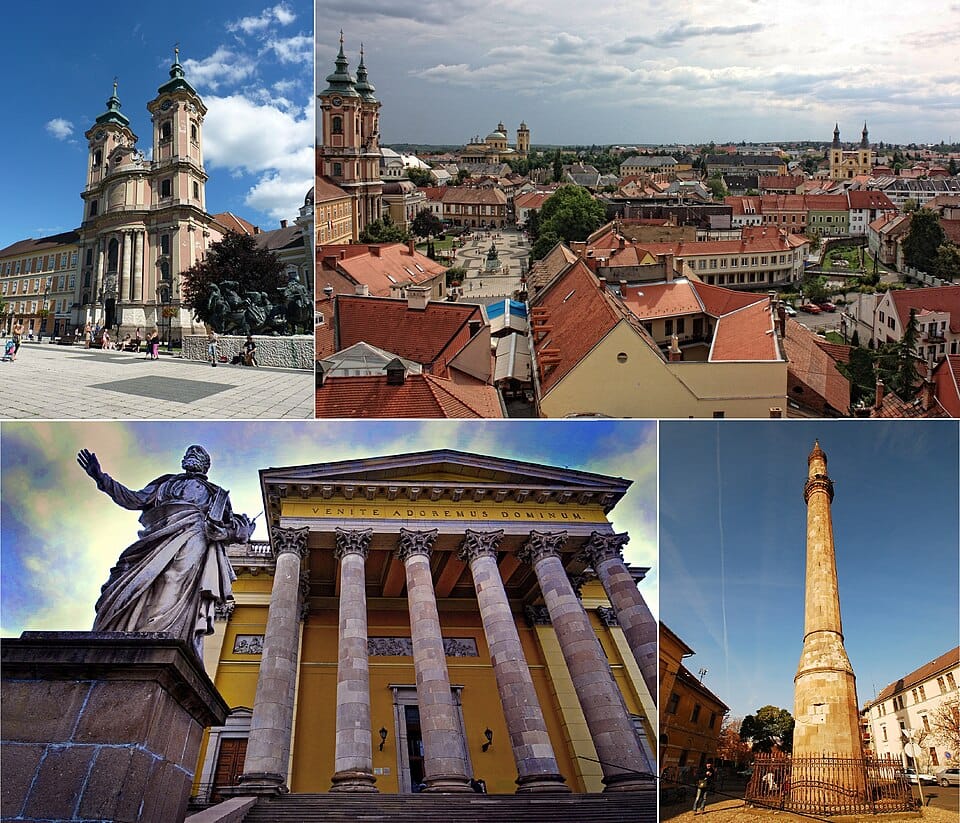
A slender 40-meter Ottoman-era minaret built in the late 17th century, the northernmost surviving minaret in the world, climbable via a narrow spiral staircase.
Eger Basilica
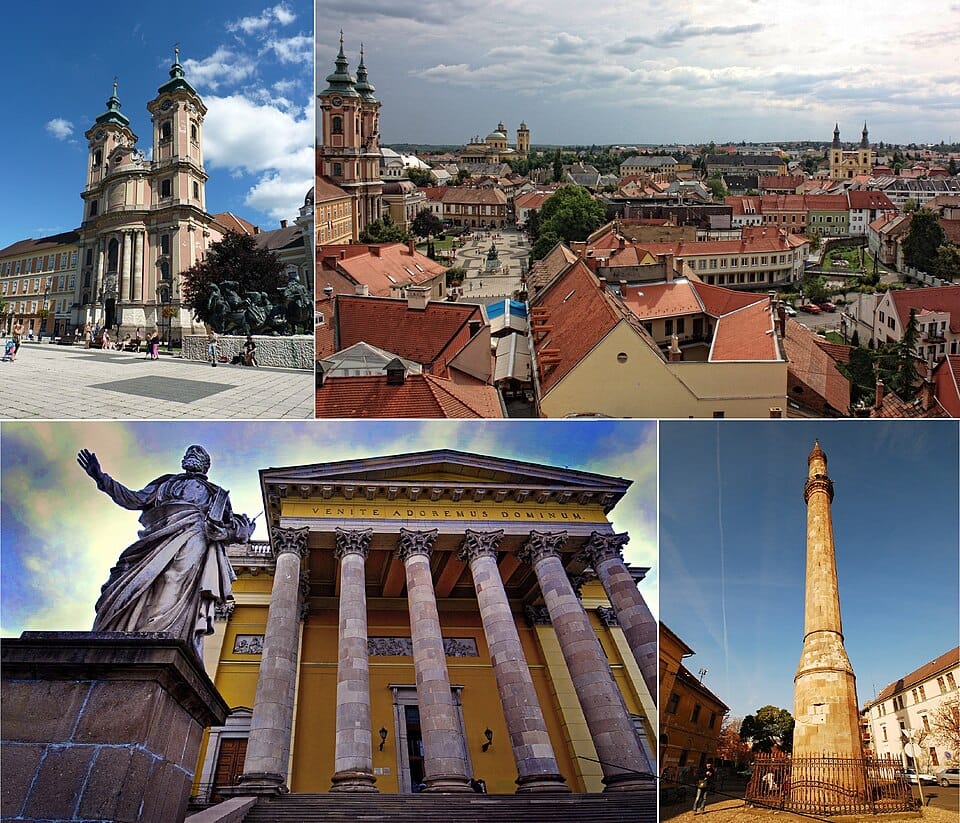
Hungary's second-largest church, a Neoclassical cathedral completed in 1836, known for its organ concerts and grand columned facade.
Valley of the Beautiful Women (Szépasszony-völgy)
A hillside cluster of wine cellars carved into the rock on the edge of town, where local producers pour wines from the surrounding Eger vineyards.
Eszterházy Károly Lyceum
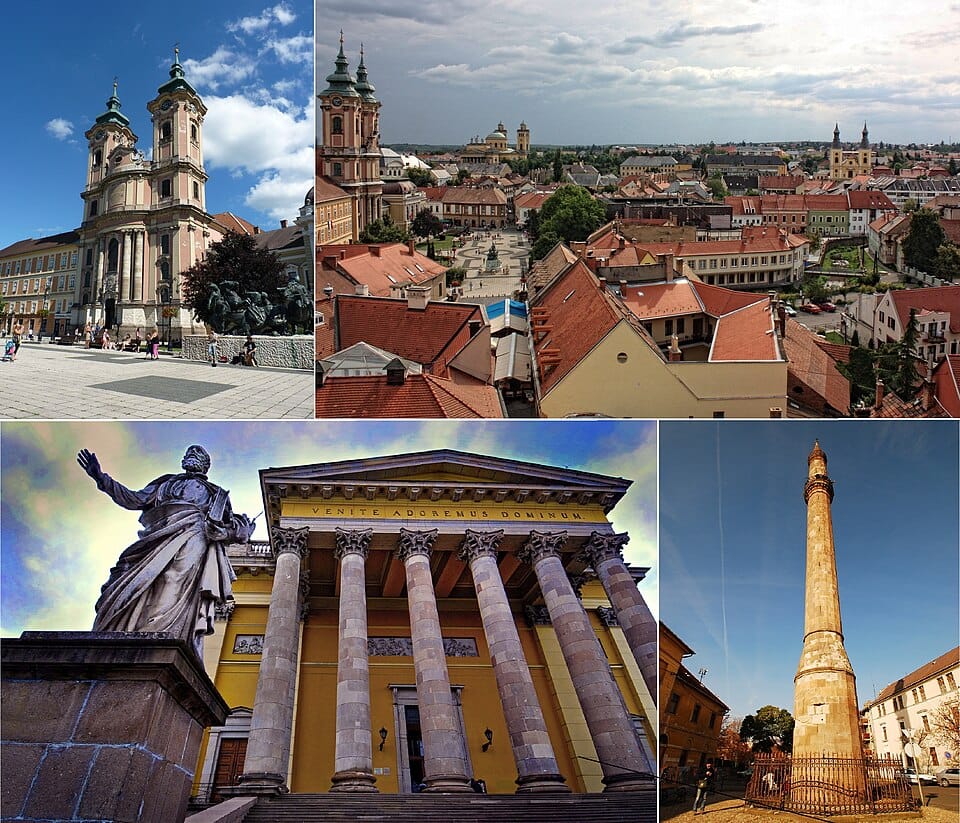
An 18th-century baroque university building known for its library ceiling fresco and its camera obscura, which projects a live view of the town onto a screen.
Plan this route with EuroDrive Scout — tolls, vignettes, ZTL alerts, fuel & parking →