Camino Portugués: attractions & sights guide
A stop-by-stop guide to the best things to see along the Camino Portugués route — 8 destinations, their must-see sights and how to drive between them.
Plan this route with EuroDrive Scout — tolls, vignettes, ZTL alerts, fuel & parking →
Lisbon
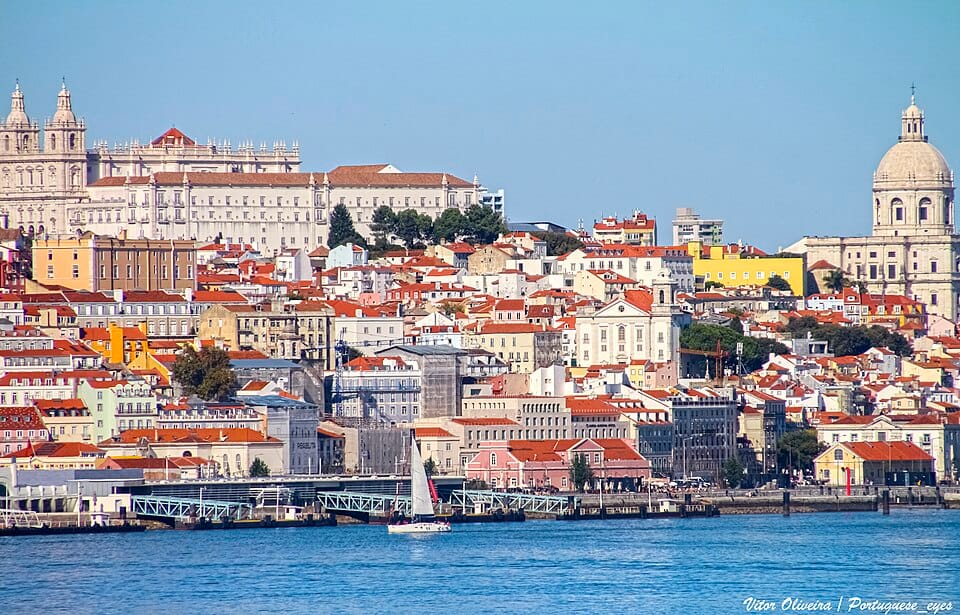
Lisbon is Portugal's capital, built across seven hills on the north bank of the Tagus estuary. Its pastel facades, black-and-white cobbled pavements, and yellow trams have made it one of Europe's most photographed cities, while its Age of Discoveries monuments recall the era when Portuguese ships set out to chart the globe.
Top attractions in Lisbon
Belém Tower
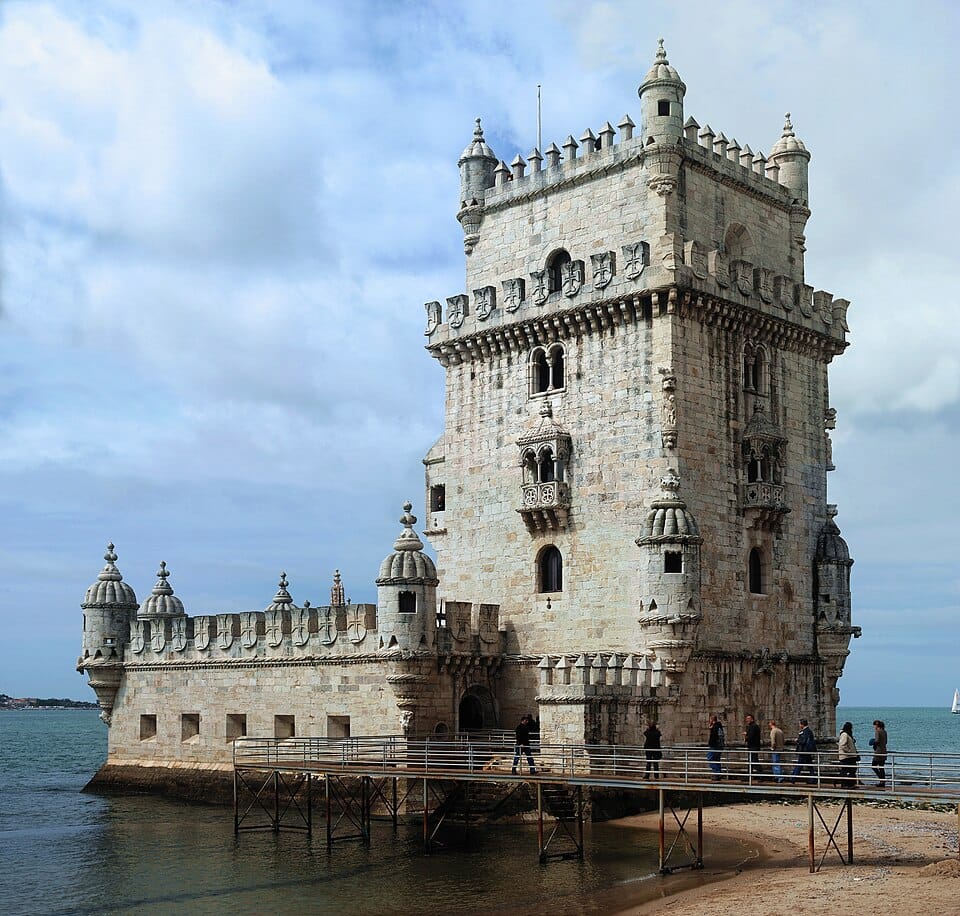
A 16th-century fortified tower on the Tagus riverbank, built to defend Lisbon's harbor and now a UNESCO World Heritage Site marking the start of Portugal's maritime expeditions.
Jerónimos Monastery
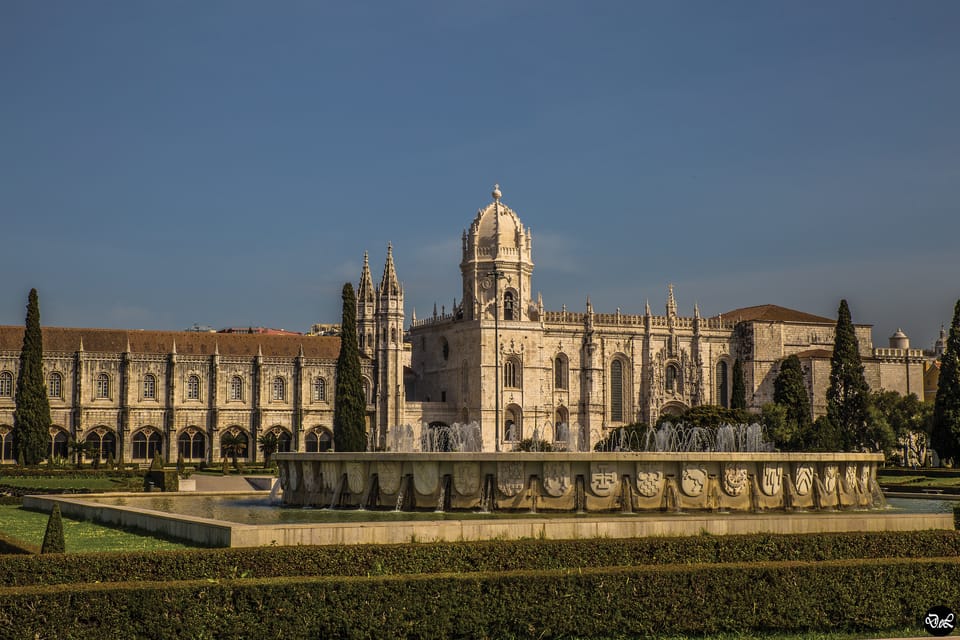
A vast limestone monastery in the Manueline style, funded by the wealth of the spice trade and housing the tomb of navigator Vasco da Gama.
Alfama district
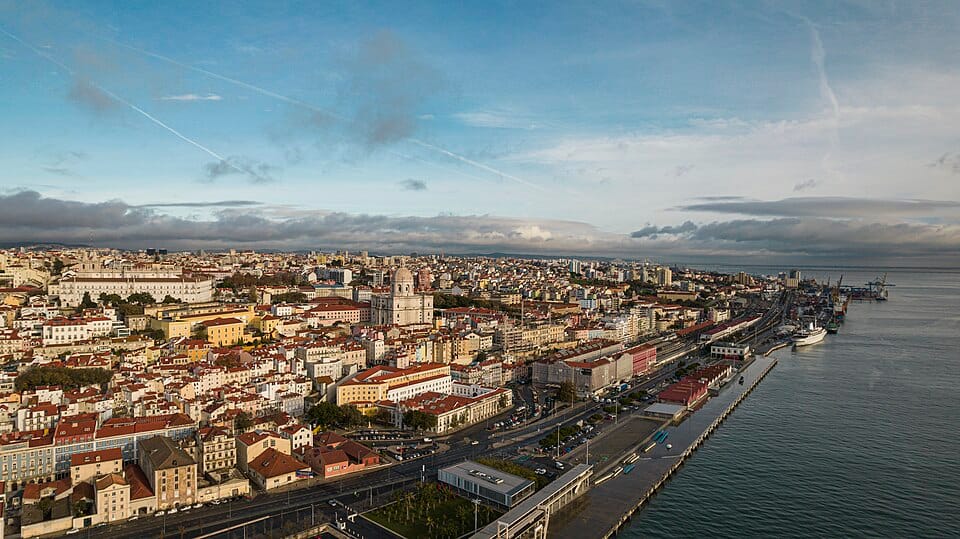
Lisbon's oldest neighborhood, a maze of narrow lanes below the São Jorge Castle where fado music still drifts from small taverns in the evening.
Praça do Comércio
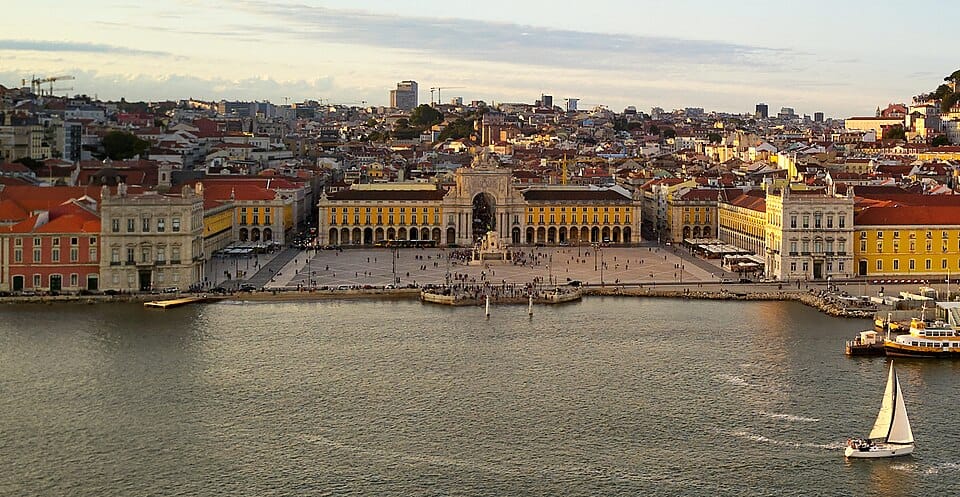
A grand riverfront square rebuilt after the 1755 earthquake, framed by yellow arcaded buildings and opening directly onto the Tagus.
Tram 28
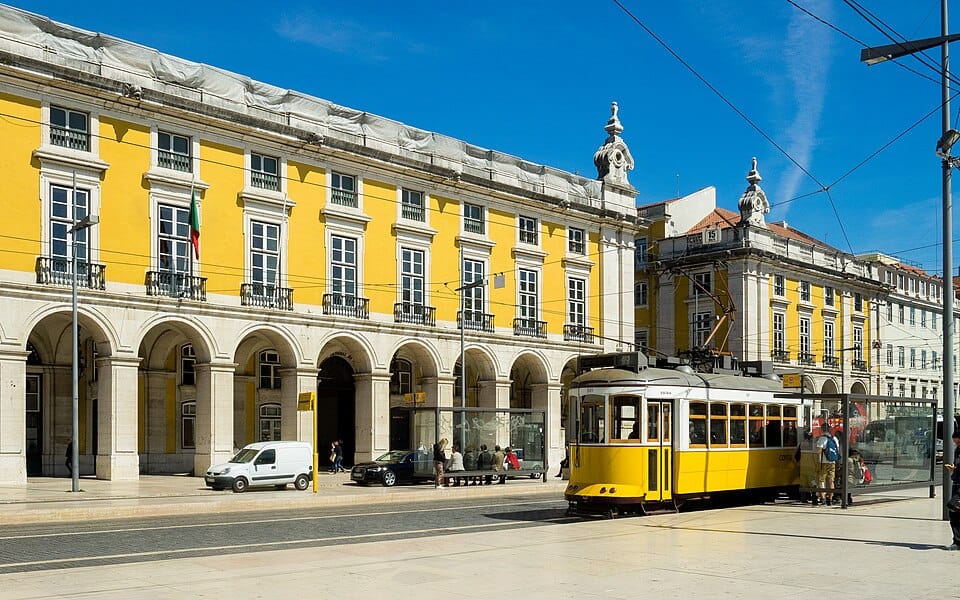
A vintage yellow tram route that climbs and winds through Lisbon's hilliest historic districts, from Graça to Estrela, past miradouros and tiled facades.
LX Factory
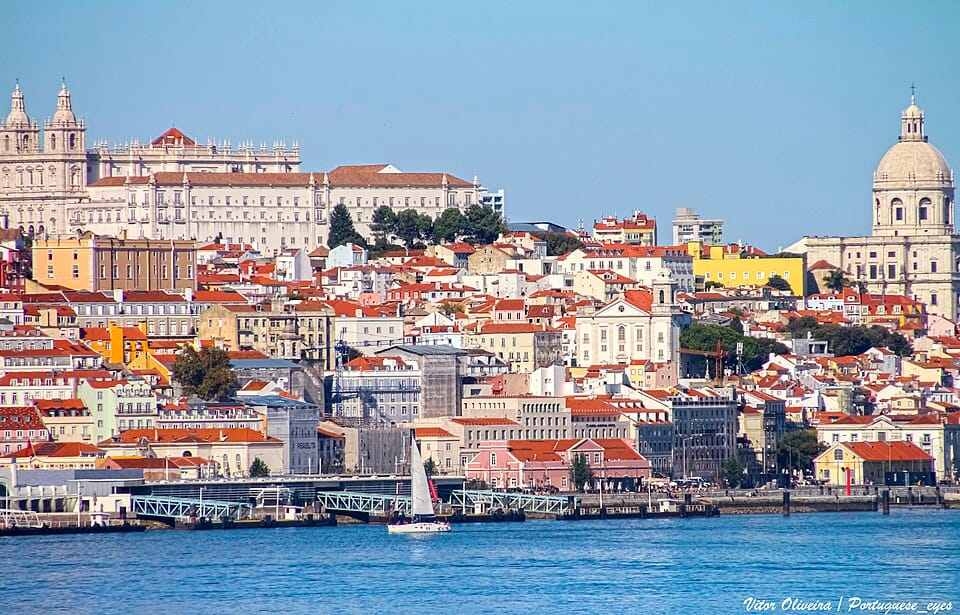
A former industrial complex under the 25 de Abril Bridge, now filled with independent shops, galleries, and cafés in converted textile factory buildings.
Porto
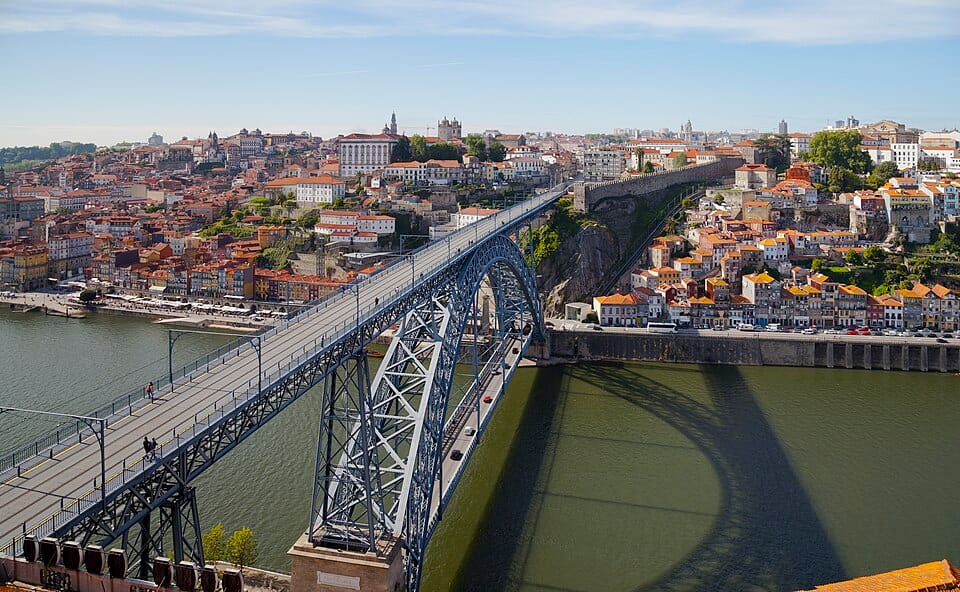
Porto is Portugal's second city, spread across steep granite slopes on the north bank of the Douro River, where it meets the Atlantic. Its historic center, a UNESCO World Heritage Site, is a dense stack of tiled townhouses tumbling down toward the riverfront Ribeira district, and its name gave the world port wine, still aged in warehouses across the water in Vila Nova de Gaia.
Top attractions in Porto
Ribeira district
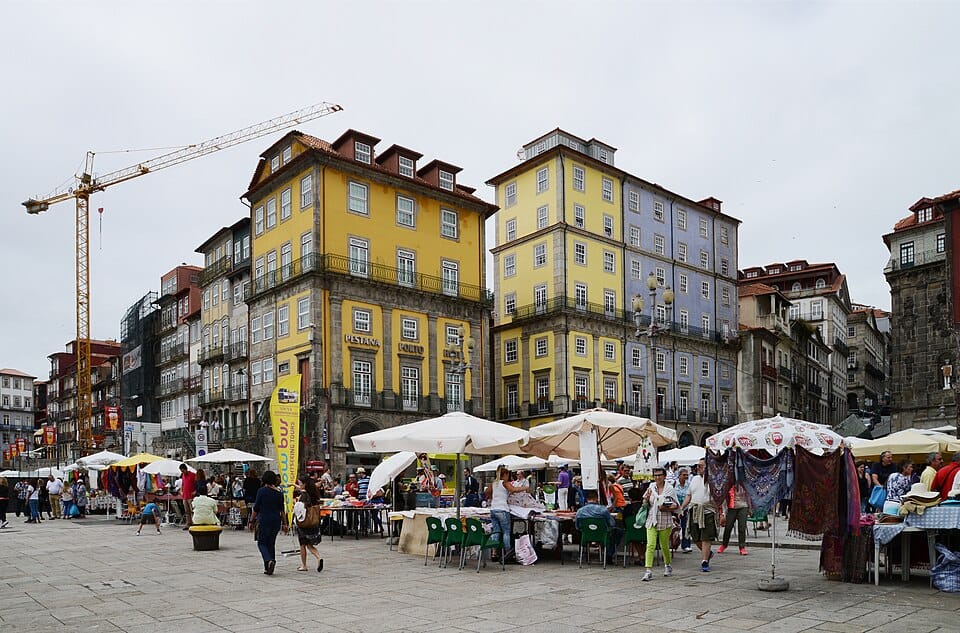
A UNESCO-listed riverfront quarter of narrow lanes and colorful, crumbling townhouses stacked above the Douro, lined with cafés facing the water.
Dom Luís I Bridge
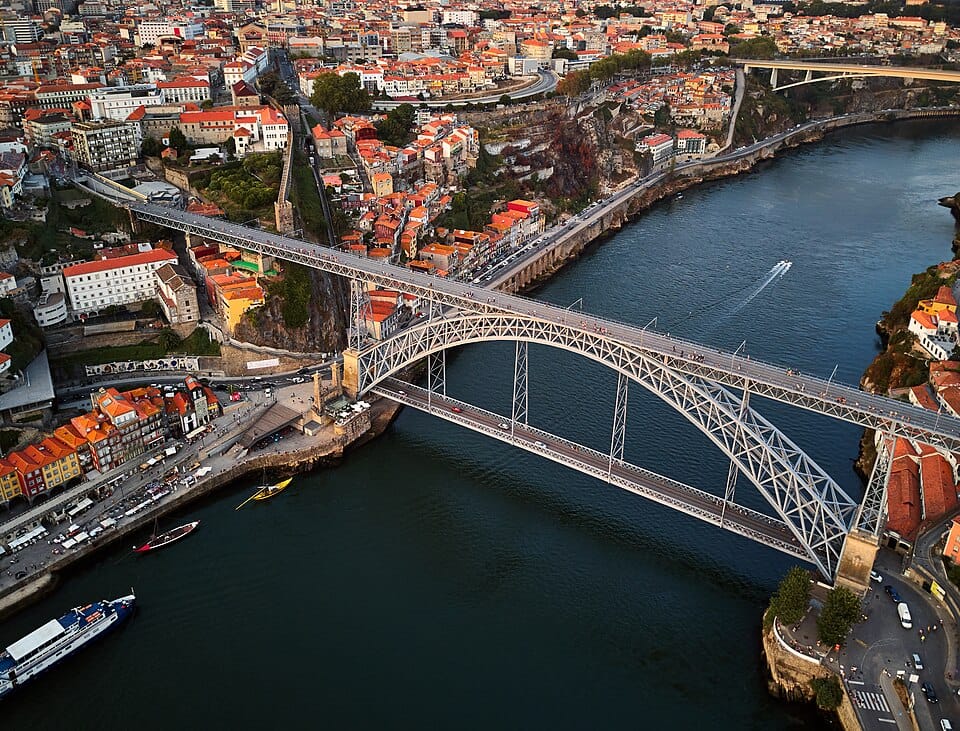
A double-deck iron bridge spanning the Douro, designed with input from a student of Gustave Eiffel, carrying a metro line above and pedestrians on both levels.
Livraria Lello
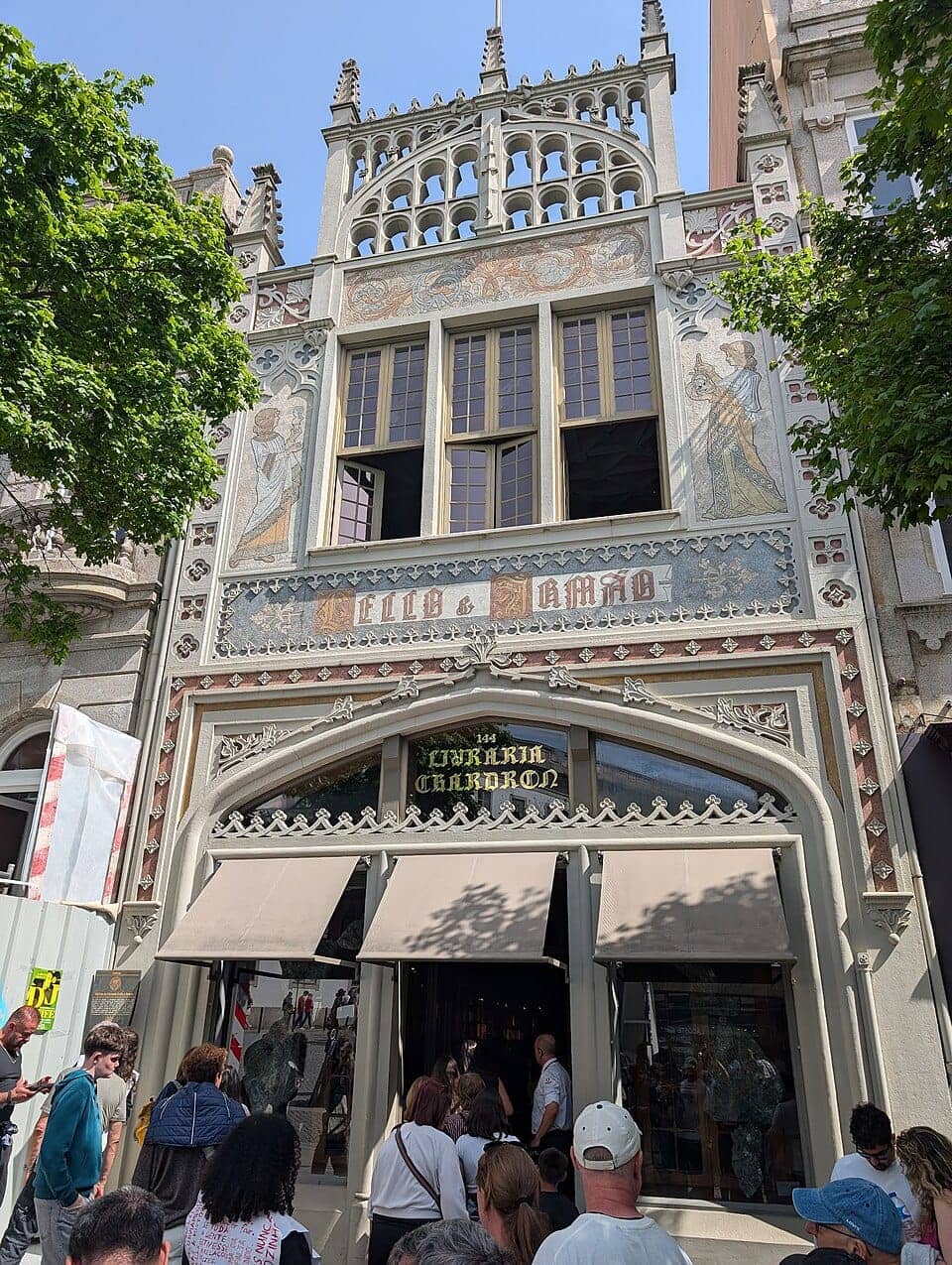
A neo-Gothic bookstore from 1906 known for its ornate carved wood interior and curved red staircase, one of the most visited bookshops in the world.
Porto Cathedral
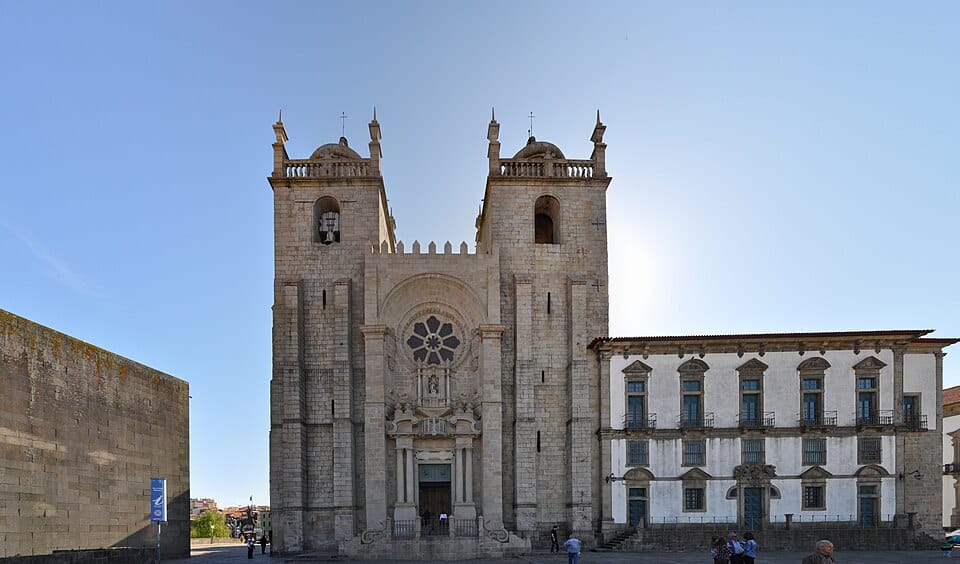
A fortress-like Romanesque cathedral overlooking the old town from a hilltop, with a Gothic cloister decorated in 18th-century azulejo panels.
Port wine cellars of Vila Nova de Gaia
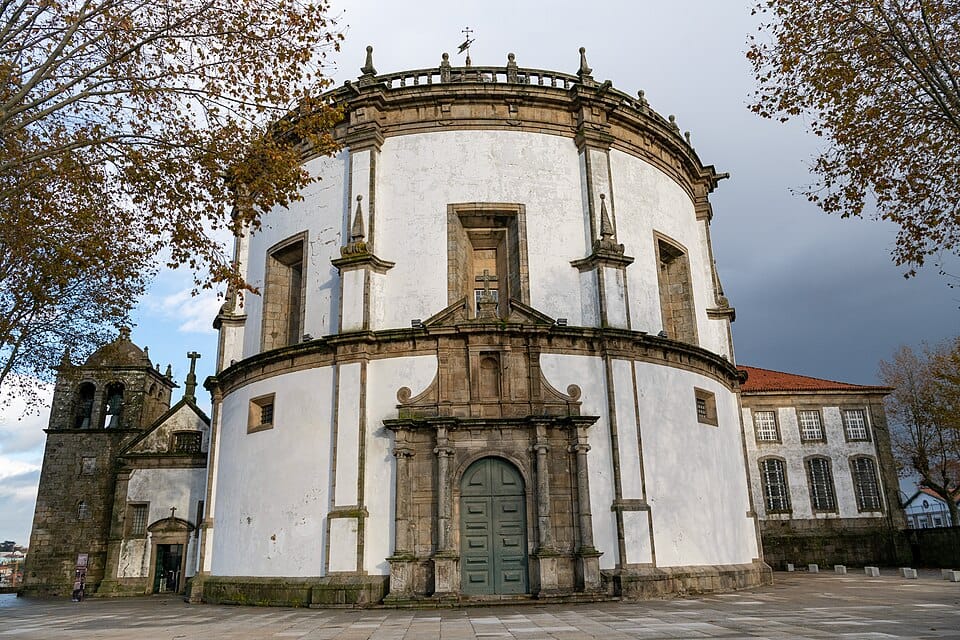
A row of historic wine lodges across the river from Porto's old town, where major port houses age their barrels and offer tastings with views back over the Douro.
Barcelos
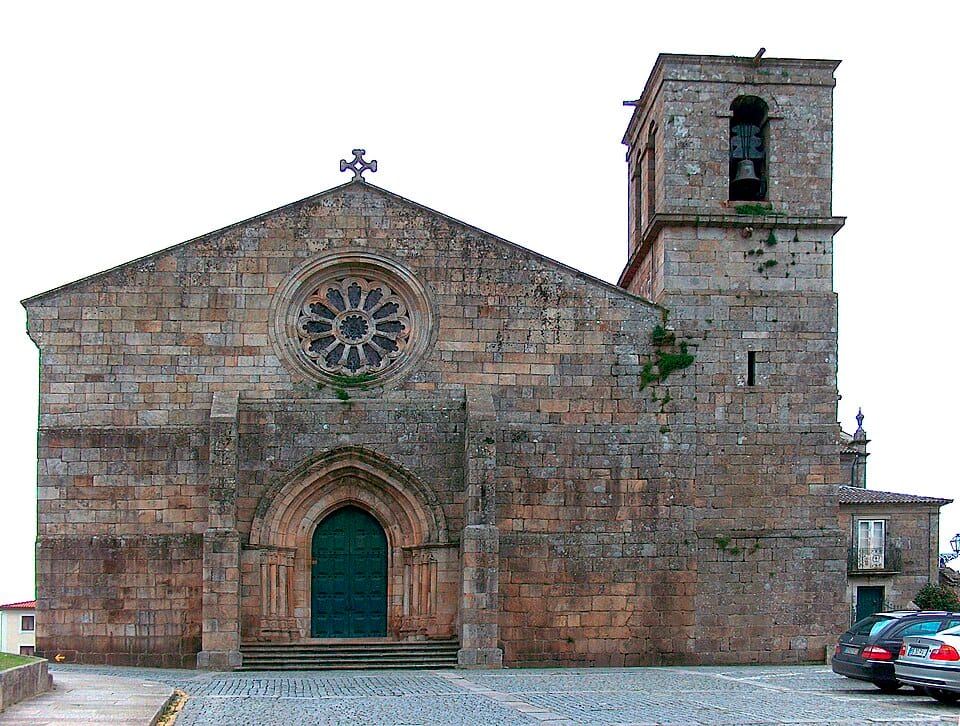
Barcelos is a town on the Cávado River in Portugal's Minho region and a stop on the Camino Português, the pilgrimage route to Santiago de Compostela. It is best known for the legend of the Galo de Barcelos, in which a roasted rooster is said to have crowed to prove a wrongly condemned pilgrim's innocence, and the ceramic rooster that grew out of the story has become one of Portugal's most recognizable folk symbols.
Top attractions in Barcelos
Museu Arqueológico de Barcelos
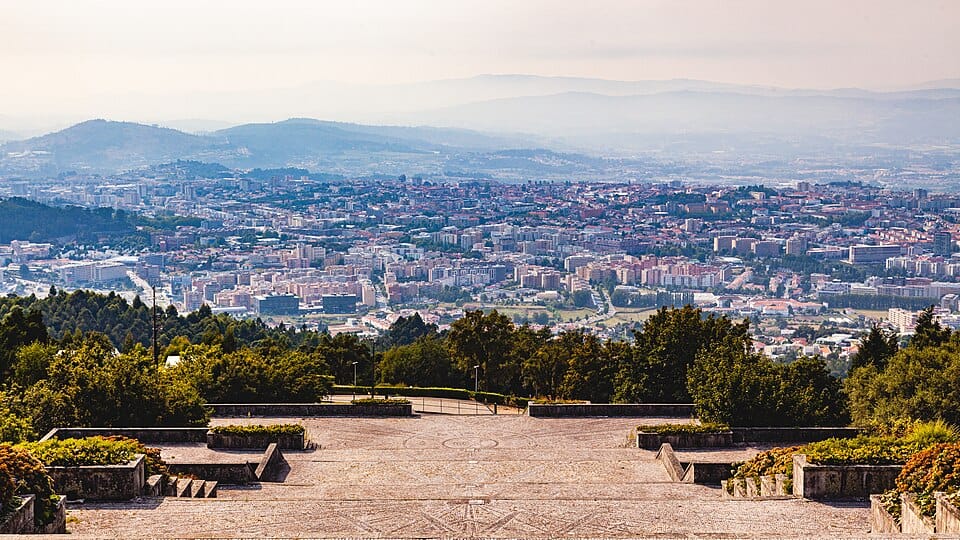
An open-air archaeological museum set among the ruins of the 15th-century Paço dos Condes, the former palace of the Counts of Barcelos, which also displays the stone cross linked to the rooster legend.
Museu de Olaria
A museum devoted to the pottery of the Barcelos region, tracing painted clay figures and cookware traditions that include the origins of the colorful ceramic rooster.
Ponte Medieval de Barcelos
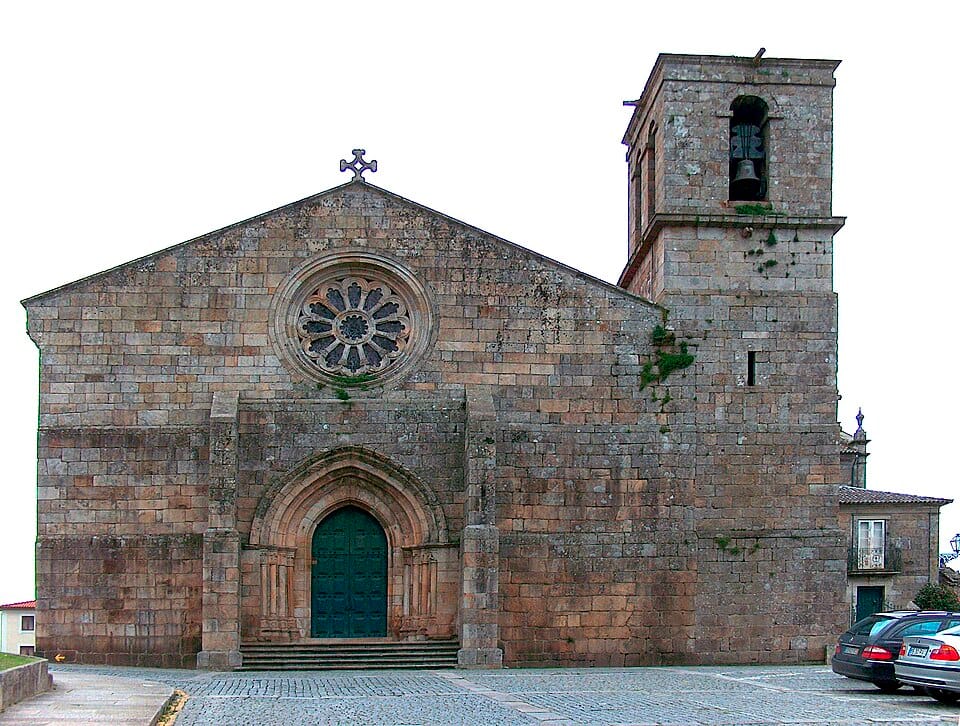
A Gothic stone bridge dating to the 14th century that carries traffic and the Camino Português across the Cávado River into the historic center.
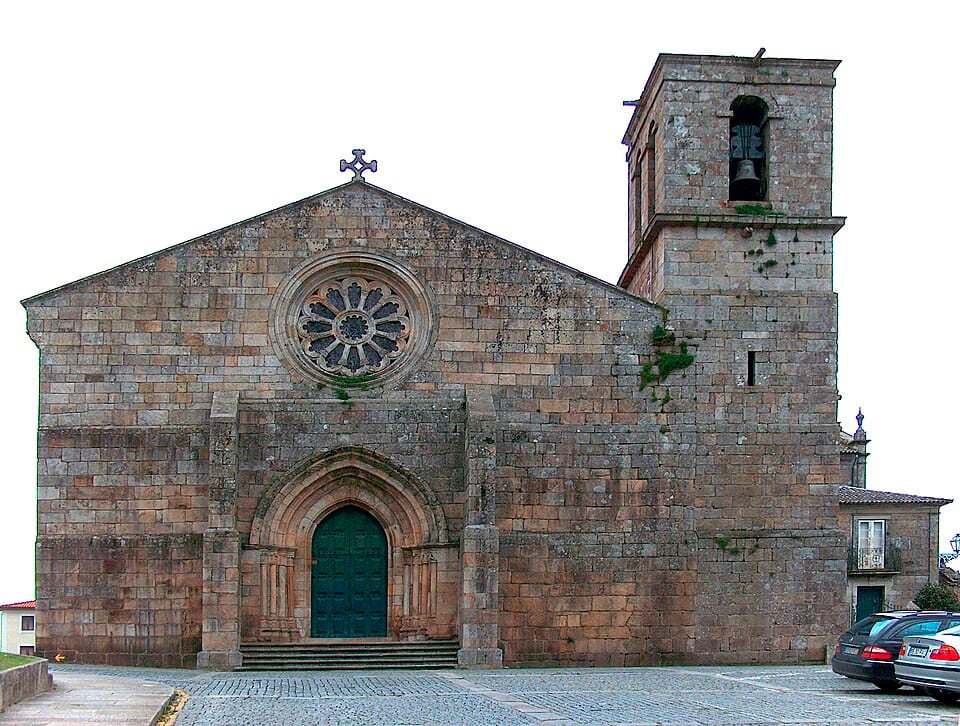
Igreja Matriz de Barcelos
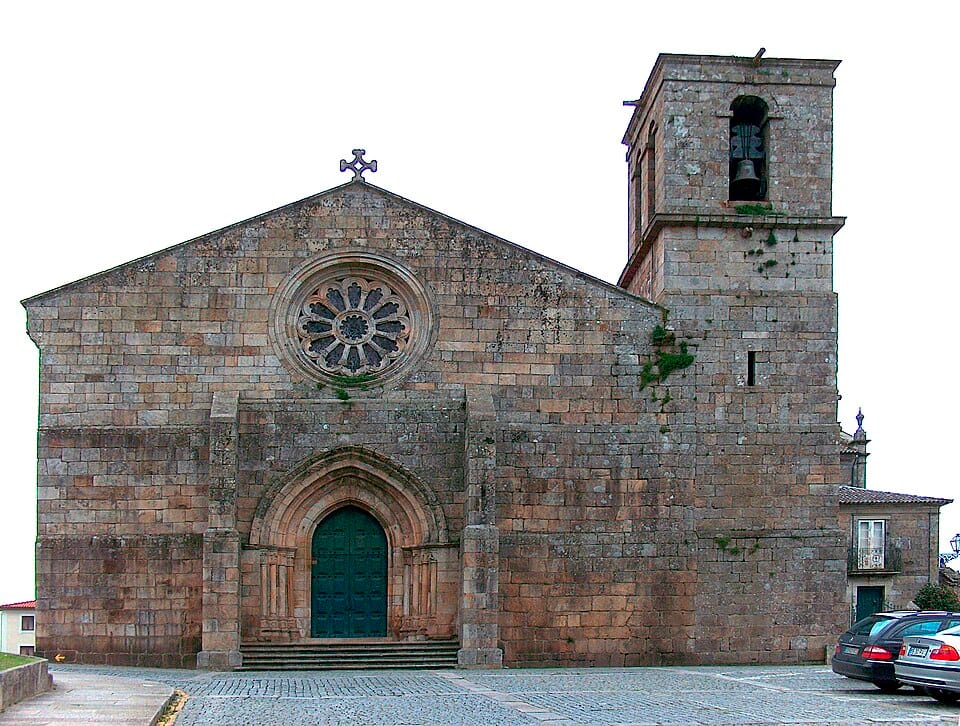
A Romanesque-Gothic parish church founded in the 13th century on the town's main square, among the oldest surviving buildings in Barcelos.
Igreja do Bom Jesus da Cruz
An 18th-century Baroque church built on a hexagonal plan, raised after a cross said to have appeared miraculously on the site.
Feira de Barcelos (Thursday Market)
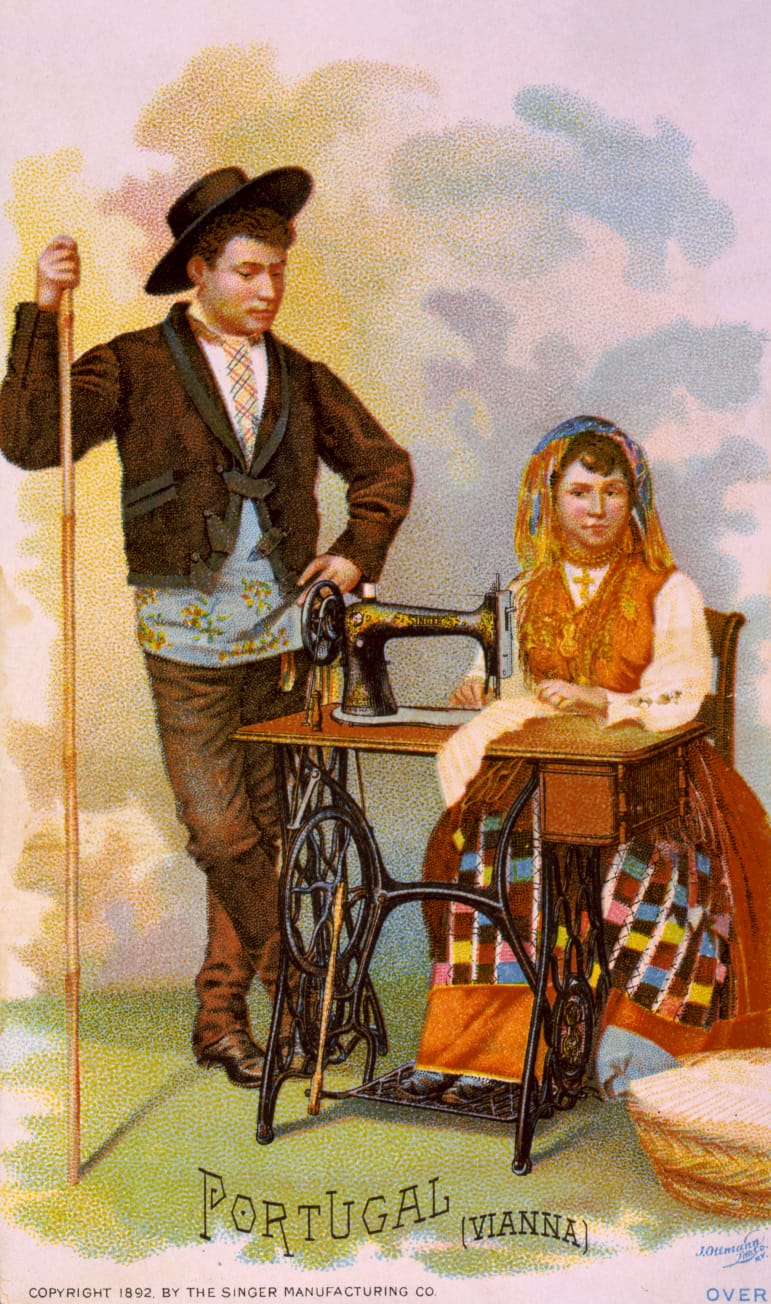
A weekly market held every Thursday on the Campo da República, one of the largest and oldest in Portugal, selling ceramics, produce, and local crafts.
Ponte de Lima
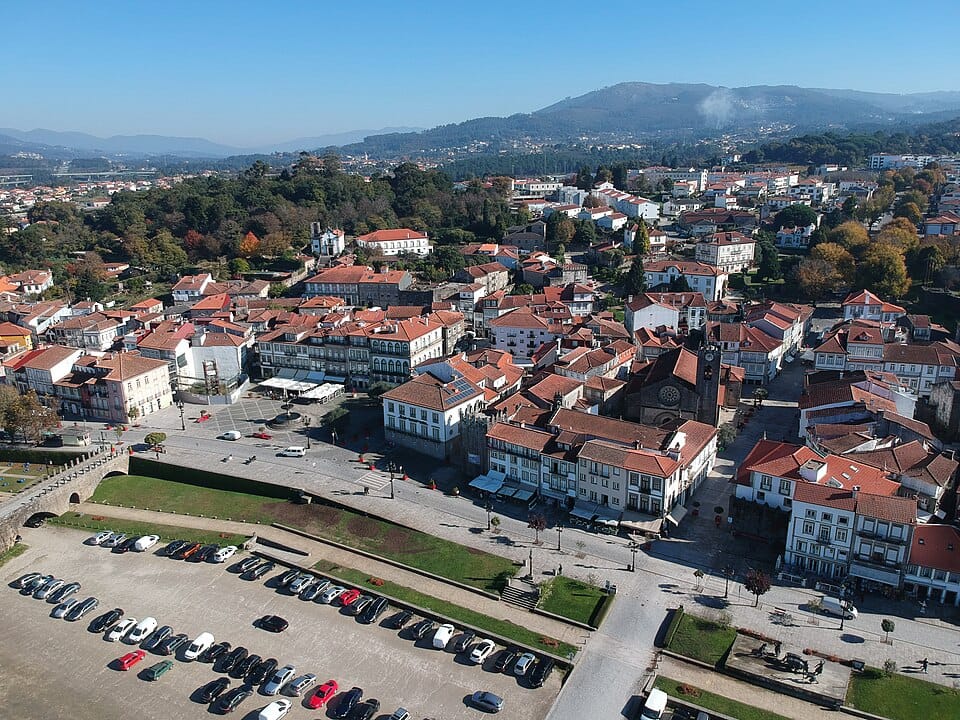
Ponte de Lima is the oldest chartered town in Portugal, built along the Lima River and named for its Roman-medieval bridge that still carries pedestrians across the water. It is a stop on the Camino Portugués da Costa, the coastal branch of the pilgrimage route to Santiago de Compostela, and pilgrims pass through its arcaded riverside promenade on the way north.
Top attractions in Ponte de Lima
Ponte Romana (Roman-Medieval Bridge)
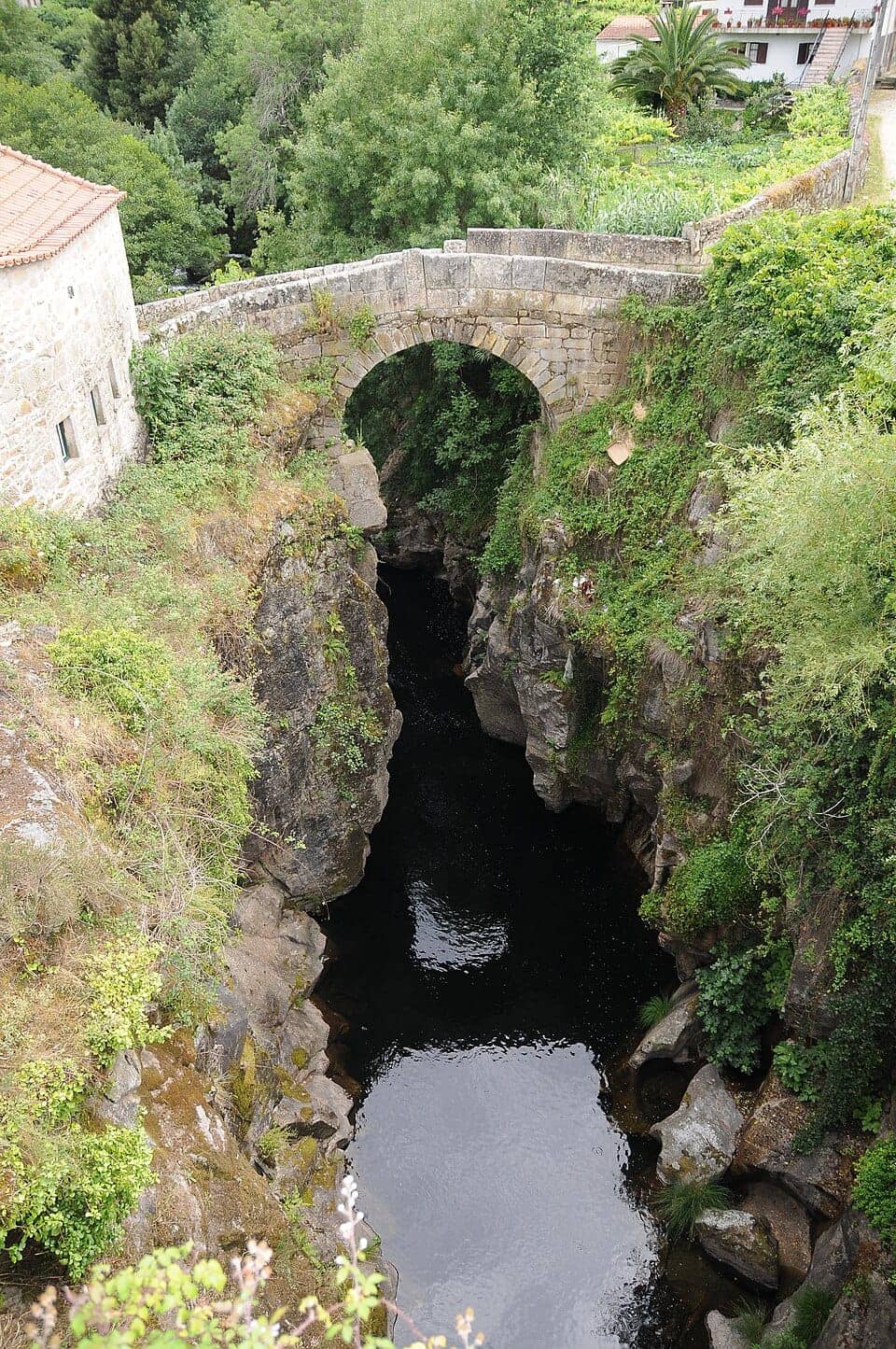
A long stone bridge with sections dating to Roman times, extended in the Middle Ages, that carries the Camino Portugués across the Lima River.
Igreja Matriz de Ponte de Lima
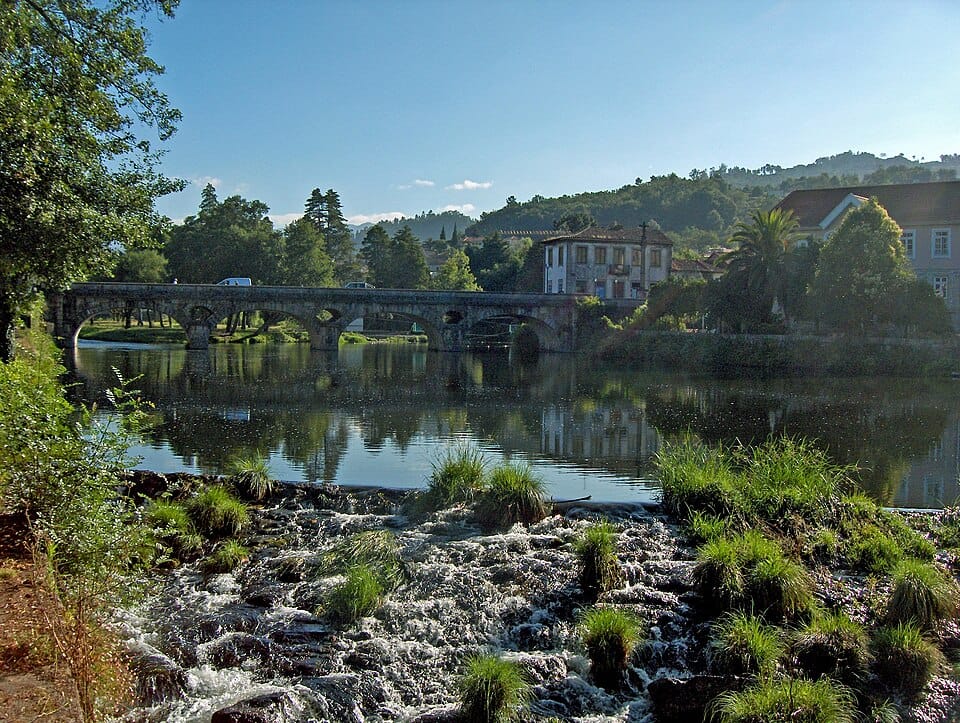
A Romanesque-Gothic parish church near the riverside, with a fortified facade reflecting the town's medieval defensive origins.
Torre da Cadeia Velha
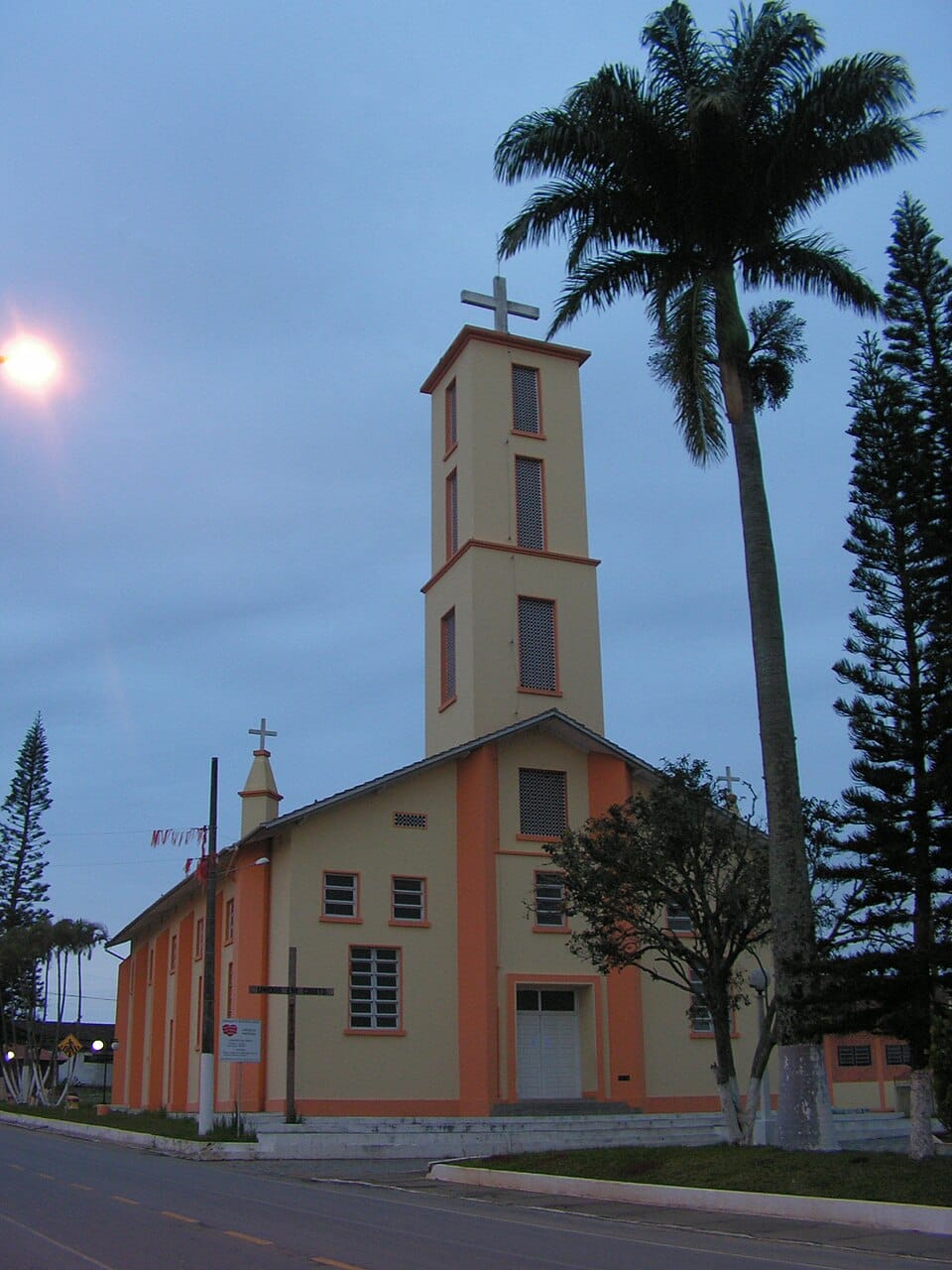
A medieval defensive tower on the riverbank that later served as the town jail and now houses a small tourist office and viewing platform.
Jardim das Amoras and Riverside Promenade
A landscaped garden and tree-lined promenade along the Lima River, popular for walking and framed by the town's bridge and church towers.
Paço do Marquês de Ponte de Lima
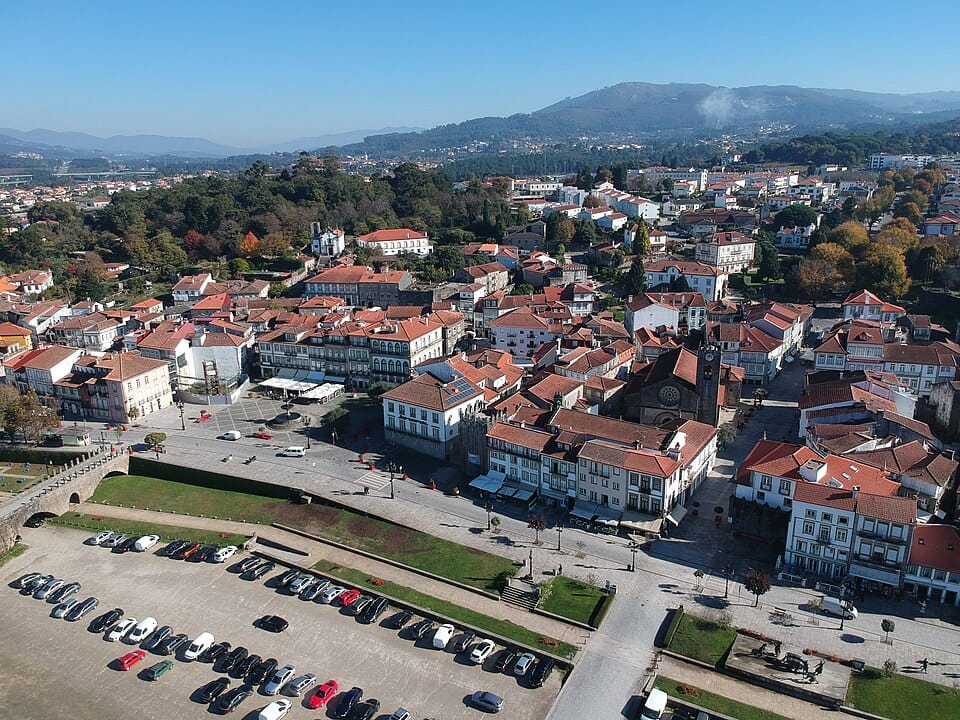
An 18th-century noble townhouse on the main square, now used as a cultural and exhibition space, with a Baroque facade typical of the region's manor houses.
Valença
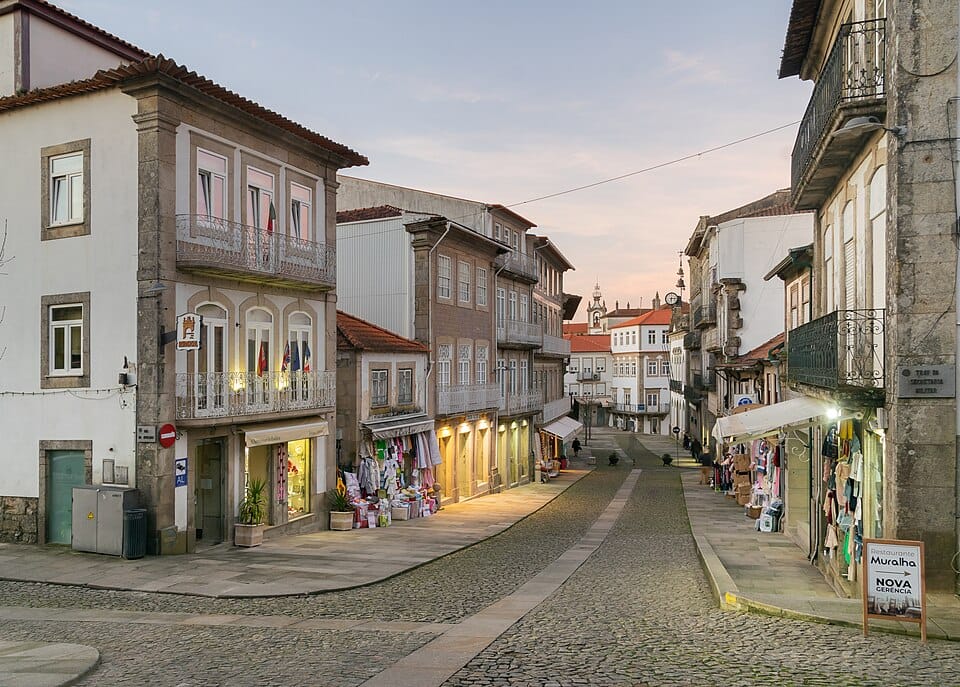
Valença is a fortress town on the Minho River directly across from Tui, Spain, known for its massive star-shaped bastion walls built to defend the border. It is the last Portuguese stop on the Camino Portugués before pilgrims cross the international bridge into Galicia, making its fortified old town a natural gateway point on the pilgrimage route.
Top attractions in Valença
Fortaleza de Valença (Star Fort)
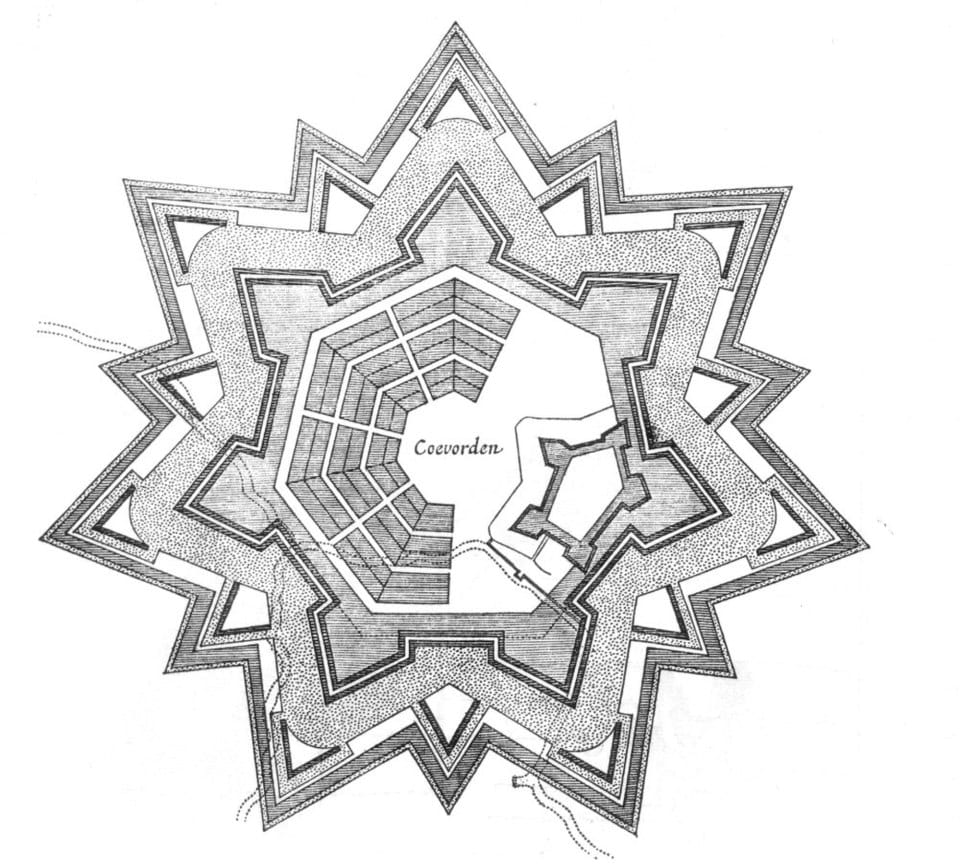
A vast 17th-century Vauban-style star fortress with double bastioned walls encircling the old town, built to guard the Portuguese-Spanish border.
Igreja de Santa Maria dos Anjos
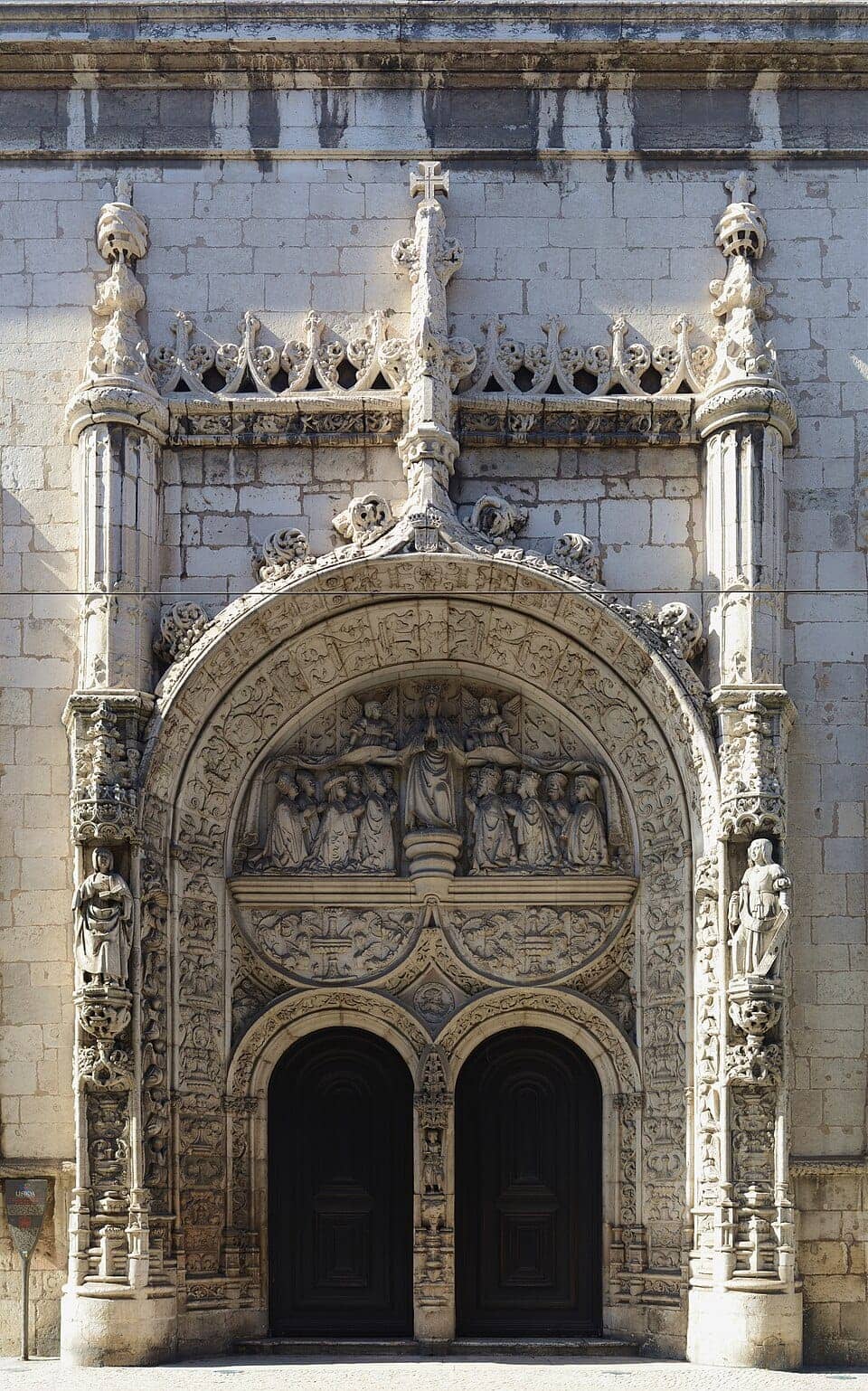
A Romanesque church within the fortified old town, notable for its rose window and granite construction typical of Minho religious architecture.
Portas do Sol and City Walls Walk
A gate and walkway along the fortress ramparts offering wide views across the Minho River to Tui and the Spanish hills beyond.
International Bridge over the Minho
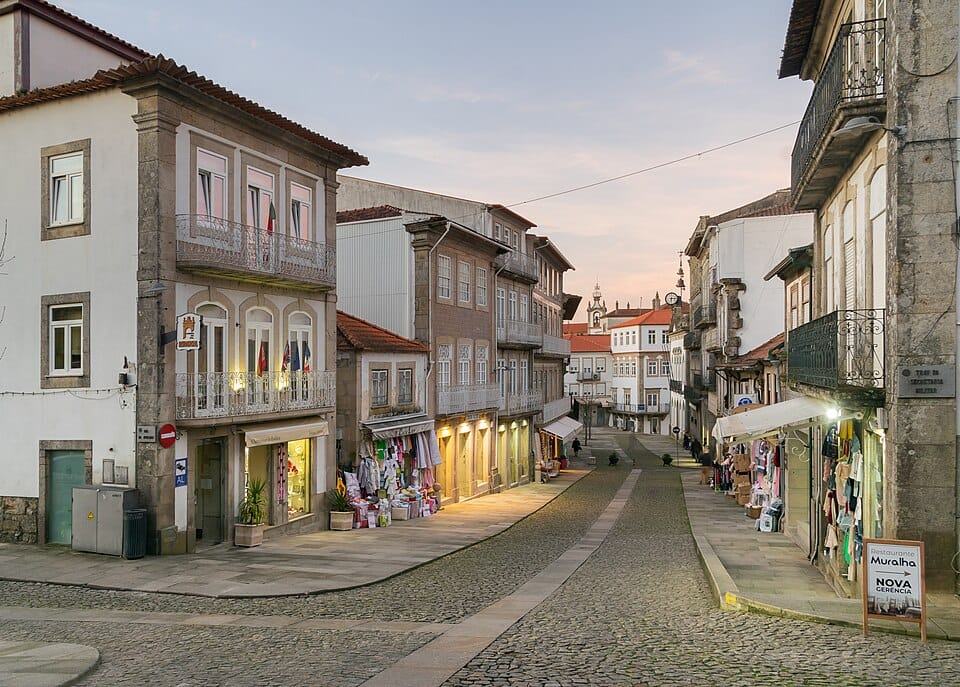
A two-level metal bridge, designed with input from the Eiffel workshop tradition, linking Valença to Tui, Spain, and carrying Camino Portugués pilgrims across the border.
Convento de São Francisco
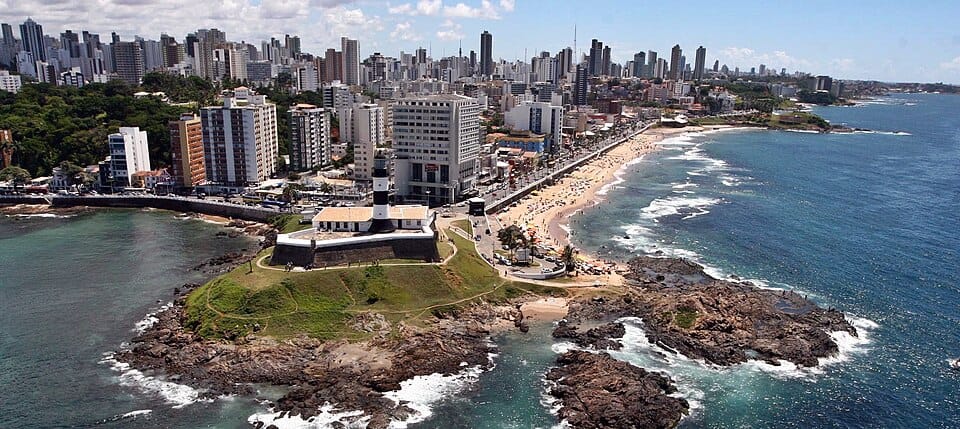
A former Franciscan convent inside the fortress walls, now partly repurposed as a hotel, retaining its cloister and historic stone structure.
Tui
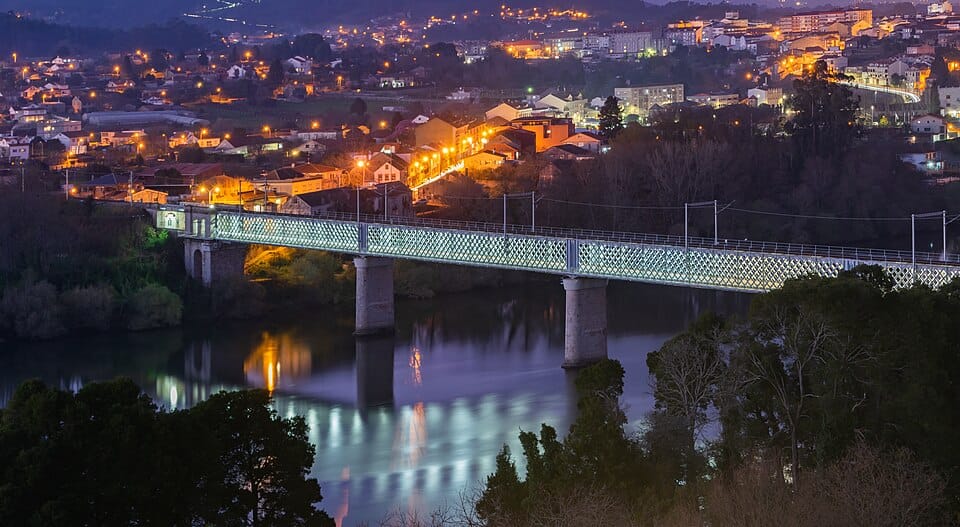
Tui is a border town on the Camino Portugués, facing the Portuguese city of Valença across the Minho River, and pilgrims arriving from Portugal enter Spain here before the final stretch to Santiago. Its steep, granite old town is crowned by a fortress-like cathedral with battlements, reflecting the town's history as a frontier stronghold.
Top attractions in Tui
Tui Cathedral
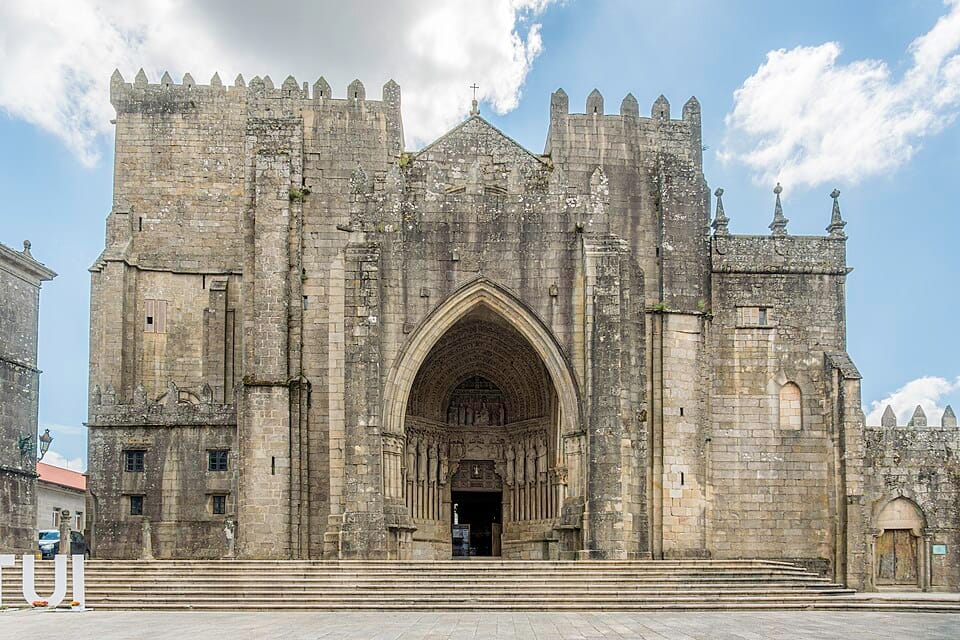
A fortified Romanesque-Gothic cathedral with crenellated towers, built to double as a defensive stronghold on the contested Spanish-Portuguese border.
Puente Internacional
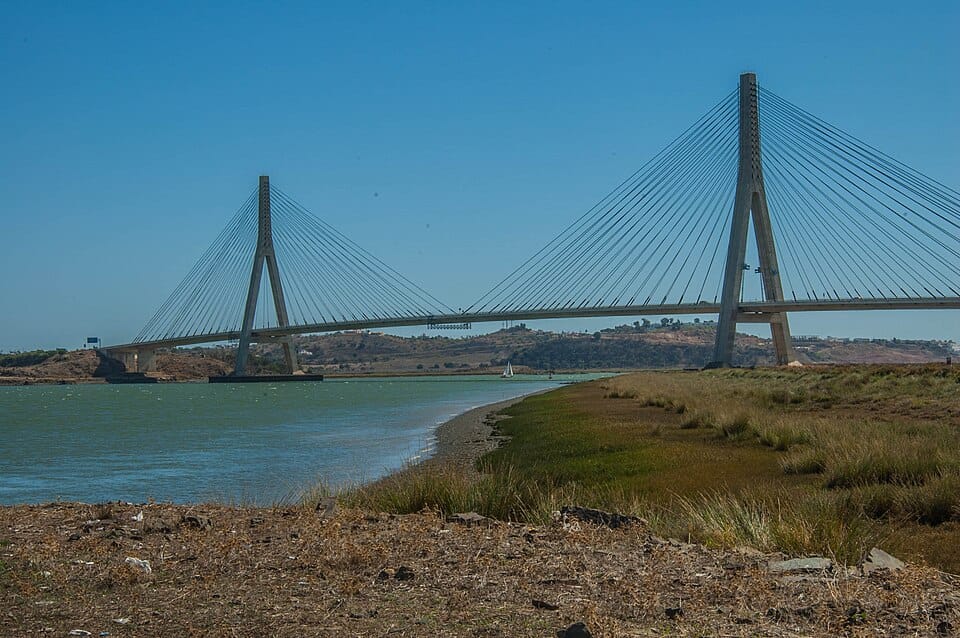
An iron bridge over the Minho River linking Tui to Valença, Portugal, engineered in the workshop of Gustave Eiffel and opened in 1886.
Casco Histórico de Tui
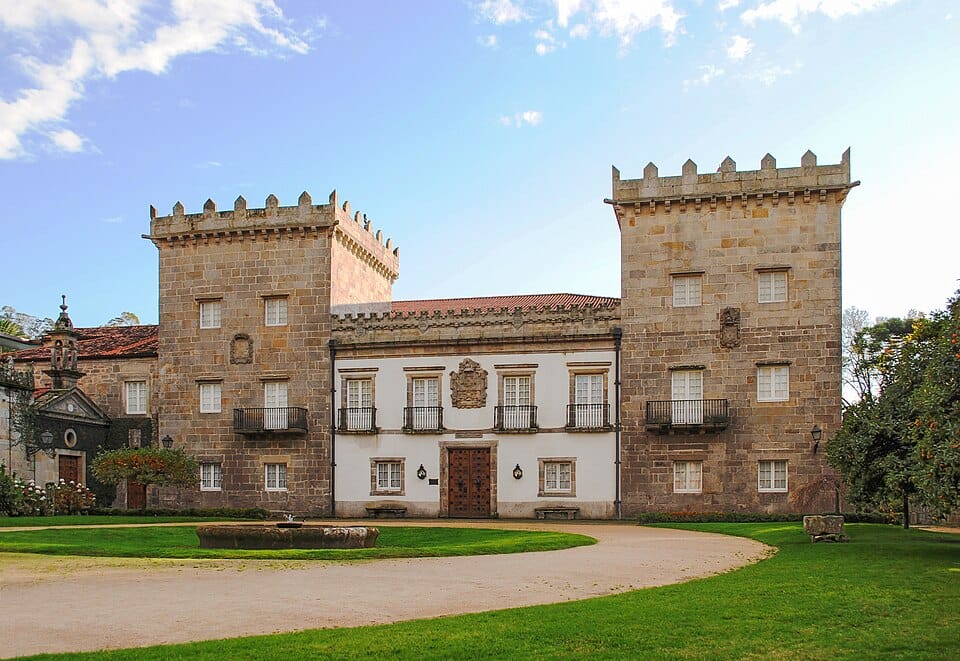
A dense warren of steep granite streets and stone houses climbing the hill to the cathedral, largely unchanged since medieval times.
Convento de las Clarisas
A 17th-century Baroque convent in the old town, still home to an enclosed order of nuns known for baking and selling traditional pastries.
Padrón
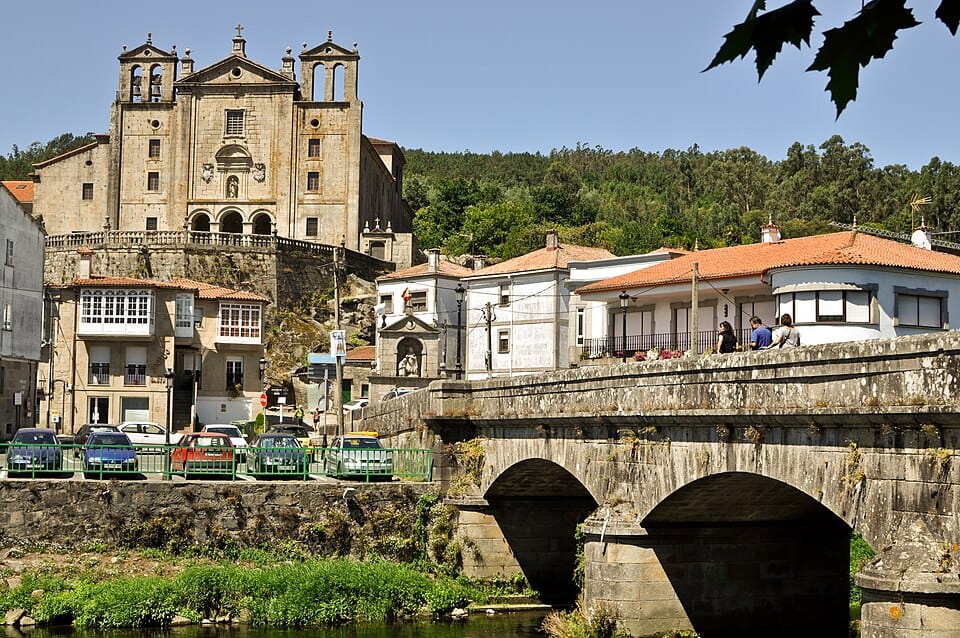
Padrón is a riverside town on the Camino Portugués in Galicia, tied by legend to the arrival of the apostle James's relics by boat and to the stone mooring post, the pedrón, that gave the town its name and now sits beneath the church altar. It is the last significant stop before Santiago de Compostela, about a day's walk or a short drive to the north.
Top attractions in Padrón
Iglesia de Santiago de Padrón
The parish church built over the legendary landing site, with the stone pedrón mooring post preserved beneath its main altar.
Convento del Carmen
A hilltop eighteenth-century convent reached by a stone stairway, offering wide views over Padrón and the river valley below.
Casa Museo de Rosalía de Castro
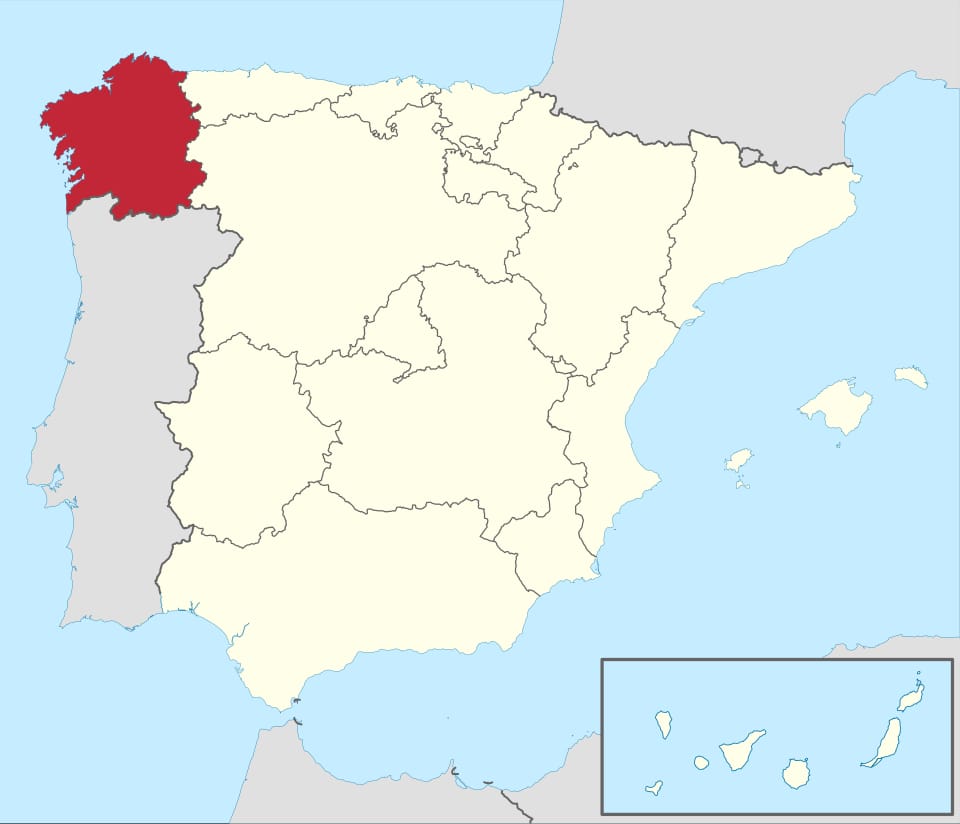
The former home of Galicia's most celebrated poet, now a museum displaying her manuscripts and personal belongings near the riverbank.
Puente de Padrón
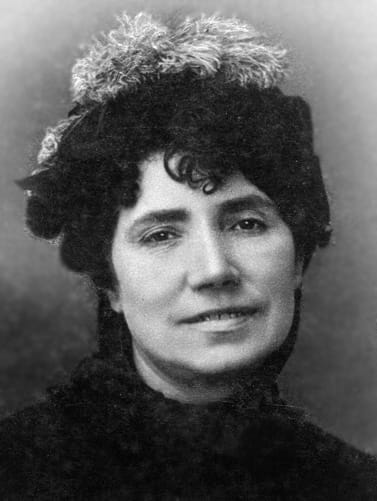
The stone bridge over the Río Sar at the heart of town, a natural photo stop where the Camino Portugués crosses into the old quarter.
A Barca and the River Promenade
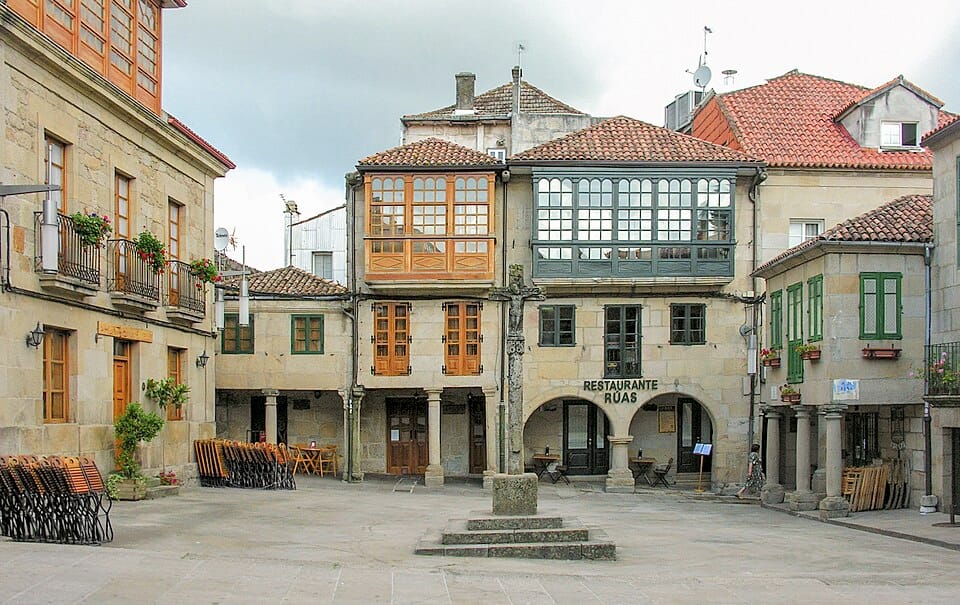
A shaded riverside walkway near the site traditionally linked to the boat carrying the apostle's relics, lined with willows along the Río Sar.
Santiago de Compostela
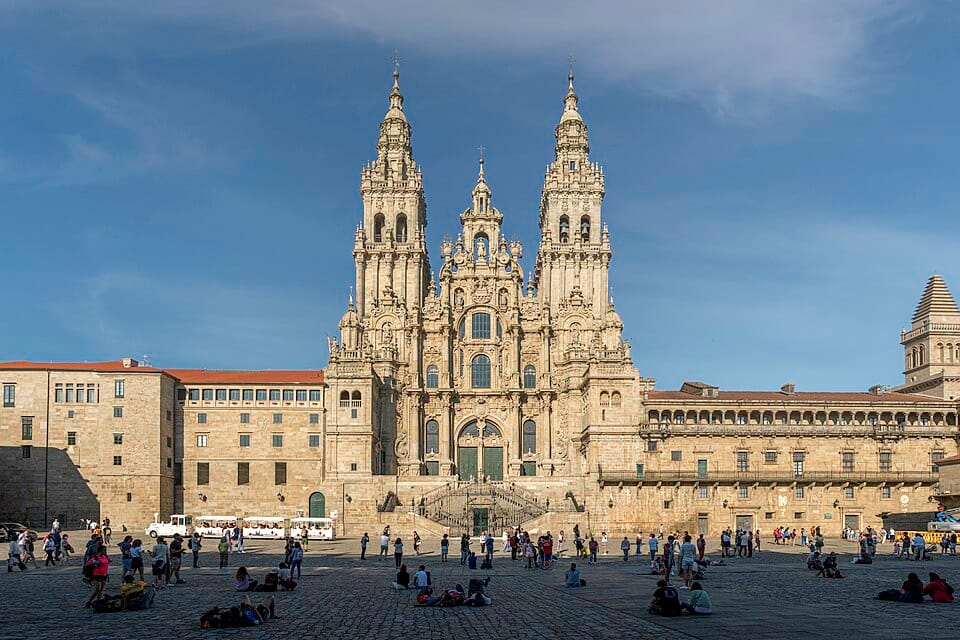
Santiago de Compostela is the spiritual endpoint of the Camino de Santiago, a pilgrimage network that has drawn walkers to the tomb of Saint James for over a thousand years. Its granite old town, centered on the Romanesque cathedral, is a UNESCO World Heritage Site and one of the great pilgrimage cities of Europe.
Top attractions in Santiago de Compostela
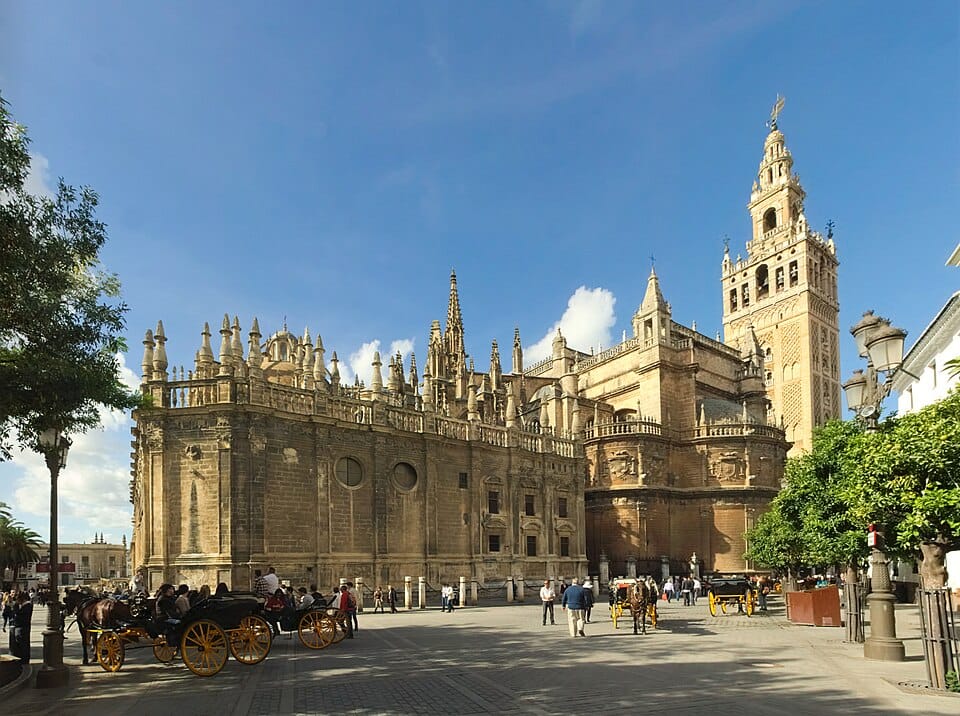
Cathedral of Santiago de Compostela
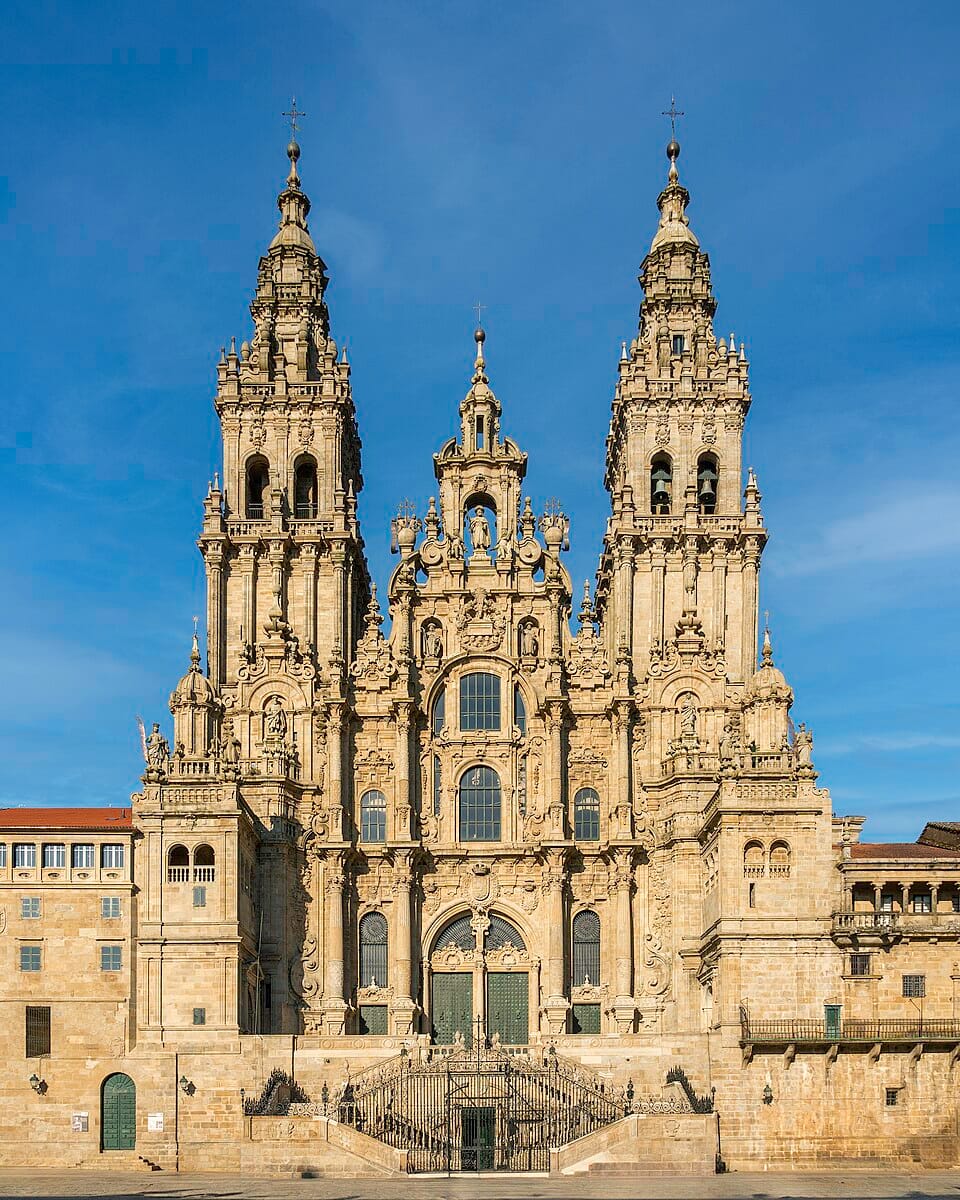
The Romanesque cathedral houses the reputed tomb of Saint James beneath its high altar and marks the traditional finish of all Camino routes.
Praza do Obradoiro
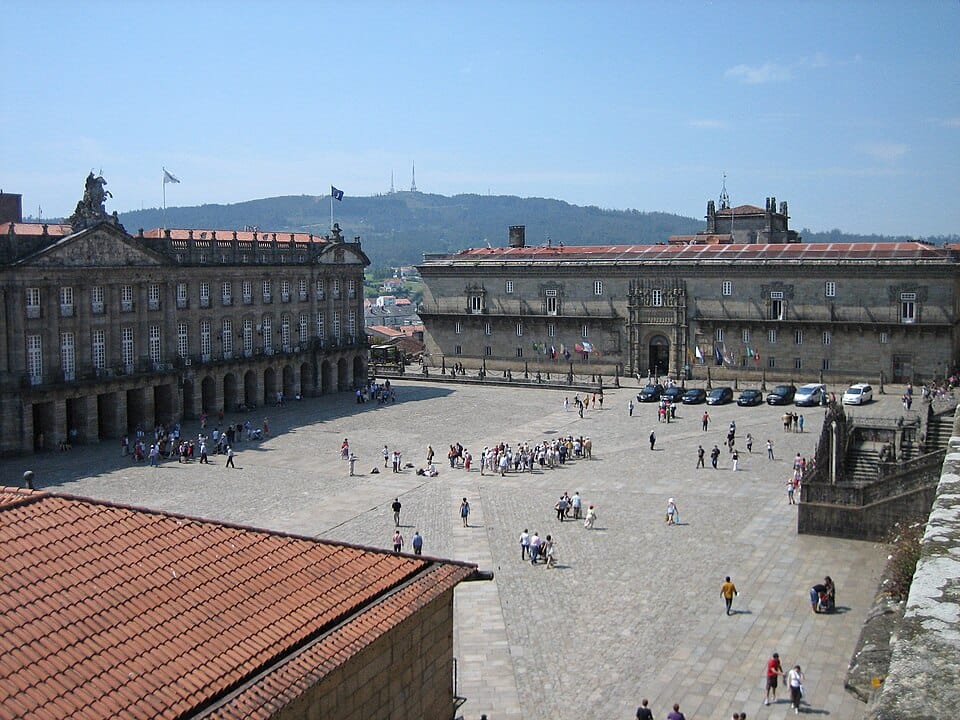
The grand square in front of the cathedral is where exhausted pilgrims traditionally arrive, flanked by the Hostal dos Reis Católicos and the Pazo de Raxoi.
Mercado de Abastos
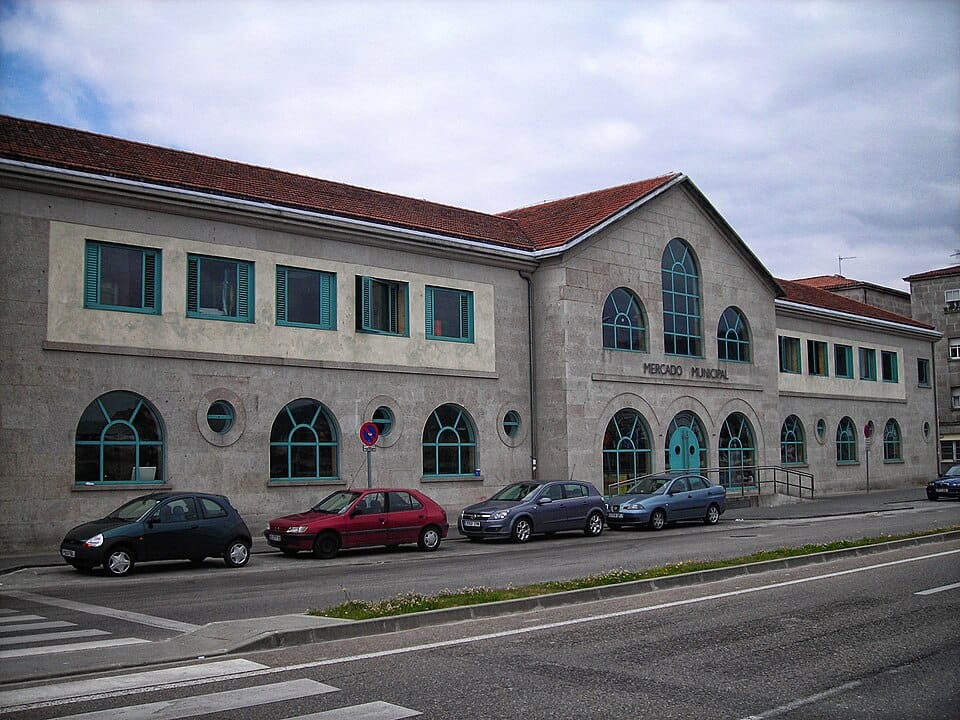
A stone-built covered market selling Galician seafood, cheese, and produce, popular with both locals and visitors for its stalls and adjoining tapas counters.
Parque de la Alameda
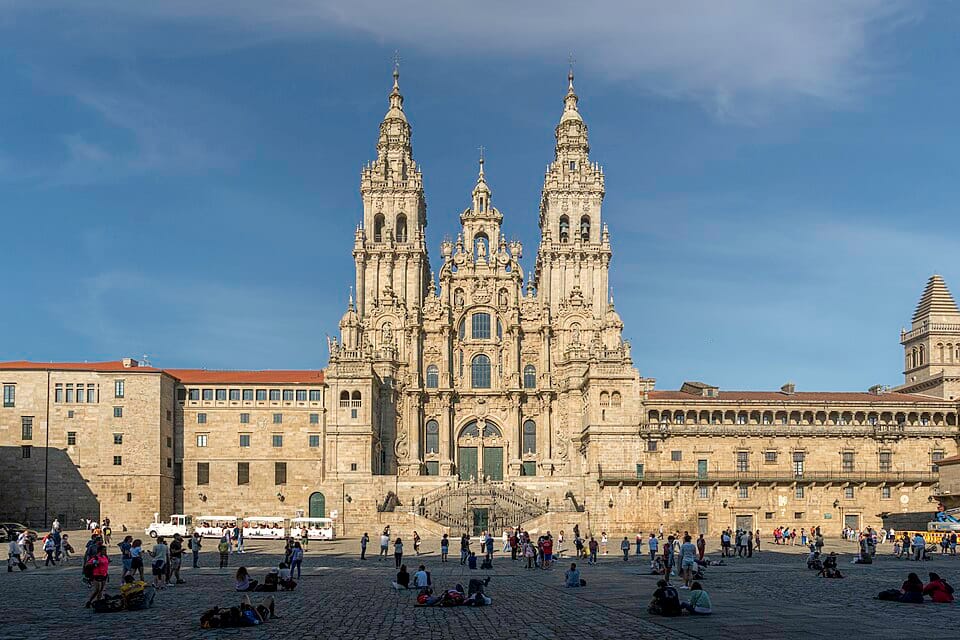
A wooded hillside park offering the classic postcard view of the cathedral's towers rising over the old town's rooftops.
Convento de San Francisco

A monastery reputedly founded by Saint Francis of Assisi during his own pilgrimage to Santiago, now home to a small museum on the order's history.
Plan this route with EuroDrive Scout — tolls, vignettes, ZTL alerts, fuel & parking →