Camino Primitivo: attractions & sights guide
A stop-by-stop guide to the best things to see along the Camino Primitivo route — 3 destinations, their must-see sights and how to drive between them.
Plan this route with EuroDrive Scout — tolls, vignettes, ZTL alerts, fuel & parking →
Oviedo
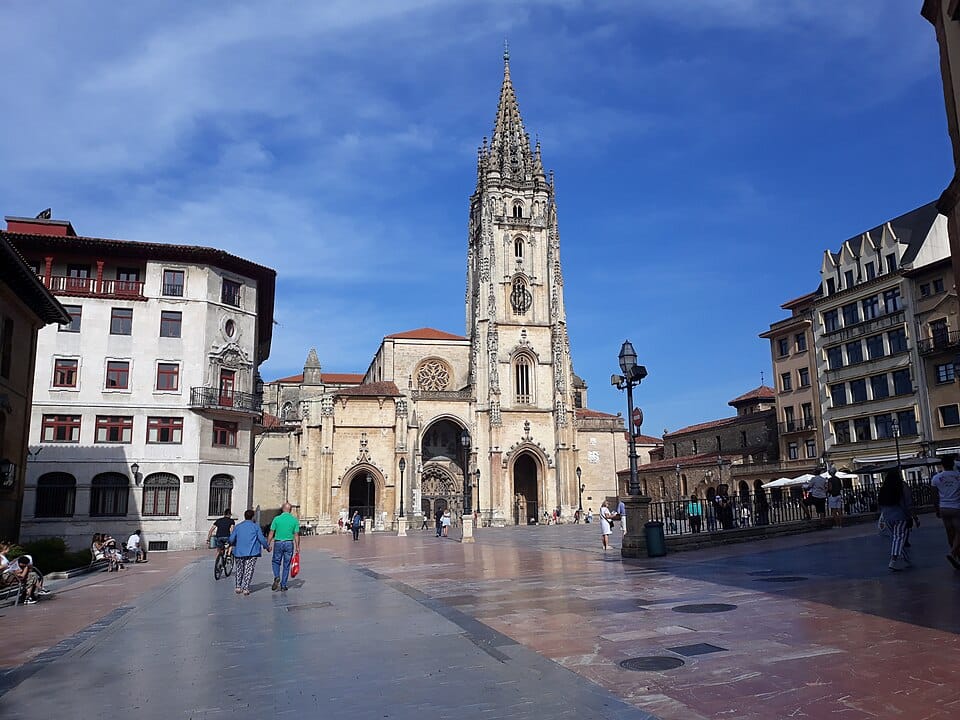
Oviedo is the capital of Asturias and the traditional starting point of the Camino Primitivo, the oldest of the Camino de Santiago pilgrimage routes, first walked by King Alfonso II in the 9th century. Its cathedral holds the Cámara Santa reliquary chamber, and two nearby pre-Romanesque churches, Santa María del Naranco and San Miguel de Lillo, are UNESCO World Heritage Sites from the early Asturian kingdom.
Top attractions in Oviedo
Oviedo Cathedral
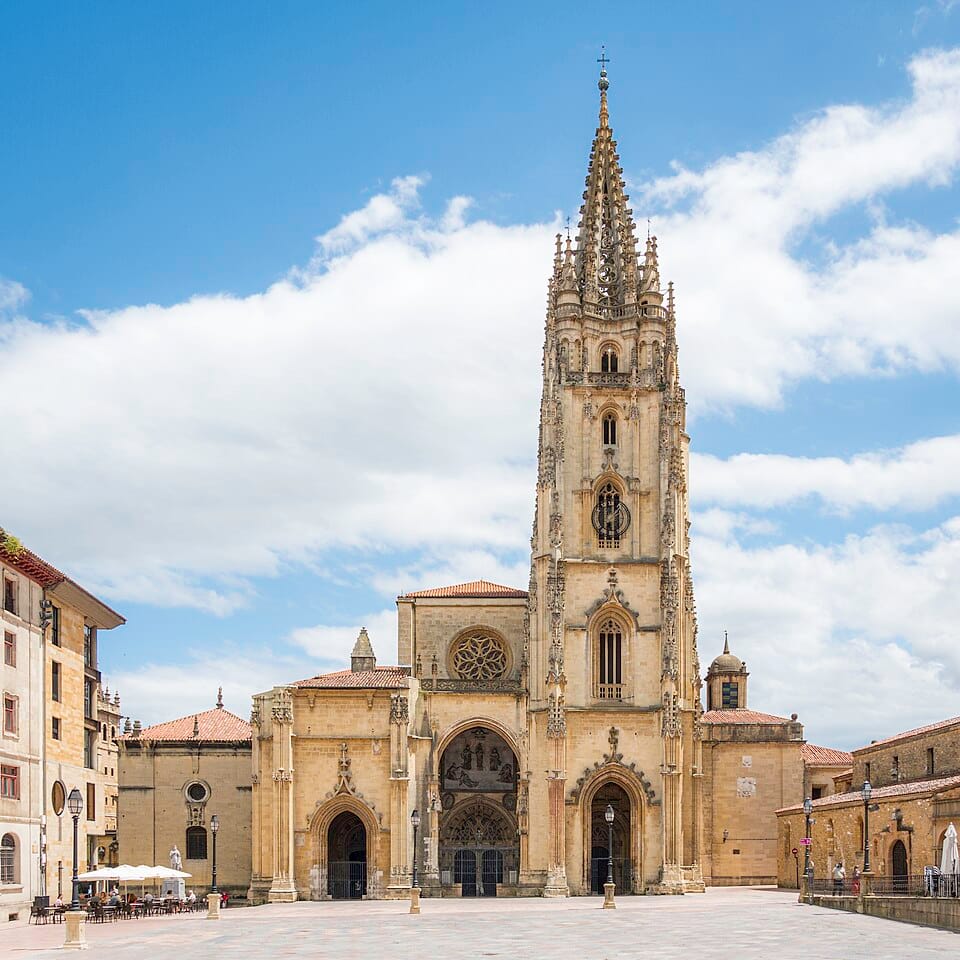
A Gothic cathedral built over several centuries, whose Cámara Santa chamber houses medieval reliquaries and the Cross of the Angels, a symbol of Asturias.
Santa María del Naranco
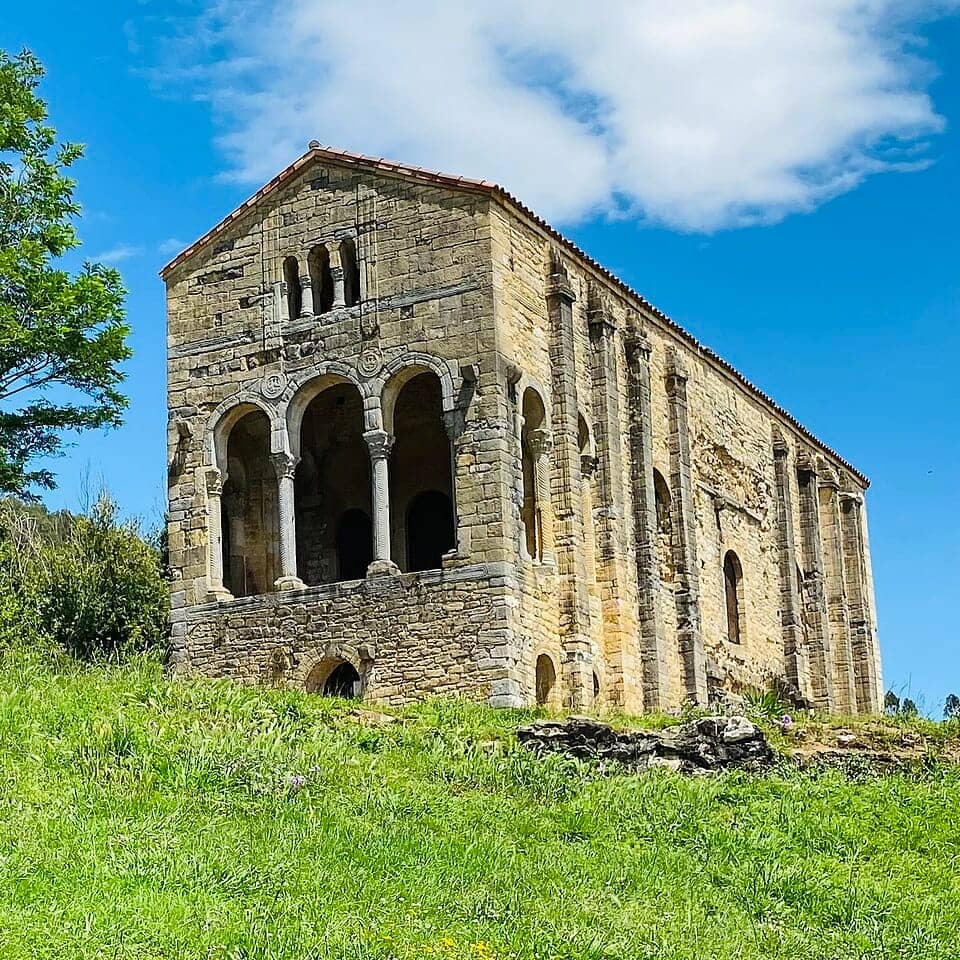
A 9th-century pre-Romanesque palace turned church on a hillside above the city, admired for its arcaded galleries and carved medallions.
San Miguel de Lillo
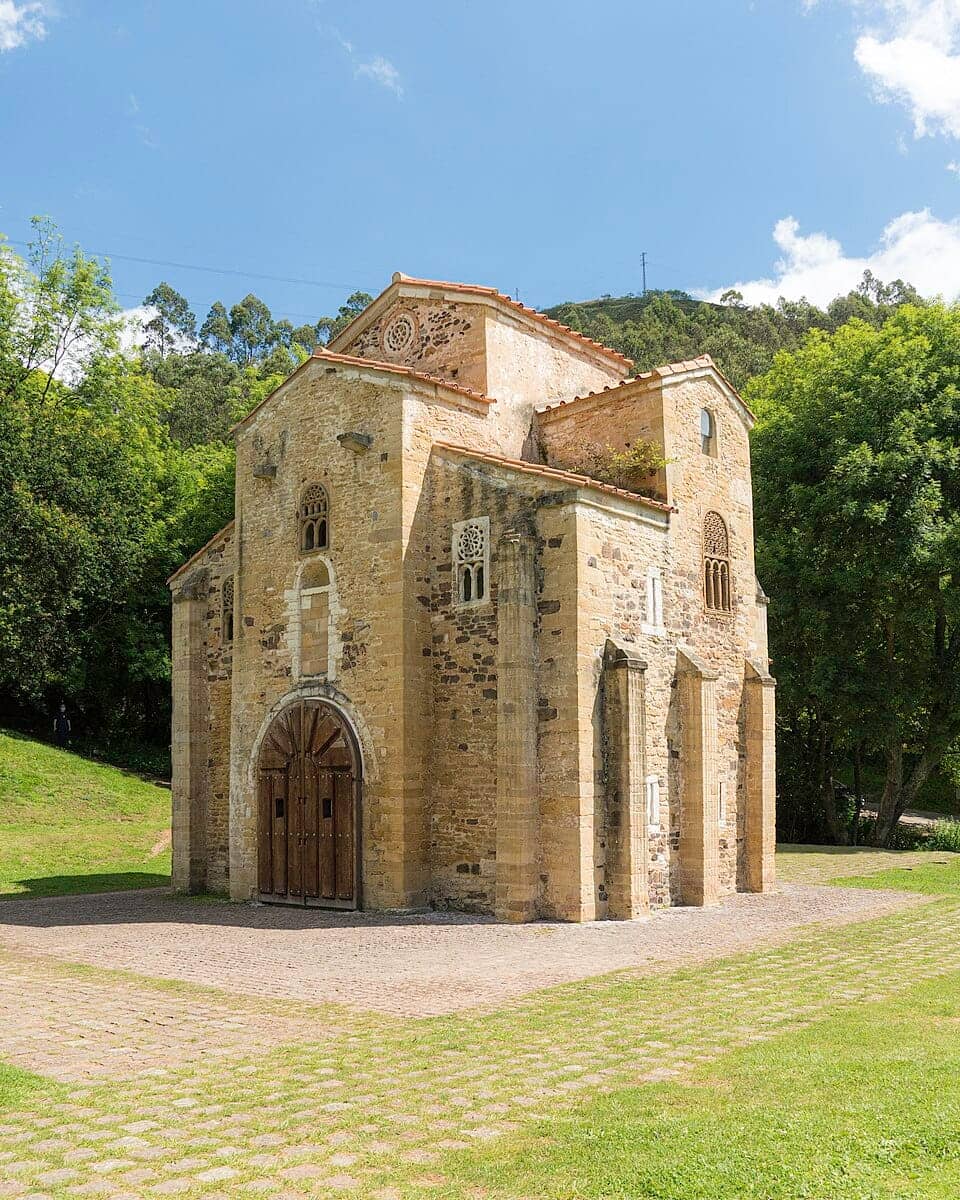
A small pre-Romanesque church next to Santa María del Naranco, notable for its carved stone window screens and vaulted interior.
Calle Gascona (Cider Boulevard)
A pedestrian street lined end to end with cider bars, where sidra is poured from height in the traditional Asturian style.
Culis Monumentalis (La Gorda)
A bronze sculpture of a reclining nude figure by Colombian artist Fernando Botero, one of several oversized figures the artist placed around the old town.
Lugo
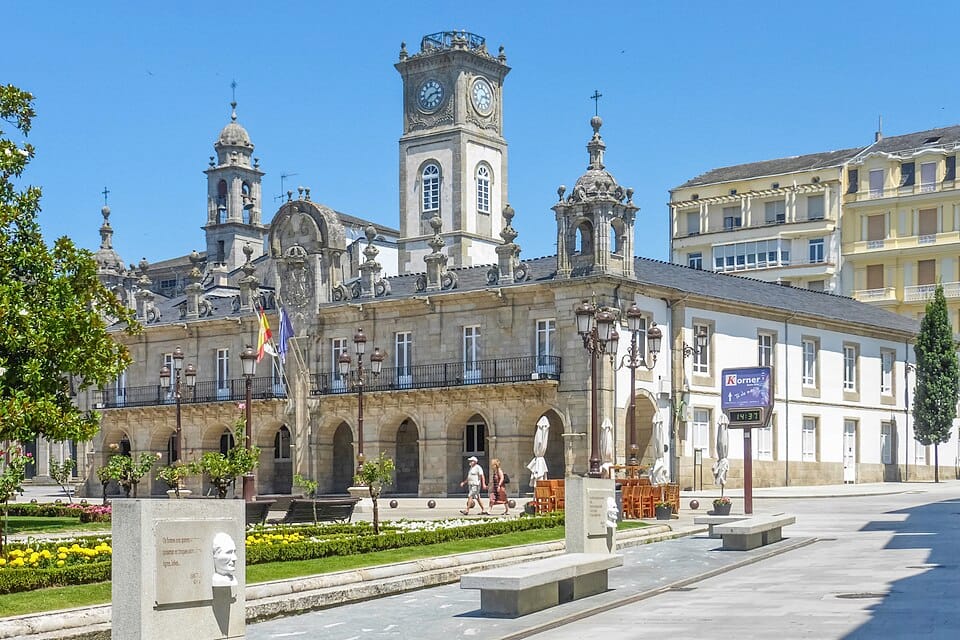
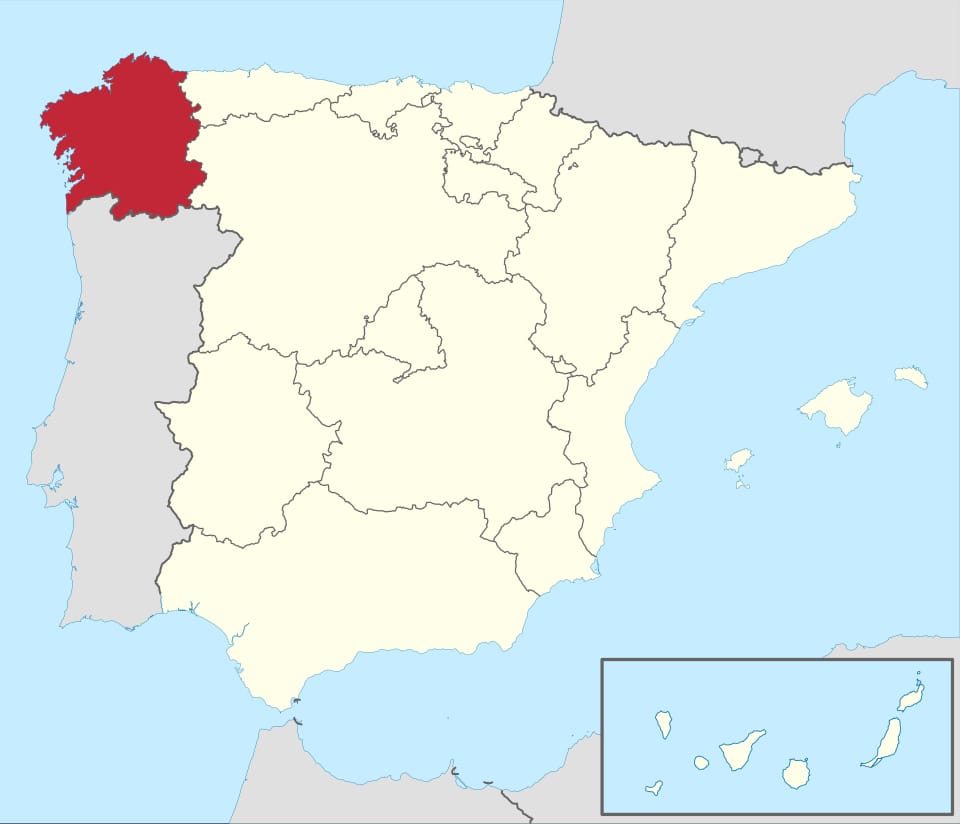
Lugo is a stop on the Camino Primitivo, the oldest of the pilgrim routes, and is famous above all for its Roman walls, a complete circuit over two kilometers long that remains the best-preserved Roman fortification in the world. Visitors can walk the full ramparts, which ring the old town and offer views over its rooftops and cathedral.
Top attractions in Lugo
Roman Walls of Lugo
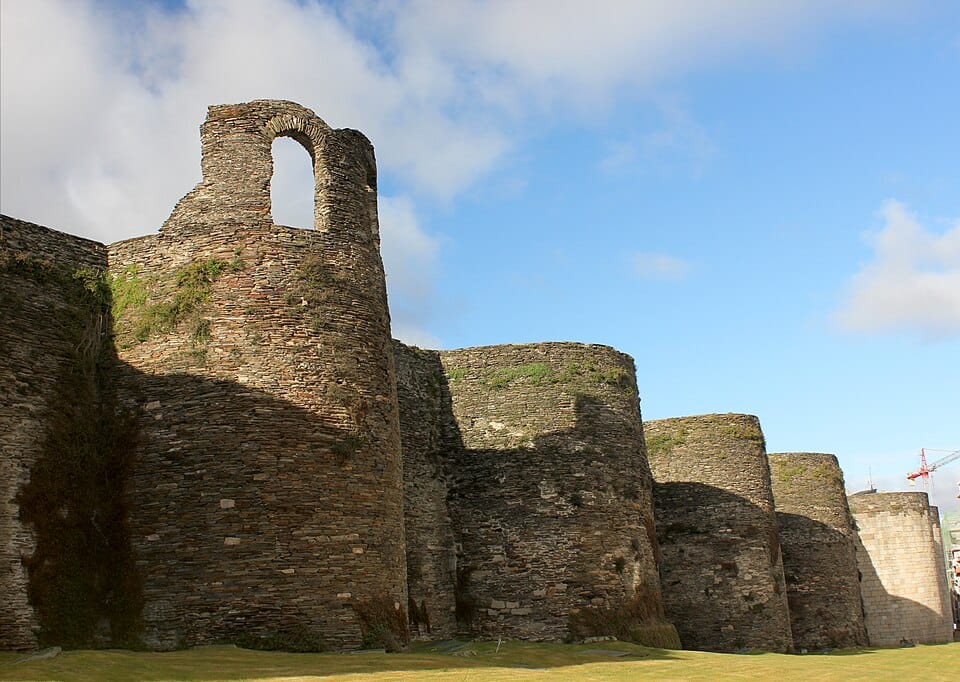
A UNESCO World Heritage site and the only fully intact Roman wall circuit in the world, walkable along its top for views over the old town.
Lugo Cathedral
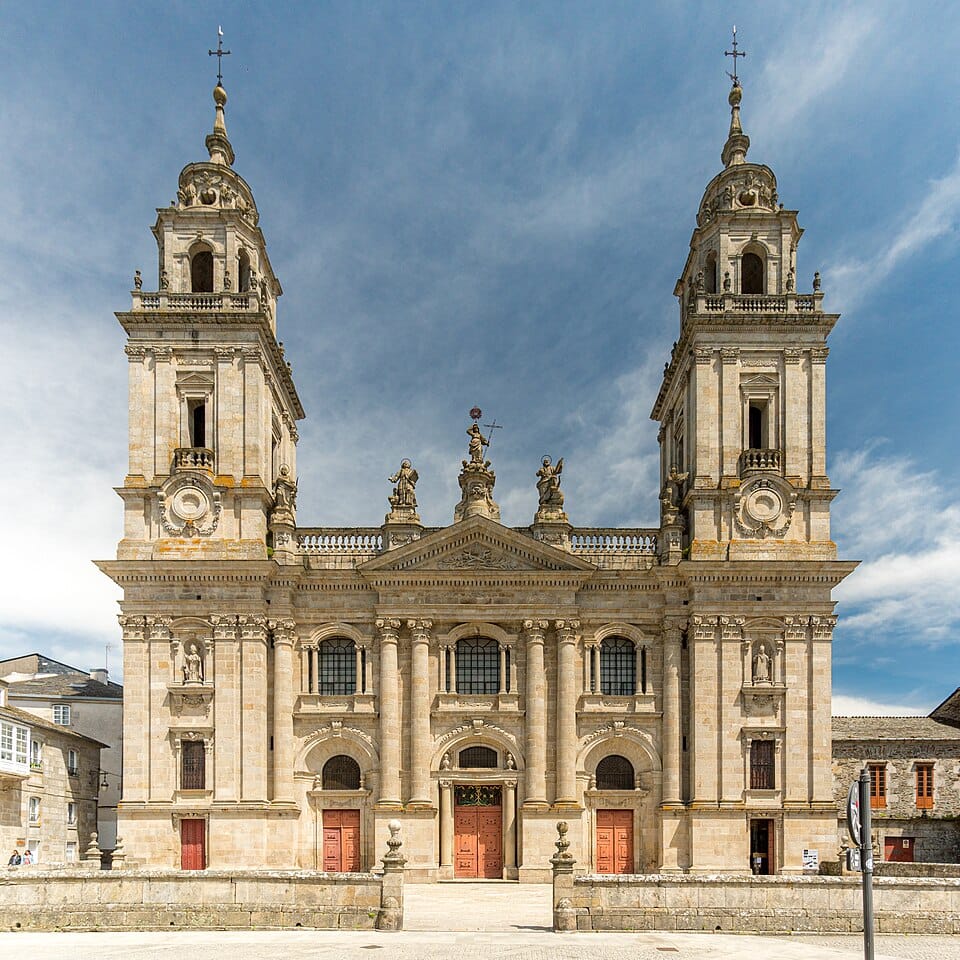
A cathedral blending Romanesque origins with later Gothic, Baroque, and Neoclassical additions, notable for continuously exposing the Blessed Sacrament since the 17th century.
Praza Maior
The lively main square of Lugo, framed by arcaded buildings and the neoclassical town hall, and a natural gathering point just inside the Roman walls.
Museo Provincial de Lugo
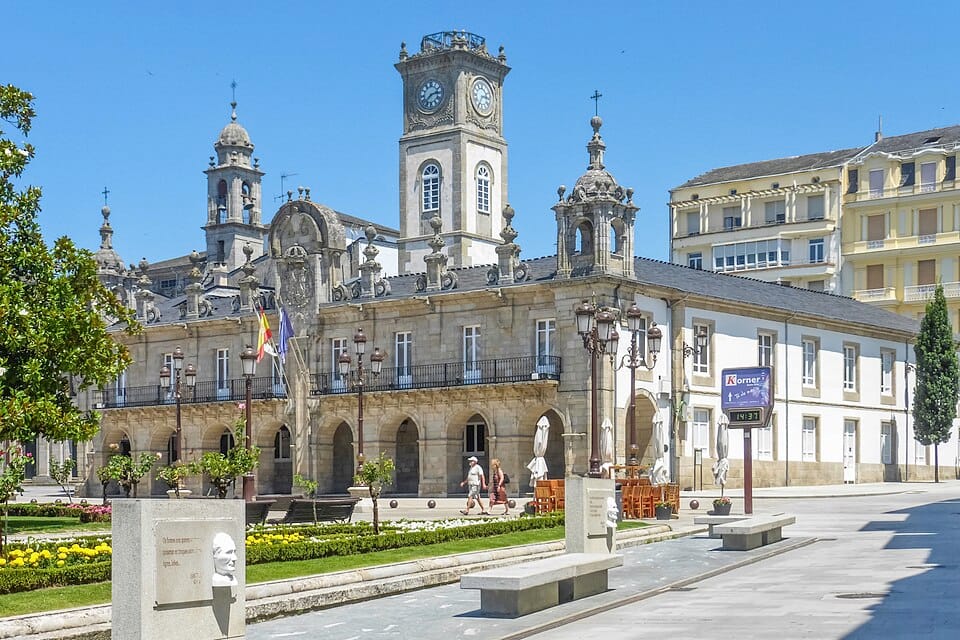
A museum in a former Baroque convent displaying Roman mosaics, Galician ceramics, and fine art from the province, arranged around a peaceful cloister.
Ponte Romano
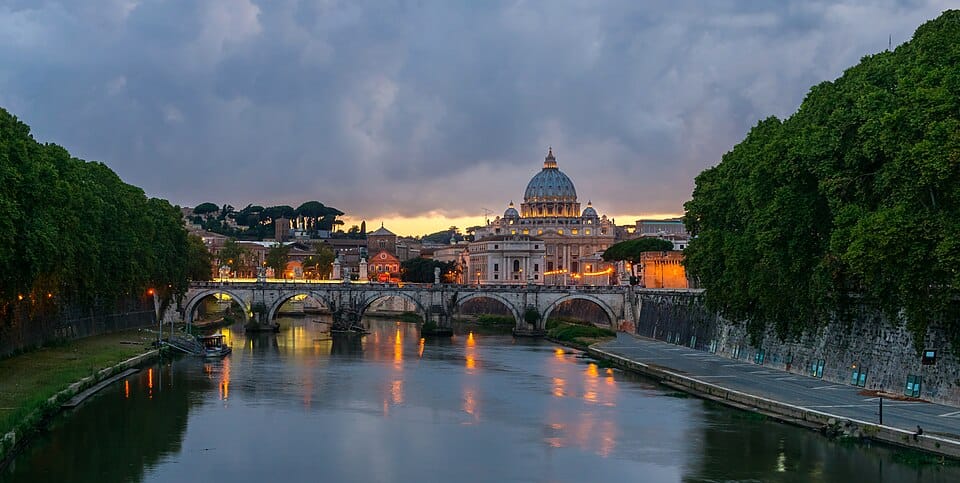
A bridge of Roman origin, much rebuilt over the centuries, crossing the Miño River just below the old town on the Camino Primitivo route.
Santiago de Compostela
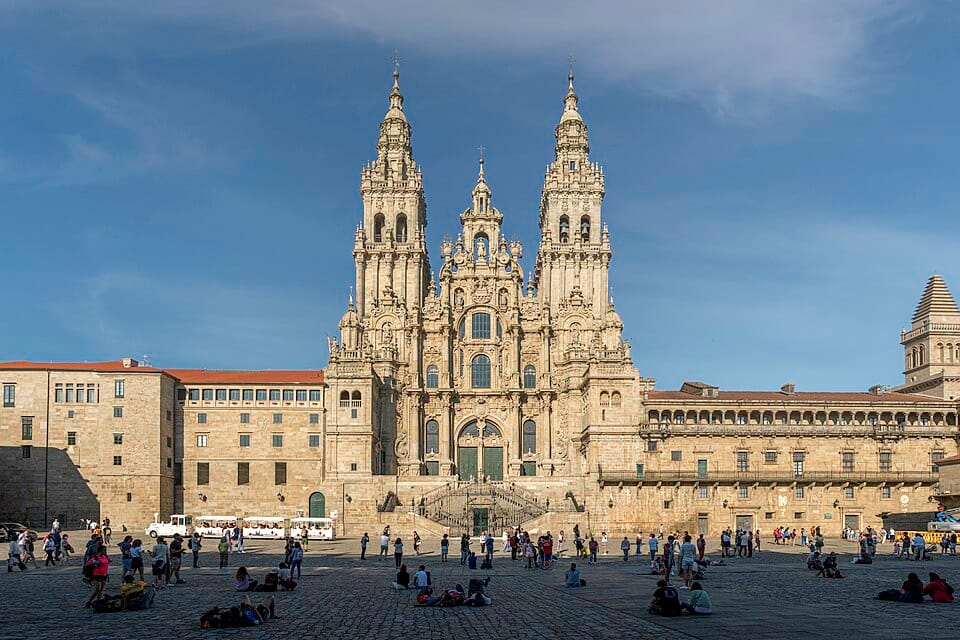
Santiago de Compostela is the spiritual endpoint of the Camino de Santiago, a pilgrimage network that has drawn walkers to the tomb of Saint James for over a thousand years. Its granite old town, centered on the Romanesque cathedral, is a UNESCO World Heritage Site and one of the great pilgrimage cities of Europe.
Top attractions in Santiago de Compostela
Cathedral of Santiago de Compostela
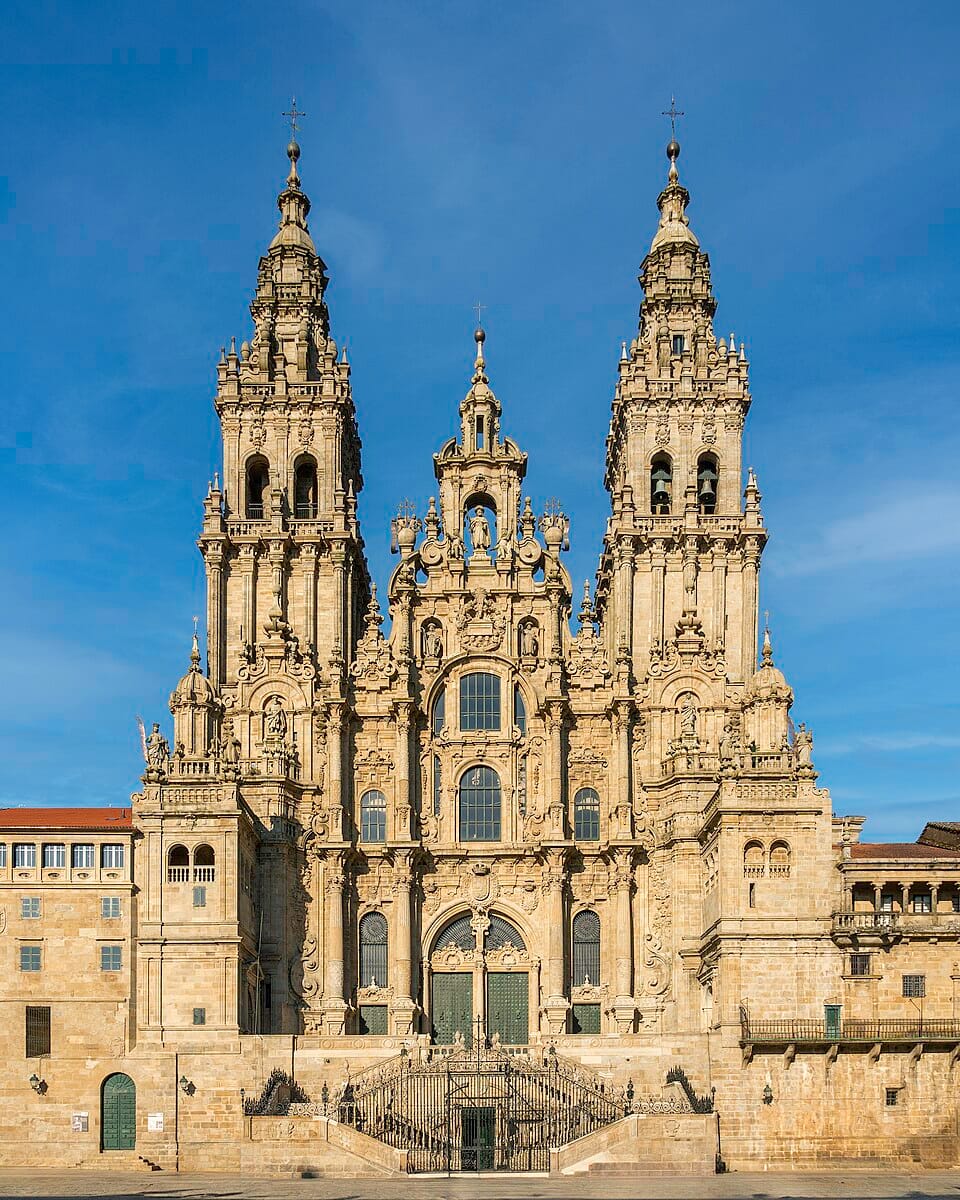
The Romanesque cathedral houses the reputed tomb of Saint James beneath its high altar and marks the traditional finish of all Camino routes.
Praza do Obradoiro
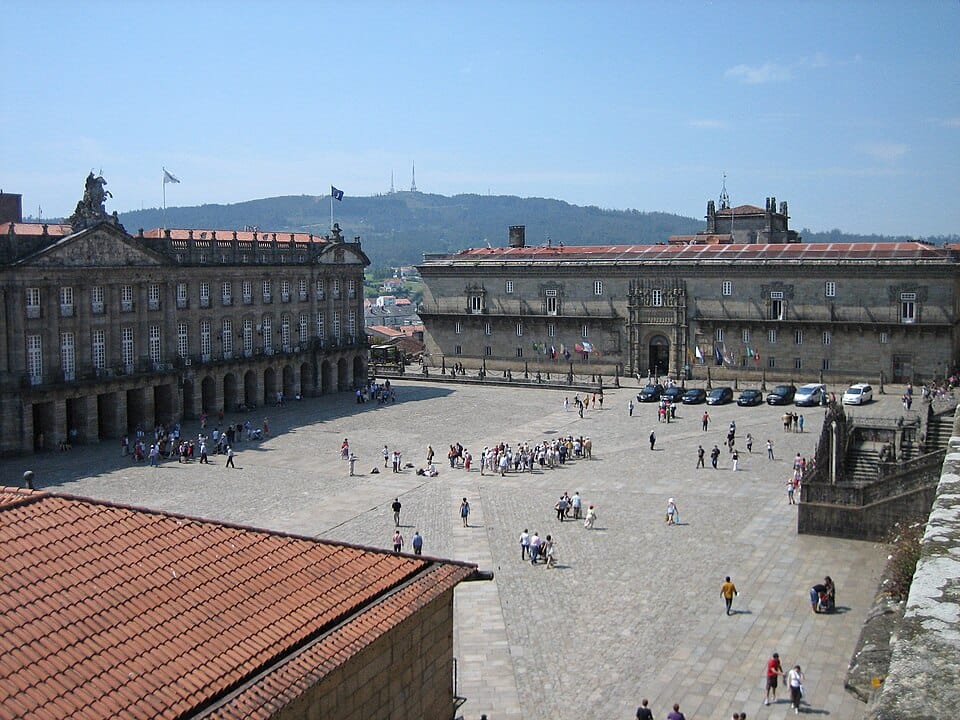
The grand square in front of the cathedral is where exhausted pilgrims traditionally arrive, flanked by the Hostal dos Reis Católicos and the Pazo de Raxoi.
Mercado de Abastos
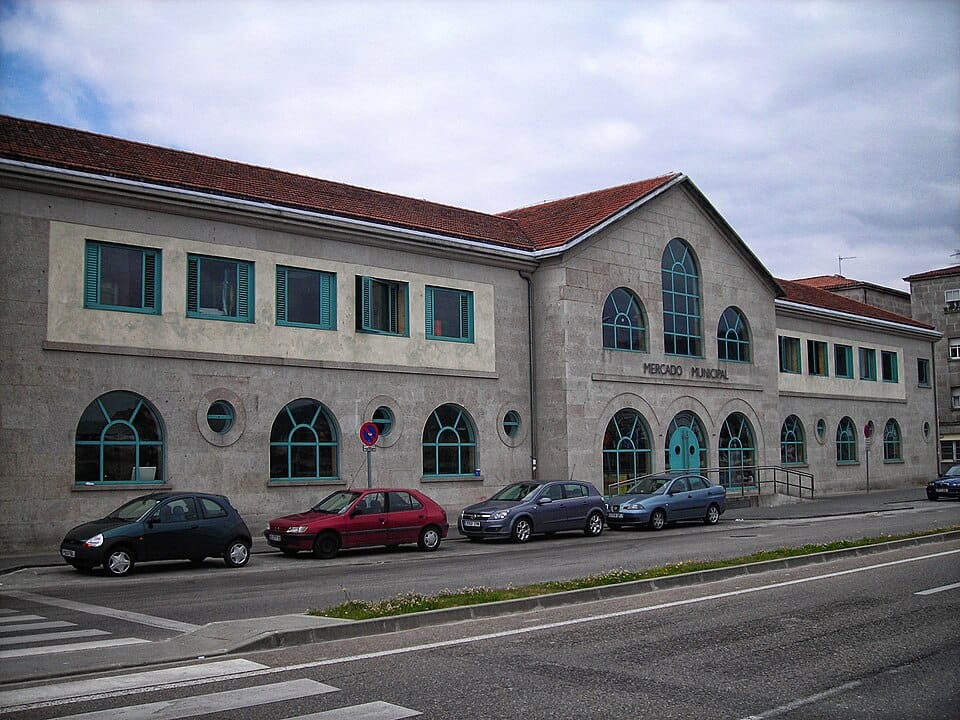
A stone-built covered market selling Galician seafood, cheese, and produce, popular with both locals and visitors for its stalls and adjoining tapas counters.
Parque de la Alameda
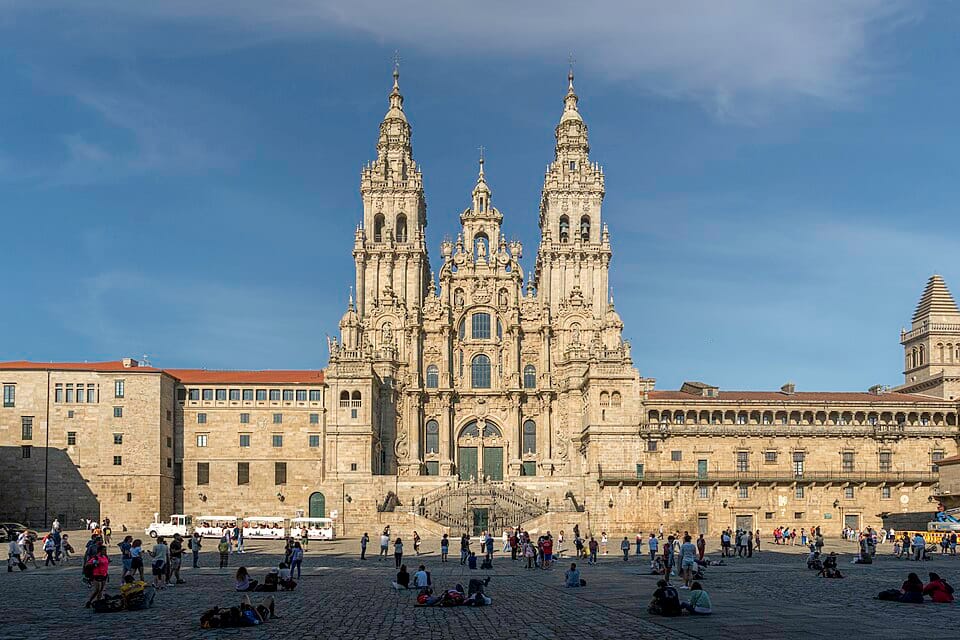
A wooded hillside park offering the classic postcard view of the cathedral's towers rising over the old town's rooftops.
Convento de San Francisco

A monastery reputedly founded by Saint Francis of Assisi during his own pilgrimage to Santiago, now home to a small museum on the order's history.
Plan this route with EuroDrive Scout — tolls, vignettes, ZTL alerts, fuel & parking →