Classical Greece: attractions & sights guide
A stop-by-stop guide to the best things to see along the Classical Greece route — 5 destinations, their must-see sights and how to drive between them.
Plan this route with EuroDrive Scout — tolls, vignettes, ZTL alerts, fuel & parking →
Athens
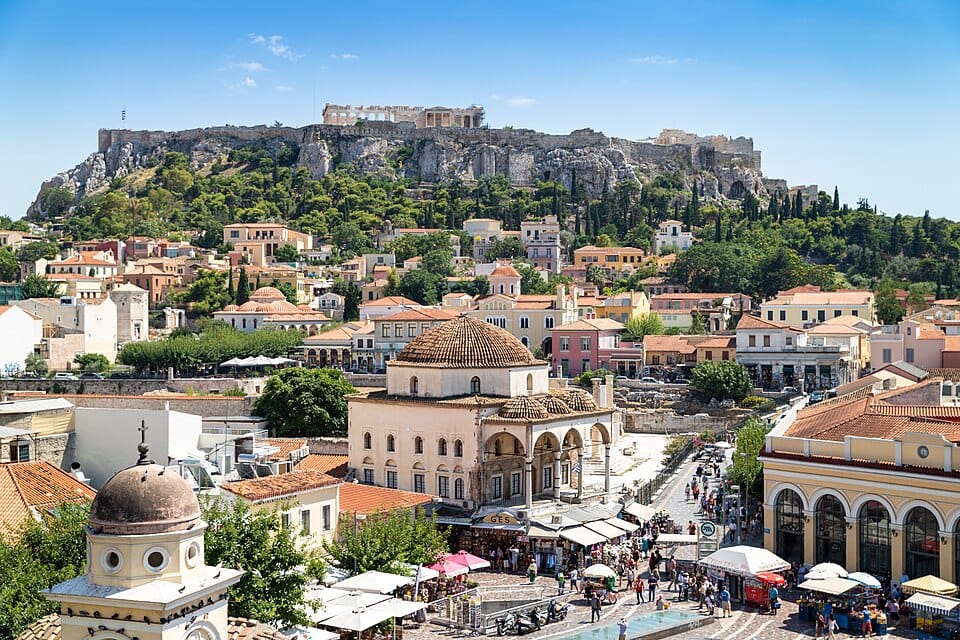
Athens is the capital of Greece and one of the world's oldest continuously inhabited cities, its skyline defined by the Acropolis and its 5th-century BC temples. The city blends ancient ruins, Byzantine churches, and 19th-century neoclassical buildings with a dense modern metropolis of nearly four million people.
Top attractions in Athens
Acropolis
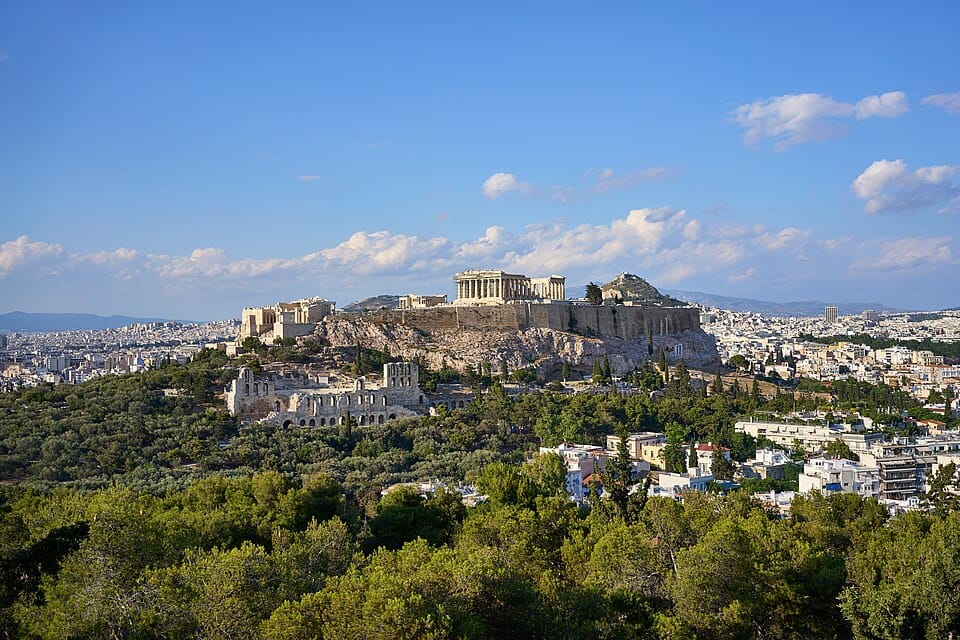
A fortified hilltop citadel crowned by the Parthenon, built in the 5th century BC as a temple to Athena.
Parthenon
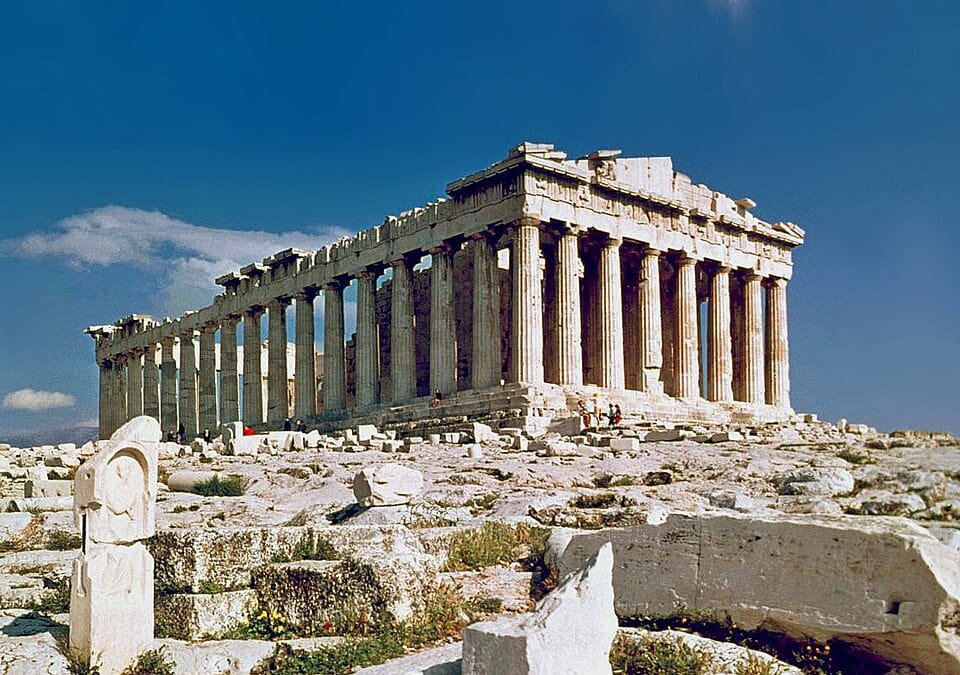
The largest surviving Doric temple in Greece, regarded as the finest example of ancient Greek architecture.
Ancient Agora
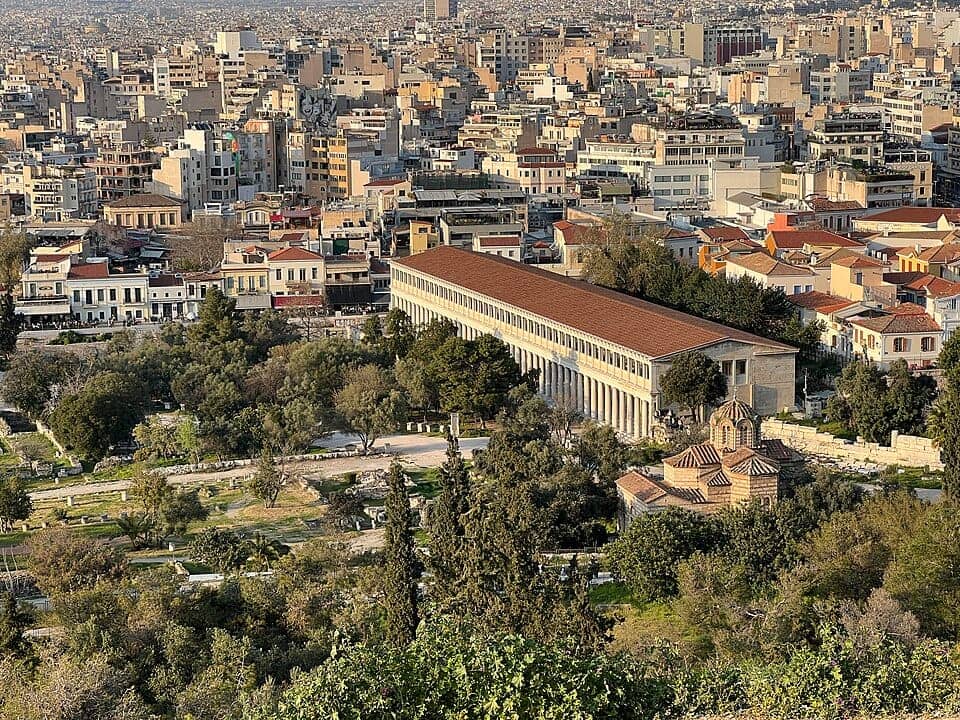
The civic and commercial heart of ancient Athens, where democracy, philosophy, and public life took shape.
Plaka
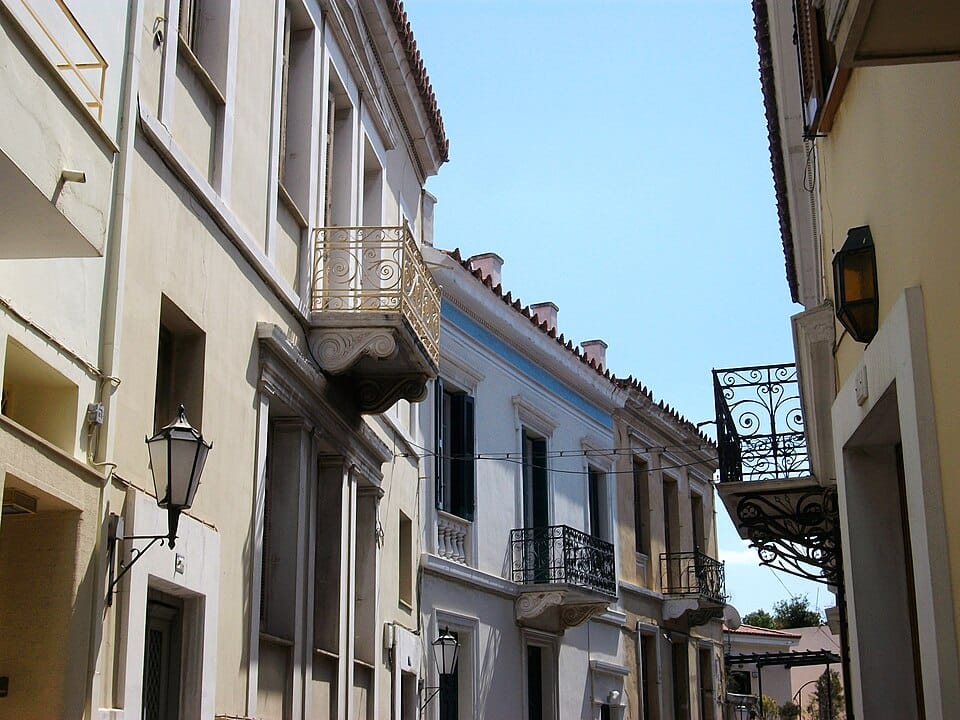
A historic neighborhood of narrow lanes beneath the Acropolis, known as the old town of Athens.
National Archaeological Museum
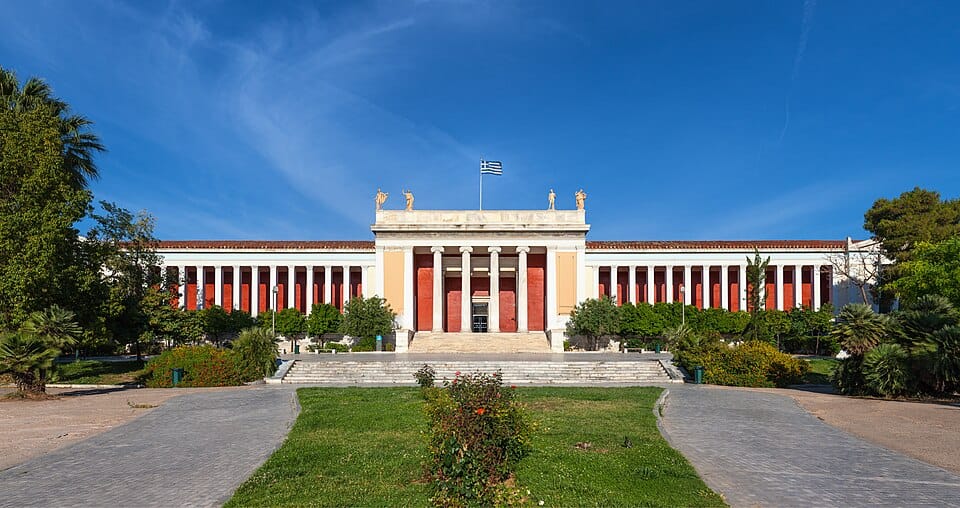
The largest archaeological museum in Greece, holding an extensive collection spanning prehistory to late antiquity.
Delphi
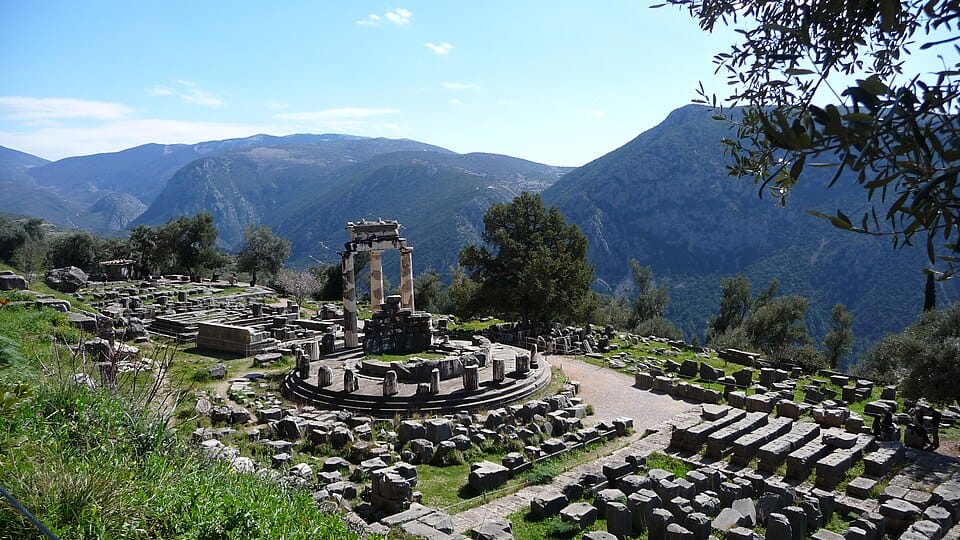
Delphi is an ancient sanctuary on the slopes of Mount Parnassus, once considered by the Greeks to be the center of the world and home to the Oracle of Apollo. Pilgrims and city-states consulted its priestess for centuries, and the site grew into a major religious and cultural complex with temples, treasuries, and a stadium.
Top attractions in Delphi
Temple of Apollo
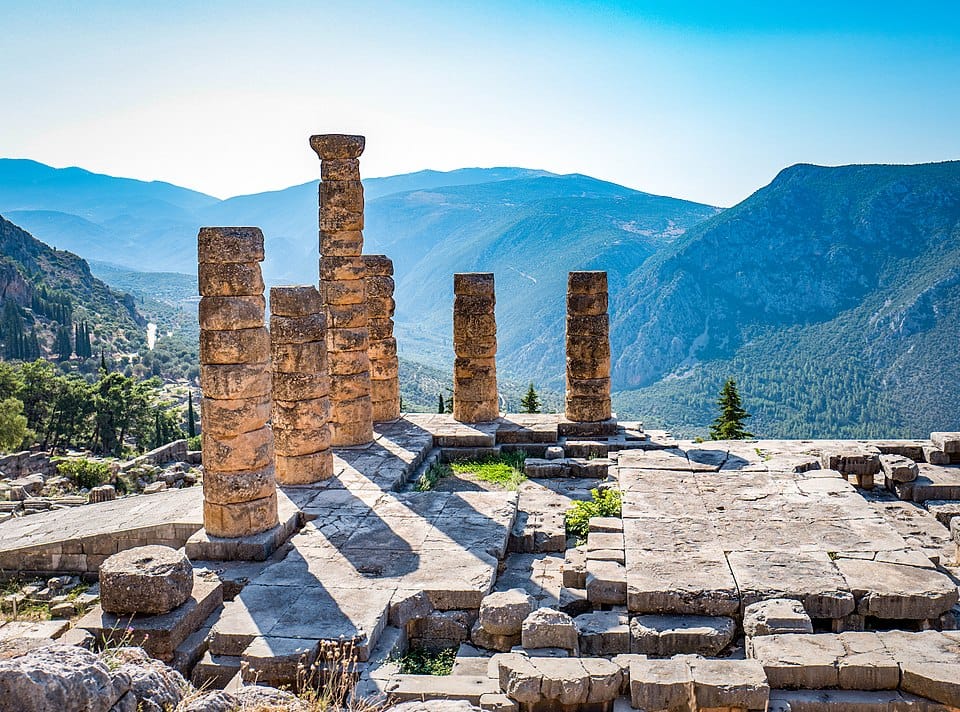
The ruined temple where the Oracle, the priestess Pythia, delivered her prophecies to visitors.
Ancient Theatre of Delphi
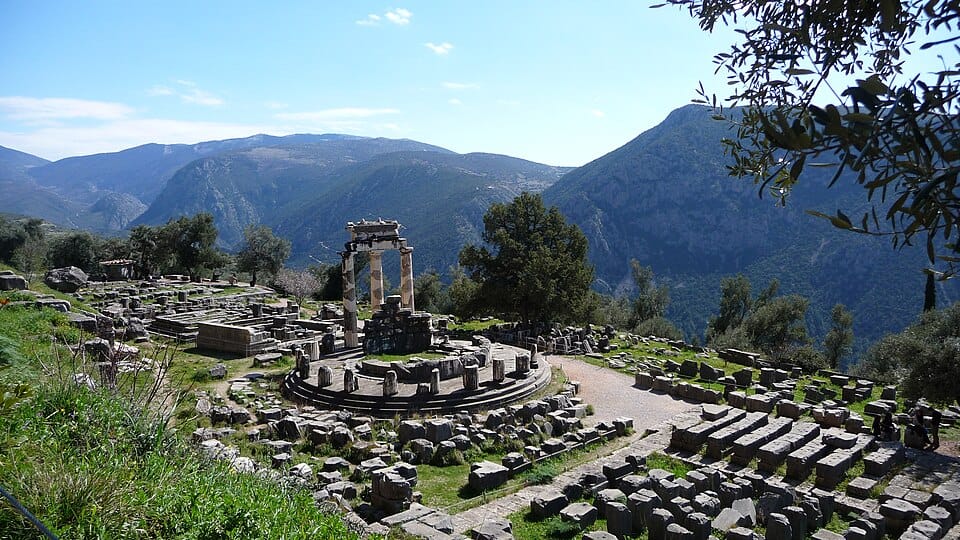
A well-preserved 4th-century BC theatre built above the Temple of Apollo, offering sweeping views over the sanctuary.
Delphi Archaeological Museum
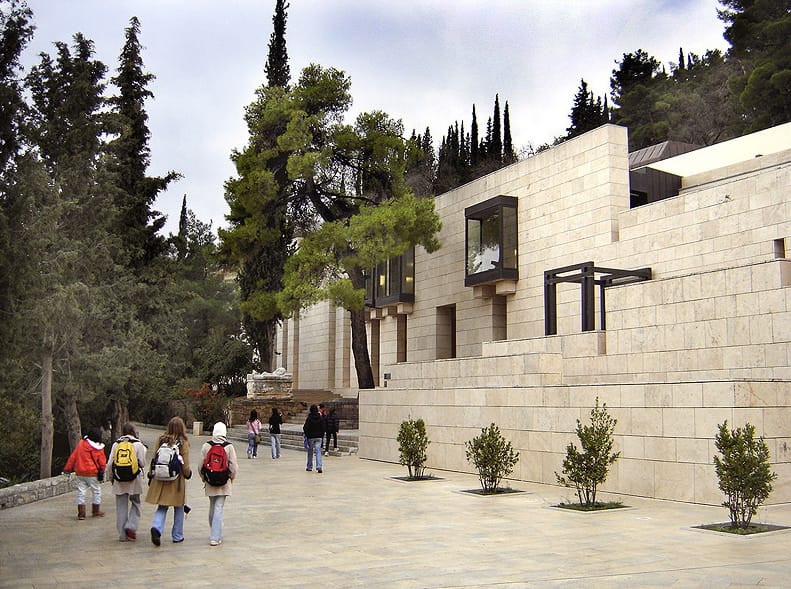
A museum housing finds from the sanctuary, including the bronze Charioteer of Delphi, one of the finest surviving ancient statues.
Tholos of Delphi
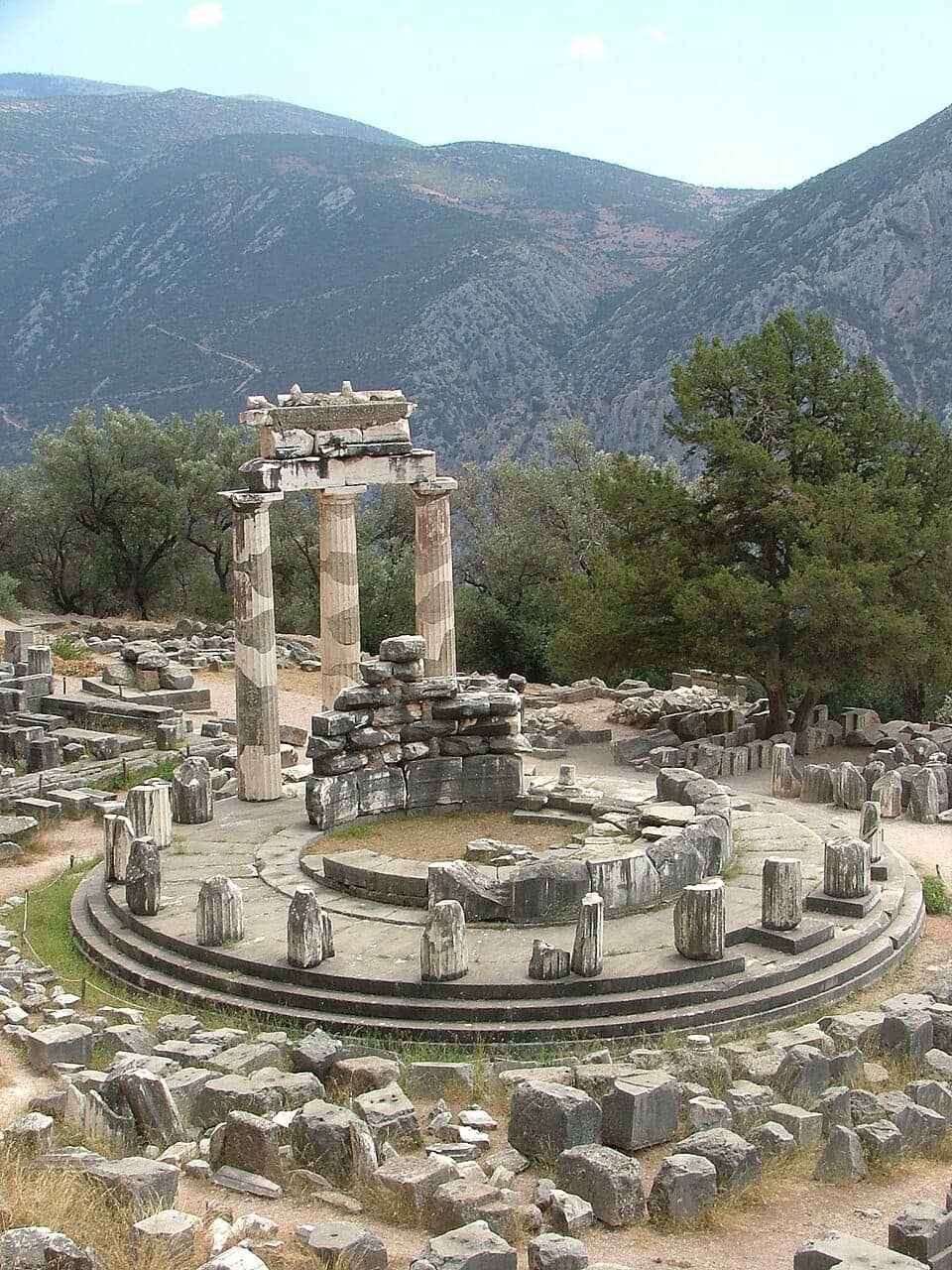
A circular temple in the nearby Sanctuary of Athena Pronaia, one of the most photographed structures in Greece.
Castalian Spring
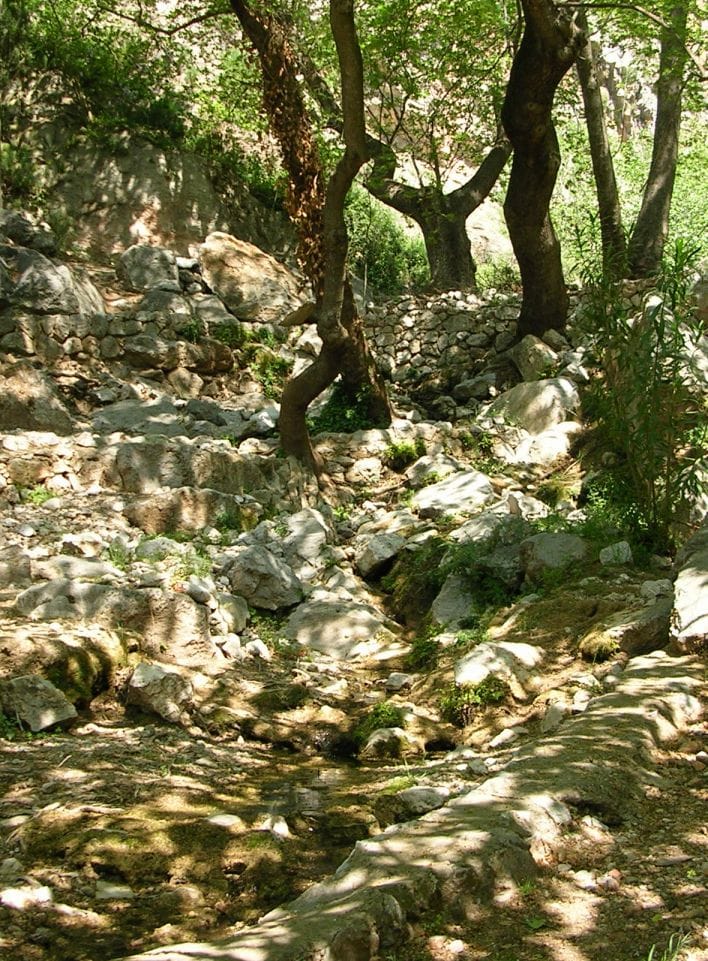
A sacred spring where visitors and priestesses once purified themselves before entering the sanctuary.
Meteora
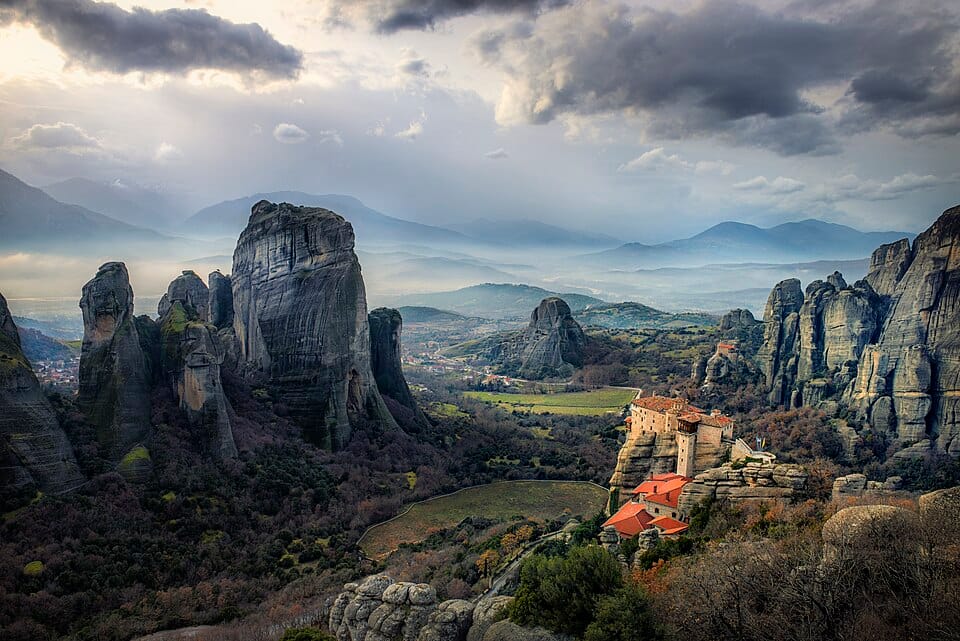
Meteora is a UNESCO-listed rock formation in central Greece where towering sandstone pillars rise above the Thessalian plain, topped by monasteries built between the 14th and 16th centuries. Monks originally chose the sites for their near-inaccessibility, hauling supplies up by rope and net, and six monasteries remain active today.
Top attractions in Meteora
Great Meteoron Monastery
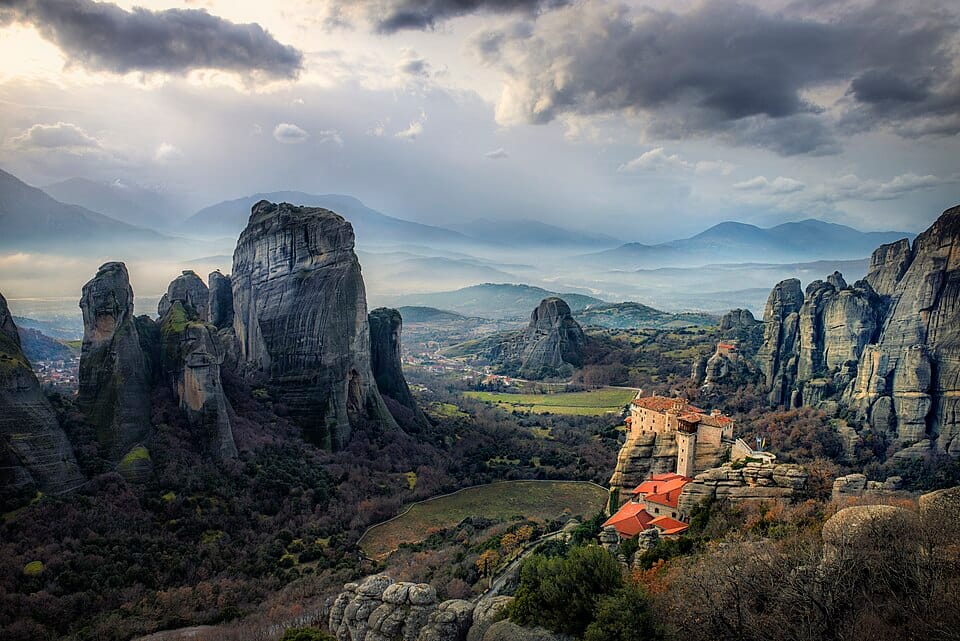
The largest and oldest of the Meteora monasteries, founded in the 14th century atop the tallest rock pillar.
Varlaam Monastery
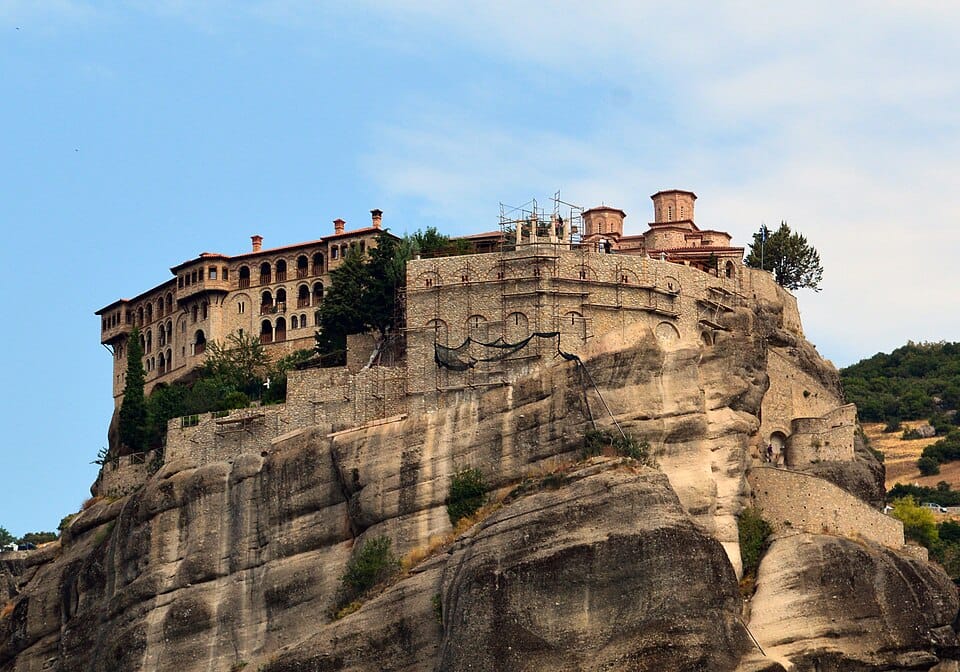
The second-largest monastery in Meteora, known for its 16th-century frescoes and a museum of Byzantine icons.
Rousanou Monastery
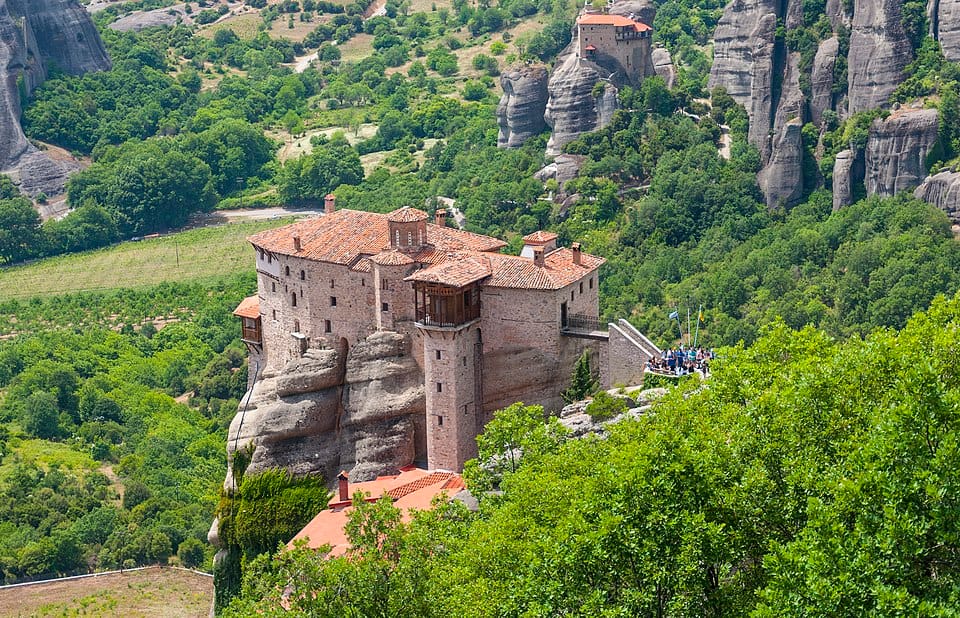
A convent perched dramatically on a narrow ridge, connected to the surrounding paths by a small bridge.
Holy Trinity Monastery
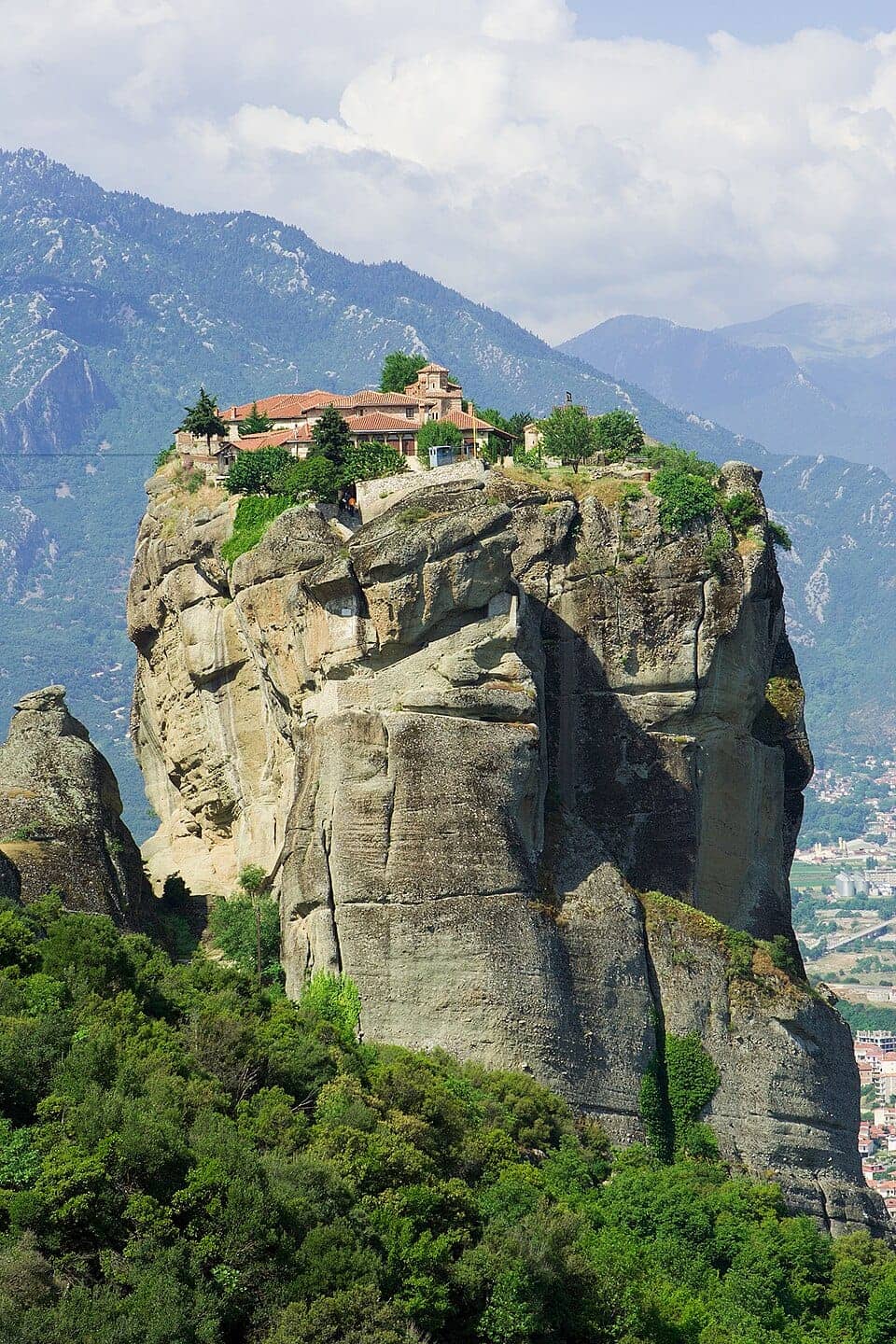
A remote 15th-century monastery reached by 140 steps carved into the rock, featured in the 1981 film For Your Eyes Only.
St. Stephen's Monastery
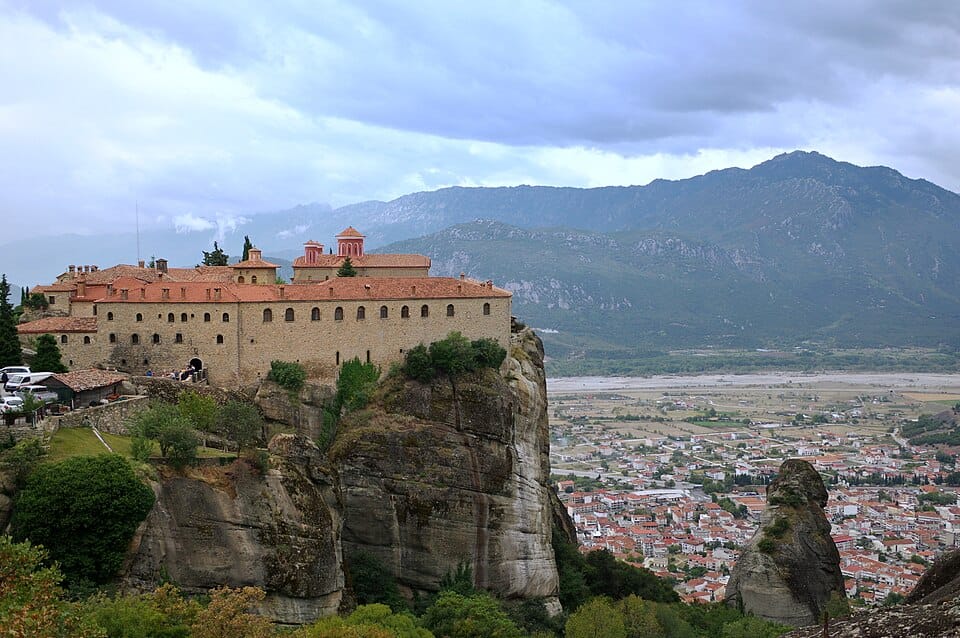
The most accessible of the monasteries, reached by a footbridge rather than a climb, now home to a community of nuns.
Nafplio
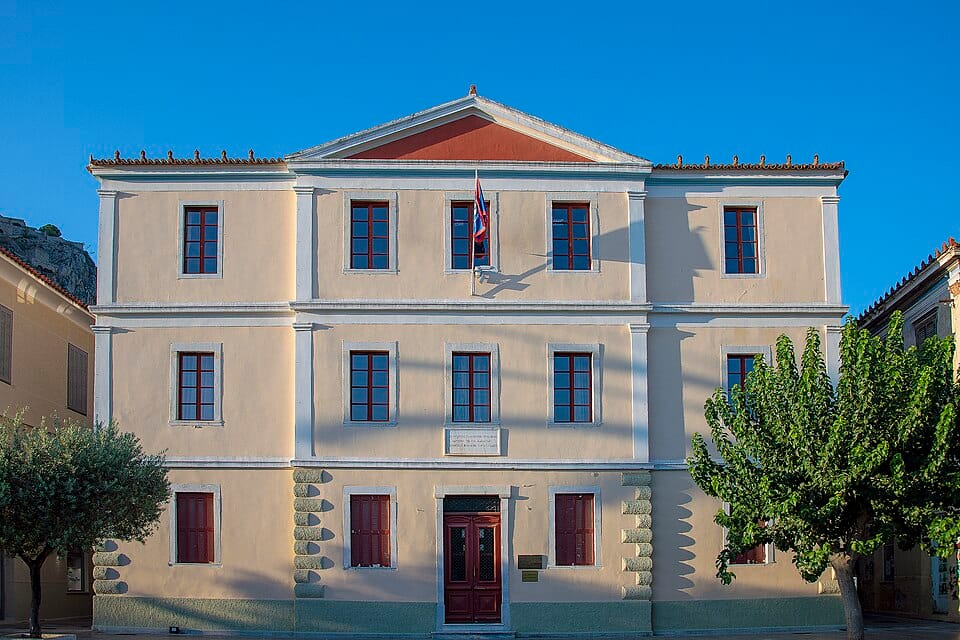
Nafplio is a harbor town on the eastern coast of the Peloponnese, distinguished by Venetian and Ottoman architecture, a hilltop fortress, and a compact old town of pastel houses and marble-paved lanes. It served as the first capital of modern Greece after independence in the early 19th century.
Top attractions in Nafplio
Palamidi Fortress
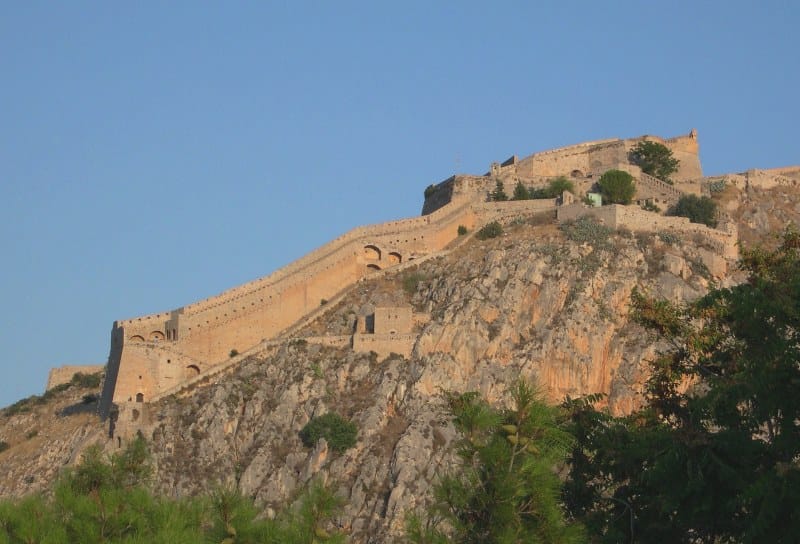
A Venetian hilltop fortress reached by 857 steps, offering panoramic views over Nafplio and the Argolic Gulf.
Bourtzi Castle
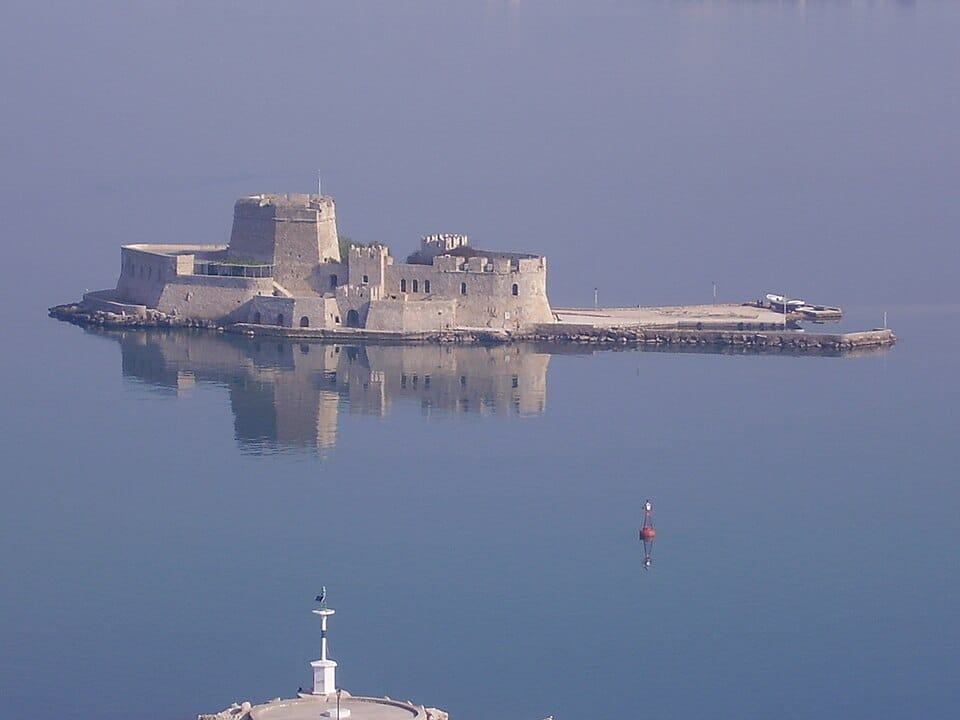
A small Venetian island fortress in the harbor, built to guard the entrance to the bay from pirates and invaders.
Akronafplia
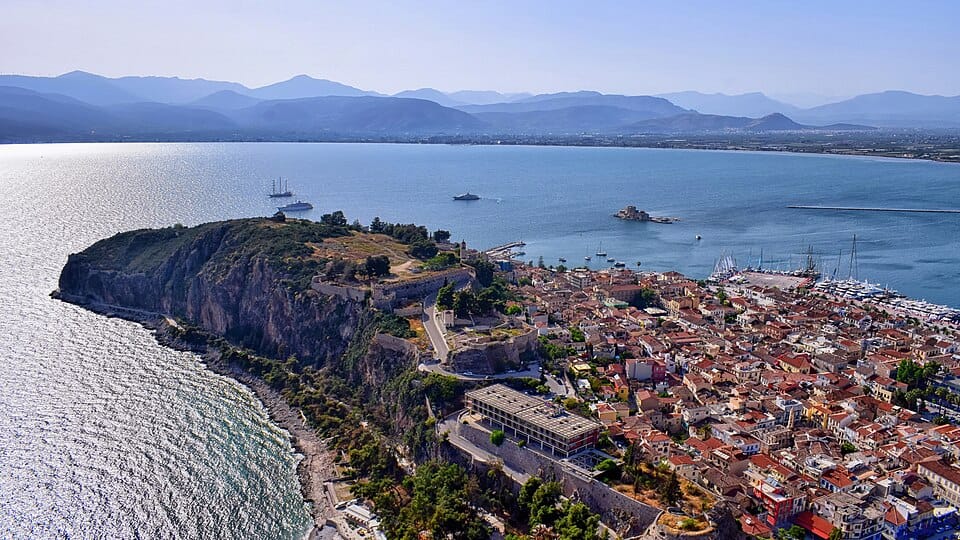
The oldest fortified section of Nafplio, built on a rocky headland with layers of Byzantine, Frankish, and Venetian walls.
Syntagma Square
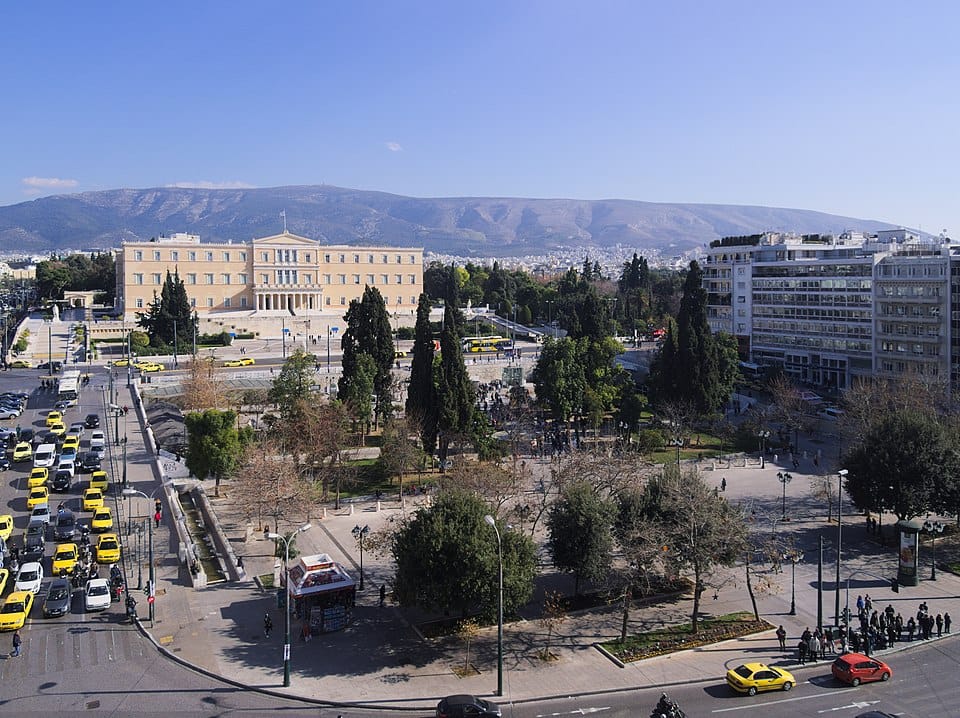
The marble-paved central square of the old town, lined with neoclassical buildings and a former Ottoman mosque.
Olympia
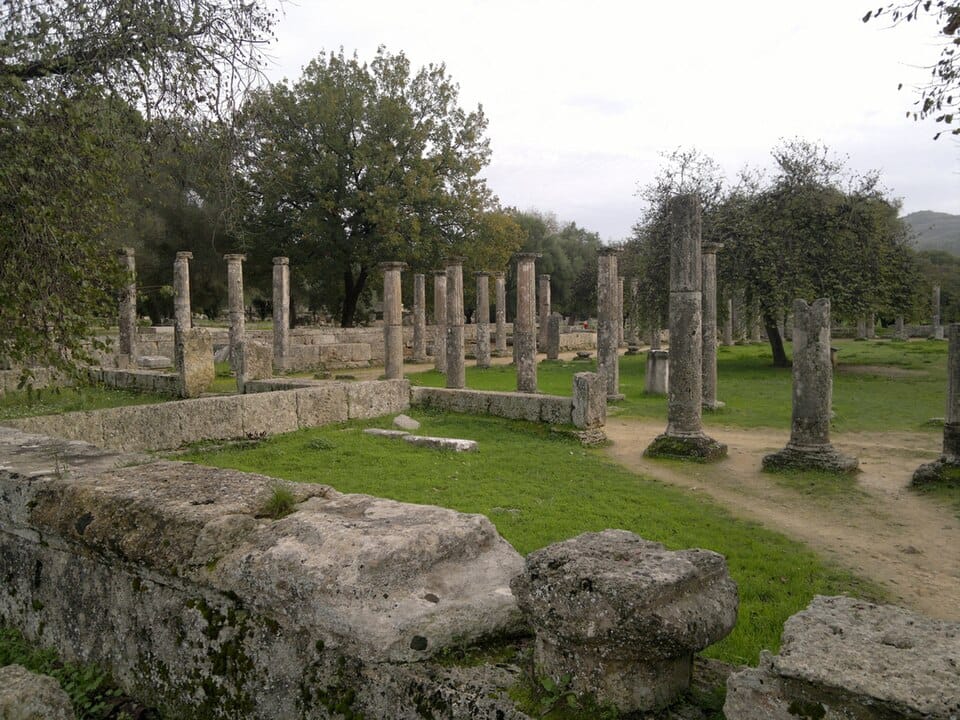
Olympia is an ancient sanctuary in the western Peloponnese where the Olympic Games were first held in 776 BC and continued every four years for over a thousand years. The site combines a religious complex dedicated to Zeus with the athletic facilities that gave rise to the modern Olympic tradition.
Top attractions in Olympia
Temple of Zeus
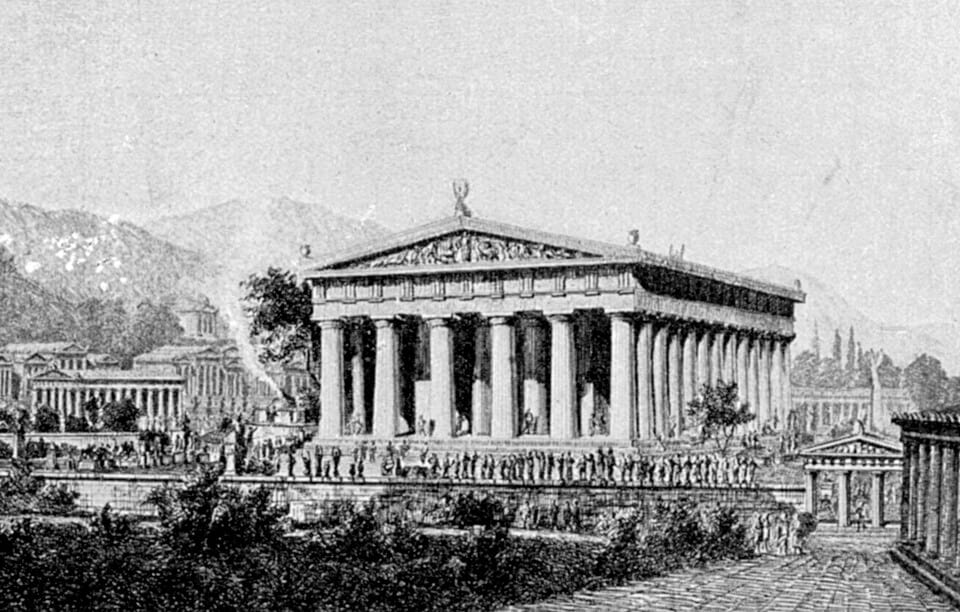
The ruined temple that once housed a colossal gold and ivory statue of Zeus, one of the Seven Wonders of the Ancient World.
Ancient Olympic Stadium
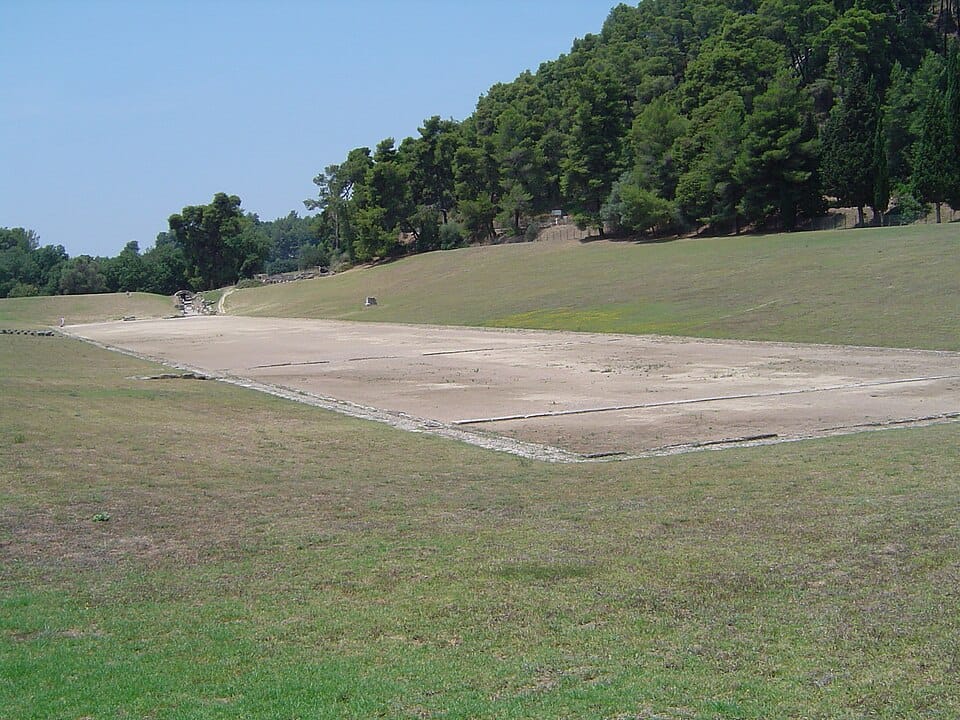
The original track where ancient athletes competed, still marked by the stone starting lines used over 2,700 years ago.
Temple of Hera
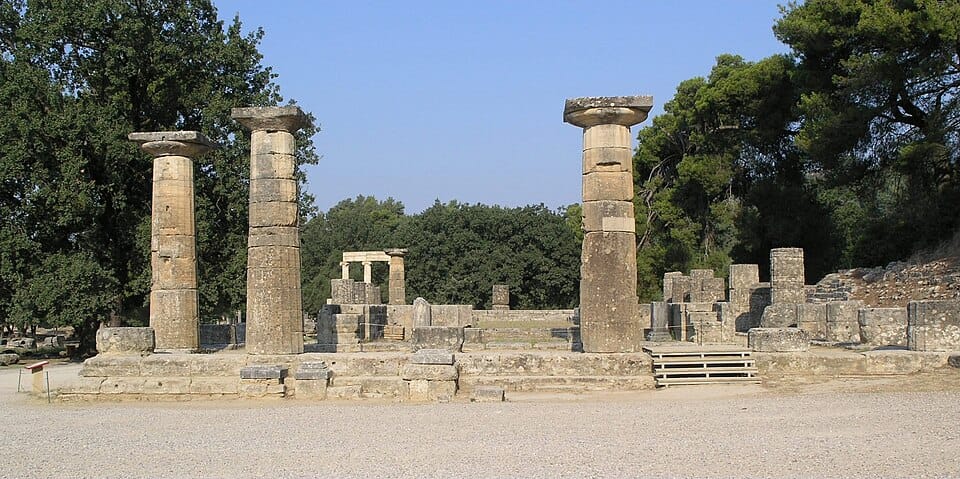
One of the oldest Doric temples in Greece, and the site from which the Olympic flame is still lit today using a parabolic mirror.
Archaeological Museum of Olympia
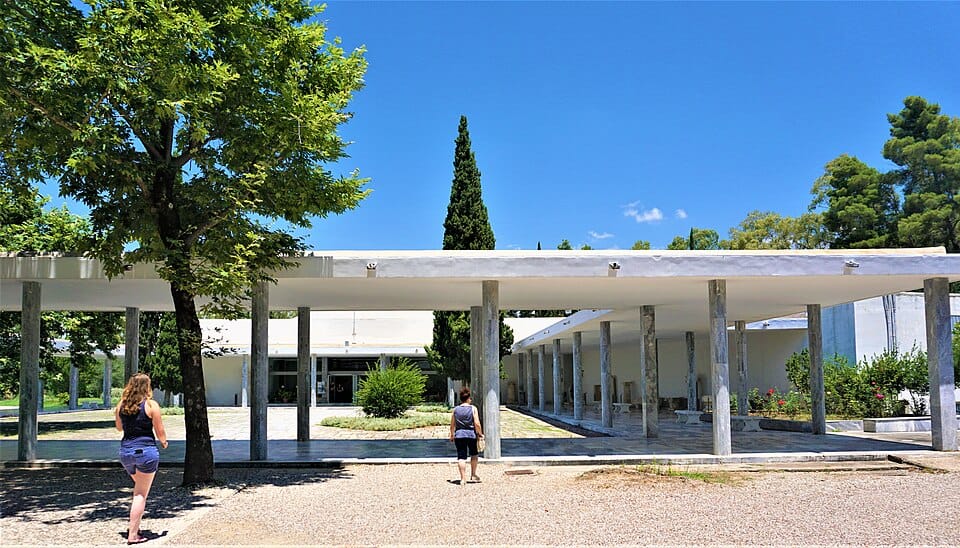
A museum displaying sculptures and artifacts from the sanctuary, including the Hermes of Praxiteles and the pediments of the Temple of Zeus.
Plan this route with EuroDrive Scout — tolls, vignettes, ZTL alerts, fuel & parking →