The Romantic Road: attractions & sights guide
A stop-by-stop guide to the best things to see along the The Romantic Road route — 4 destinations, their must-see sights and how to drive between them.
Plan this route with EuroDrive Scout — tolls, vignettes, ZTL alerts, fuel & parking →
Würzburg
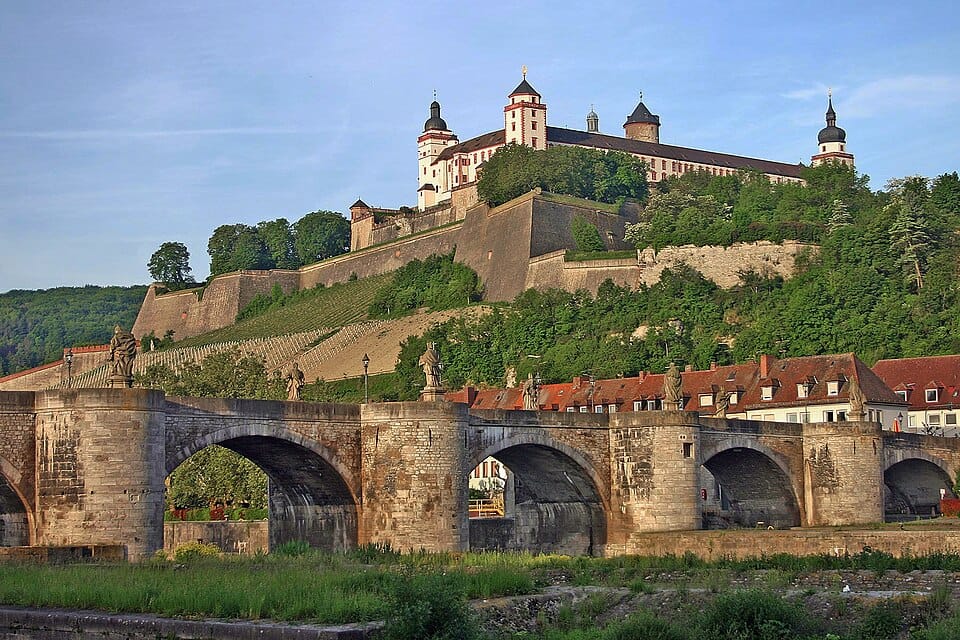
Würzburg is a Bavarian city on the Main river, known for the Würzburg Residence, a UNESCO World Heritage palace with one of the largest ceiling frescoes in the world, and for the vineyard-covered hills that produce Franconian wine sold in distinctive round Bocksbeutel bottles. The old town, rebuilt after wartime destruction, centers on the Marienberg Fortress overlooking the river and the pedestrian core near the Main bridge.
Top attractions in Würzburg
Würzburg Residence
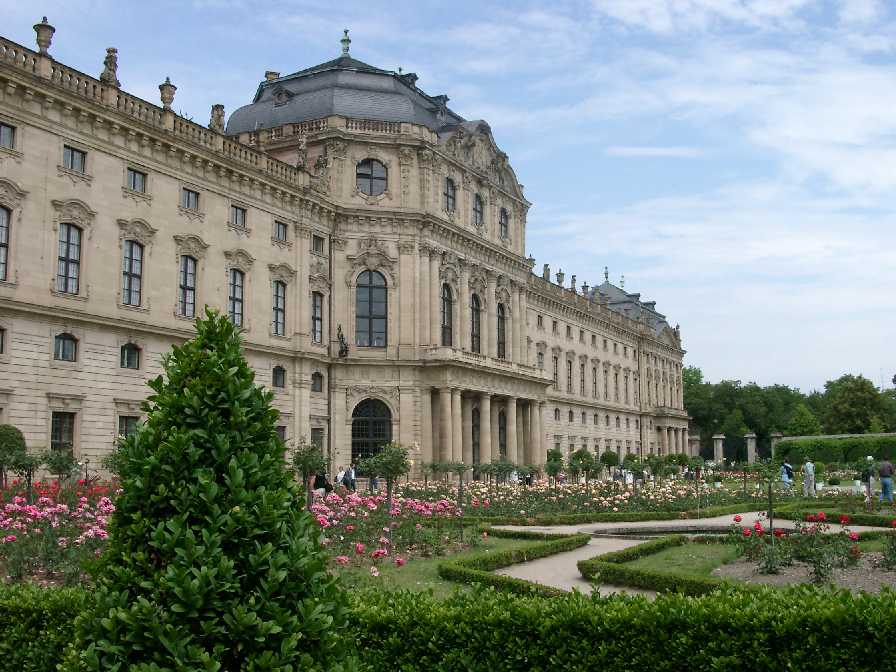
A UNESCO-listed baroque palace whose staircase hall ceiling holds a single fresco by Tiepolo, one of the largest in the world.
Marienberg Fortress
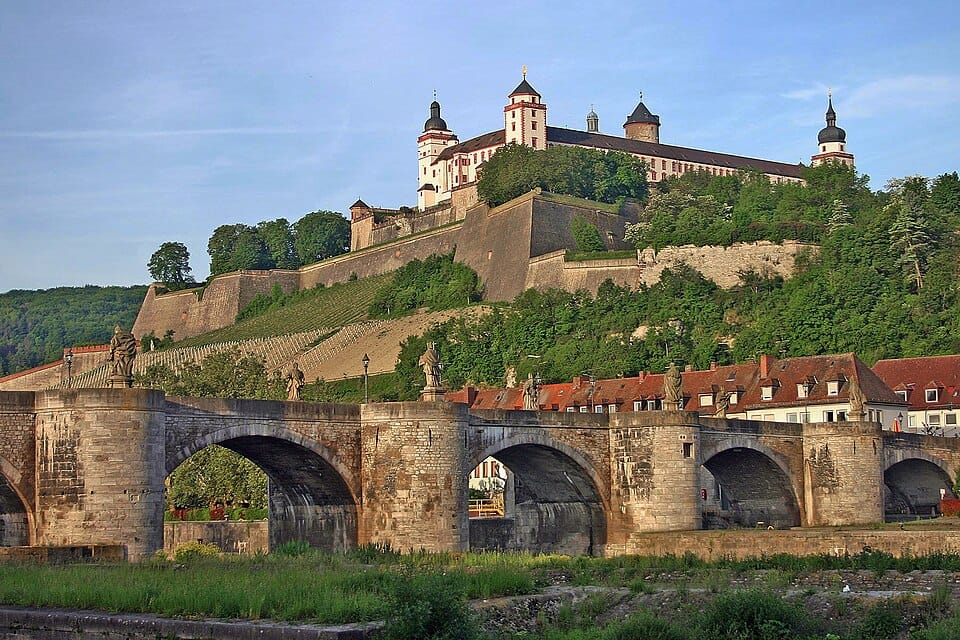
A hilltop fortress across the Main that served as the residence of Würzburg's prince-bishops for centuries and offers panoramic views of the city and vineyards.
Old Main Bridge
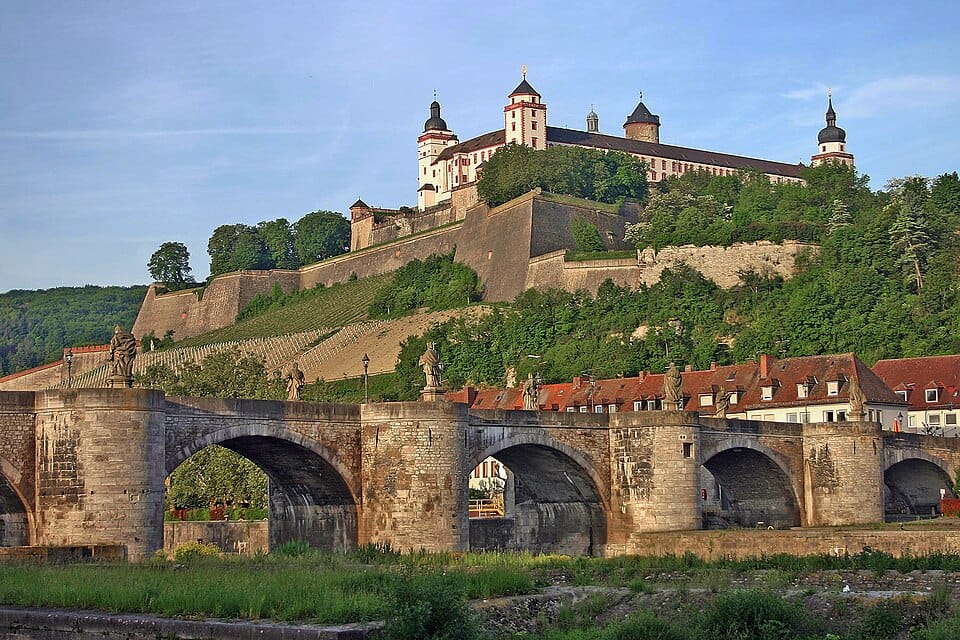
A stone bridge lined with statues of saints and prince-bishops, popular for evening drinks of local wine while overlooking the river and fortress.
Würzburg Cathedral
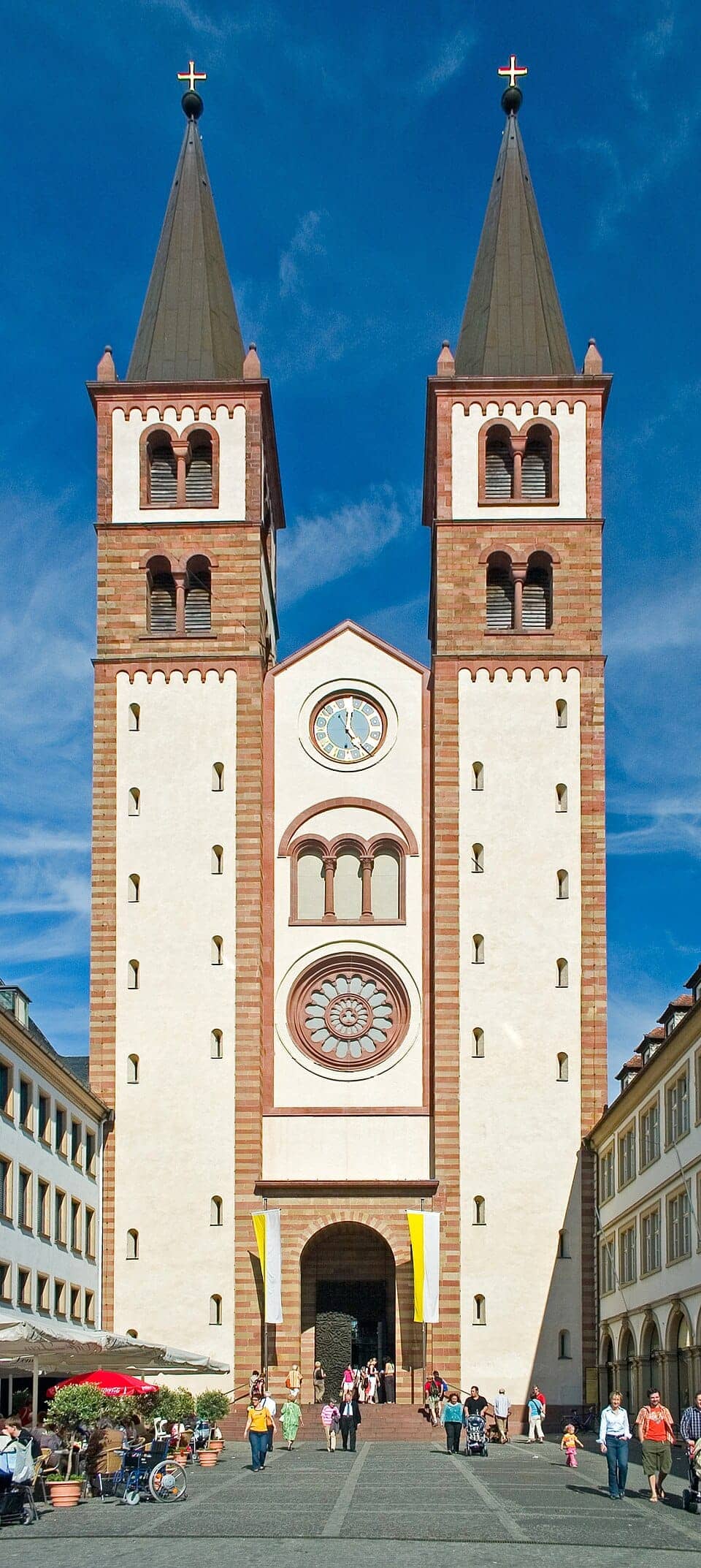
One of Germany's largest Romanesque churches, rebuilt after wartime damage and containing tombs of former prince-bishops.
Käppele Pilgrimage Church
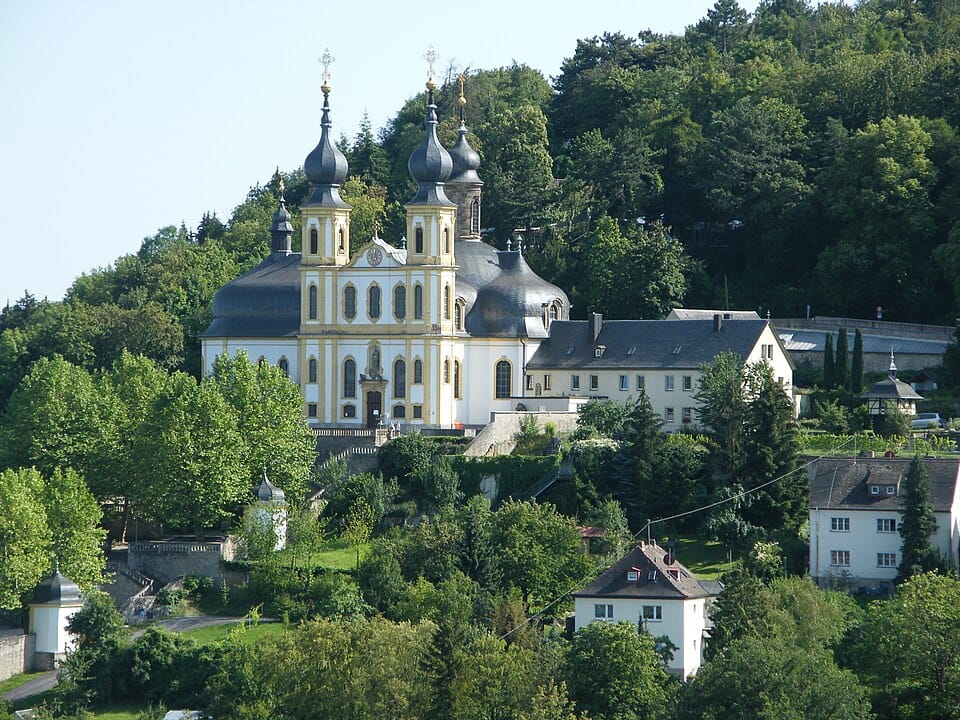
A twin-towered baroque pilgrimage church on a vineyard hill opposite the fortress, reached by a stepped path lined with chapels.
Rothenburg ob der Tauber
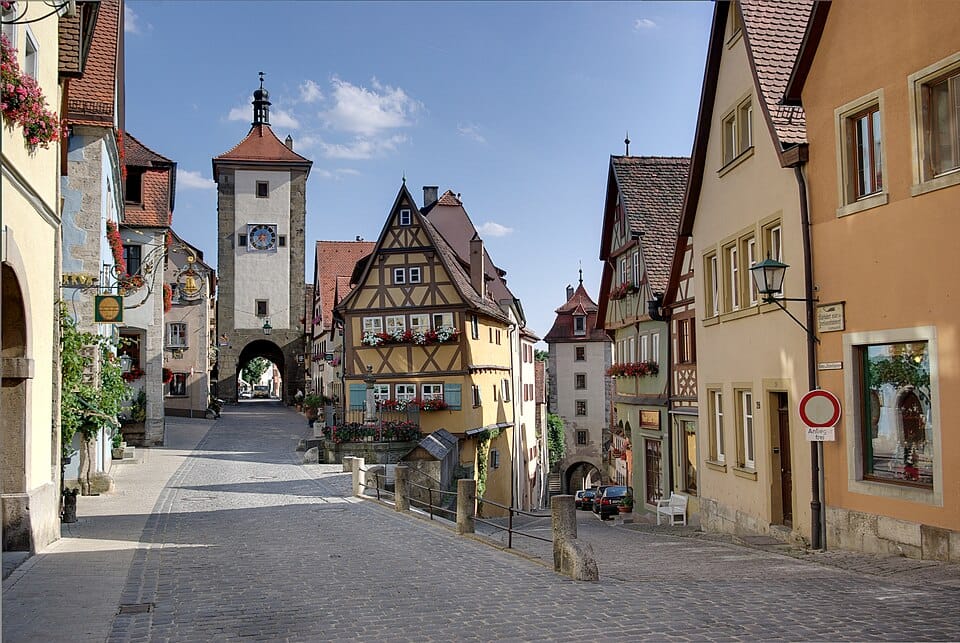
Rothenburg ob der Tauber is a walled Bavarian town whose half-timbered old town survived largely intact, making it one of the best-preserved examples of a medieval German settlement. Its market square, town hall tower, and encircling ramparts draw visitors year-round, and the town is closely associated with its Christmas market and year-round Christmas shop.
Top attractions in Rothenburg ob der Tauber
Marktplatz and Town Hall
The town's central square, framed by the Gothic-Renaissance town hall whose tower can be climbed for views over the rooftops.
Plönlein
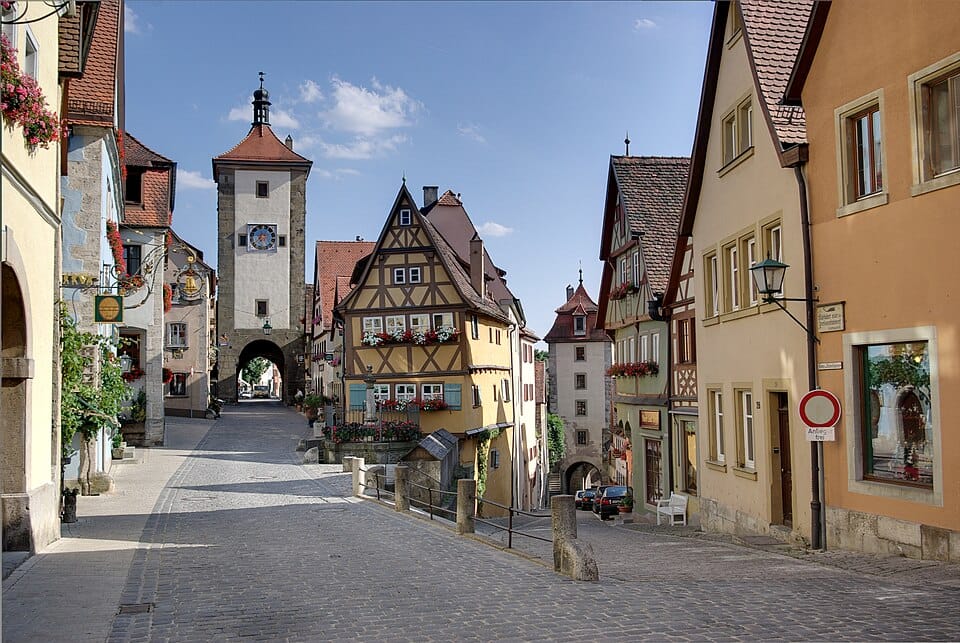
A picturesque fork in the road between two towers and a half-timbered house, one of the most photographed spots in Germany.
Rothenburg Town Walls
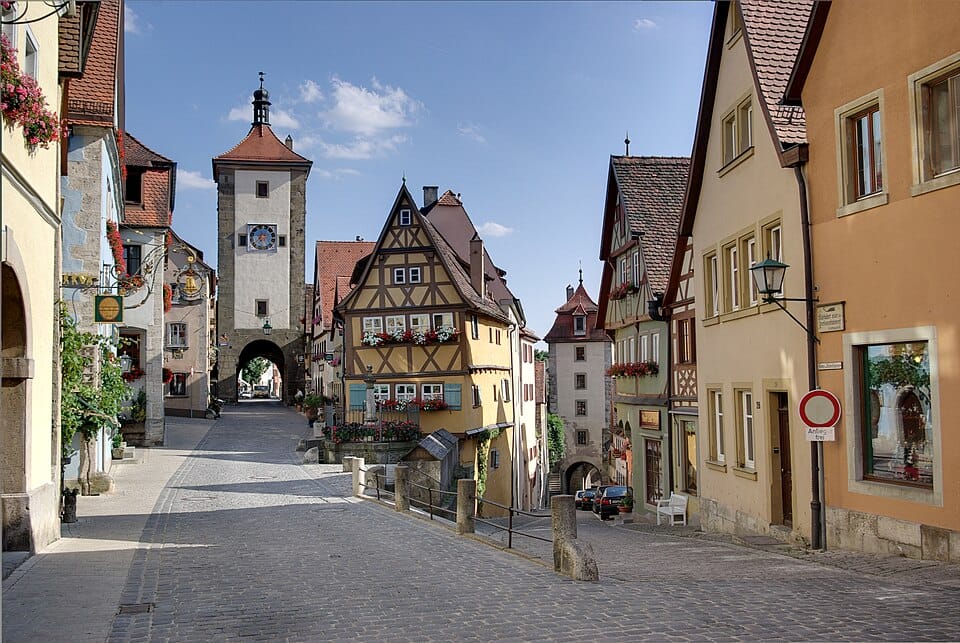
A largely complete circuit of medieval walls with a covered walkway that can be walked almost entirely around the old town.
St. Jakob's Church
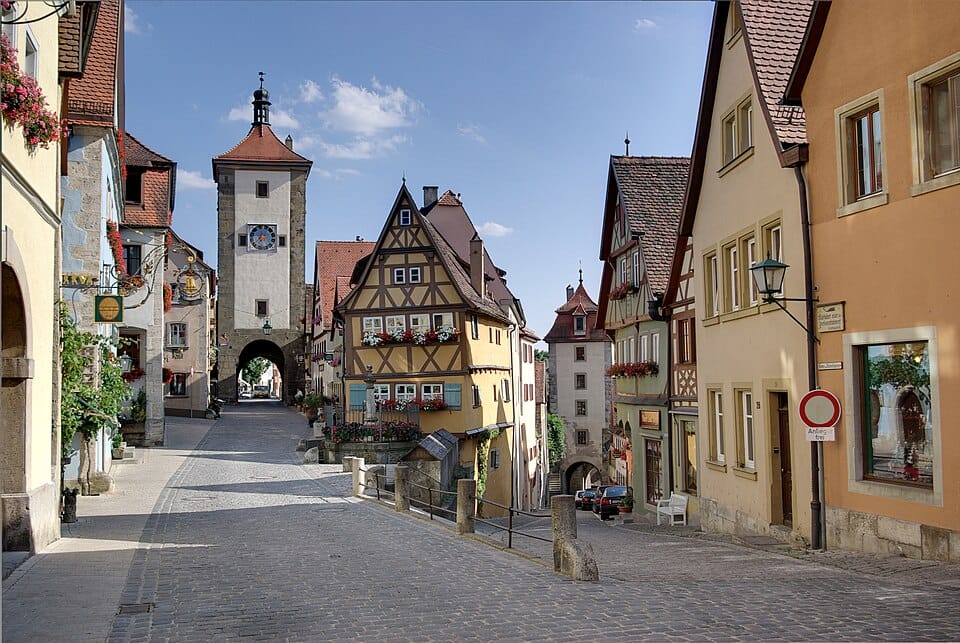
A Gothic church housing the carved wooden Holy Blood Altar by Tilman Riemenschneider, a major work of late-medieval German sculpture.
Medieval Crime Museum
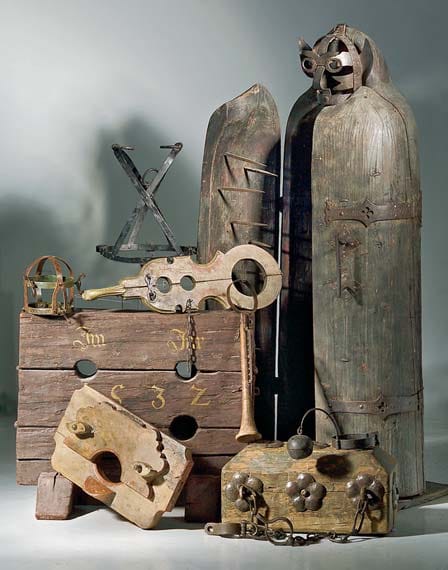
A museum tracing a thousand years of German legal history through torture devices, punishment tools, and courtroom artifacts.
Full Rothenburg ob der Tauber guide: driving, tolls & fuel →
Augsburg
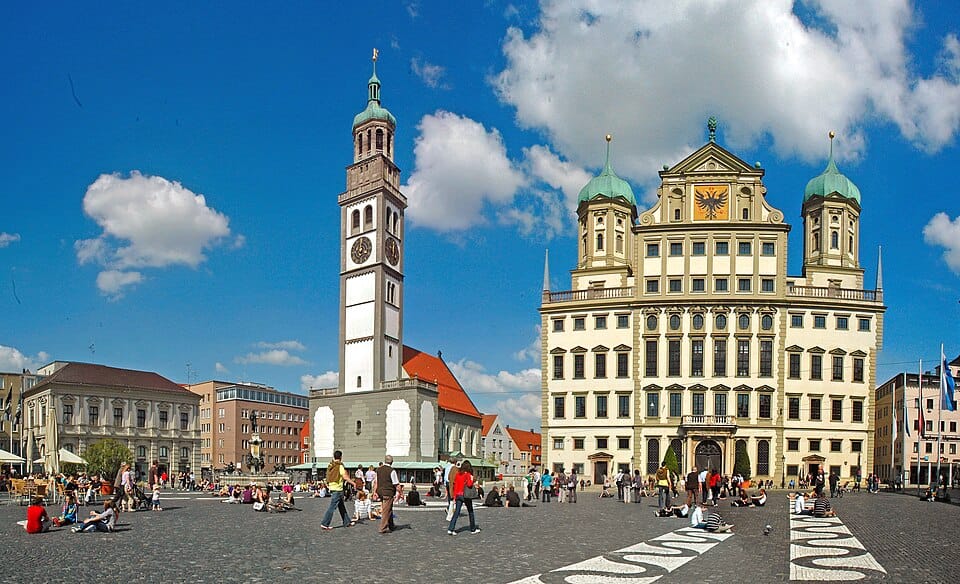
Augsburg is one of Germany's oldest cities, founded by the Romans and later a center of Renaissance banking under the Fugger merchant family, whose wealth funded the Fuggerei, the world's oldest social housing complex still in use. The city's Renaissance town hall, cathedral, and canal-lined Lech quarter reflect its long history as a trading and craft center.
Top attractions in Augsburg
Fuggerei
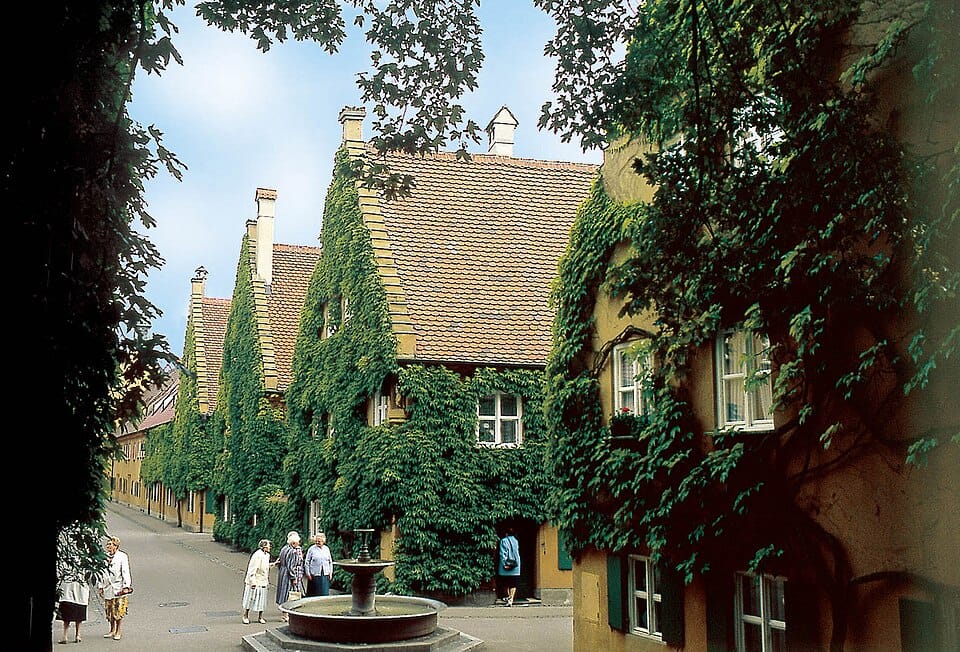
The world's oldest social housing complex still in use, founded in 1521 by the Fugger family for residents in need, with a symbolic annual rent unchanged for centuries.
Augsburg Town Hall
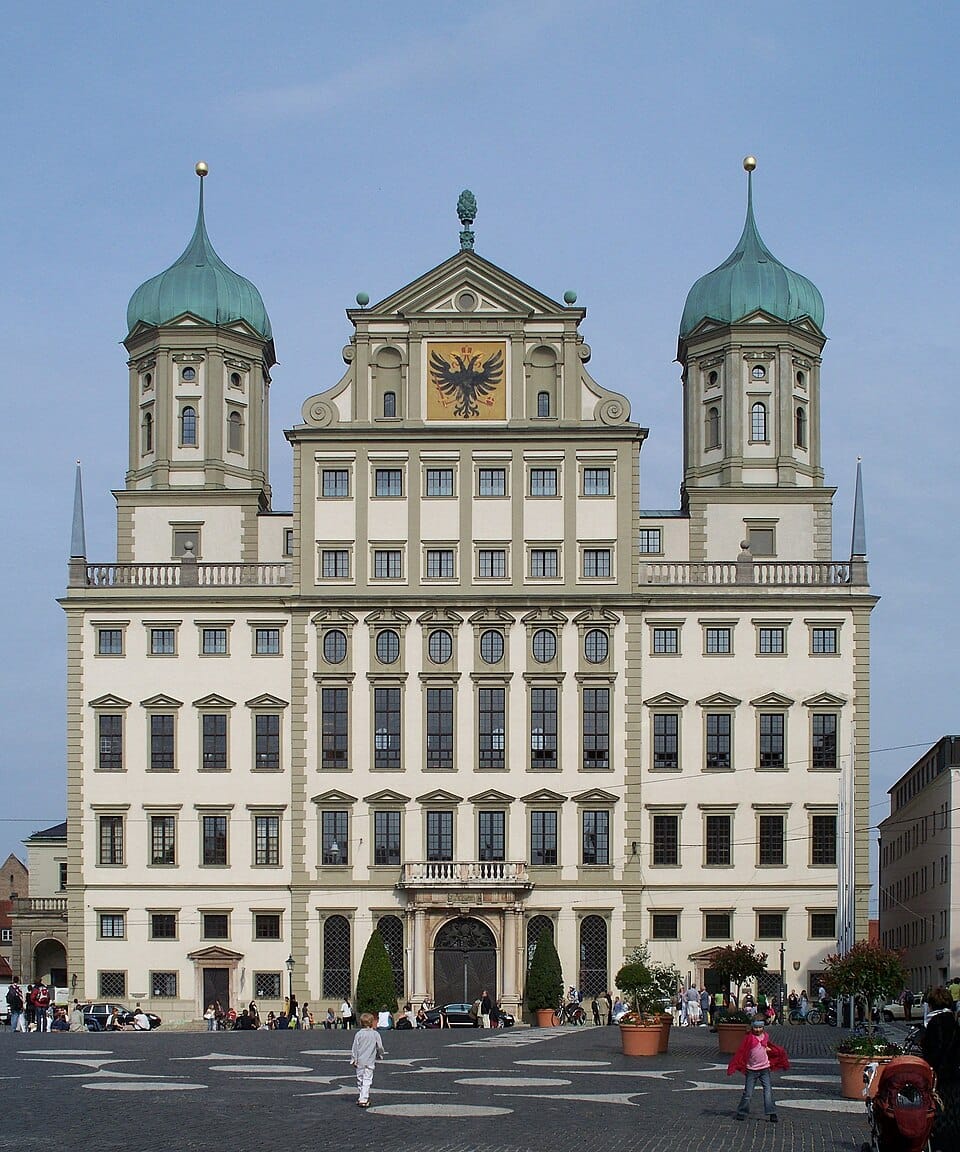
A Renaissance landmark on the main square whose Golden Hall, rebuilt after wartime destruction, is decorated with gilded coffered ceilings.
Augsburg Cathedral
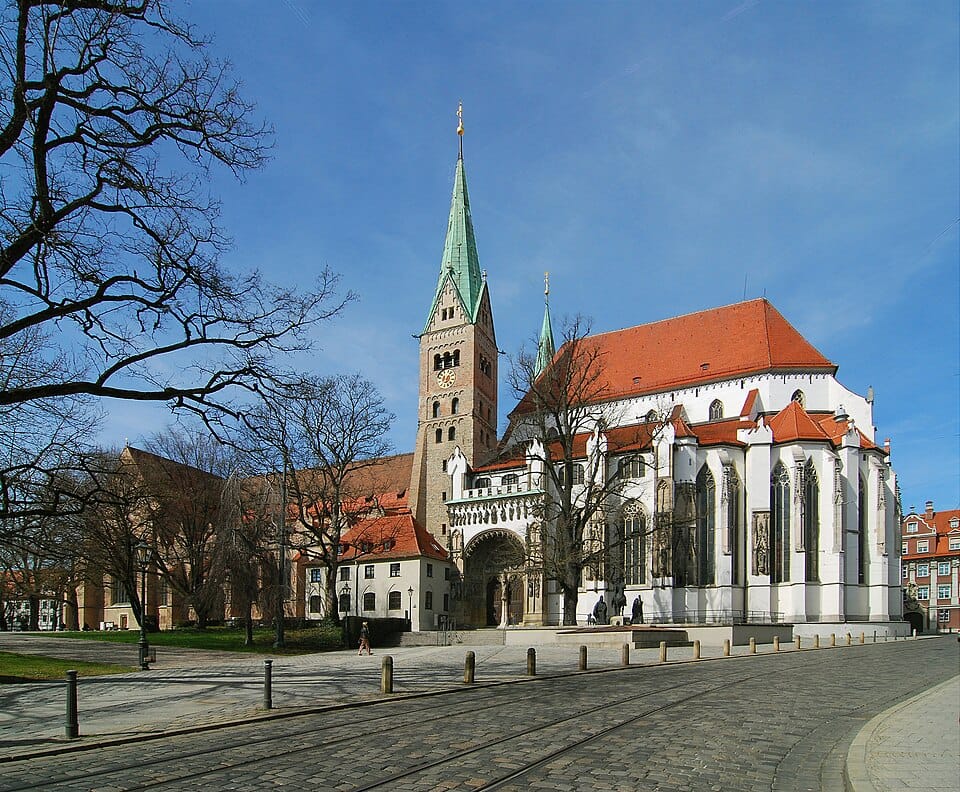
A cathedral combining Romanesque and Gothic elements, home to stained glass windows dating from the 12th century, among the oldest surviving in the world.
Maximilianstrasse
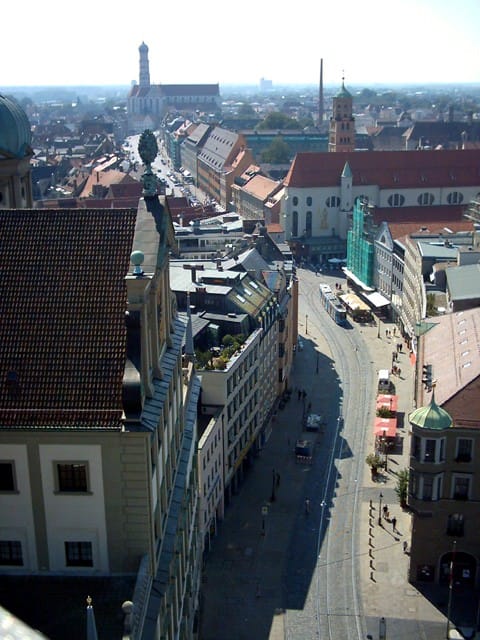
A wide historic boulevard lined with Renaissance merchant houses and ornate fountains, once the city's main trading street.
Lech Quarter
A former craftsmen's quarter crossed by small canals fed by the Lech river, now known for its colorful houses and artisan workshops.
Füssen
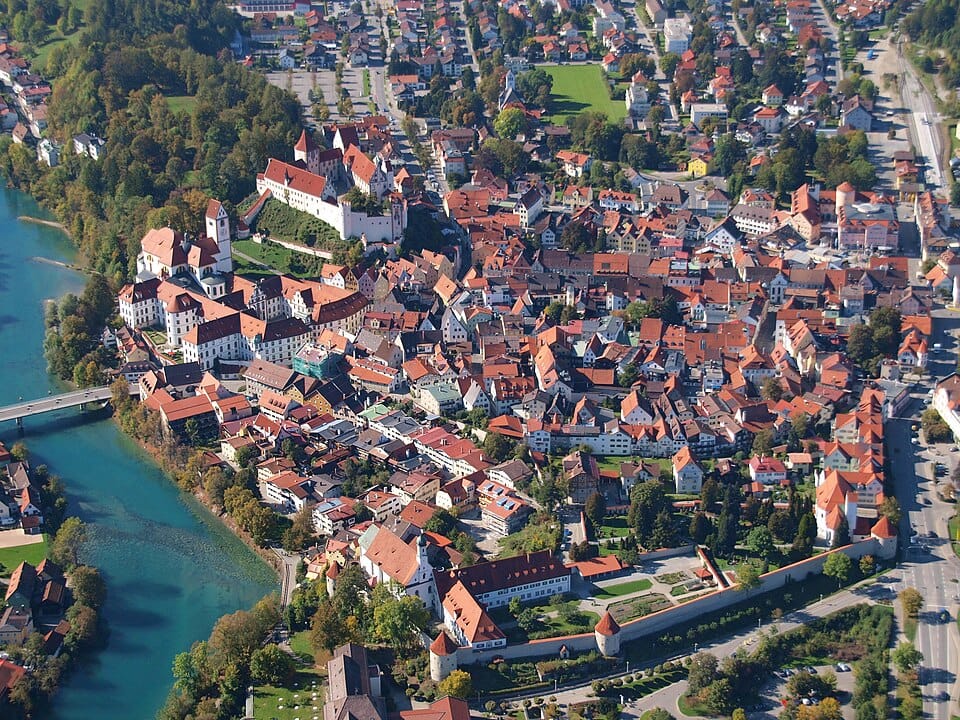
Füssen is a Bavarian town at the foot of the Alps, best known as the gateway to Neuschwanstein and Hohenschwangau castles, which sit on wooded hills just outside town above the Alpsee and Schwansee lakes. Its own old town has a medieval high castle, a former Benedictine monastery, and streets that once served as a stop on the Roman Via Claudia Augusta.
Top attractions in Füssen
Neuschwanstein Castle
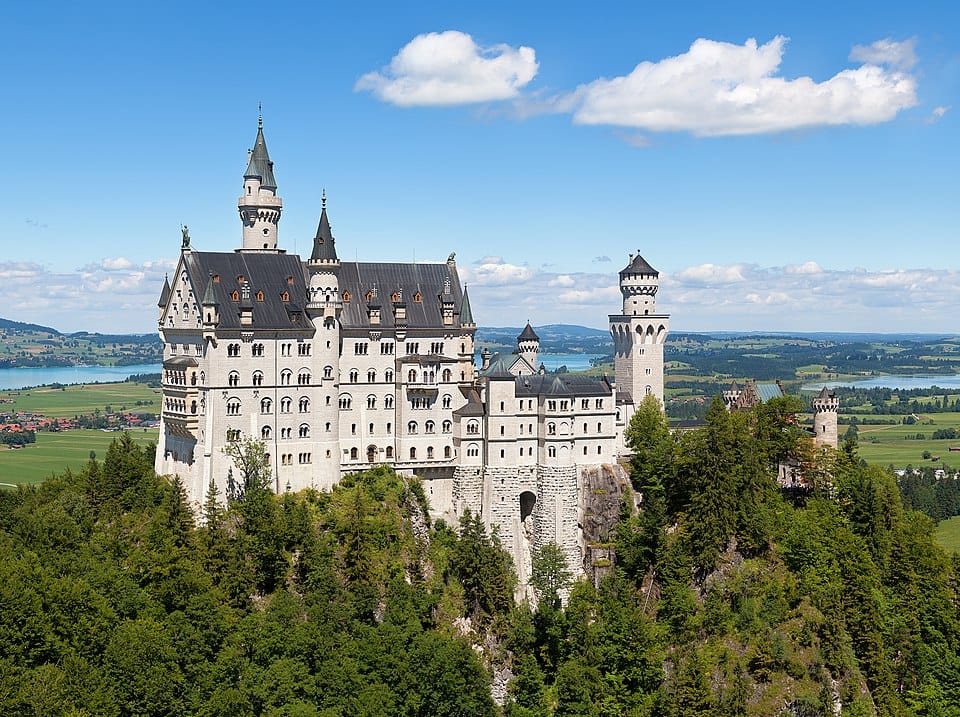
A 19th-century fairy-tale castle built for King Ludwig II of Bavaria, perched on a rocky outcrop above the Pöllat gorge and one of Germany's most visited sights.
Hohenschwangau Castle
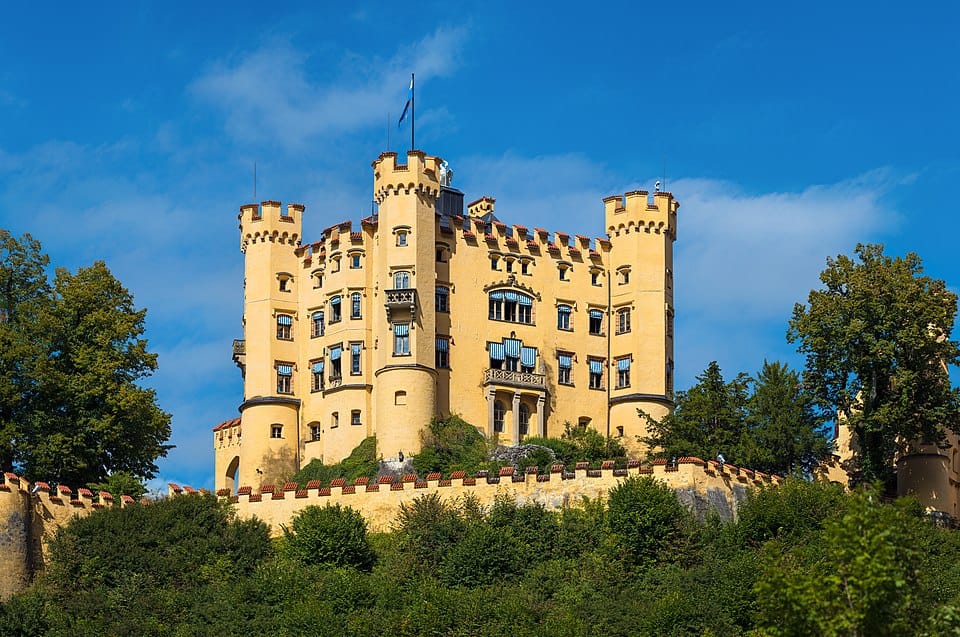
The yellow-walled childhood castle of King Ludwig II, rebuilt in neo-Gothic style by his father and set on a hill facing Neuschwanstein across the valley.
Alpsee
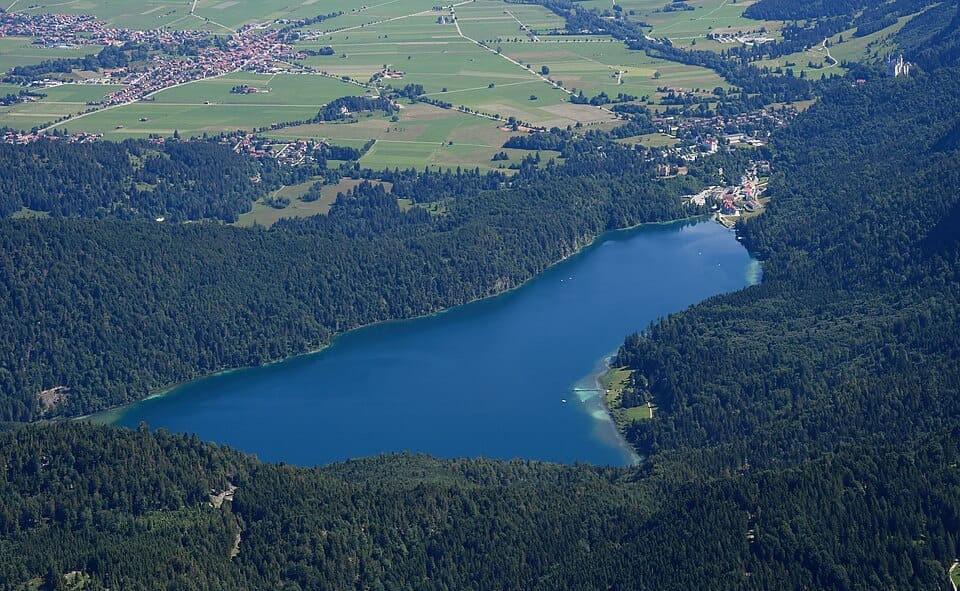
A clear alpine lake below Hohenschwangau castle, ringed by a walking path and framed by mountain views on the drive up to the castles.
St. Mang's Abbey
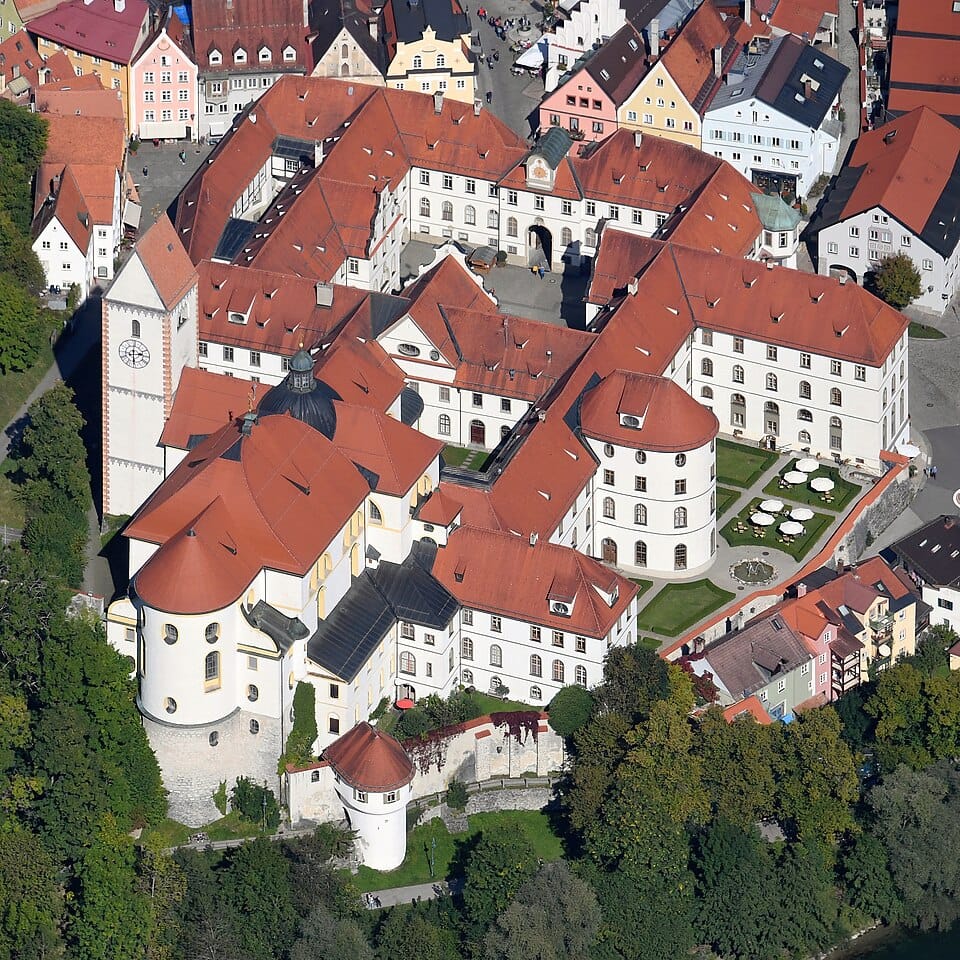
A former Benedictine monastery in the old town with a baroque church and crypt frescoes among the oldest in Bavaria, now housing a local history museum.
High Castle of Füssen
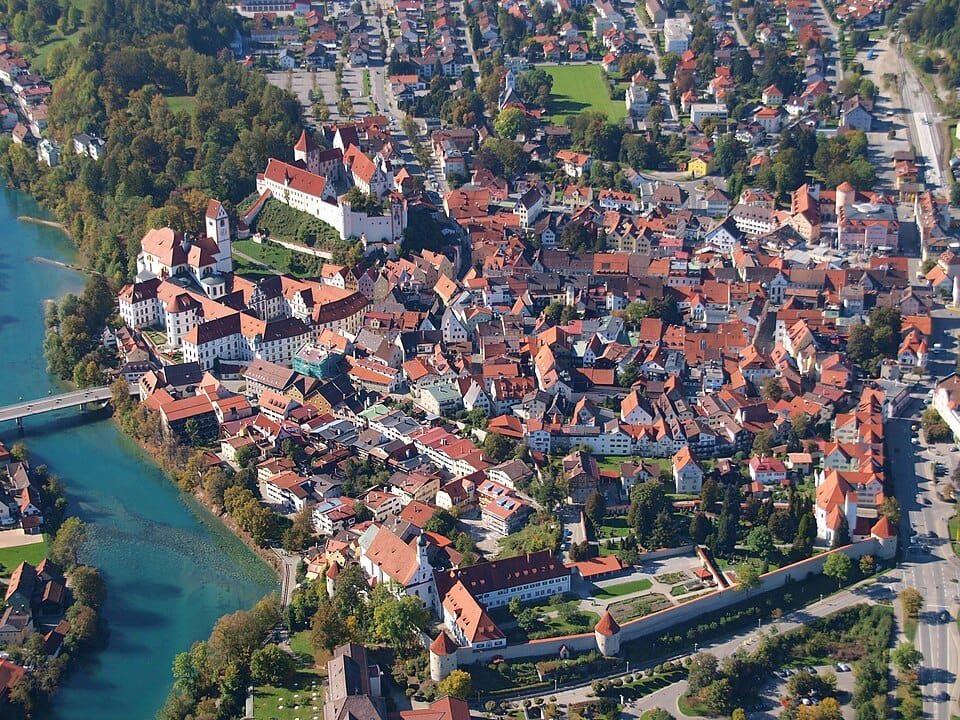
A late-Gothic residence of the prince-bishops of Augsburg overlooking the old town, notable for its painted trompe-l'œil facades.
Plan this route with EuroDrive Scout — tolls, vignettes, ZTL alerts, fuel & parking →