Vía de la Plata: attractions & sights guide
A stop-by-stop guide to the best things to see along the Vía de la Plata route — 8 destinations, their must-see sights and how to drive between them.
Plan this route with EuroDrive Scout — tolls, vignettes, ZTL alerts, fuel & parking →
Seville
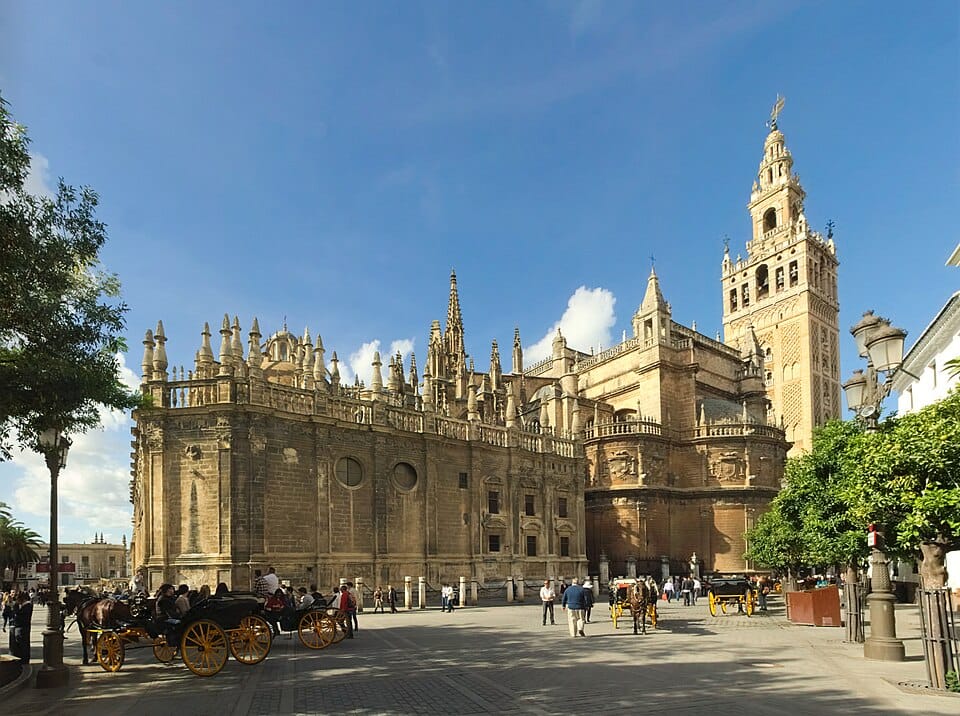
Seville is the capital of Andalusia, a warm-climate city on the Guadalquivir River known for flamenco, orange-tree-lined streets, and a monumental Gothic cathedral that holds the tomb of Christopher Columbus. Its Alcazar palace complex and the Plaza de Espana are among the most photographed sites in southern Spain.
Top attractions in Seville
Seville Cathedral
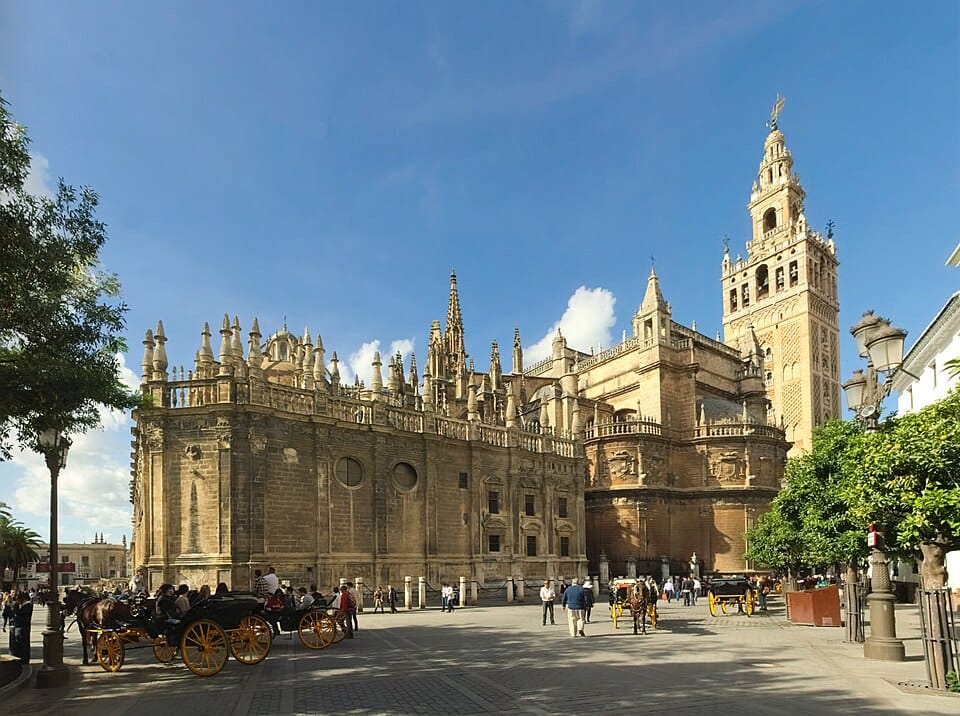
The largest Gothic cathedral in the world, built on the site of a former mosque and topped by the Giralda bell tower.
Real Alcazar of Seville
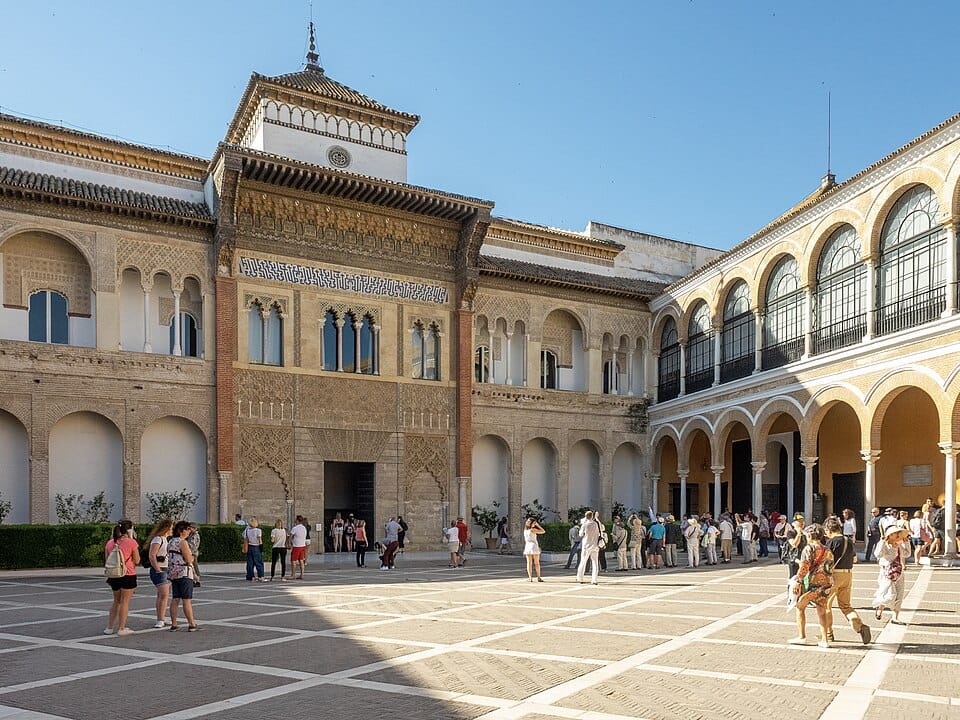
A royal palace complex built largely in Mudejar style, with intricate tilework, courtyards, and expansive palace gardens, still used by the royal family today.
Plaza de Espana
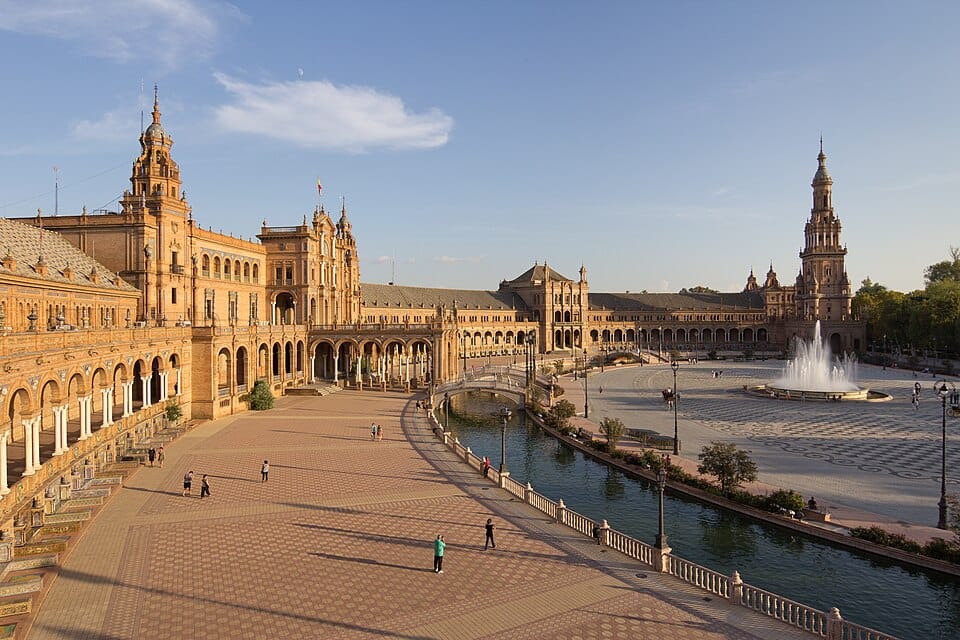
A sweeping semicircular plaza built for the 1929 Ibero-American Exposition, lined with a tiled canal and provincial ceramic alcoves.
Metropol Parasol
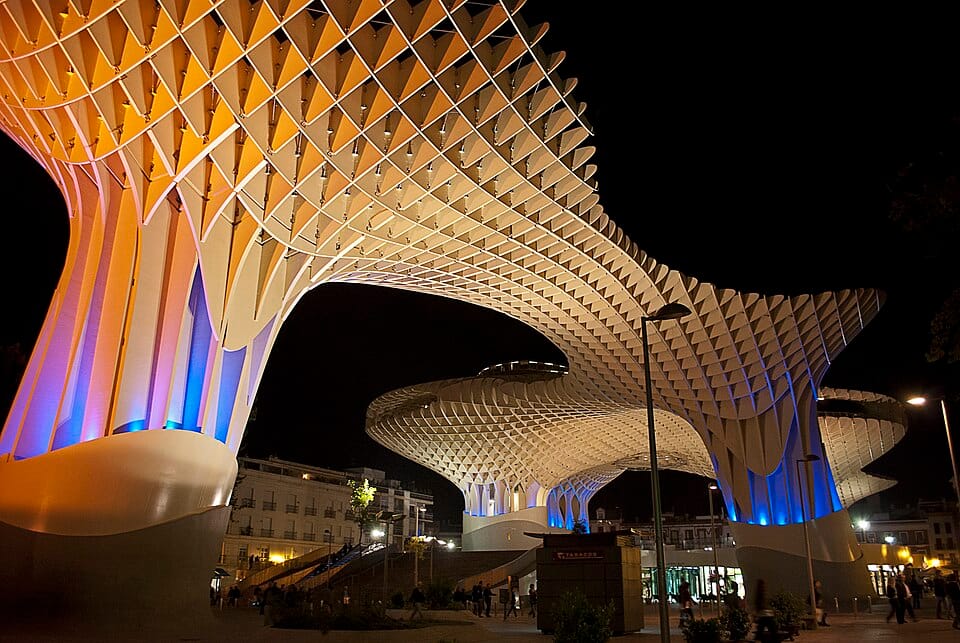
A large modern timber structure in the old quarter, built over Roman ruins, with an elevated public walkway offering city views.
Barrio Santa Cruz
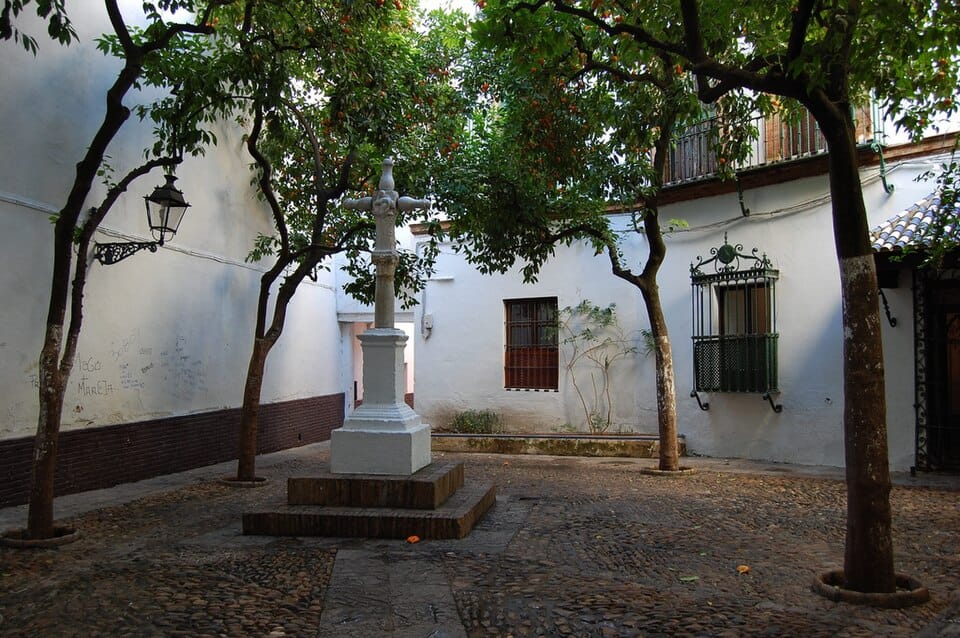
The former Jewish quarter, a maze of narrow lanes, hidden plazas, and flower-draped balconies just beside the cathedral and Alcazar.
Mérida
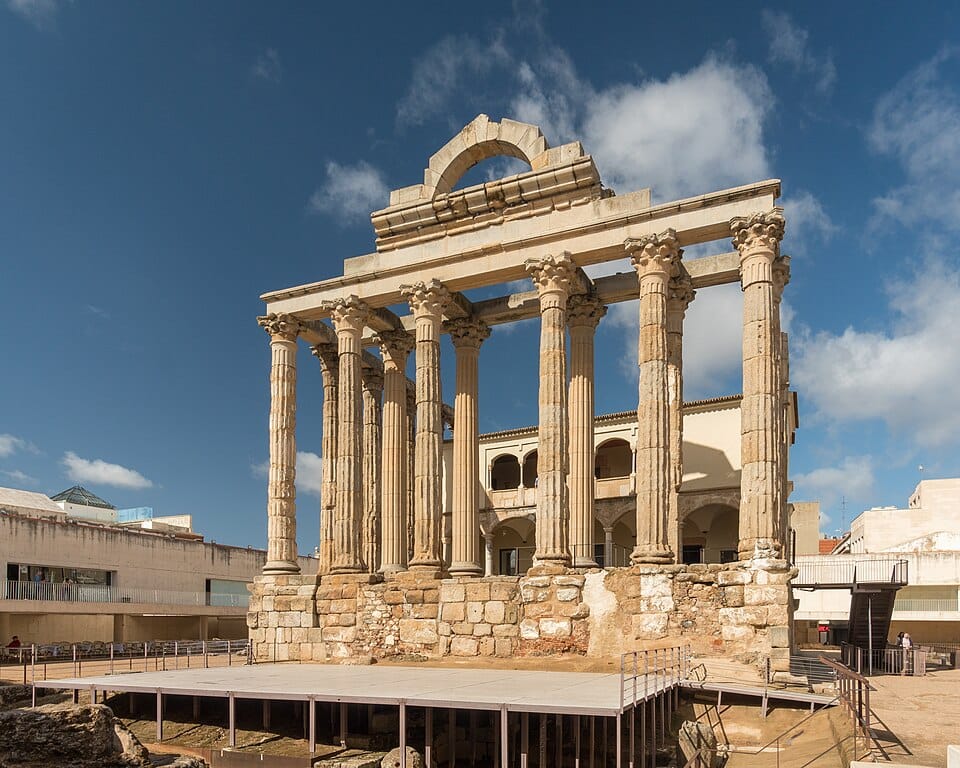
Mérida is the capital of Extremadura and one of Spain's richest Roman archaeological sites, founded in 25 BC as Emerita Augusta, capital of the province of Lusitania. Its ensemble of Roman theatre, amphitheatre, bridge, and aqueduct is a UNESCO World Heritage Site, and the city is also a stop on the Vía de la Plata Camino de Santiago route running north from Seville.
Top attractions in Mérida
Roman Theatre of Mérida
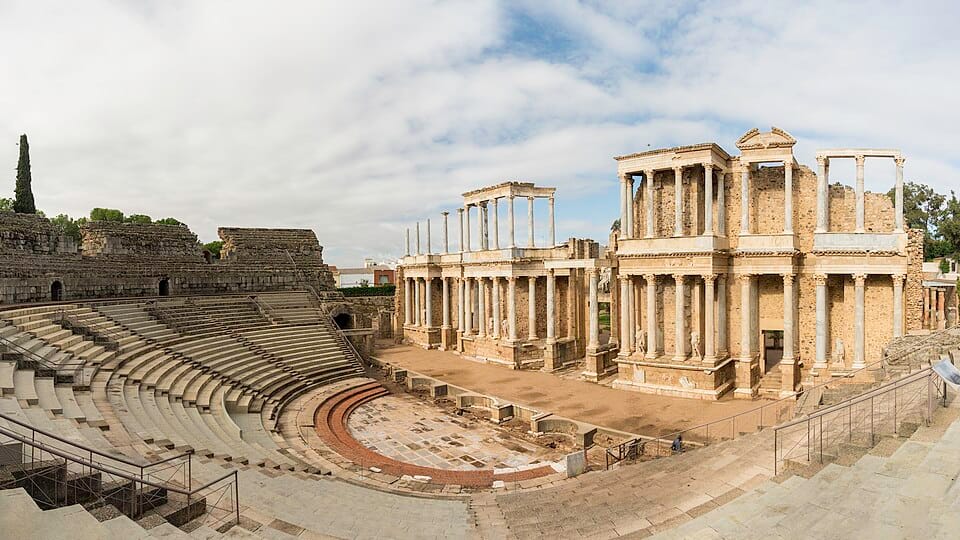
A well-preserved 1st-century BC theatre with a two-story columned stage backdrop, still used each summer for a classical theatre festival.
Roman Amphitheatre
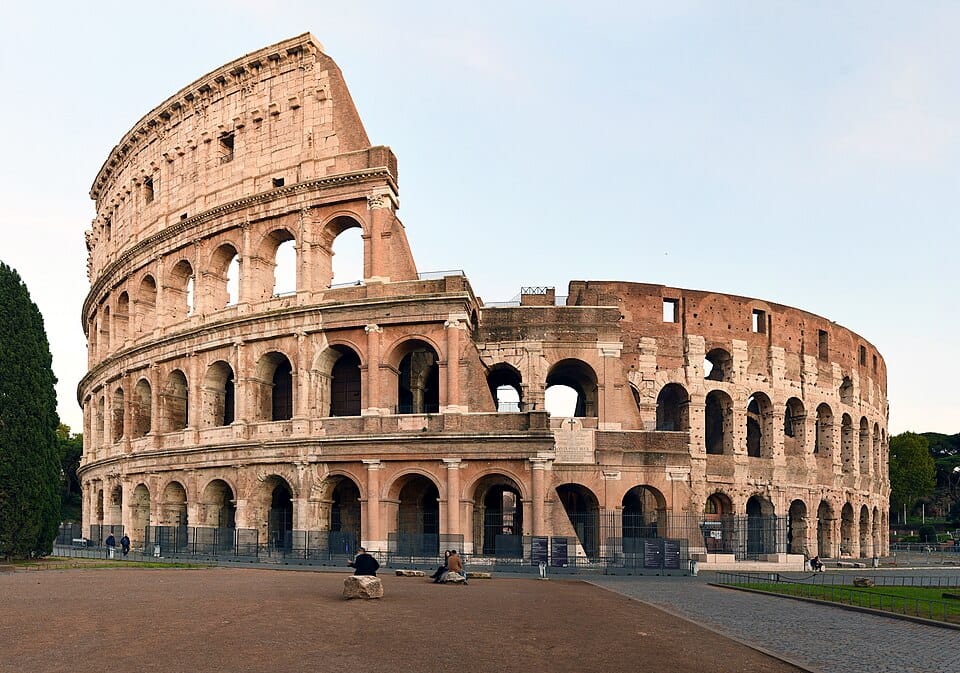
An elliptical arena built for gladiator contests and staged hunts, seating around 15,000 spectators, next to the Roman theatre.
Roman Bridge
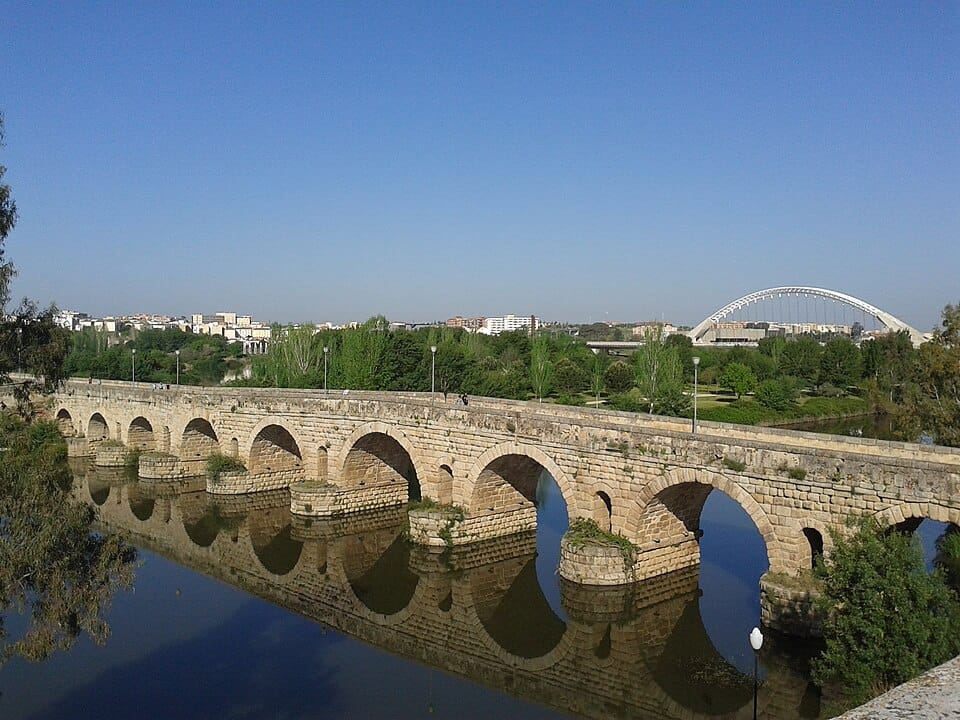
One of the longest surviving Roman bridges, spanning the Guadiana River on dozens of granite arches and still open to pedestrians.
Temple of Diana
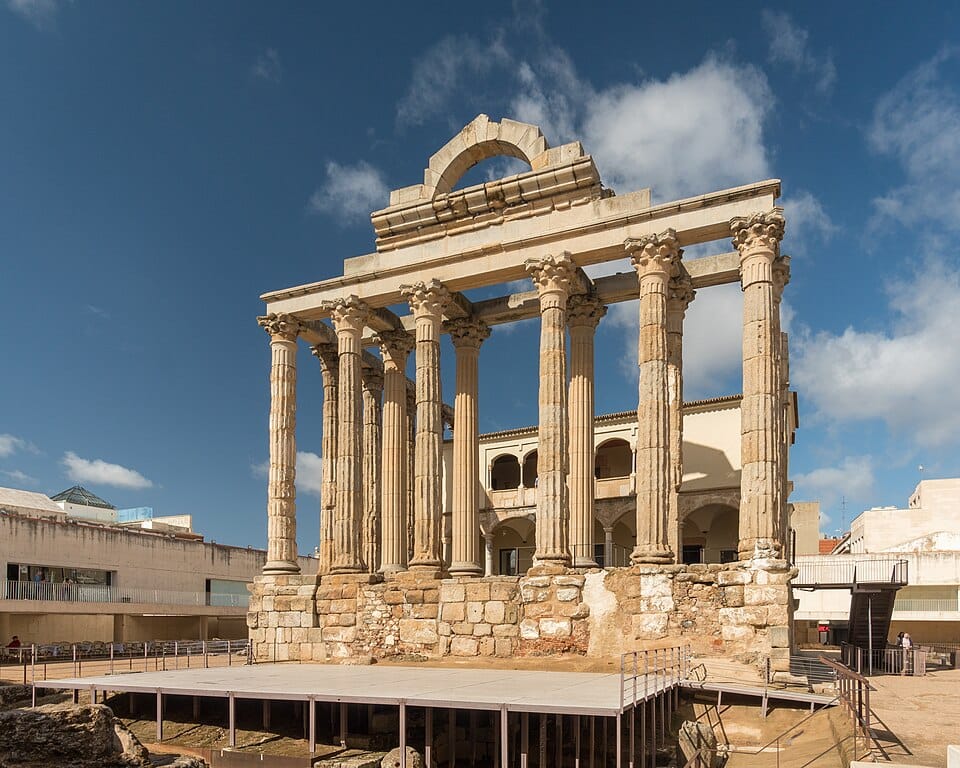
A Roman temple with tall granite columns, later absorbed into a Renaissance noble palace whose walls still frame it.
National Museum of Roman Art
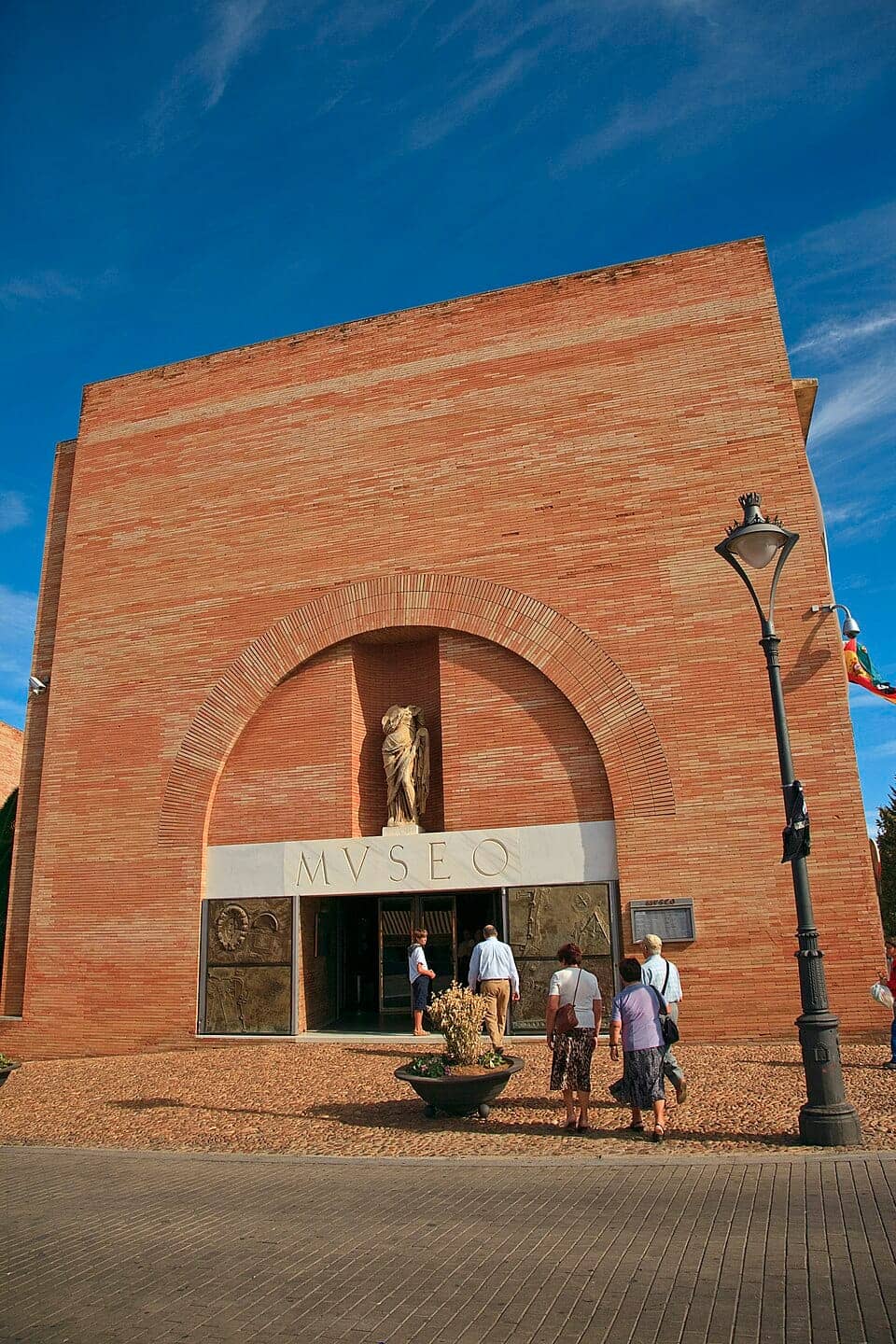
A museum designed by architect Rafael Moneo in tiered brick arches echoing Roman construction, housing mosaics, sculpture, and everyday objects from Emerita Augusta.
Los Milagros Aqueduct
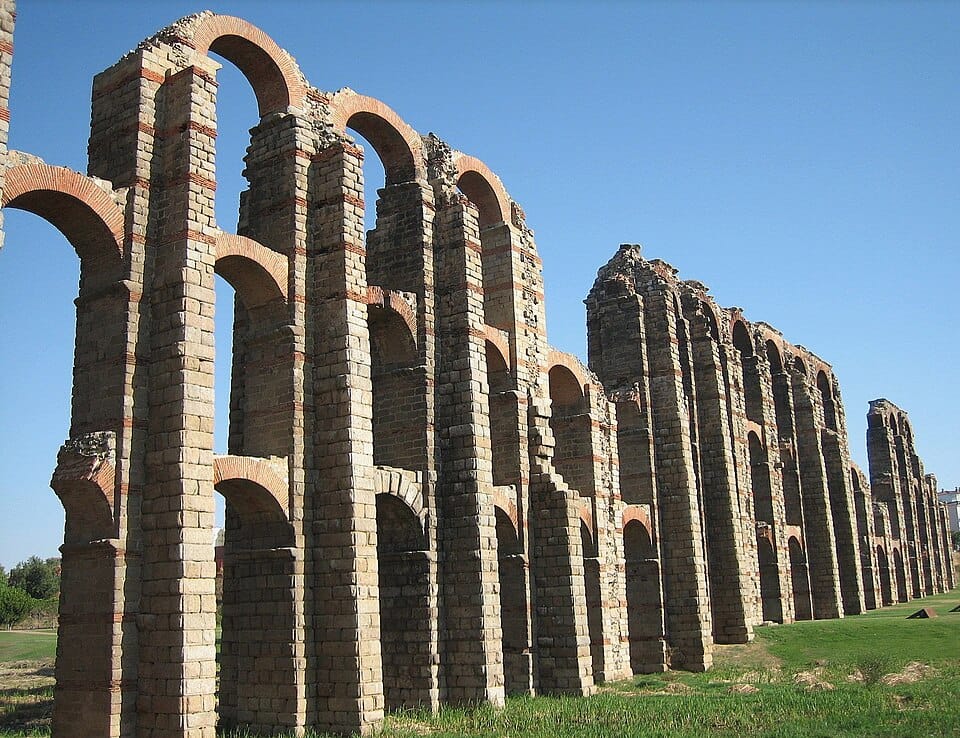
Tall brick-and-granite arches that once carried water into the city, rising dramatically from open fields near the train station.
Cáceres
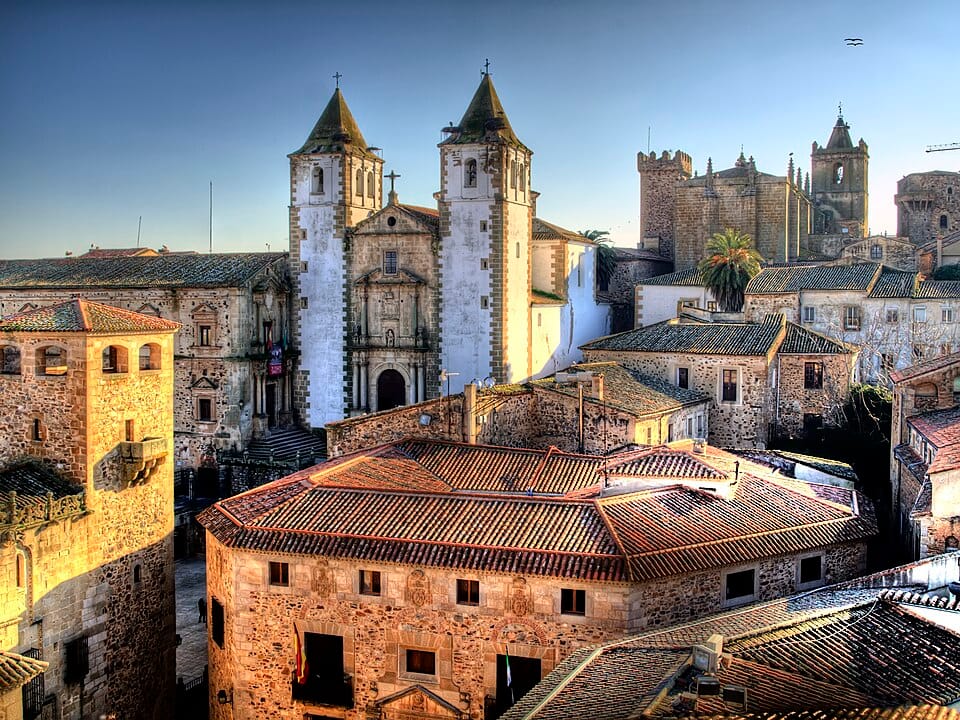
Cáceres is a walled city in Extremadura and a stop on the Vía de la Plata Camino de Santiago route, its old town ranked among the best-preserved medieval and Renaissance urban centers in Europe and listed as a UNESCO World Heritage Site. Dozens of stone towers and noble palaces, built by families who profited from wars in the Reconquista and the Americas, line its narrow streets, and storks nest openly on many of them.
Top attractions in Cáceres
Plaza Mayor de Cáceres
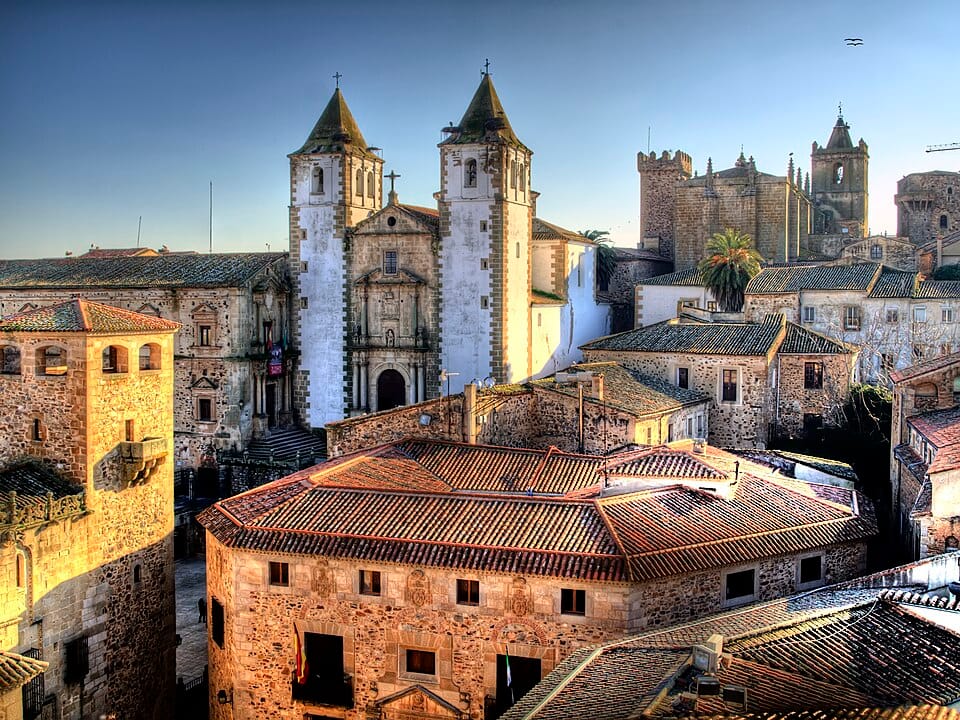
The city's main square, framed on one side by the old walled town's ramparts and towers and lined on the others with cafe terraces.
Torre de Bujaco
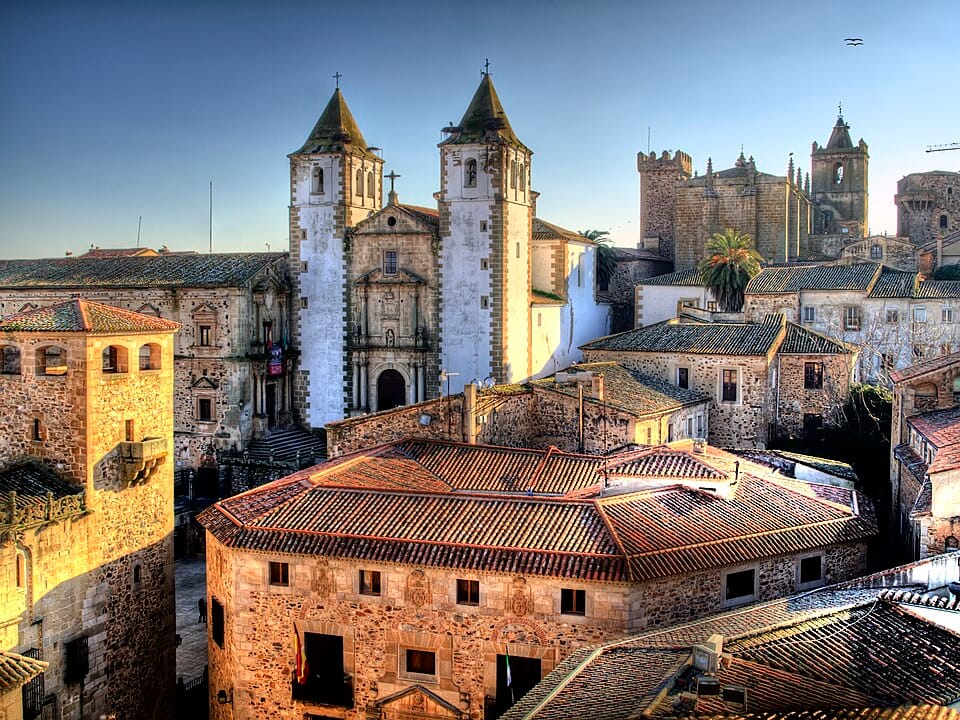
A stout Moorish-era watchtower rising directly above the Plaza Mayor, one of the most recognizable landmarks of the walled city.
Co-Cathedral of Santa María
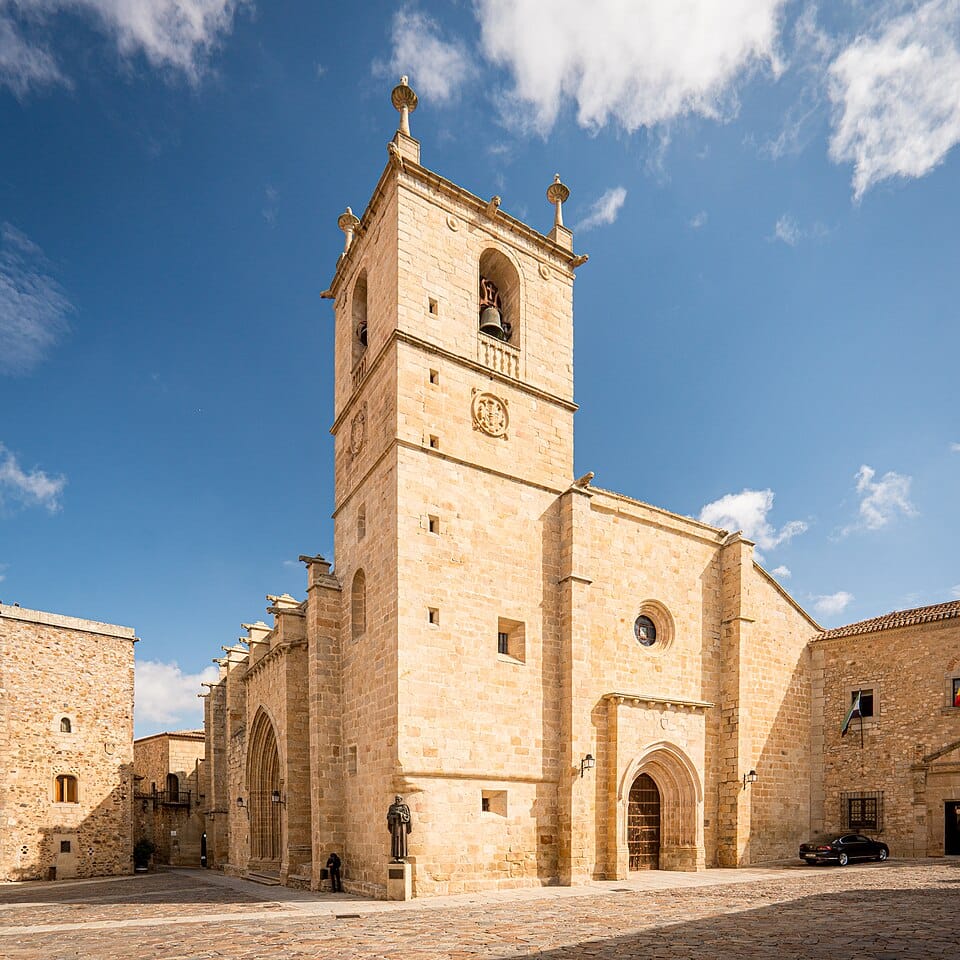
The old town's main Gothic church, with a carved cedar altarpiece, standing on the square where Spanish monarchs once swore allegiance to the city.
Palace of the Golfines de Abajo
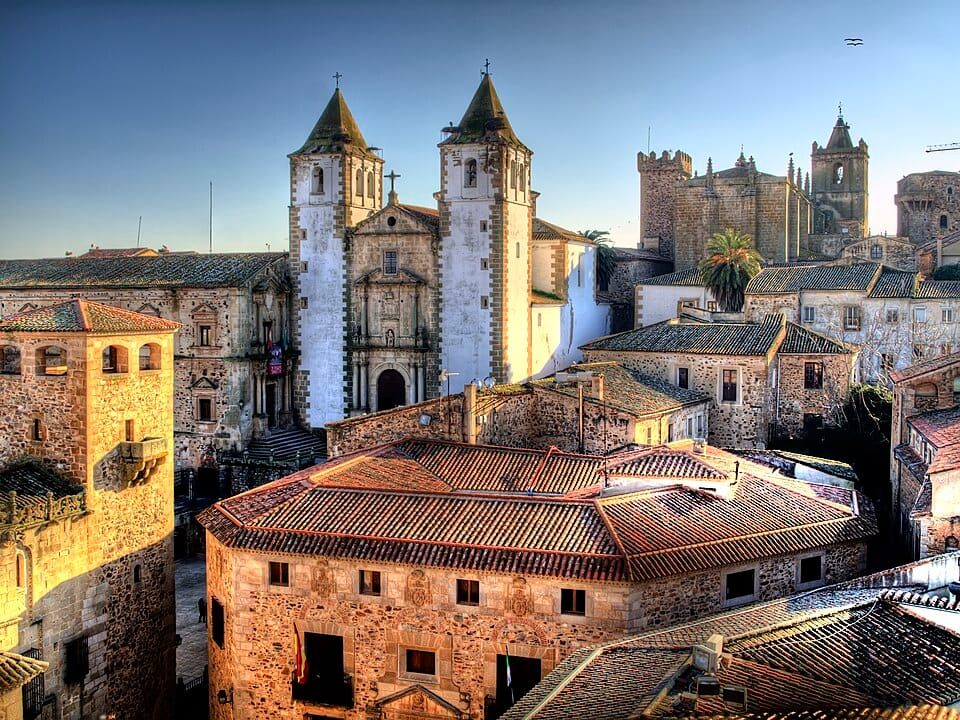
A fortified Renaissance noble palace with a plateresque facade, built by one of the city's most powerful families.
Casa de las Veletas (Cáceres Museum)
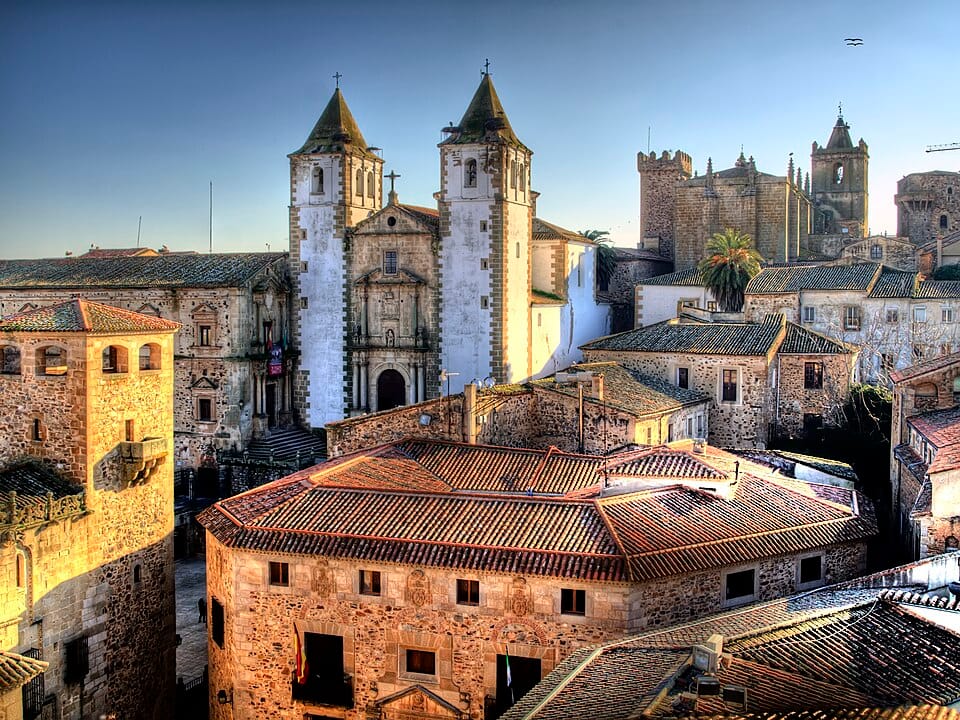
A former noble house built over a well-preserved 12th-century Almohad cistern, now home to the city's archaeology and ethnography museum.
Salamanca
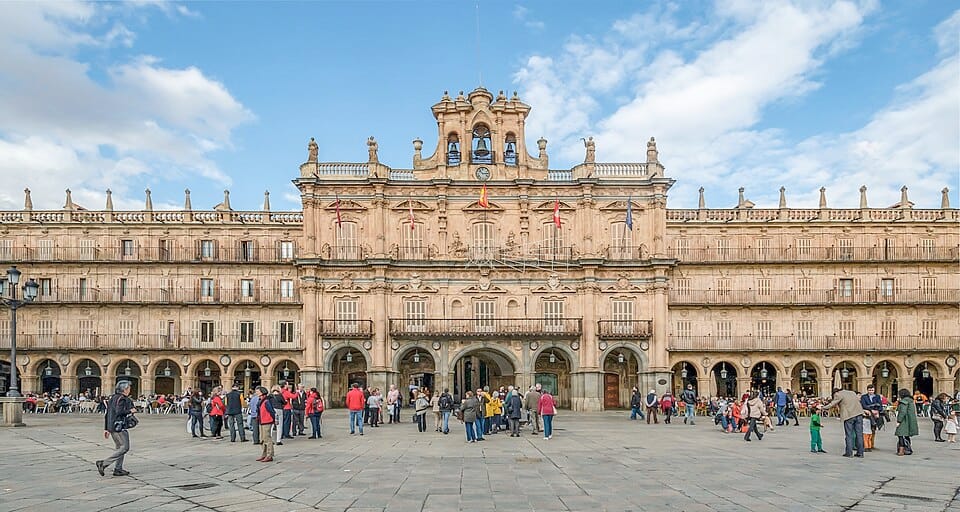
Salamanca is a university city in Castile and León renowned for its golden sandstone architecture and its Plaza Mayor, widely regarded as one of the finest baroque squares in Spain. Home to one of Europe's oldest universities, founded in 1218, its historic center is a UNESCO World Heritage Site and lies along a branch of the Camino de Santiago known as the Vía de la Plata.
Top attractions in Salamanca
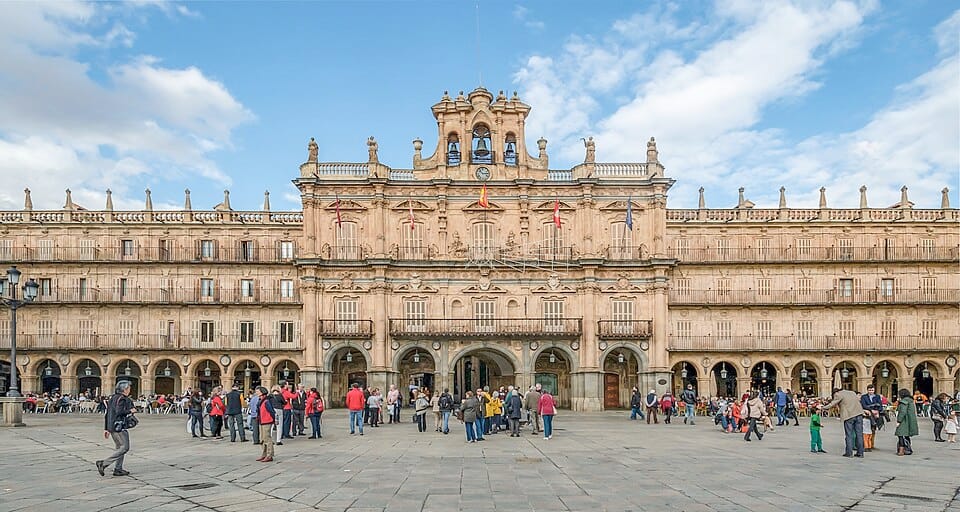
Plaza Mayor
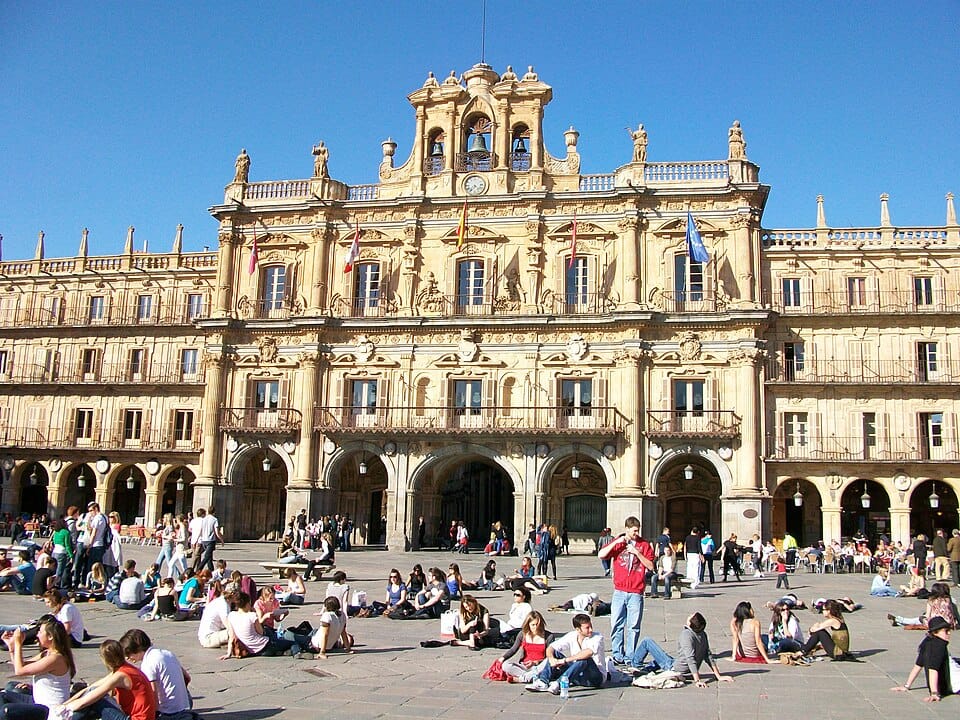
An 18th-century baroque square enclosed by uniform arcaded buildings, widely considered one of the most elegant public squares in Spain.
University of Salamanca
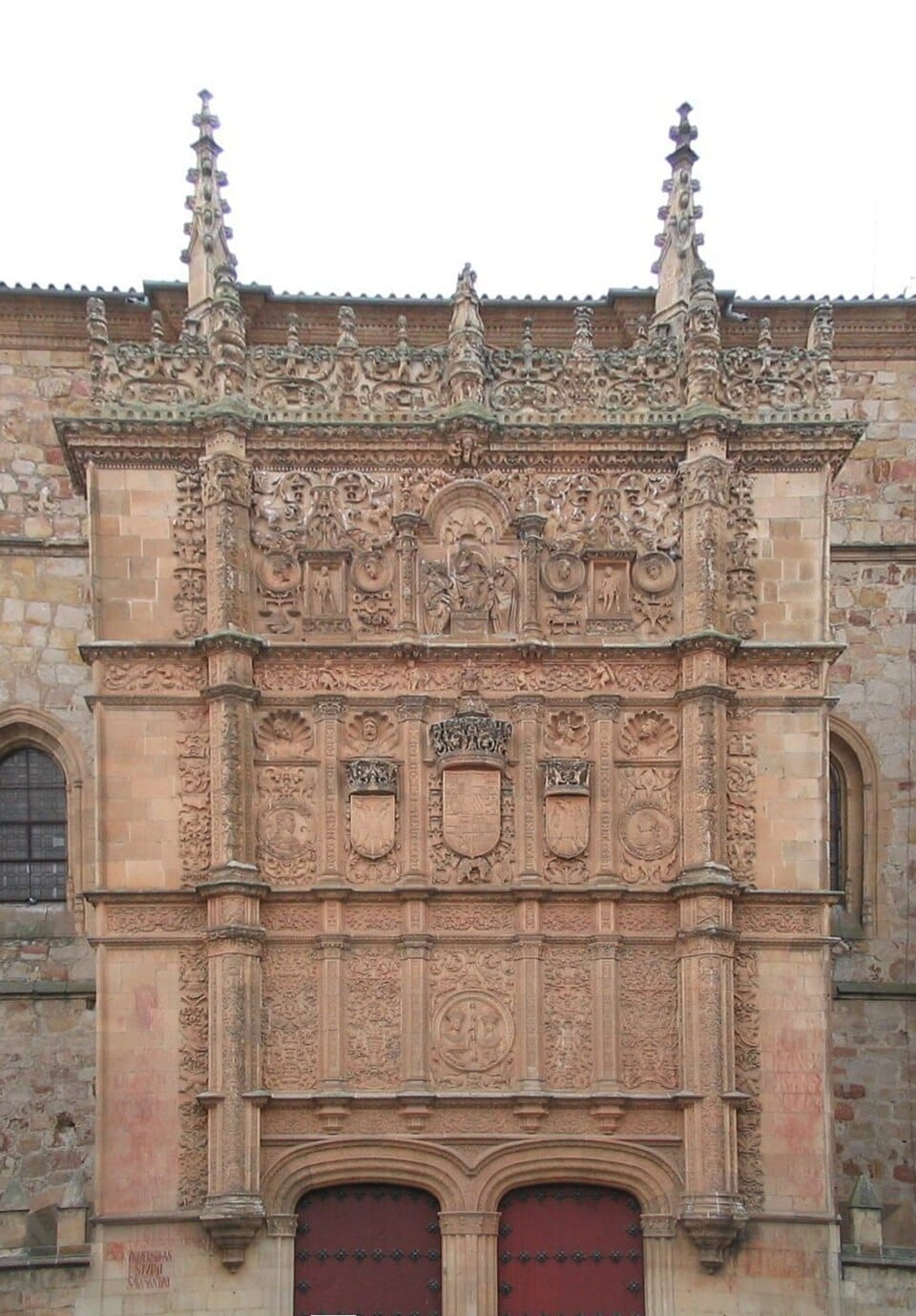
Founded in 1218, one of Europe's oldest universities, with a Plateresque facade famous for a carved hidden frog said to bring luck to those who spot it.
New and Old Cathedrals
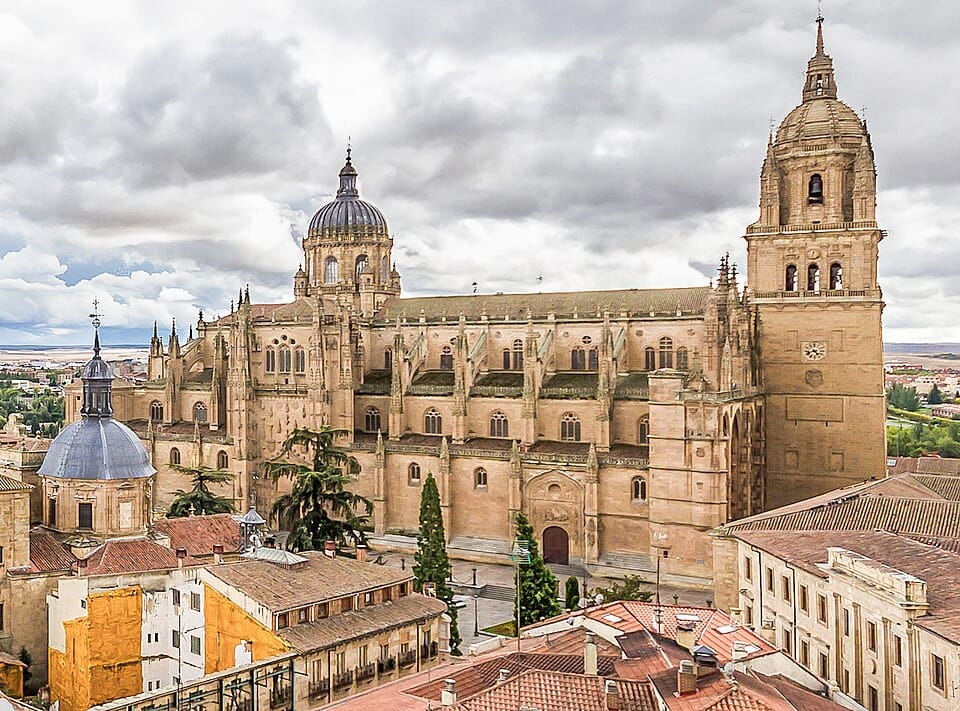
Two connected cathedrals built centuries apart, the Romanesque Old Cathedral and the larger Gothic-Baroque New Cathedral standing side by side.
Casa de las Conchas
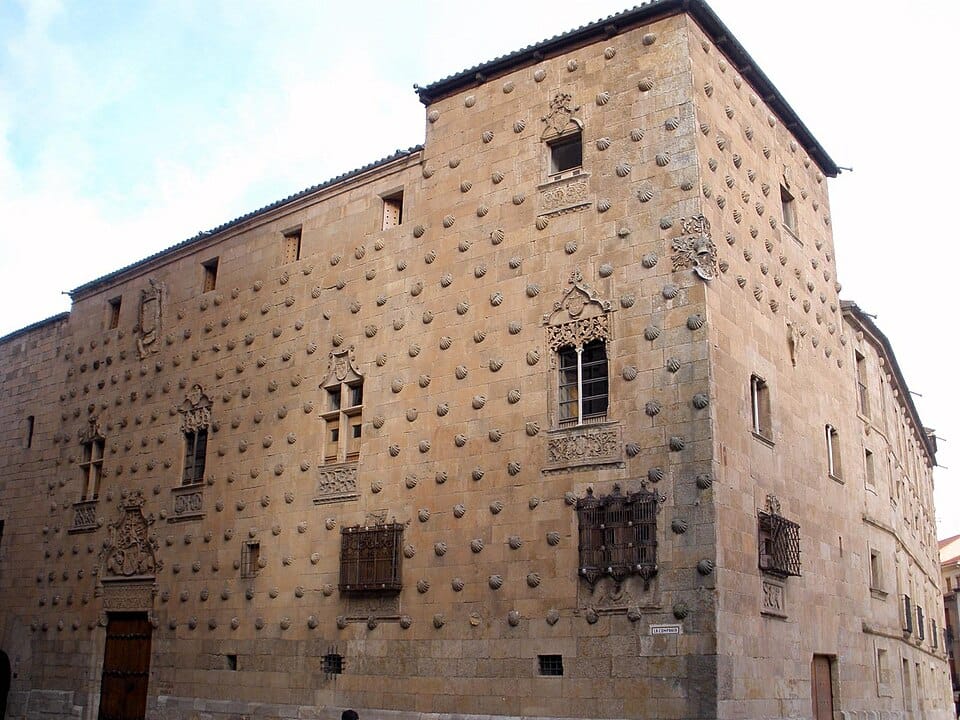
A late-Gothic mansion whose facade is studded with hundreds of carved stone scallop shells, a nod to the Camino de Santiago.
Roman Bridge of Salamanca
A stone bridge over the Tormes River with origins in the 1st century AD, still partly carrying traffic and offering a classic view of the old town skyline.
Zamora
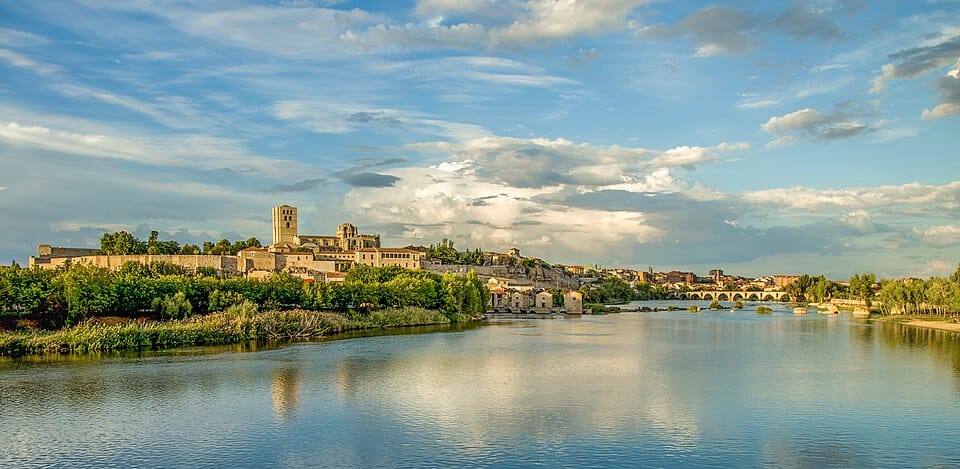
Zamora sits on the Via de la Plata, the north-south Camino route that follows an old Roman road through western Spain. The city is known as a capital of Romanesque architecture, with more than twenty churches from the 12th and 13th centuries packed into its old town, along with a well-preserved cathedral crowned by a distinctive scaled dome.
Top attractions in Zamora
Zamora Cathedral
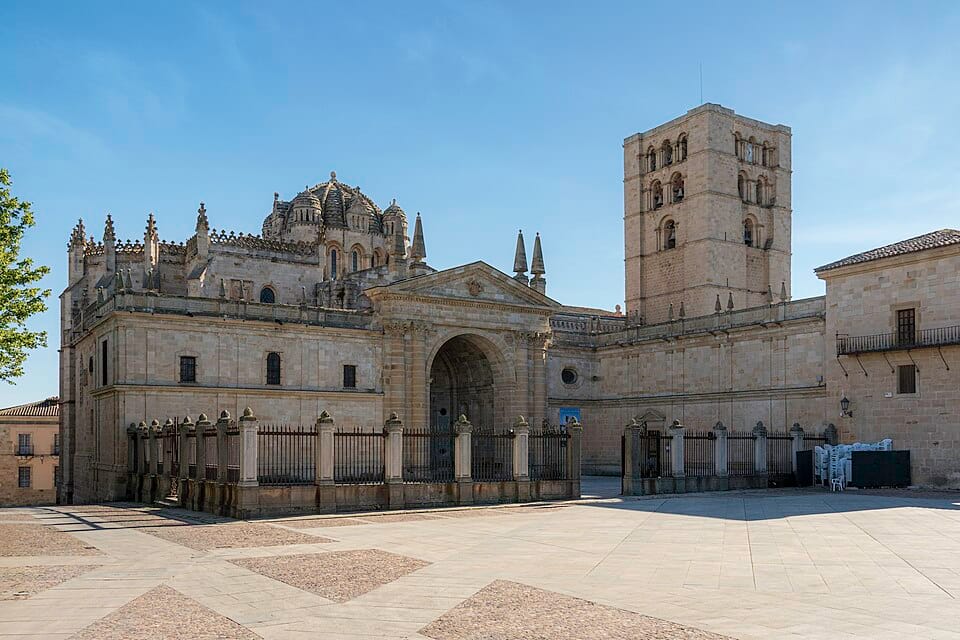
A 12th-century Romanesque cathedral known for its Byzantine-influenced dome covered in stone scales, a rare feature in Spanish church architecture.
Puente de Piedra
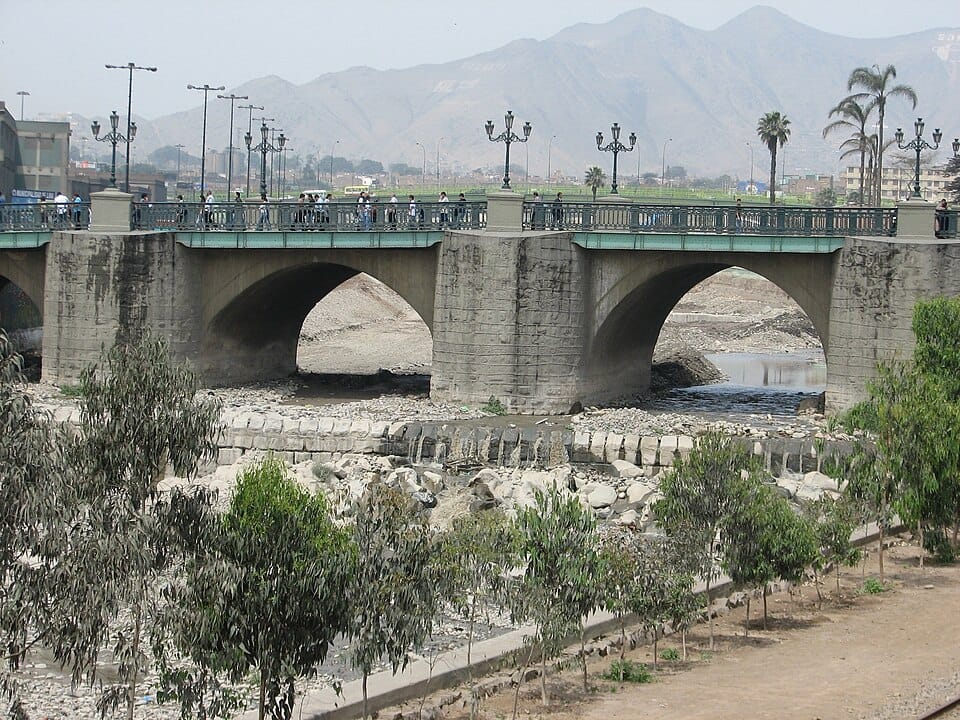
A medieval stone bridge of sixteen arches spanning the Duero River, still carrying pedestrians and traffic into the old town.
Castillo de Zamora
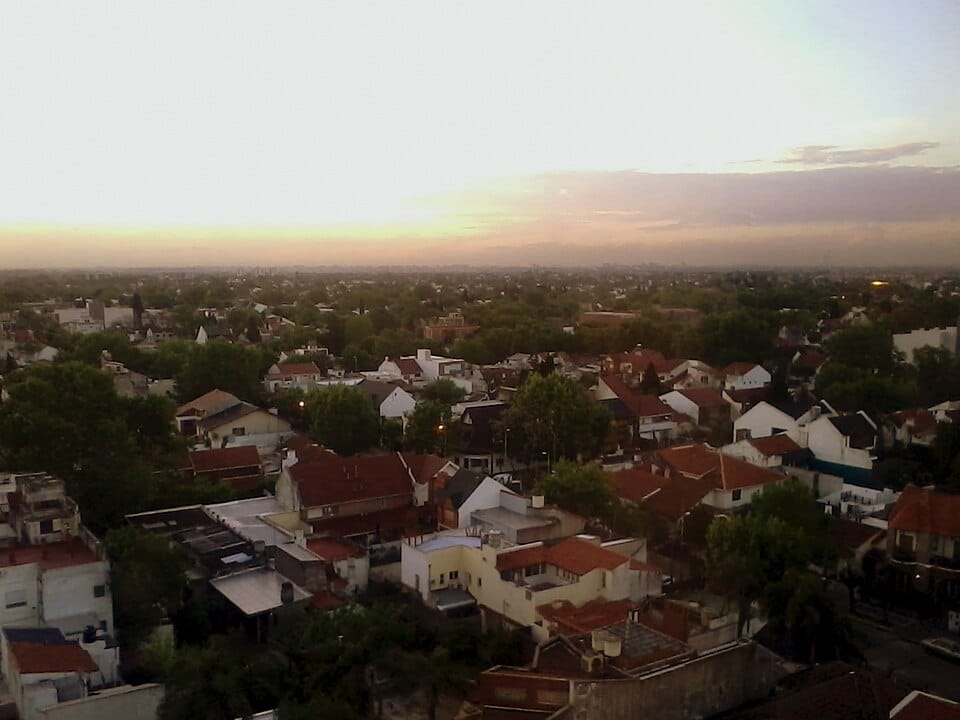
An 11th-century fortress with a dry moat and drawbridge, built on the highest point of the old town to guard the river crossing.
Iglesia de la Magdalena
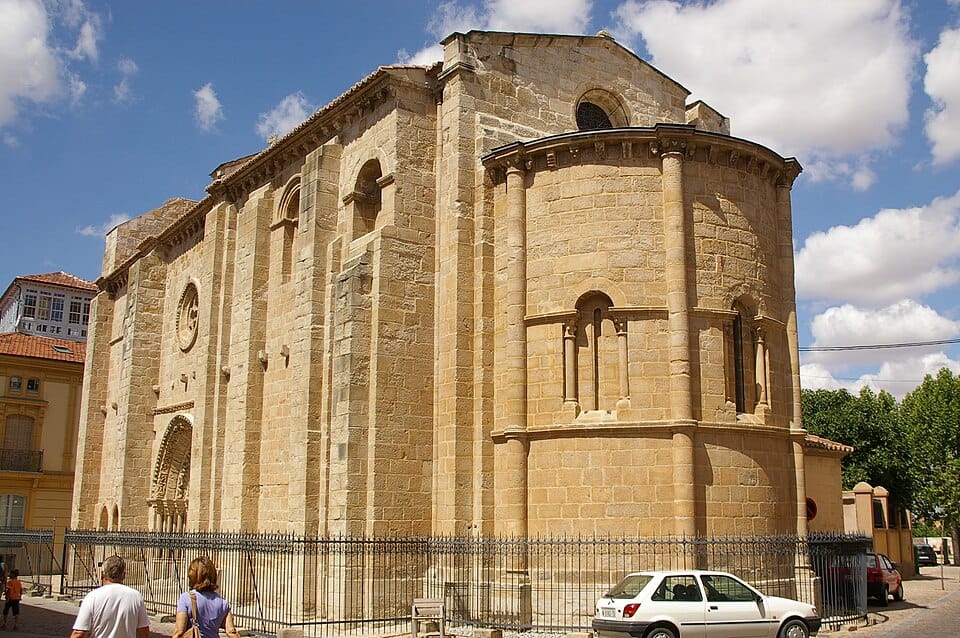
A Romanesque church noted for its richly carved south portal and a Gothic funerary canopy inside, considered one of the finest of Zamora's many parish churches.
Museo de Semana Santa
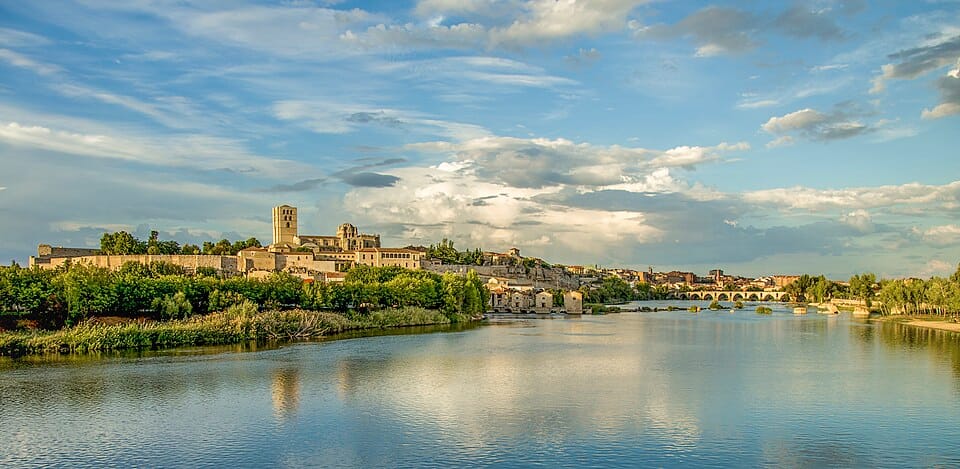
A museum dedicated to Zamora's Holy Week processions, displaying elaborate carved sculptures and the ornate floats carried through the streets each year.
Ourense
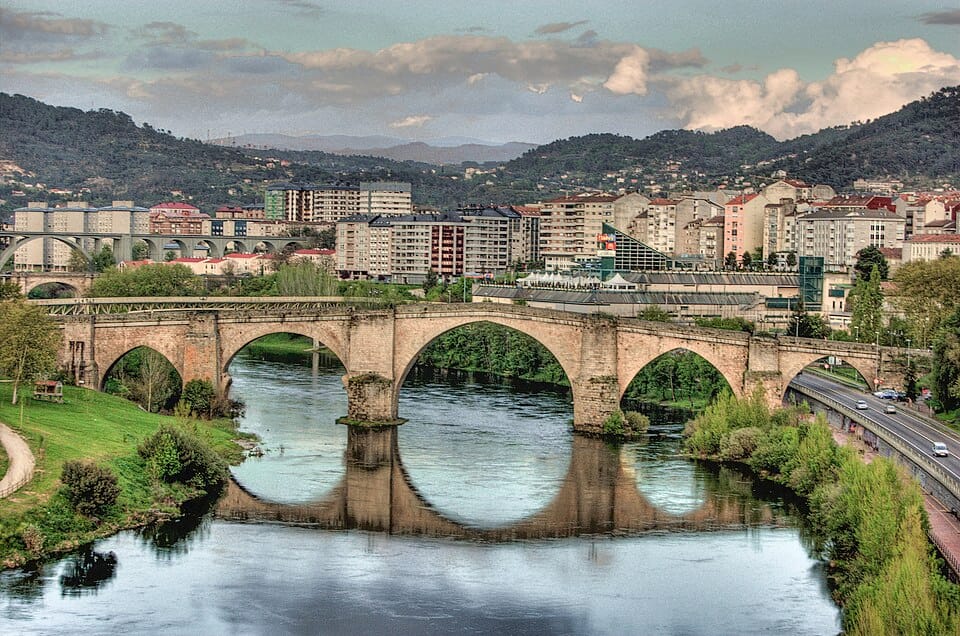
Ourense is a junction city on the Camino, where the Via de la Plata meets the Camino Sanabrés for the final push into Santiago de Compostela. The city has been valued since Roman times for its natural hot springs, which still bubble up along the Miño River, and its old town holds one of Galicia's most striking medieval bridges and a cathedral with a richly carved portal.
Top attractions in Ourense
Puente Romano
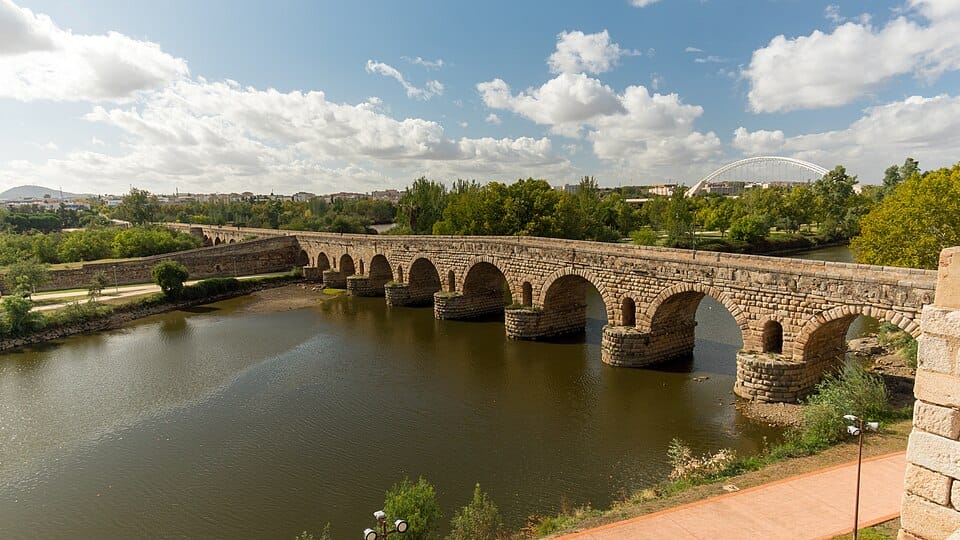
A medieval bridge on Roman foundations spanning the Miño River with a tall central arch, long the main crossing point into the old town.
Ourense Cathedral
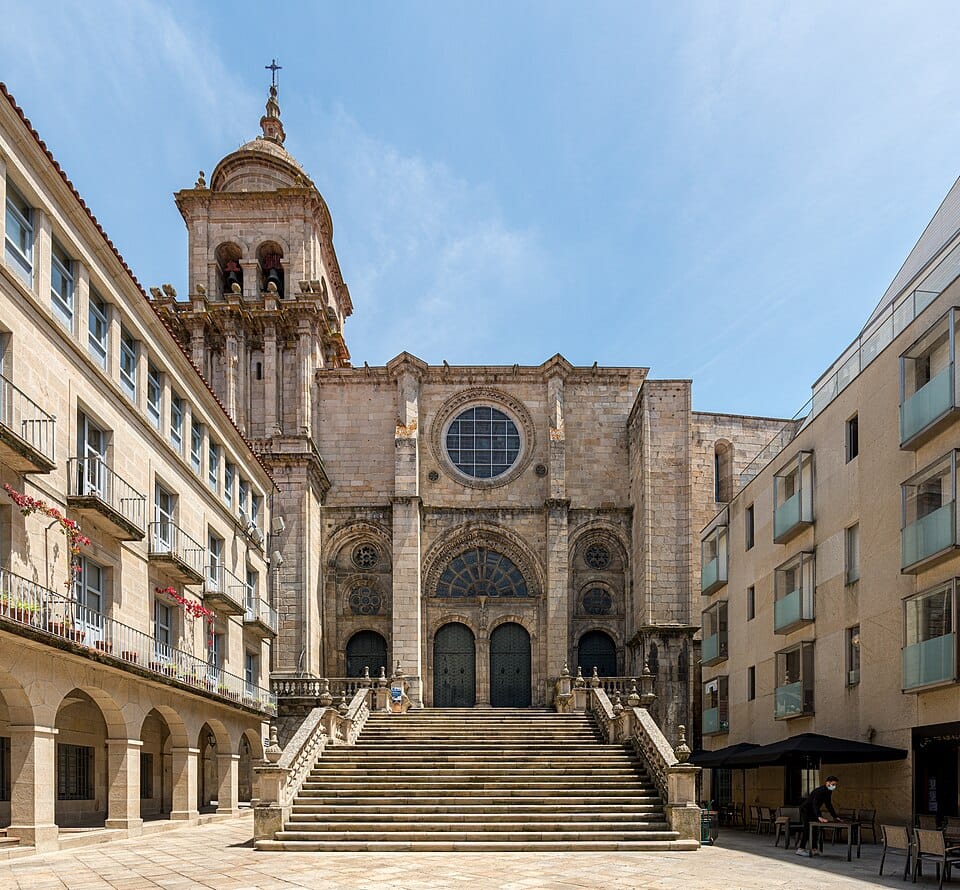
A Romanesque and Gothic cathedral whose Pórtico do Paraíso, a polychrome carved portal, echoes the more famous Pórtico da Gloria in Santiago.
As Burgas hot springs
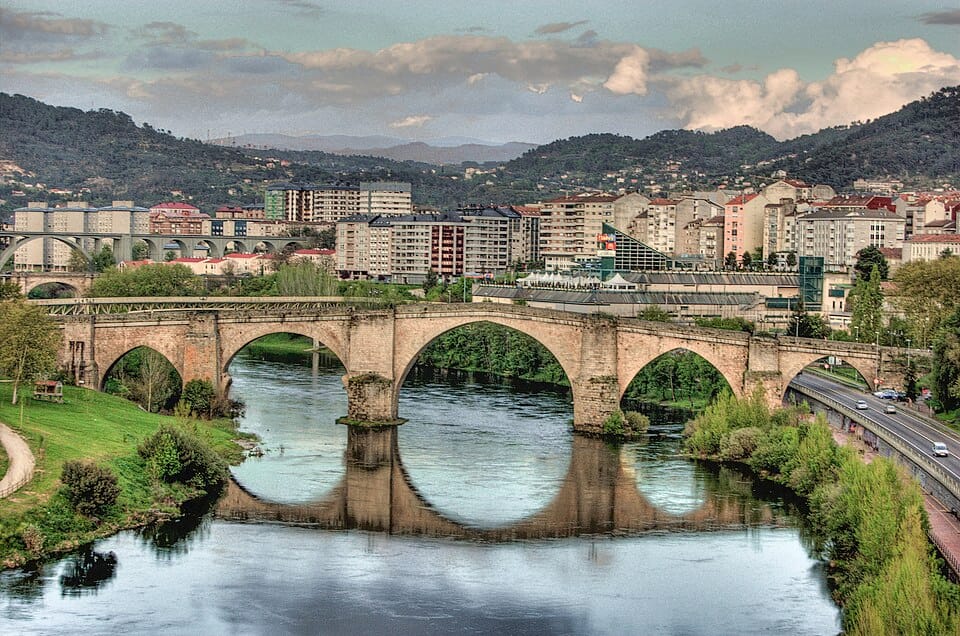
Natural hot springs in the old town that have flowed since Roman times, now channeled into public fountains and pools open to visitors.
Praza Maior

The arcaded main square of the old town, lined with historic facades and long the civic and social center of Ourense.
Museo Arqueolóxico Provincial

A museum housed in the old episcopal palace, holding Roman and Galician archaeological finds from the wider Ourense province.
Astorga
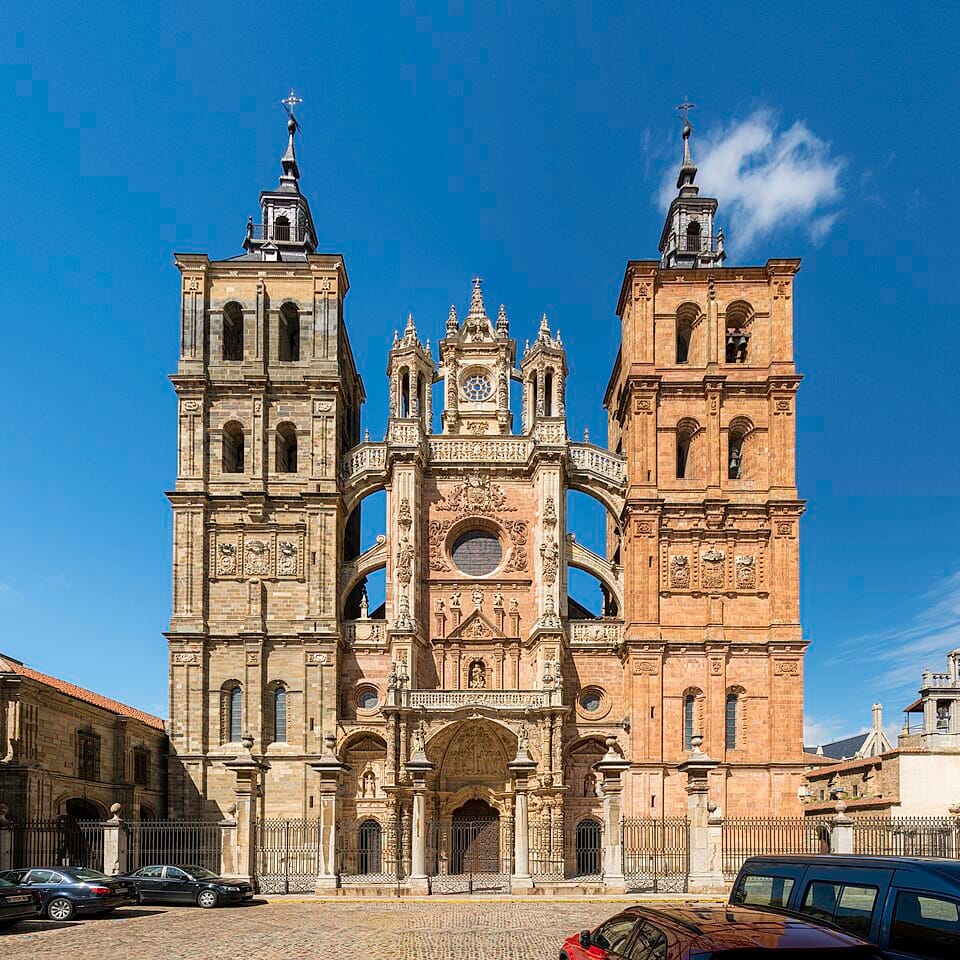
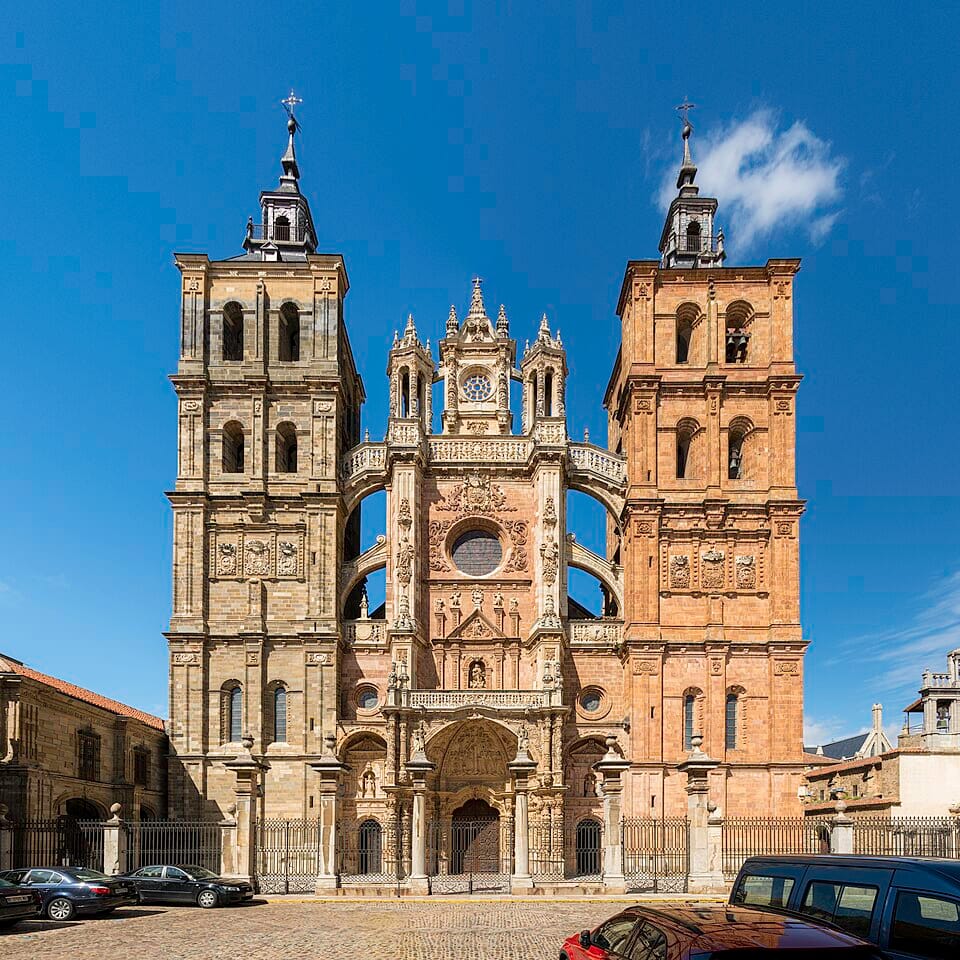
Astorga is where the Camino Francés and the Via de la Plata converge, making it one of the busiest pilgrim junctions on the route to Santiago. The town's skyline is dominated by an unlikely landmark: the Episcopal Palace, a fantastical neo-Gothic building designed by Antoni Gaudí, which stands beside a large Gothic cathedral and Roman ruins beneath the streets.
Top attractions in Astorga
Palacio Episcopal
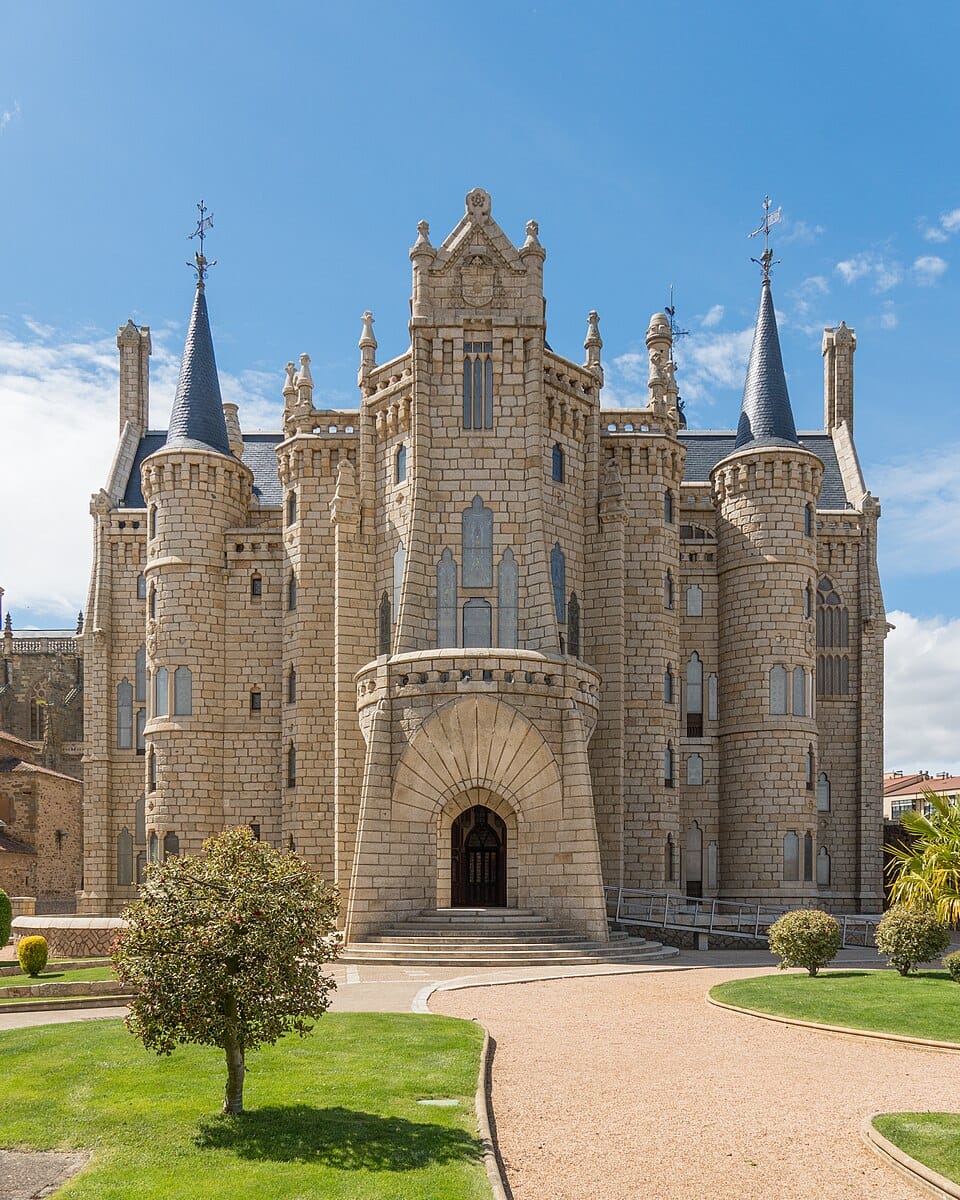
A neo-Gothic palace designed by Antoni Gaudí, one of only three buildings he completed outside Catalonia, now home to the Museum of the Ways.
Astorga Cathedral
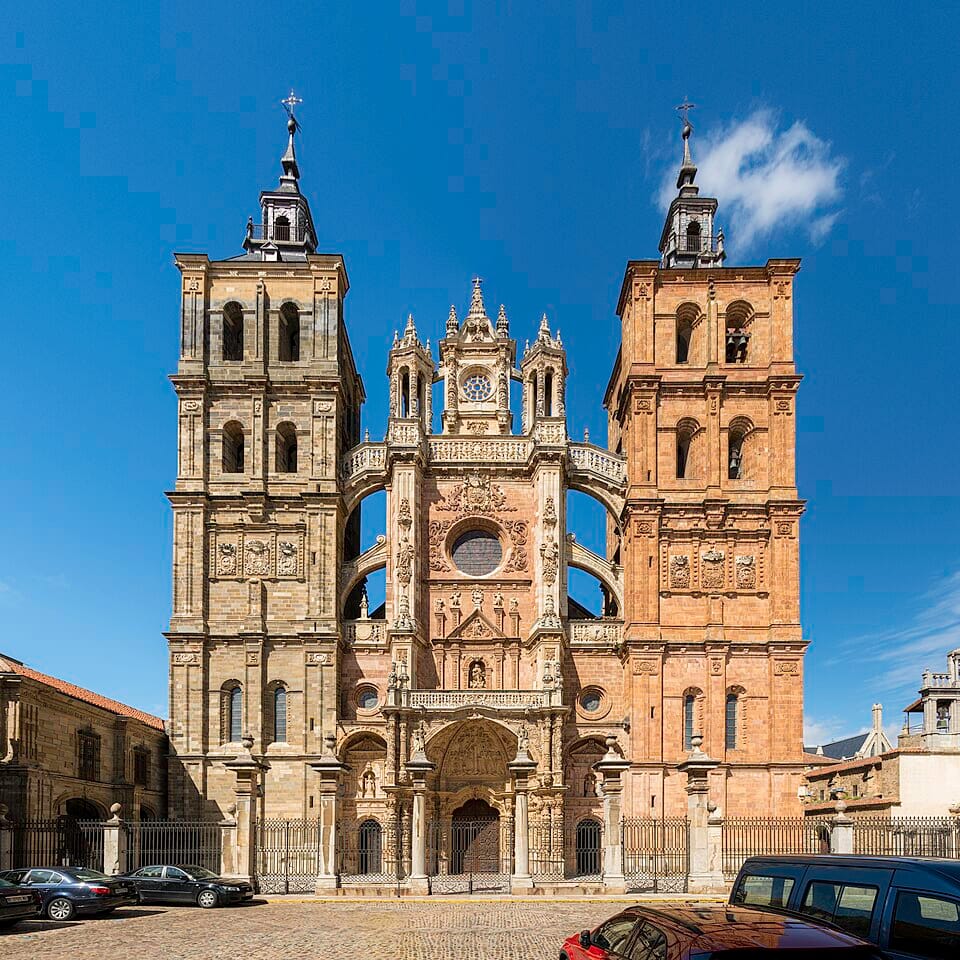
A Gothic cathedral built over three centuries, with a Baroque main facade in contrasting pink and white stone standing beside Gaudí's palace.
Roman ruins of Asturica Augusta
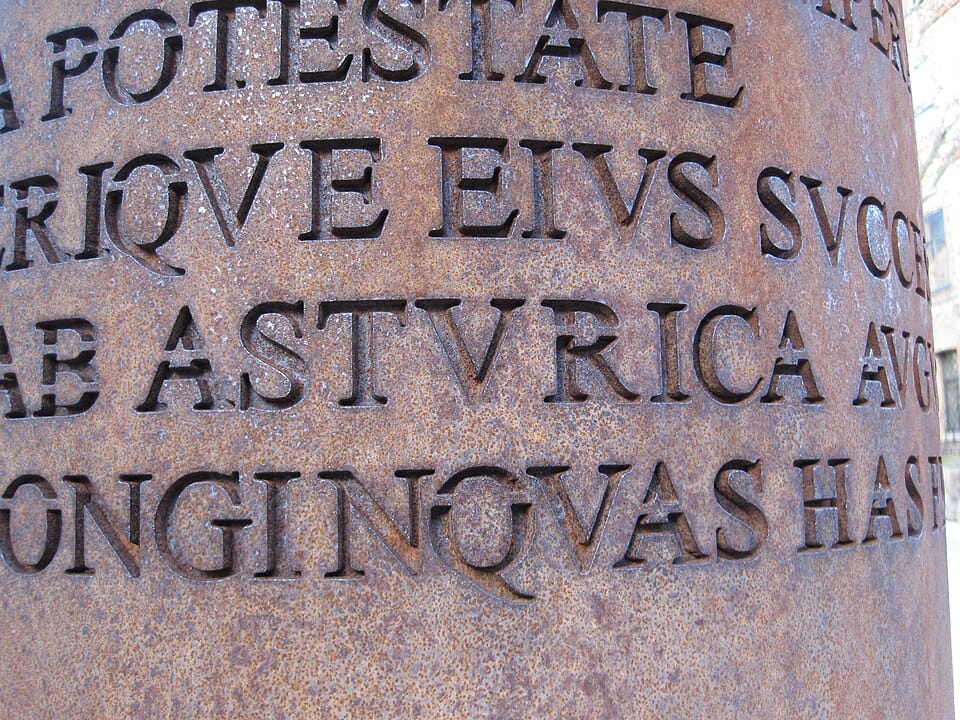
Excavated remains beneath the town, including sewers, a forum, and thermal baths, tracing Astorga's origin as a major Roman administrative center.
Museo del Chocolate
A museum tracing Astorga's history as a chocolate-manufacturing town, with vintage machinery and packaging from its 19th-century factories.
Plaza Mayor
The arcaded central square, home to the ornate 17th-century town hall with a clock featuring two figures in traditional Maragato dress that strike the hours.
Santiago de Compostela
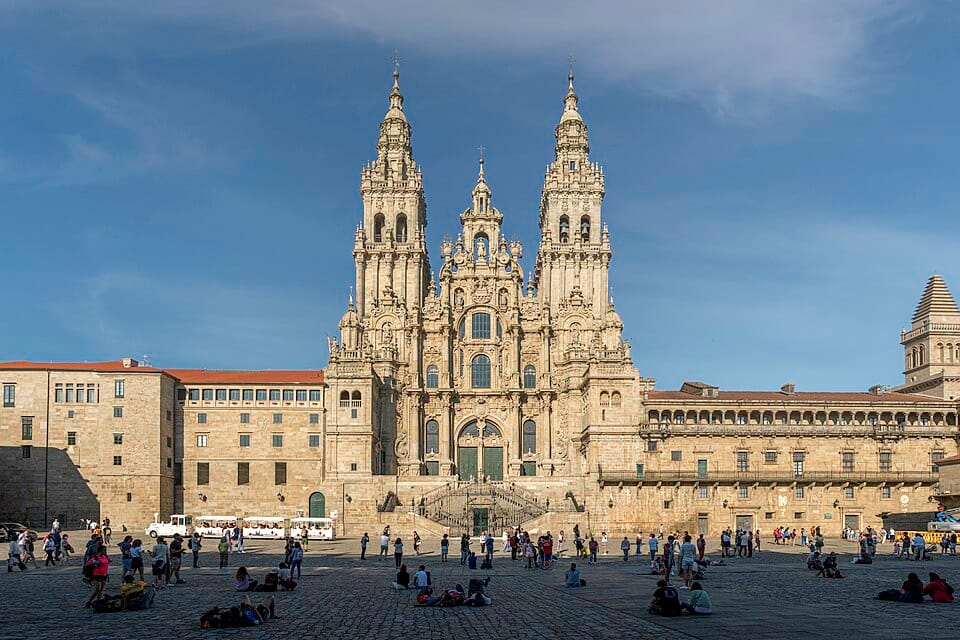
Santiago de Compostela is the spiritual endpoint of the Camino de Santiago, a pilgrimage network that has drawn walkers to the tomb of Saint James for over a thousand years. Its granite old town, centered on the Romanesque cathedral, is a UNESCO World Heritage Site and one of the great pilgrimage cities of Europe.
Top attractions in Santiago de Compostela
Cathedral of Santiago de Compostela
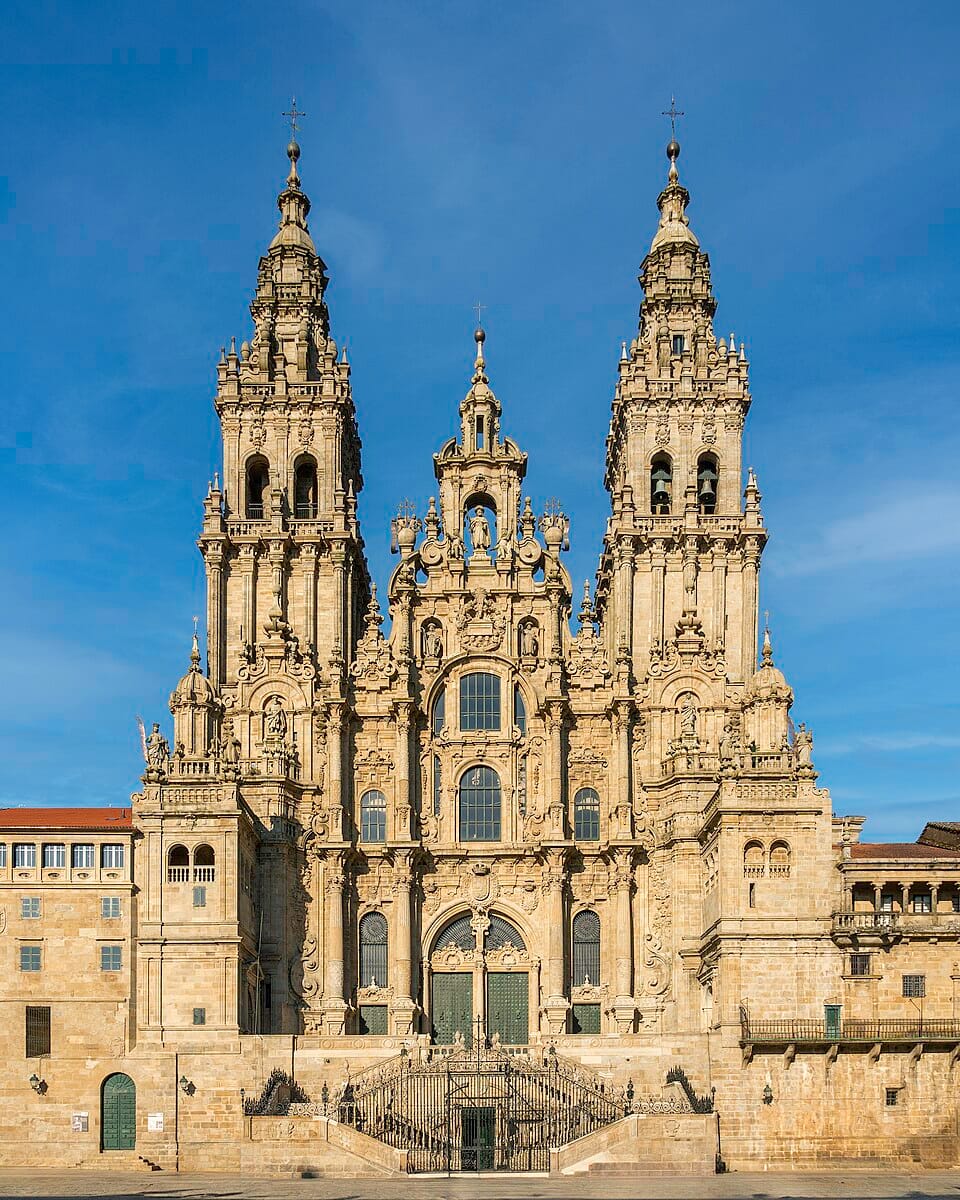
The Romanesque cathedral houses the reputed tomb of Saint James beneath its high altar and marks the traditional finish of all Camino routes.
Praza do Obradoiro
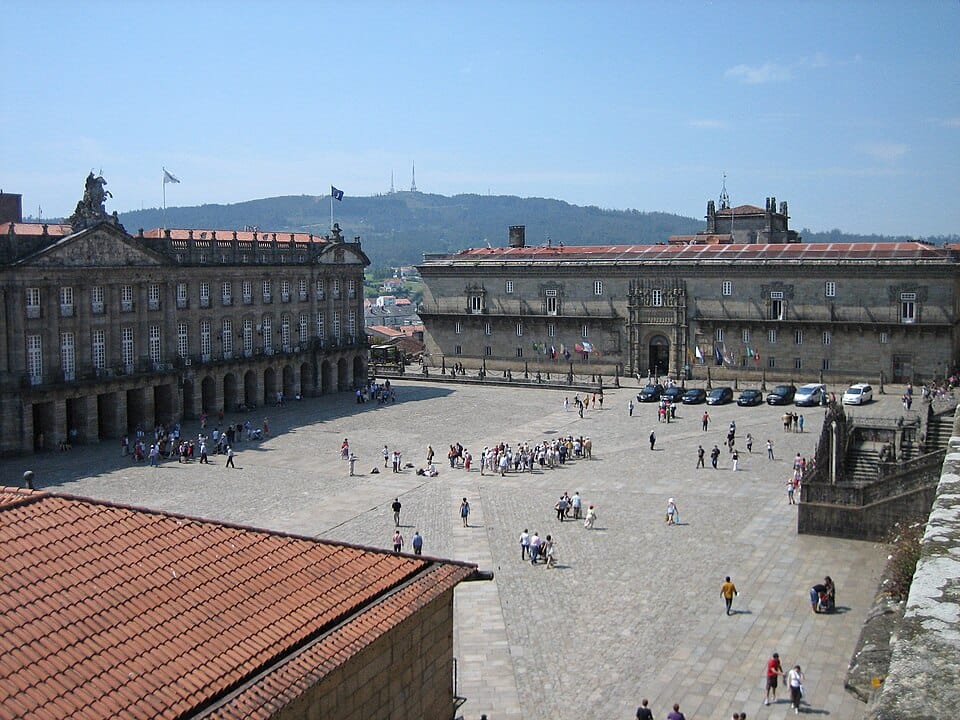
The grand square in front of the cathedral is where exhausted pilgrims traditionally arrive, flanked by the Hostal dos Reis Católicos and the Pazo de Raxoi.
Mercado de Abastos
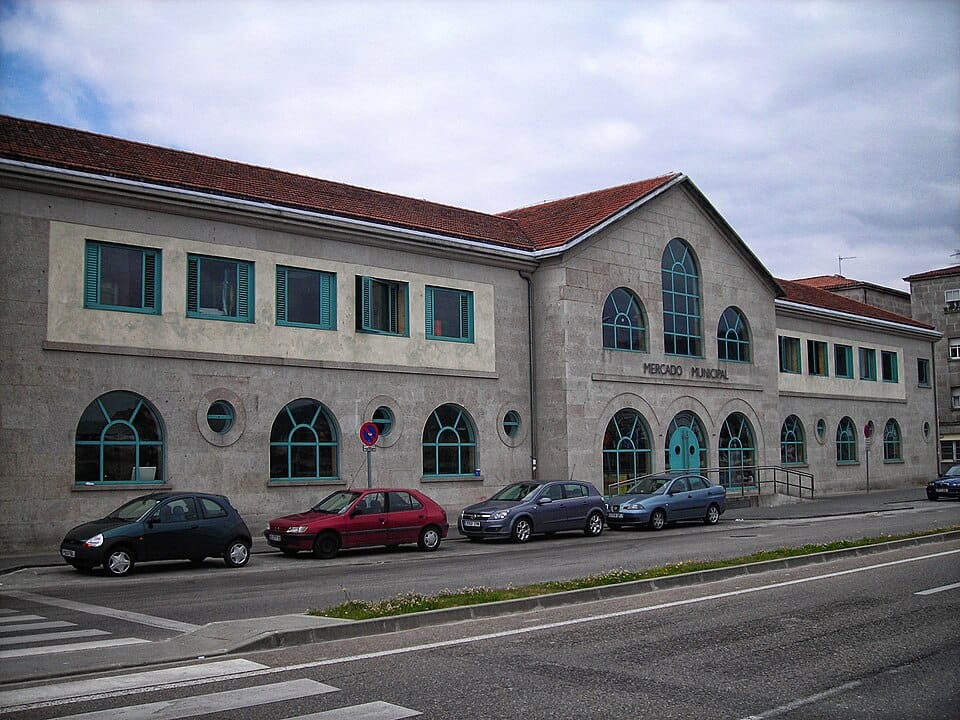
A stone-built covered market selling Galician seafood, cheese, and produce, popular with both locals and visitors for its stalls and adjoining tapas counters.
Parque de la Alameda
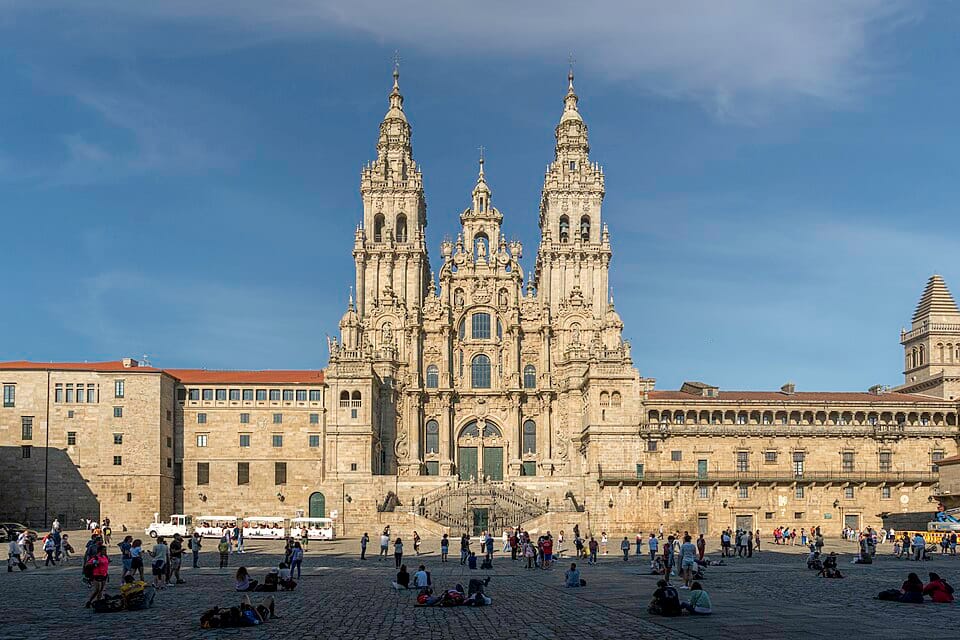
A wooded hillside park offering the classic postcard view of the cathedral's towers rising over the old town's rooftops.
Convento de San Francisco

A monastery reputedly founded by Saint Francis of Assisi during his own pilgrimage to Santiago, now home to a small museum on the order's history.
Plan this route with EuroDrive Scout — tolls, vignettes, ZTL alerts, fuel & parking →