Andalusia: Madrid to Granada: attractions & sights guide
A stop-by-stop guide to the best things to see along the Andalusia: Madrid to Granada route — 5 destinations, their must-see sights and how to drive between them.
Plan this route with EuroDrive Scout — tolls, vignettes, ZTL alerts, fuel & parking →
Madrid
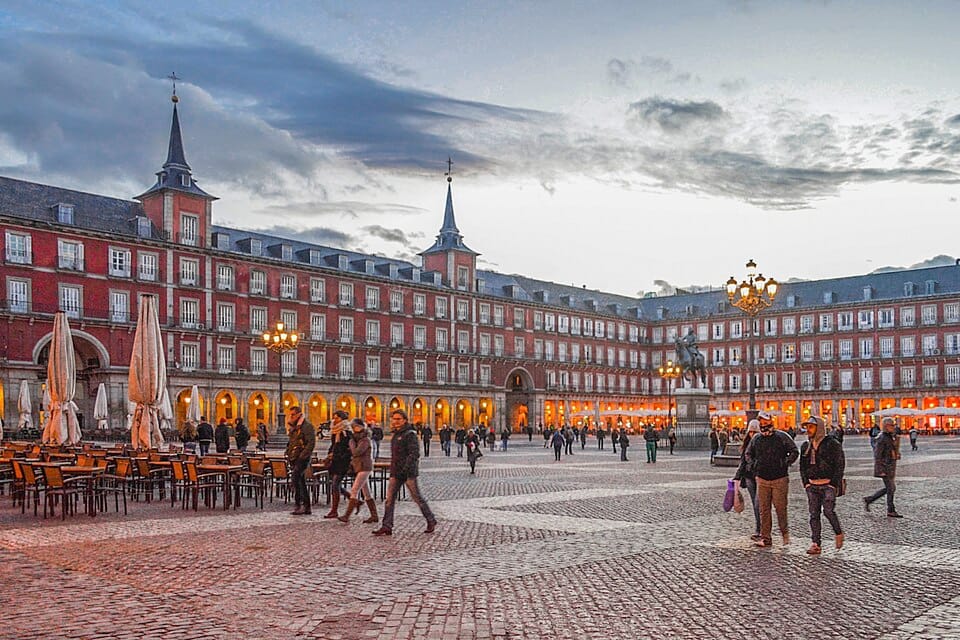
Madrid is Spain's capital and largest city, sitting on a high plateau in the geographic center of the country. It is known for the Royal Palace, the Prado Museum's collection of Spanish masters, wide boulevards like the Gran Via, and a lively tapas and nightlife culture that runs late into the evening.
Top attractions in Madrid
Royal Palace of Madrid
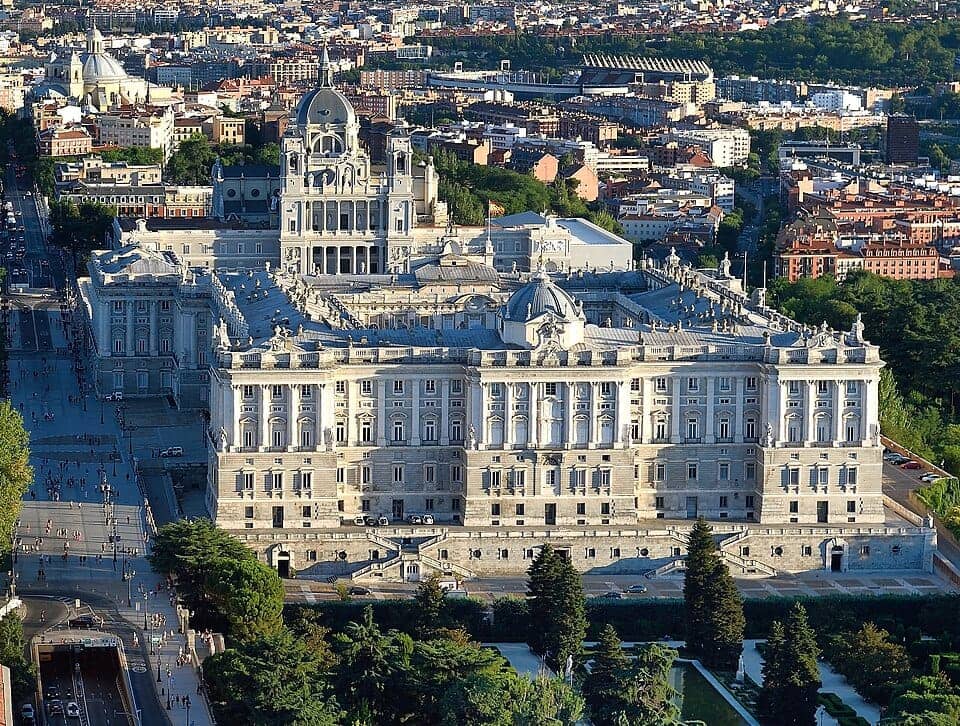
The official residence of the Spanish royal family, though used only for state ceremonies, with over 3,000 rooms and lavish period interiors.
Prado Museum
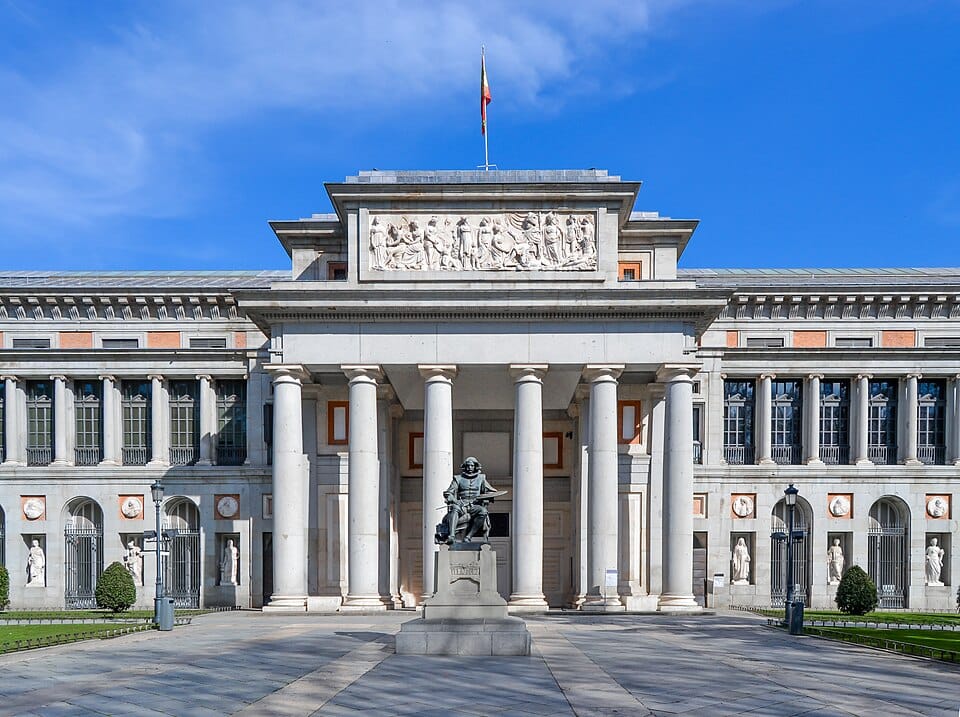
One of the world's finest art museums, holding major works by Velazquez, Goya, and El Greco alongside the broader European collection.
Plaza Mayor
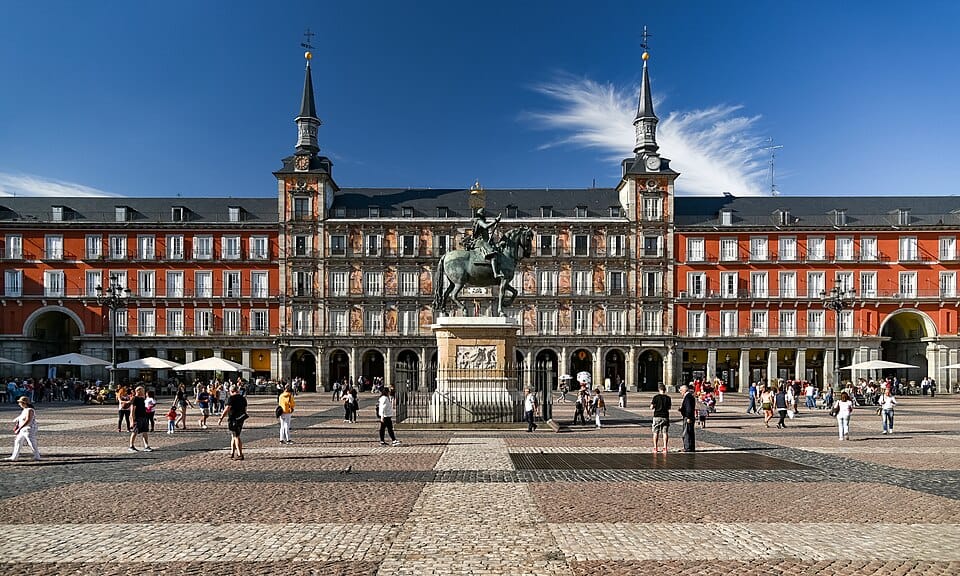
A grand 17th-century arcaded square in the historic center, long used for markets, festivals, and public gatherings.
Retiro Park
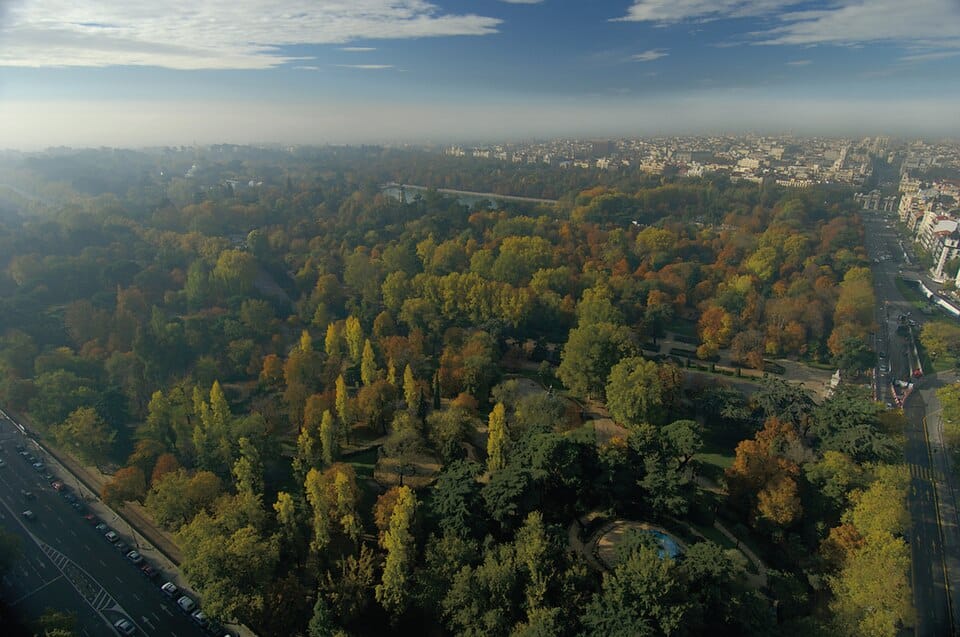
A large landscaped park once reserved for royalty, centered on an ornamental lake and the glass-walled Crystal Palace pavilion.
Gran Via
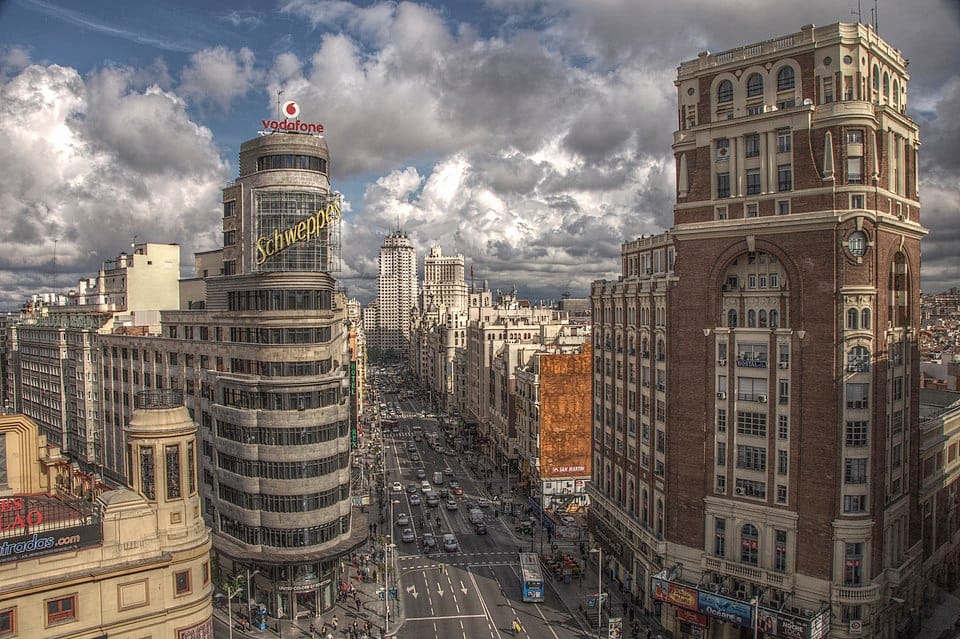
Madrid's main commercial artery, lined with early 20th-century architecture, theaters, and department stores.
Toledo
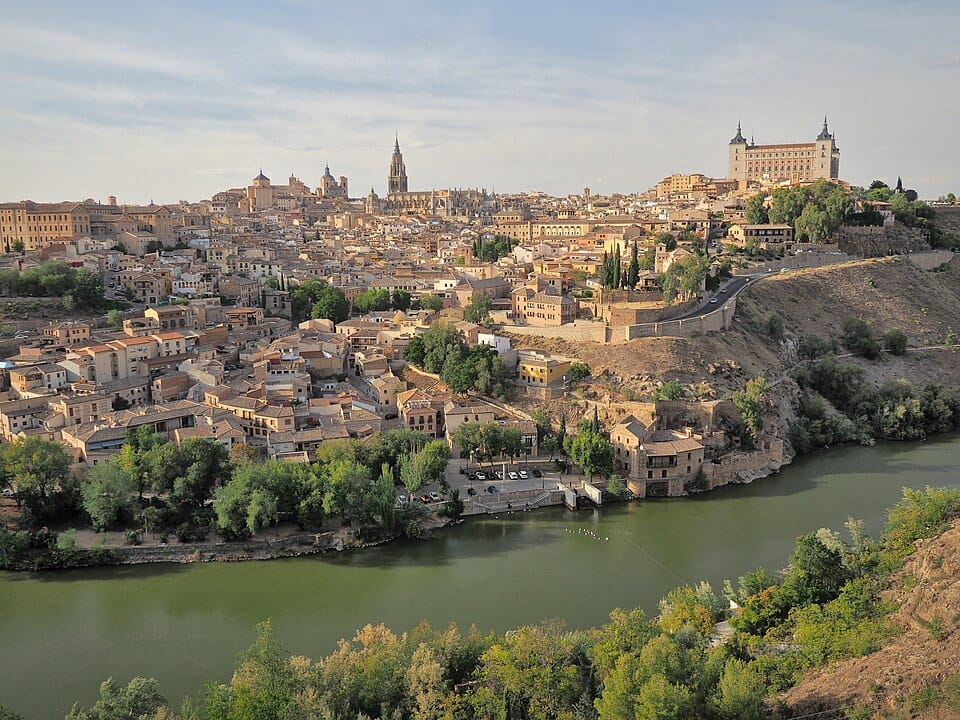
Toledo is a fortified hill city on a bend of the Tagus River, once the capital of Spain and long known as the 'city of three cultures' for its layered Christian, Muslim, and Jewish heritage. Its skyline of the Alcazar fortress and Gothic cathedral, tangled medieval streets, and Damascene steelwork tradition make it one of the country's best-preserved historic centers.
Top attractions in Toledo
Alcazar of Toledo
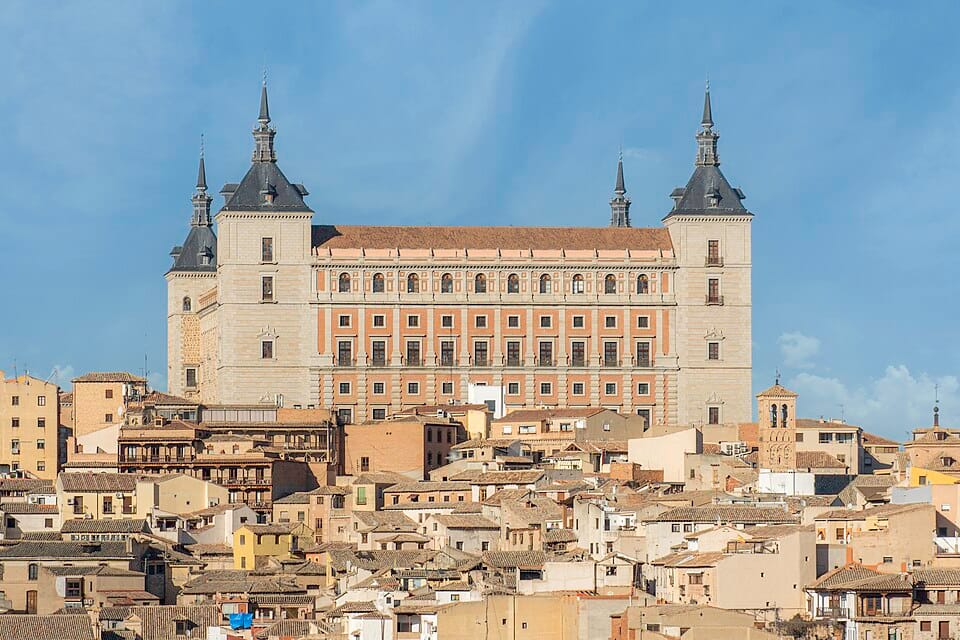
A stone fortification crowning the city's highest point, rebuilt many times and now home to a military history museum.
Toledo Cathedral
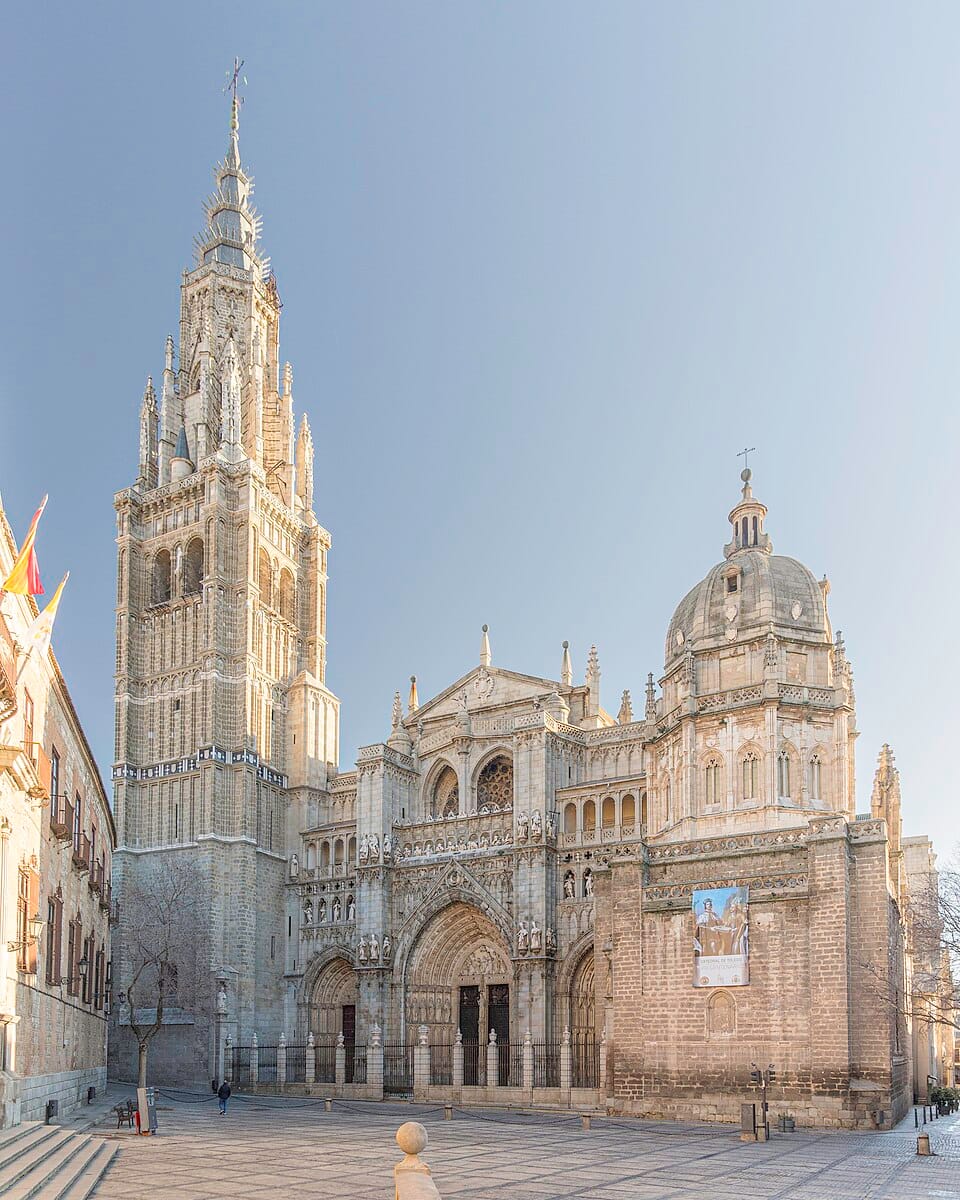
A monumental Gothic cathedral built over more than two centuries, notable for its soaring nave and richly decorated sacristy.
Synagogue of Santa Maria la Blanca
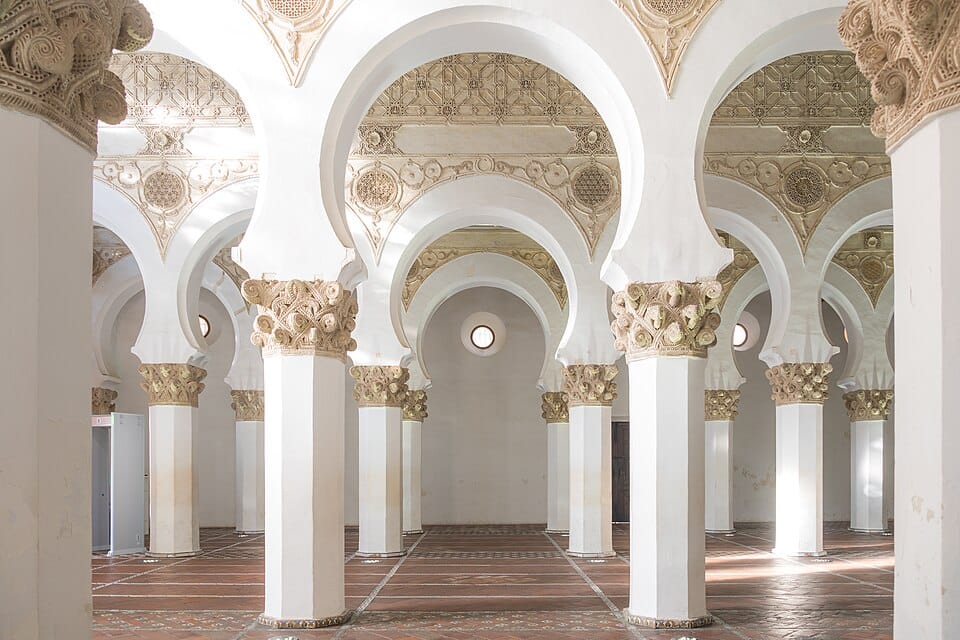
One of the oldest synagogue buildings in Europe still standing, notable for its horseshoe arches built in a Mudejar style.
Church of Santo Tome
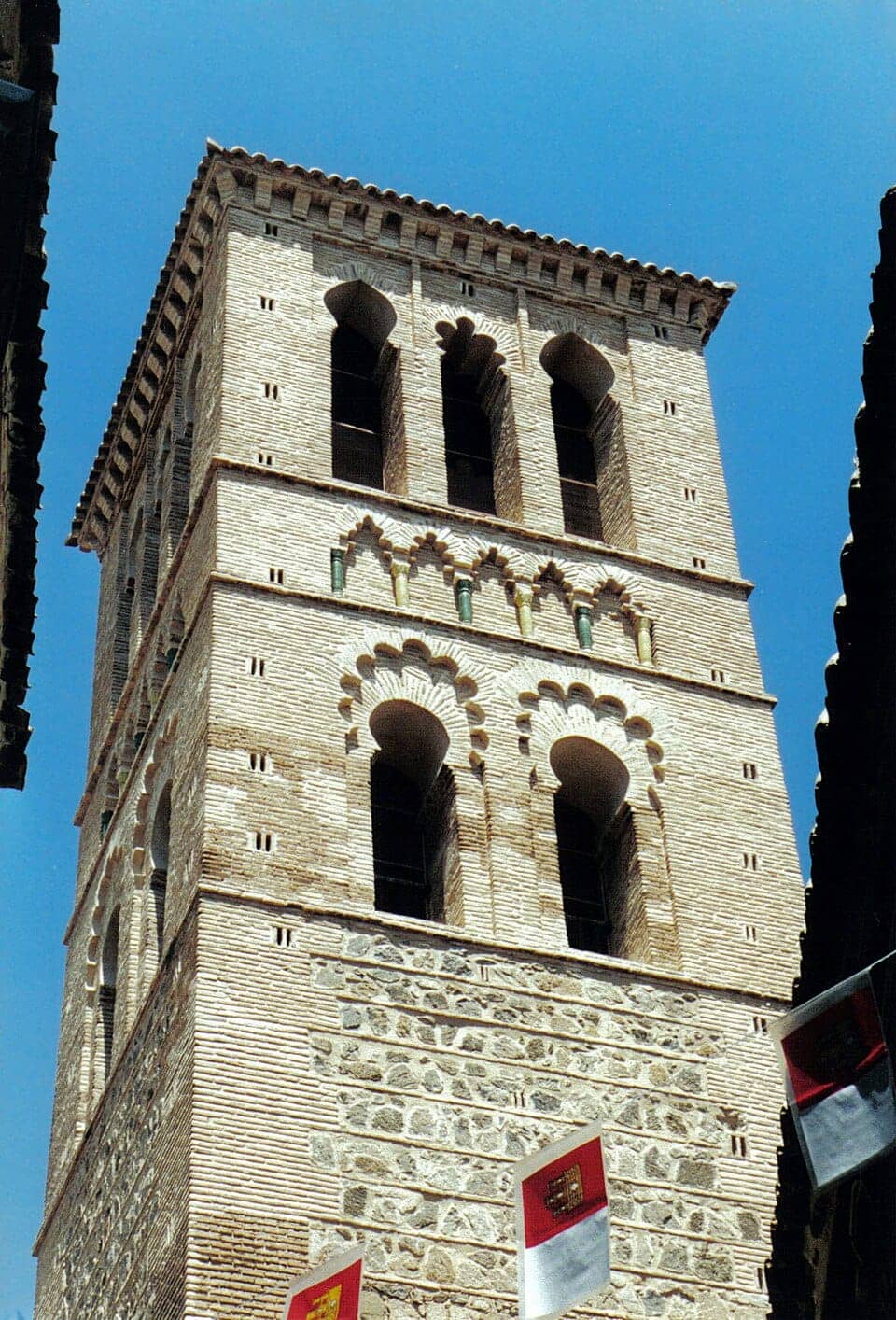
A modest parish church that houses El Greco's masterpiece 'The Burial of the Count of Orgaz.'
Puente de Alcantara
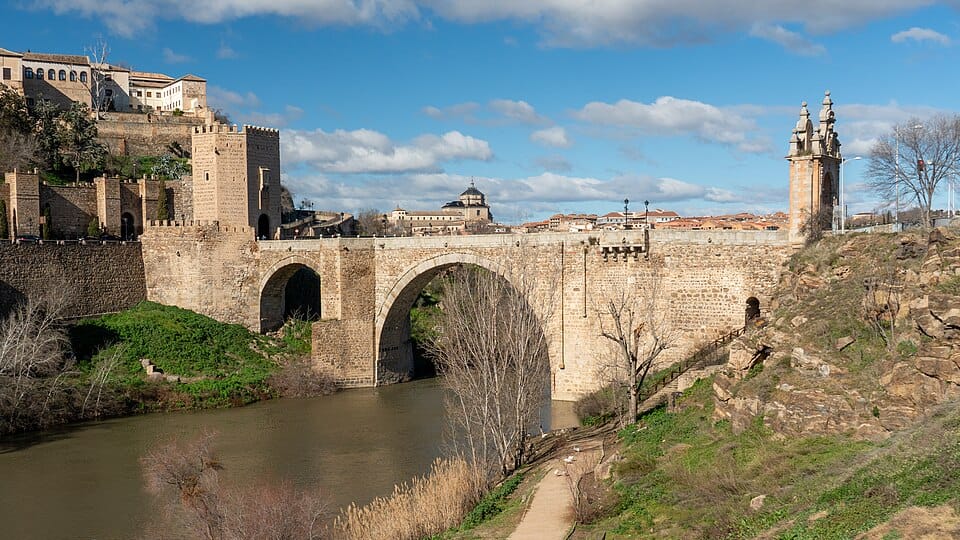
A Roman-founded stone bridge spanning the Tagus gorge, offering one of the classic views up toward the old city walls.
Cordoba
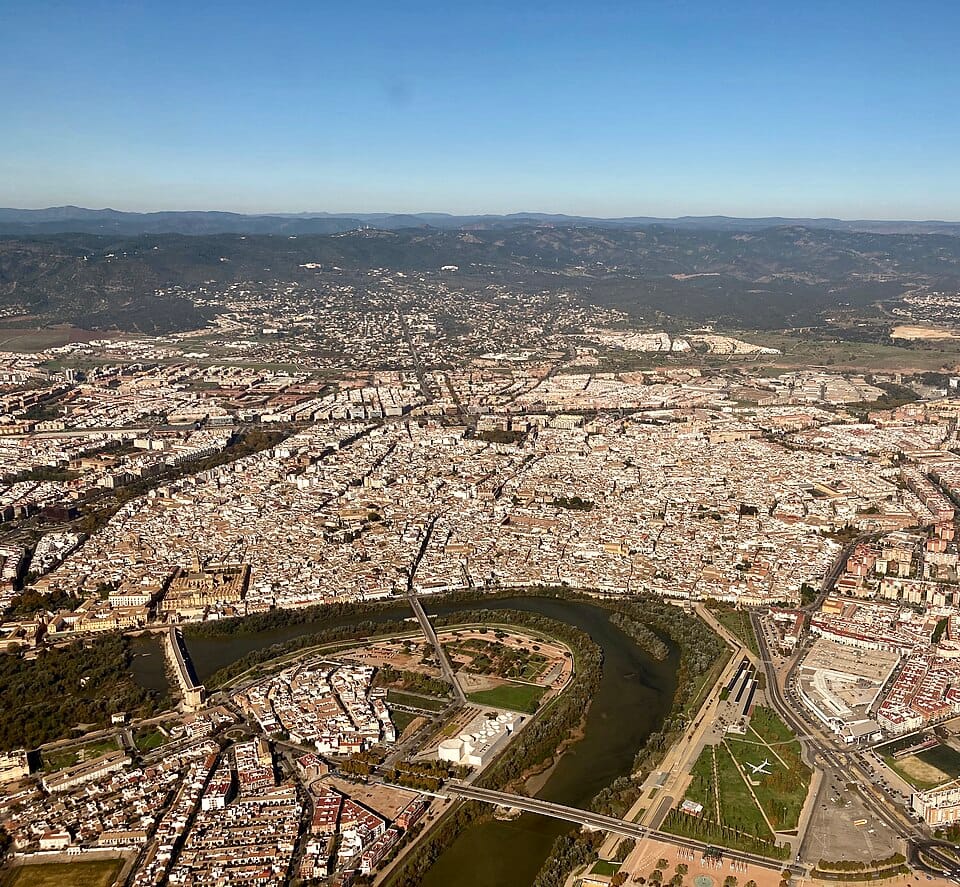
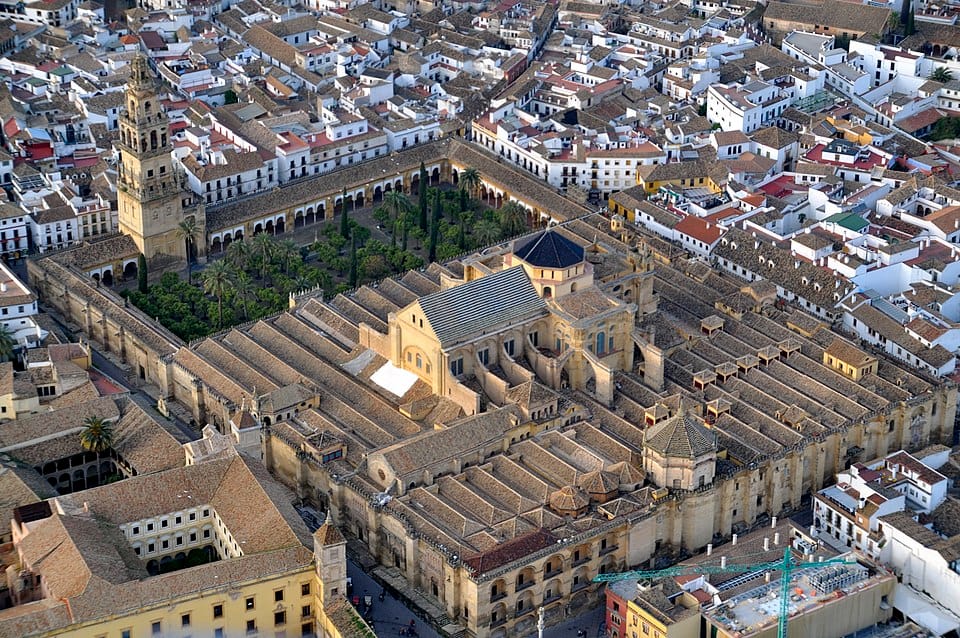
Cordoba is an Andalusian city on the Guadalquivir River that was once the capital of the Umayyad Caliphate and, at its medieval peak, one of the largest and most cultured cities in Europe. Its centerpiece is the Mezquita, a vast former mosque with a Renaissance cathedral built into its center, surrounded by the whitewashed lanes of the old Jewish quarter.
Top attractions in Cordoba
Mezquita-Catedral de Cordoba
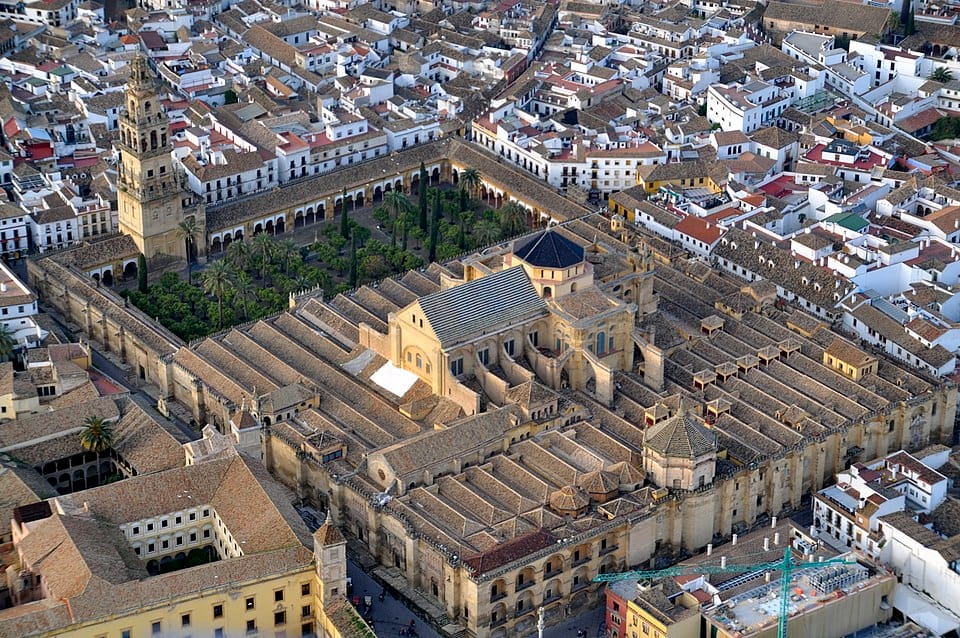
A former Umayyad mosque famed for its forest of red-and-white striped double arches, with a full cathedral built directly into its nave.
Alcazar de los Reyes Cristianos
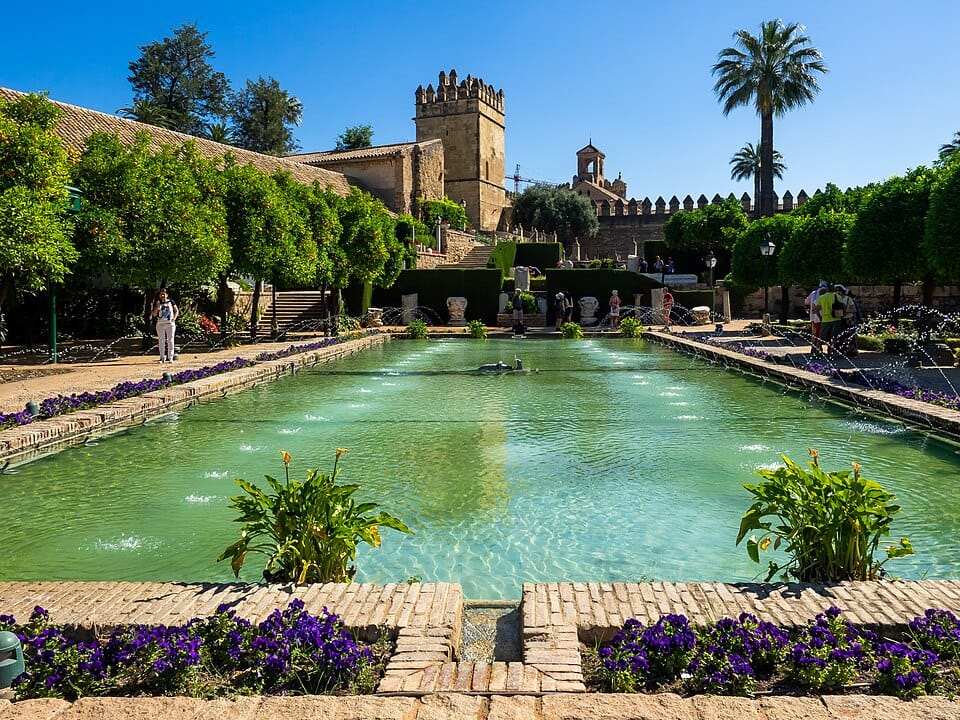
A medieval fortress-palace with terraced gardens, once a residence of Ferdinand and Isabella during the Reconquista.
Roman Bridge of Cordoba
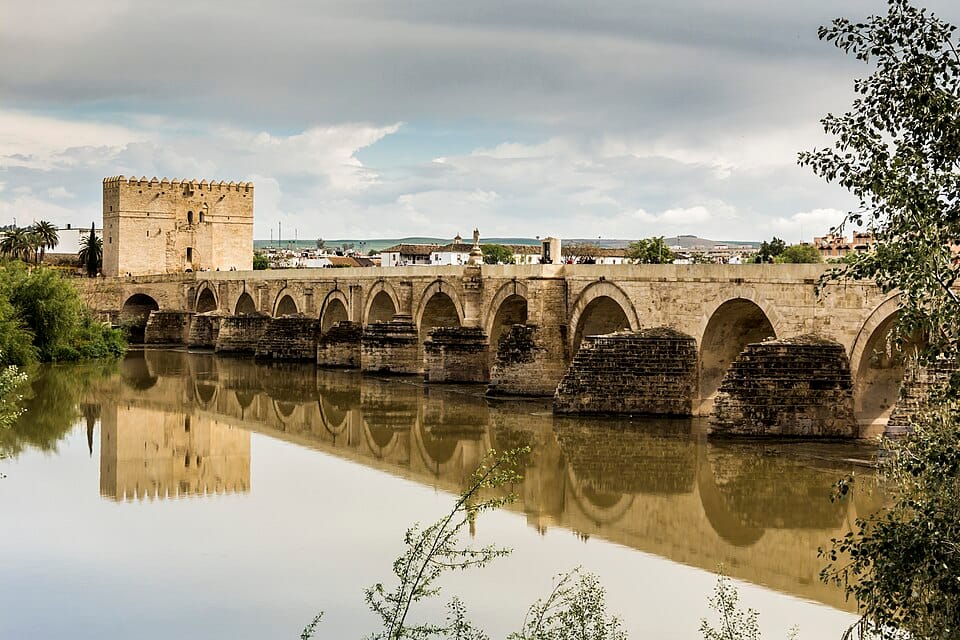
A first-century stone bridge across the Guadalquivir, still walkable and offering a classic view back at the Mezquita.
Juderia (Jewish Quarter)
A maze of narrow whitewashed streets and flower-filled courtyards around a small surviving 14th-century synagogue.
Viana Palace
A noble palace built around twelve distinct courtyard gardens, each with its own planting style and character.
Seville
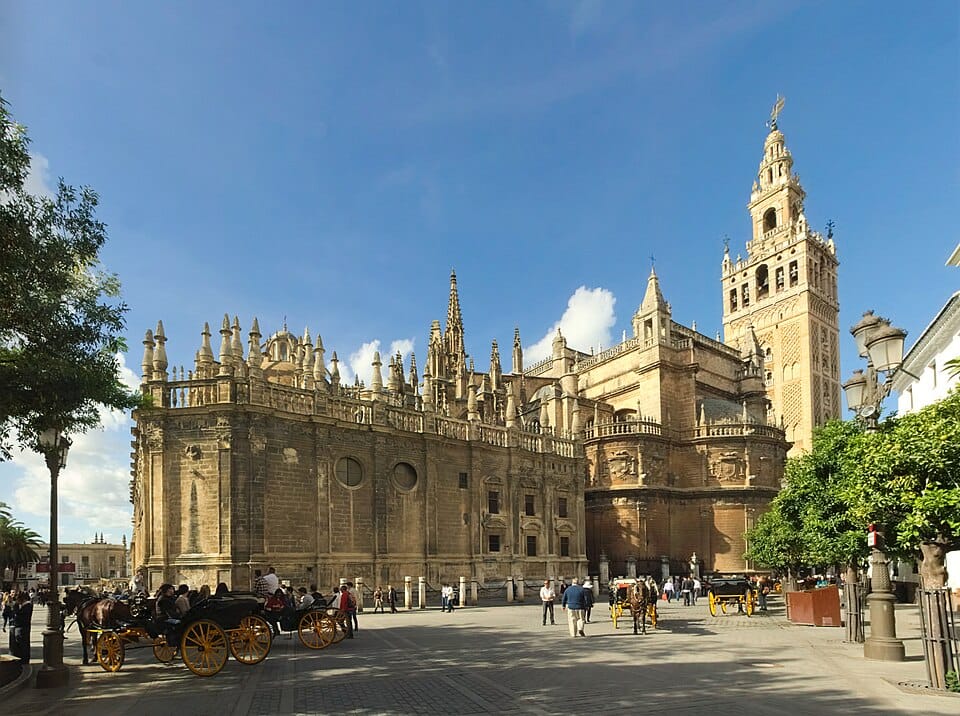
Seville is the capital of Andalusia, a warm-climate city on the Guadalquivir River known for flamenco, orange-tree-lined streets, and a monumental Gothic cathedral that holds the tomb of Christopher Columbus. Its Alcazar palace complex and the Plaza de Espana are among the most photographed sites in southern Spain.
Top attractions in Seville
Seville Cathedral
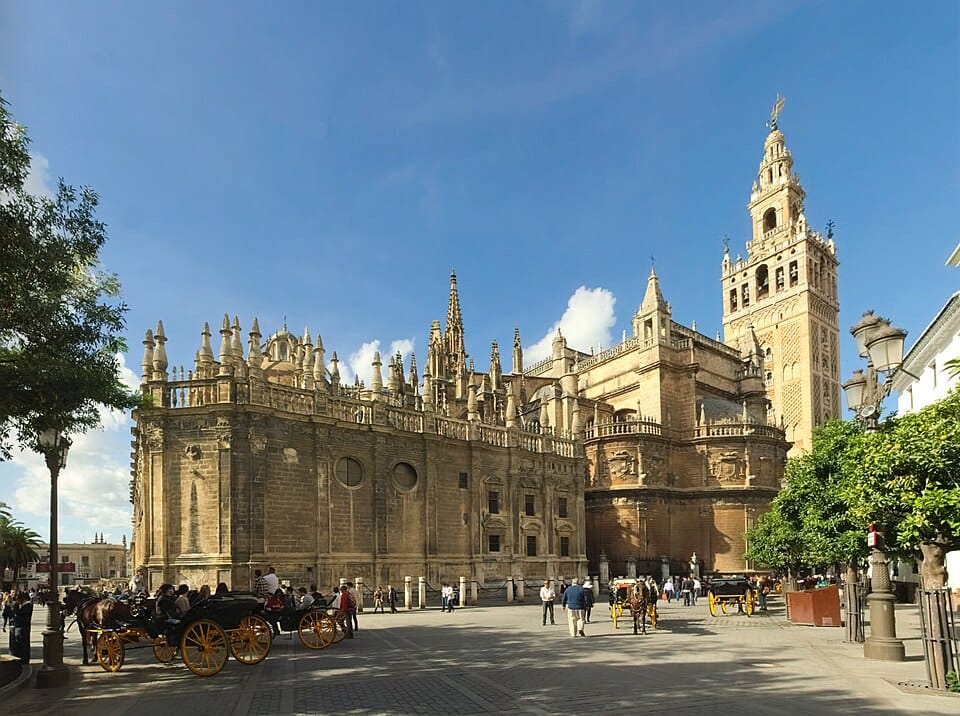
The largest Gothic cathedral in the world, built on the site of a former mosque and topped by the Giralda bell tower.
Real Alcazar of Seville
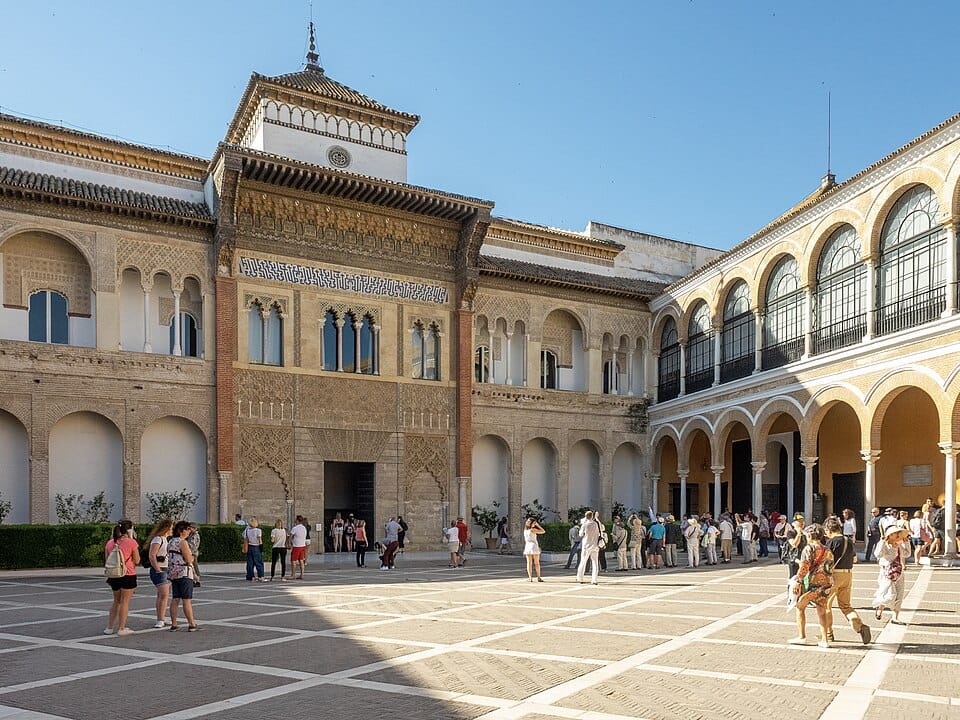
A royal palace complex built largely in Mudejar style, with intricate tilework, courtyards, and expansive palace gardens, still used by the royal family today.
Plaza de Espana
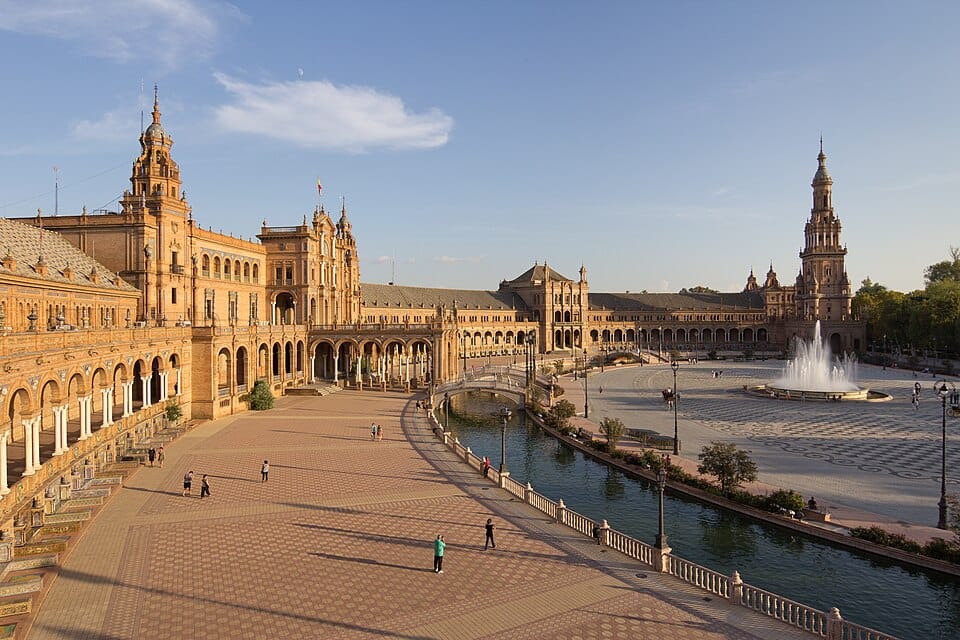
A sweeping semicircular plaza built for the 1929 Ibero-American Exposition, lined with a tiled canal and provincial ceramic alcoves.
Metropol Parasol
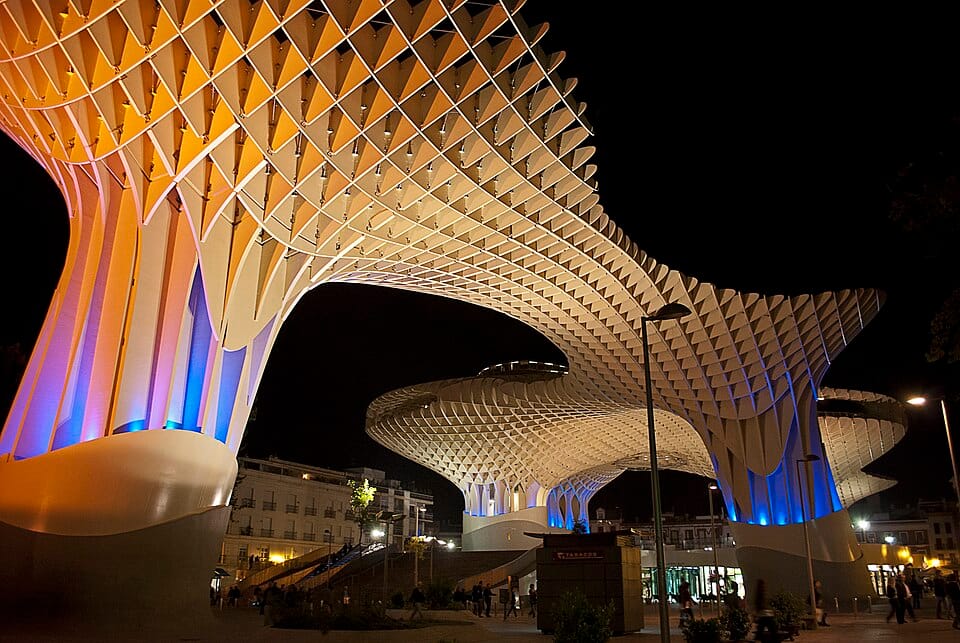
A large modern timber structure in the old quarter, built over Roman ruins, with an elevated public walkway offering city views.
Barrio Santa Cruz
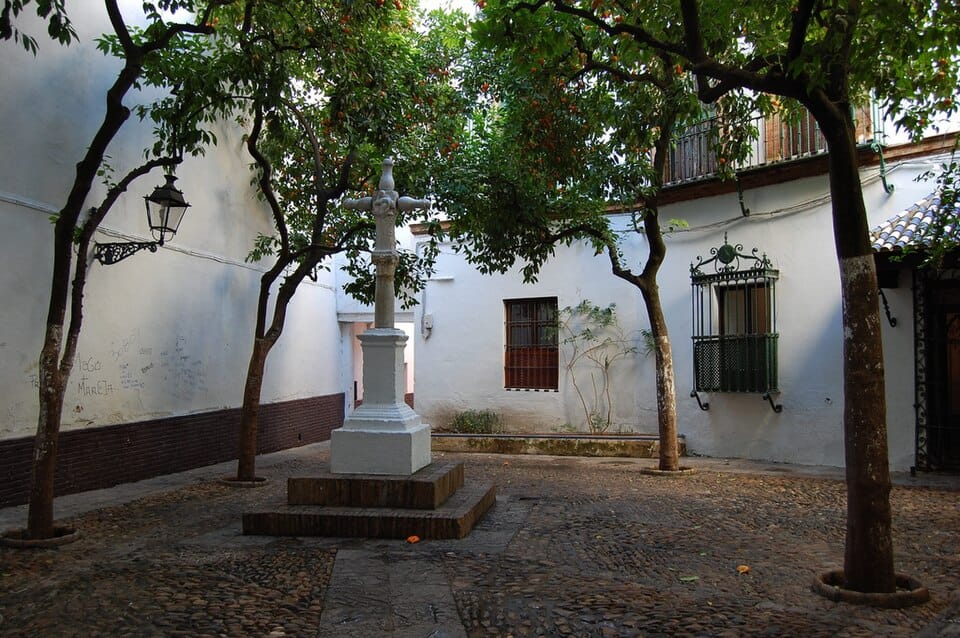
The former Jewish quarter, a maze of narrow lanes, hidden plazas, and flower-draped balconies just beside the cathedral and Alcazar.
Granada
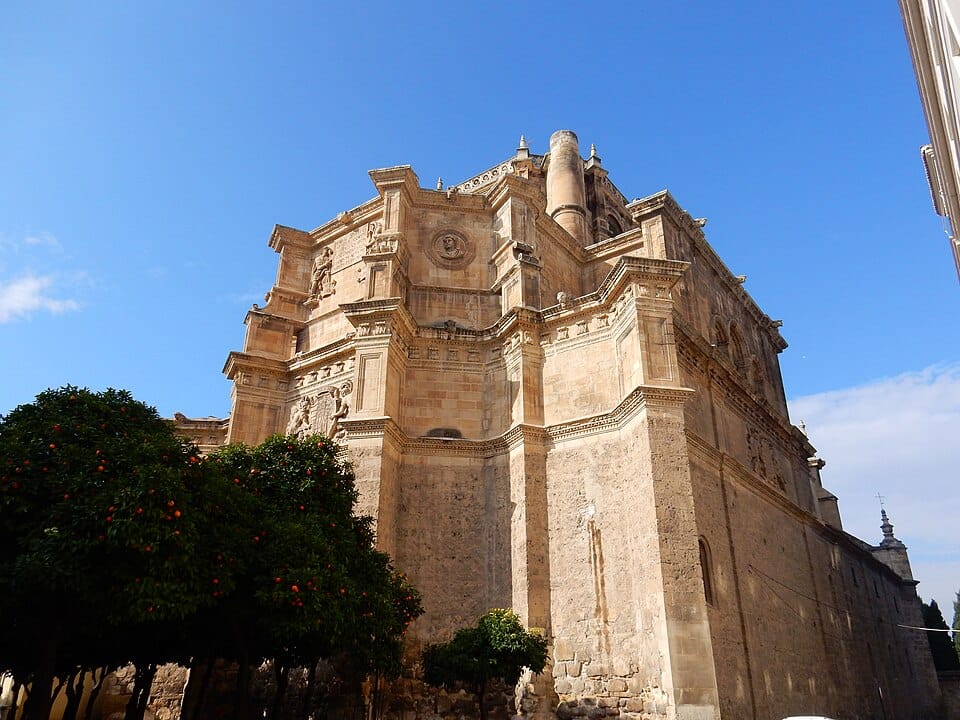
Granada is the last Moorish stronghold of medieval Spain, set at the foot of the Sierra Nevada mountains and famed above all for the Alhambra, a hilltop palace and fortress complex regarded as one of the finest surviving examples of Islamic architecture in the world. The steep, whitewashed Albaicin quarter opposite it preserves the city's old Moorish street plan almost intact.
Top attractions in Granada
Alhambra
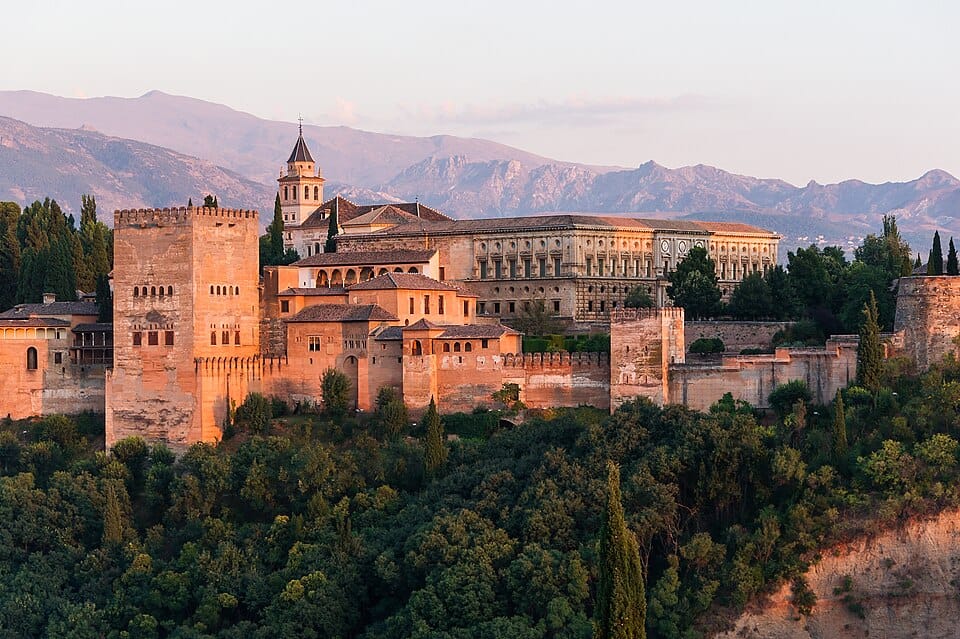
A hilltop palace and fortress complex combining Nasrid palaces, defensive towers, and the Generalife gardens, regarded as a pinnacle of Islamic architecture.
Albaicin
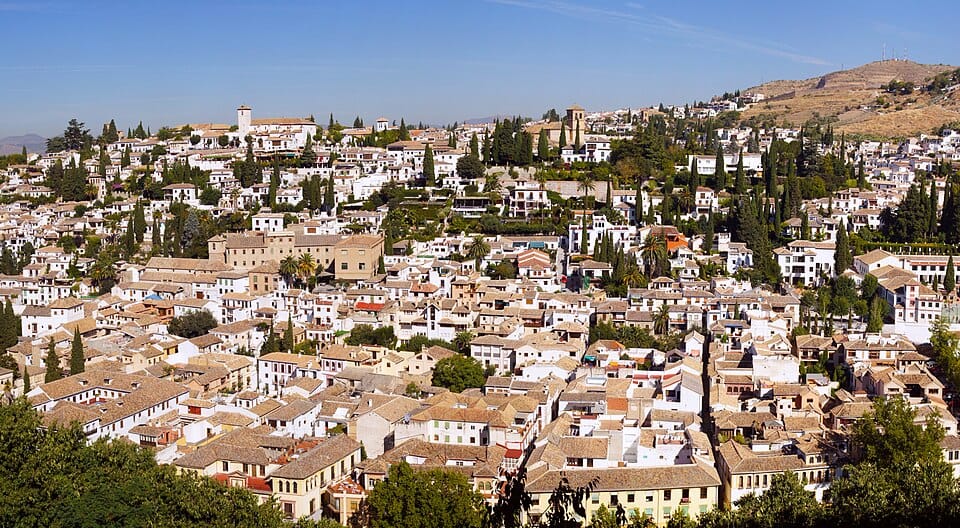
A hillside old Moorish quarter of steep cobbled lanes and whitewashed houses, with viewpoints looking directly across at the Alhambra.
Granada Cathedral
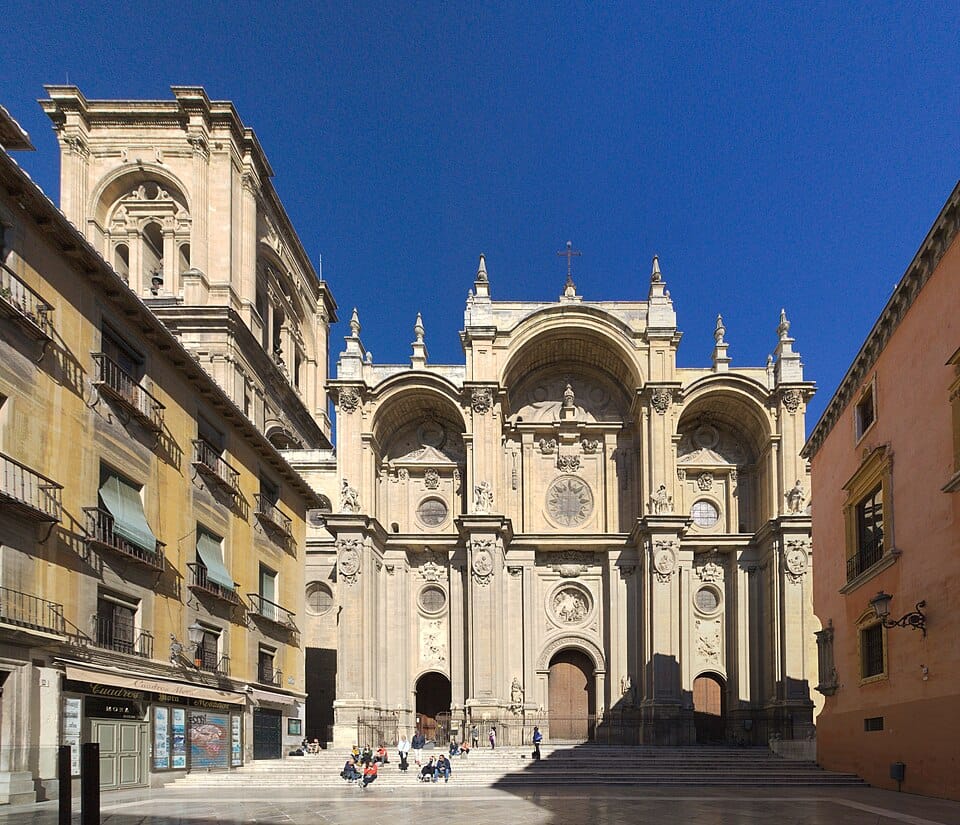
A Renaissance cathedral built after the Christian reconquest, adjoining the Royal Chapel where Ferdinand and Isabella are entombed.
Generalife
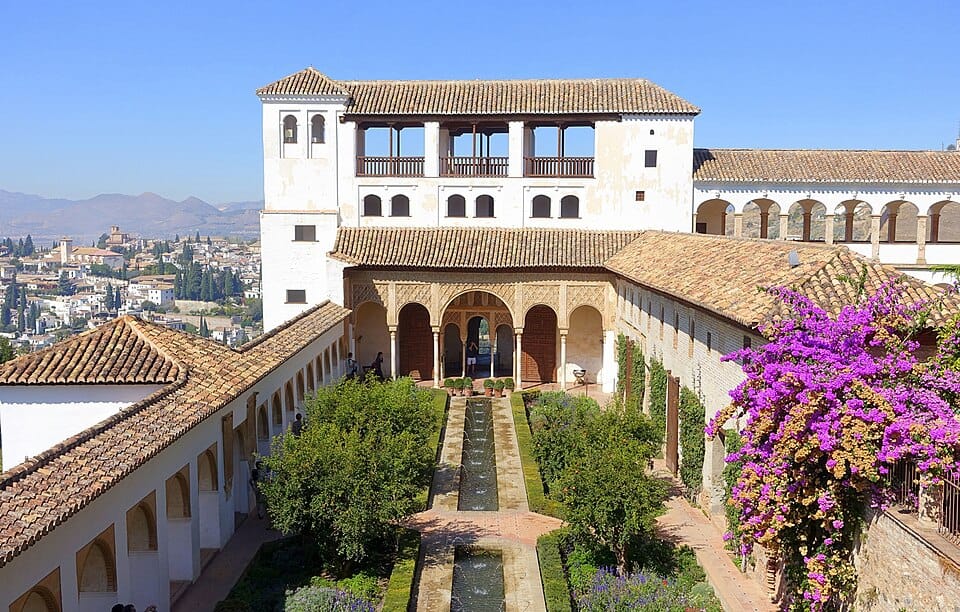
The former summer palace and gardens of the Nasrid rulers, laid out with terraced flowerbeds, fountains, and long reflecting pools.
Sacromonte
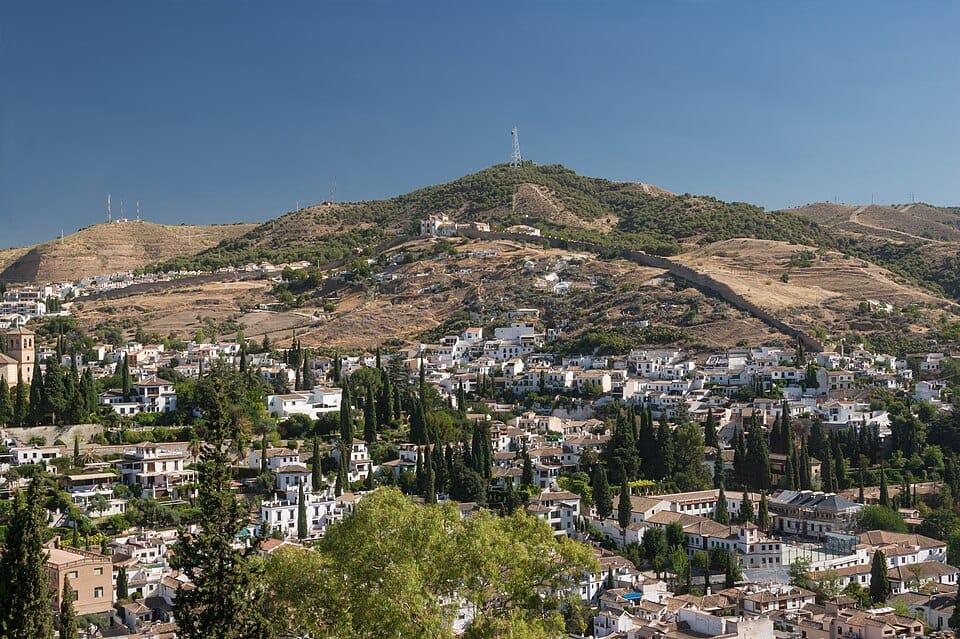
A hillside neighborhood historically associated with the Roma community, known for whitewashed cave dwellings and traditional flamenco performances.
Plan this route with EuroDrive Scout — tolls, vignettes, ZTL alerts, fuel & parking →