Barcelona & the Mediterranean: attractions & sights guide
A stop-by-stop guide to the best things to see along the Barcelona & the Mediterranean route — 4 destinations, their must-see sights and how to drive between them.
Plan this route with EuroDrive Scout — tolls, vignettes, ZTL alerts, fuel & parking →
Barcelona
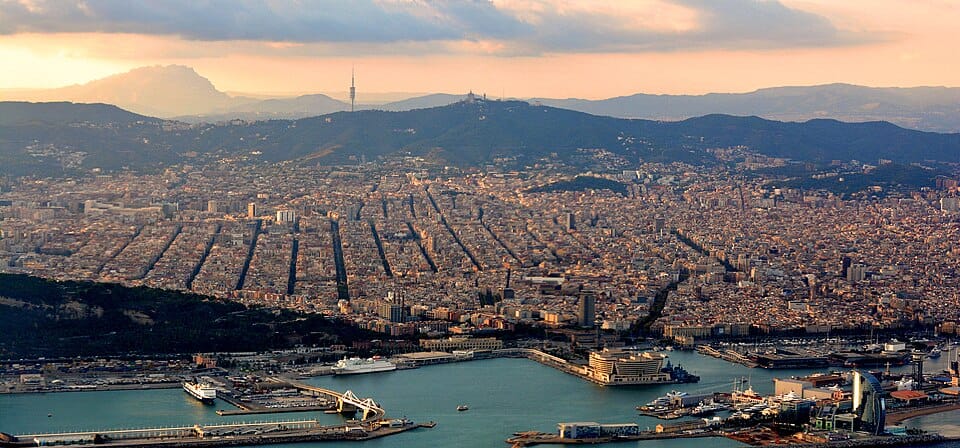
Barcelona is Catalonia's capital and Spain's second-largest city, spread across a plain between the Mediterranean coast and the Collserola hills. It is known for Antoni Gaudí's Modernist architecture, especially the Sagrada Família and Park Güell, along with the medieval lanes of the Gothic Quarter and a long beachfront promenade that draws visitors year-round.
Top attractions in Barcelona
Sagrada Família
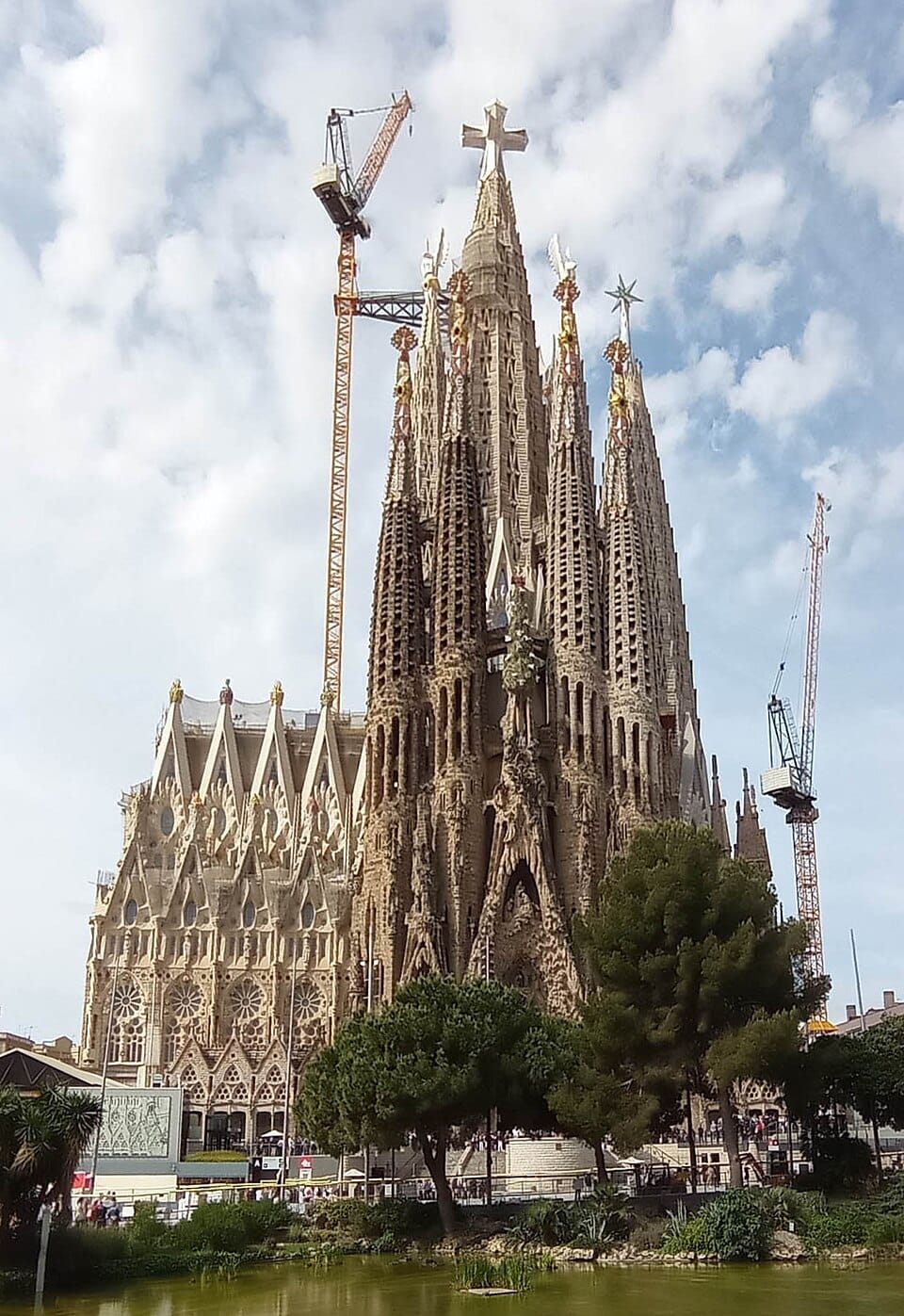
Antoni Gaudí's unfinished basilica, under construction since 1882, known for its soaring towers and richly symbolic facades.
Park Güell
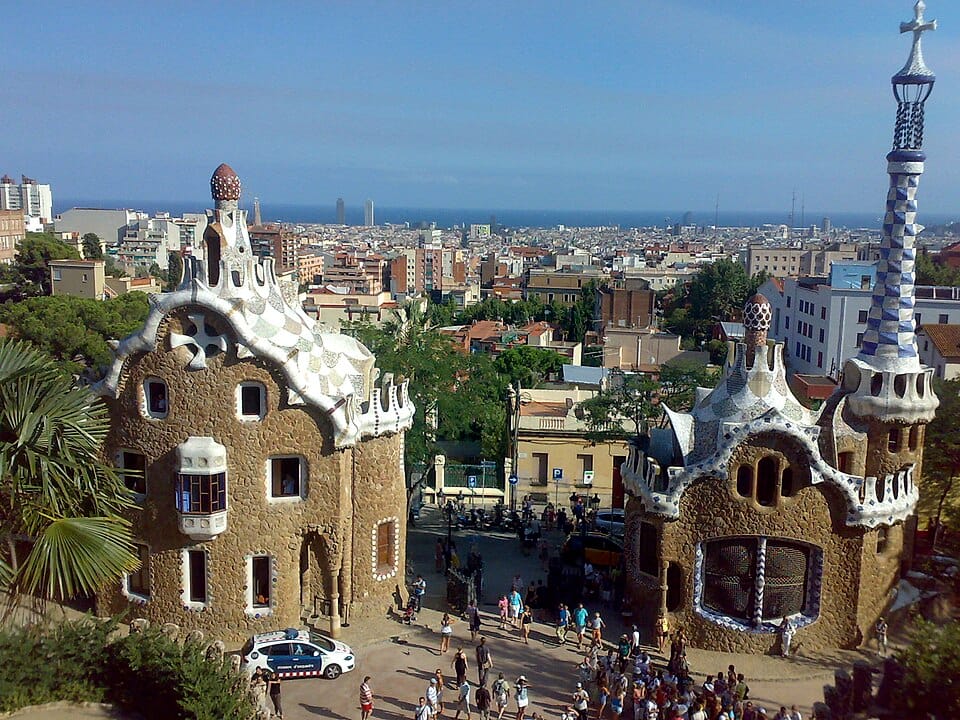
A public park designed by Gaudí with mosaic-covered terraces, whimsical stone structures, and wide views over the city and the sea.
Gothic Quarter
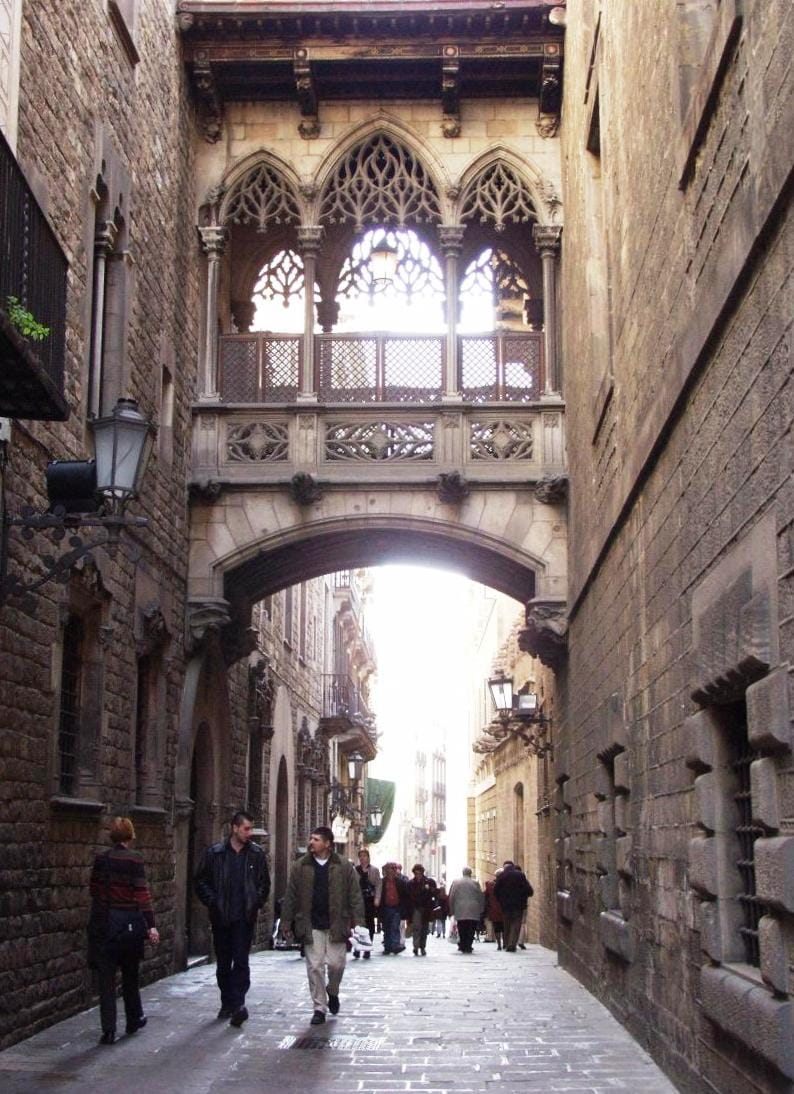
The medieval core of Barcelona, a maze of narrow stone streets around the Cathedral of Barcelona and remnants of the old Roman walls.
Casa Batlló
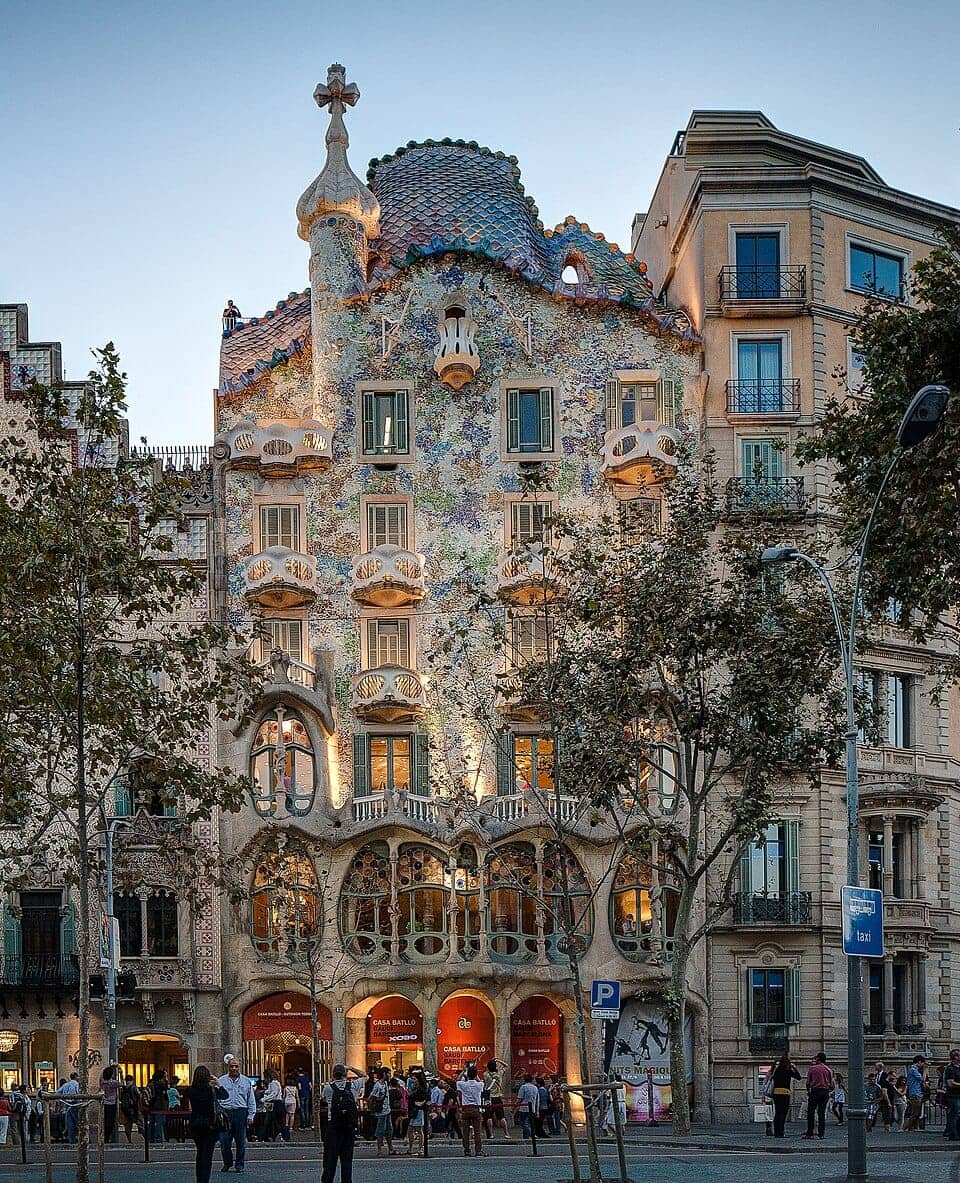
A Gaudí-remodeled townhouse on Passeig de Gràcia with a curving, bone-like facade and a roof said to evoke a dragon's back.
La Rambla
A tree-lined pedestrian boulevard running from Plaça de Catalunya to the harbor, lined with kiosks, cafes, and street performers.
Tarragona
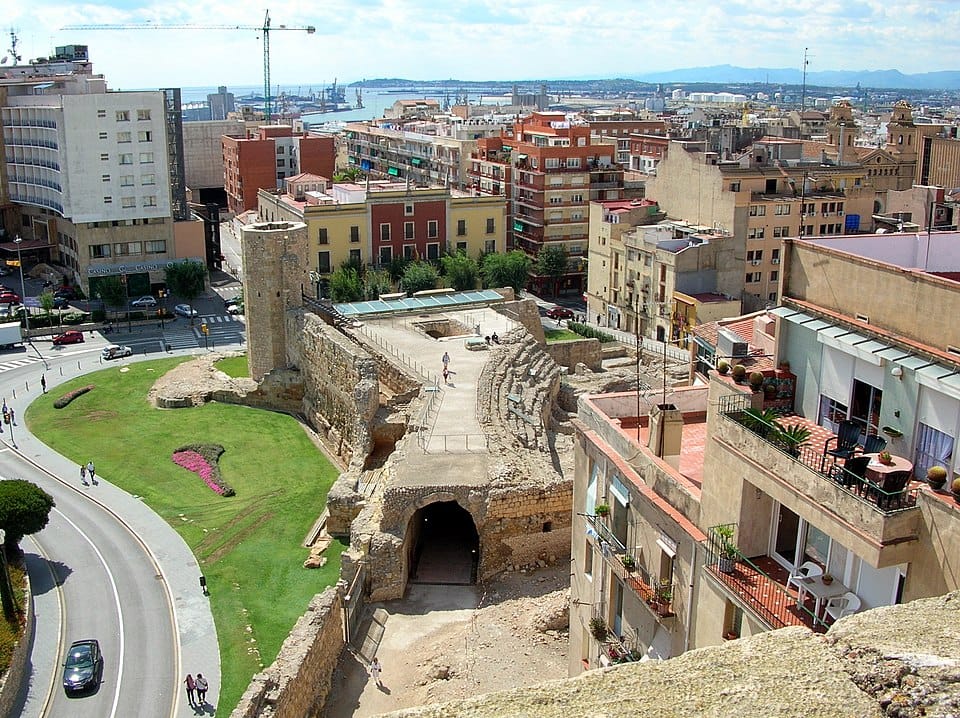
Tarragona is a port city on Catalonia's Costa Daurada, built on a hill overlooking the Mediterranean about 100 kilometers southwest of Barcelona. Once the capital of the Roman province of Tarraconensis, it retains one of Spain's richest collections of Roman ruins, including an amphitheatre perched above the sea.
Top attractions in Tarragona
Roman Amphitheatre
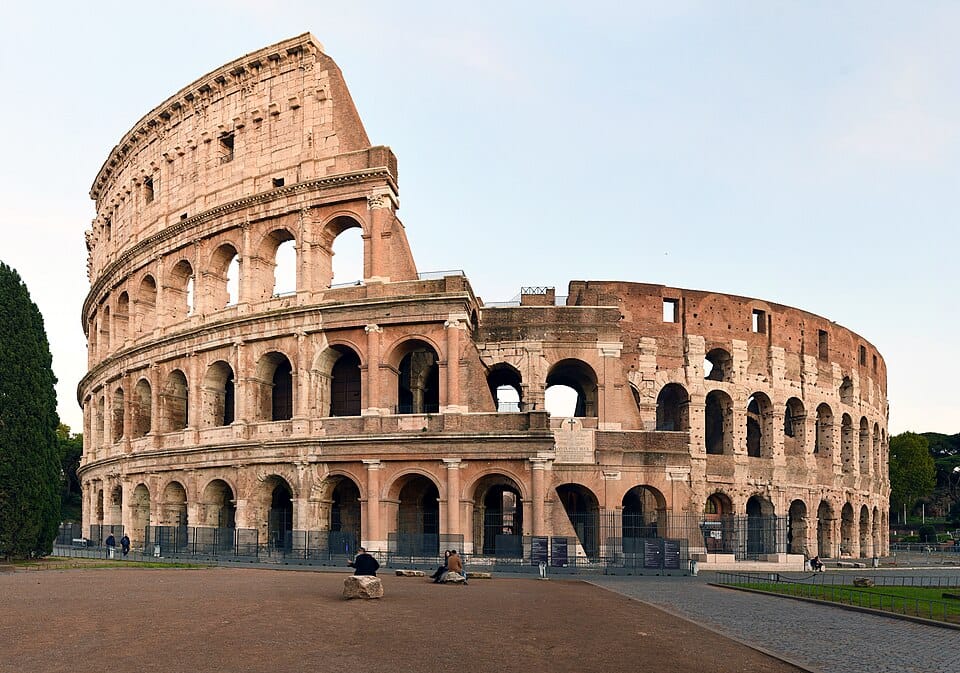
A 2nd-century arena built into a hillside above the sea, once used for gladiator fights and now a dramatic ruin open to visitors.
Tarragona Cathedral
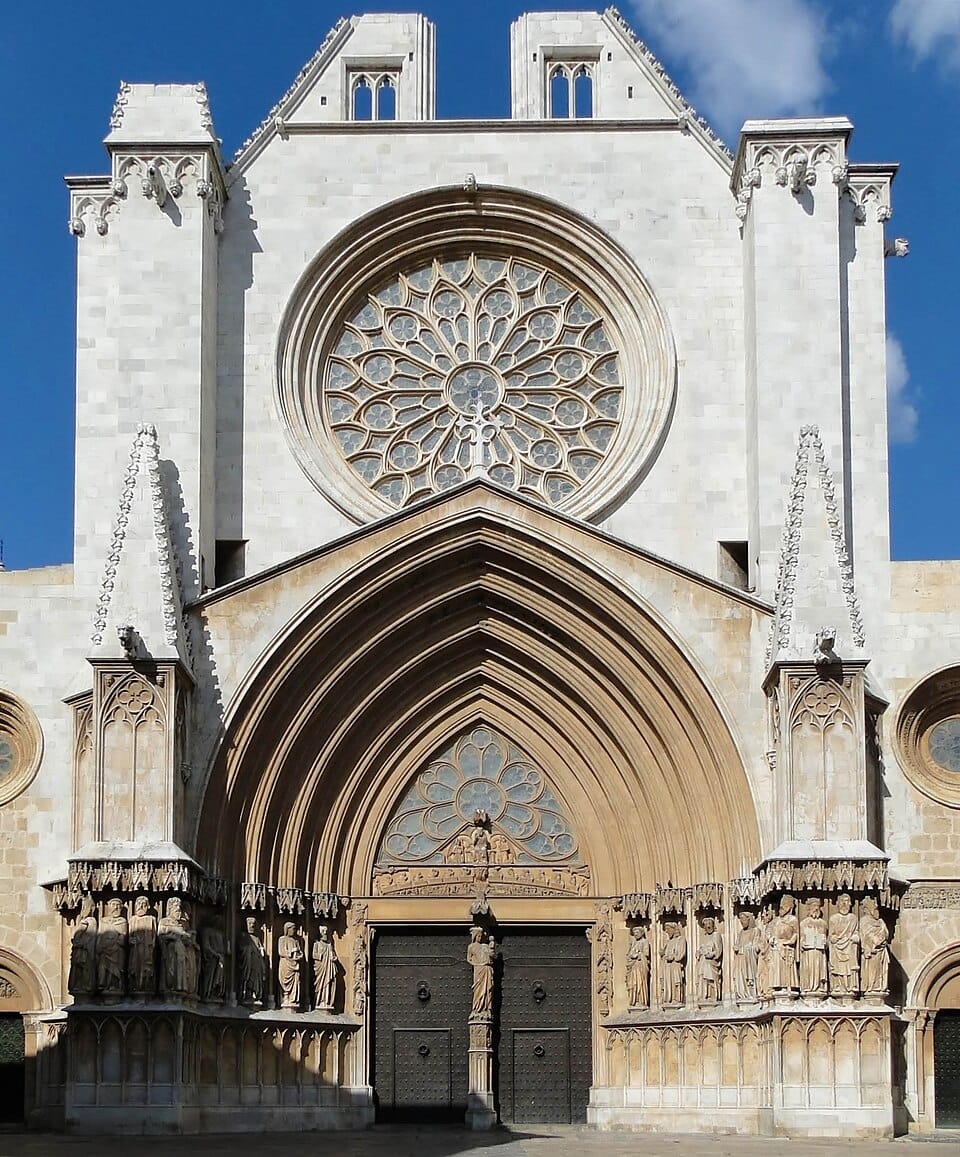
A fortress-like cathedral atop the old town's highest point, blending Romanesque and Gothic styles and built over a former Roman temple.
Roman Walls
Massive fortification walls encircling part of the old town, with a walking path (Passeig Arqueològic) tracing the best-preserved stretch.
Devil's Bridge (Ferreres Aqueduct)
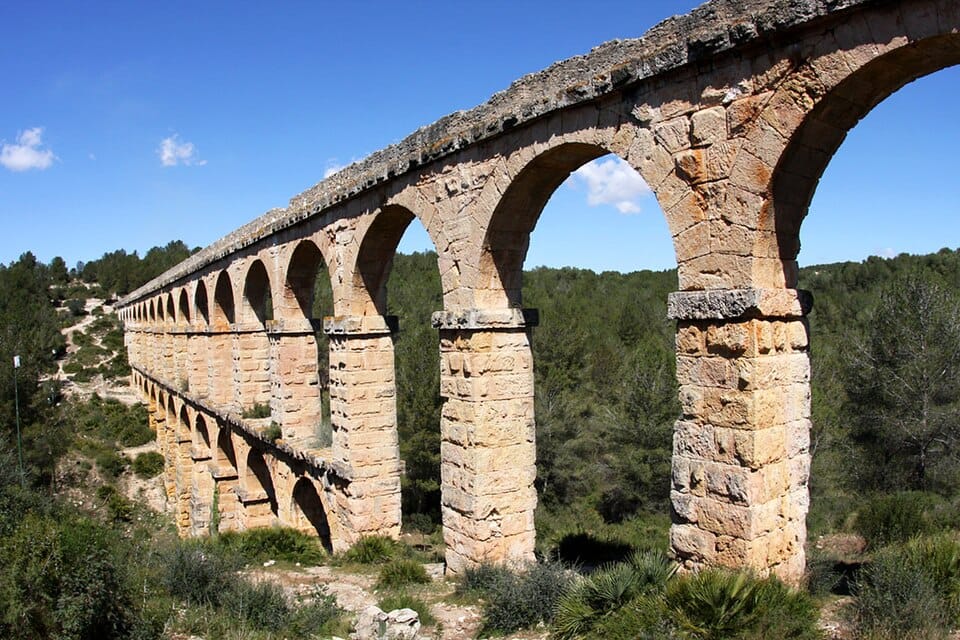
A two-tiered Roman aqueduct standing in woodland outside the city, once part of the system that carried water into ancient Tarraco.
Roman Circus
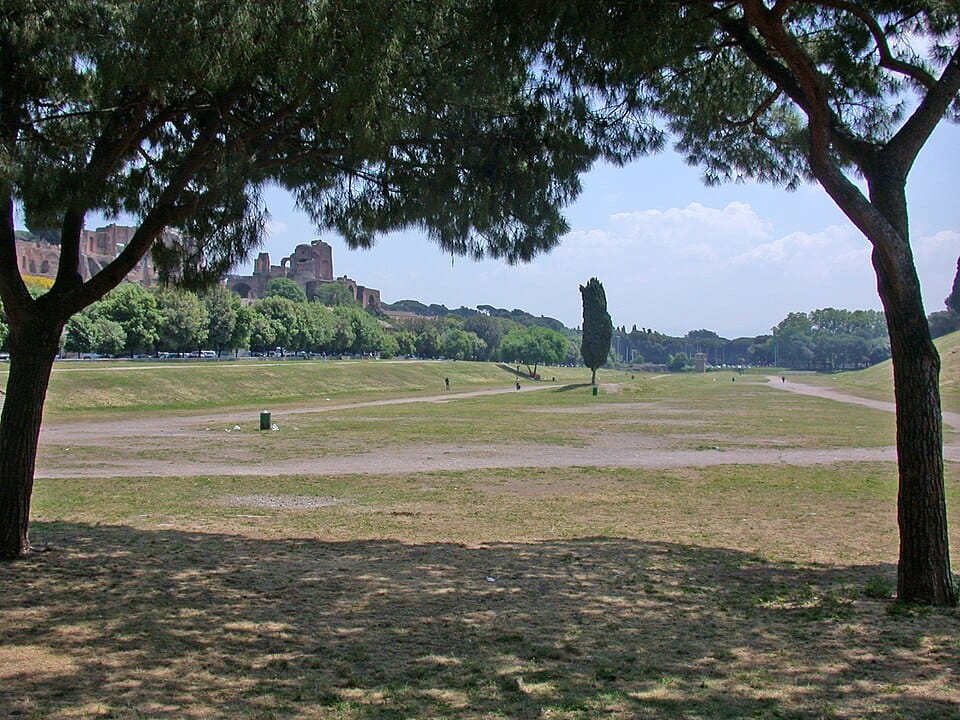
The remains of a chariot-racing stadium built into the old town's foundations, with a preserved vaulted gallery visitors can walk through.
Valencia
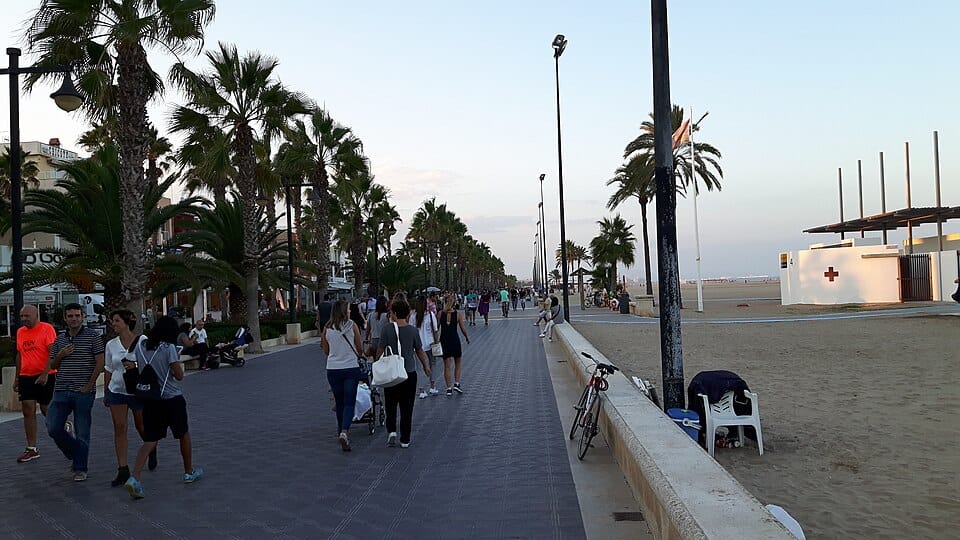
Valencia is Spain's third-largest city, set on the Mediterranean coast where the Turia River once flowed before it was diverted after a major flood. It is known for the futuristic City of Arts and Sciences, a Gothic cathedral said to hold the Holy Grail, and the birthplace of paella.
Top attractions in Valencia
City of Arts and Sciences
A futuristic cultural complex of white, curving structures built in the old riverbed, including a science museum, planetarium, and oceanarium.
Valencia Cathedral
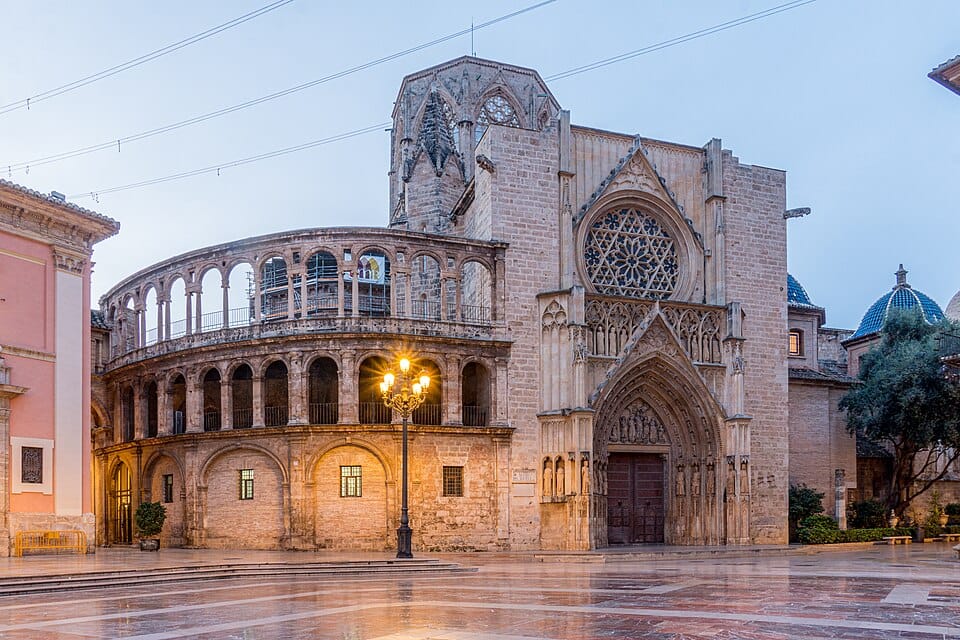
A Gothic cathedral built on the site of a former mosque, home to a chalice many believe is the Holy Grail and the climbable Miguelete bell tower.
Central Market (Mercado Central)
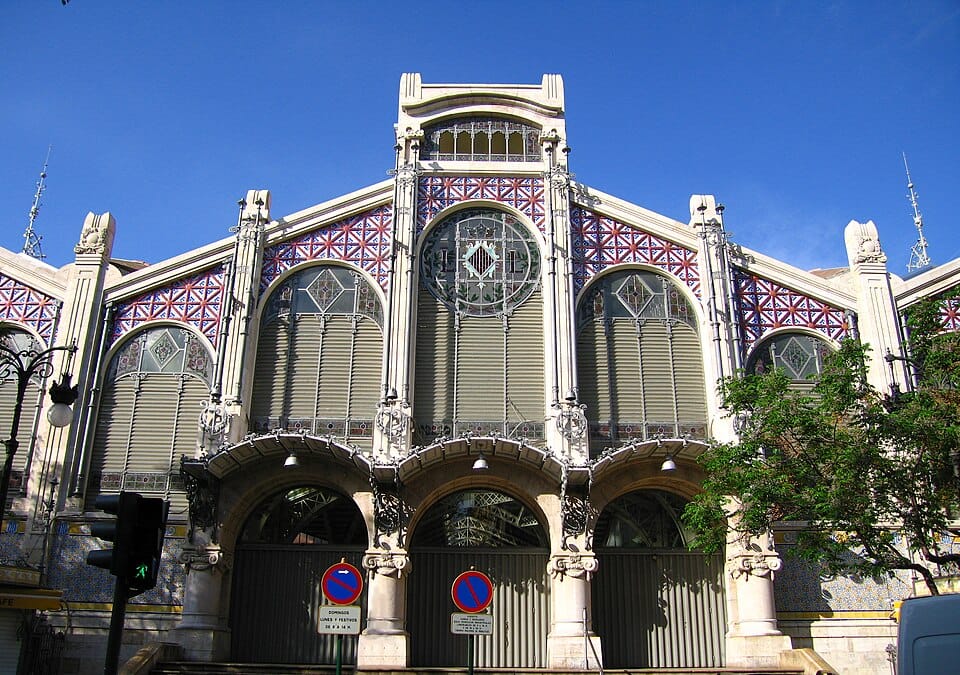
A vast Art Nouveau market hall of iron and glass, filled with stalls selling produce, seafood, and cured meats since 1928.
Silk Exchange (Lonja de la Seda)
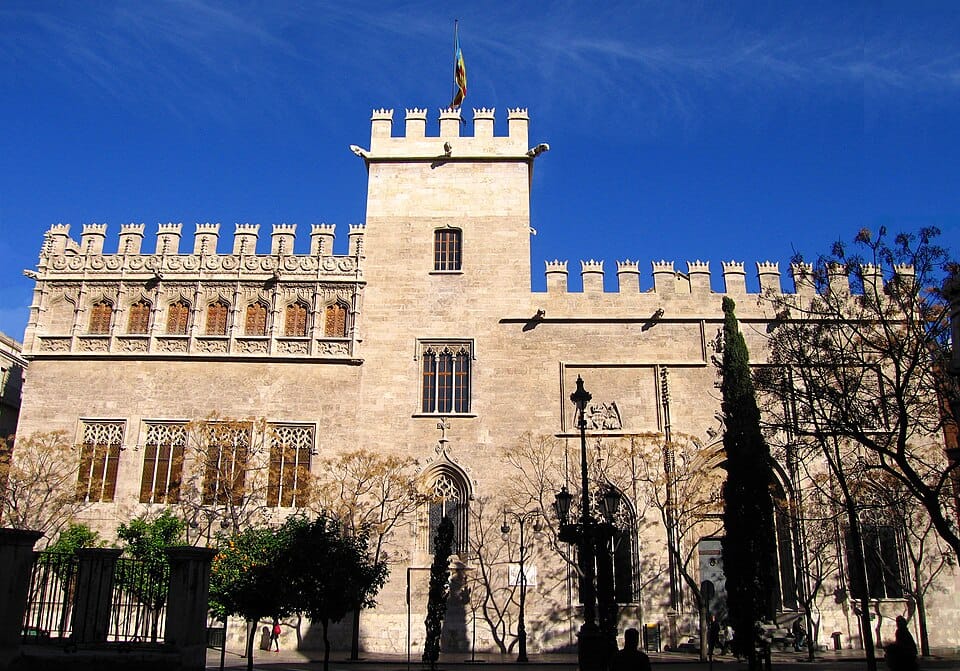
A UNESCO-listed Gothic trading hall from the 15th century, its main room ringed by twisting stone columns once used for silk trading.
Turia Gardens
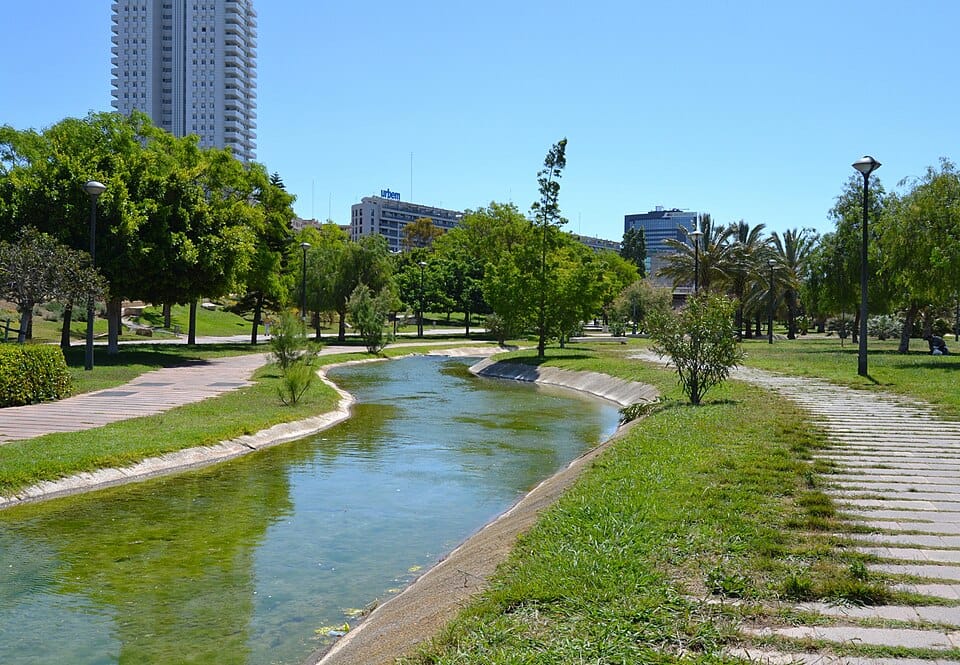
A nine-kilometer public park laid out in the dry riverbed, with running and cycling paths, playgrounds, and gardens running through the city.
Zaragoza
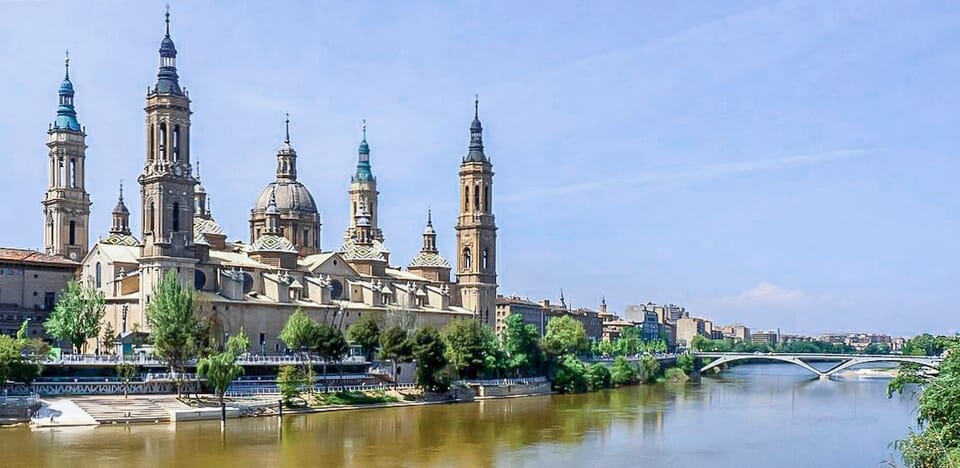
Zaragoza is the capital of Aragon, straddling the Ebro River roughly midway between Madrid and Barcelona. It is known for the Basilica of Our Lady of the Pillar on the riverbank, the Moorish Aljafería Palace, and a well-preserved old town layered with Roman, Islamic, and Christian history.
Top attractions in Zaragoza
Basilica of Our Lady of the Pillar
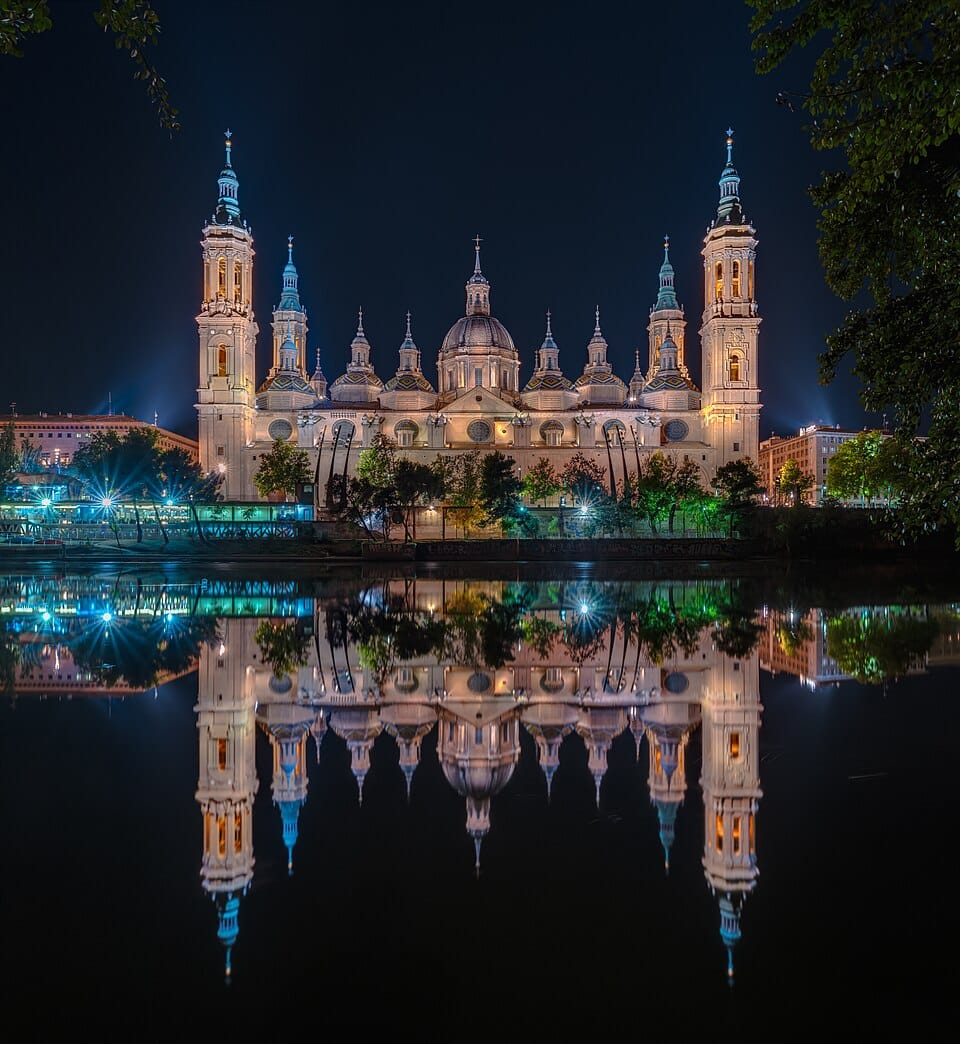
A vast Baroque basilica on the Ebro's bank, topped by domes and towers, built around a pillar said to mark a Marian apparition.
Aljafería Palace
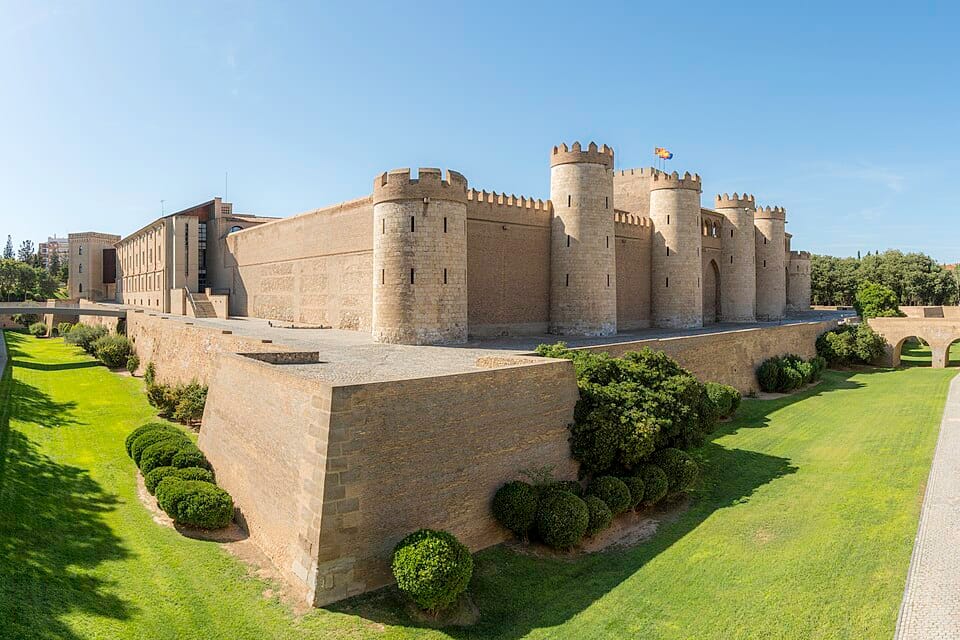
An 11th-century Moorish palace with horseshoe arches and carved stucco, later expanded as a residence for Christian monarchs.
La Seo Cathedral
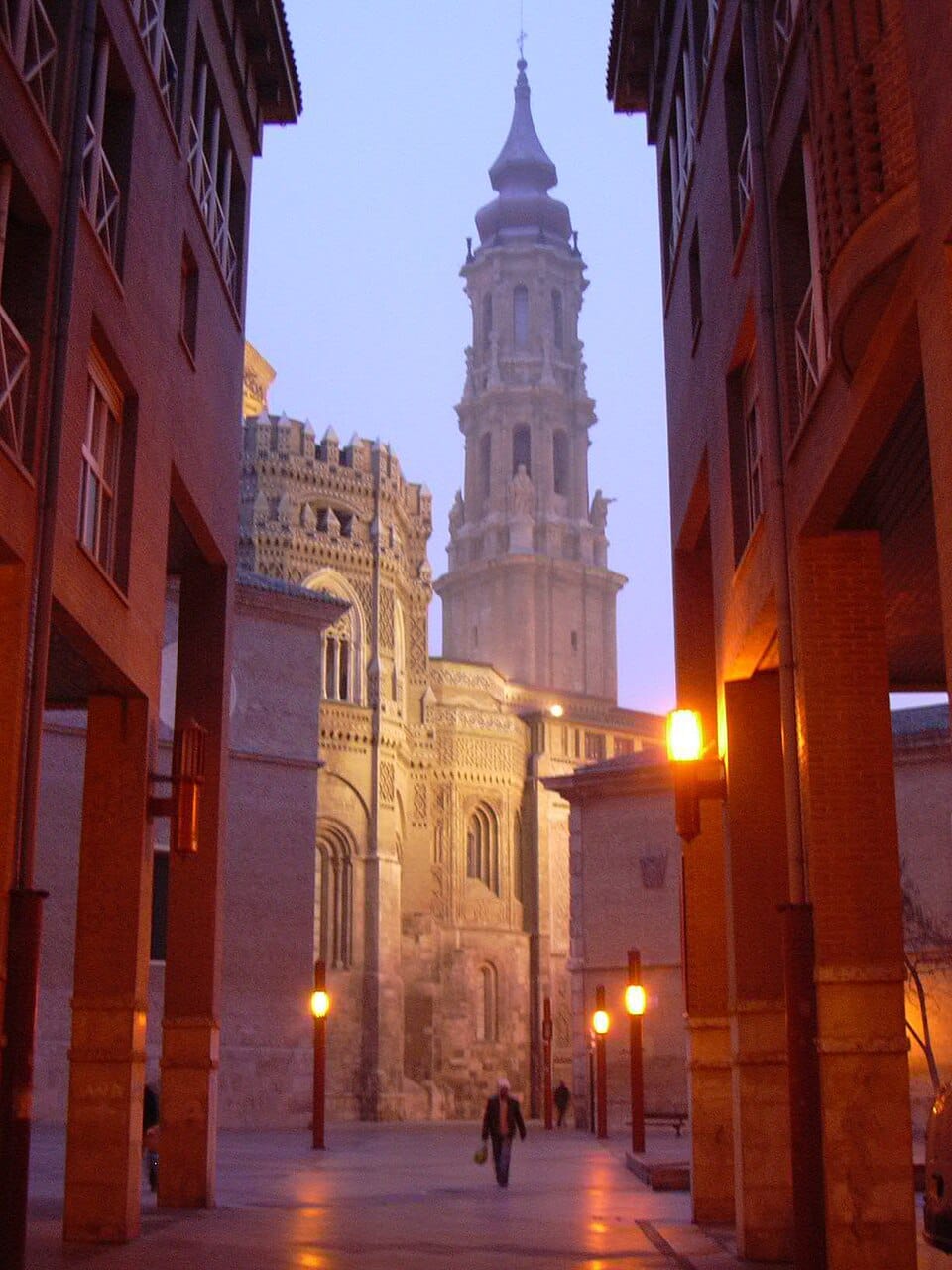
Zaragoza's other great cathedral, built over centuries on the site of a Roman forum and a mosque, mixing Gothic, Mudéjar, and Baroque work.
Roman Theatre
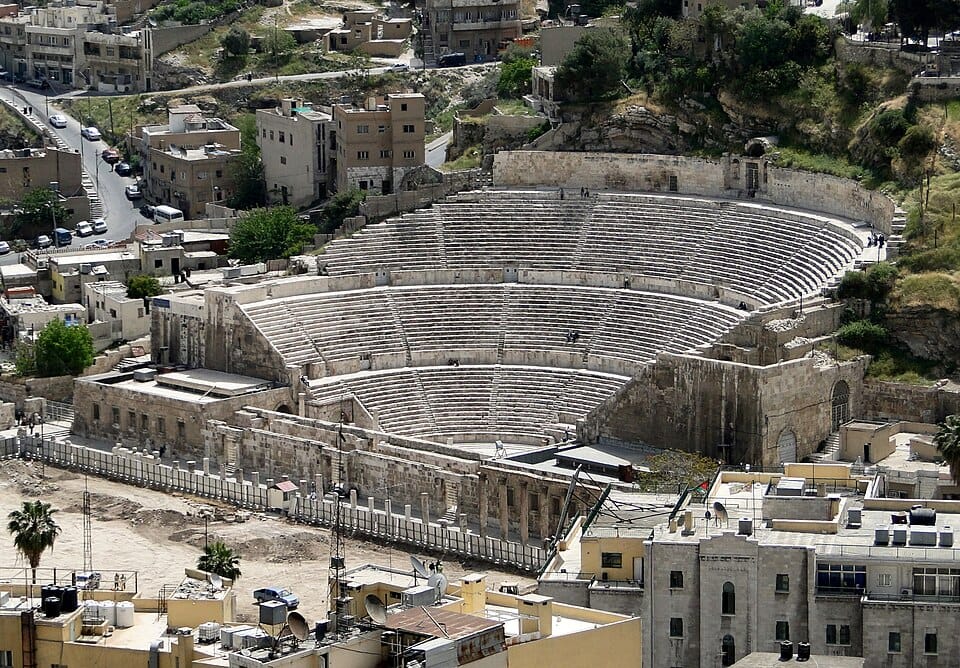
The excavated remains of a 1st-century theatre that once seated up to 6,000 spectators, with an on-site museum explaining the ruins.
Stone Bridge (Puente de Piedra)
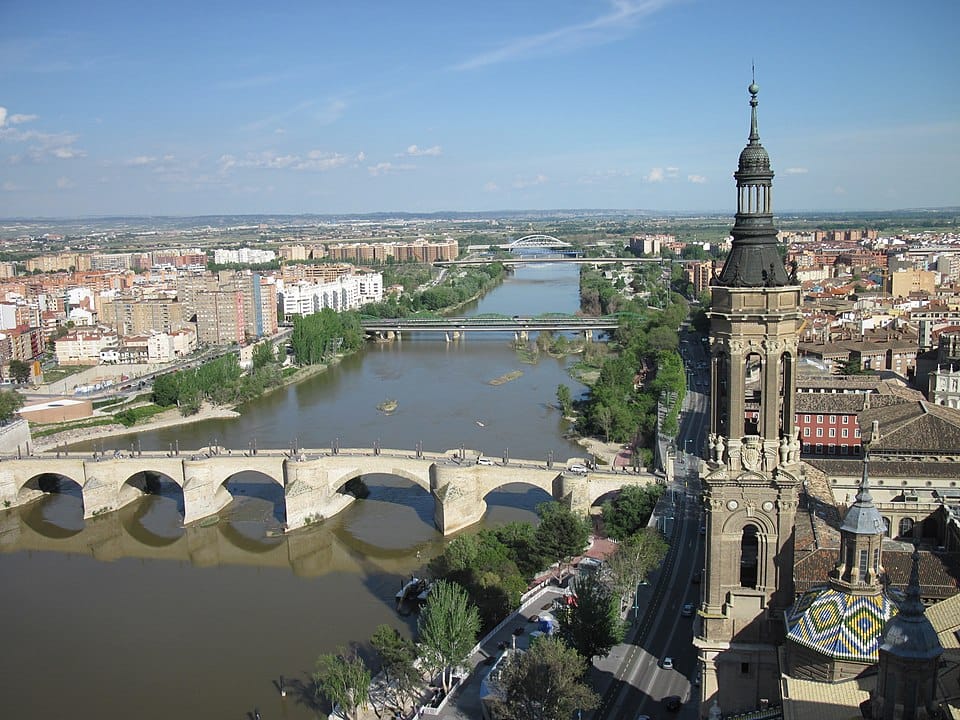
A stone-arched bridge dating to the 15th century that carries traffic across the Ebro directly toward the Basilica del Pilar.
Plan this route with EuroDrive Scout — tolls, vignettes, ZTL alerts, fuel & parking →