Camino Aragonés: attractions & sights guide
A stop-by-stop guide to the best things to see along the Camino Aragonés route — 2 destinations, their must-see sights and how to drive between them.
Plan this route with EuroDrive Scout — tolls, vignettes, ZTL alerts, fuel & parking →
Jaca
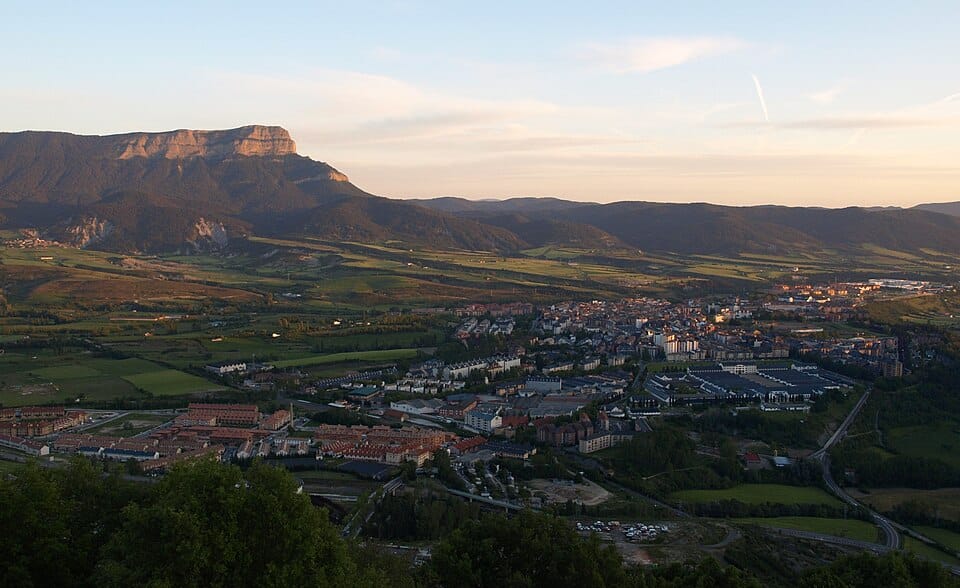
Jaca is the main town on the Camino Aragonés, the route that crosses the Pyrenees from France via the Somport pass before joining the Camino Francés further west. It served for centuries as the capital of the medieval Kingdom of Aragón, and its cathedral, consecrated in the 11th century, is considered one of the earliest and most influential Romanesque buildings in Spain.
Top attractions in Jaca
Jaca Cathedral
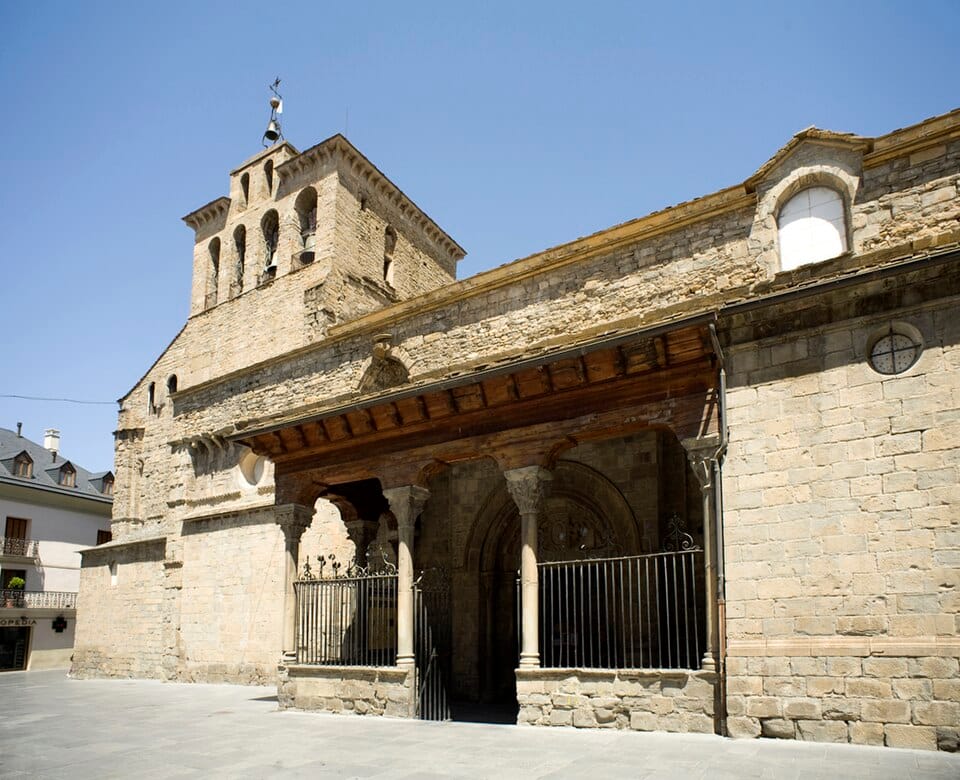
An 11th-century cathedral whose carved capitals and chrismon portal established a Romanesque style that spread across northern Spain.
Ciudadela de Jaca
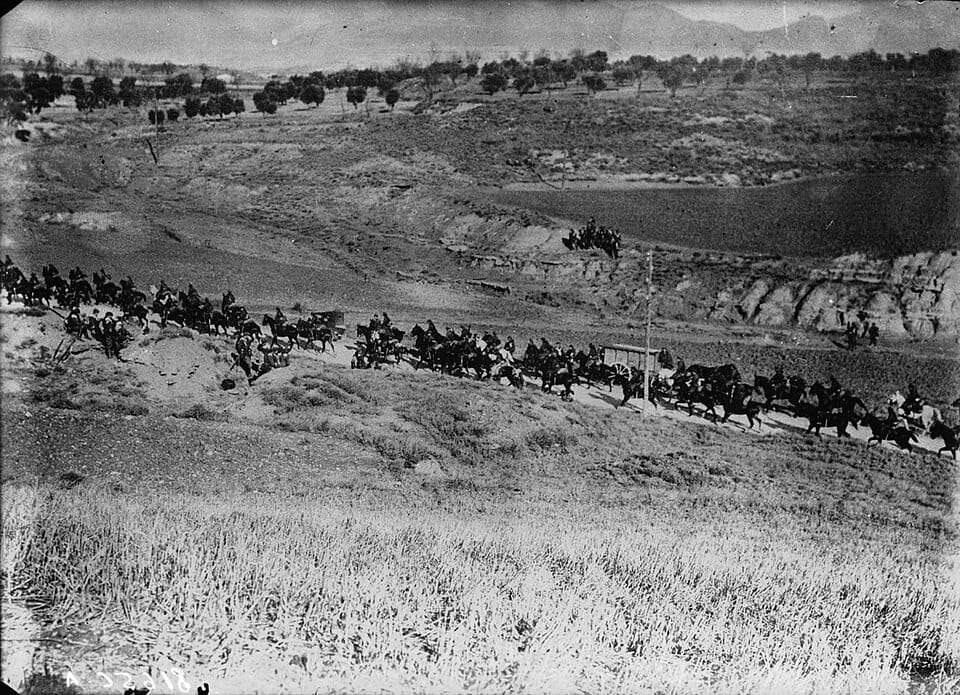
A pentagonal 16th-century fortress ringed by a moat, one of the best-preserved Renaissance military structures in Europe, with a still-active garrison museum.
Torre del Reloj
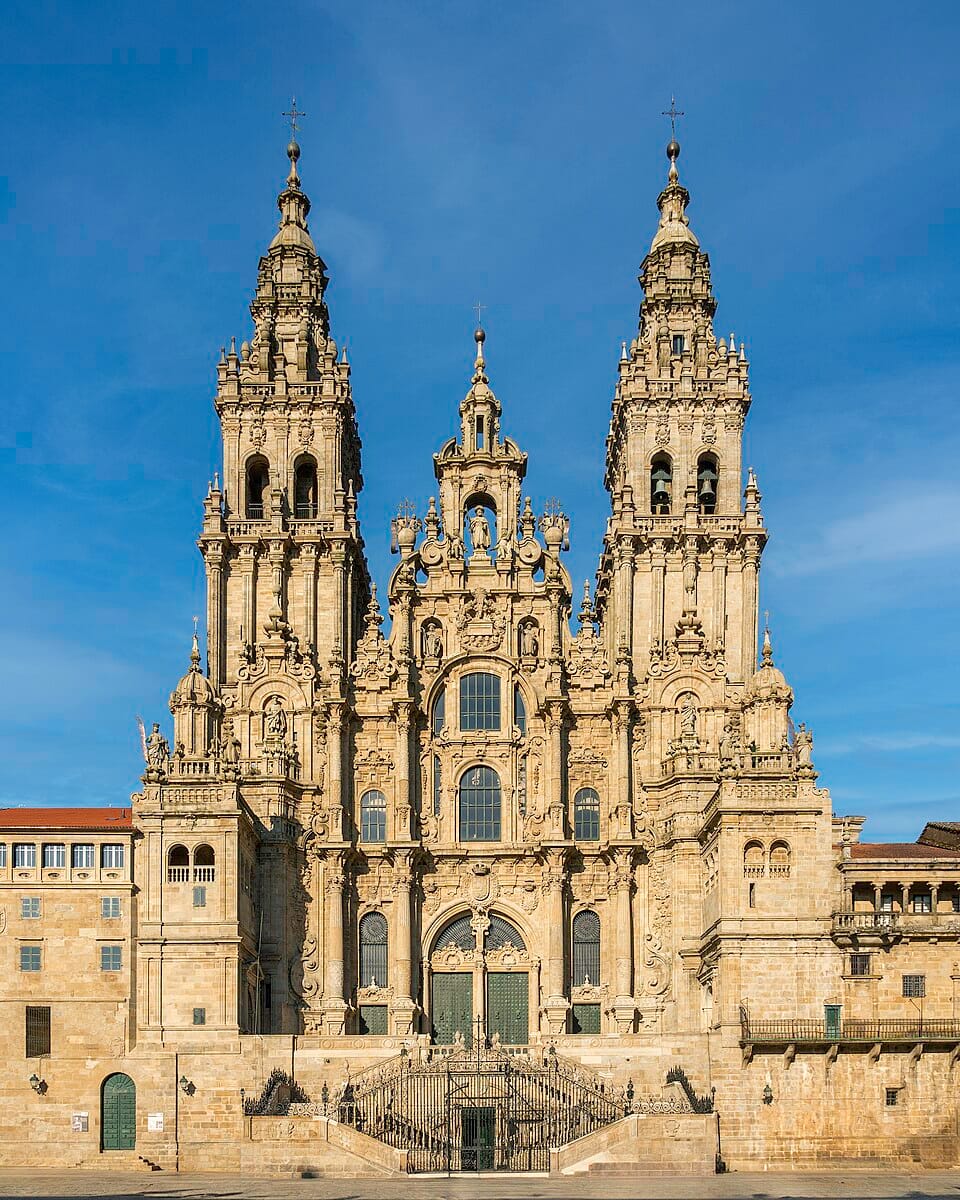
A medieval clock tower in the old town, once part of the earlier town hall, now a landmark on Jaca's main pedestrian street.
Museo Diocesano de Jaca
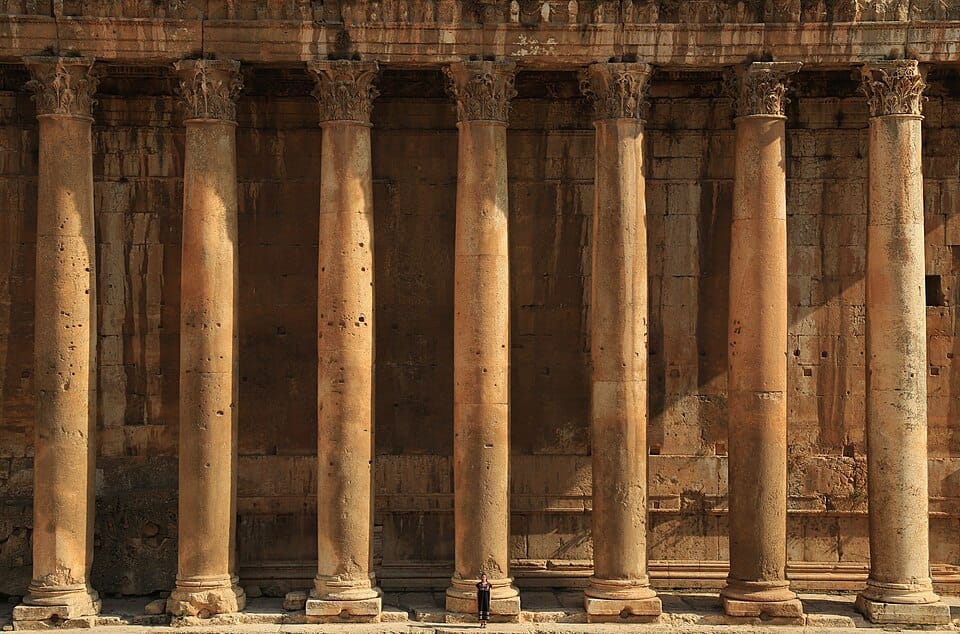
A museum in the cathedral cloister holding one of the most extensive collections of Romanesque mural paintings gathered from Pyrenean churches.
Puente la Reina
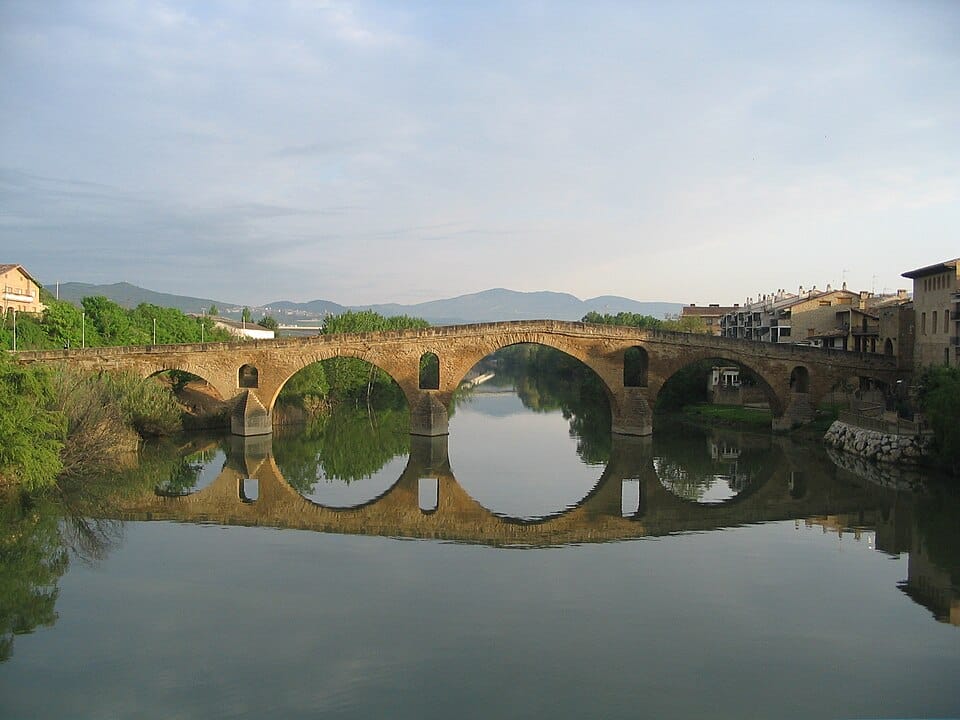
Puente la Reina is a small Navarre town where the Camino Francés and the Camino Aragonés converge into a single route toward Santiago, marked by a striking eleventh-century Romanesque bridge over the Río Arga. The town's name, meaning "the queen's bridge," refers to the medieval crossing built specifically to help pilgrims ford the river safely.
Top attractions in Puente la Reina
Puente Románico (Romanesque Bridge)
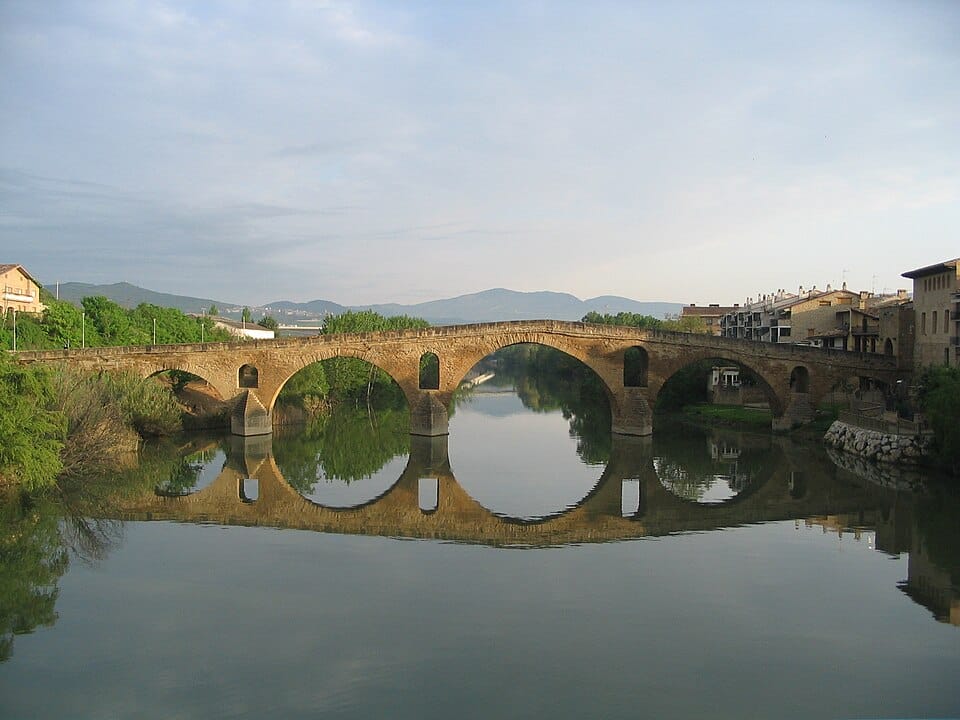
A seven-arched eleventh-century bridge over the Río Arga, built to carry pilgrims safely across the river and still the town's defining landmark.
Iglesia del Crucifijo
A twelfth-century church founded by the Knights Templar, notable for its unusual Y-shaped Gothic crucifix brought by German pilgrims.
Iglesia de Santiago
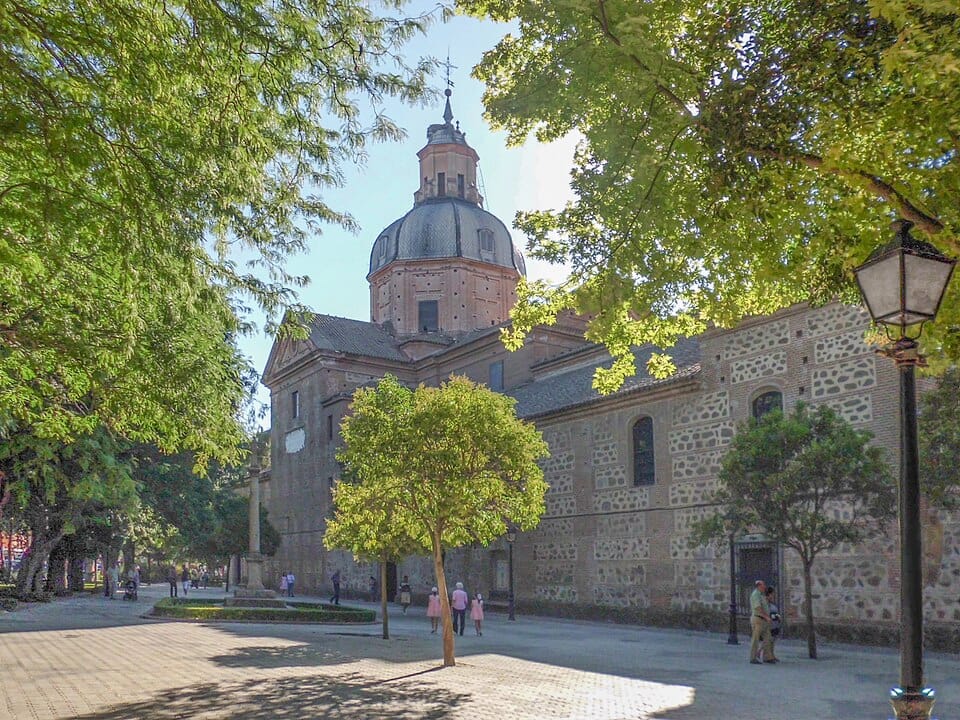
The town's main parish church on the pilgrim route, with a carved Romanesque portal and a venerated polychrome statue of Santiago Peregrino inside.
Calle Mayor
The narrow porticoed main street of the old town, lined with stone houses, coats of arms, and traditional pilgrim hostels leading to the bridge.
Iglesia de San Pedro
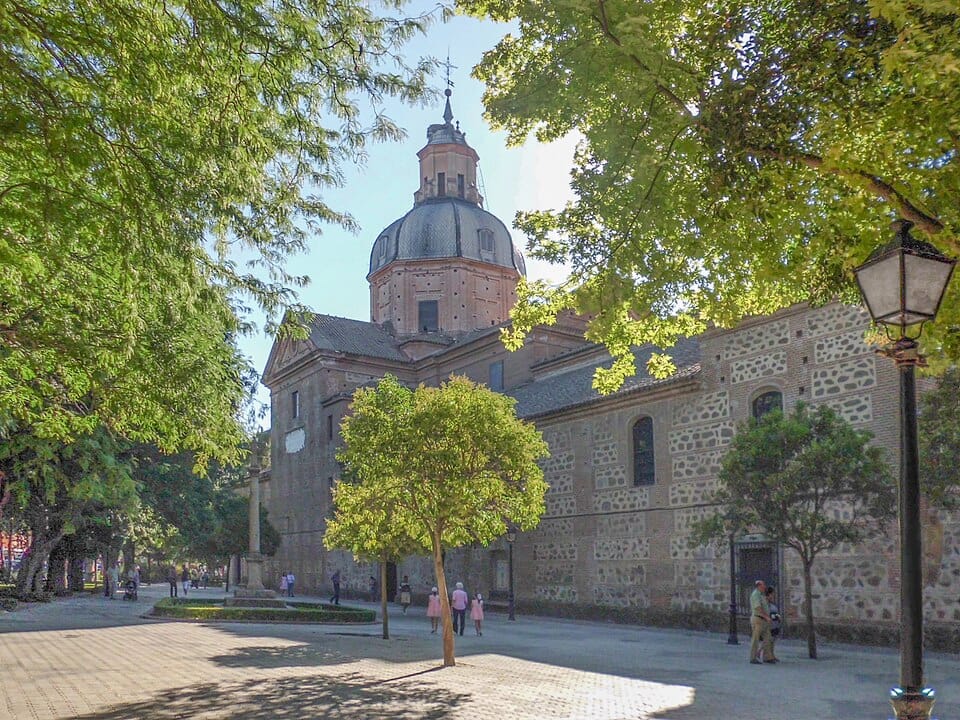
A parish church at the town's edge, near the bridgehead, known for its Gothic image of the Virgen del Puy carved in walnut.
Plan this route with EuroDrive Scout — tolls, vignettes, ZTL alerts, fuel & parking →