Naples & the Amalfi Coast: attractions & sights guide
A stop-by-stop guide to the best things to see along the Naples & the Amalfi Coast route — 5 destinations, their must-see sights and how to drive between them.
Plan this route with EuroDrive Scout — tolls, vignettes, ZTL alerts, fuel & parking →
Naples
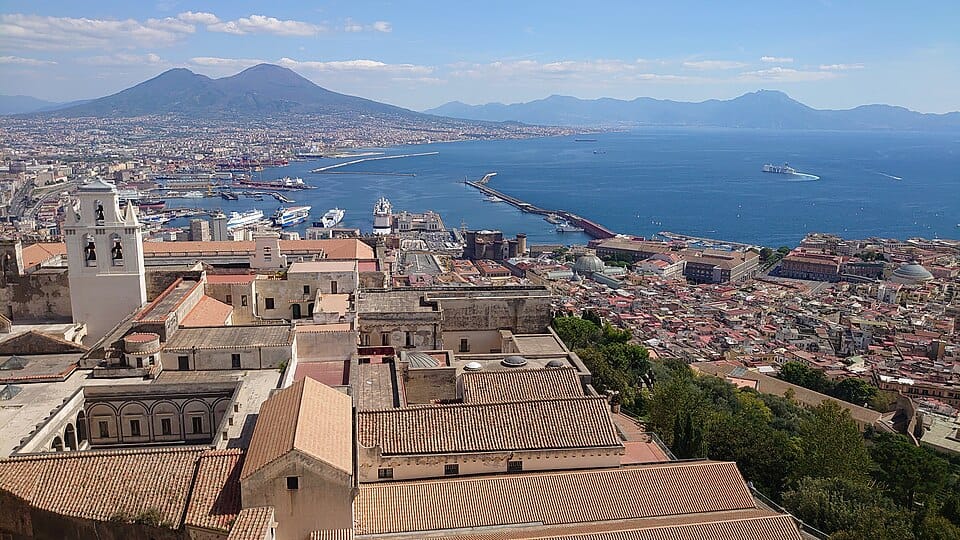
Naples is southern Italy's largest city, a dense port metropolis founded by Greek settlers nearly 2,800 years ago and later a Roman resort, a Spanish viceregal capital, and the seat of the Kingdom of the Two Sicilies. Its historic center is a UNESCO World Heritage site, packed with baroque churches, narrow lanes, and street life, and the city is the birthplace of pizza and a major hub for Italian coffee culture.
Top attractions in Naples
Naples Historic Center
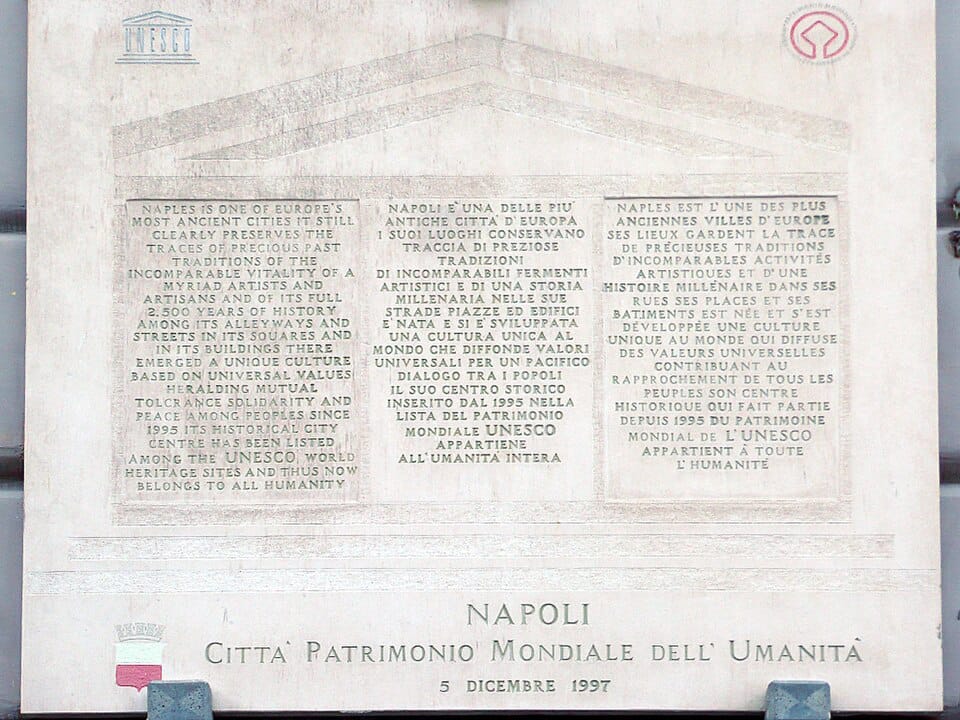
One of the largest and oldest historic centers in Europe, a UNESCO World Heritage site with layers of Greek, Roman, medieval, and baroque architecture along narrow, atmospheric streets.
Naples Cathedral (Duomo di San Gennaro)
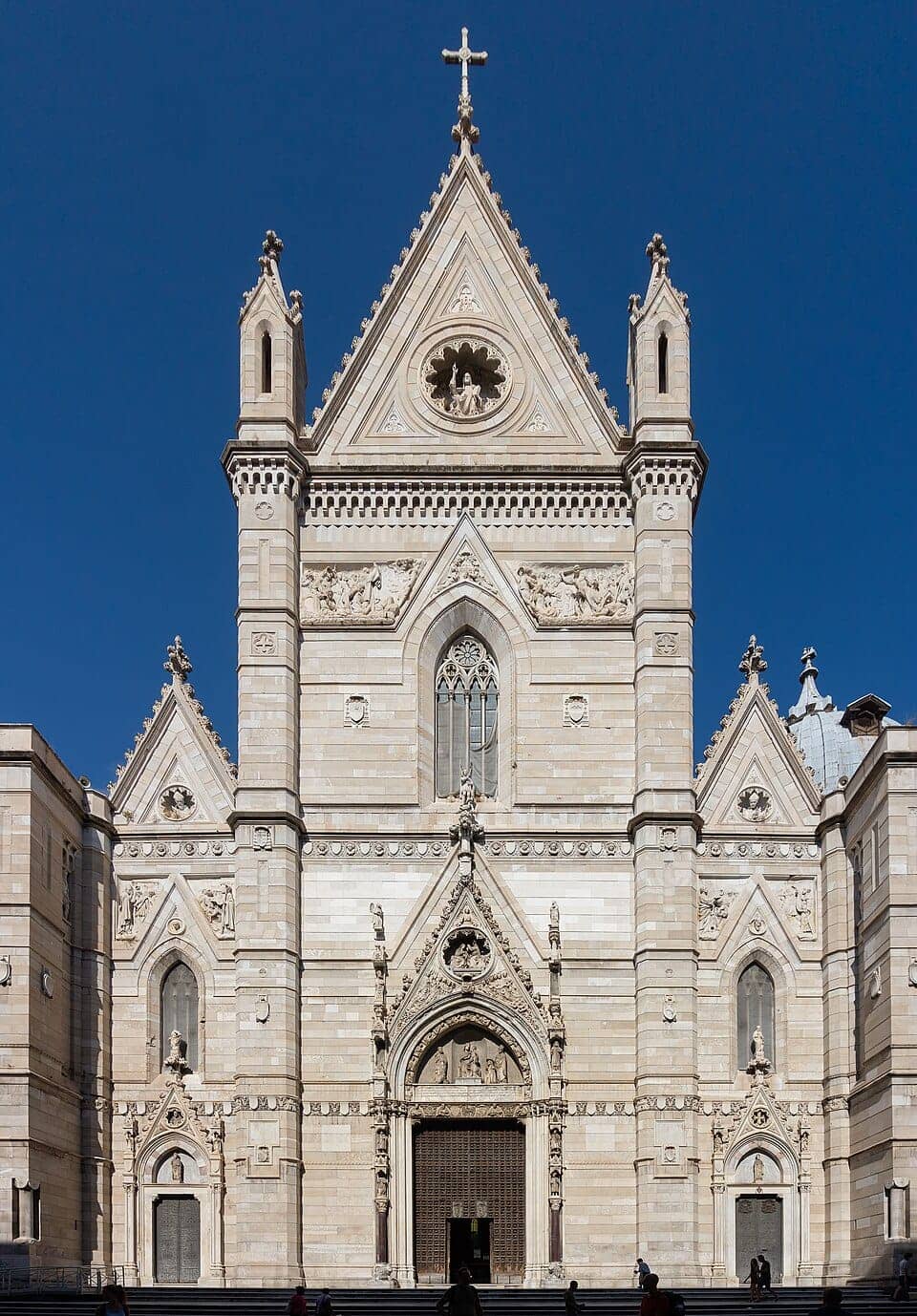
The city's main cathedral, dedicated to patron saint Januarius, famous for the twice-yearly ceremony in which his relic of dried blood is said to liquefy.
Naples National Archaeological Museum
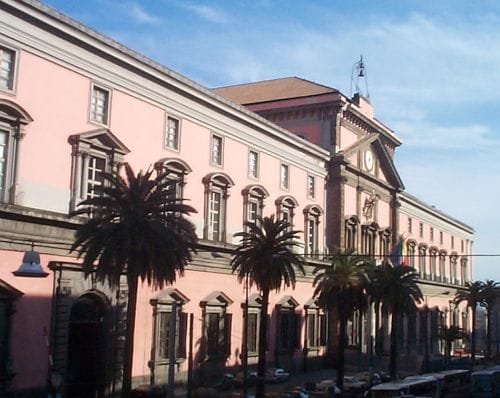
One of the world's most important archaeology museums, holding the finest mosaics, frescoes, and sculptures excavated from Pompeii and Herculaneum.
Spaccanapoli
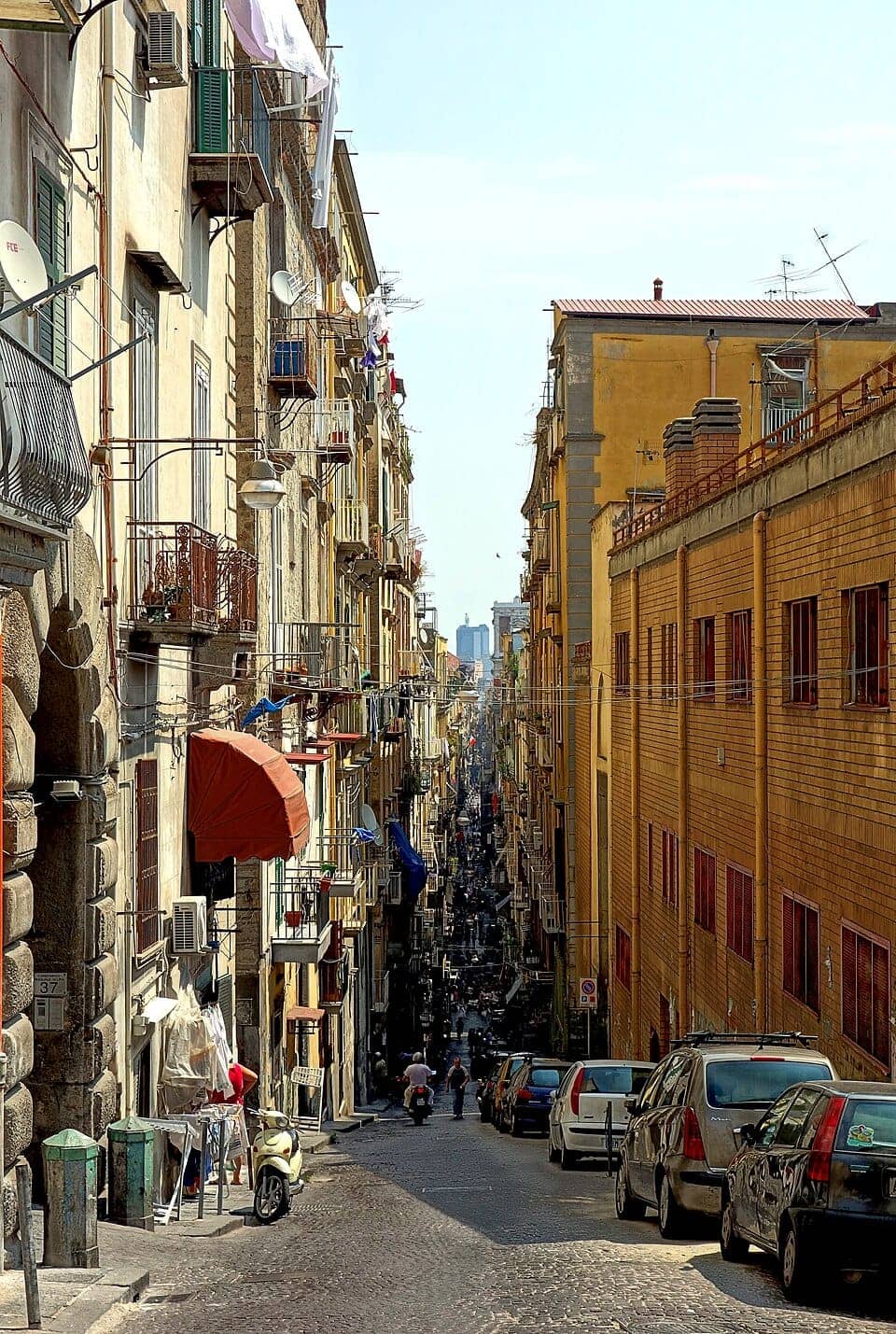
The dead-straight street that visually splits the old city in two, following the layout of the original Greek and Roman street grid and lined with shops, churches, and street food stalls.
Castel dell'Ovo
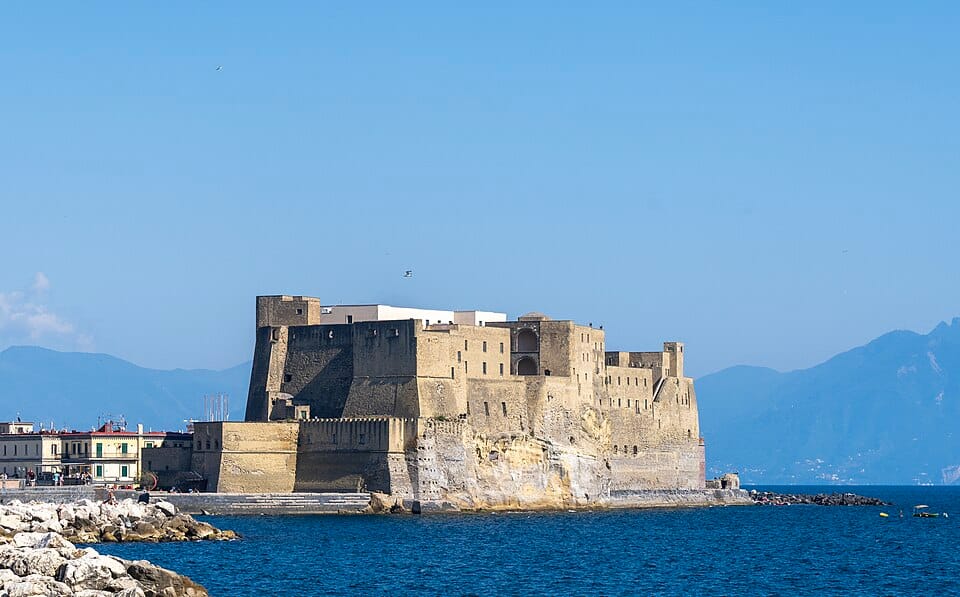
Naples' oldest standing fortification, built on a small islet in the bay and connected to the mainland by a causeway, with sweeping views over the water toward Vesuvius.
Quartieri Spagnoli
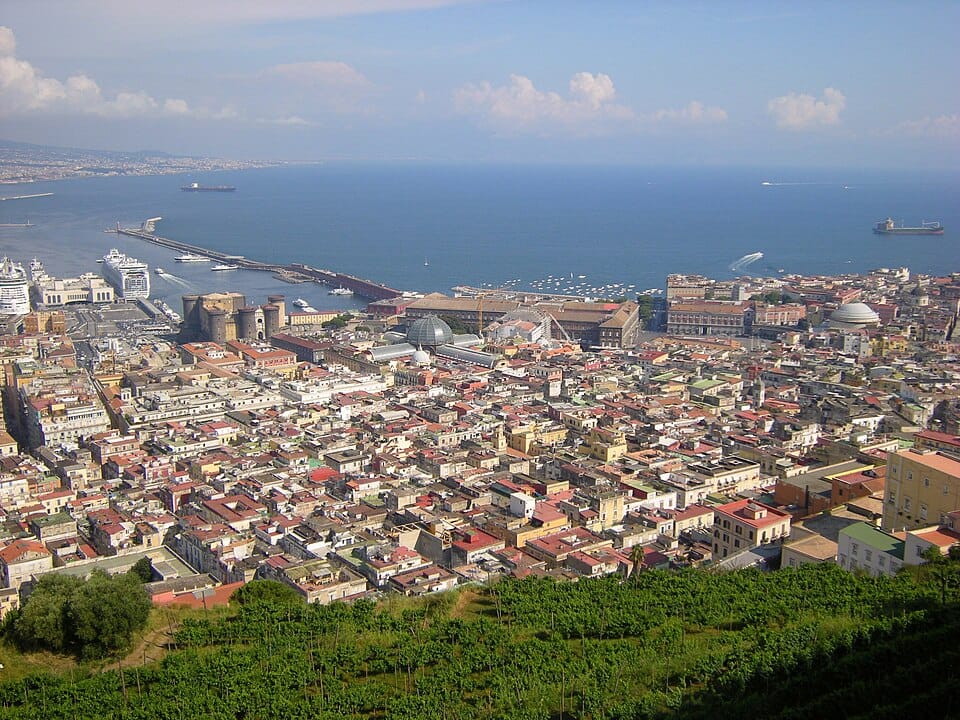
A dense grid of narrow streets built in the 16th century to house Spanish garrison troops, now known for laundry-strung balconies, street murals, and some of the city's most authentic trattorias.
Pompeii
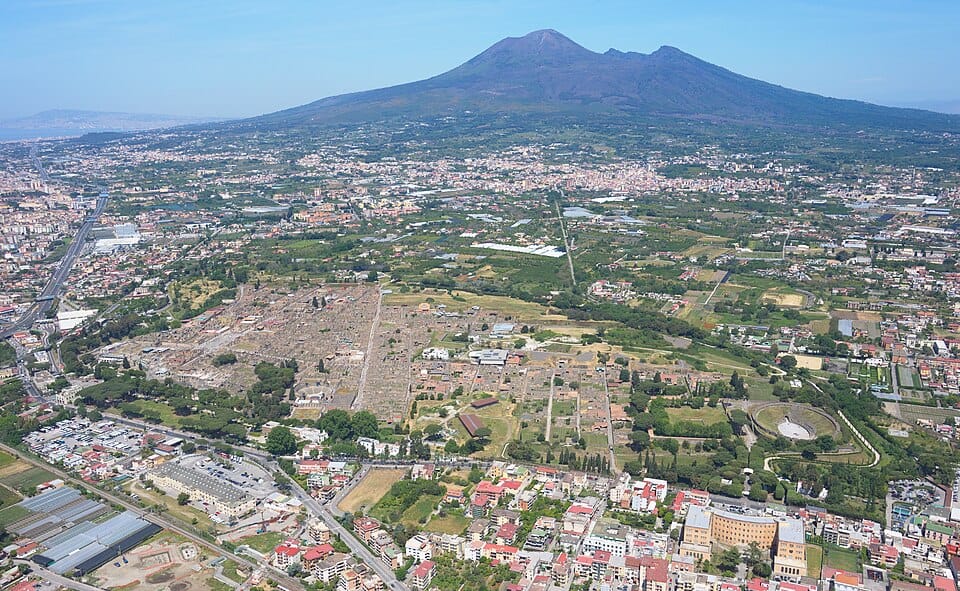
Pompeii was a thriving Roman city buried under volcanic ash and pumice when Mount Vesuvius erupted in AD 79, killing many residents and sealing streets, houses, and public buildings beneath the debris for over 1,600 years. Rediscovered in the 18th century, it is now one of the most extensive and best-preserved archaeological sites in the world, offering an unusually direct view of daily Roman life.
Top attractions in Pompeii
Pompeii Archaeological Park
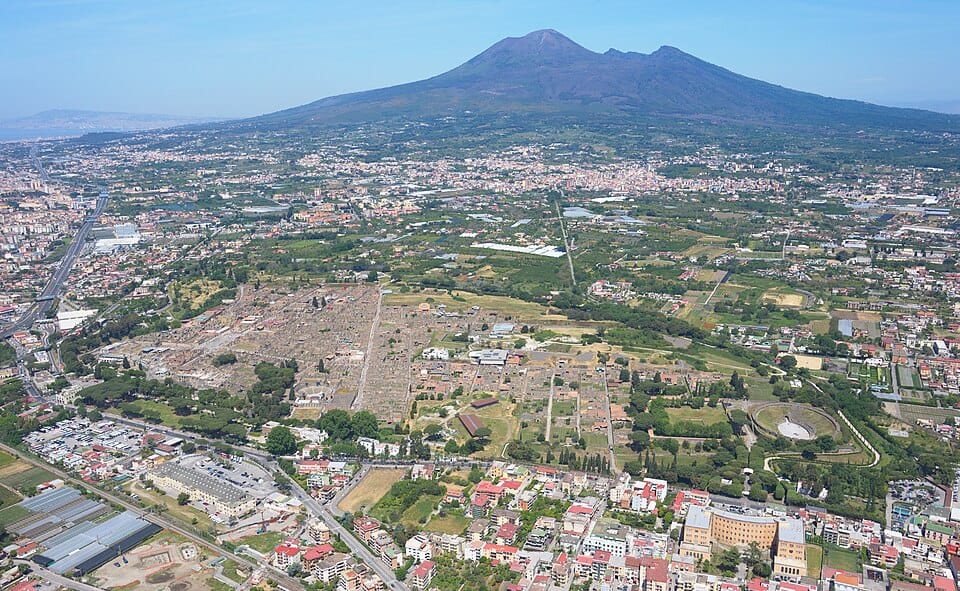
The full excavated city, covering roughly 44 hectares of streets, houses, temples, and shops laid out on the original Roman grid.
Forum of Pompeii
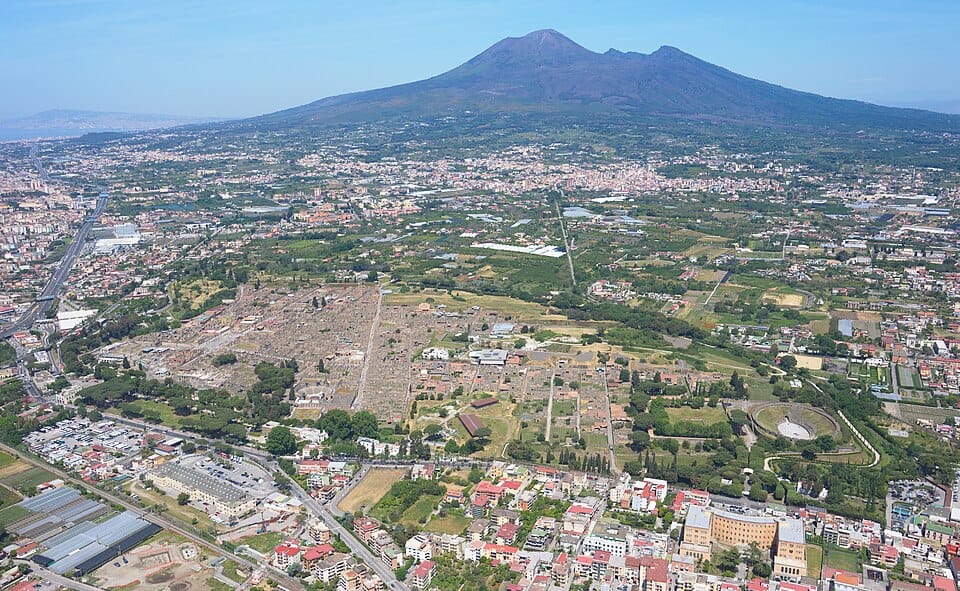
The rectangular civic and religious center of the city, once lined with colonnades and flanked by the Temple of Jupiter, with a direct view of Vesuvius framed at one end.
House of the Faun
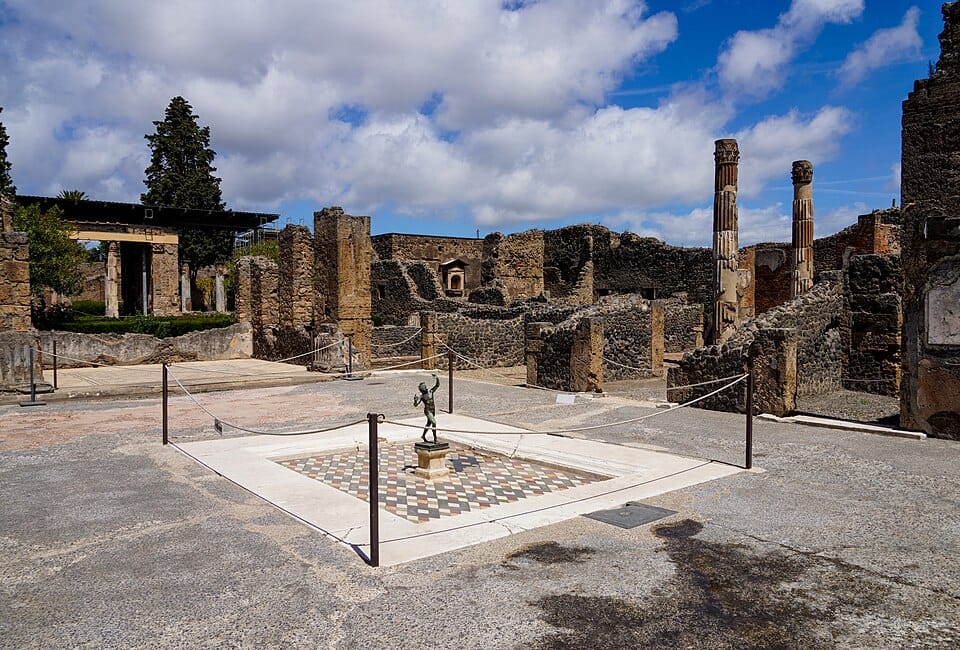
One of the largest and richest private residences in Pompeii, named for its bronze statuette and famous as the original find site of the Alexander Mosaic.
Amphitheatre of Pompeii
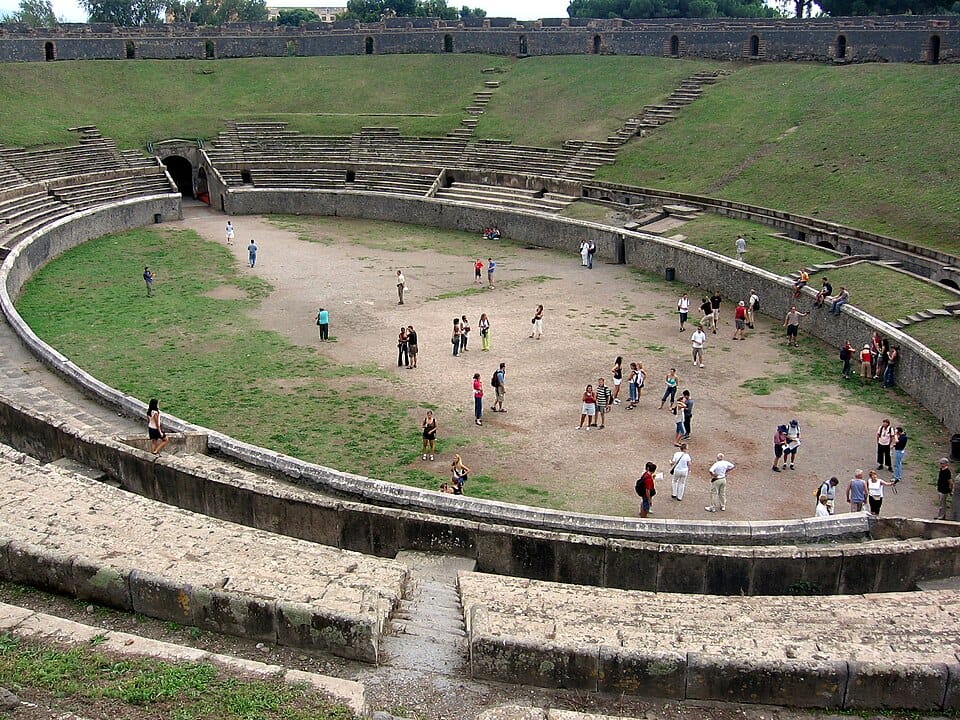
The oldest surviving Roman amphitheater known, built around 70 BC and capable of holding roughly 20,000 spectators for gladiator contests.
Garden of the Fugitives
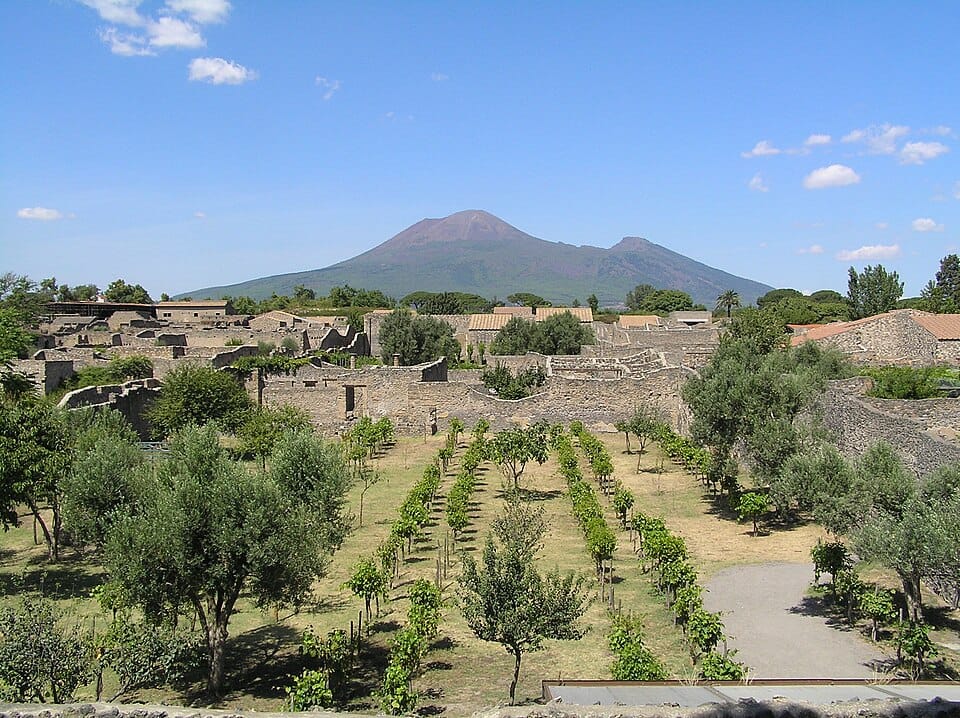
A vineyard area where plaster casts of victims, made by pouring plaster into the voids left by decomposed bodies in the ash, show the final moments of people trying to flee the eruption.
Villa of the Mysteries
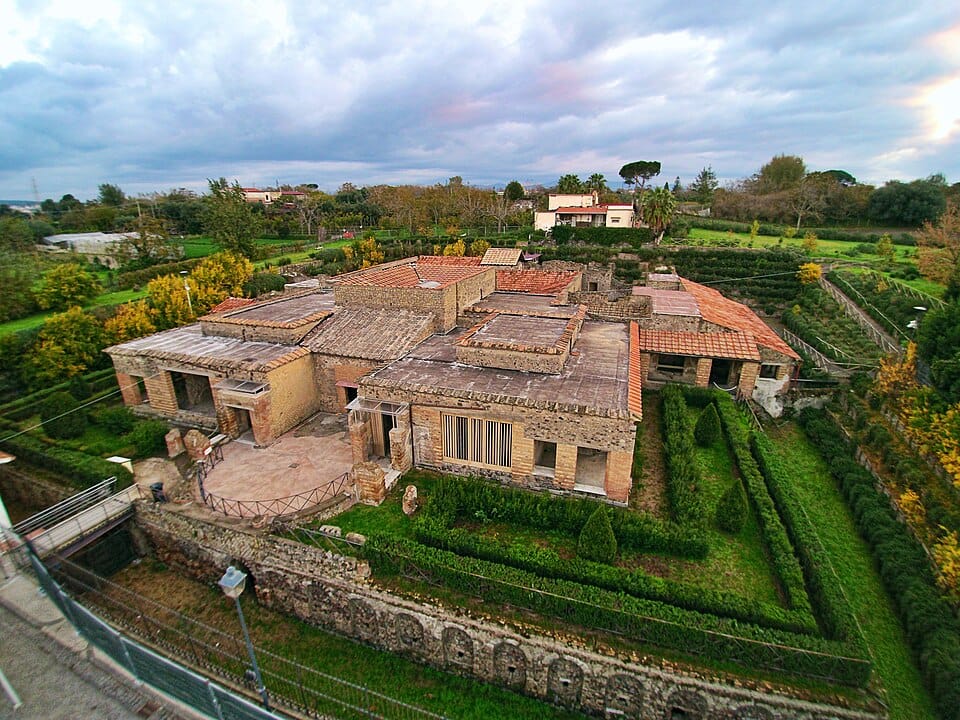
A well-preserved suburban villa just outside the city walls, famous for a nearly complete cycle of large frescoes believed to depict a ritual initiation into a Dionysiac mystery cult.
Sorrento
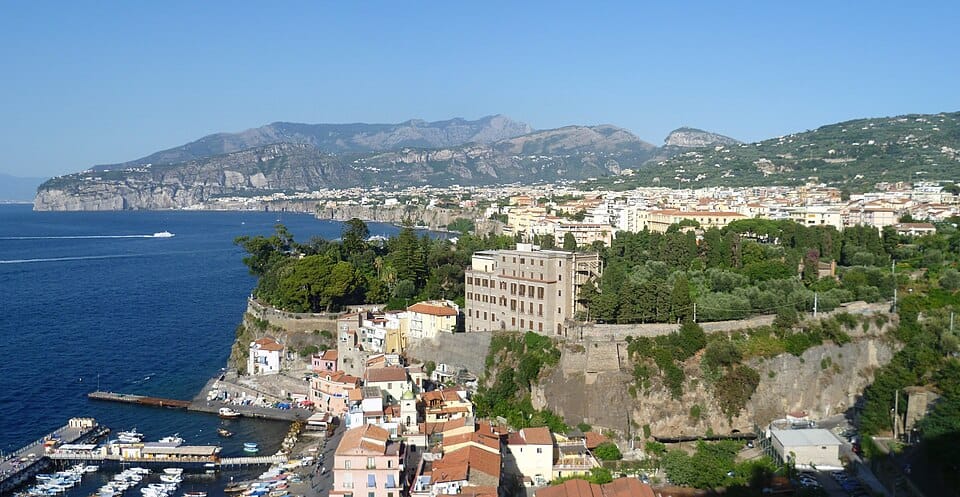
Sorrento is a resort town perched on tall volcanic cliffs at the northern tip of the Sorrentine Peninsula, overlooking the Bay of Naples with views across to Vesuvius and Naples itself. It has drawn travelers since the Grand Tour era for its mild climate, lemon groves, and old-town lanes built on the layout of the original Greek and Roman settlement, and it remains famous for limoncello and inlaid wood craftsmanship.
Top attractions in Sorrento
Piazza Tasso
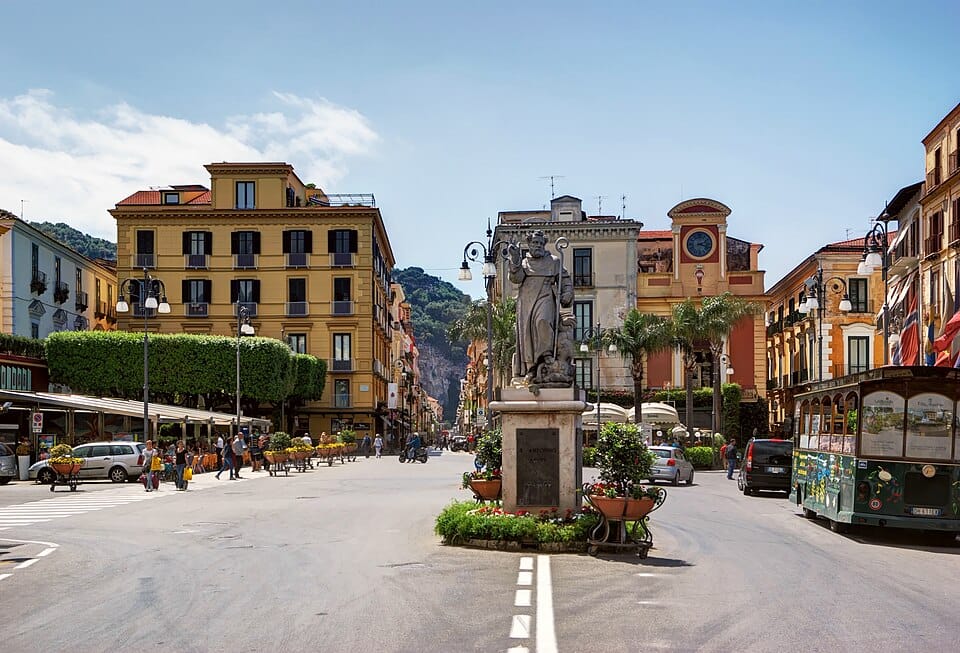
The lively main square of Sorrento, ringed by cafés and named for the Renaissance poet Torquato Tasso, who was born in the town.
Sorrento Cathedral
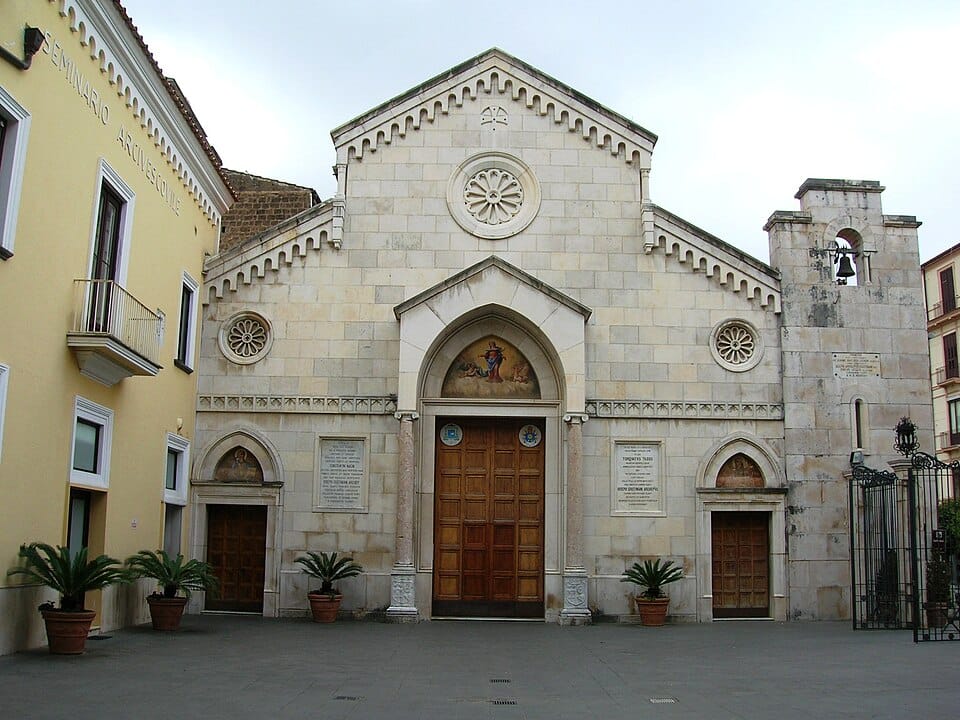
The town's cathedral, rebuilt over centuries and notable for its marble bishop's throne and wooden choir stalls made using the local inlaid-wood tradition known as intarsia.
Marina Grande
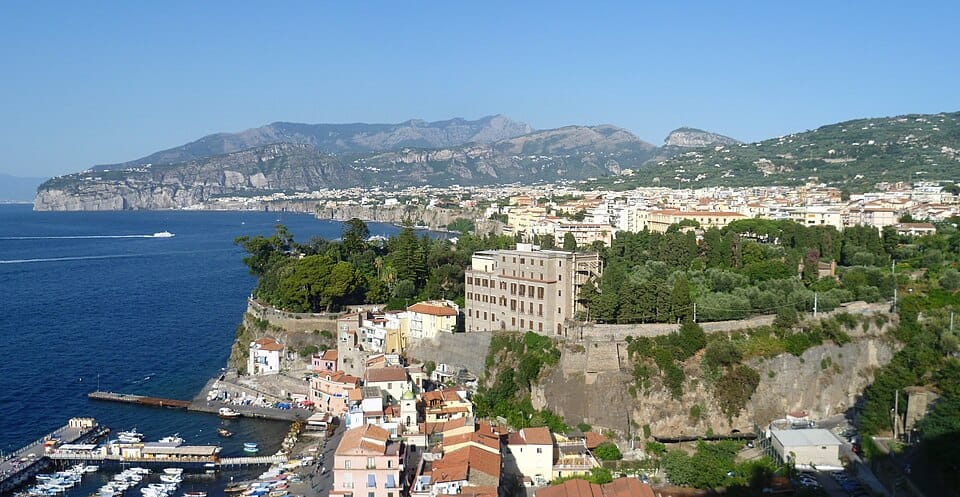
A working fishing harbor below the cliffs, distinct from the ferry port, with pastel houses, small trattorias, and boats pulled up on a narrow pebble beach.
Villa Comunale Gardens
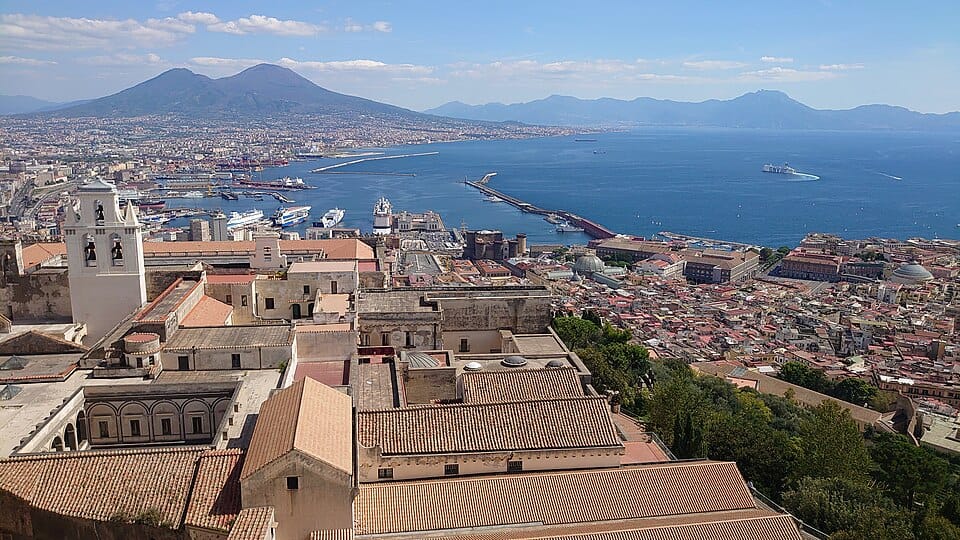
A small clifftop public park next to the historic center offering wide views over the bay to Vesuvius and connecting by lift to Marina Piccola below.
Museo Correale di Terranova
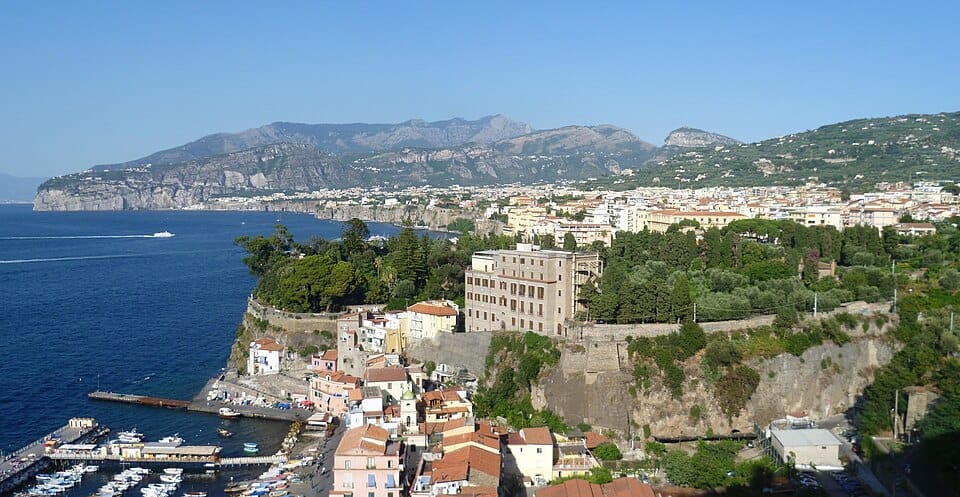
An 18th-century villa turned museum, housing Neapolitan paintings, porcelain, and antique furniture set within gardens overlooking the bay.
Positano
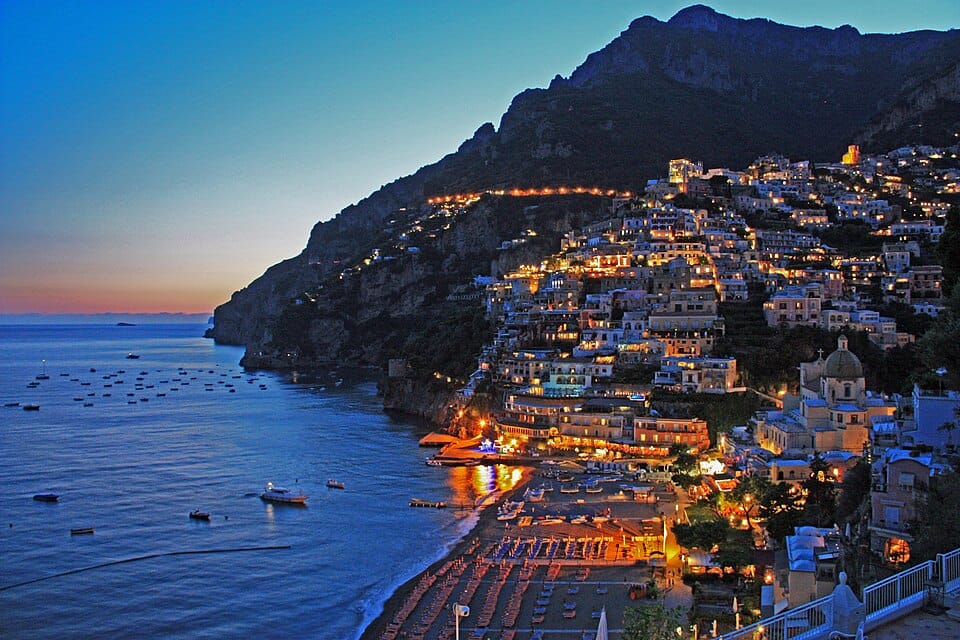
Positano is a steeply vertical village on the Amalfi Coast, its pastel houses stacked up a cliffside above a small beach and harbor in a way that has made it one of the most photographed towns in Italy. Once a modest fishing village, it grew into a fashionable retreat after World War II and remains known for its cliffside architecture, ceramics, and handmade sandals.
Top attractions in Positano
Spiaggia Grande
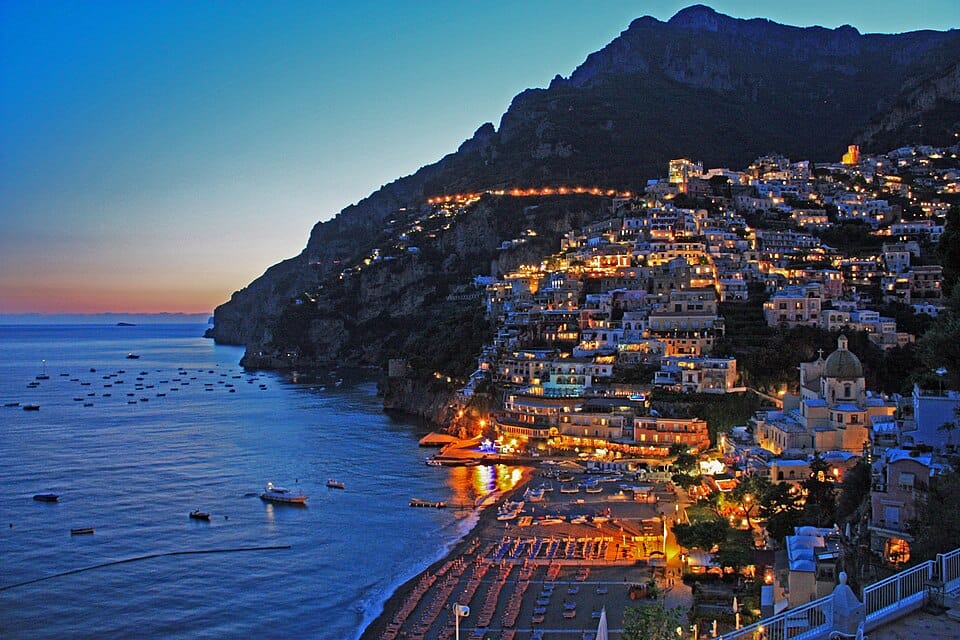
Positano's main beach, a curved strip of grey sand directly below the town, lined with restaurants, boat rentals, and the classic postcard view of stacked houses above.
Church of Santa Maria Assunta
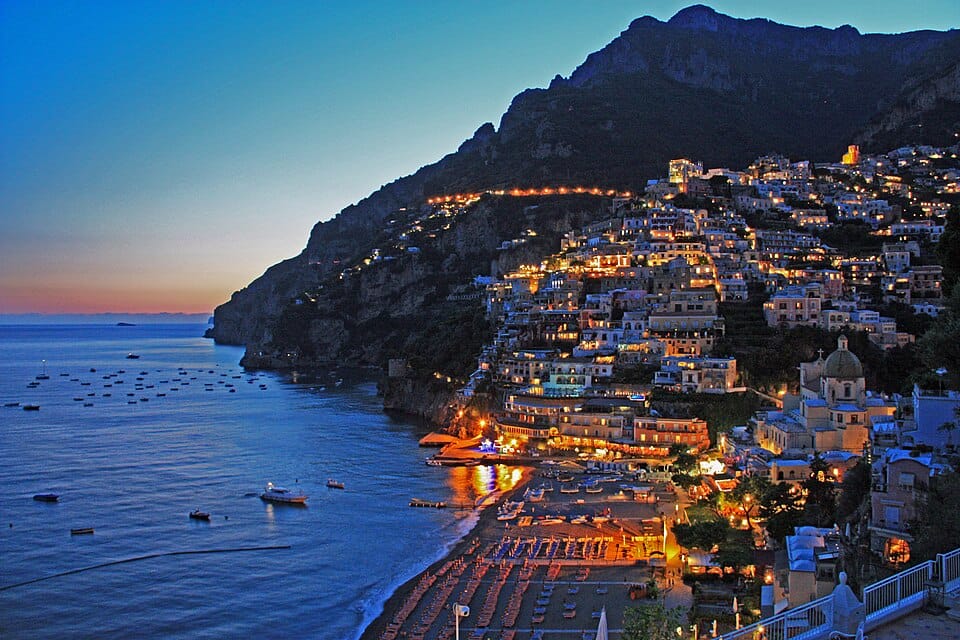
The town's main church, easily spotted from the beach by its majolica-tiled dome, home to a Byzantine icon of a black Madonna venerated as the town's protector.
Path of the Gods
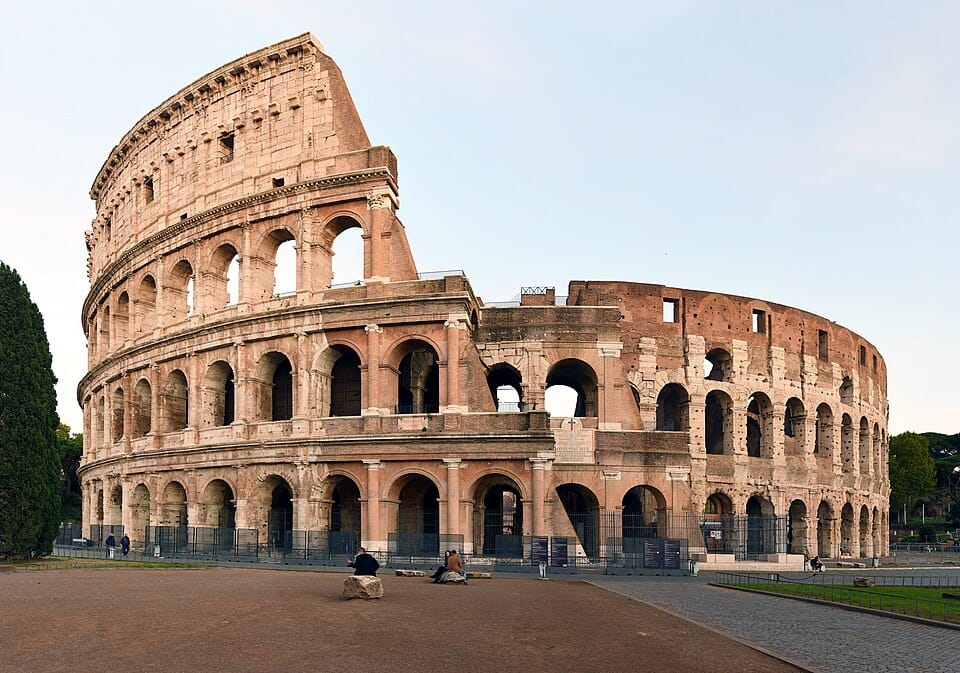
A high coastal hiking trail above Positano with sweeping views over the Amalfi Coast and the island of Capri, popular as a half-day trek starting near Bomerano.
Fornillo Beach
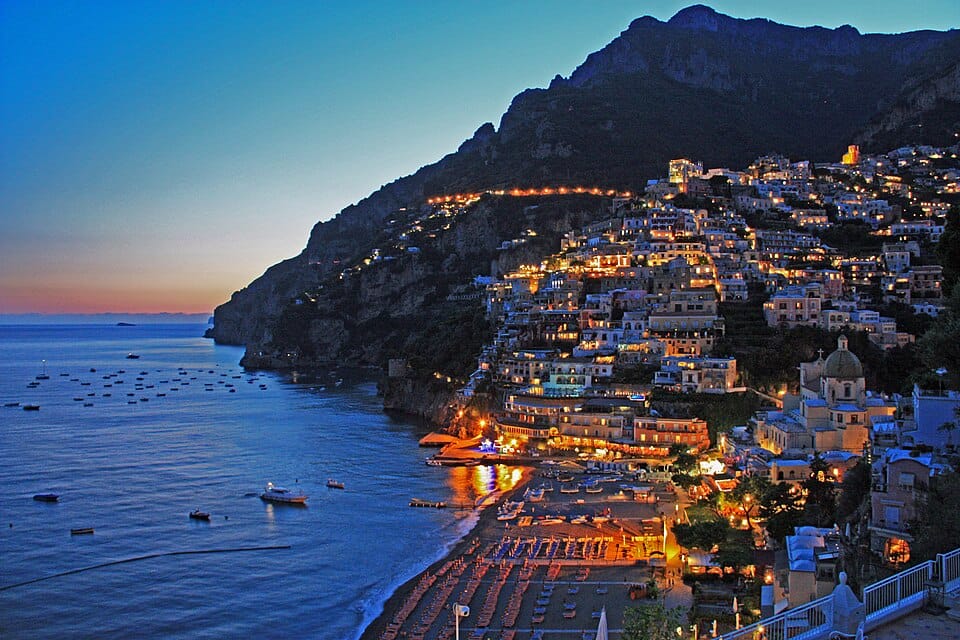
A quieter beach reached by a short seafront path from Spiaggia Grande, backed by a watchtower and offering a calmer alternative to the busier main beach.
Li Galli Islands (viewpoint)
A small archipelago visible offshore from Positano, linked in legend to the Sirens of the Odyssey and once owned by the ballet dancer Rudolf Nureyev.
Amalfi
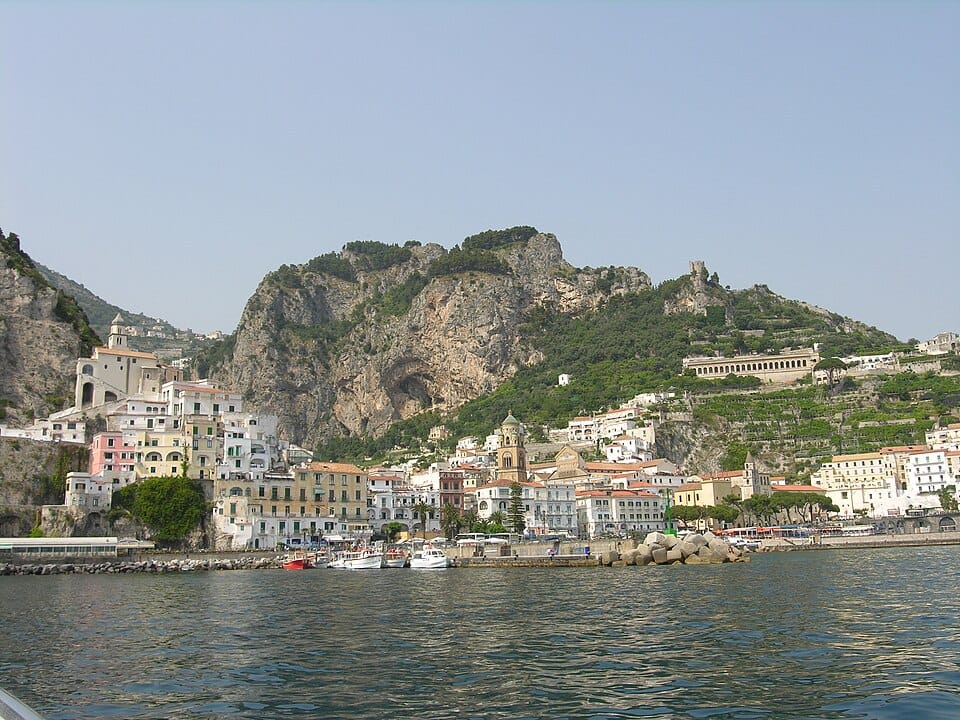
Amalfi is the historic town that gives the coast its name, a former maritime republic that rivaled Venice and Genoa in the medieval Mediterranean before losing power to a series of storms and political shifts. Its compact center is built around a cathedral square reached from the water by a monumental staircase, and the town remains known for handmade paper, limoncello, and the deep coastal ravine landscape around it.
Top attractions in Amalfi
Amalfi Cathedral (Duomo di Sant'Andrea)
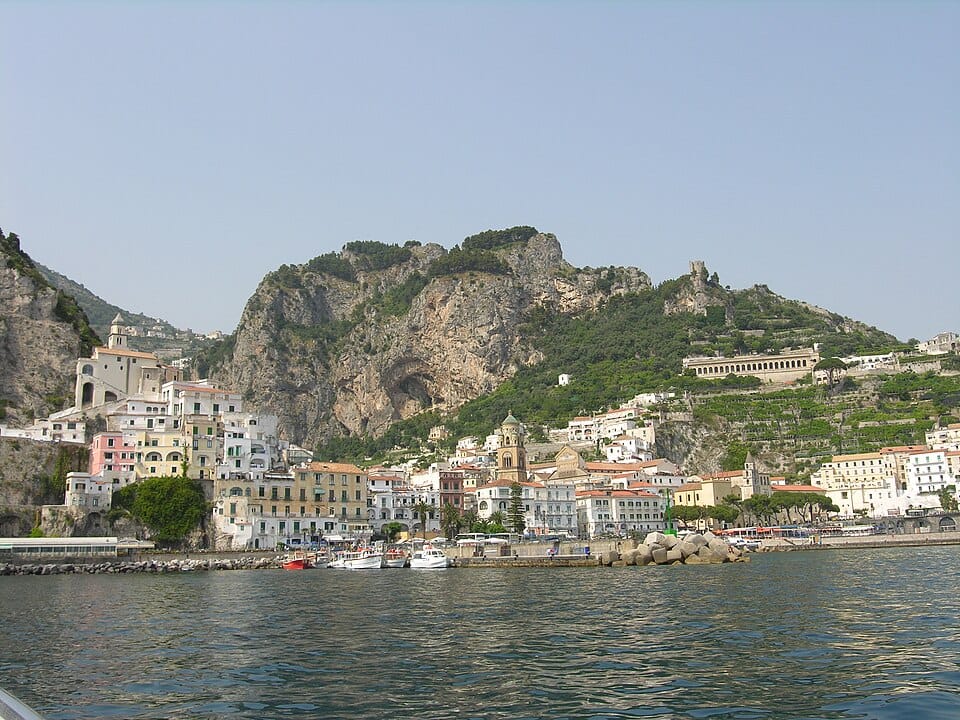
A striped Arab-Norman cathedral reached by a steep staircase from the main piazza, housing relics of St. Andrew the Apostle and connected to a striking cloister known as the Paradise Garden.
Museum of Handmade Paper (Museo della Carta)
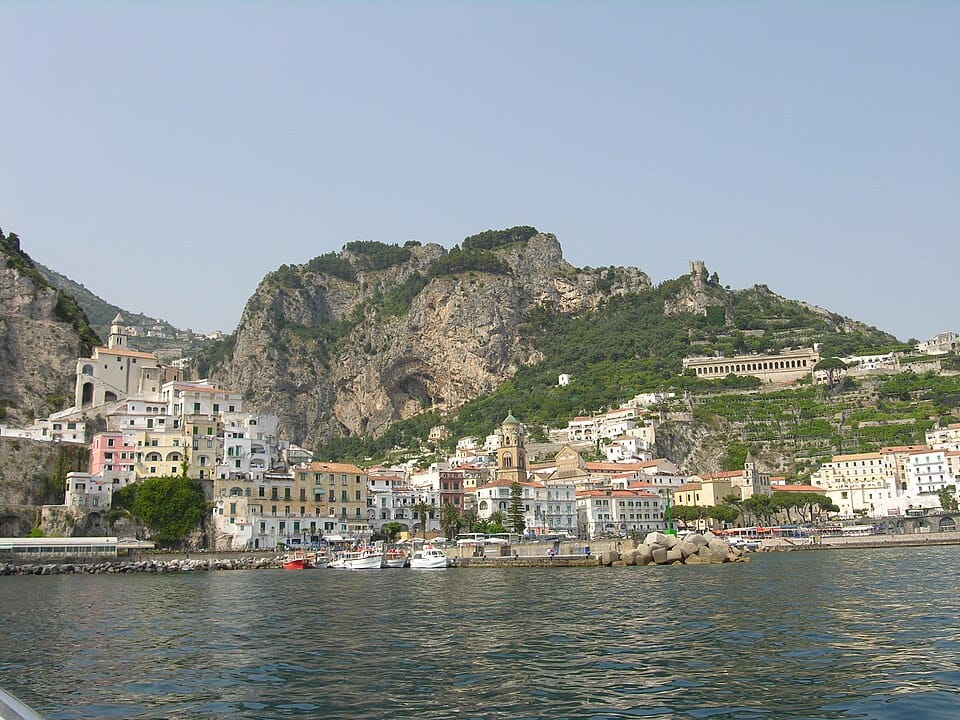
A working museum in a converted 13th-century paper mill, explaining Amalfi's centuries-old tradition of handmade cotton paper using original machinery still driven by the local river.
Piazza del Duomo
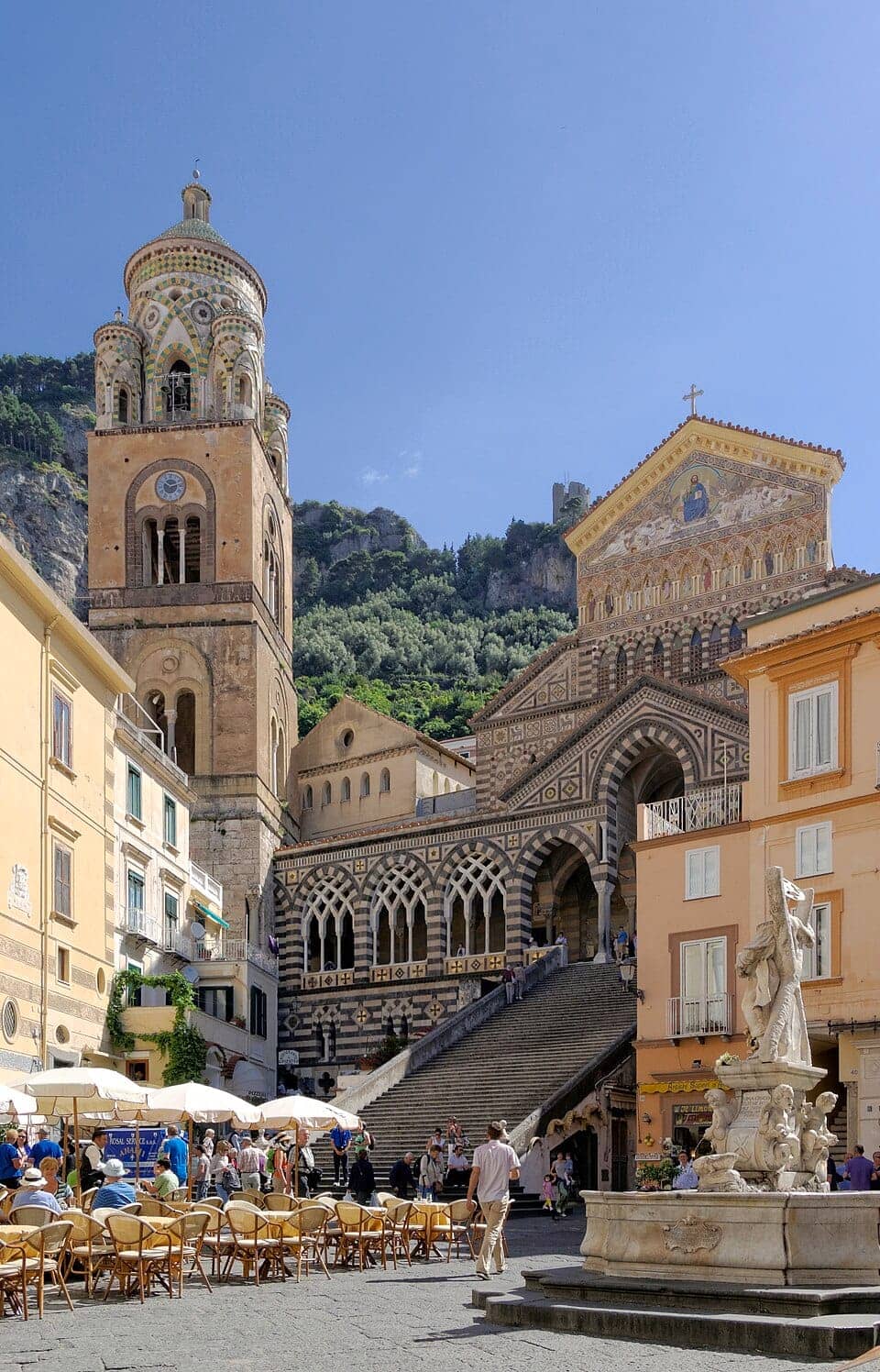
The bustling main square at the heart of Amalfi, framed by the cathedral staircase and lined with cafés, granita stands, and shops selling local ceramics and limoncello.
Grotta dello Smeraldo
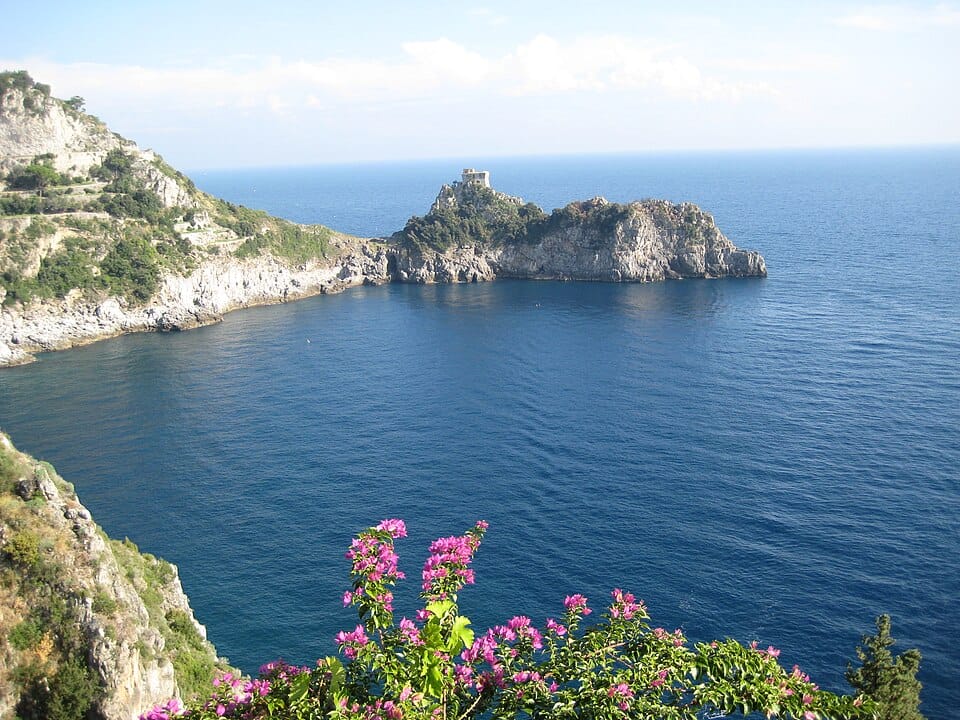
A partially submerged sea cave a short drive west of Amalfi, named for the vivid emerald-green light that fills the water when sunlight filters through an underwater opening.
Valle delle Ferriere
A lush protected ravine north of town, dotted with waterfalls and the ruins of medieval paper mills and iron forges, and reachable on a well-marked hiking trail.
Plan this route with EuroDrive Scout — tolls, vignettes, ZTL alerts, fuel & parking →