Poland: Warsaw & Kraków: attractions & sights guide
A stop-by-stop guide to the best things to see along the Poland: Warsaw & Kraków route — 5 destinations, their must-see sights and how to drive between them.
Plan this route with EuroDrive Scout — tolls, vignettes, ZTL alerts, fuel & parking →
Warsaw
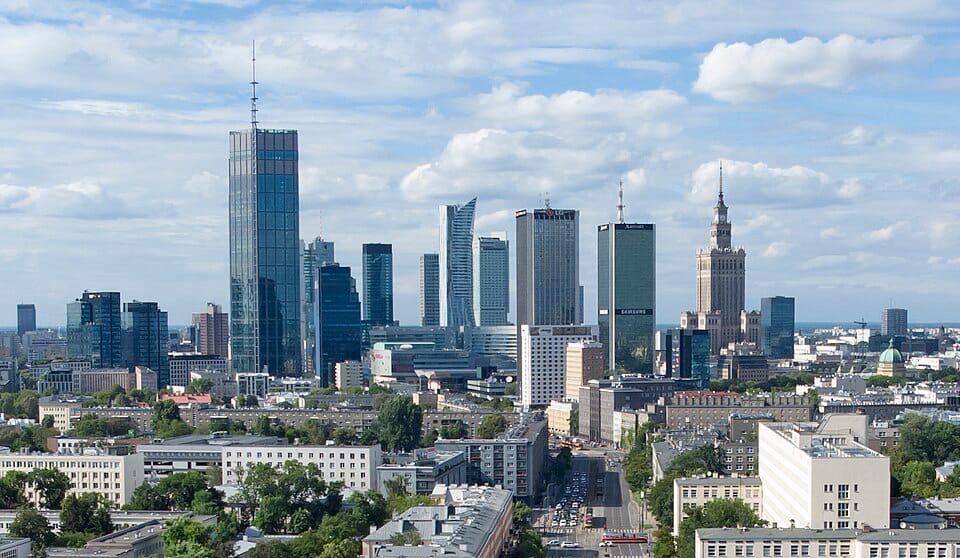
Warsaw is Poland's capital and largest city, rebuilt almost entirely after being flattened during the Second World War. The meticulously reconstructed Old Town, a UNESCO World Heritage Site, sits alongside a modern skyline of glass towers, making the city a study in contrasts between historic reconstruction and contemporary ambition.
Top attractions in Warsaw
Warsaw Old Town
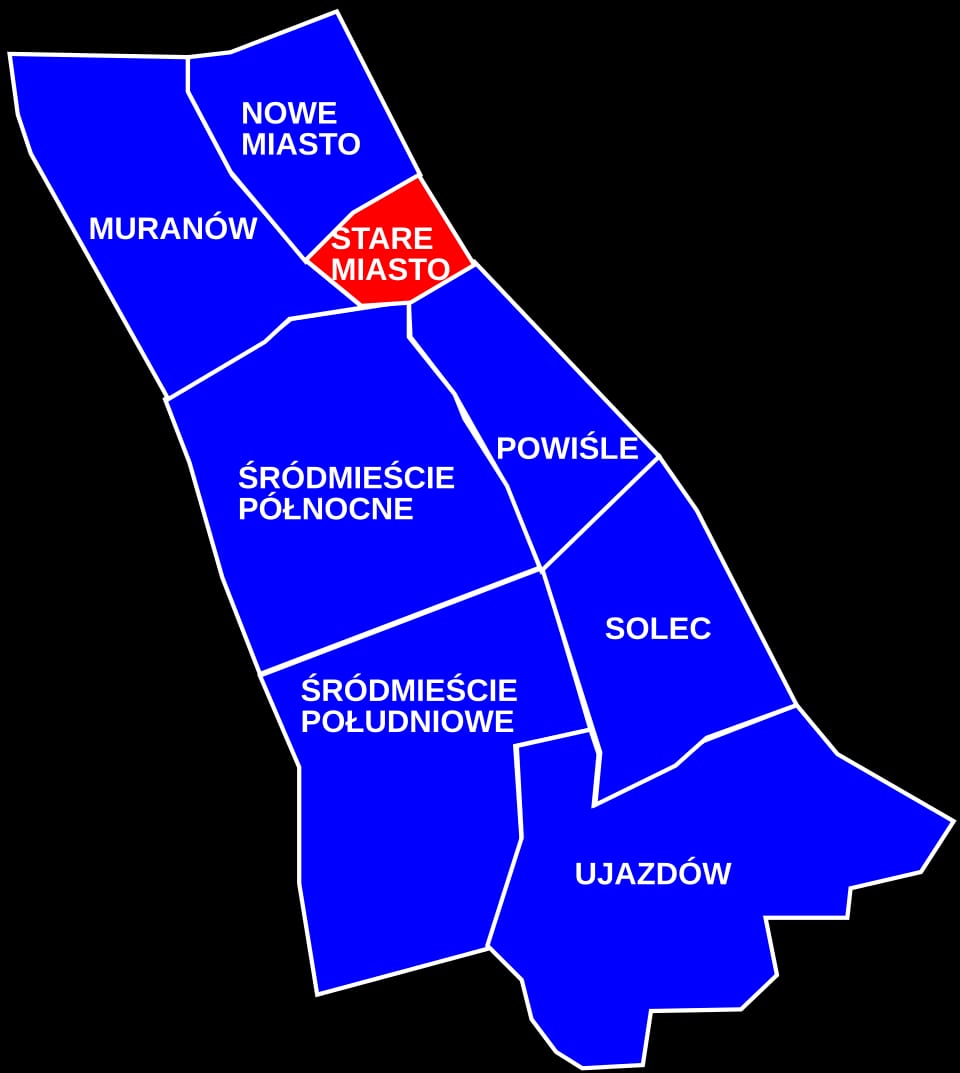
A colorful market square and medieval street plan rebuilt brick by brick after 1945 using pre-war paintings and photographs as a guide.
Royal Castle
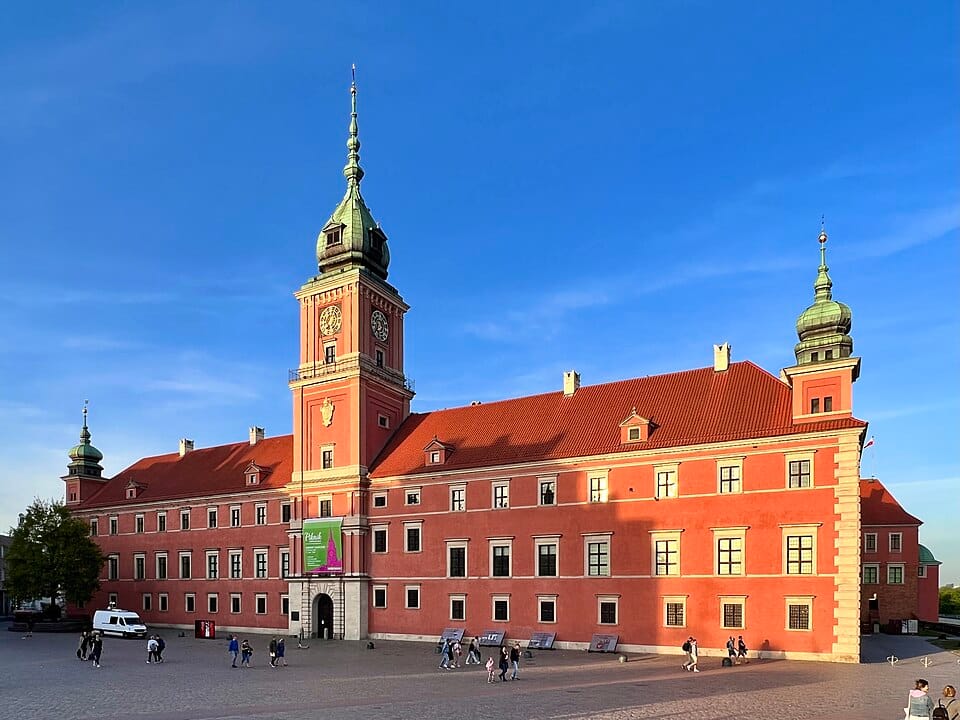
The former royal residence and seat of Polish monarchs, destroyed in the war and reconstructed as a symbol of national resilience, now a museum of period interiors and art.
Łazienki Park
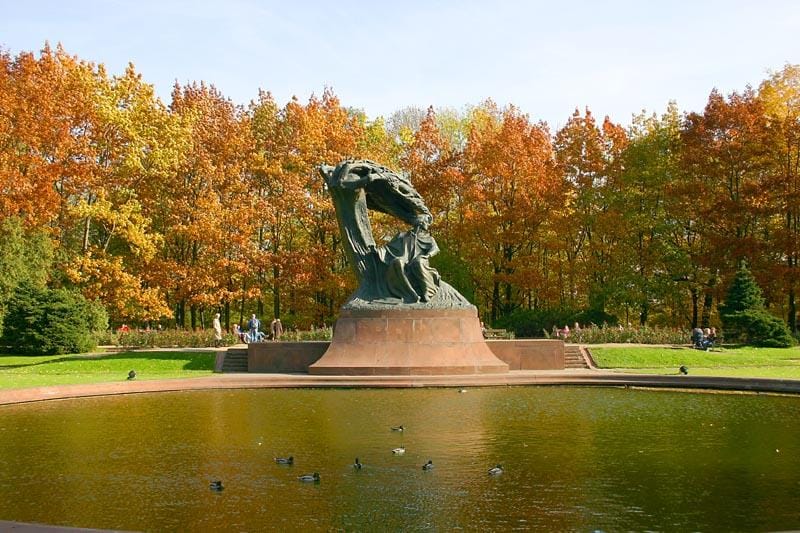
A landscaped royal park built around a neoclassical Palace on the Isle, with peacocks roaming the grounds and open-air Chopin piano recitals held beside his monument in summer.
Palace of Culture and Science
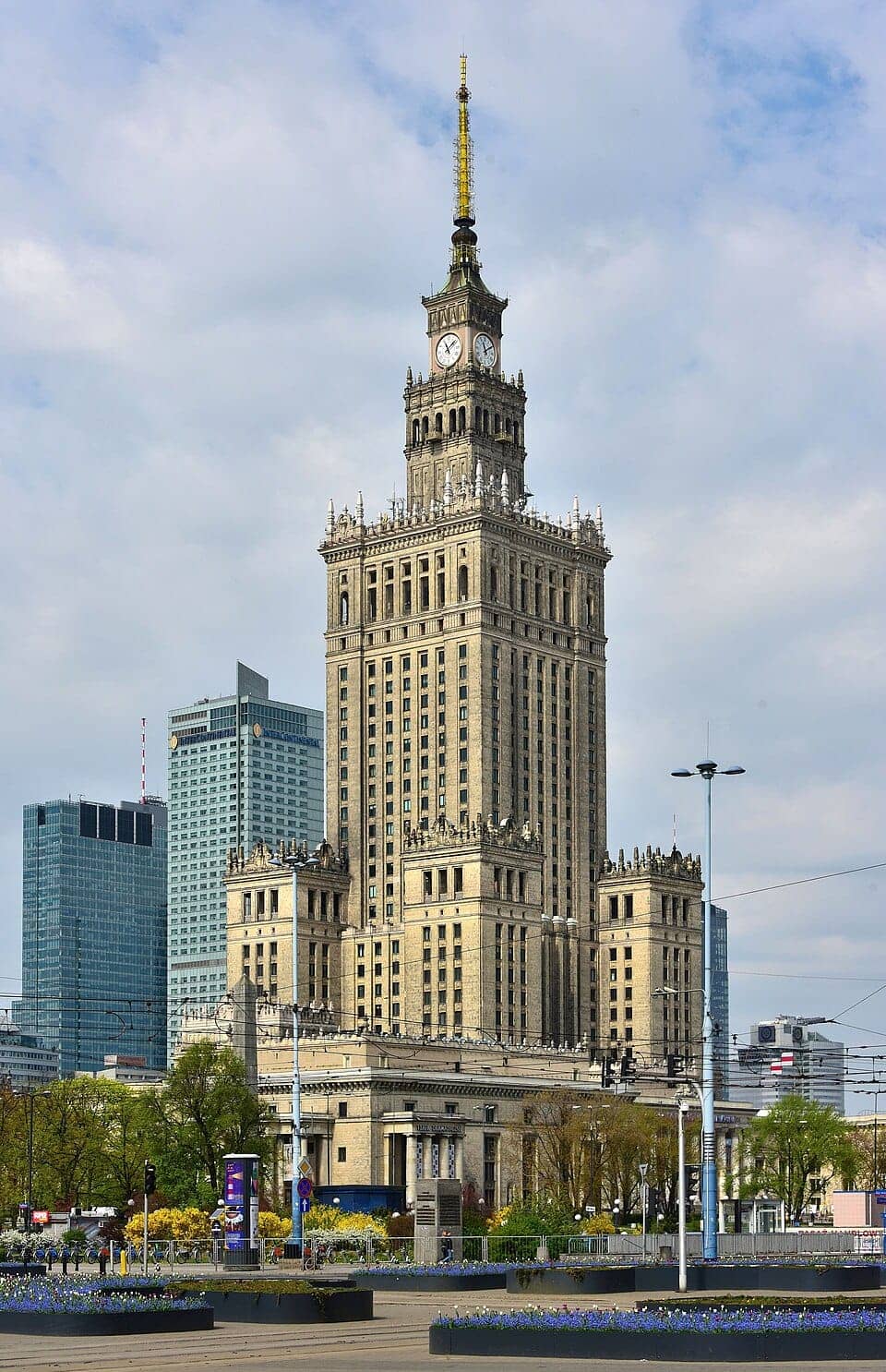
A towering Stalinist-era skyscraper gifted by the Soviet Union in 1955, still the tallest building in Poland and topped by an observation deck with panoramic city views.
POLIN Museum of the History of Polish Jews
A striking modern museum built on the site of the former Warsaw Ghetto, tracing a thousand years of Jewish life in Poland through immersive multimedia exhibits.
Łódź
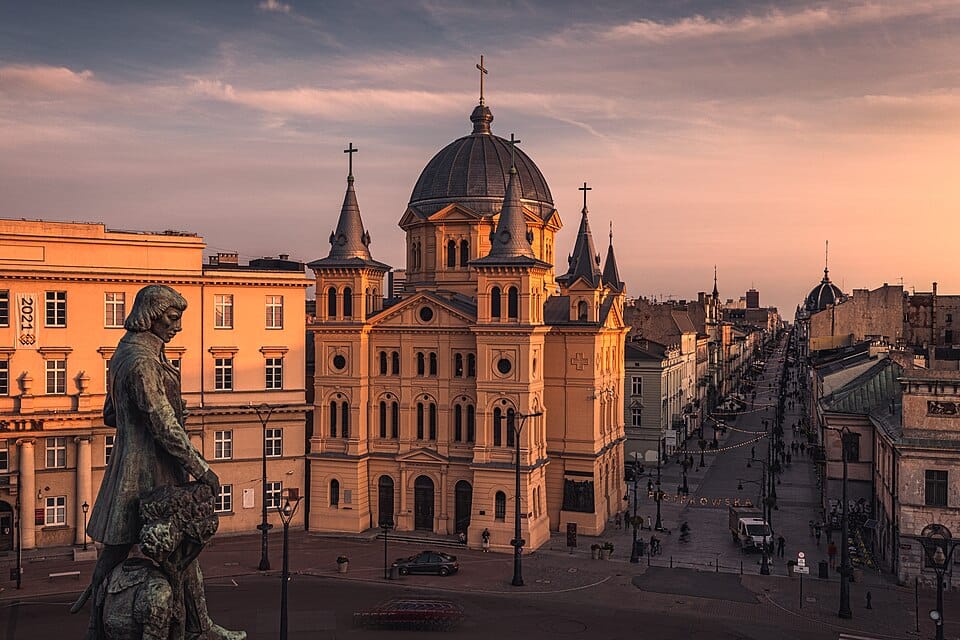
Łódź grew from a small village into one of Europe's great 19th-century textile-manufacturing centers, and its identity is still shaped by the red-brick factory complexes and ornate industrialists' mansions left behind by that boom. After decades of post-industrial decline, many of these former mills have been converted into galleries, shops, and cultural venues, giving the city a distinctive blend of grit and reinvention.
Top attractions in Łódź
Piotrkowska Street
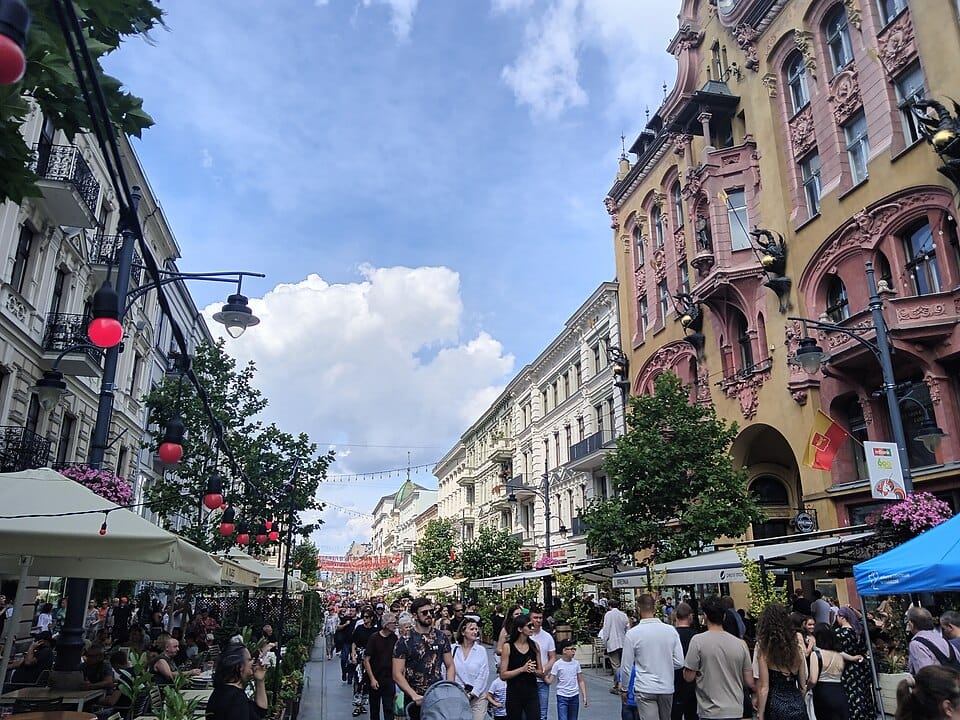
One of Europe's longest commercial pedestrian streets, lined with restored 19th-century townhouses, cafes, bronze statues, and street murals over nearly five kilometers.
Manufaktura
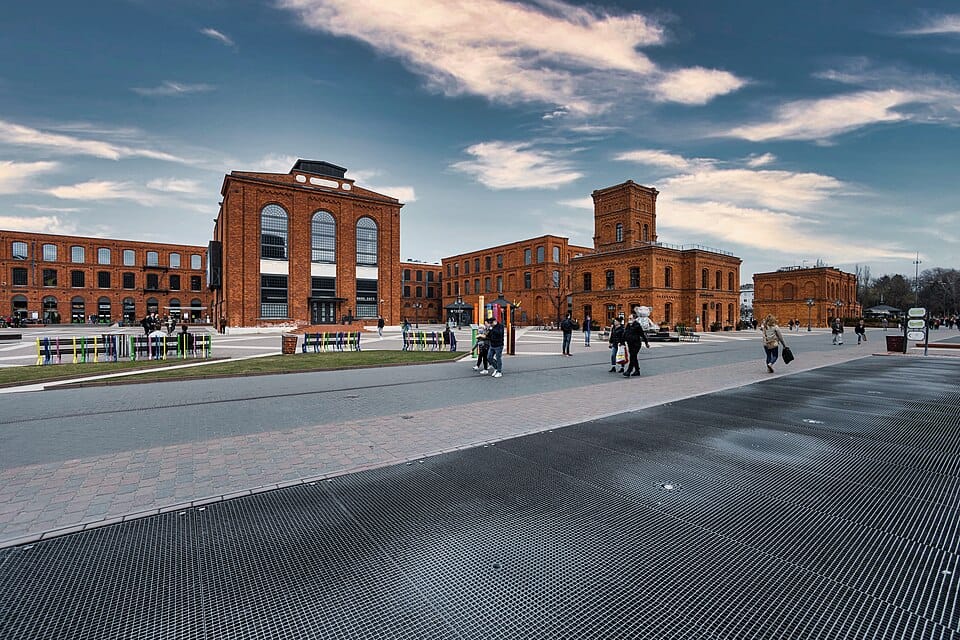
A vast former cotton mill complex once owned by industrialist Izrael Poznański, converted into a cultural and retail center that preserves its original brick façades and chimney.
Poznański Palace
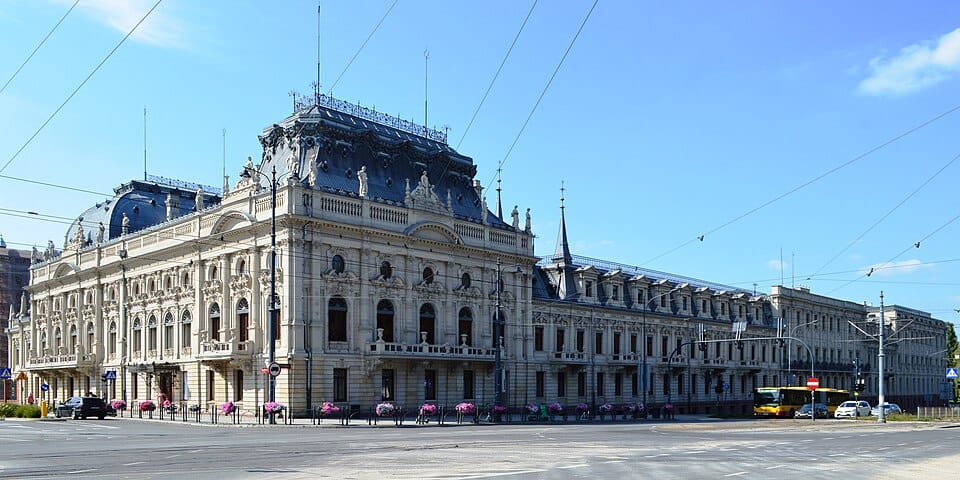
An opulent eclectic-style mansion built for the textile magnate next to his factory, now housing the Museum of the City of Łódź with lavishly decorated period rooms.
EC1 Łódź – City of Culture
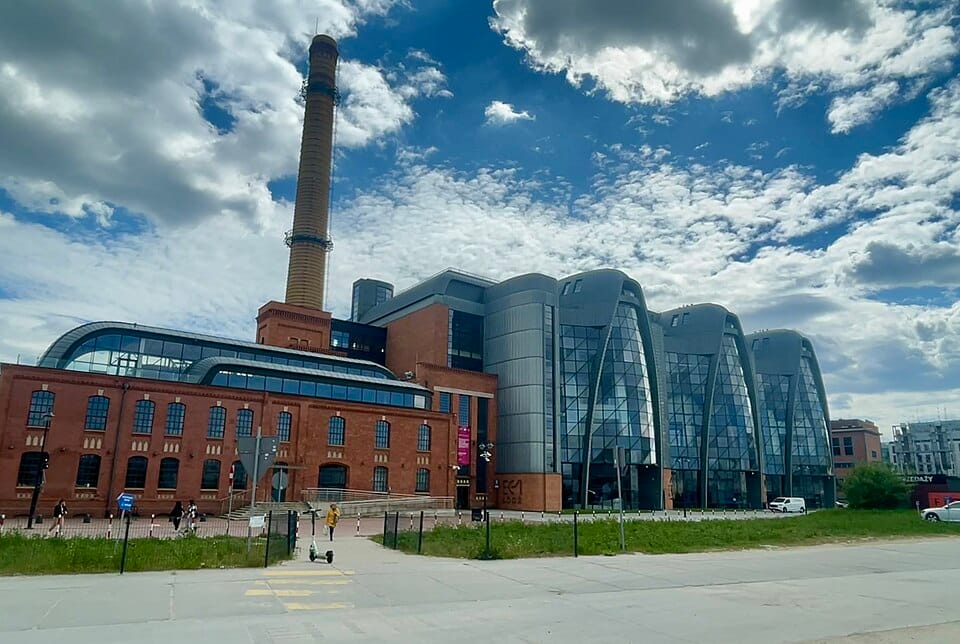
A former power station converted into a science and cultural complex with a planetarium, interactive exhibits, and preserved turbine halls open to visitors.
Museum of Cinematography
Housed in a former Scheibler family palace, this museum celebrates Łódź's status as home to Poland's national film school, which trained directors including Roman Polański and Andrzej Wajda.
Kraków
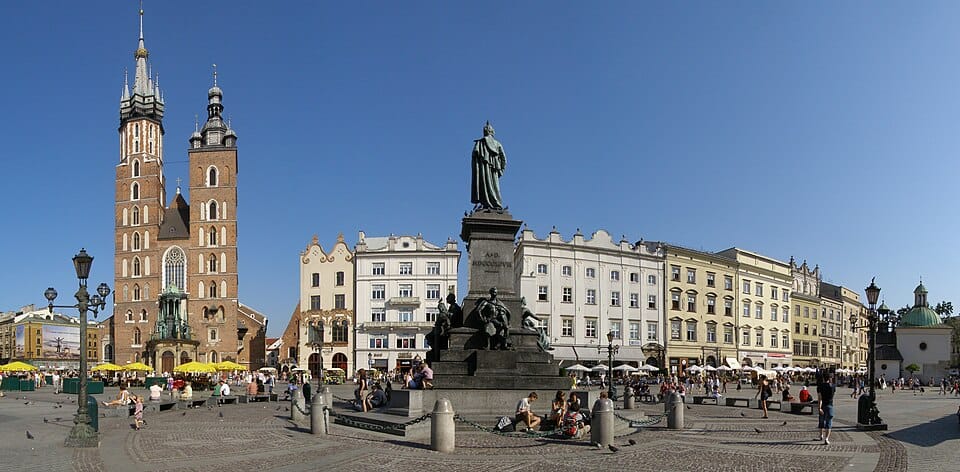
Kraków is Poland's former royal capital and one of the country's few major cities to survive the Second World War with its historic core intact. Its Main Market Square, Gothic churches, and Wawel Royal Castle form one of Central Europe's best-preserved medieval urban landscapes, and the whole Old Town is protected as a UNESCO World Heritage Site.
Top attractions in Kraków
Main Market Square
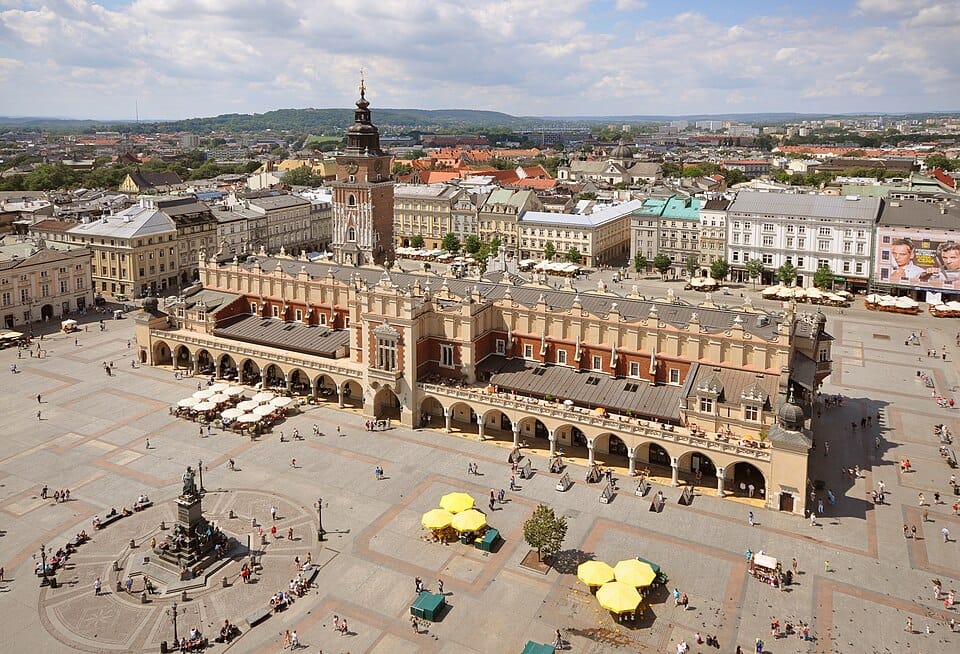
The largest medieval town square in Europe, dominated by the Renaissance Cloth Hall and ringed by townhouses, cafes, and horse-drawn carriages.
Wawel Royal Castle
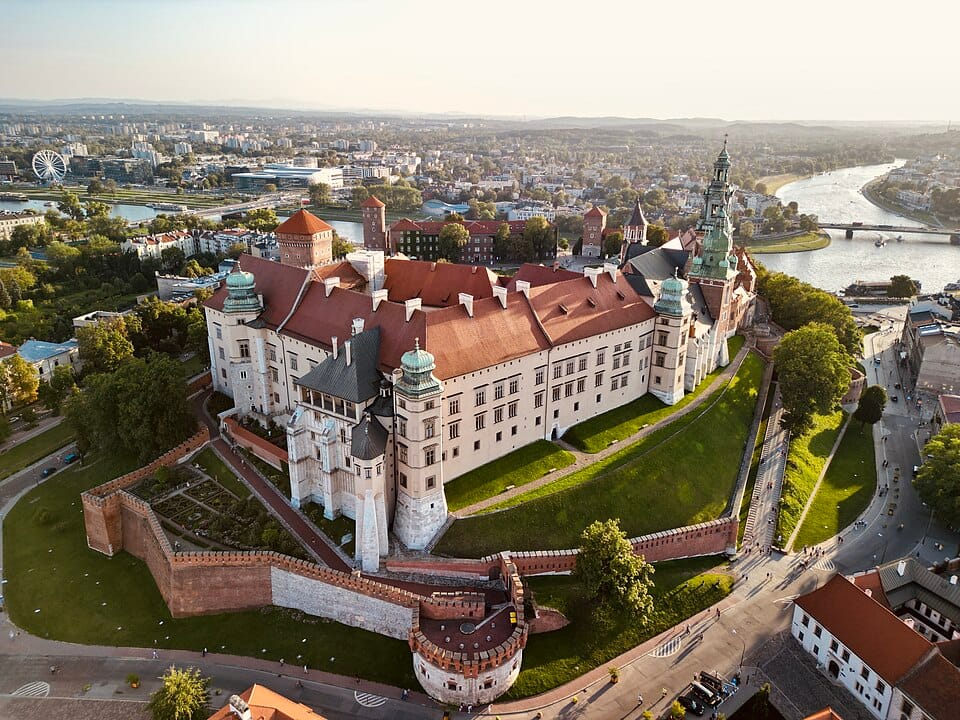
A hilltop castle and cathedral complex overlooking the Vistula, seat of Polish kings for centuries and home to state apartments, royal tombs, and a legendary dragon's den at its base.
St. Mary's Basilica
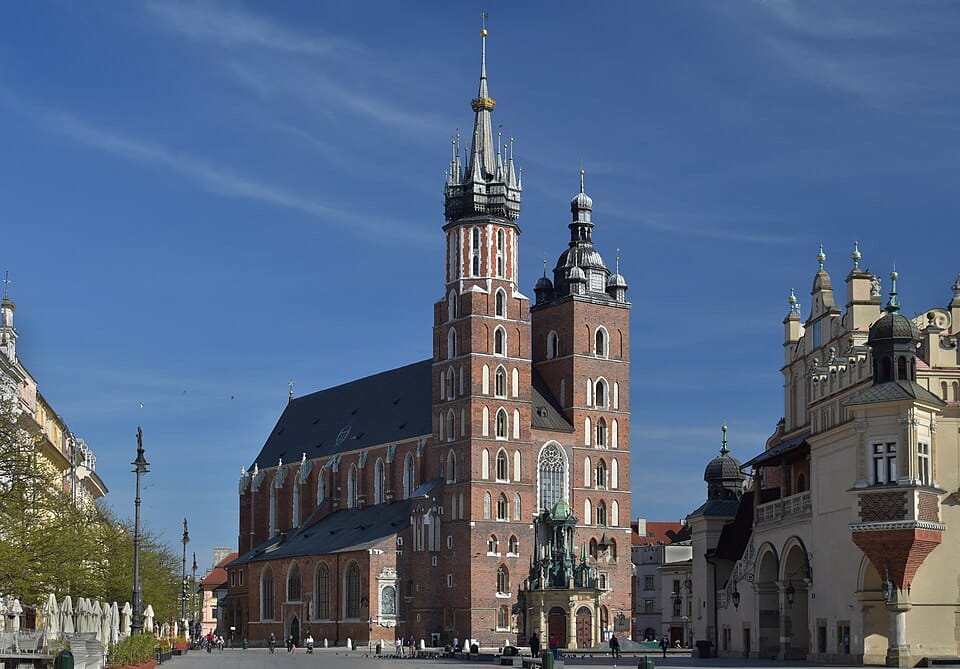
A Gothic brick church on the Market Square famous for its carved wooden altarpiece by Veit Stoss and a trumpet call sounded hourly from its taller tower, cut short in memory of a legendary watchman.
Kazimierz
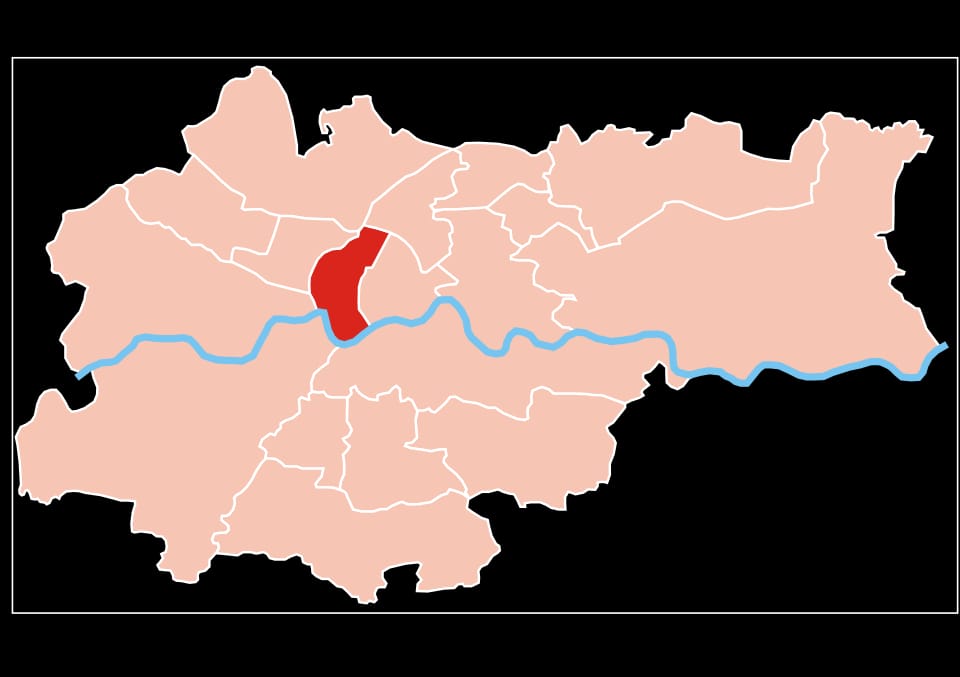
The historic Jewish quarter south of the Old Town, with surviving synagogues, cemeteries, and a bohemian nightlife scene that has grown around its atmospheric squares.
Schindler's Factory Museum
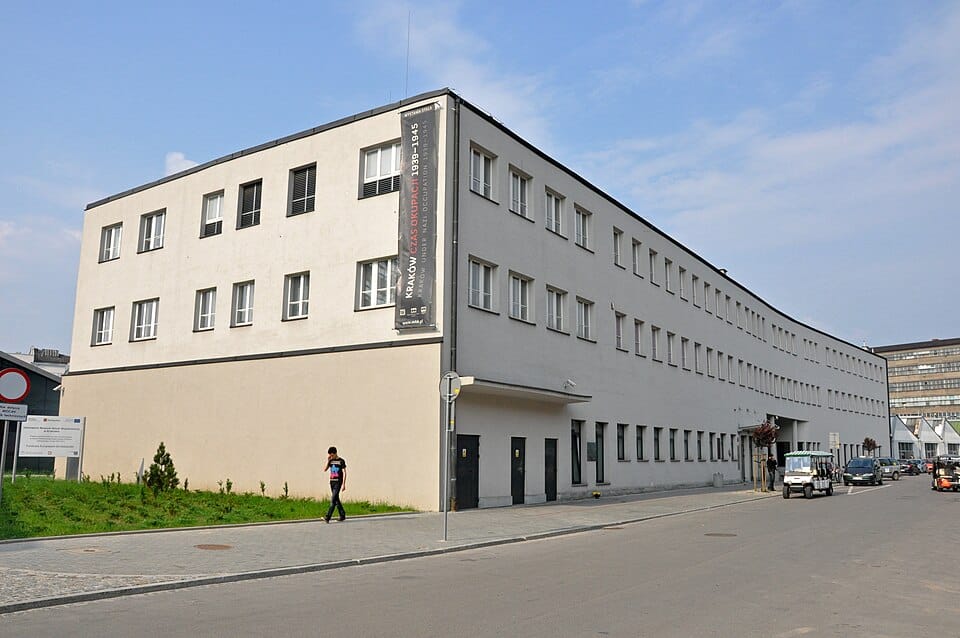
The former enamelware factory of Oskar Schindler, now a museum recreating wartime Kraków under Nazi occupation through immersive, room-by-room historical exhibits.
Wieliczka
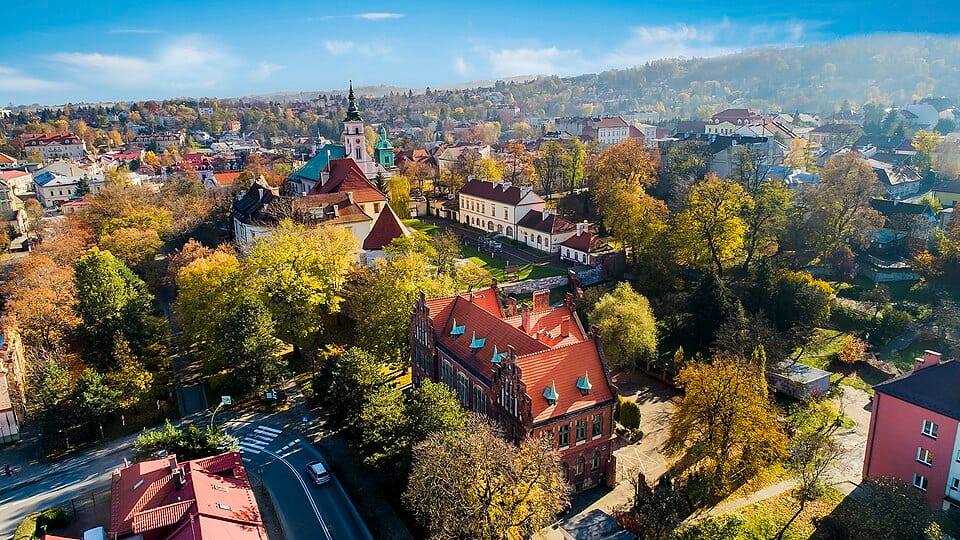
Wieliczka is a small town just outside Kraków defined almost entirely by the salt mine that has operated beneath it since the 13th century, one of the oldest continuously worked mines in the world. Salt extraction here funded the Polish crown for centuries, and generations of miners carved chapels, statues, and chandeliers directly out of the rock salt as they worked.
Top attractions in Wieliczka
Chapel of St. Kinga
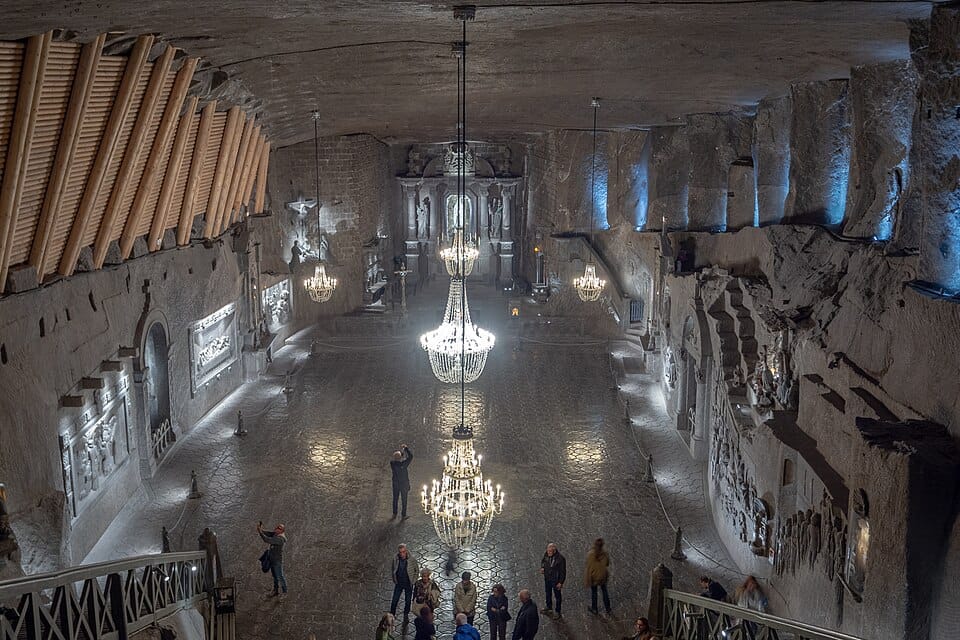
A vast underground chapel carved entirely from rock salt, including its chandeliers, relief sculptures, and floor, still used for religious services and concerts.
Statue of Nicolaus Copernicus
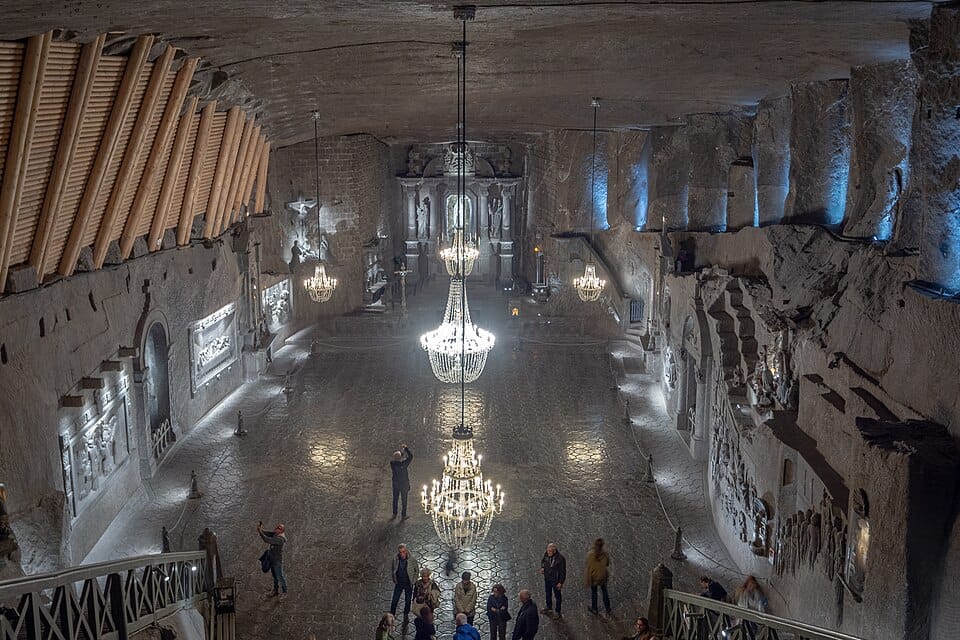
A salt sculpture commemorating the astronomer's documented 1493 visit to the mine, carved by miners in one of the older excavated chambers.
Underground Saline Lake
One of several brine-filled chambers along the tour route, where saturated saltwater pools glow under lighting deep beneath the surface.
Warsaw Chamber
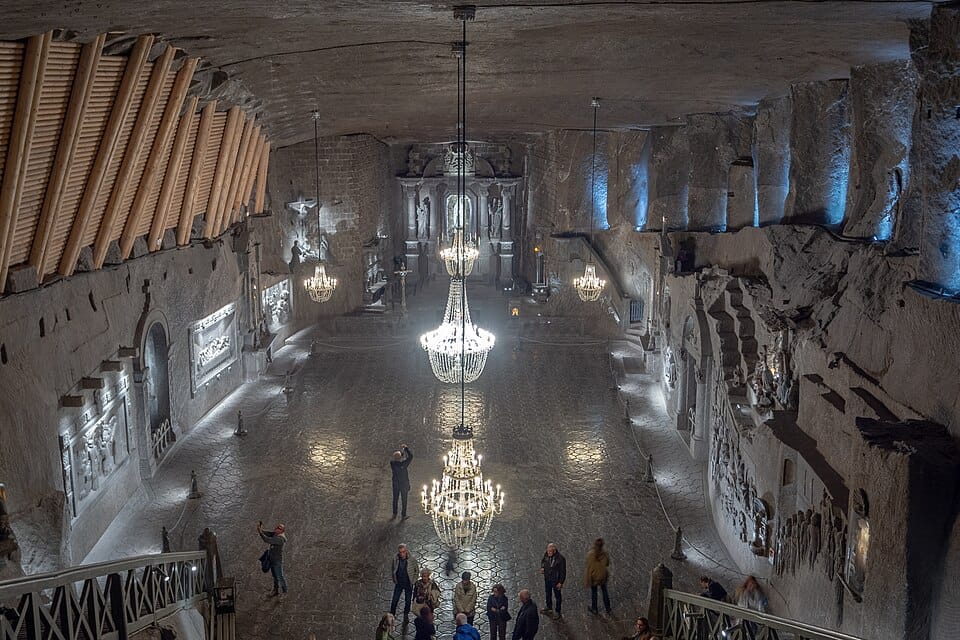
The largest chamber open to visitors, a soaring salt-hewn hall used today for banquets, concerts, and even weddings under vaulted ceilings.
Cracow Saltworks Museum
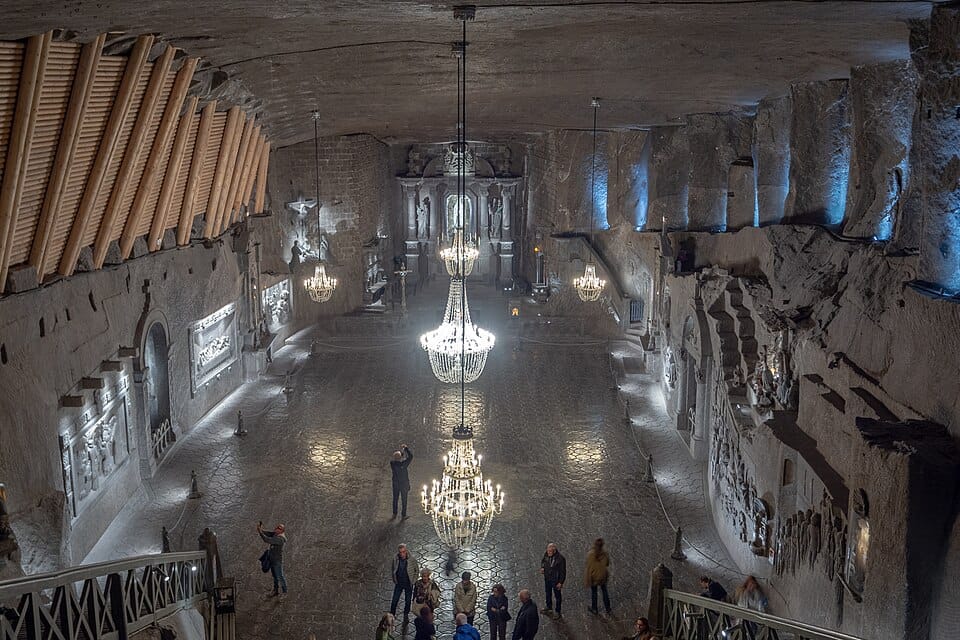
A collection of historic mining tools, machinery, and documents housed within the mine complex, tracing the technical evolution of salt extraction over seven centuries.
Wrocław
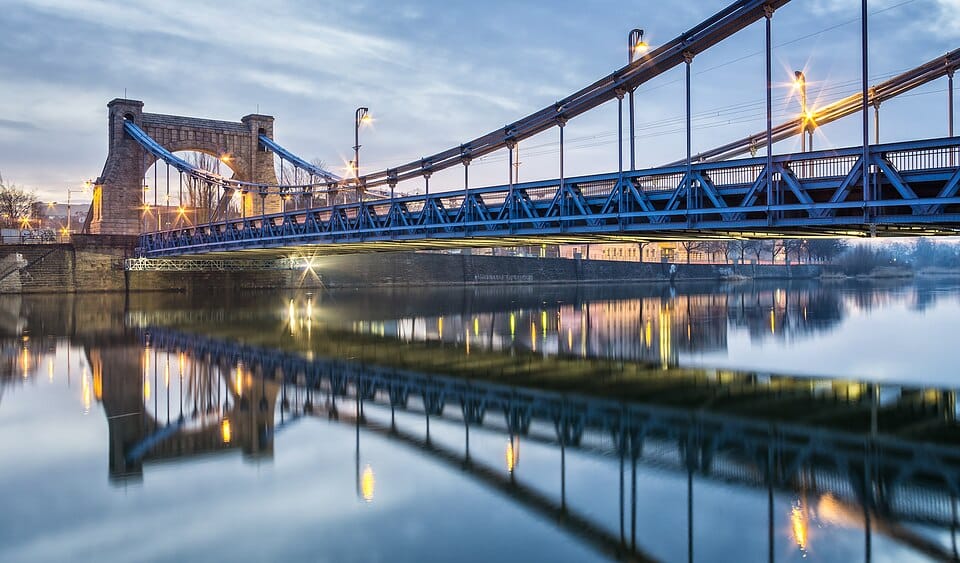
Wrocław is the largest city in southwestern Poland, built across a dozen islands and connected by more than a hundred bridges along the Oder River. Centuries of shifting rule between Bohemian, Habsburg, Prussian, and Polish authorities left the city with a distinctive mix of Gothic, Baroque, and Prussian architecture, most visible around its expansive Market Square.
Top attractions in Wrocław
Market Square
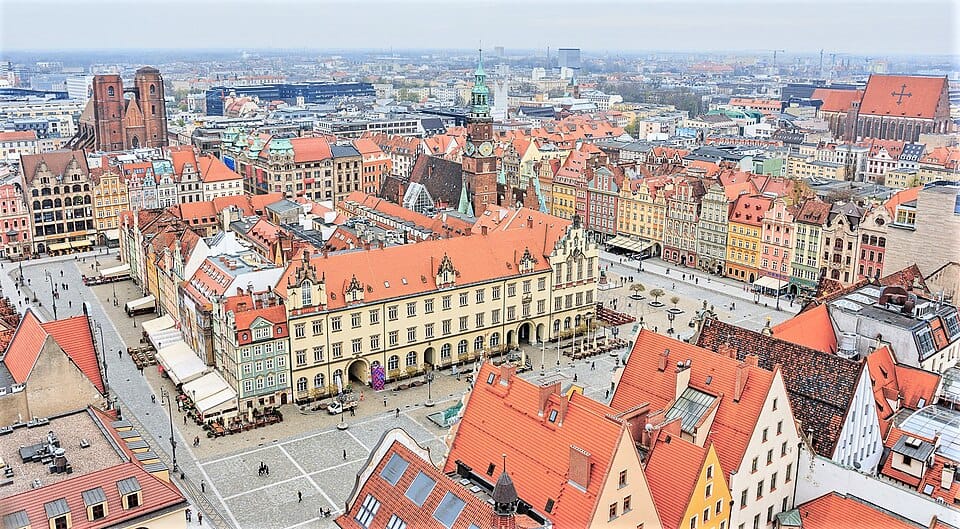
One of the largest medieval squares in Europe, ringed by pastel-colored merchant houses and centered on the Gothic Old Town Hall with its ornate astronomical clock.
Ostrów Tumski
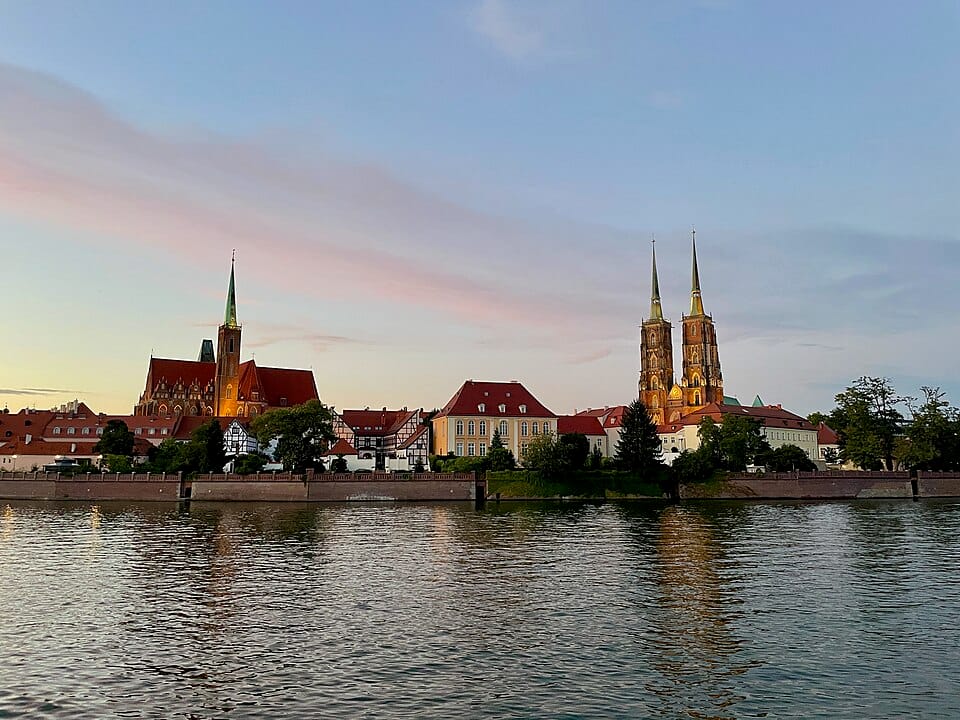
The oldest part of the city and its ecclesiastical heart, home to the twin-spired Cathedral of St. John the Baptist and cobbled lanes still lit by gas lamps each evening.
Centennial Hall
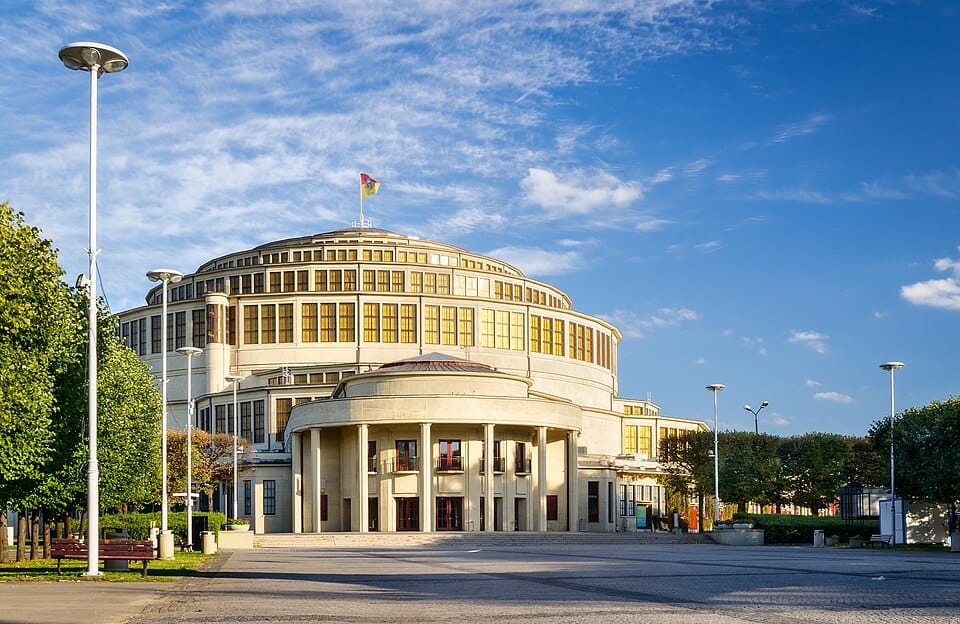
A pioneering reinforced-concrete domed hall completed in 1913, recognized as a UNESCO World Heritage Site and surrounded by a park with Europe's tallest musical fountain.
Wrocław Dwarfs
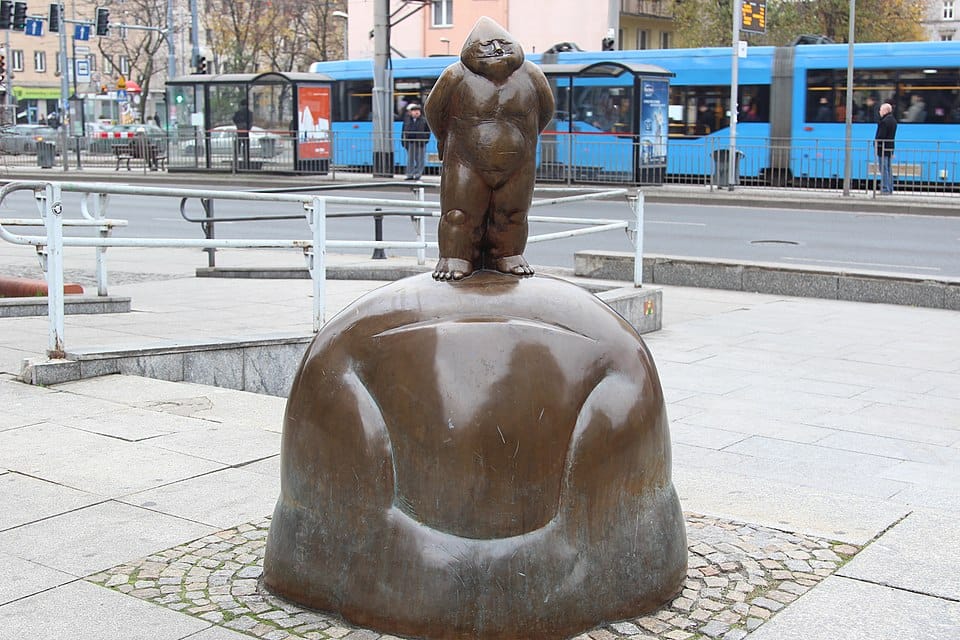
Hundreds of miniature bronze dwarf statues scattered throughout the city center, originating as a tribute to an anti-communist underground movement and now a citywide scavenger hunt.
Panorama of the Battle of Racławice
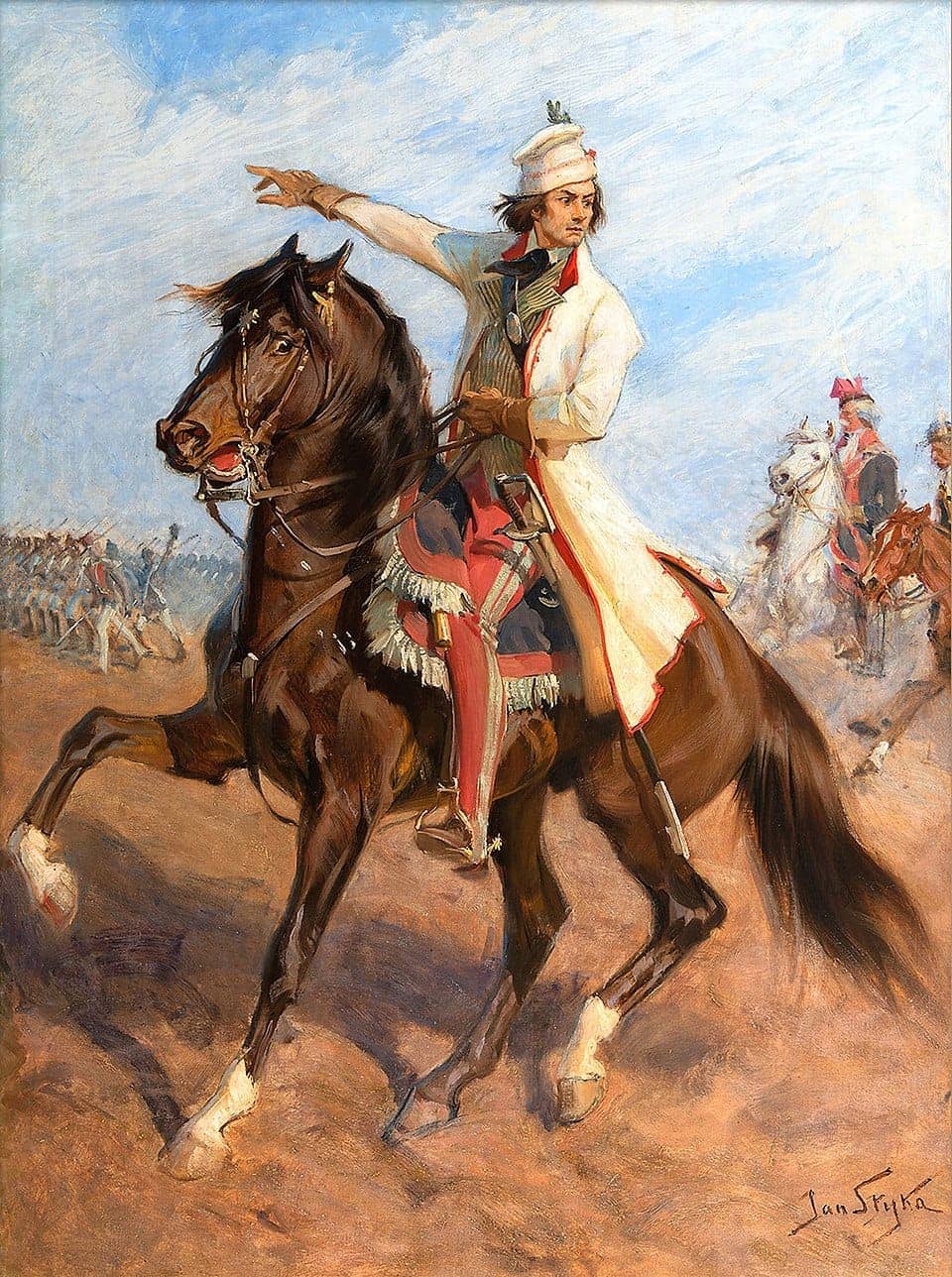
A massive 360-degree cylindrical painting, over 100 meters long, depicting an 1794 peasant uprising victory and displayed in a purpose-built rotunda.
Plan this route with EuroDrive Scout — tolls, vignettes, ZTL alerts, fuel & parking →