Rhine Valley & Bavaria: attractions & sights guide
A stop-by-stop guide to the best things to see along the Rhine Valley & Bavaria route — 8 destinations, their must-see sights and how to drive between them.
Plan this route with EuroDrive Scout — tolls, vignettes, ZTL alerts, fuel & parking →
Check this route: rental cross-border rules, licence & vignettes →
Frankfurt
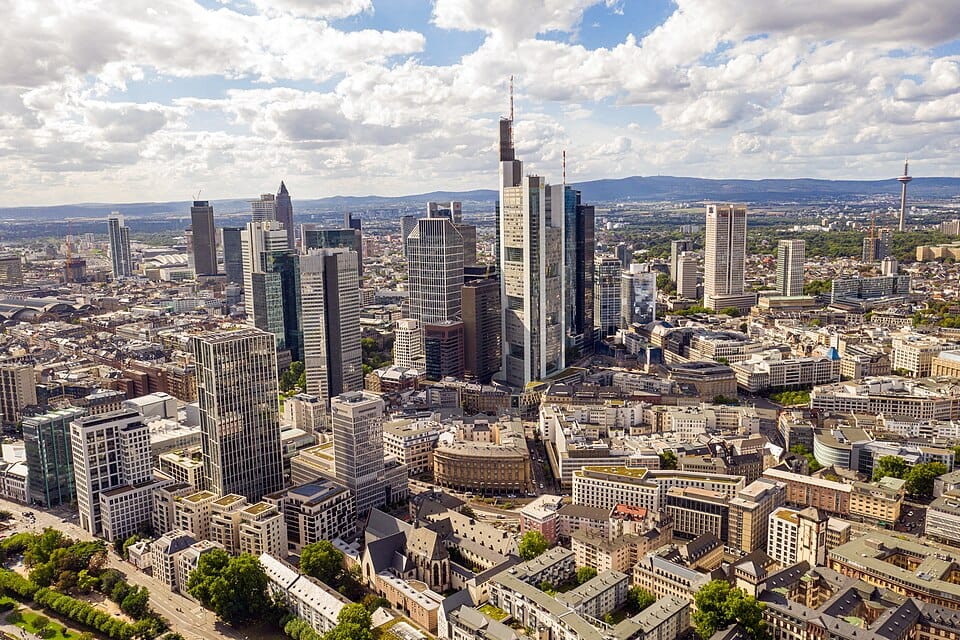
Frankfurt am Main is Germany's financial capital, its skyline of glass towers rising above a reconstructed medieval old town along the Main river. Home to the European Central Bank and one of Europe's busiest airports, it blends high finance with a compact, walkable core of half-timbered houses, museums, and apple-wine taverns.
Top attractions in Frankfurt
Römerberg
Frankfurt's historic central square, lined with reconstructed half-timbered houses and the Gothic Römer town hall used for coronation banquets.
Frankfurt Cathedral (Kaiserdom)
A red sandstone Gothic church where Holy Roman Emperors were elected and crowned; its tower offers panoramic views over the old town.
Museumsufer (Museum Embankment)
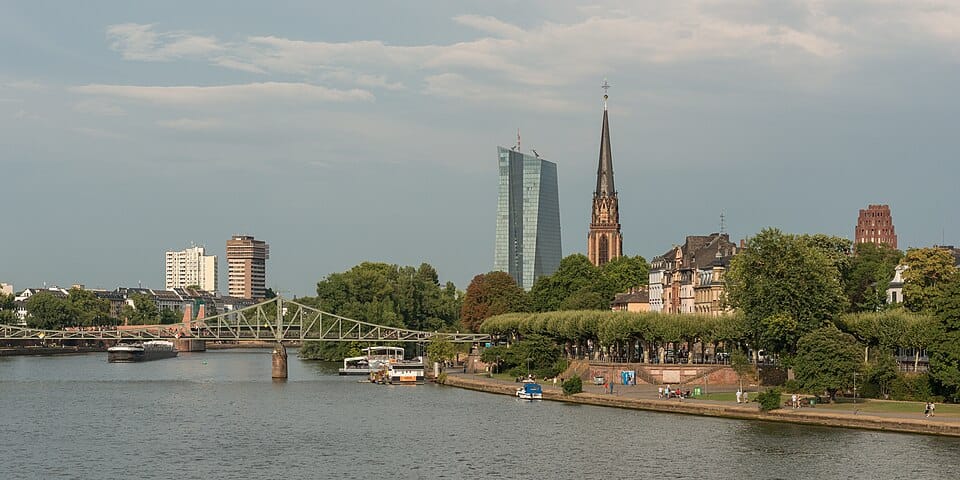
A riverside stretch on the south bank of the Main lined with around a dozen museums, including the Städel art museum and the Museum of World Cultures.
Paulskirche (St. Paul's Church)
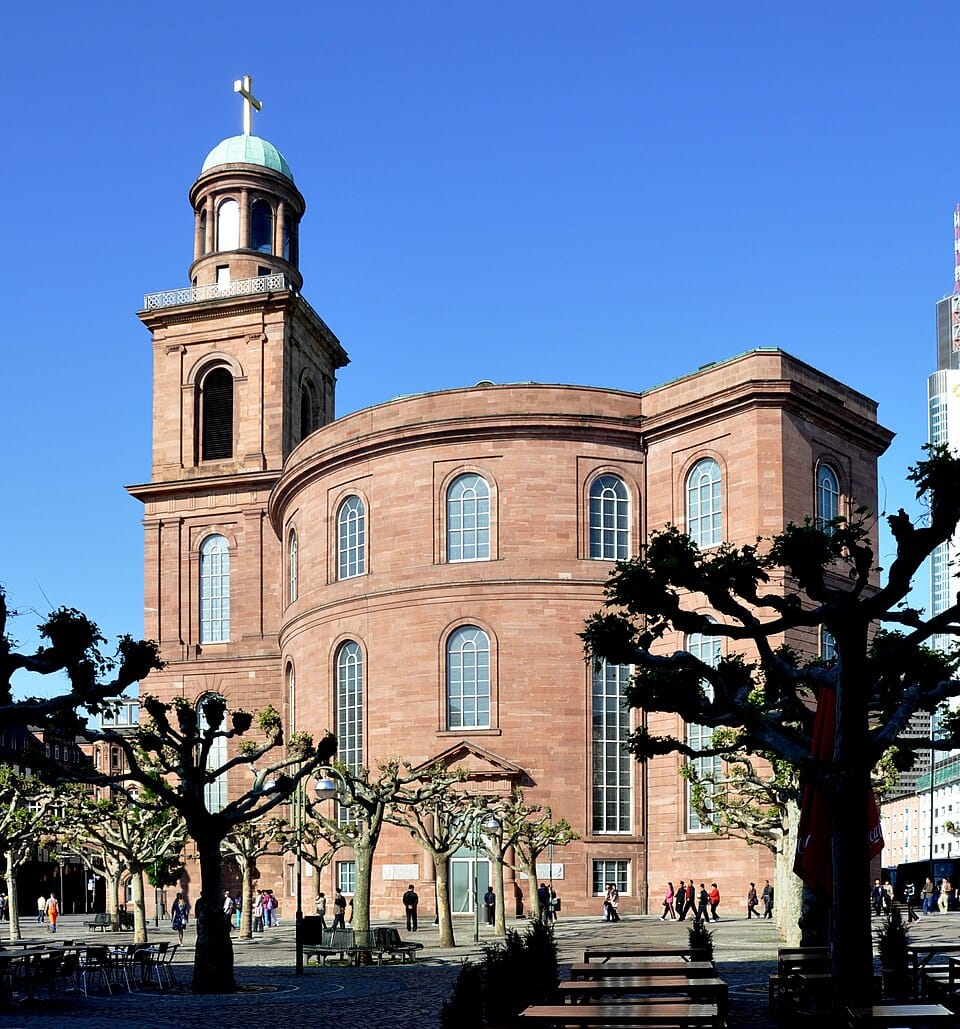
A circular former church that hosted Germany's first freely elected parliament in 1848 and remains a symbol of German democracy.
Palmengarten
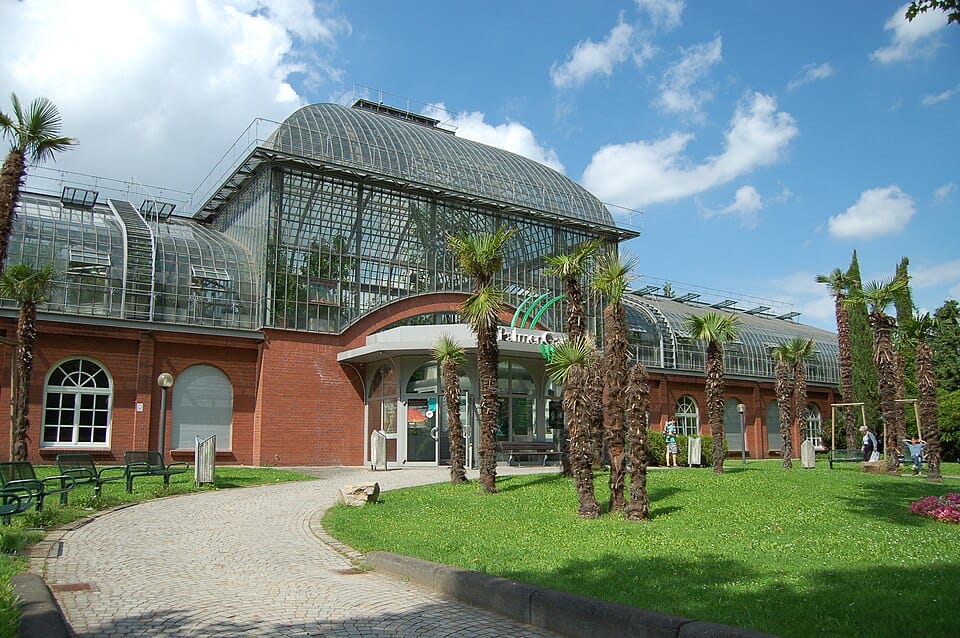
One of Germany's largest botanical gardens, with historic glasshouses, themed plant collections, and open lawns west of the city center.
Rüdesheim am Rhein
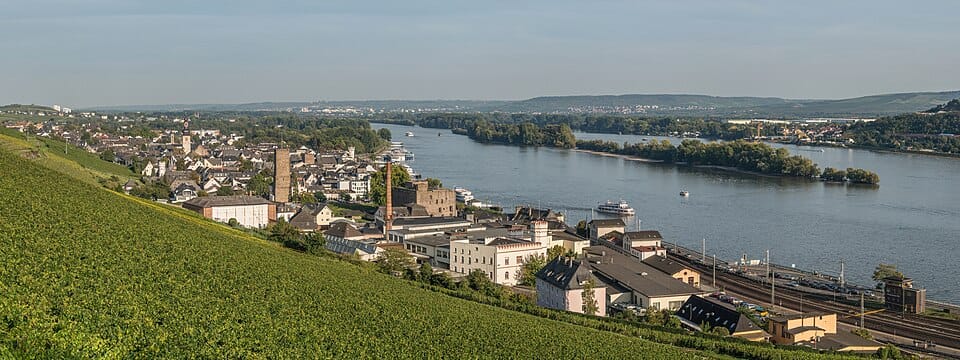
Rüdesheim am Rhein is a small wine town at the point where the Rhine narrows into its most dramatic gorge, surrounded by steep vineyard terraces and framed by the wooded hills of the Taunus. It is best known for the Drosselgasse, a narrow lane packed with wine taverns, and for the Niederwald Monument overlooking the valley.
Top attractions in Rüdesheim am Rhein
Drosselgasse
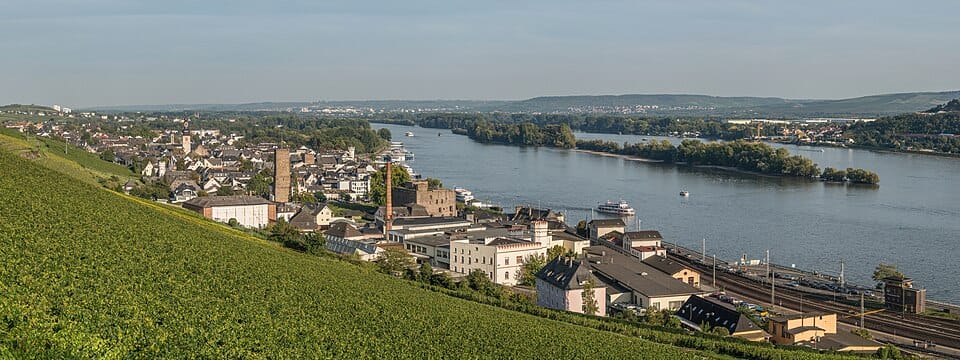
A narrow, roughly 150-metre lane through the old town lined with wine taverns, live music, and souvenir shops, the town's best-known attraction.
Niederwald Monument
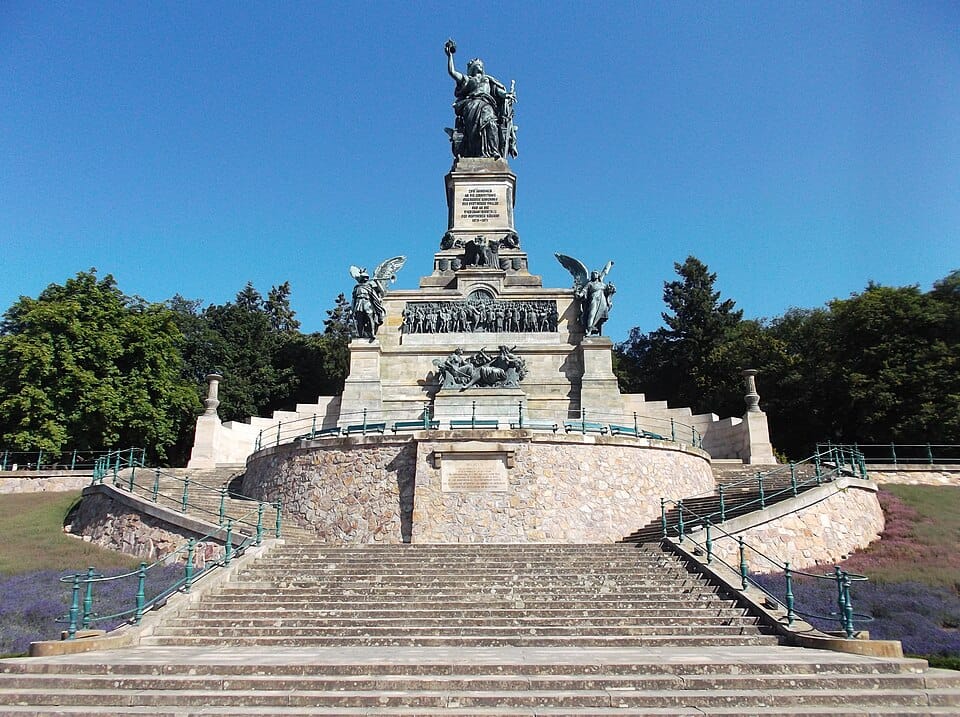
A monumental statue commemorating German unification, standing on a ridge above the vineyards with sweeping views of the Rhine Gorge, reachable by cable car.
Siegfried's Mechanical Music Cabinet
A museum inside a medieval knight's hall displaying self-playing music boxes, organs, and mechanical instruments collected over decades.
Rhine Gorge cable car (Seilbahn Rüdesheim)
A cable car rising from the vineyards above town to the Niederwald Monument, giving passengers wide views over the Rhine and surrounding hills.
Rhine Gorge (Rheingau / Mittelrhein) scenic drive
The riverside road north from Rüdesheim through the UNESCO-listed Rhine Gorge, passing dozens of hilltop castles and terraced vineyard villages.
Cochem
Cochem is a small wine town of about 5,300 people on the Moselle in Rhineland-Palatinate, crowned by the turreted Reichsburg on a hill above the river. First recorded in 866 and granted town rights in 1332, it was badly damaged in the Nine Years' War in 1689 and rebuilt; today its riverside promenade, narrow lanes and wine taverns make it the main base for the lower Moselle. A chairlift climbs to the Pinner Cross viewpoint over the river loop.
Top attractions in Cochem
Reichsburg Cochem
The town's landmark, a hilltop castle probably built around 1100 or in the first half of the 12th century as a toll castle over the Moselle. Destroyed in the 17th century, it was rebuilt in neo-Gothic style between 1868 and 1877 by the Berlin merchant Louis Ravené.
Eltz Castle
A fairytale castle in a wooded side valley above the Moselle, owned by the same Eltz family since the 12th century and never destroyed. Its towers, 30 to 40 m high, rise from a 70 m rock spur ringed by the Elzbach stream. Open daily until 1 November in 2026.
Beilstein
A tiny village upriver from Cochem nicknamed the 'Sleeping Beauty of the Moselle'. It received town privileges in 1309; above its lanes stand the ruins of Metternich Castle, destroyed in 1689, and a Carmelite church built between 1691 and 1783.
Bremmer Calmont
Above the village of Bremm, this slate slope of about 33 hectares, planted mostly with Riesling, reaches gradients of up to 68° and is counted among the steepest vineyards in Europe. Vines here are still tended almost entirely by hand.
Geierlay Suspension Bridge
A pedestrian rope bridge in the Hunsrück hills south of the Moselle, opened in 2015 between the villages of Mörsdorf and Sosberg. It spans 360 m and hangs up to 100 m above the valley floor; crossing is free.
Luxembourg City
Luxembourg City is the capital of the Grand Duchy of Luxembourg, built on rocky plateaus above the confluence of the Alzette and Pétrusse rivers. Count Siegfried founded a castle on the Bock promontory in 963, and over nine centuries Burgundians, Habsburgs, Spaniards, French and Prussians turned it into one of Europe's strongest fortresses, until the 1867 Treaty of London ordered the fortifications demolished. The old quarter and the fortress remains have been a UNESCO World Heritage Site since 1994, and the city is also one of the seats of the European Union. Expedia's autumn 2026 data put Luxembourg at the top of its trending list, with searches up 470%.
Top attractions in Luxembourg City
Bock promontory & casemates
The rock where Count Siegfried built his castle in 963 is the birthplace of the city. Ruins of the old castle survive, and beneath it run the casemates, part of a network of underground passages that once totalled about 23 km of bomb-proof galleries; they remain one of Luxembourg's major sights. Check seasonal opening times before you go.
The Grund
A picturesque old district in the valley below the upper town on the banks of the Alzette, reached on foot or by a public lift that descends through the cliff. It is also a popular nightlife area, with riverside bars and restaurants, including the Michelin-starred pasta restaurant Mosconi.
Grand Ducal Palace
The official residence of the Grand Duke in the old town, where he carries out most of his duties as head of state (his principal home is Berg Castle in Colmar-Berg). Its facade fronts a pedestrian street a short walk from Place Guillaume II.
Notre-Dame Cathedral
Luxembourg's only cathedral began as a Jesuit church whose cornerstone was laid in 1613; it is late Gothic with many Renaissance elements and became a cathedral in 1870. Beside it stands the National Monument to the Resistance and to the Deportation, centred on Lucien Wercollier's bronze The Political Prisoner.
Adolphe Bridge
Built between 1900 and 1903 across the Pétrusse valley, this stone arch bridge has become an unofficial national symbol. Its upper deck carries road traffic and, since December 2020, the tram; a suspended lower deck opened in 2018 for cyclists and pedestrians, with views down into the valley.
Mudam & Fort Thüngen
On the Kirchberg plateau near the EU institutions, the Grand Duke Jean Museum of Modern Art was designed by I. M. Pei and opened in 2006 on the site of the old Fort Thüngen. The restored fort next door houses the Museum of the Fortress, which tells the story of the city's defences.
Strasbourg
Strasbourg is the main city of Alsace, on the River Ill just west of the Rhine and the German border. Its historic centre, the Grande Île ringed by arms of the Ill, became a UNESCO World Heritage Site in 1988, and the listing was extended in 2017 to the Neustadt, the district built during the German period after 1871. The city is also the official seat of the European Parliament and home of the Council of Europe. In late autumn it draws crowds as the self-styled "Capital of Christmas": the 2026 Christmas markets run from 27 November to 24 December.
Top attractions in Strasbourg
Strasbourg Cathedral and the astronomical clock
The pink-sandstone Gothic cathedral's 142-metre spire made it the world's tallest building from 1647 to 1874. In the south transept stands the astronomical clock built by Jean-Baptiste Schwilgué between 1837 and 1842; about 18 metres tall, it shows solar time, the phases of the moon and the positions of the planets, with mechanical figures that move at set hours.
Petite France and the Ponts Couverts
In the south-west of the Grande Île the Ill splits into several channels lined with half-timbered houses. In the Middle Ages this was the quarter of tanners, millers and fishermen; today it is the city's most photographed corner. At its western tip the medieval towers of the Ponts Couverts guard the river channels.
Barrage Vauban
Built in pink Vosges sandstone between 1686 and 1690 to Vauban's plans, this 120-metre, 13-arch bridge and weir could raise the Ill to flood the land south of the city against attackers, a measure actually used during the 1870 siege. Its free rooftop terrace gives the classic view over the Ponts Couverts and Petite France.
Palais Rohan museums
Beside the cathedral, this former residence of the prince-bishops was built between 1732 and 1742 to plans by Robert de Cotte, the king's first architect, for Cardinal Armand-Gaston de Rohan-Soubise. It now holds three museums: the Museum of Fine Arts, the Archaeological Museum and the Museum of Decorative Arts, the last set in the cardinals' state apartments.
Christkindelsmärik and the Christmas markets
Founded in 1570, the Christkindelsmärik ("market of the Christ Child" in Alsatian) is one of Europe's oldest Christmas markets and has stood on Place Broglie since 1871. In 2026 the markets spread across the old town, from Place Broglie and the cathedral square to Petite France and the great Christmas tree on Place Kléber, from 27 November to 24 December; weekday mornings are the least crowded.
European Parliament (Louise Weiss building)
North-east of the centre, the European quarter houses the Parliament's plenary chamber in the Louise Weiss building, inaugurated on 14 December 1999 and named after the Alsace-born journalist and campaigner for Europe and women's suffrage. It is an easy tram ride from the old town and makes a modern contrast to the medieval Grande Île.
Heidelberg
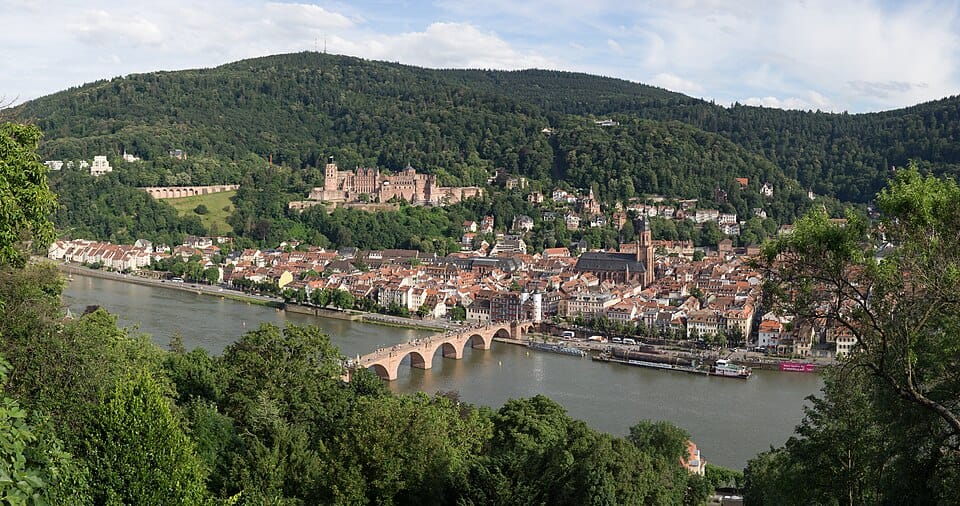
Heidelberg is a university city on the Neckar river, home to Germany's oldest university and to the ruins of Heidelberg Castle, a red sandstone complex overlooking the old town that has drawn Romantic-era poets and painters for centuries. Its baroque old town, largely spared from wartime destruction, is one of the most intact historic centers in Germany.
Top attractions in Heidelberg
Heidelberg Castle
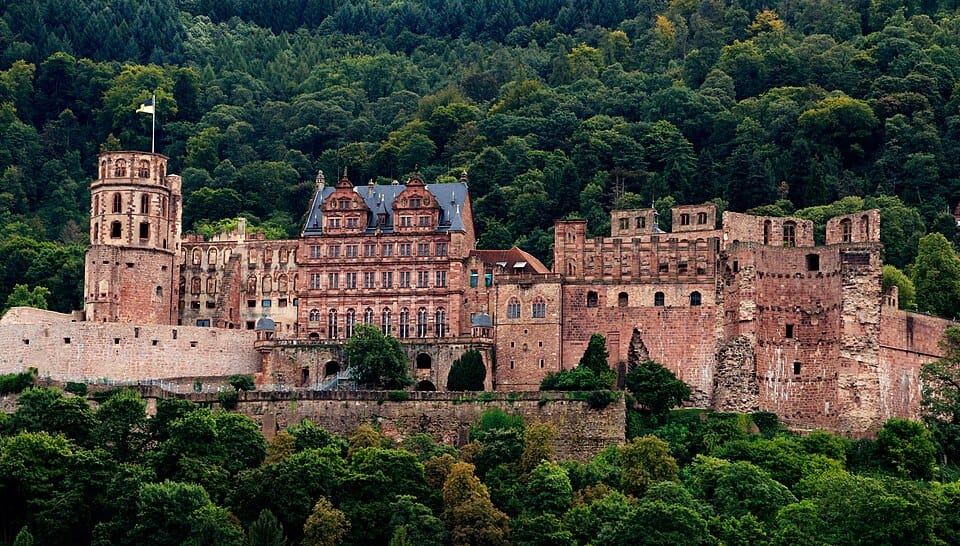
A partly ruined Renaissance castle of red sandstone above the old town, damaged by war and lightning centuries ago and left as a picturesque ruin ever since.
Old Bridge (Karl Theodor Bridge)
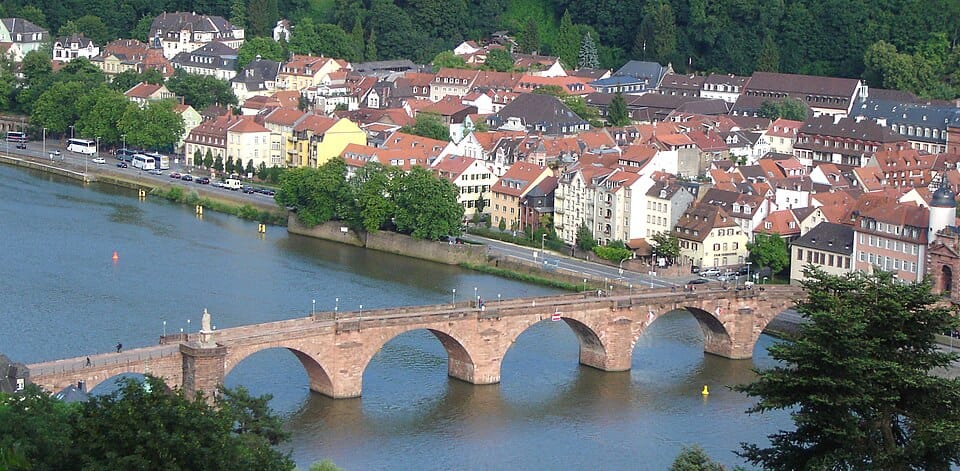
An 18th-century stone bridge across the Neckar with a gate tower on the old-town side, offering a classic view of the castle above the rooftops.
Philosophers' Walk
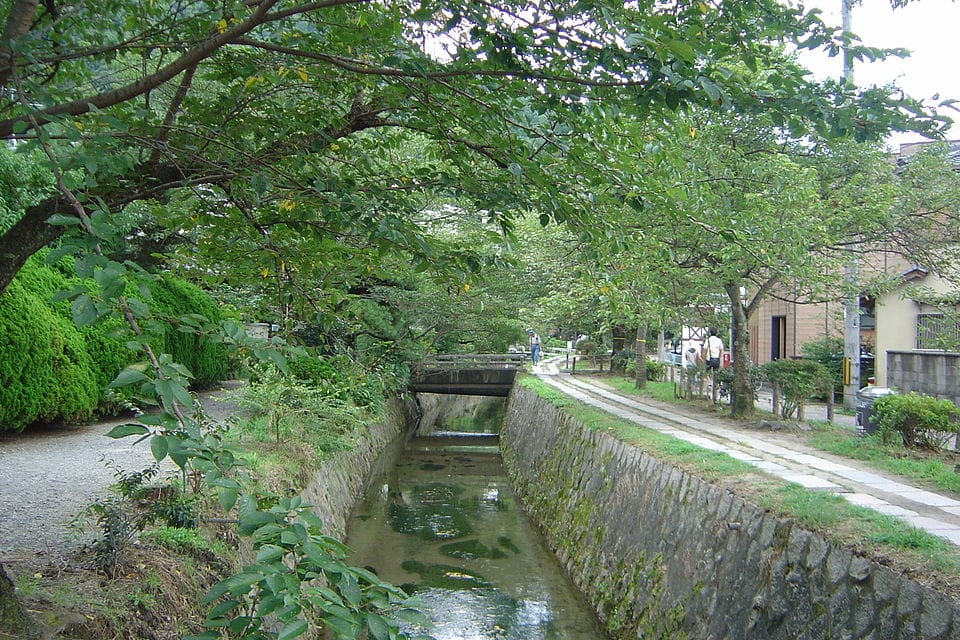
A hillside path on the north bank of the Neckar, once favored by university scholars for walks, with views across the river to the castle and old town.
Heidelberg University

Founded in 1386, Germany's oldest university, whose historic Old University building and student jail (Studentenkarzer) are open to visitors near the market square.
Heidelberg Tun
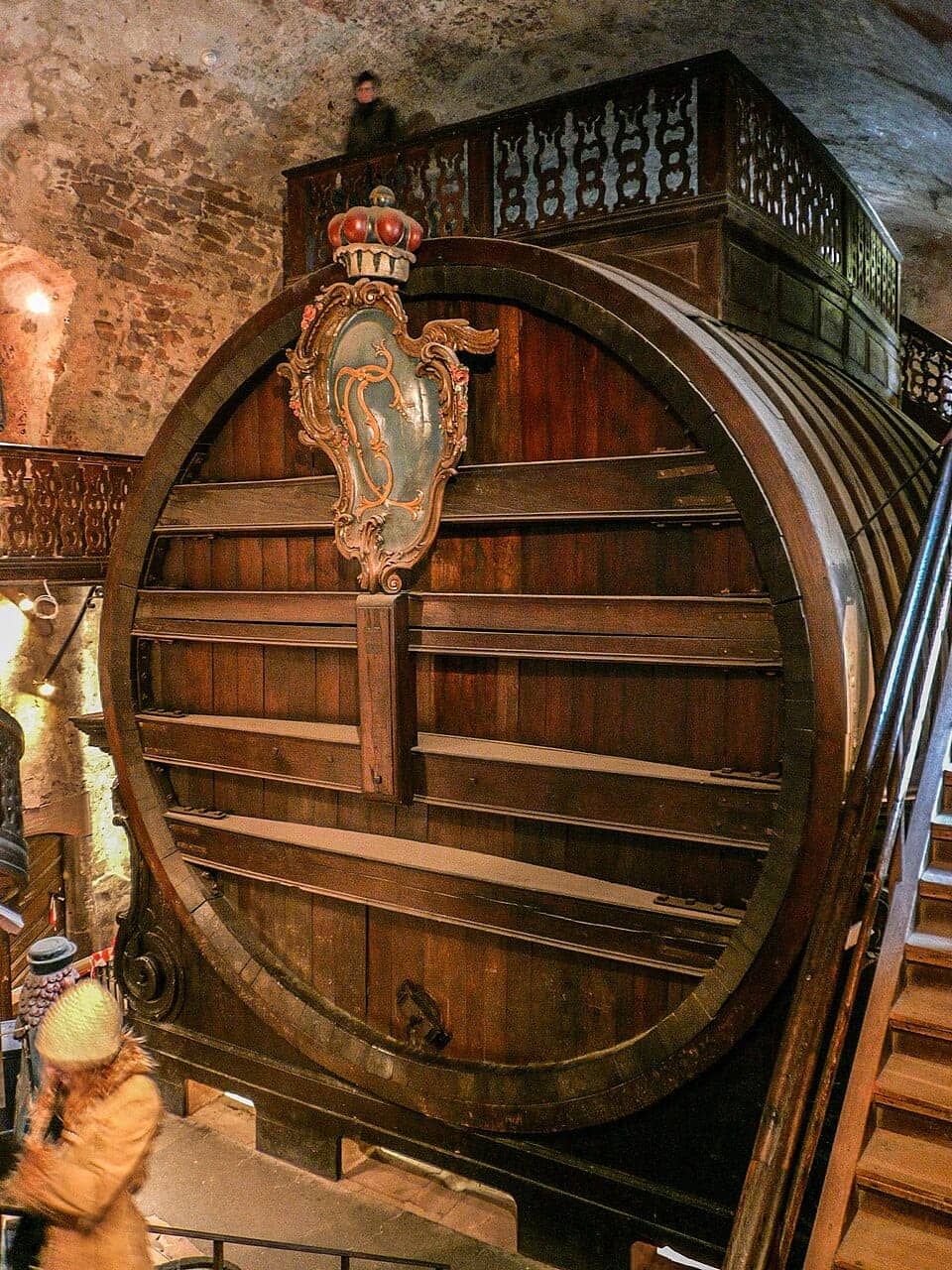
A giant 18th-century wine barrel in the castle cellars, historically used to store wine collected as tax from the region's vineyards.
Nuremberg
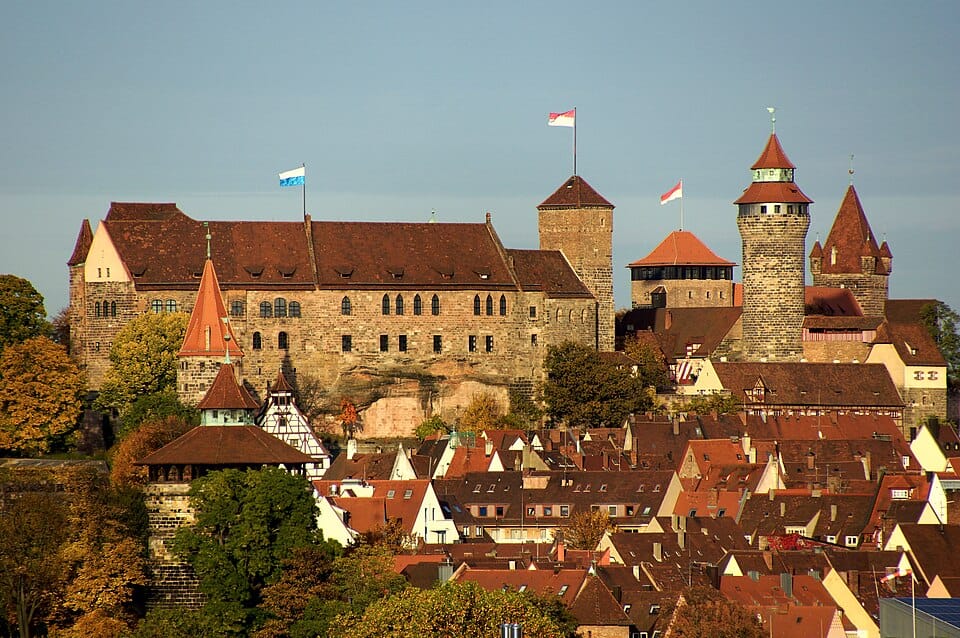
Nuremberg is Bavaria's second-largest city, a former Free Imperial City whose sandstone old town is dominated by the Kaiserburg castle on a rocky outcrop above the Pegnitz river. It carries a layered history, from medieval trade and Albrecht Dürer to the Nazi party rallies and postwar war crimes trials, alongside a lighter reputation for gingerbread and its Christmas market.
Top attractions in Nuremberg
Nuremberg Castle (Kaiserburg)
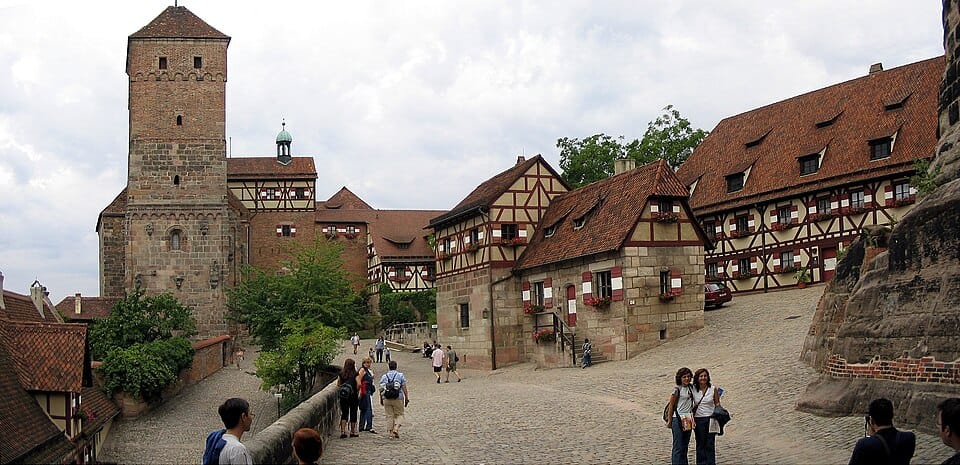
A former seat of Holy Roman Emperors on a sandstone ridge above the old town, with fortified towers and views across the city's red rooftops.
Hauptmarkt and Frauenkirche
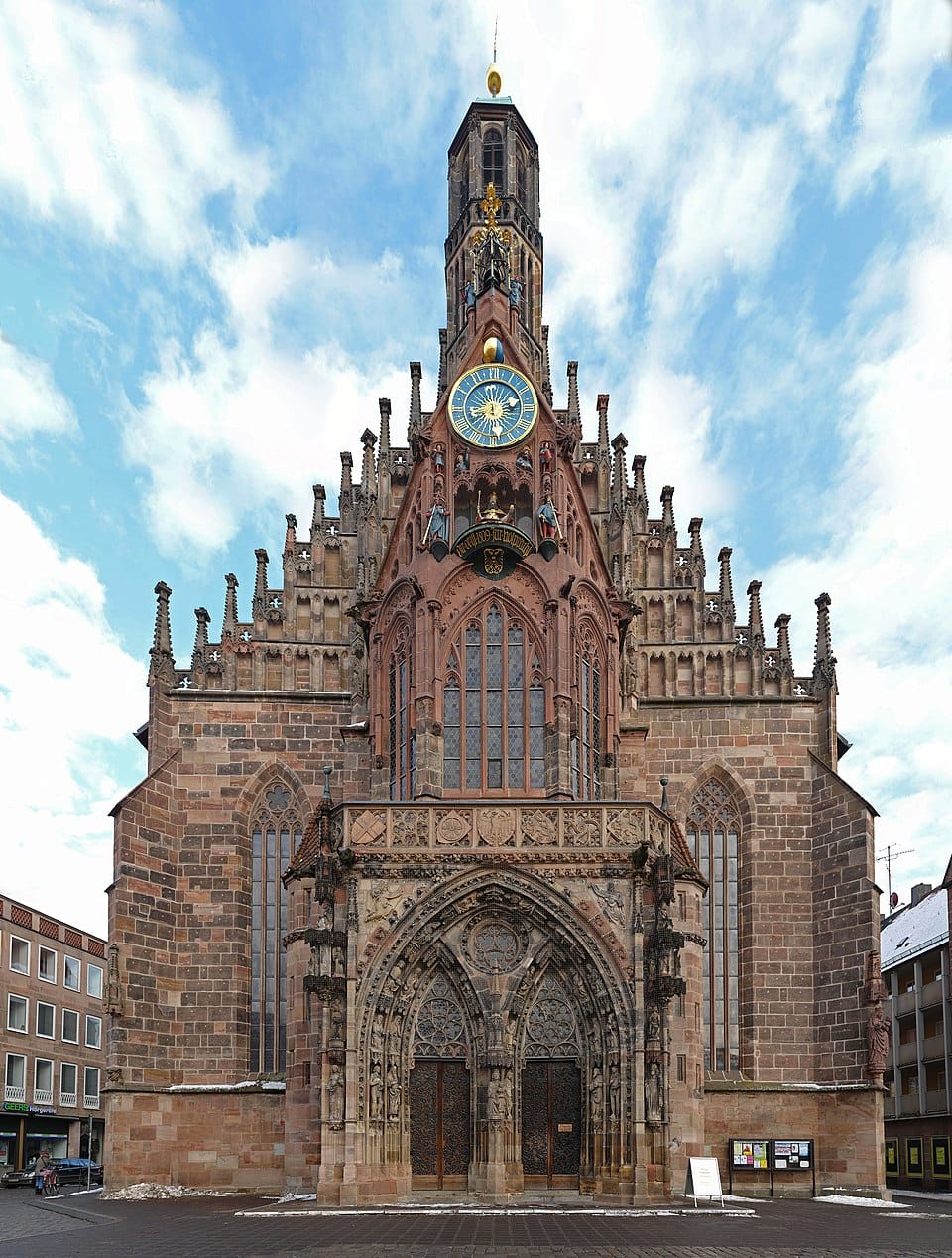
The main square, home to the gilded Gothic 'Schöner Brunnen' fountain, the Gothic Frauenkirche church, and the annual Christkindlesmarkt.
Albrecht Dürer's House
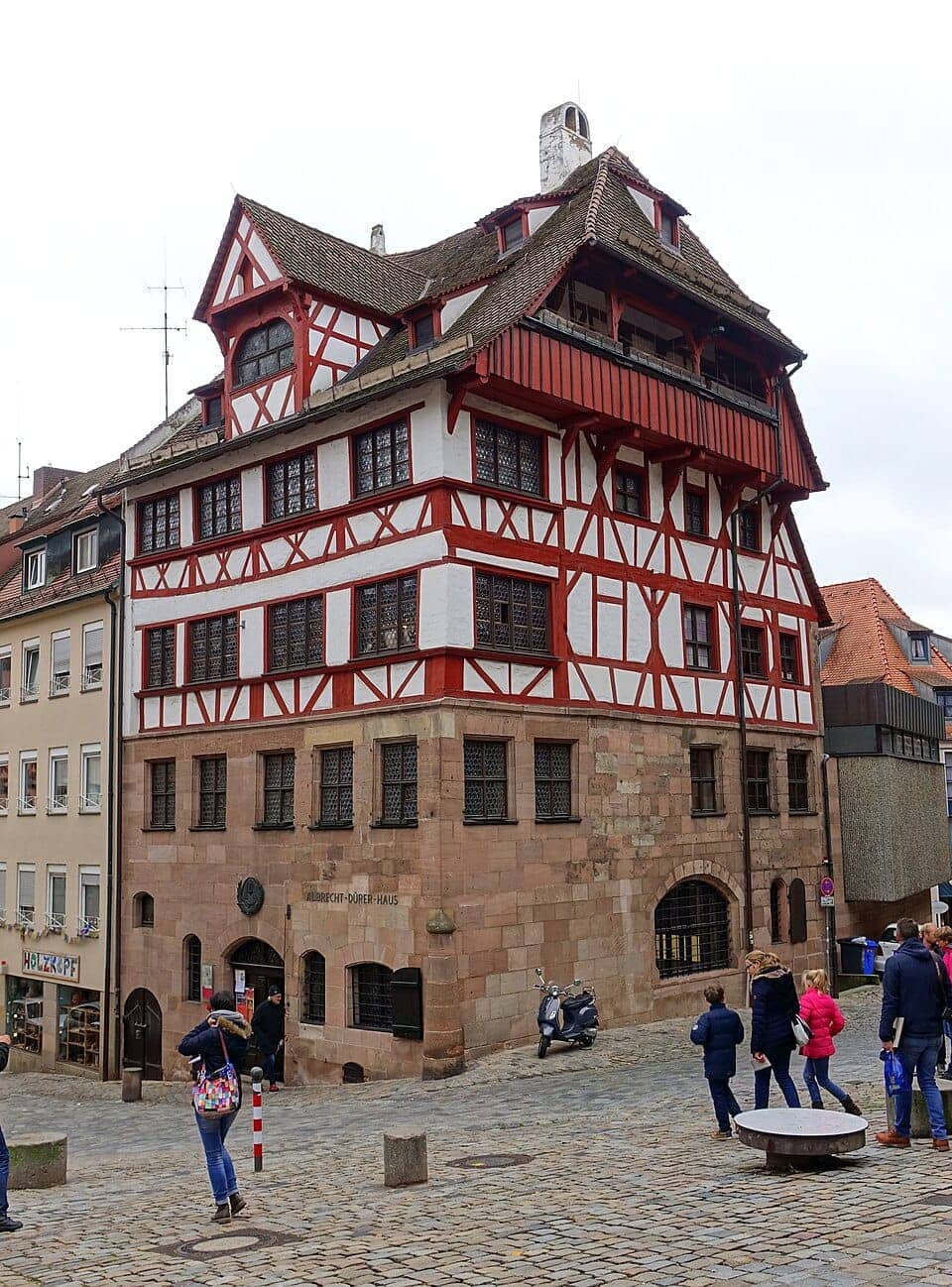
The half-timbered former home and workshop of the Renaissance painter, now a museum reconstructing his living quarters and printmaking studio.
Germanisches Nationalmuseum
The largest museum of German cultural history, with collections spanning prehistory to the 20th century, including works by Dürer and Riemenschneider.
Documentation Center Nazi Party Rally Grounds
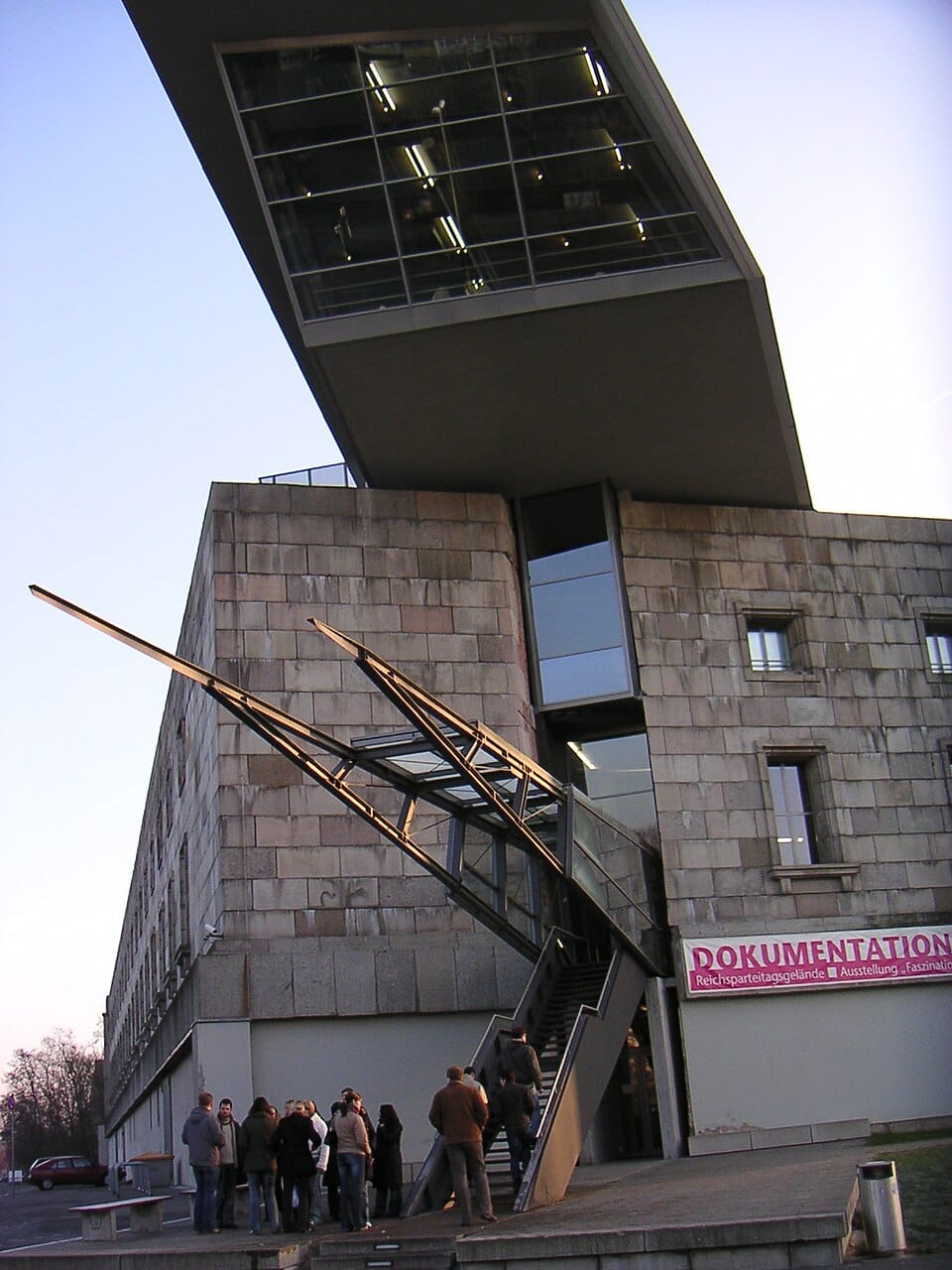
A museum inside the unfinished Congress Hall exploring the causes and consequences of National Socialism, sited on the former rally grounds.
Munich
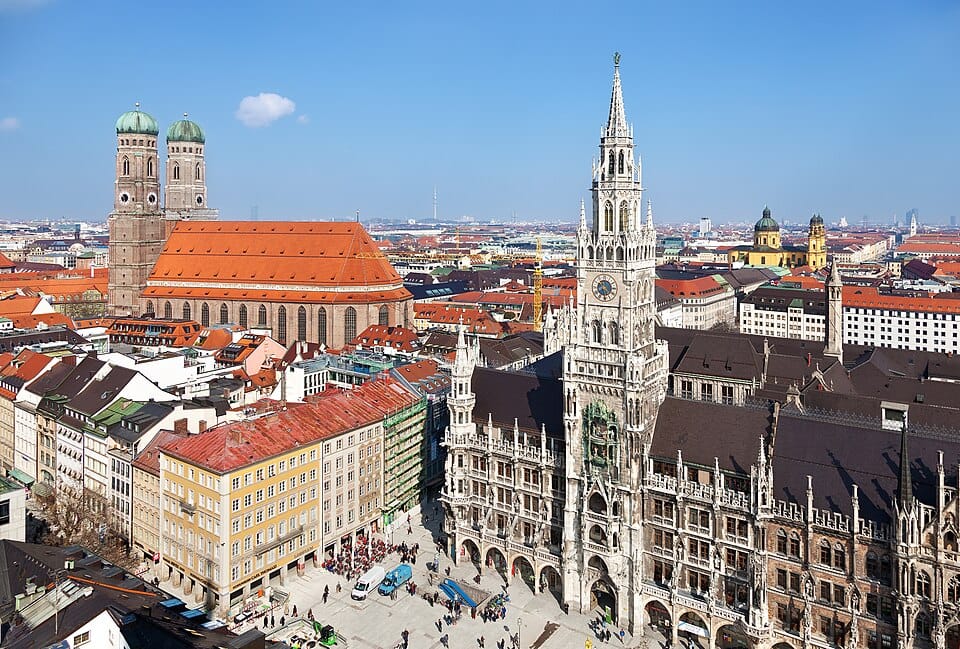
Munich is the capital of Bavaria, a prosperous city that pairs a historic center of grand churches, royal palaces, and beer halls with a modern economy anchored by BMW and major museums. Its identity is shaped by Bavarian tradition, from the Oktoberfest and beer gardens to the Alpine backdrop visible on clear days.
Top attractions in Munich
Marienplatz and New Town Hall
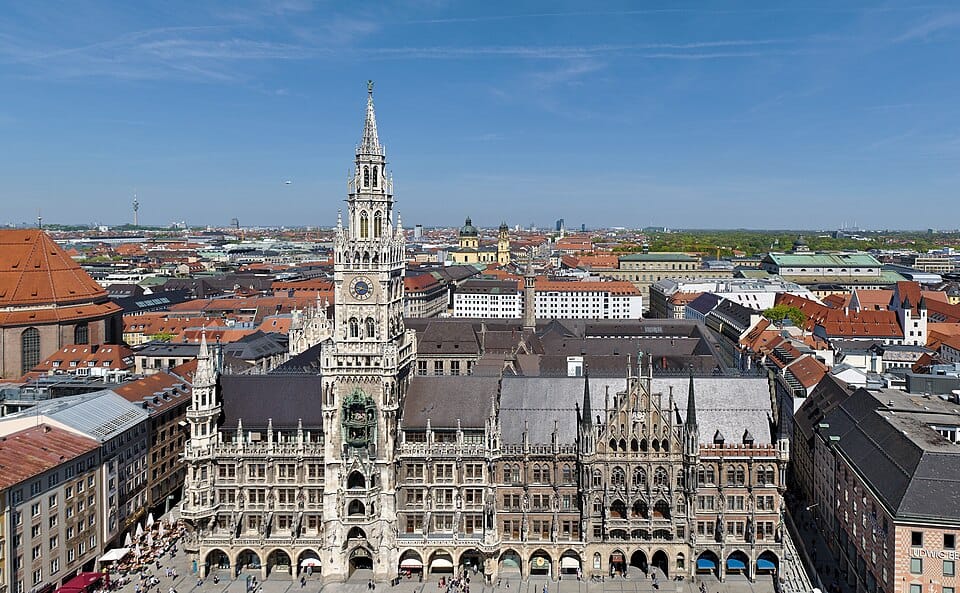
Munich's central square, dominated by the neo-Gothic New Town Hall whose Glockenspiel clock tower performs animated figures daily.
Frauenkirche (Cathedral of Our Lady)
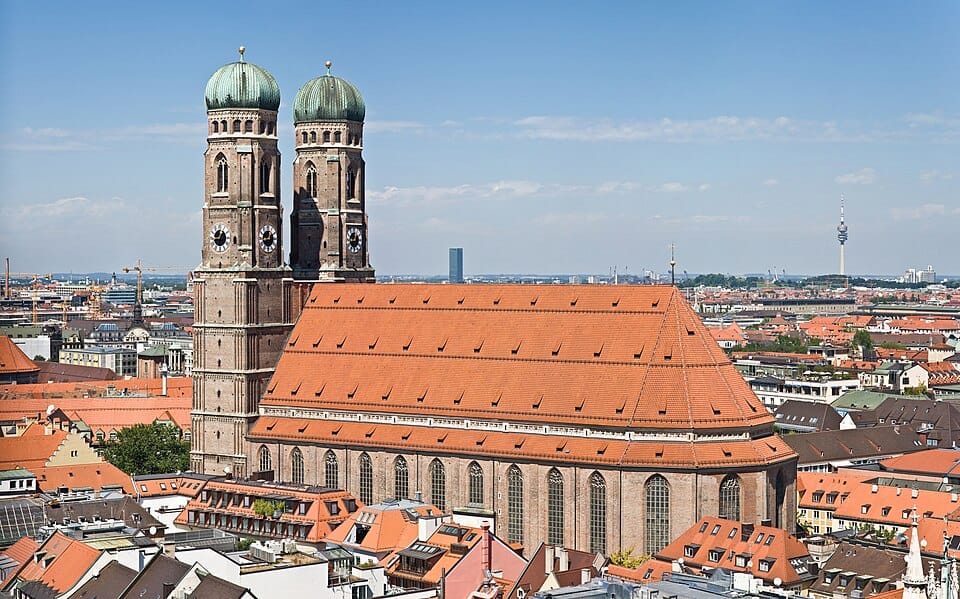
Munich's late-Gothic brick cathedral, recognizable by its two onion-domed towers that form an unofficial symbol of the city's skyline.
Residenz Munich
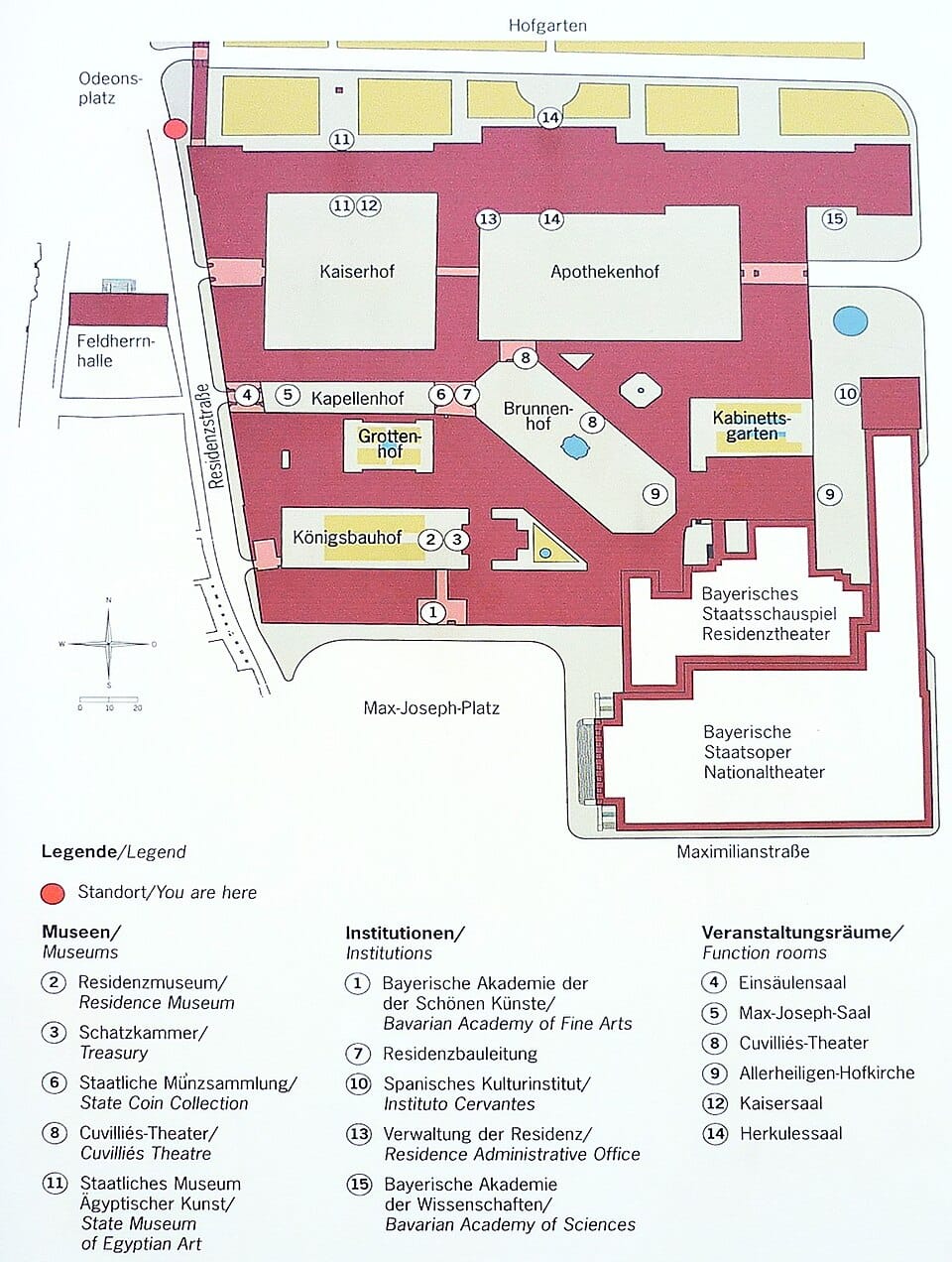
The former royal palace of the Bavarian monarchs, a sprawling complex of state rooms, courtyards, and the ornate Antiquarium hall, plus a treasury museum.
English Garden (Englischer Garten)
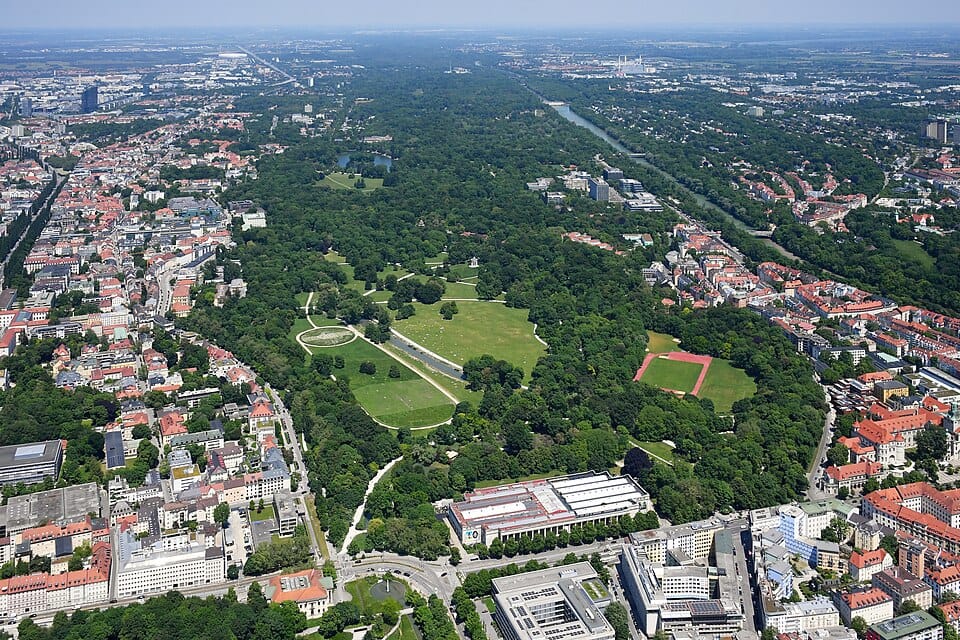
One of the world's largest urban parks, with beer gardens, a Chinese pagoda, and a standing river wave where surfers ride the Eisbach year-round.
Deutsches Museum
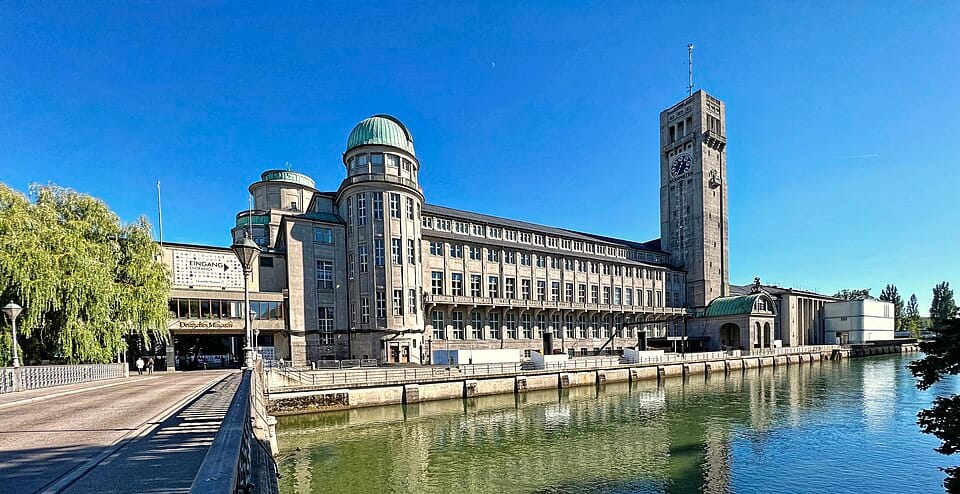
One of the world's largest museums of science and technology, on an island in the Isar river, with exhibits spanning aviation, mining, and physics.
Plan this route with EuroDrive Scout — tolls, vignettes, ZTL alerts, fuel & parking →