Camino del Norte: attractions & sights guide
A stop-by-stop guide to the best things to see along the Camino del Norte route — 7 destinations, their must-see sights and how to drive between them.
Plan this route with EuroDrive Scout — tolls, vignettes, ZTL alerts, fuel & parking →
Irún
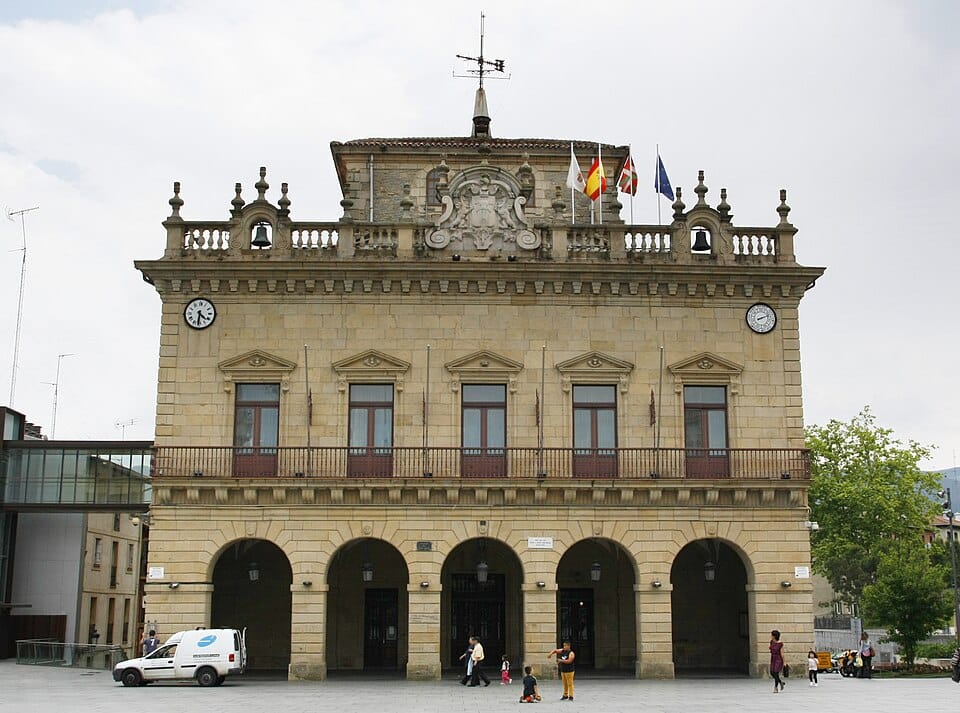
Irún is a Basque border town on the French frontier, historically the starting point of the Camino del Norte, the coastal pilgrimage route that follows Spain's northern shore toward Santiago. Its position on the Bidasoa River has made it a crossing point for travelers, traders, and pilgrims for centuries.
Top attractions in Irún
Iglesia del Juncal
The town's principal church, home to a revered wooden statue of the Virgin del Juncal and known for its ornate Baroque altarpiece.
Casco Histórico de Irún
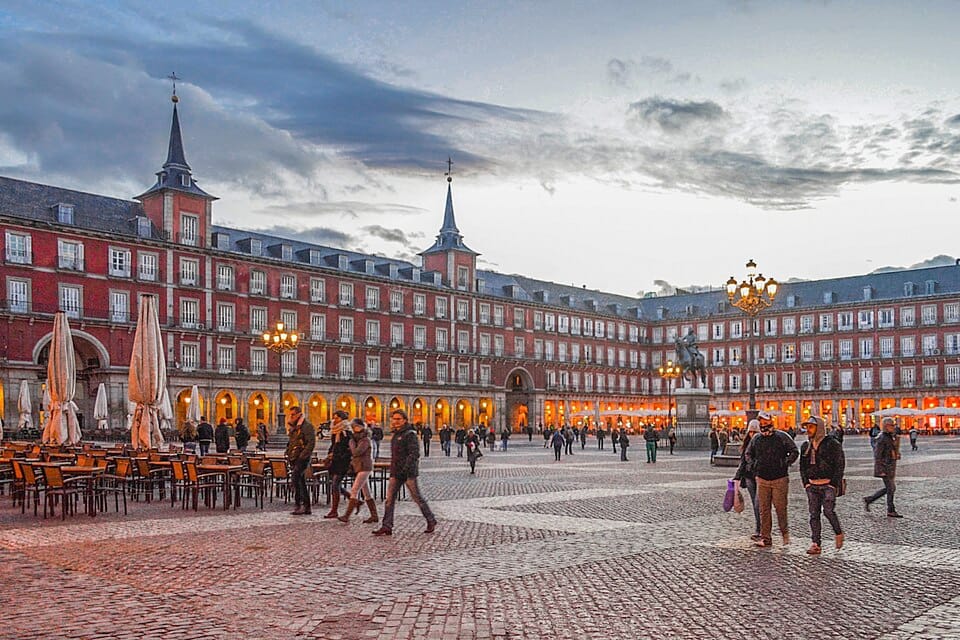
The compact old quarter around the Iglesia del Juncal, rebuilt after wartime destruction but still tracing the medieval street layout of the original border settlement.
Isla de los Faisanes
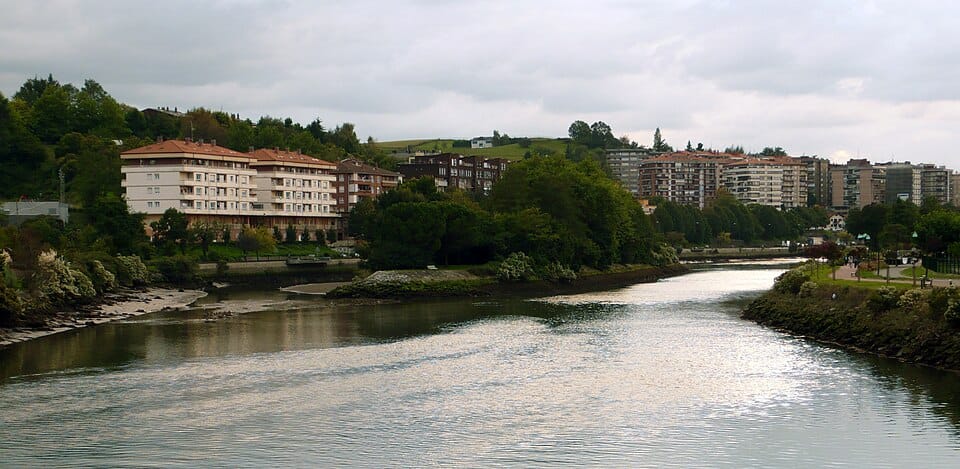
A small uninhabited island in the Bidasoa River jointly administered by France and Spain, the site of royal treaty signings and a symbol of the border the two countries share.
Ecomuseo Zubieta
A working farmstead and rural heritage museum on the outskirts of town, showing traditional Basque agricultural life, animals, and cider-making.
San Sebastián
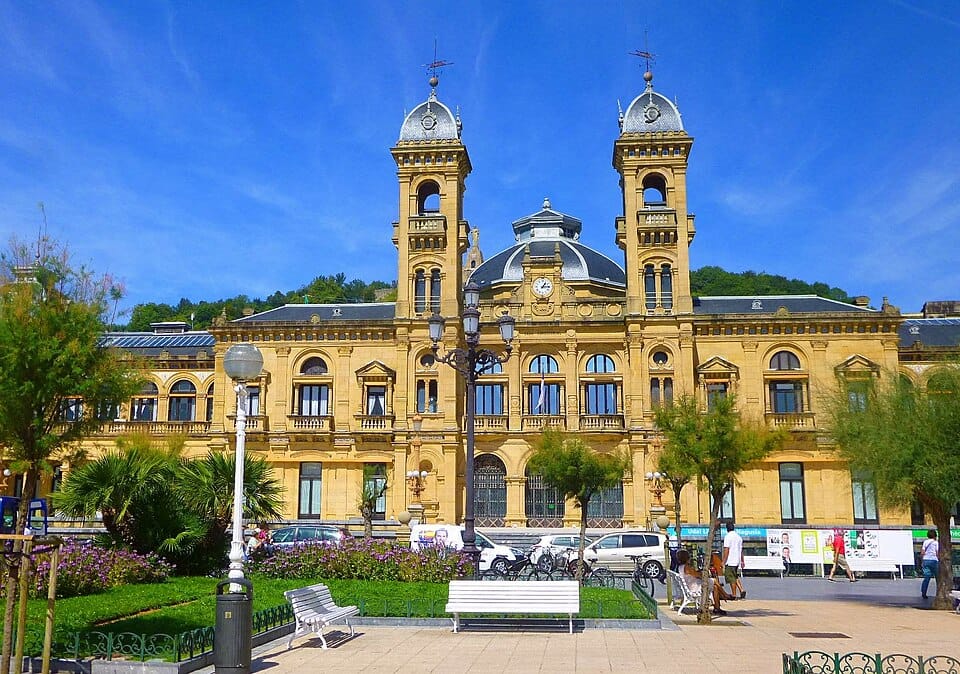
San Sebastián is a Basque coastal city renowned for its curved city beach, La Concha, and its concentration of Michelin-starred restaurants and pintxo bars. Though not directly on a Camino route, it lies near the Camino del Norte's early stages and is a common detour for travelers combining pilgrimage with the Basque coast.
Top attractions in San Sebastián
Playa de la Concha
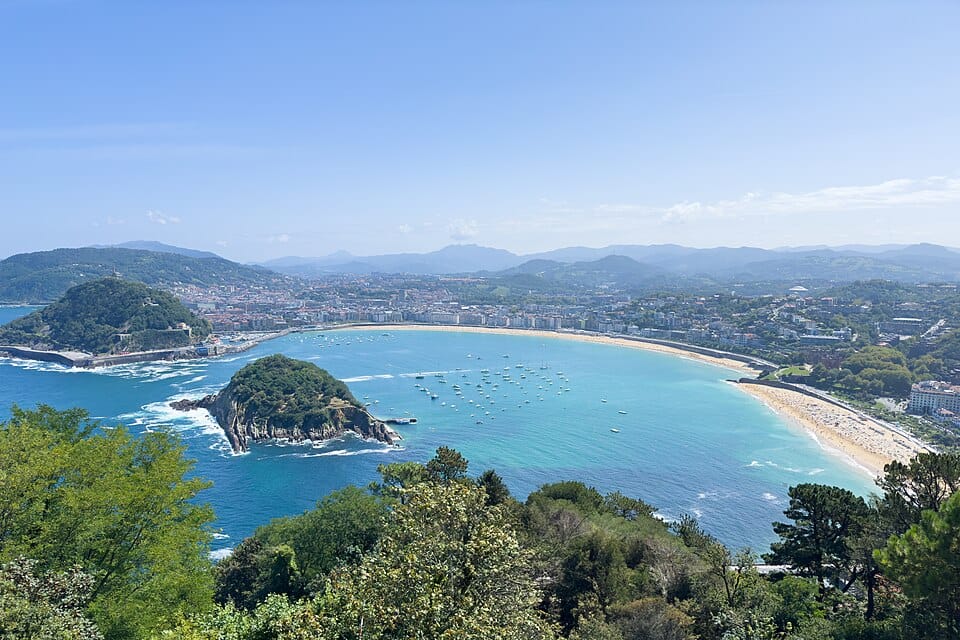
A gently curving urban beach often ranked among Europe's best, framed by a promenade, ornate balustrade railing, and views of Mount Igeldo and Santa Clara Island.
Parte Vieja (Old Town)
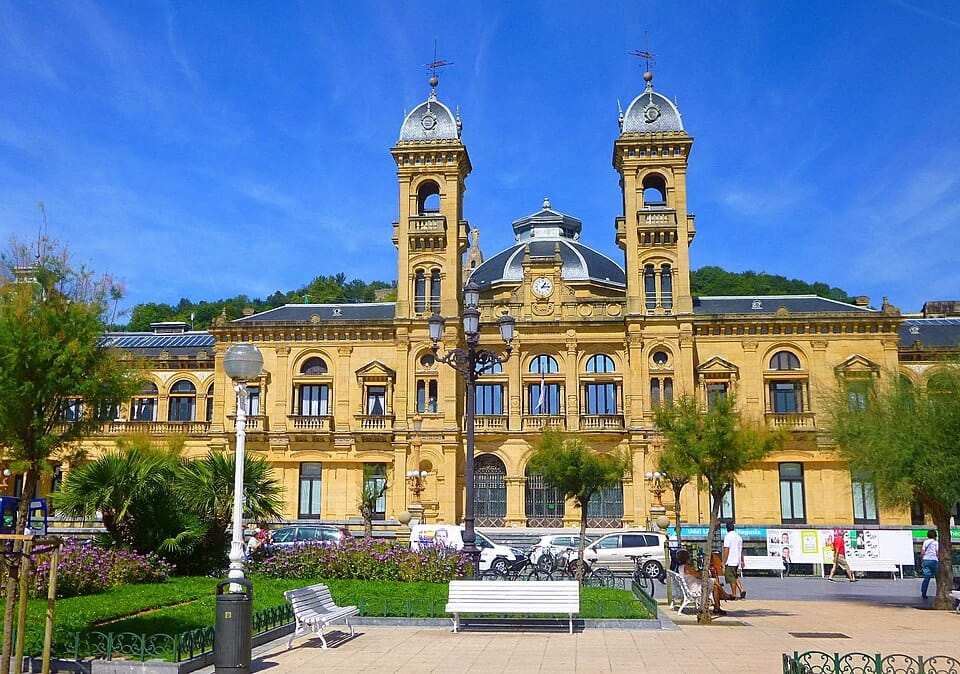
A dense grid of narrow streets packed with pintxo bars, rebuilt after an 1813 fire and now one of the highest concentrations of Michelin stars per square meter in the world.
Monte Igueldo
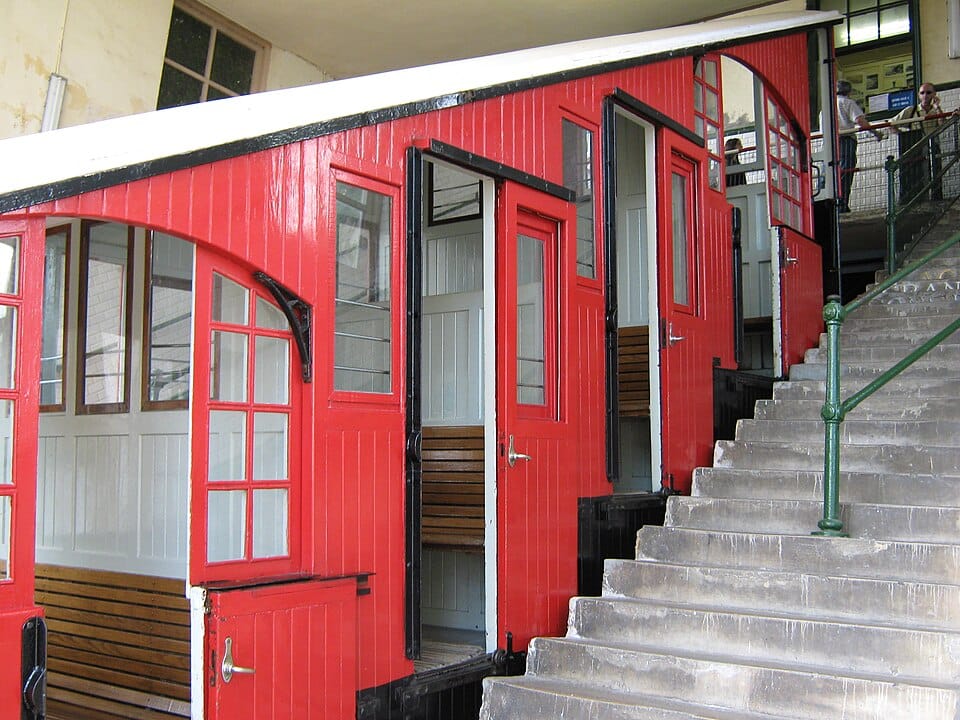
A hill on the western edge of the bay reached by a historic funicular railway, topped by a vintage amusement park and panoramic views over La Concha.
Peine del Viento
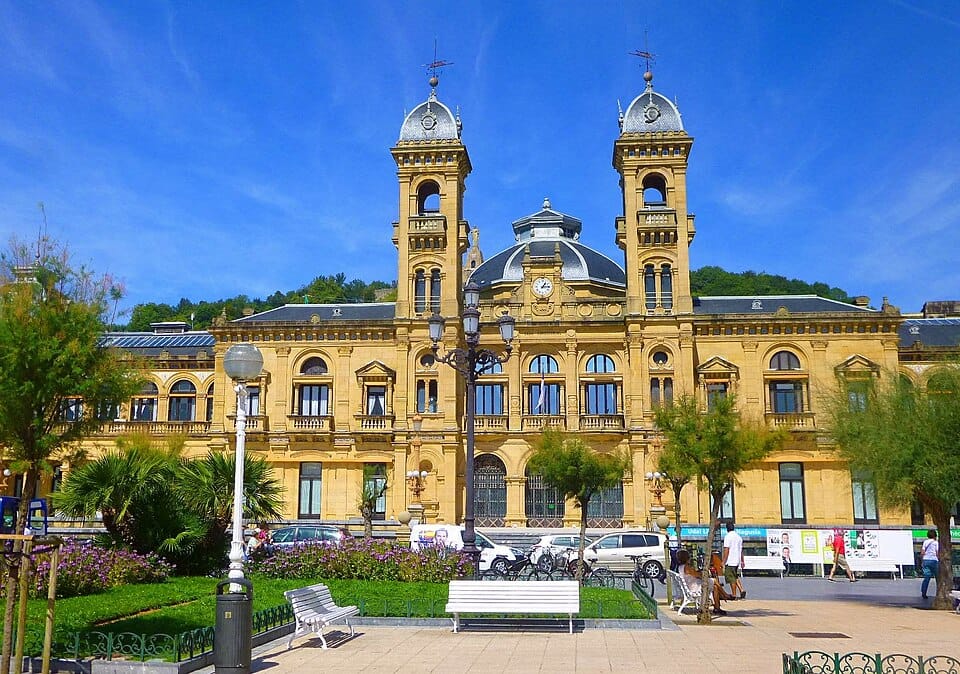
A set of iron sculptures by Basque artist Eduardo Chillida, anchored into the rocks at the western end of the bay where waves crash through carved channels.
Bilbao
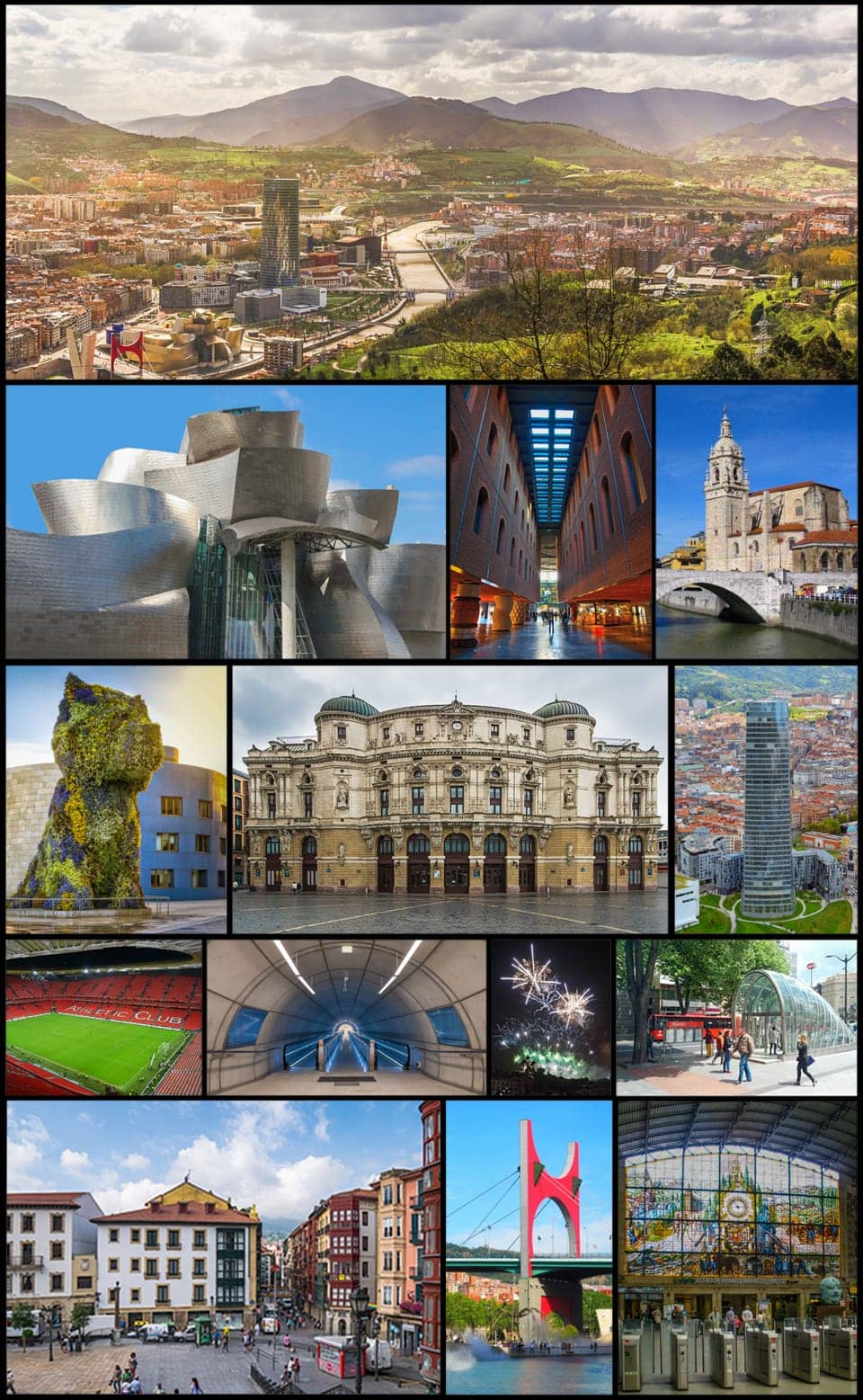
Bilbao is the largest city in the Basque Country, built along the Nervión River and transformed since the 1990s from an industrial port into a hub for design and contemporary art, most famously through the Guggenheim Museum's titanium-clad building. Its historic old town, the Casco Viejo, retains narrow lanes and arcaded squares from its origins as a medieval trading town.
Top attractions in Bilbao
Guggenheim Museum Bilbao
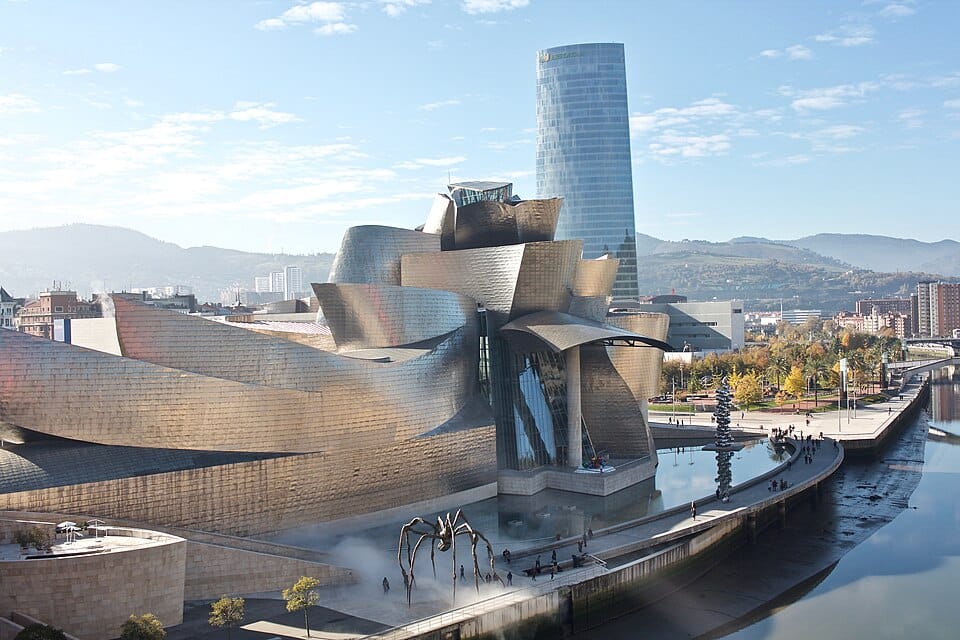
Frank Gehry's titanium-clad landmark on the riverfront, showing contemporary and modern art and credited with reviving the city's fortunes.
Casco Viejo
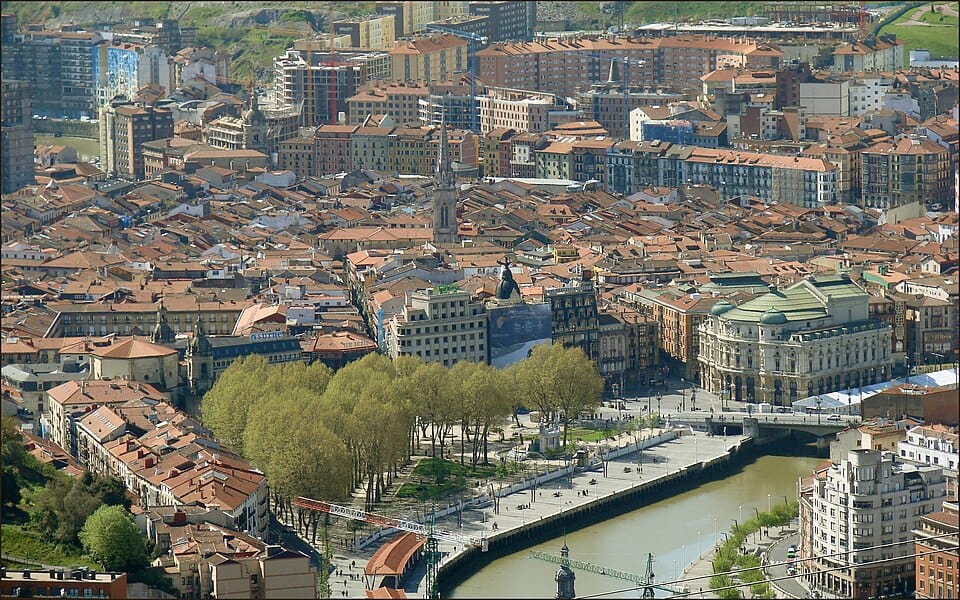
The medieval old town of narrow streets known as the Siete Calles, filled with pintxo bars and centered on the Plaza Nueva.
Puente de Zubizuri
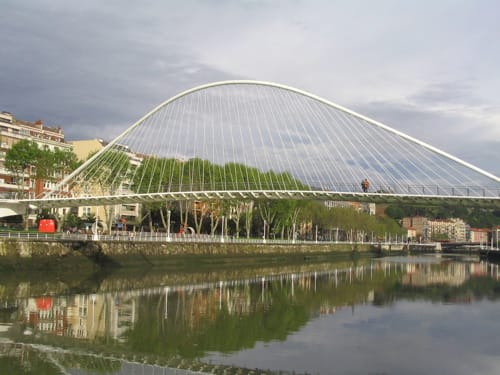
A curved white footbridge designed by Santiago Calatrava, its glass-block deck a distinctive crossing point over the Nervión.
Mercado de la Ribera
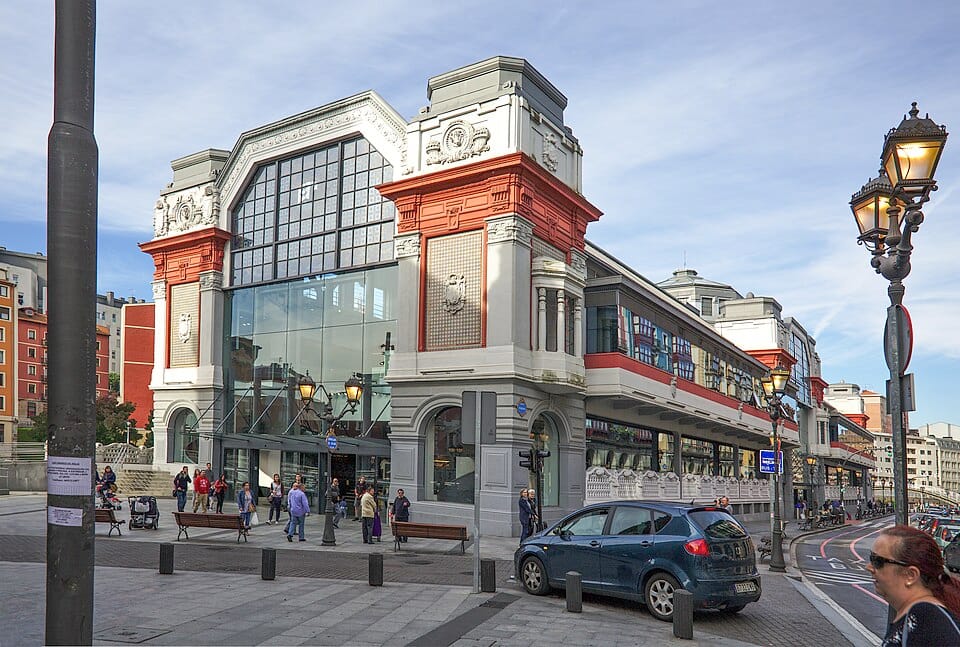
A large Art Deco riverside market hall selling fresh produce, seafood, and pintxos across several floors.
Funicular de Artxanda
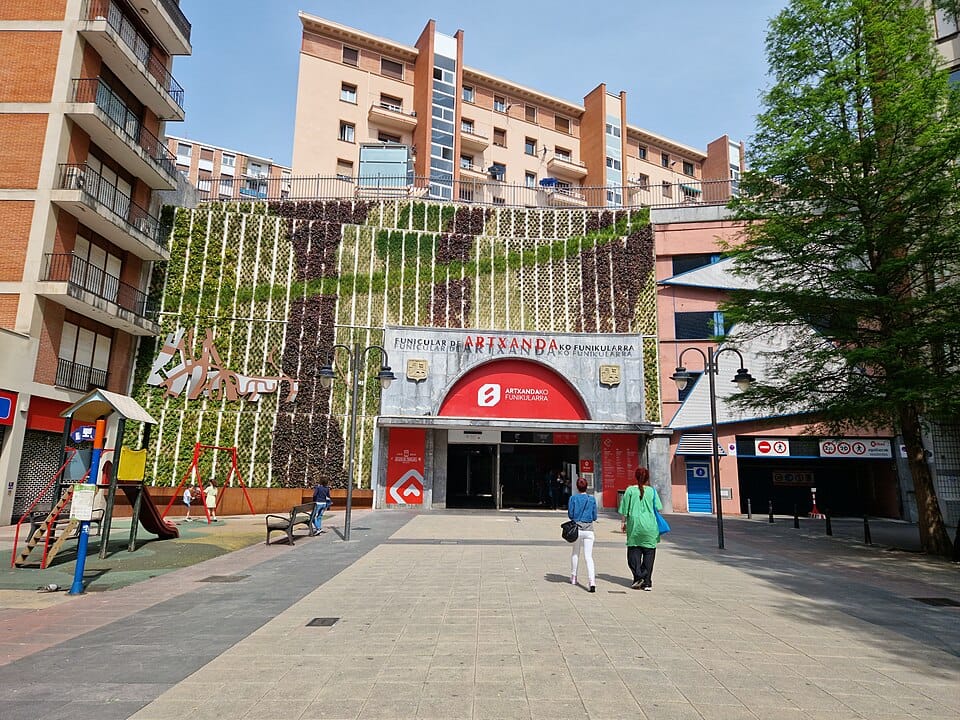
A century-old funicular railway climbing to Mount Artxanda, offering panoramic views over Bilbao and the surrounding hills.
Santander
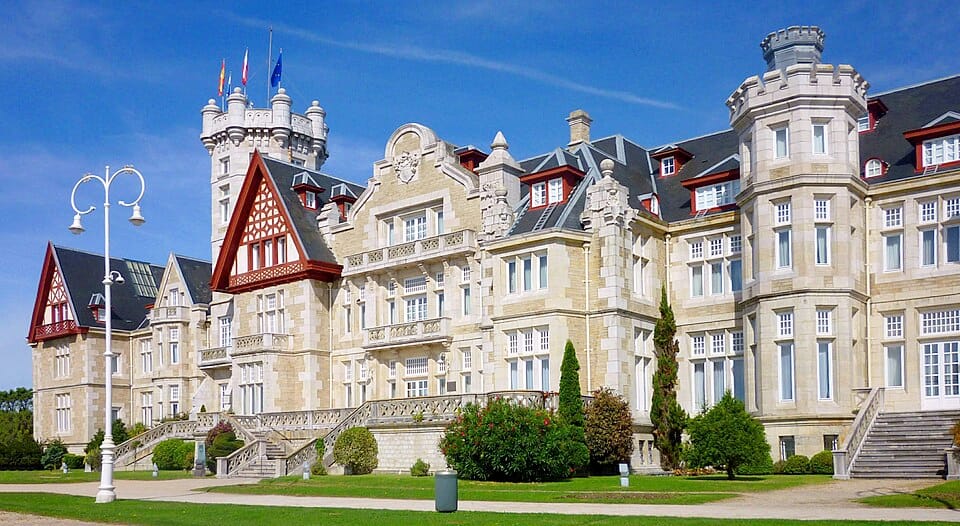
Santander is the capital of Cantabria, a port city on the northern coast built around a wide natural bay and rebuilt in an elegant, orderly style after a major fire in 1941 destroyed much of its historic center. It is known for its sweeping beaches, the Palacio de la Magdalena royal residence on its own peninsula, and the striking contemporary Centro Botín arts complex on the waterfront.
Top attractions in Santander
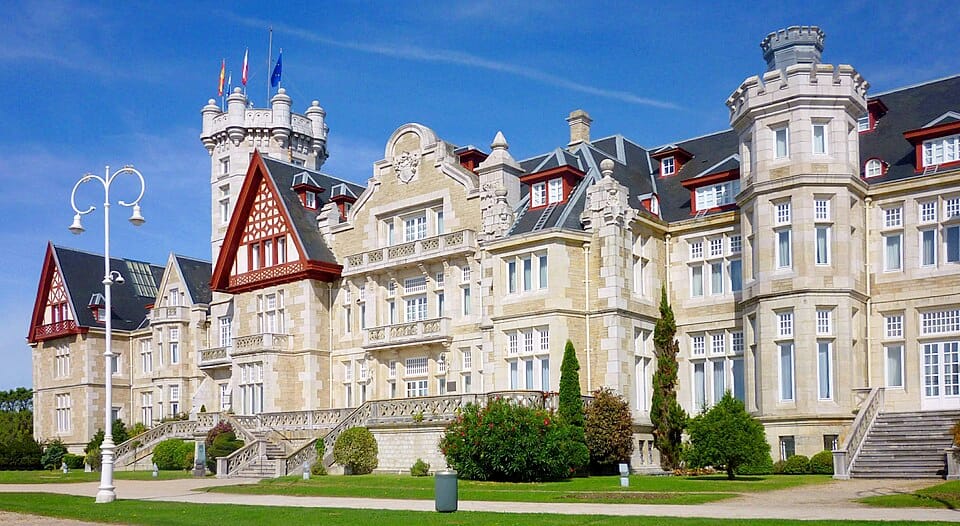
Palacio de la Magdalena
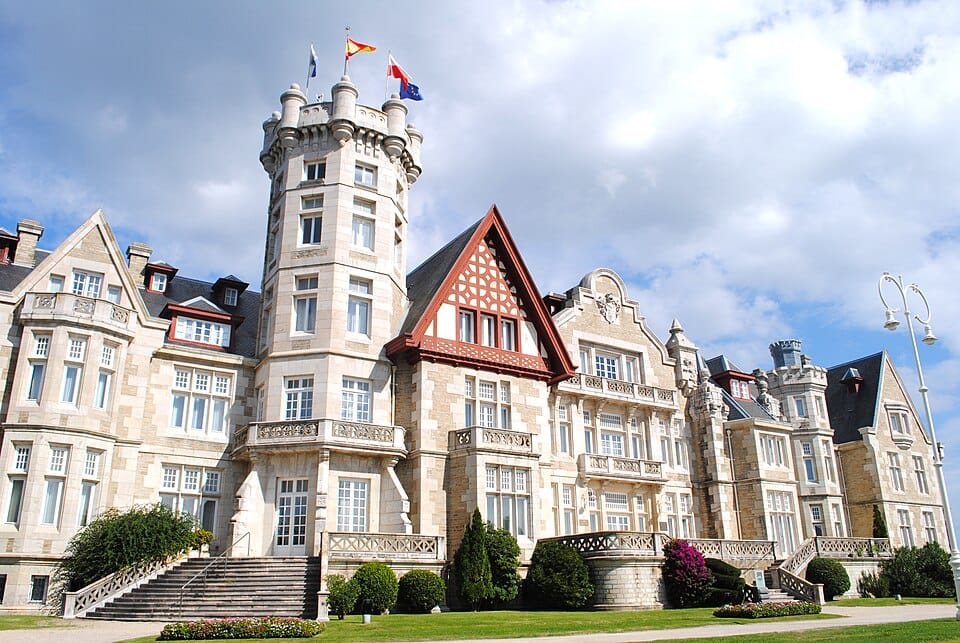
A former royal summer residence set on a green peninsula overlooking the bay, built in an eclectic English-influenced style in the early 20th century.
Centro Botín
A contemporary art center designed by Renzo Piano, its two curved, pearlescent volumes projecting out over the bay on the waterfront.
El Sardinero
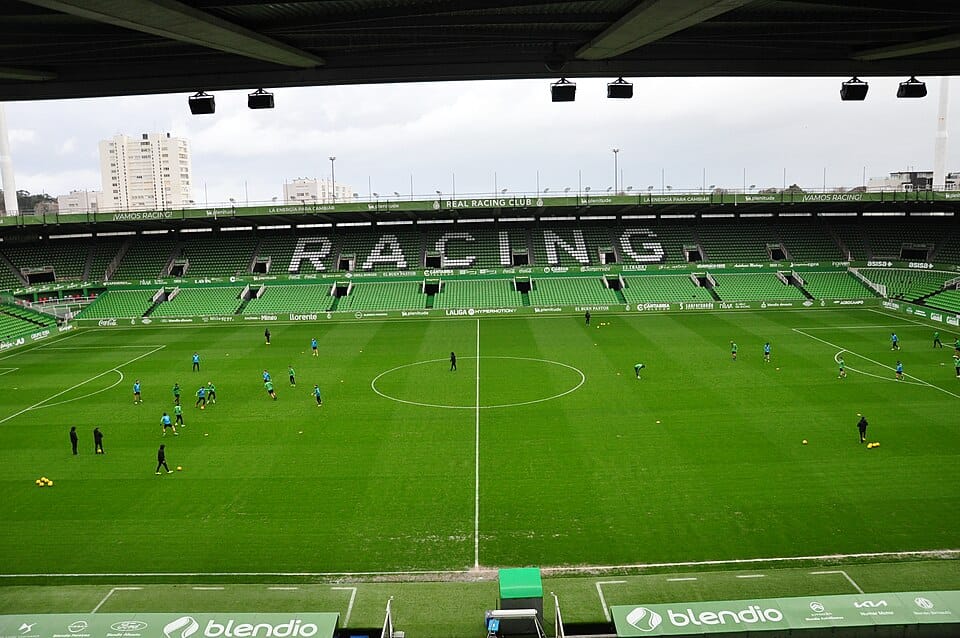
The city's principal beach district, a pair of wide sandy bays backed by a historic casino and belle époque hotels.
Santander Cathedral
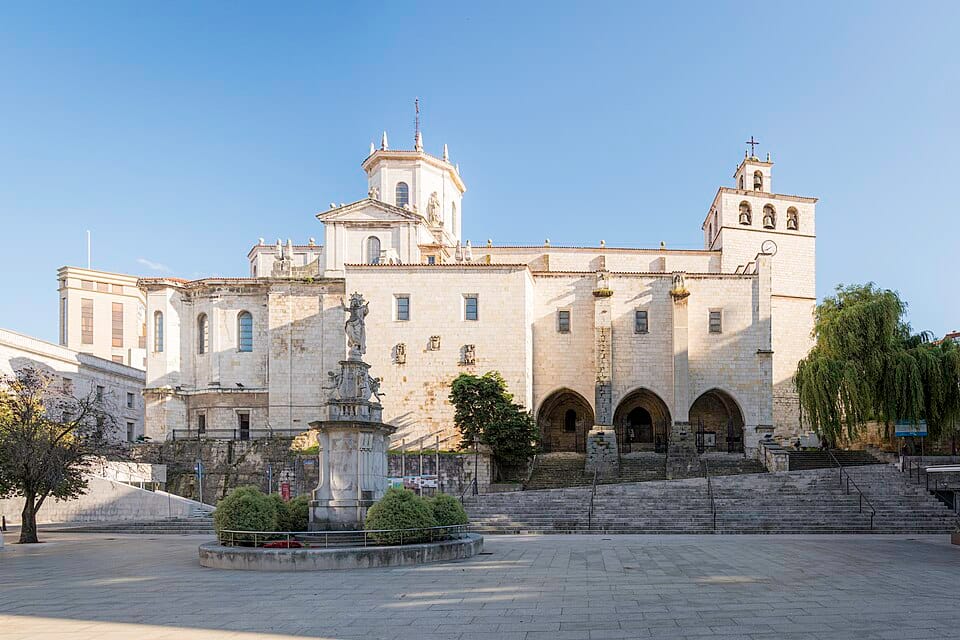
A Gothic cathedral built over an earlier crypt in the old quarter, one of the few structures in the center to survive the 1941 fire.
Palacete del Embarcadero

A small ornate 19th-century pavilion on the harbor promenade, now used as an exhibition space, framed by views across the bay.
Gijón
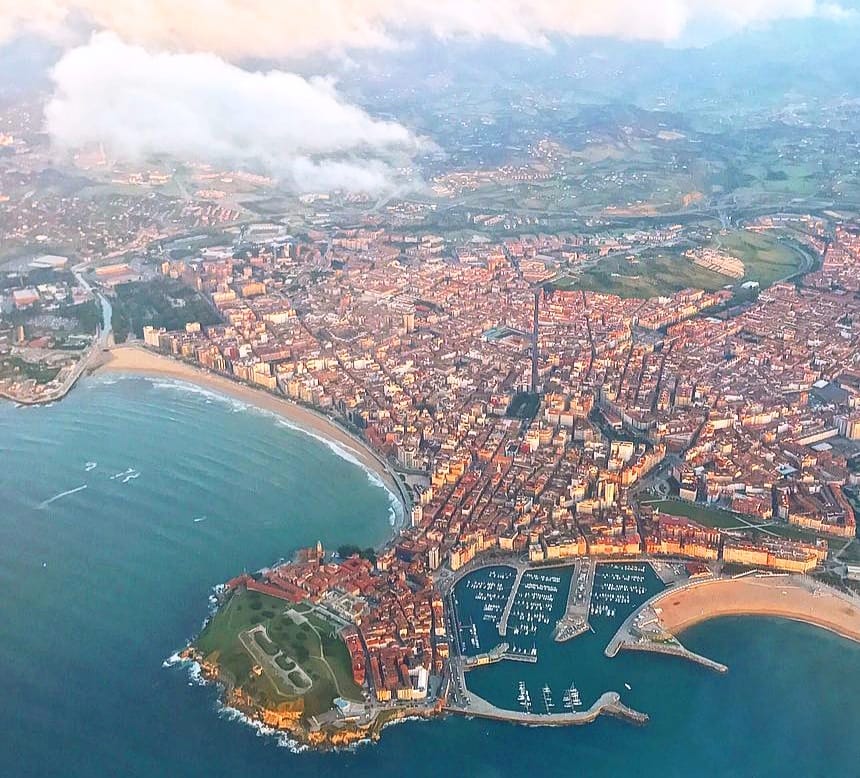
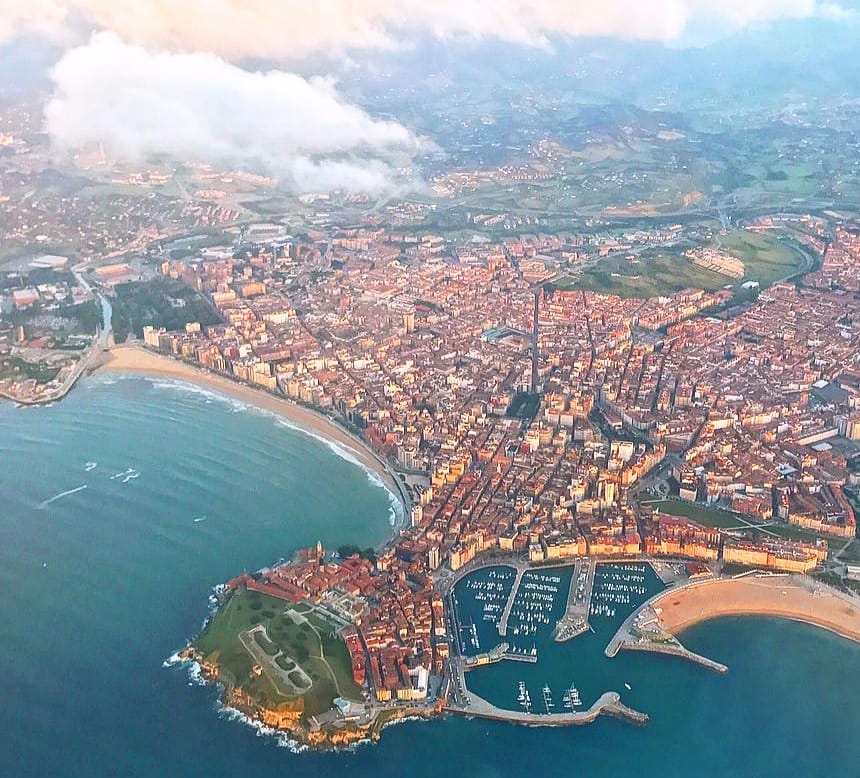
Gijón is a port city on the Bay of Biscay in Asturias, the region's largest population center and a stop on the Camino del Norte pilgrimage route along Spain's northern coast. It combines a working fishing harbor and old quarter, Cimadevilla, with a long urban beach, Roman-era baths, and a strong local cider culture centered on sidrerías.
Top attractions in Gijón
San Lorenzo Beach
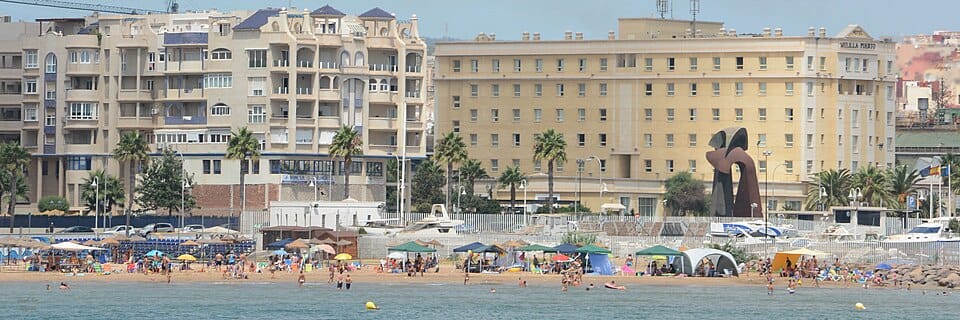
A curving two-kilometer urban beach backed by a stone promenade, popular for walking, surfing, and swimming right at the edge of downtown.
Cimadevilla
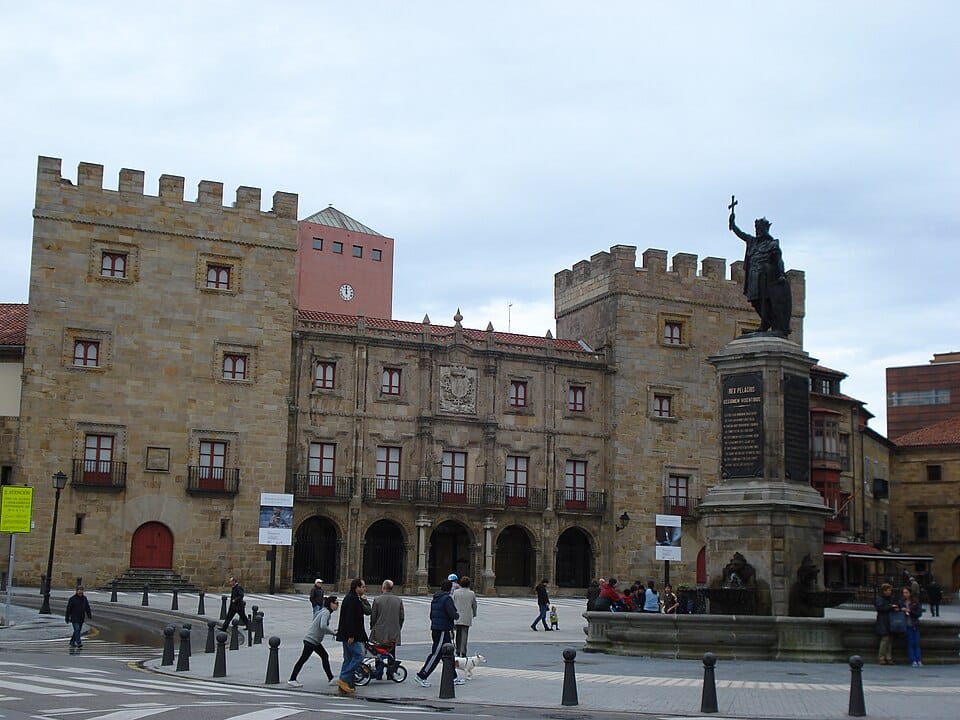
The old fishing quarter on a headland jutting into the sea, with narrow lanes, cider bars, and views from the Santa Catalina park at its tip.
Roman Baths of Campo Valdés
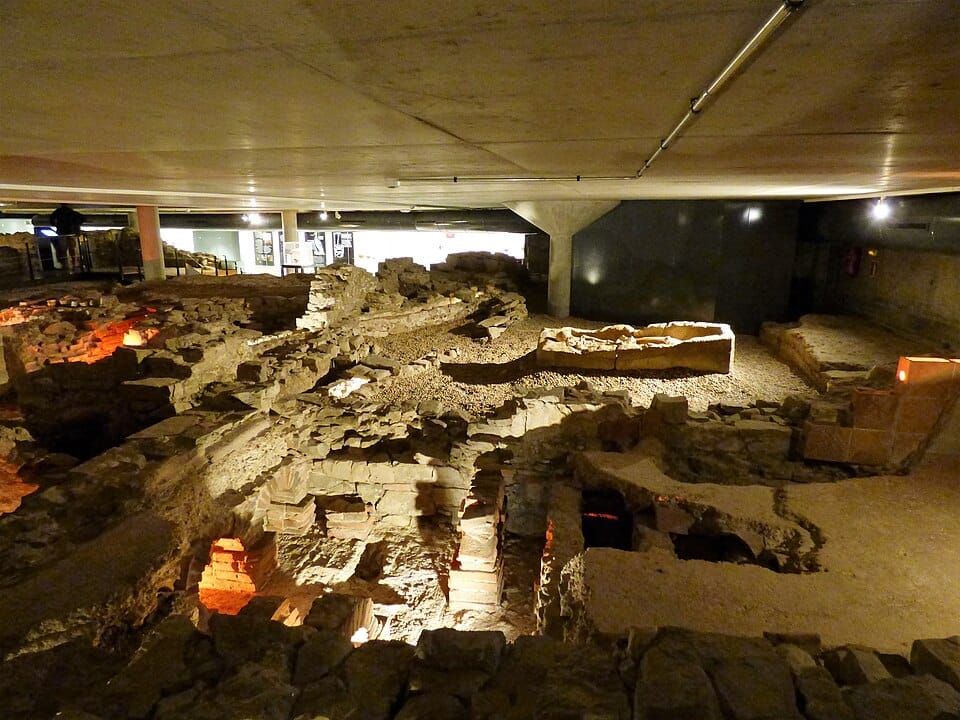
Excavated remains of a 1st-century Roman bathhouse, preserved under glass just steps from San Lorenzo beach.
Elogio del Horizonte
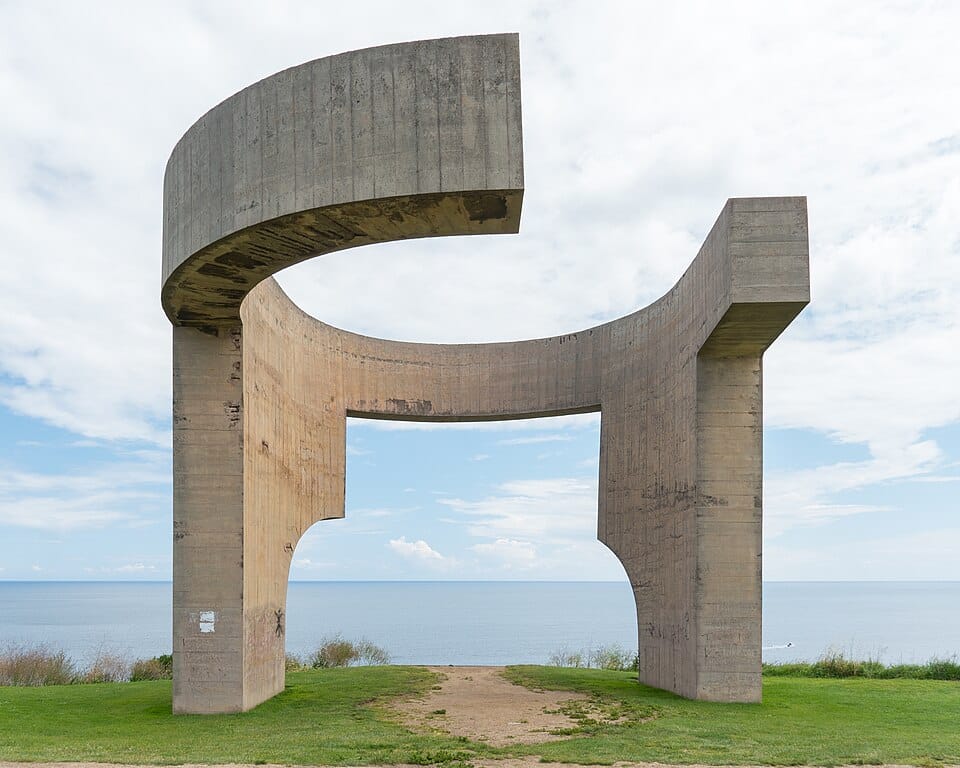
A massive concrete sculpture by Basque artist Eduardo Chillida set on the Santa Catalina headland, framing views out over the bay.
Universidad Laboral de Gijón
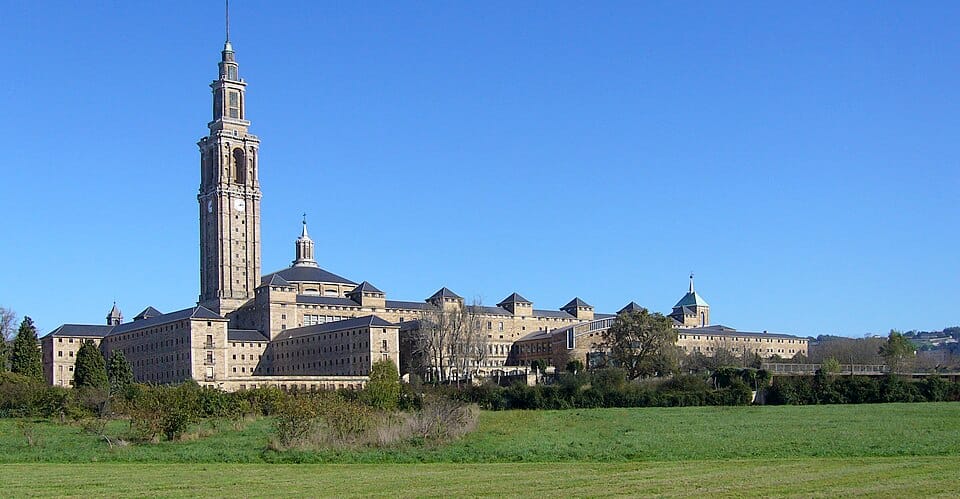
An enormous mid-20th-century complex with a landmark tower and church, originally built as a vocational school and now used as a cultural and arts center.
Atlantic Botanical Garden
A botanical garden dedicated to Atlantic coast flora, spread across wooded, riverside grounds on the edge of the city.
Avilés
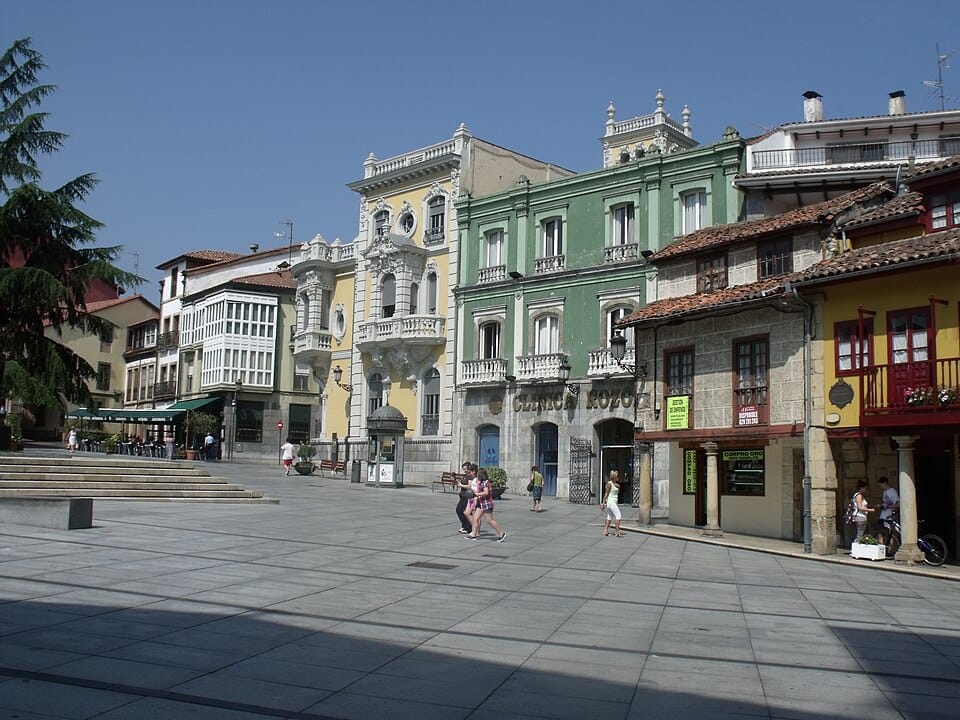
Avilés is a port town in Asturias on the Camino del Norte, once a heavily industrial steel town that has reinvented its riverside with contemporary architecture. Its arcaded medieval old town survives largely intact, centered on Calle Galiana, while the Centro Niemeyer, the only building in Spain by architect Oscar Niemeyer, anchors the modern waterfront.
Top attractions in Avilés
Centro Niemeyer
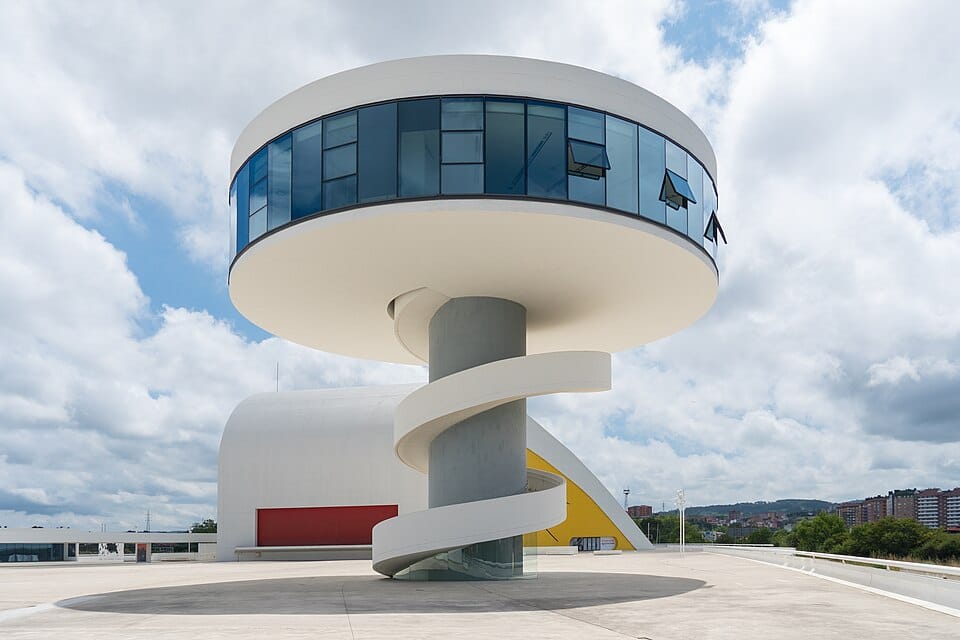
A cultural complex on the riverside designed by Brazilian architect Oscar Niemeyer, with a distinctive white dome, auditorium, and exhibition tower.
Calle Galiana
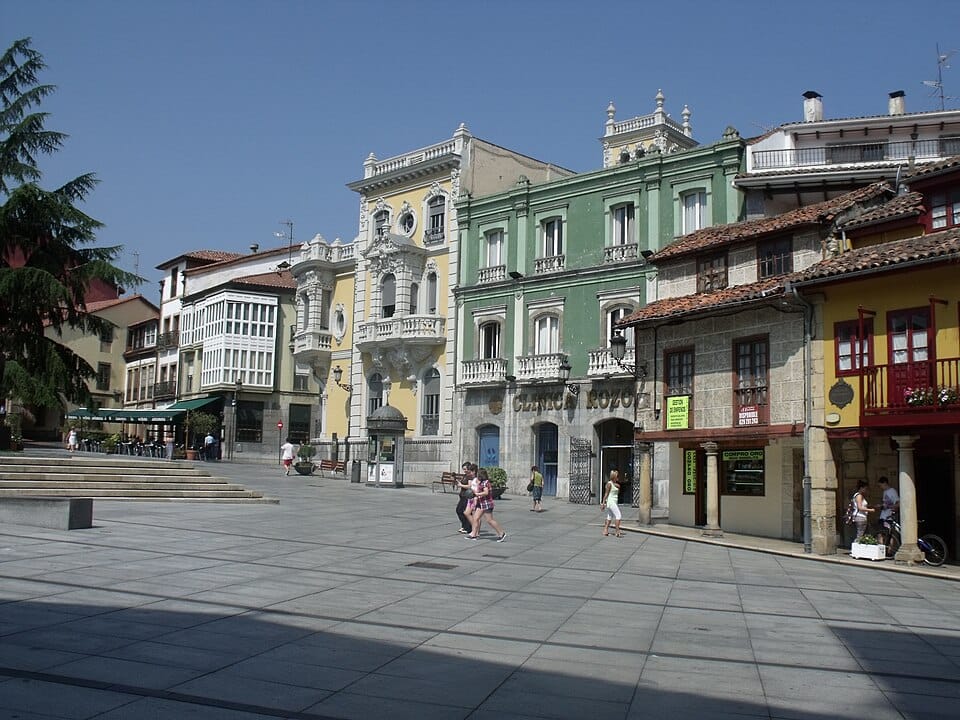
A medieval arcaded street lined with stone columns and covered walkways, the spine of the old town.
Church of San Nicolás de Bari
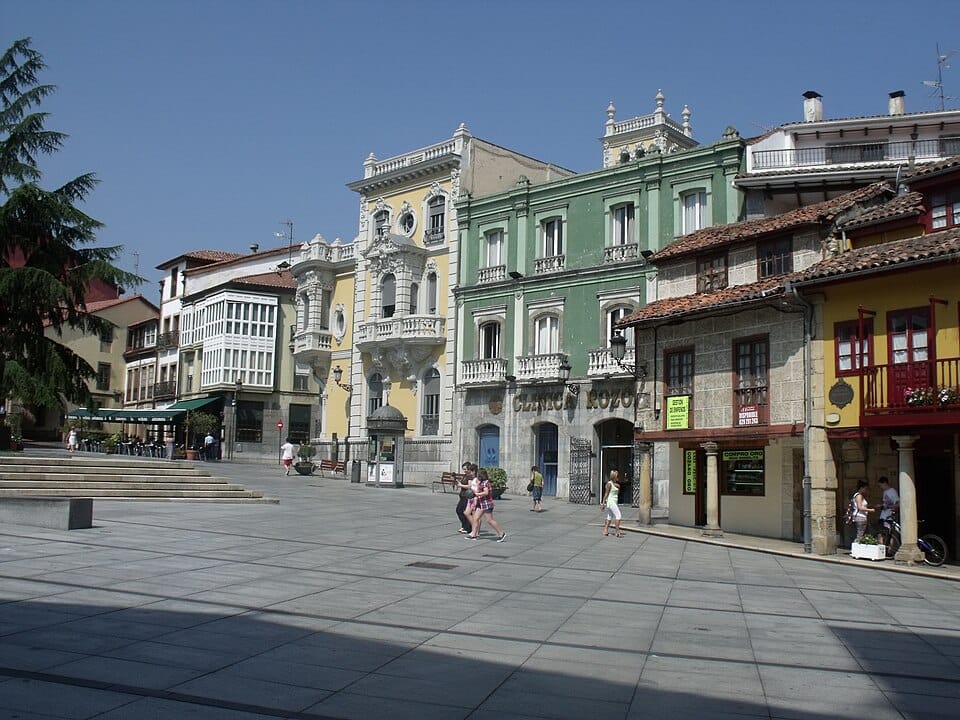
A Gothic parish church holding the tomb of Pedro Menéndez de Avilés, the 16th-century admiral who founded St. Augustine, Florida.
Camposagrado Palace
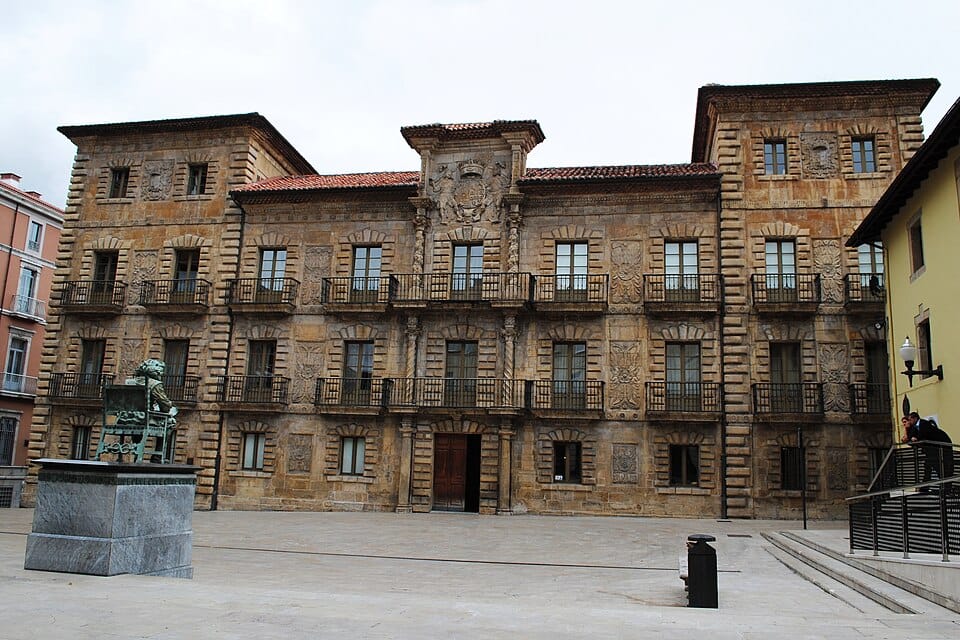
A Baroque noble palace with a richly carved stone facade overlooking the Plaza de España.
Ferrera Park
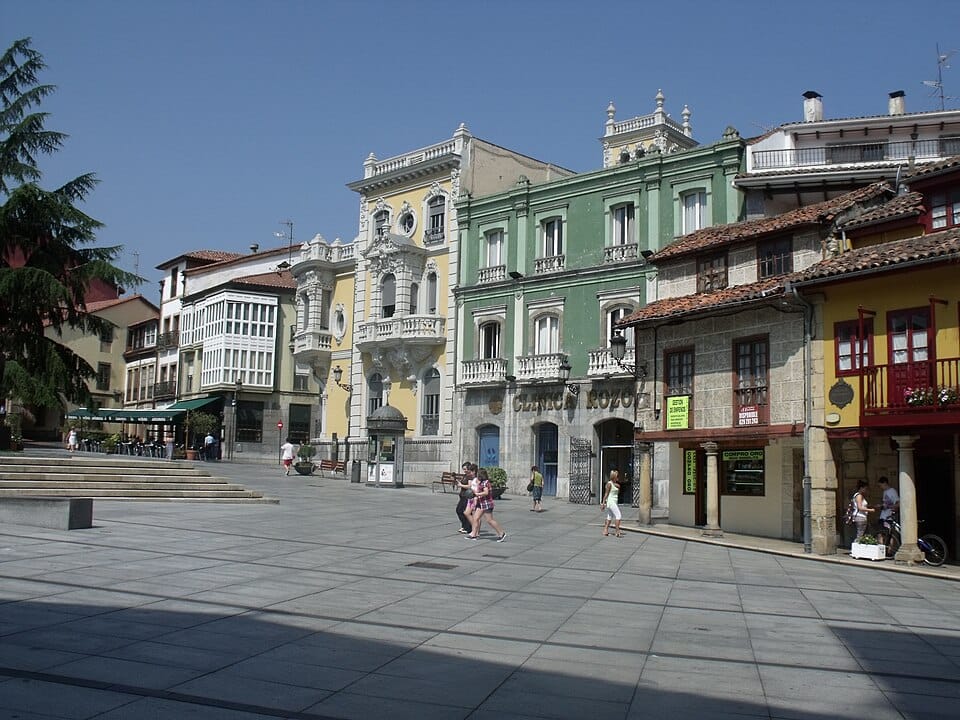
A landscaped public park laid out around a former noble estate, with mature trees and formal gardens close to the old town.
Santiago de Compostela
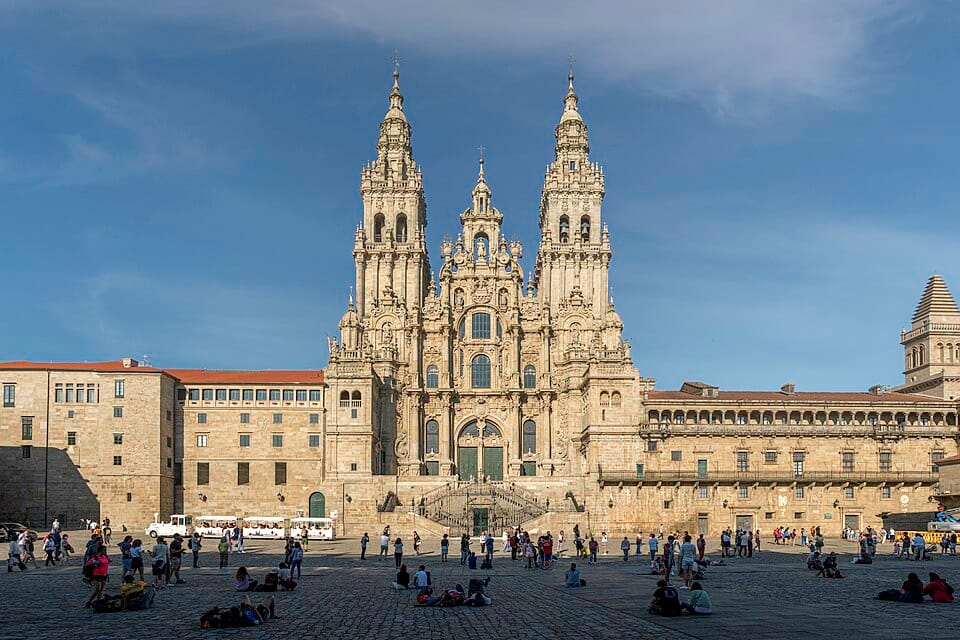
Santiago de Compostela is the spiritual endpoint of the Camino de Santiago, a pilgrimage network that has drawn walkers to the tomb of Saint James for over a thousand years. Its granite old town, centered on the Romanesque cathedral, is a UNESCO World Heritage Site and one of the great pilgrimage cities of Europe.
Top attractions in Santiago de Compostela
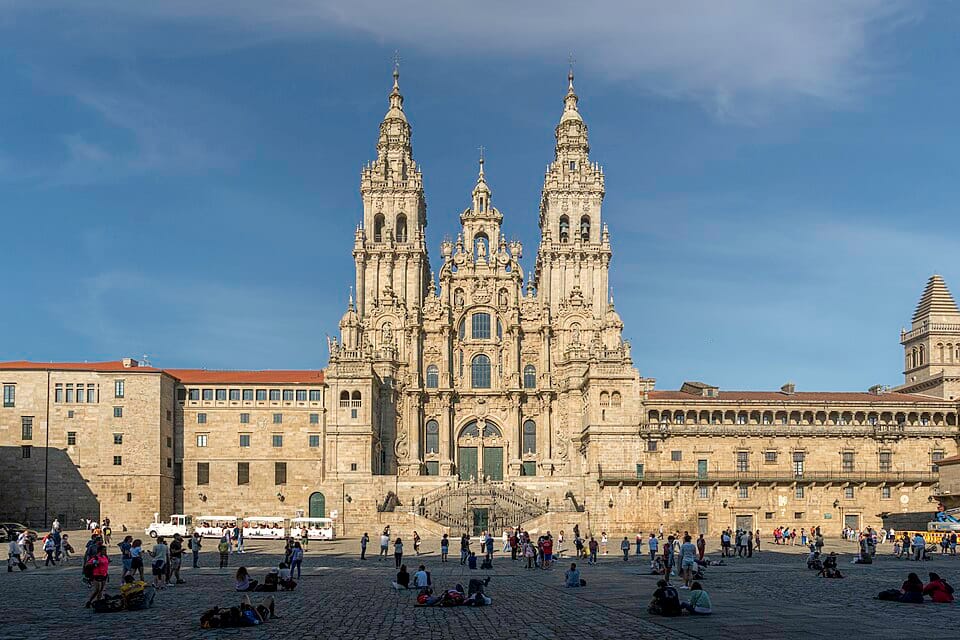
Cathedral of Santiago de Compostela
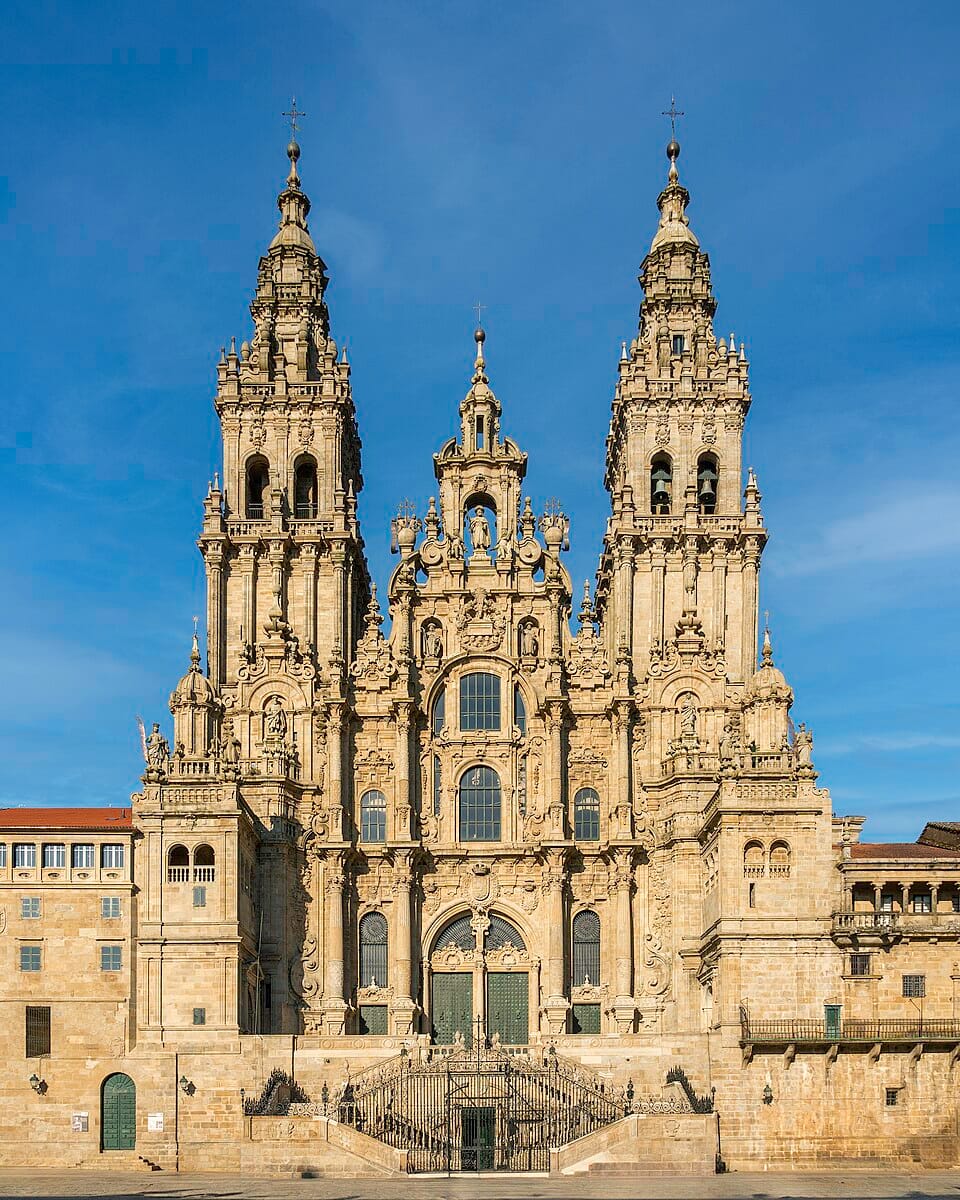
The Romanesque cathedral houses the reputed tomb of Saint James beneath its high altar and marks the traditional finish of all Camino routes.
Praza do Obradoiro
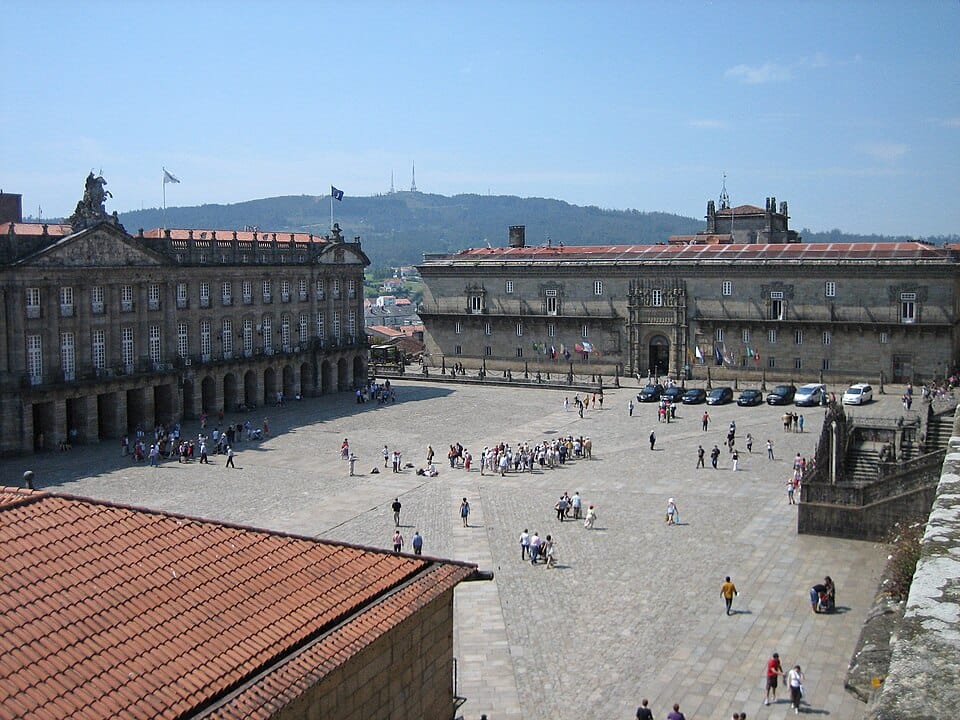
The grand square in front of the cathedral is where exhausted pilgrims traditionally arrive, flanked by the Hostal dos Reis Católicos and the Pazo de Raxoi.
Mercado de Abastos
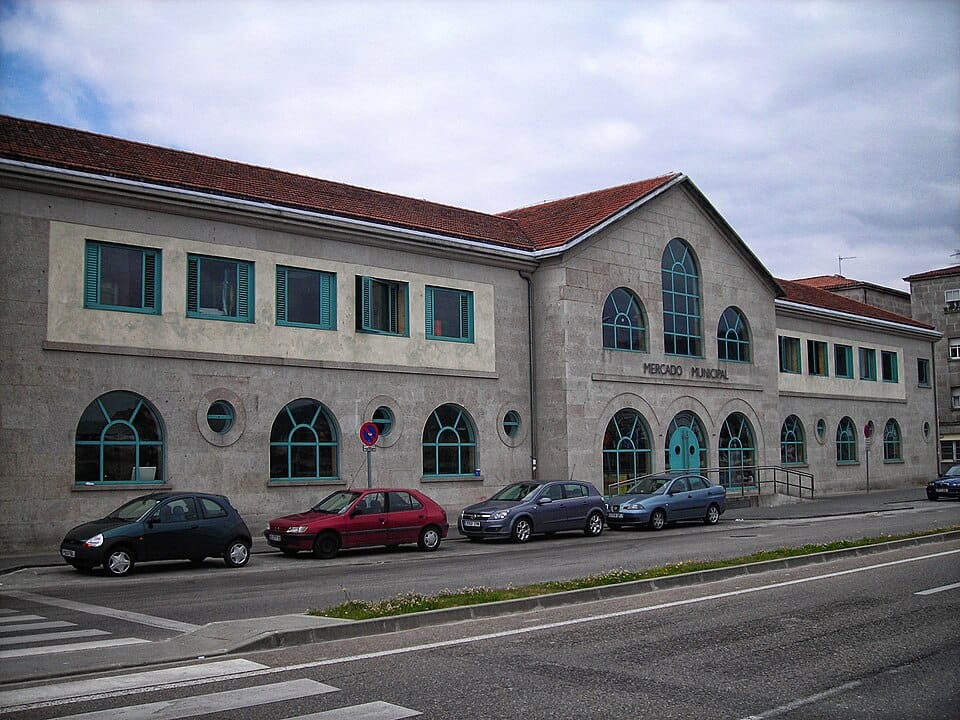
A stone-built covered market selling Galician seafood, cheese, and produce, popular with both locals and visitors for its stalls and adjoining tapas counters.
Parque de la Alameda
A wooded hillside park offering the classic postcard view of the cathedral's towers rising over the old town's rooftops.
Convento de San Francisco

A monastery reputedly founded by Saint Francis of Assisi during his own pilgrimage to Santiago, now home to a small museum on the order's history.
Plan this route with EuroDrive Scout — tolls, vignettes, ZTL alerts, fuel & parking →