Camino Francés: attractions & sights guide
A stop-by-stop guide to the best things to see along the Camino Francés route — 7 destinations, their must-see sights and how to drive between them.
Plan this route with EuroDrive Scout — tolls, vignettes, ZTL alerts, fuel & parking →
Saint-Jean-Pied-de-Port
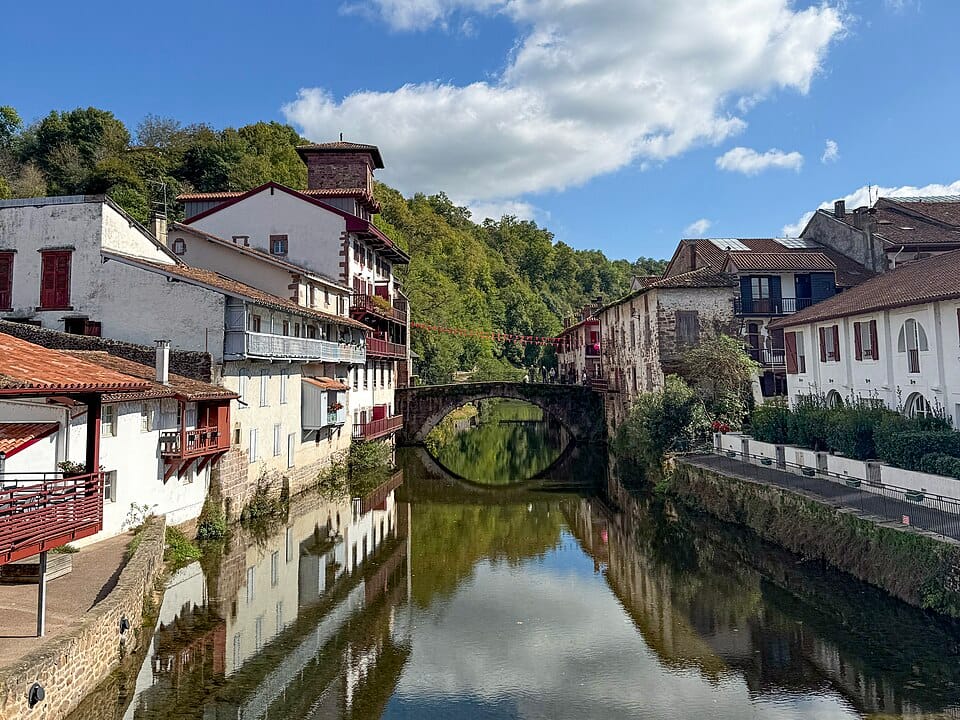
Saint-Jean-Pied-de-Port is a fortified Basque town in the French Pyrenees, built along the Nive river at the foot of the Roncevaux Pass. Its citadel, ramparts, and pink-and-white sandstone houses along the Rue de la Citadelle preserve one of the best-kept medieval townscapes in the region.
Top attractions in Saint-Jean-Pied-de-Port
Rue de la Citadelle
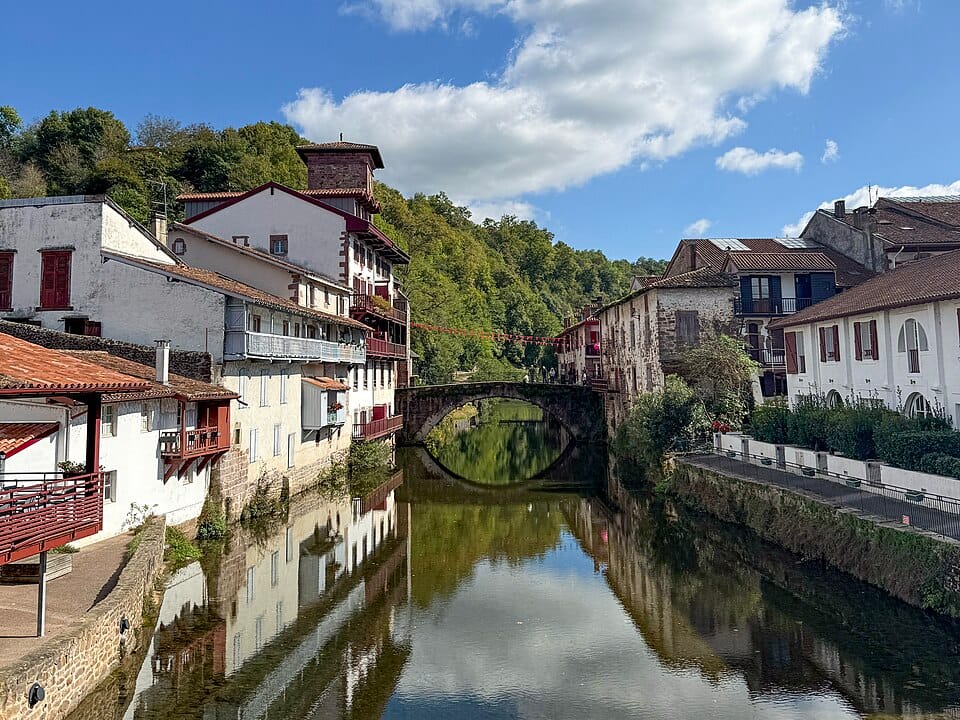
The steep cobbled main street lined with 16th- and 17th-century pink sandstone houses, leading up from the pilgrims' office to the citadel.
Citadel of Saint-Jean-Pied-de-Port
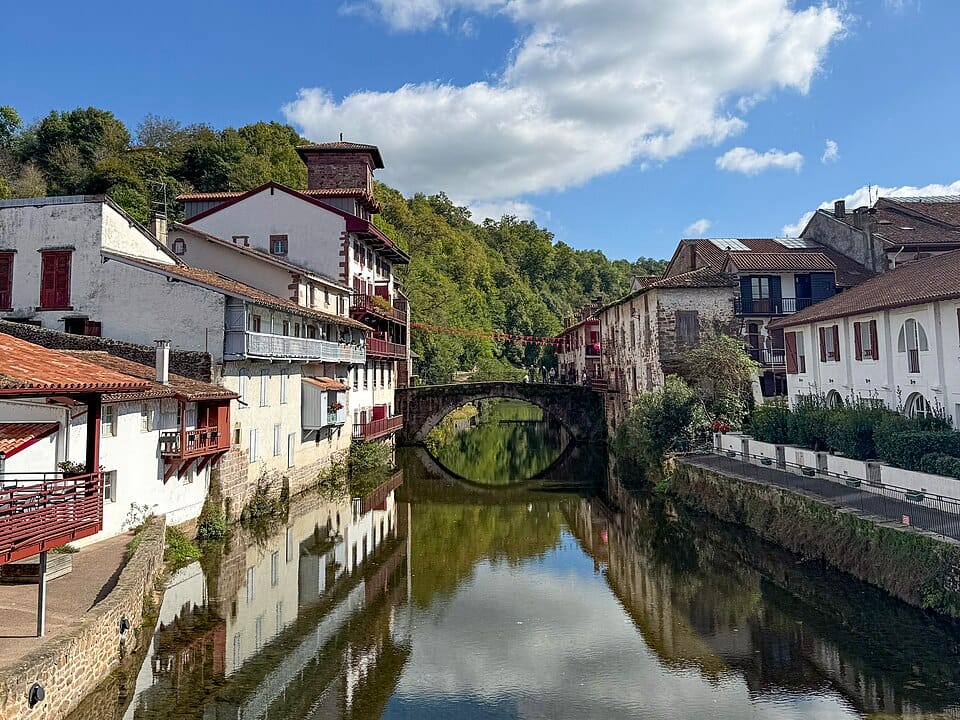
A 17th-century star-shaped fortress redesigned by Vauban's engineers, offering panoramic views over the town and the surrounding Pyrenean foothills.
Notre-Dame-du-Bout-du-Pont Church
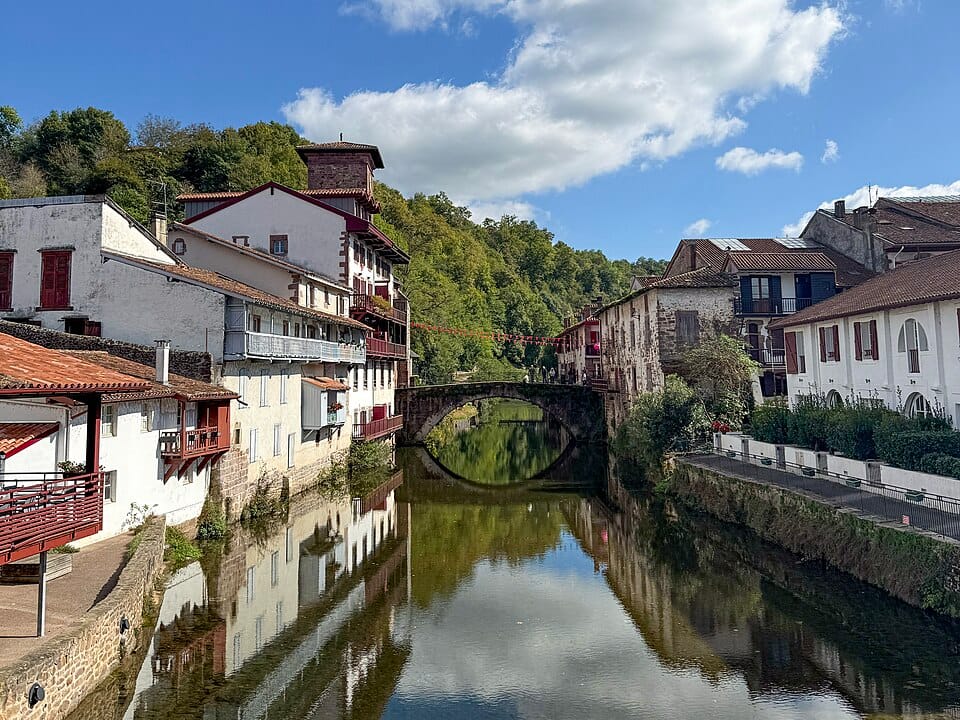
A 13th- and 14th-century Gothic church straddling the old fortified gate by the Nive, traditionally the first stop for pilgrims setting out on the Camino.
Pont Romain (Roman Bridge)
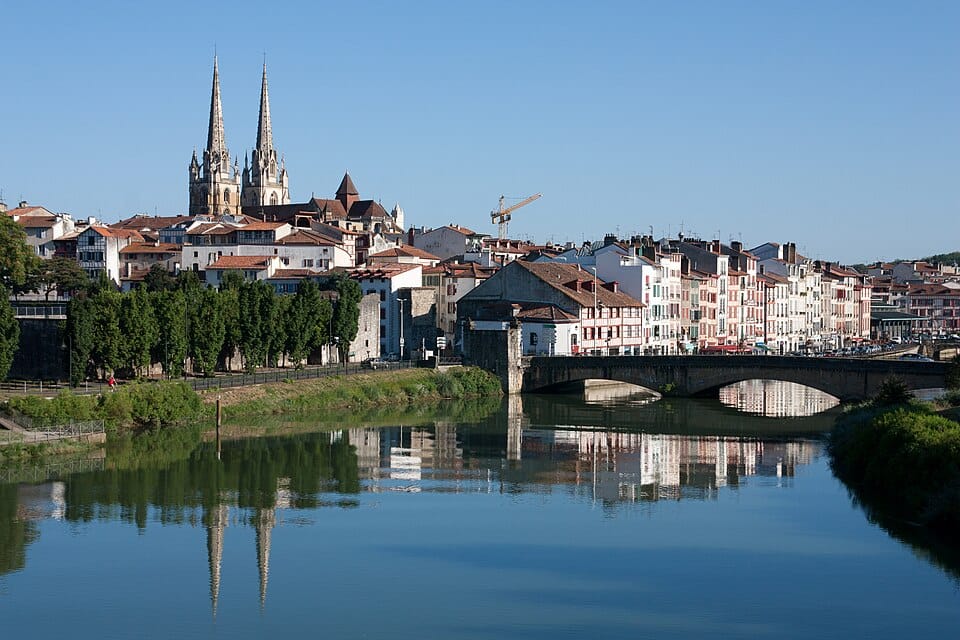
A single-arch stone bridge over the Nive, offering a classic photo view of the fortified houses reflected in the river below.
Porte Saint-Jacques (Gate of Saint James)
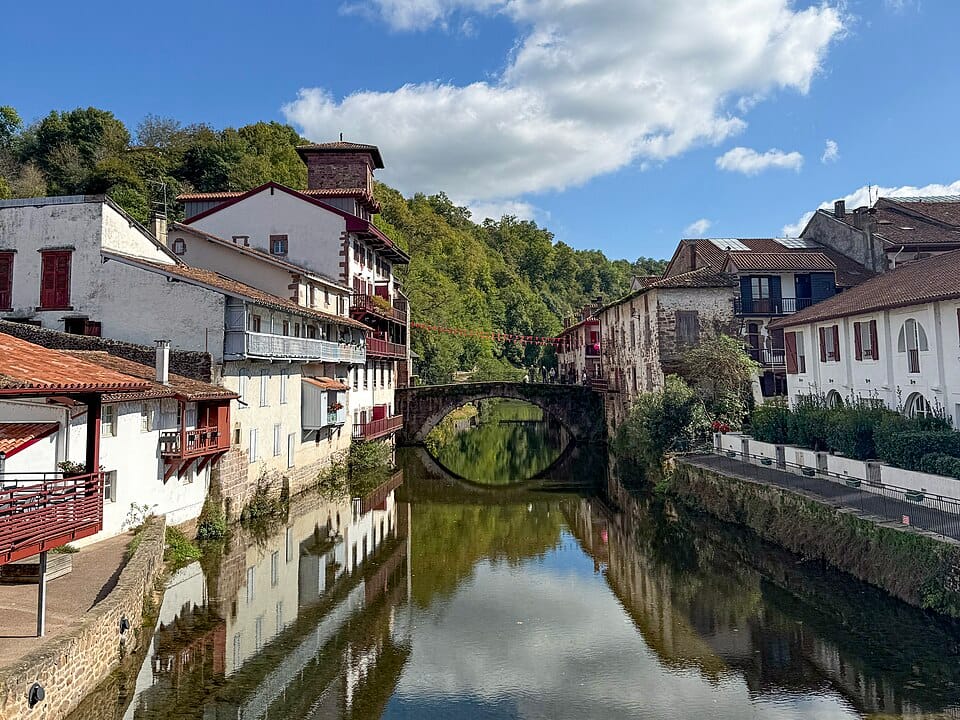
A 15th-century fortified gate and UNESCO World Heritage listing marking the traditional entrance for pilgrims arriving into the old town.
Pamplona
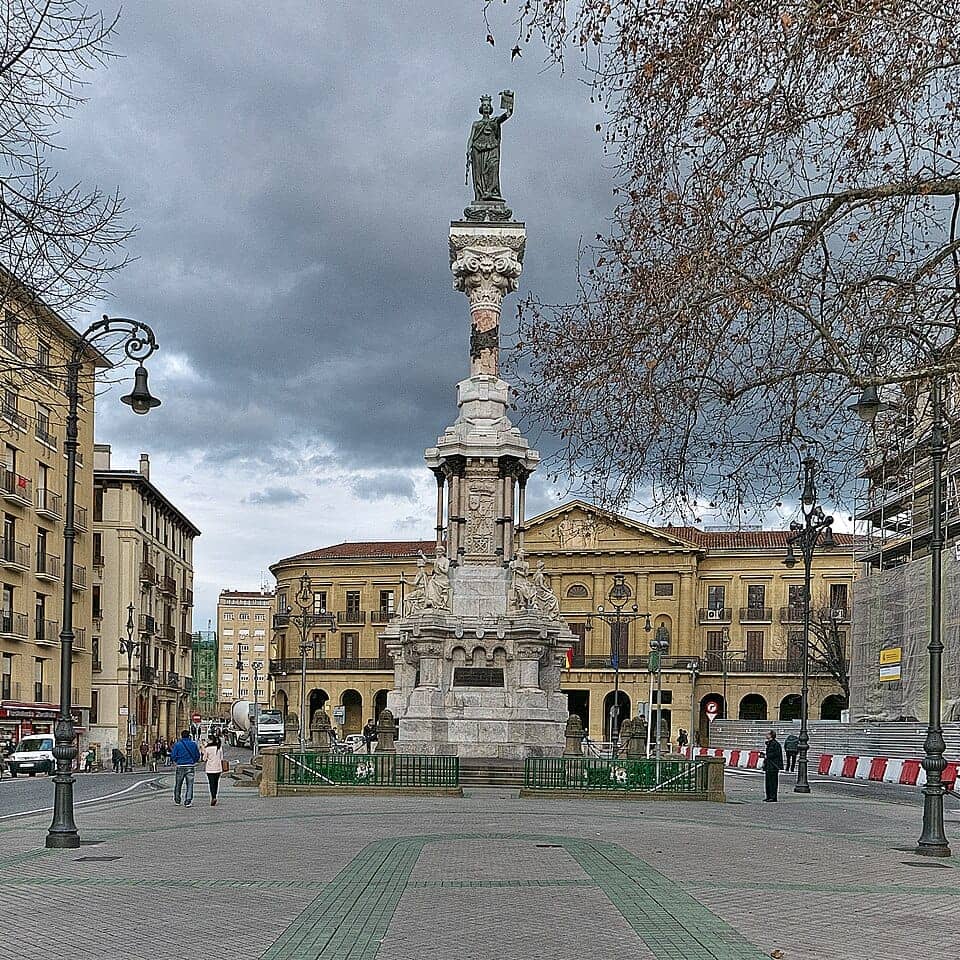
Pamplona is the capital of Navarre, a walled city on a bluff above the Arga River best known internationally for the running of the bulls during the Sanfermines festival each July. It is also a major waypoint on the Camino Francés, the classic French route of the Camino de Santiago, where pilgrims pass through its old town on the way toward Logroño and Burgos.
Top attractions in Pamplona
Pamplona Cathedral
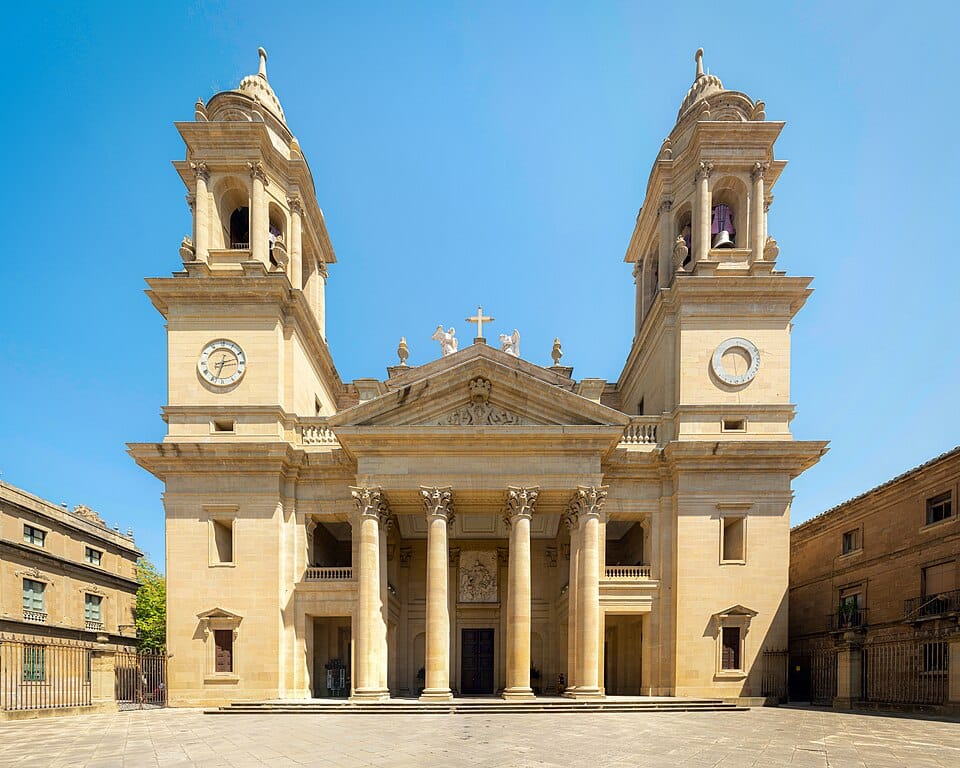
A Gothic cathedral with a neoclassical facade, built on the site of an earlier Romanesque church and home to a notable cloister.
Plaza del Castillo
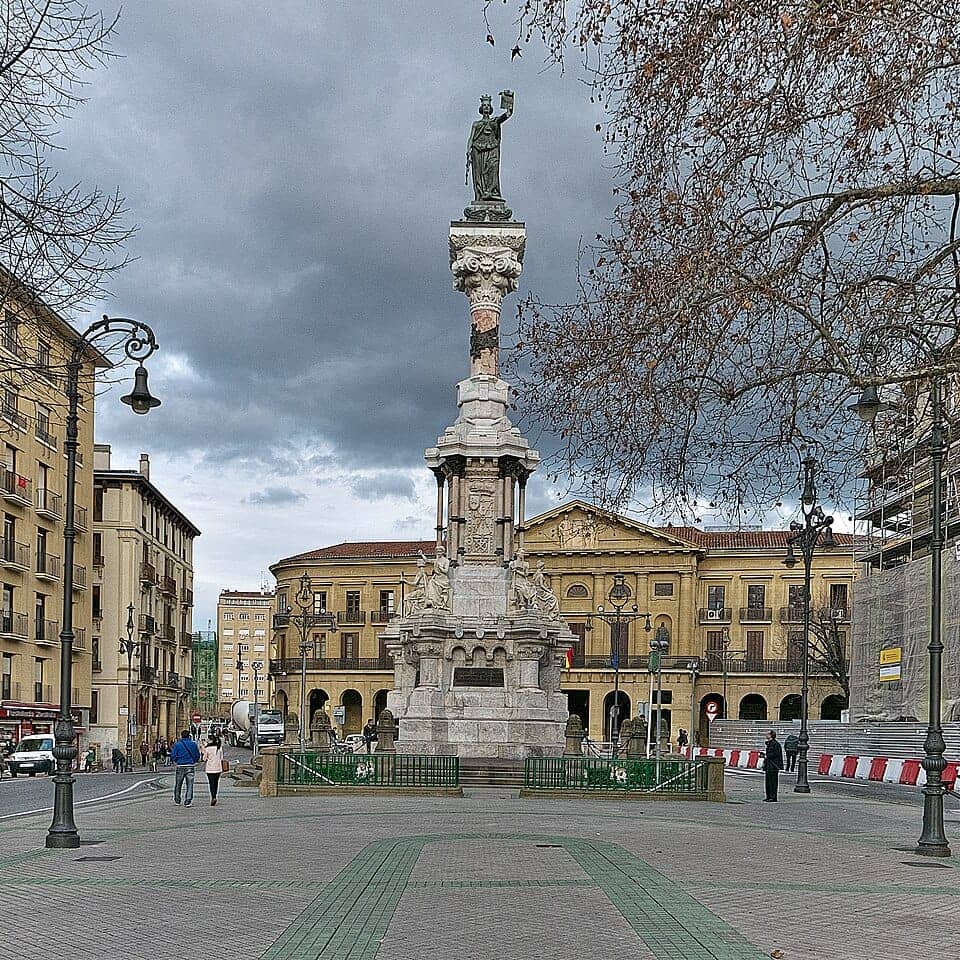
The city's grand central square, lined with arcades and cafés, and the traditional gathering point during the Sanfermines.
Citadel of Pamplona
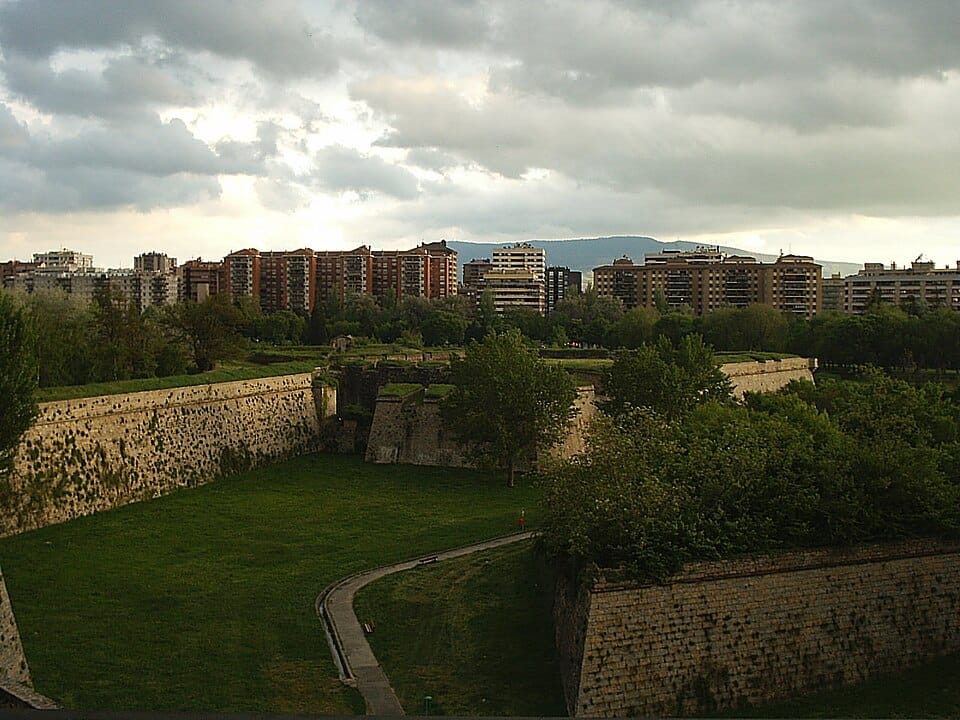
A star-shaped 16th-century fortress now surrounded by parkland, with earthen ramparts that once anchored the city's defenses.
Calle Estafeta
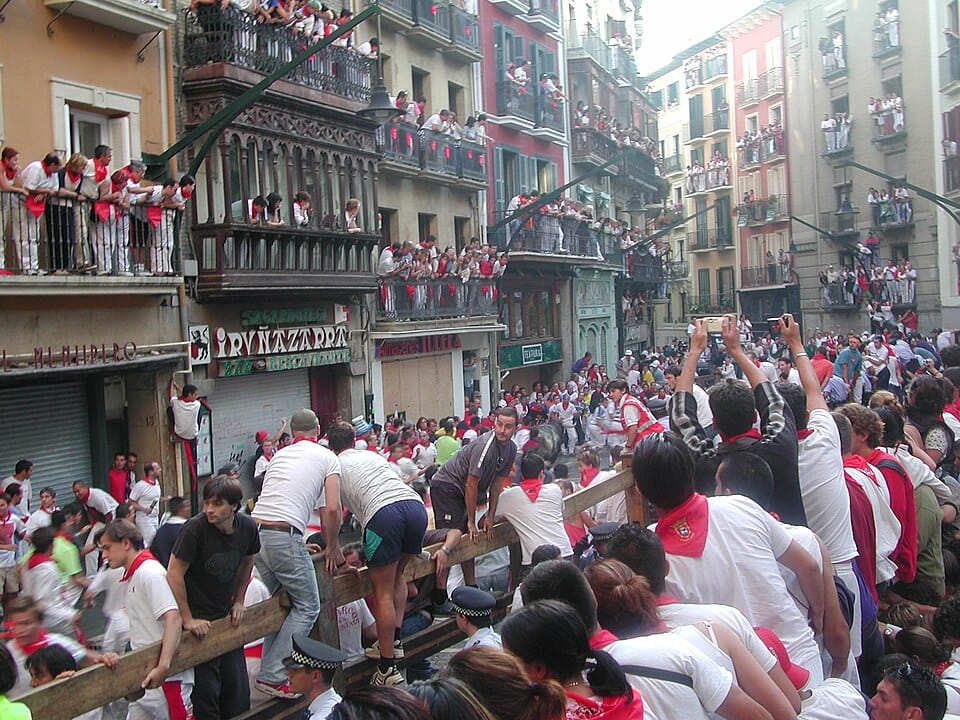
The narrow, iconic street that forms the final and most famous stretch of the bull run route through the old town.
Hemingway Statue
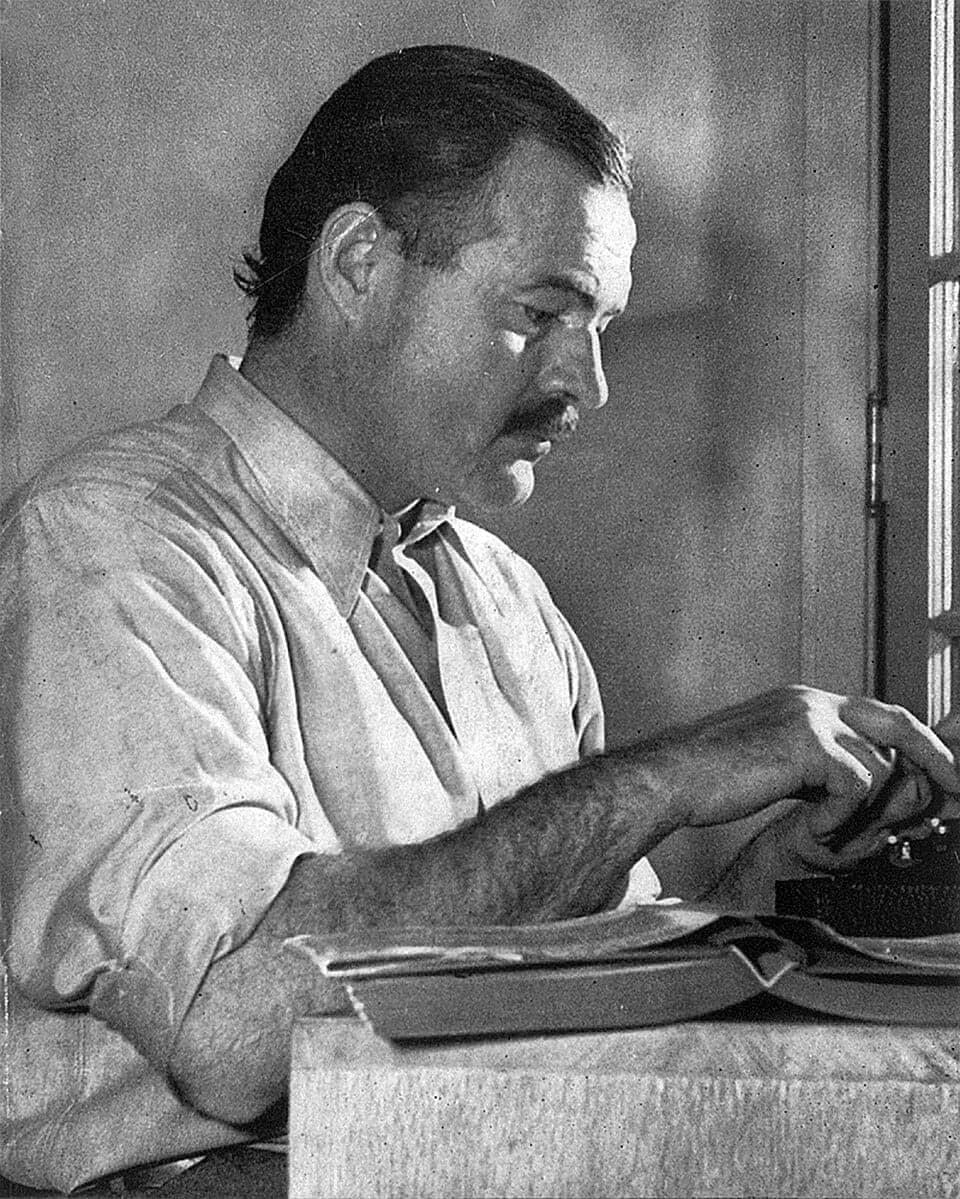
A bronze bust near the bullring honoring Ernest Hemingway, whose novel The Sun Also Rises helped popularize the Sanfermines abroad.
Logroño
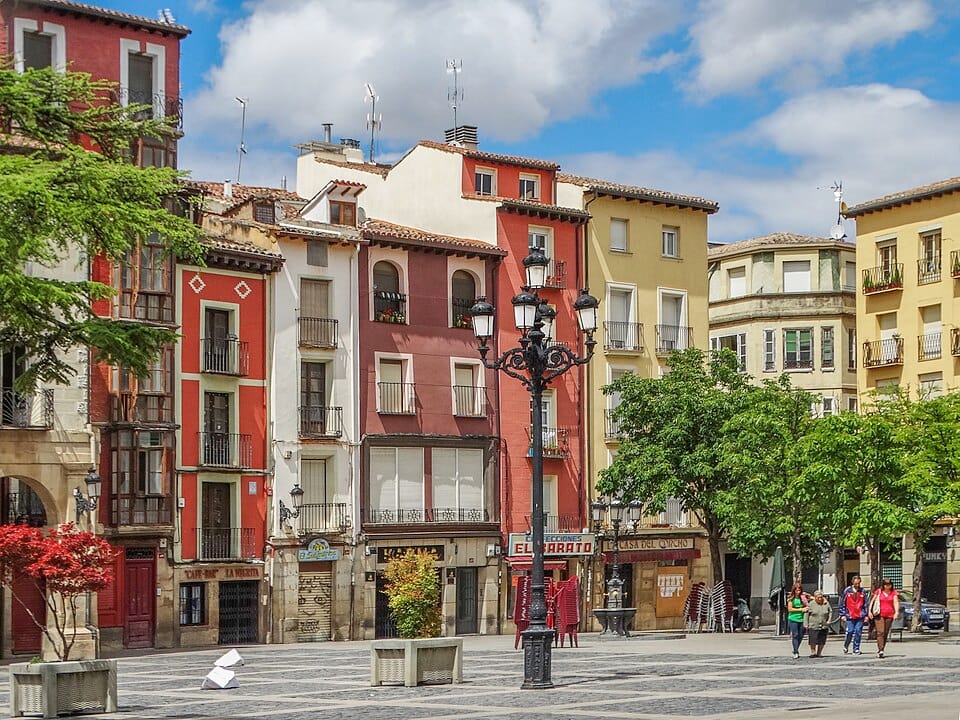
Logroño is the capital of La Rioja and a lively stop on the Camino Francés, where pilgrims cross the Ebro River before continuing west through Spain's most famous wine region. The old town's tapas alleys and Gothic-Renaissance cathedral give it an energy distinct from the quieter villages along the route.
Top attractions in Logroño
Calle Laurel
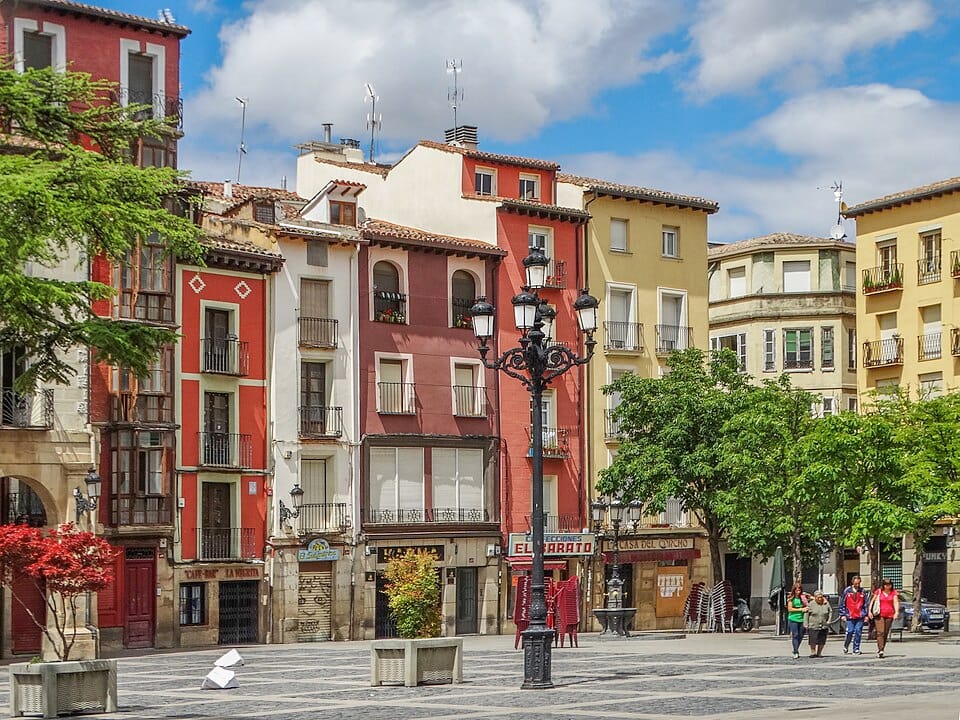
A dense strip of tapas bars in the old town, each specializing in a single small dish, and the traditional evening gathering spot for locals and pilgrims alike.
Concatedral de Santa María la Redonda
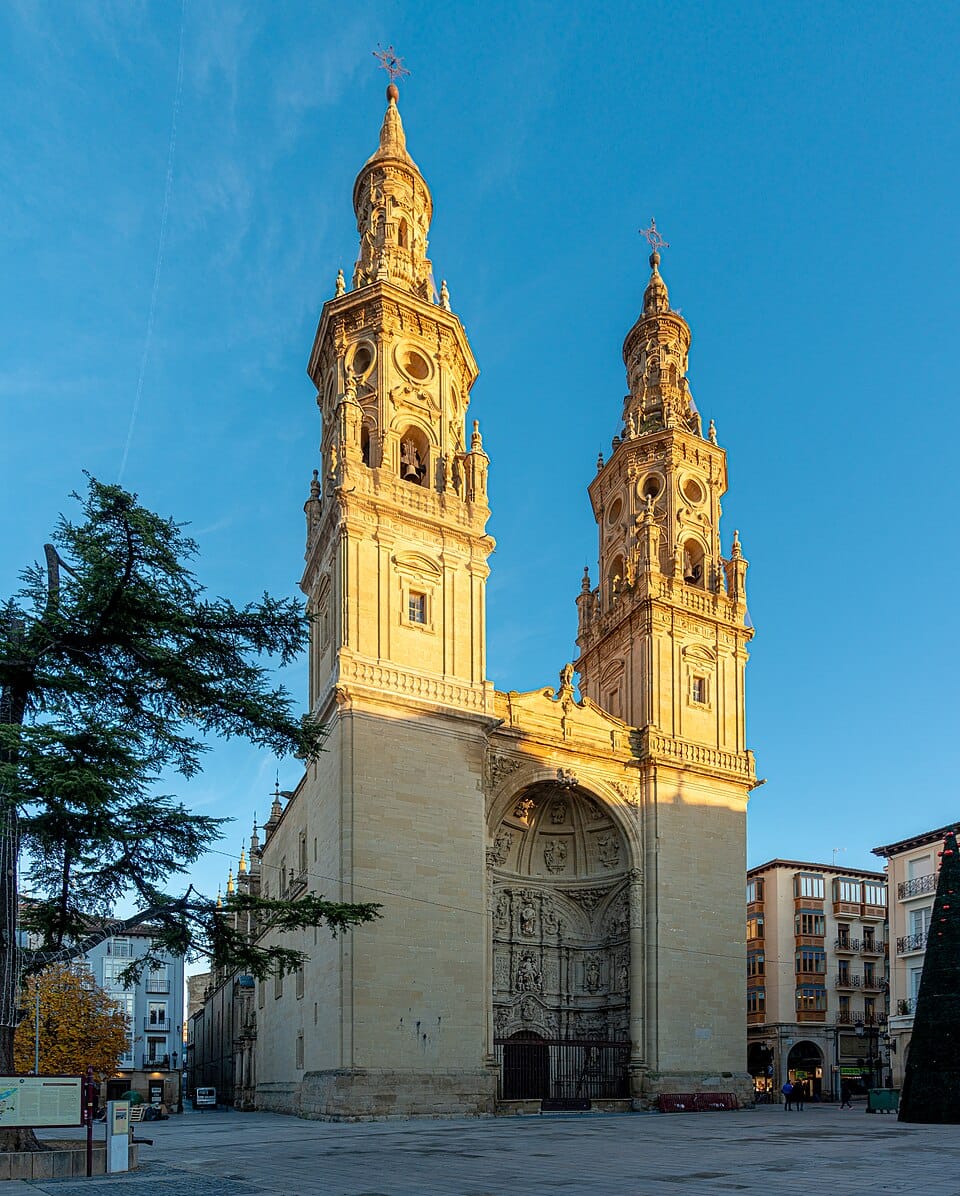
A Gothic church with twin Baroque towers known locally as the 'twins,' rebuilt over an earlier Romanesque chapel on the Camino route through the city center.
Puente de Piedra
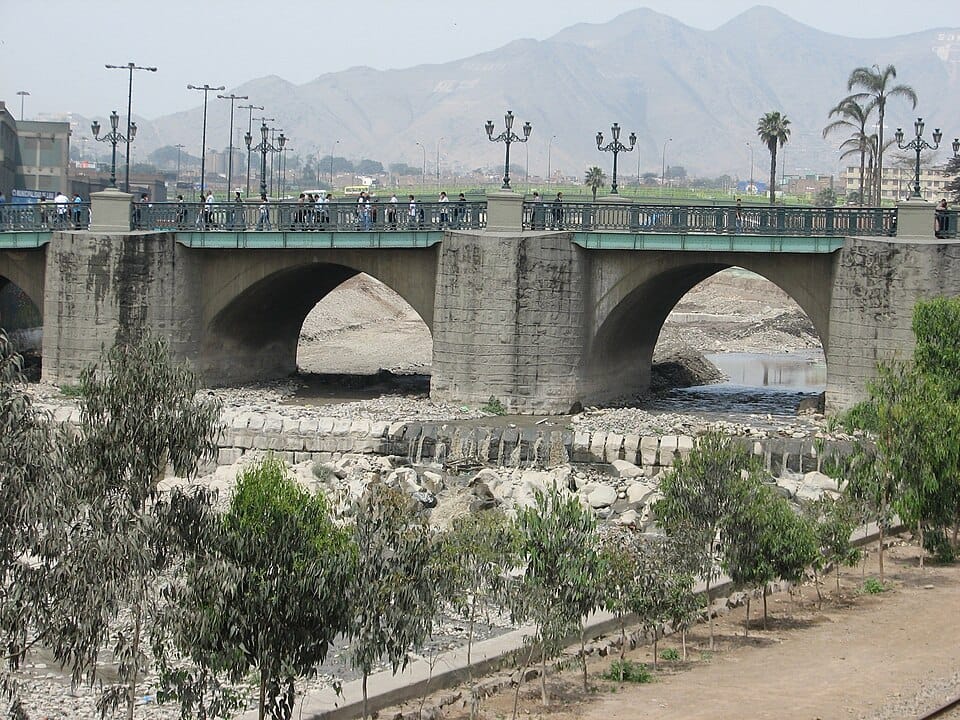
The stone bridge over the Ebro River that pilgrims cross entering Logroño, rebuilt in the 19th century on the site of a medieval crossing mentioned in Camino guides for centuries.
Palacio del Espartero
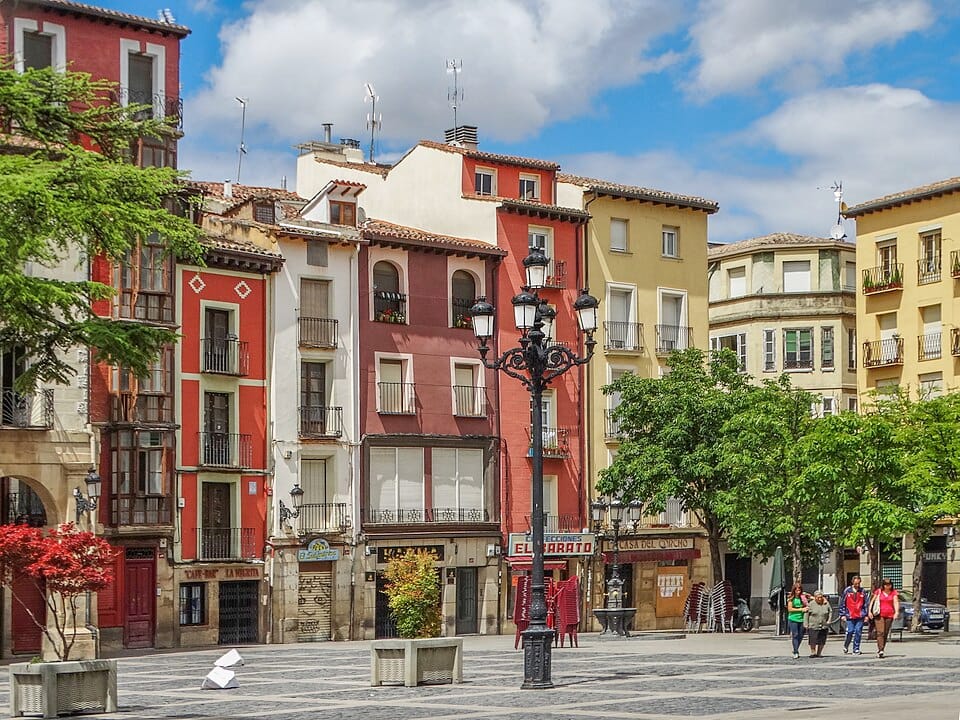
A neoclassical 19th-century mansion on the central Plaza del Mercado, now housing the city's contemporary art museum.
Parque del Ebro
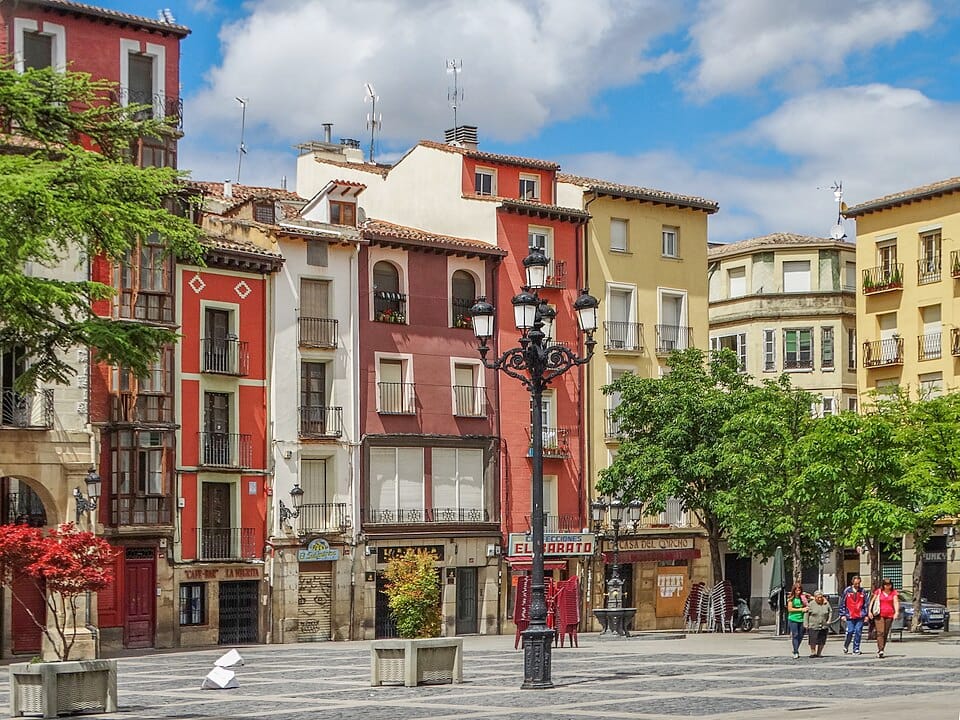
A riverside park along the Ebro's banks, popular for walking and cycling and offering views back toward the old town skyline.
Burgos
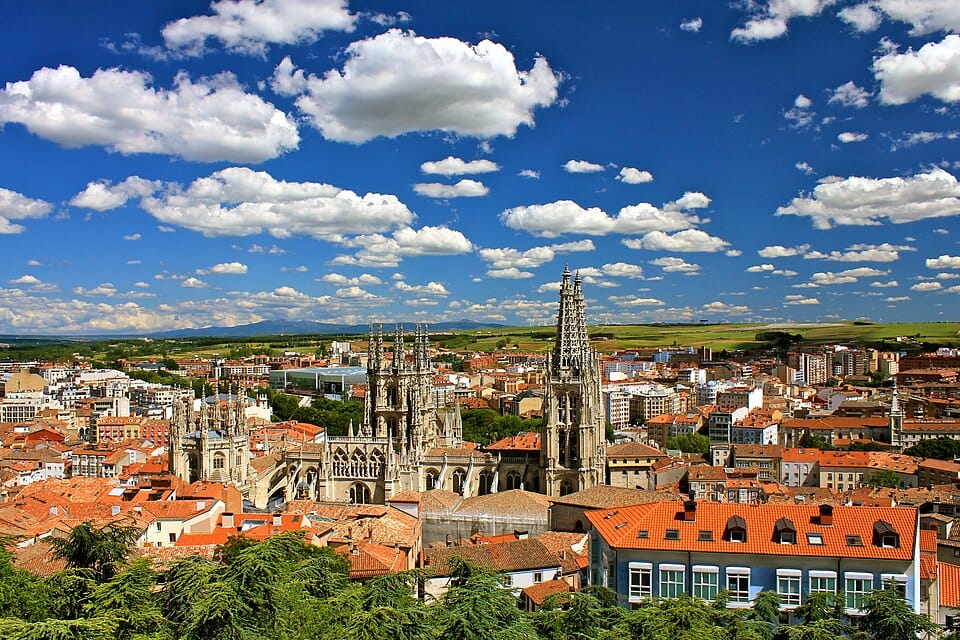
Burgos is a historic city in Castile and León best known for its towering Gothic cathedral, a UNESCO World Heritage Site, and for its role as the burial place of the medieval knight El Cid. It is a key stop on the Camino Francés, where the route crosses the wide Castilian plateau, and pilgrims traditionally rest here before the long, exposed stretch known as the Meseta.
Top attractions in Burgos
Burgos Cathedral
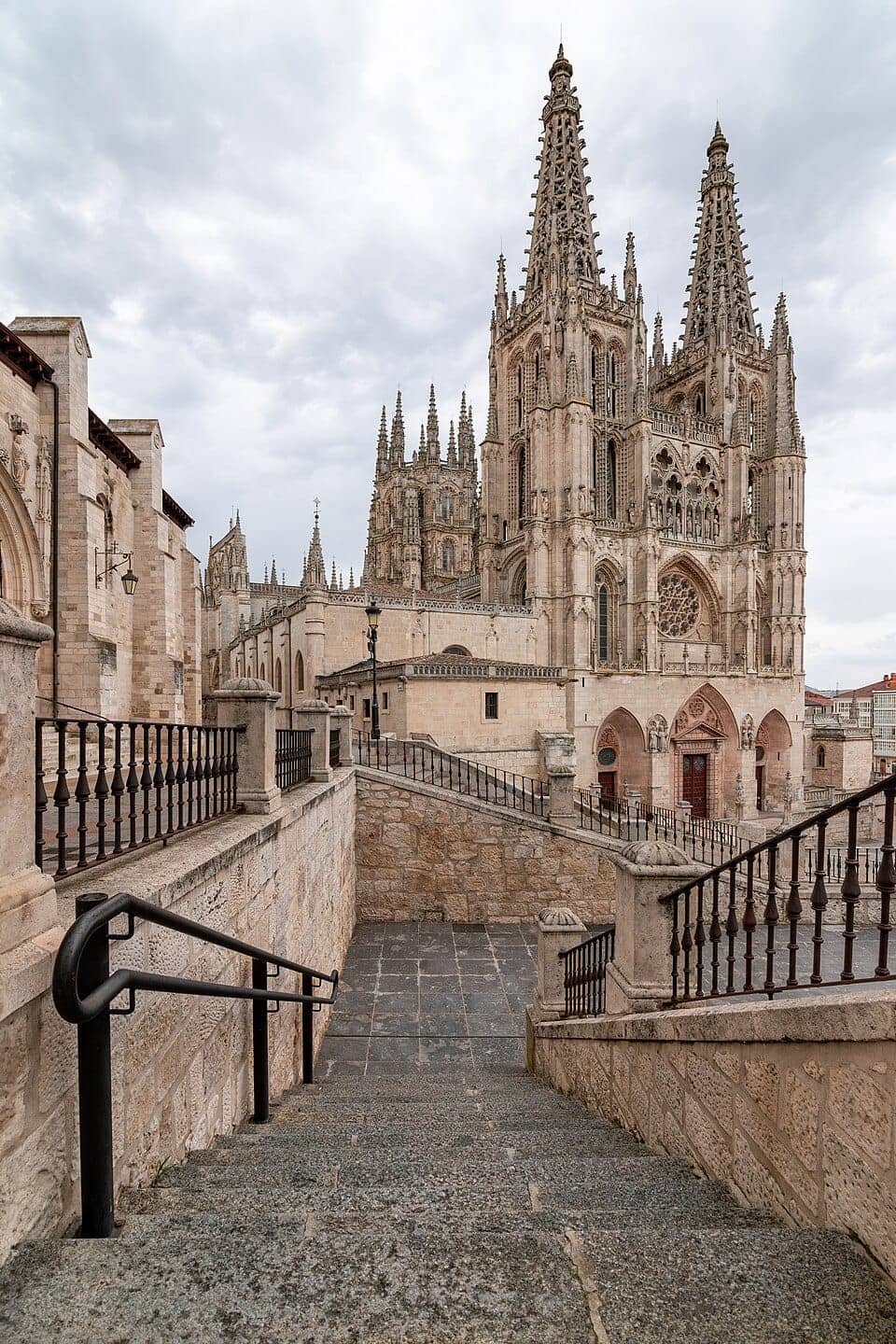
A soaring Gothic cathedral begun in 1221, renowned for its openwork spires and richly decorated chapels, and the burial site of El Cid.
Arco de Santa María
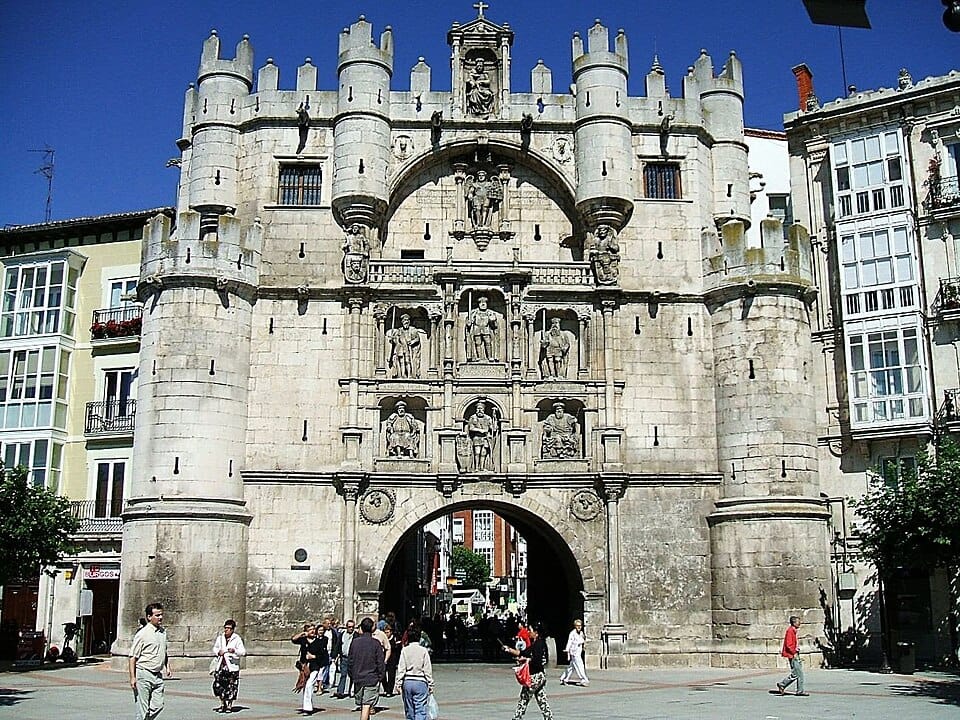
A monumental 16th-century city gate decorated with statues of historical figures, forming a ceremonial entrance to the old town.
Monastery of Las Huelgas
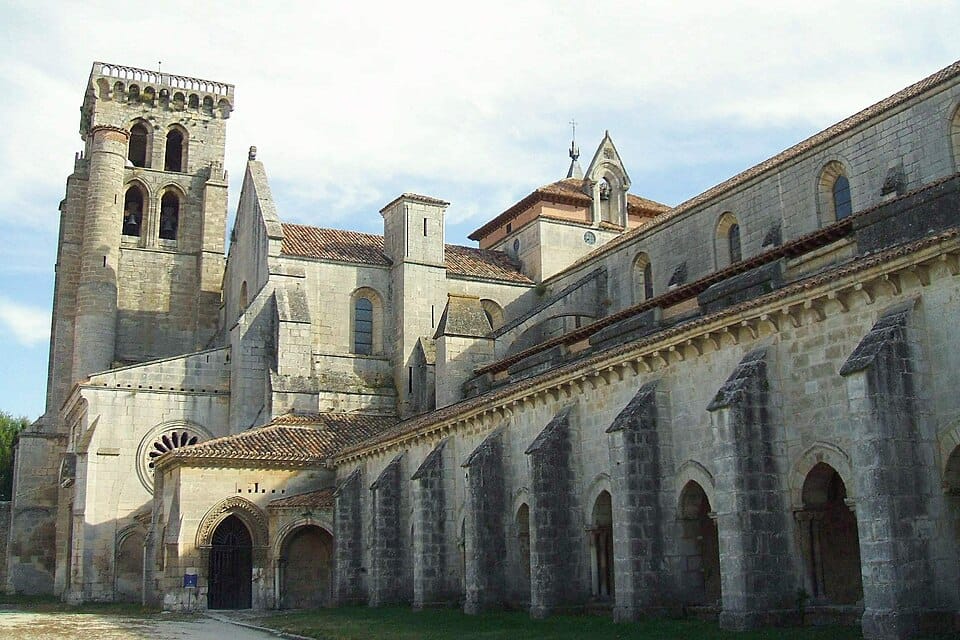
A royal Cistercian monastery founded in 1187 that served as a burial place for Castilian monarchs and holds a notable museum of medieval textiles.
Museum of Human Evolution
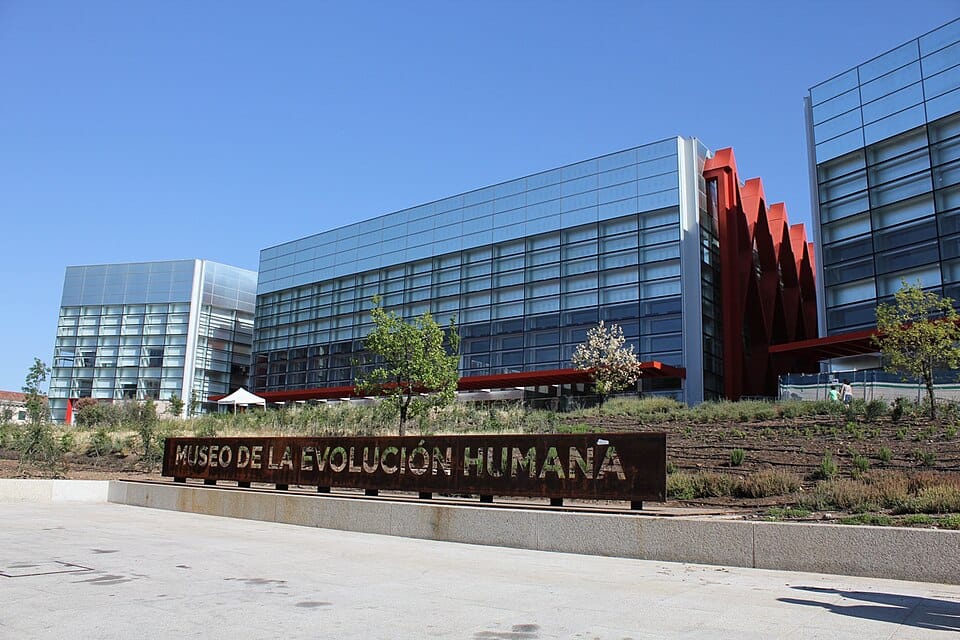
A modern museum displaying fossils and finds from the nearby Atapuerca archaeological sites, among the richest early human fossil records in Europe.
Paseo del Espolón
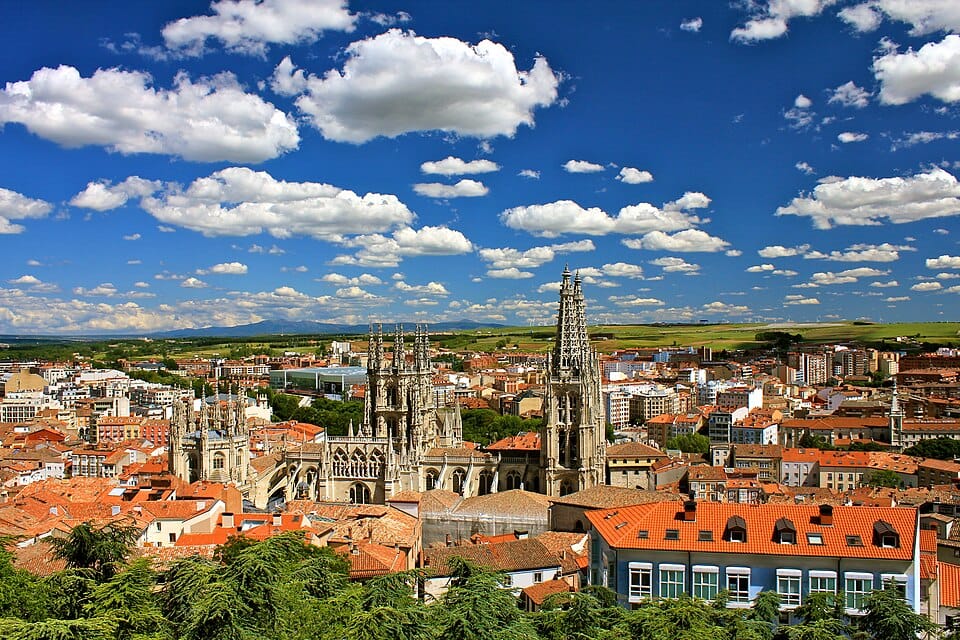
A tree-lined promenade along the Arlanzón River, a favorite spot for a stroll with views of the cathedral and the arched Puente de Santa María.
León
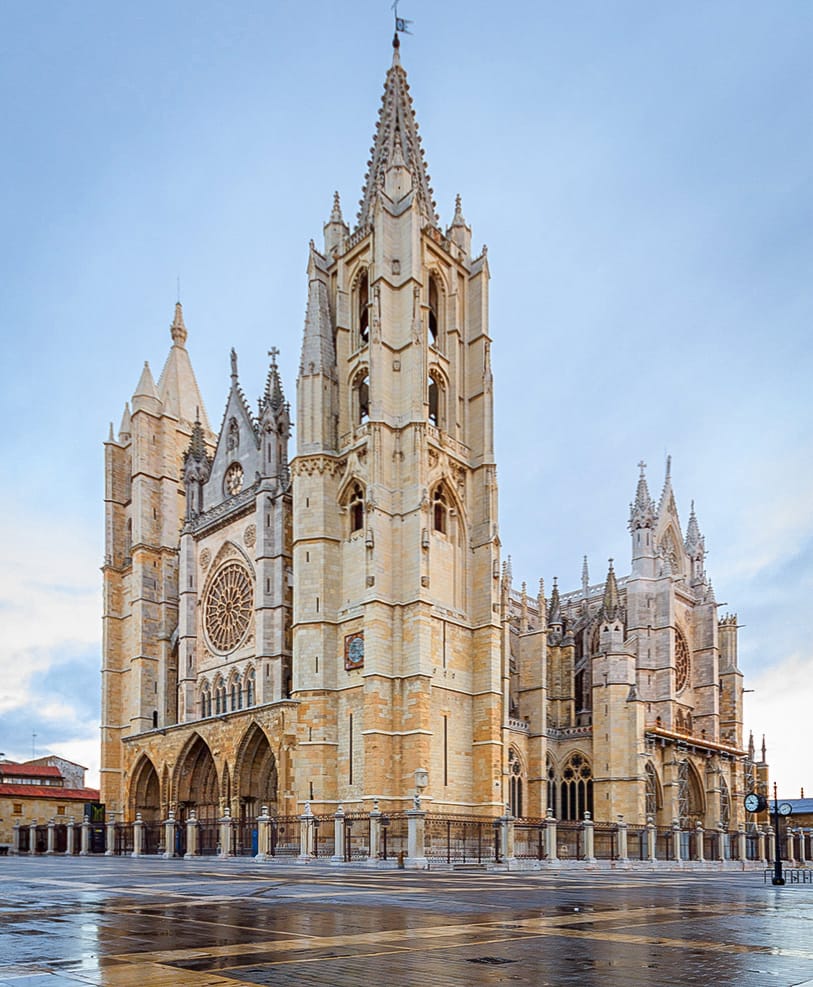
León is a former Roman and medieval capital in northwestern Spain, famous on the Camino Francés for its stained-glass Gothic cathedral, one of the finest in the country. The city's layered history spans Roman walls, a Romanesque royal pantheon, and a modernist building by Antoni Gaudí.
Top attractions in León
Cathedral of León
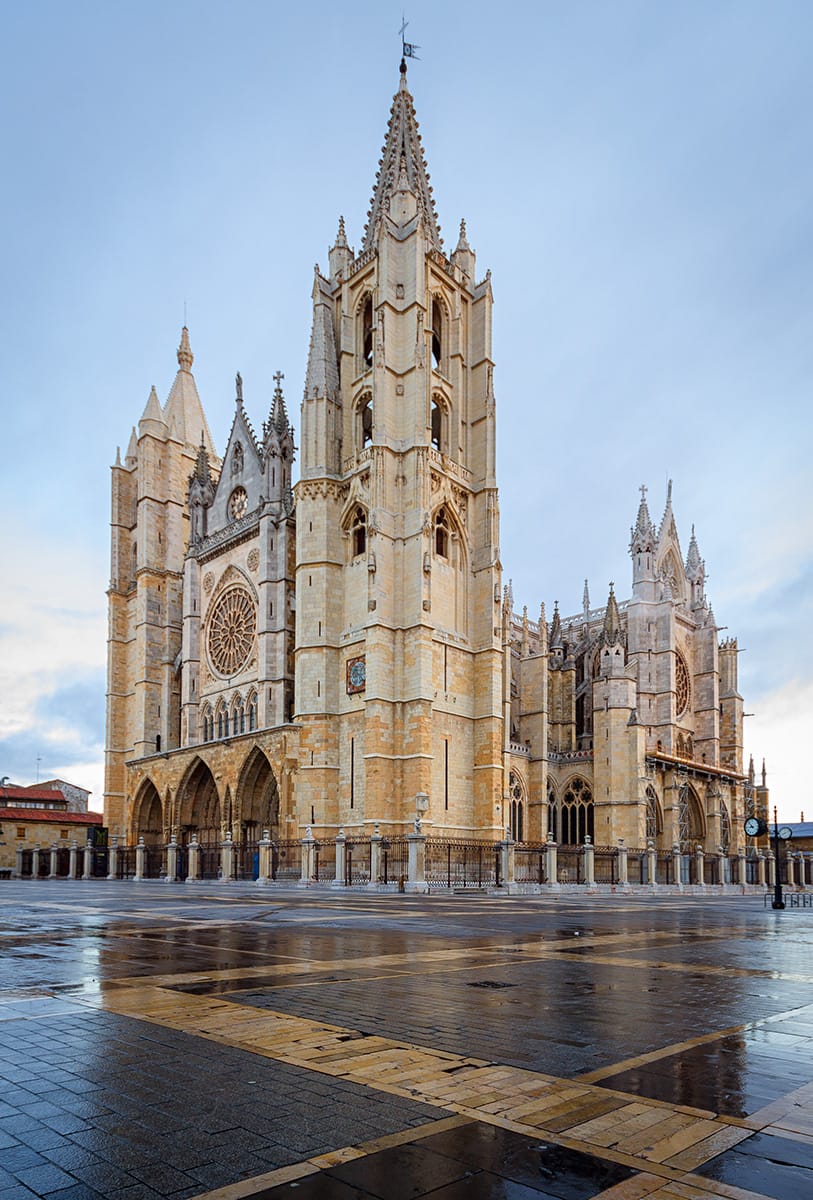
A soaring French-Gothic cathedral nicknamed the 'House of Light' for its 1,800 square meters of medieval stained glass, among the most extensive in Europe.
Basílica de San Isidoro
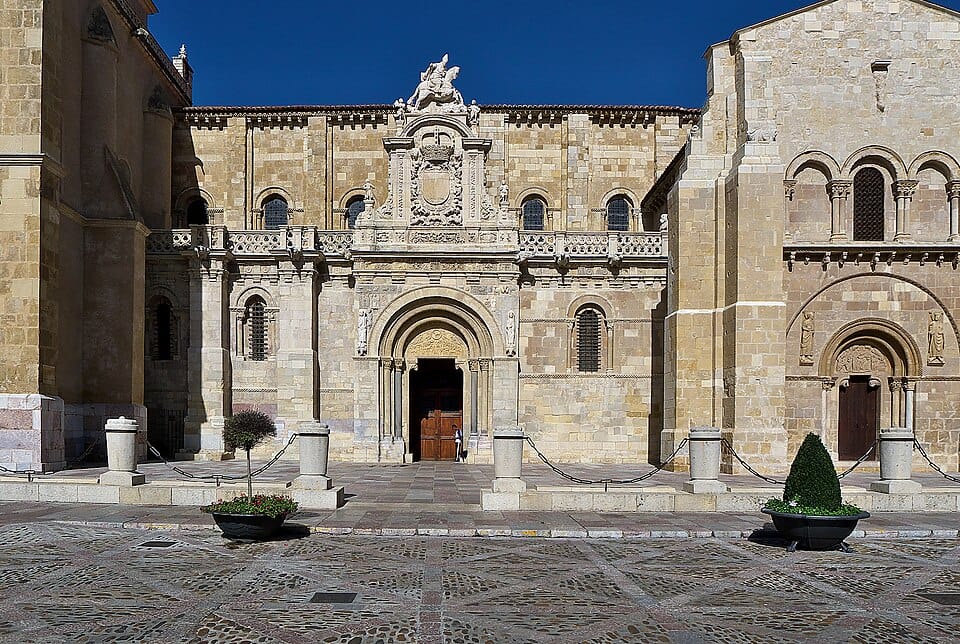
A Romanesque basilica whose Royal Pantheon, frescoed with vivid 12th-century murals, holds the tombs of medieval kings of León and is sometimes called the 'Sistine Chapel of Romanesque Art.'
Casa Botines
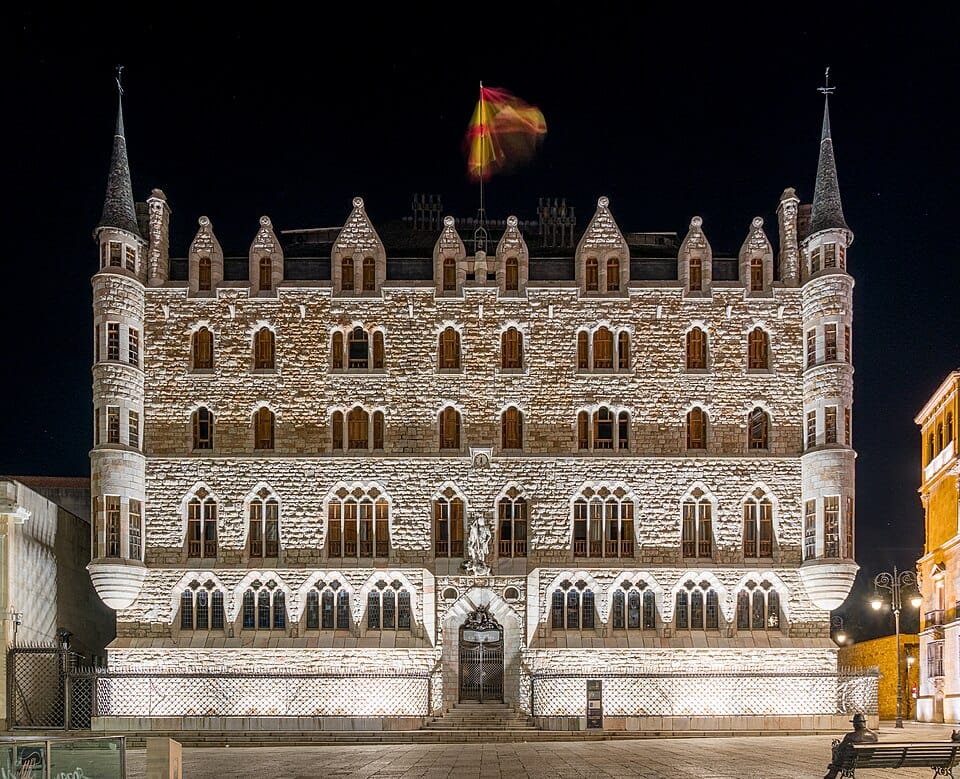
A neo-Gothic building designed by Antoni Gaudí, originally a textile merchants' warehouse and residence, now a museum of the architect's work in León.
Barrio Húmedo
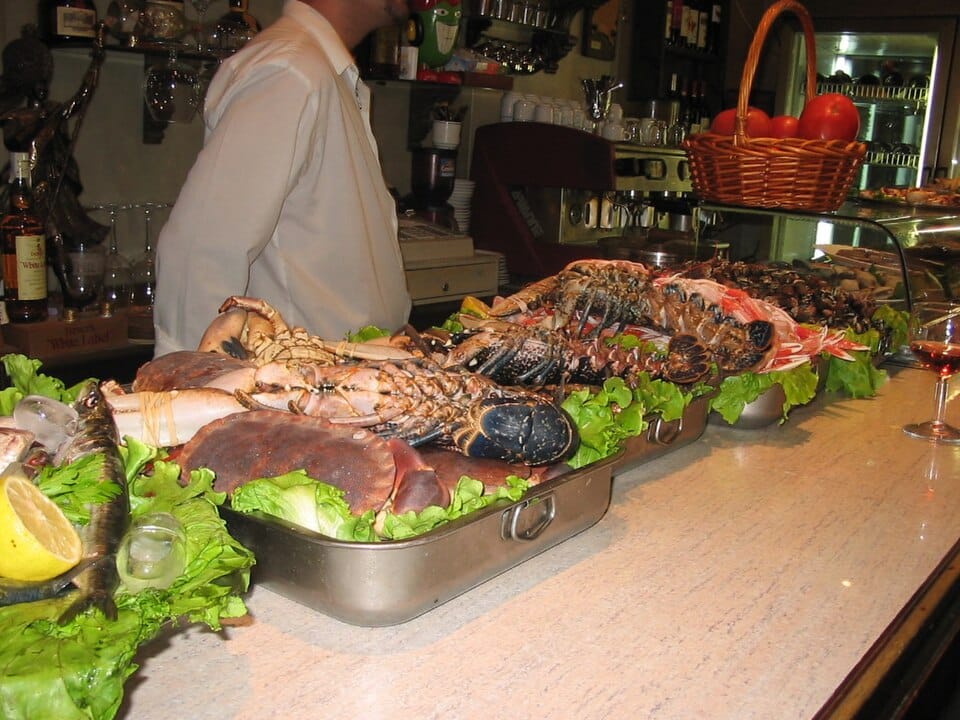
The old town's dense tapas quarter, named for the wine traditionally spilled on its cobblestones, packed with bars serving free small bites with every drink.
Roman and Medieval City Walls
Sections of the city's defensive walls survive from the Roman legionary camp that gave León its name, later extended in the medieval period and still traceable through the old town.
O Cebreiro
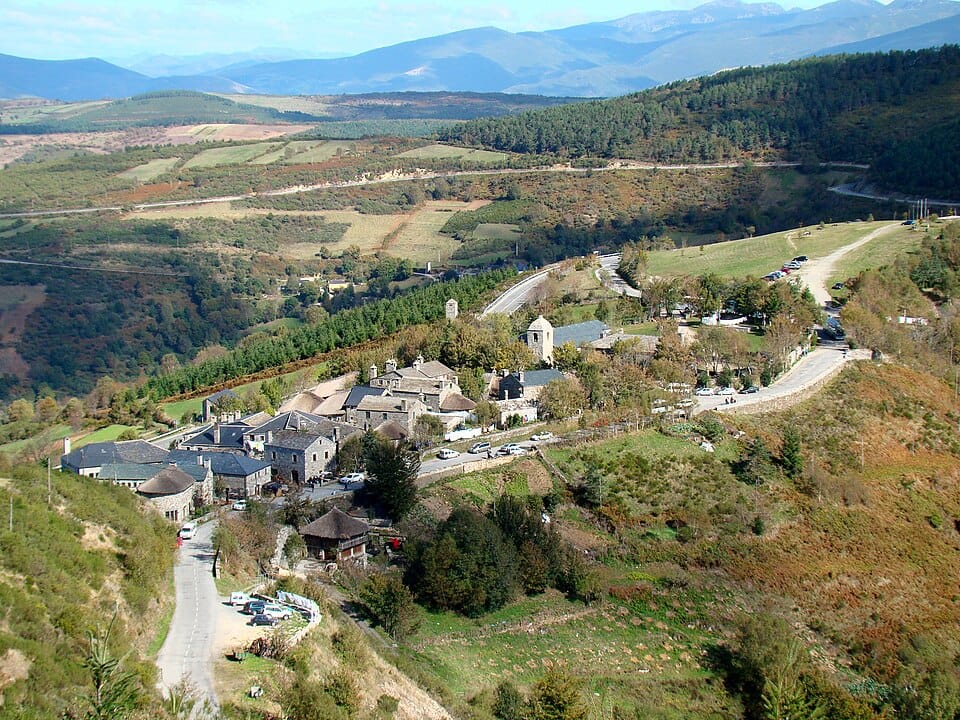
O Cebreiro is a tiny mountain hamlet on the border of León and Galicia, famous on the Camino Francés as the first Galician village pilgrims reach after a steep climb, and for its cluster of ancient thatched-roof stone huts called pallozas. Its 9th-century church is linked to a eucharistic miracle still commemorated today.
Top attractions in O Cebreiro
Iglesia de Santa María la Real
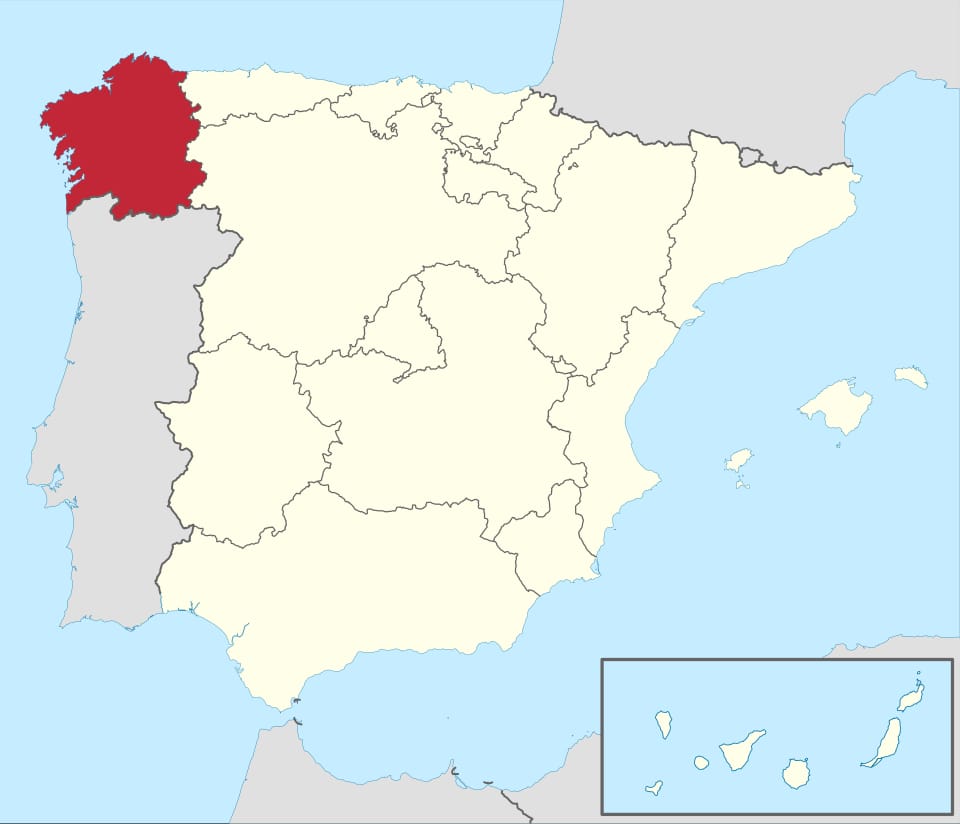
One of the oldest surviving churches on the Camino Francés, dating to the 9th century, said to be the site of a medieval eucharistic miracle that led to a papal-approved relic still displayed inside.
Pallozas
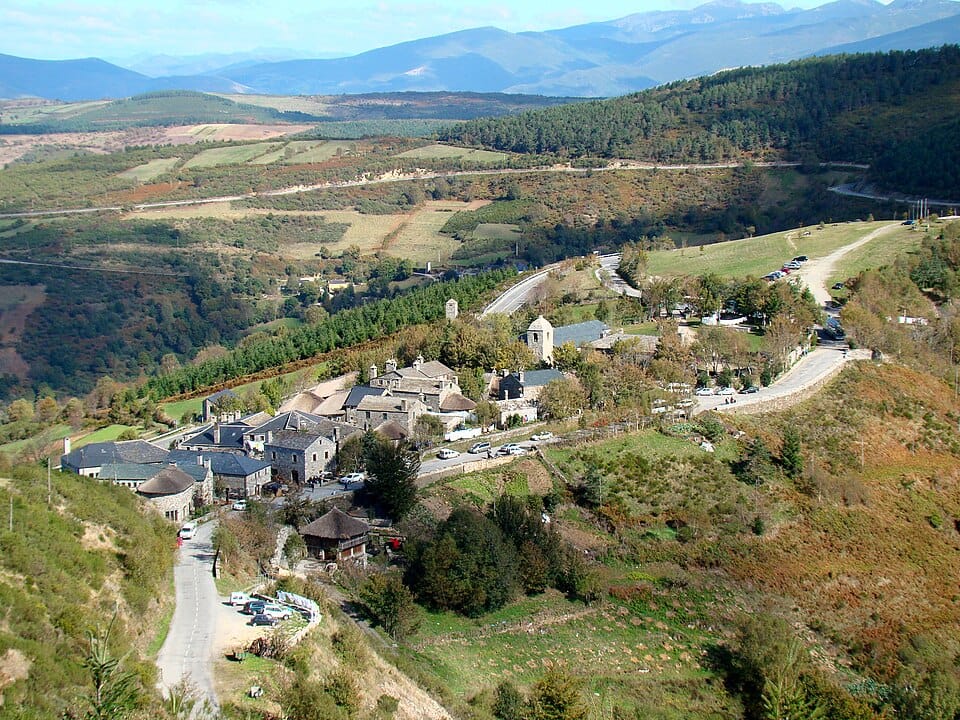
Circular thatched-roof stone dwellings of pre-Roman Celtic origin, once used as combined homes and byres, with several preserved examples open as ethnographic exhibits in the village.
Alto de San Roque
A mountain pass just beyond the village marked by a large bronze statue of a wind-battered pilgrim, a popular photo stop with views back toward O Cebreiro.
Museo Etnográfico do Cebreiro
A small museum housed in a restored palloza displaying traditional Galician mountain tools, furniture, and domestic life from before rural electrification.
Santiago de Compostela
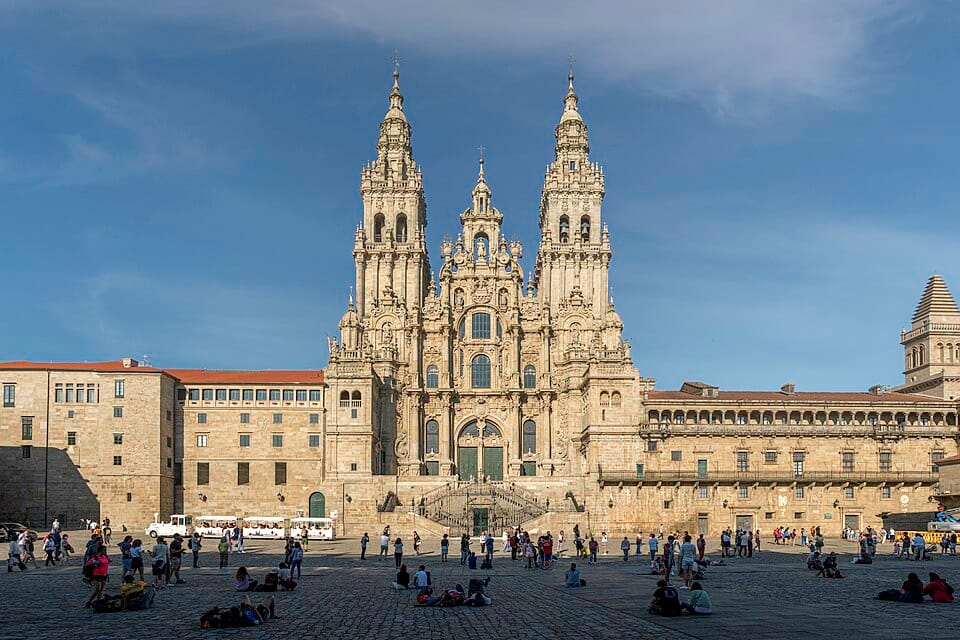
Santiago de Compostela is the spiritual endpoint of the Camino de Santiago, a pilgrimage network that has drawn walkers to the tomb of Saint James for over a thousand years. Its granite old town, centered on the Romanesque cathedral, is a UNESCO World Heritage Site and one of the great pilgrimage cities of Europe.
Top attractions in Santiago de Compostela
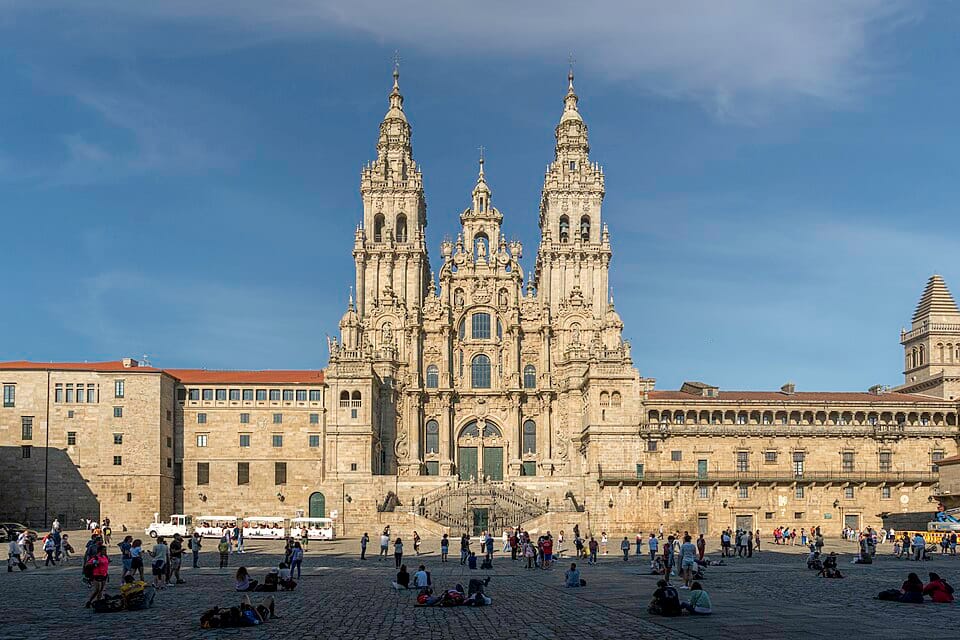
Cathedral of Santiago de Compostela
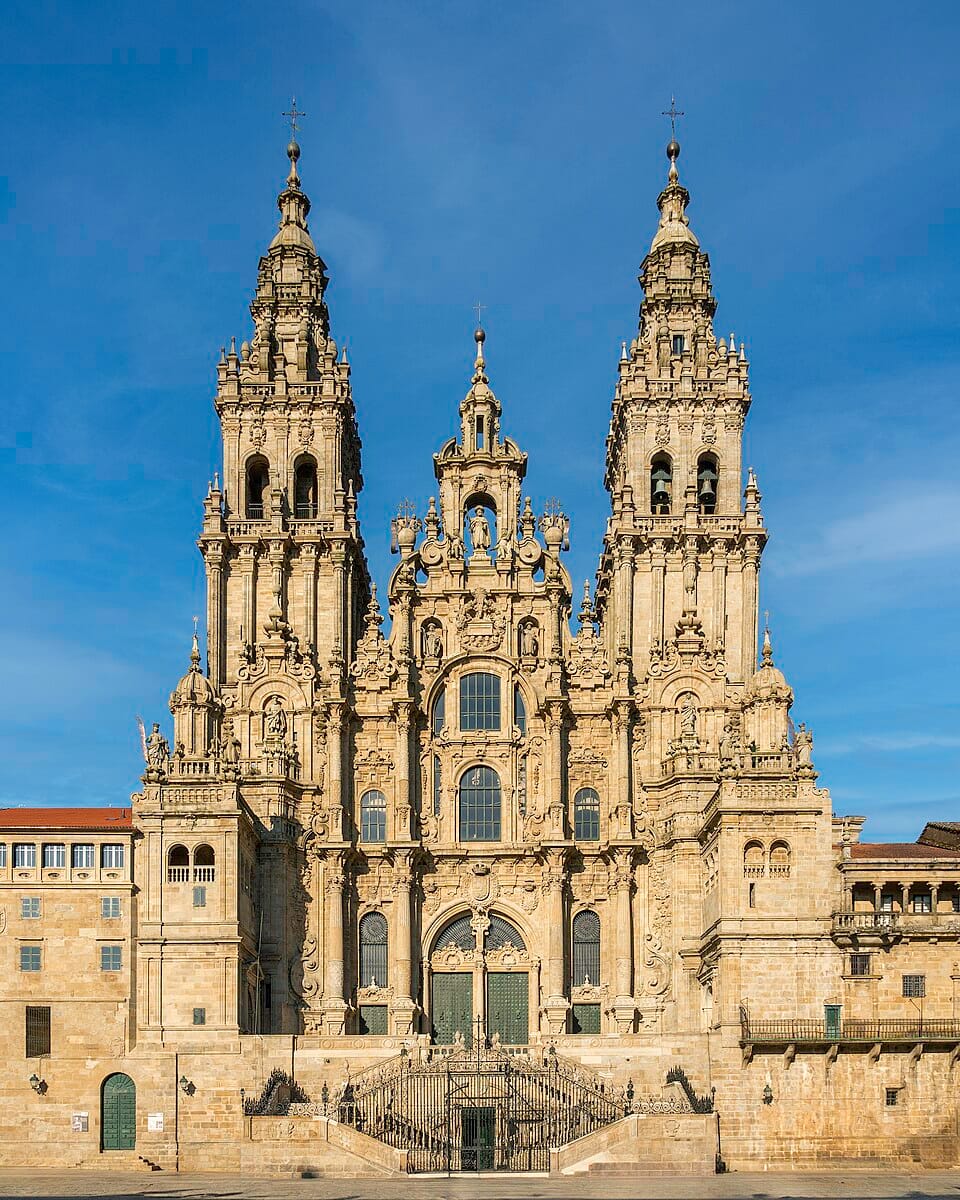
The Romanesque cathedral houses the reputed tomb of Saint James beneath its high altar and marks the traditional finish of all Camino routes.
Praza do Obradoiro
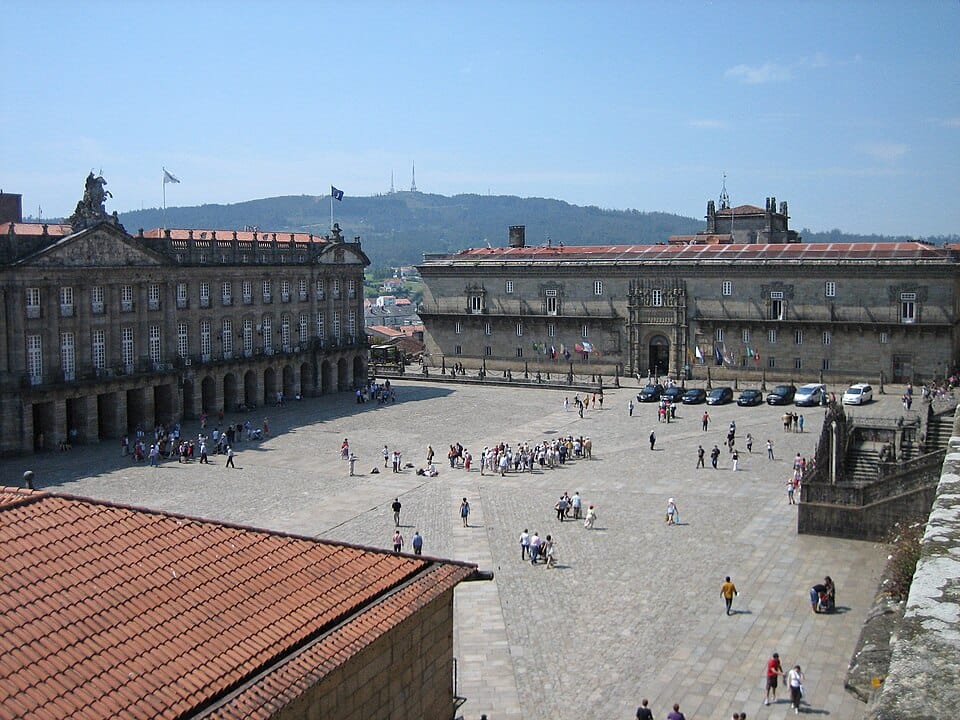
The grand square in front of the cathedral is where exhausted pilgrims traditionally arrive, flanked by the Hostal dos Reis Católicos and the Pazo de Raxoi.
Mercado de Abastos
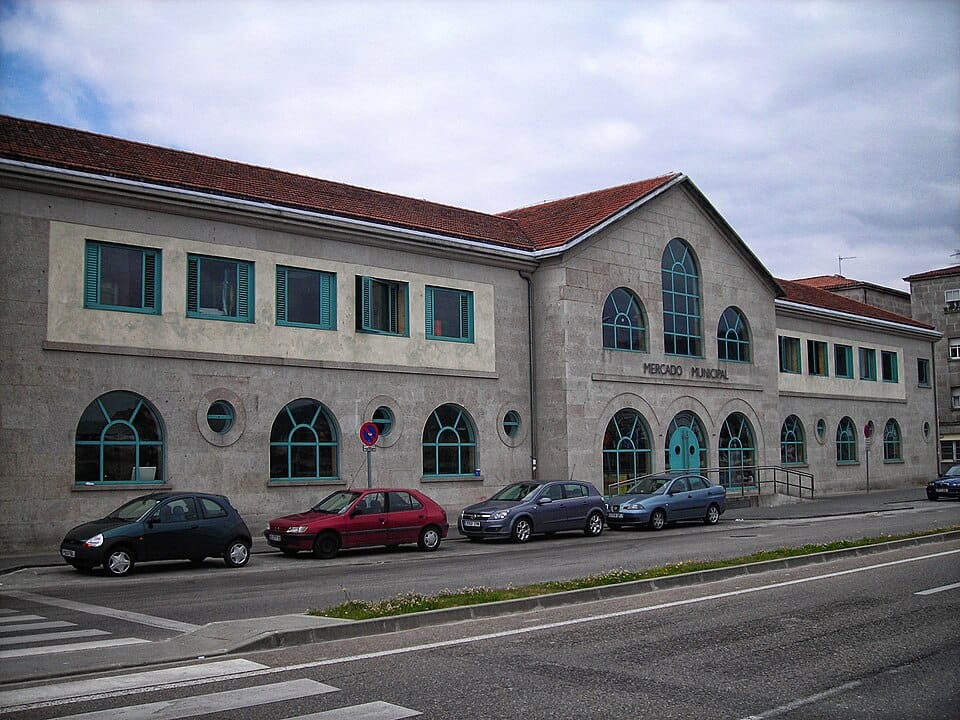
A stone-built covered market selling Galician seafood, cheese, and produce, popular with both locals and visitors for its stalls and adjoining tapas counters.
Parque de la Alameda
A wooded hillside park offering the classic postcard view of the cathedral's towers rising over the old town's rooftops.
Convento de San Francisco

A monastery reputedly founded by Saint Francis of Assisi during his own pilgrimage to Santiago, now home to a small museum on the order's history.
Plan this route with EuroDrive Scout — tolls, vignettes, ZTL alerts, fuel & parking →