Classic Italy: Rome, Florence & Venice: attractions & sights guide
A stop-by-stop guide to the best things to see along the Classic Italy: Rome, Florence & Venice route — 6 destinations, their must-see sights and how to drive between them.
Plan this route with EuroDrive Scout — tolls, vignettes, ZTL alerts, fuel & parking →
Rome
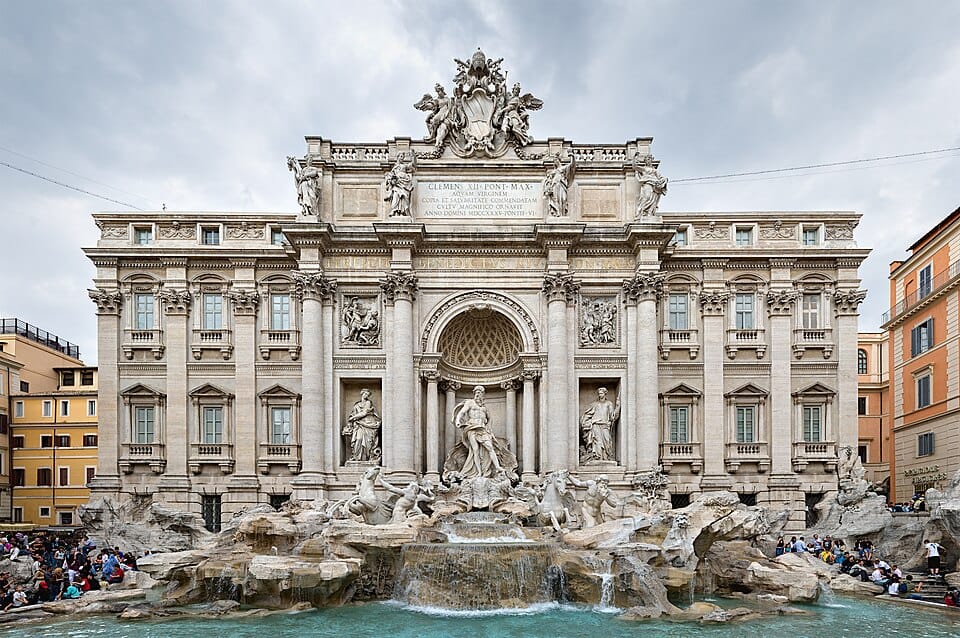
Rome is Italy's capital and once the center of a vast empire, layering more than two and a half thousand years of history into a single city. Ancient ruins, Renaissance palaces, and Baroque fountains sit side by side, making it one of the most visited cities in the world and a living museum of Western civilization.
Top attractions in Rome
Colosseum
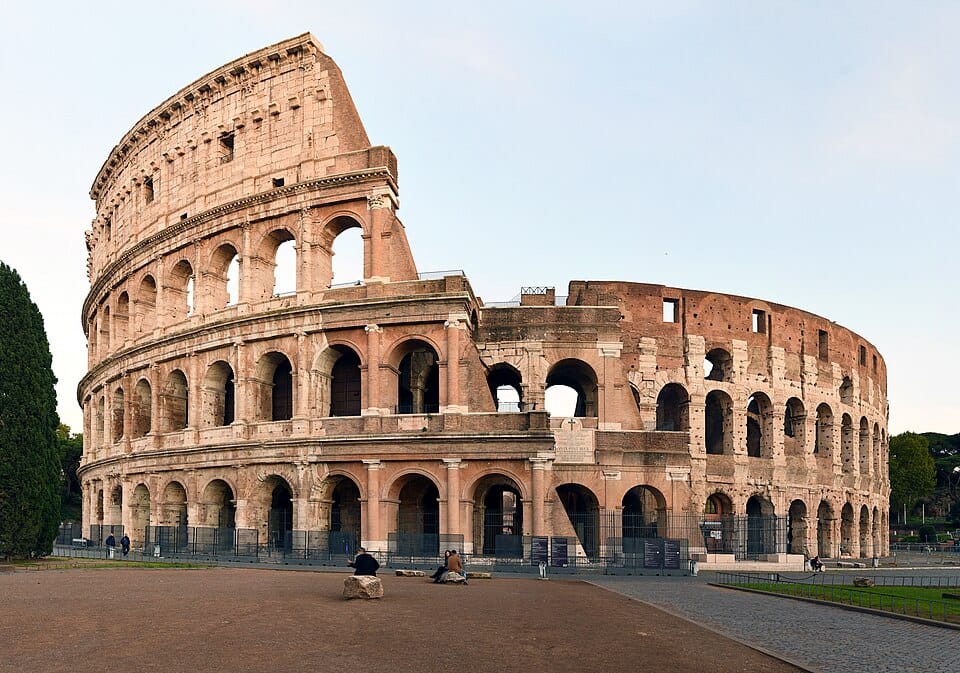
The largest amphitheater ever built, completed in 80 AD, once hosted gladiator contests and public spectacles for up to 50,000 spectators.
Roman Forum
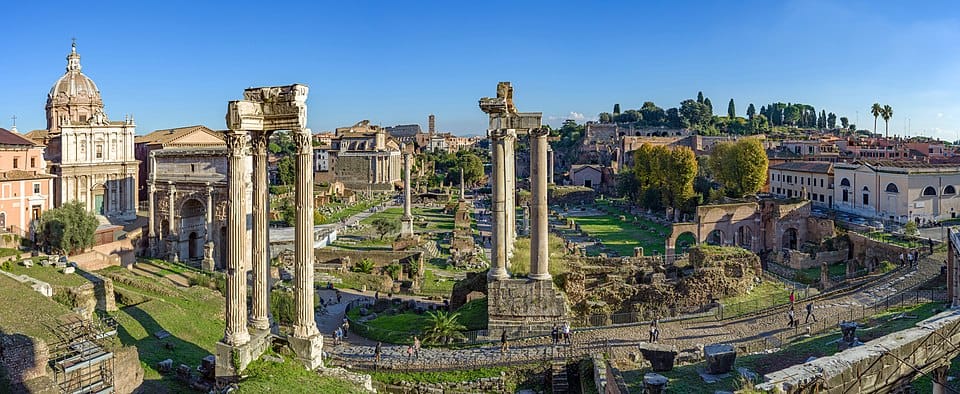
The political, religious, and commercial heart of ancient Rome, now an open-air archaeological site of temple ruins, arches, and basilicas.
Trevi Fountain
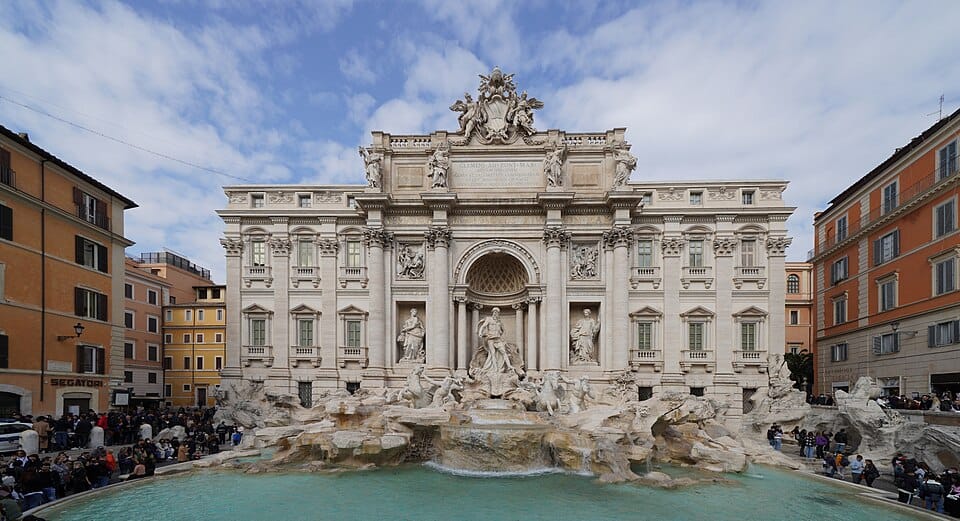
An 18th-century Baroque fountain depicting Oceanus on a chariot, tradition holds that tossing a coin over the shoulder ensures a return to Rome.
Pantheon
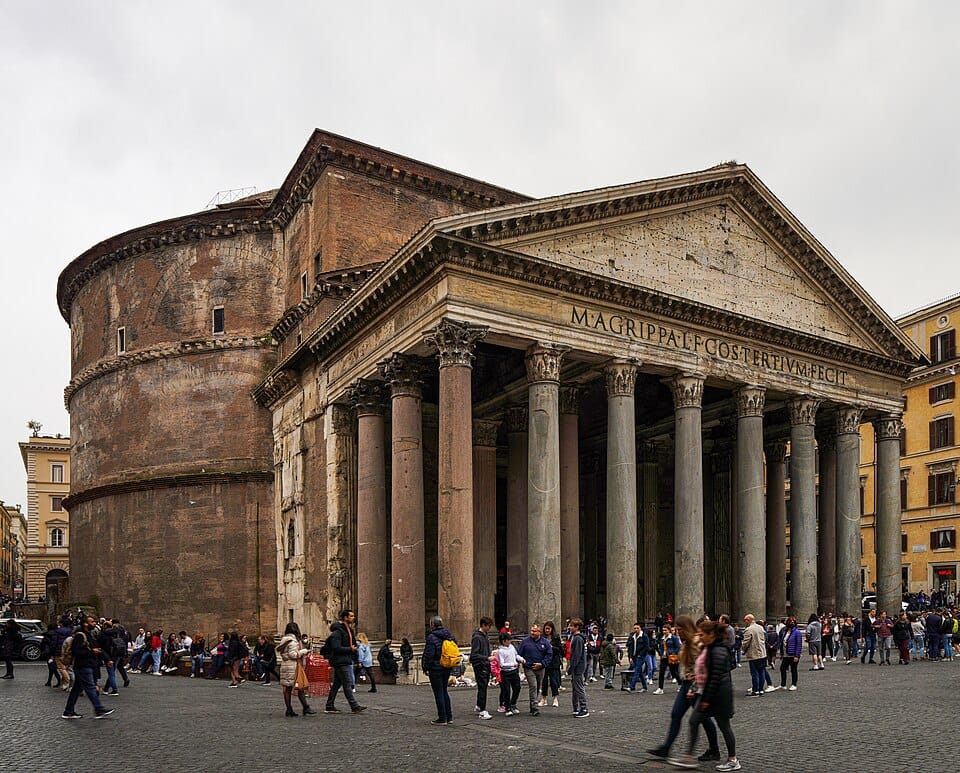
A remarkably preserved Roman temple from the 2nd century AD, famous for its massive unreinforced concrete dome and central oculus.
Vatican Museums & Sistine Chapel

A vast papal art collection culminating in the Sistine Chapel, whose ceiling and altar wall were painted by Michelangelo.
Piazza Navona
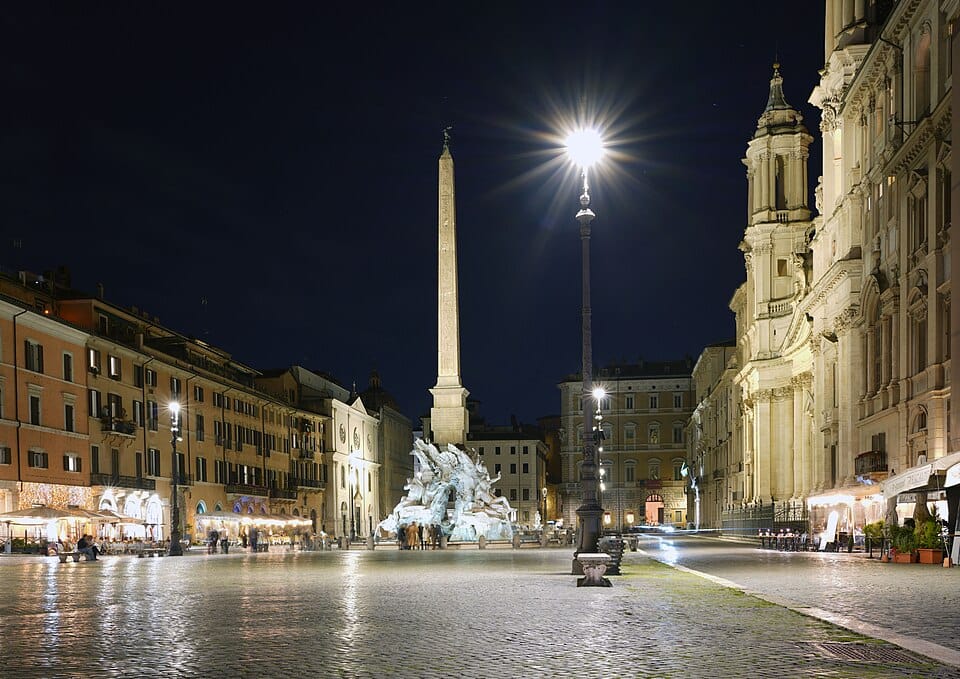
A elongated Baroque square built over an ancient stadium, centered on Bernini's Fountain of the Four Rivers.
Siena
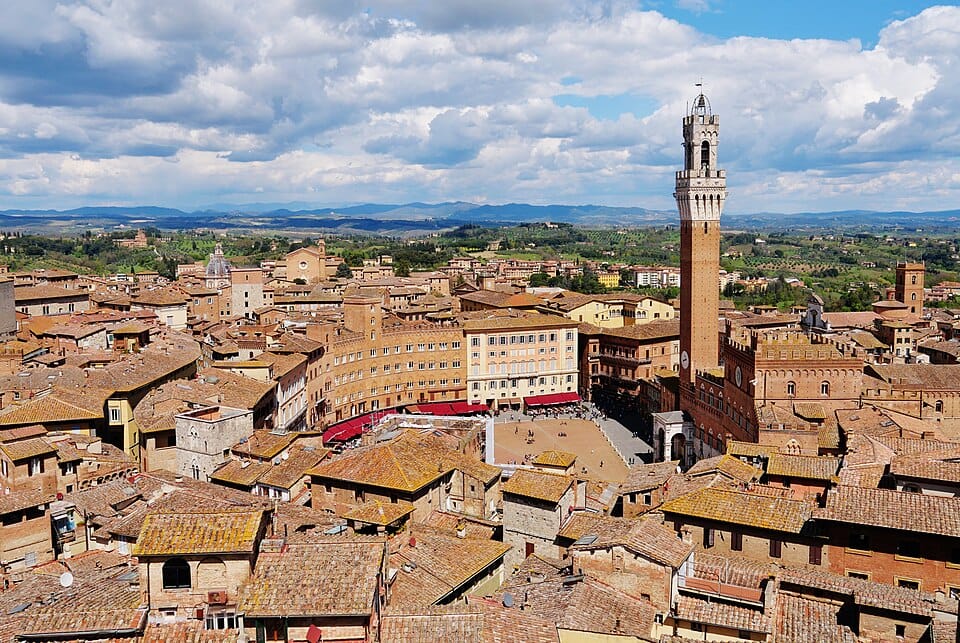
Siena is a medieval hill town in Tuscany, built around its famous shell-shaped Piazza del Campo and known for its brick-red skyline, Gothic cathedral, and the twice-yearly Palio horse race that pits the city's historic districts against each other. Its well-preserved medieval core earned it UNESCO World Heritage status.
Top attractions in Siena
Piazza del Campo
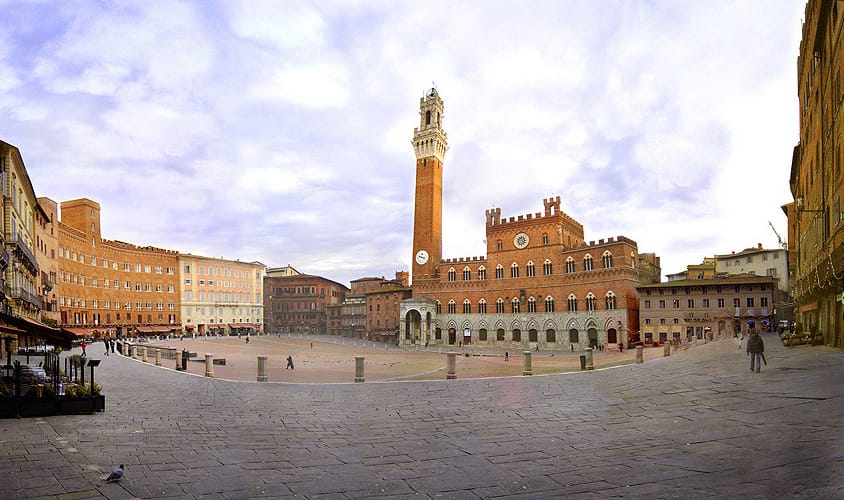
Siena's shell-shaped main square, divided into nine sections, hosts the biannual Palio horse race and is ringed by medieval palaces.
Siena Cathedral
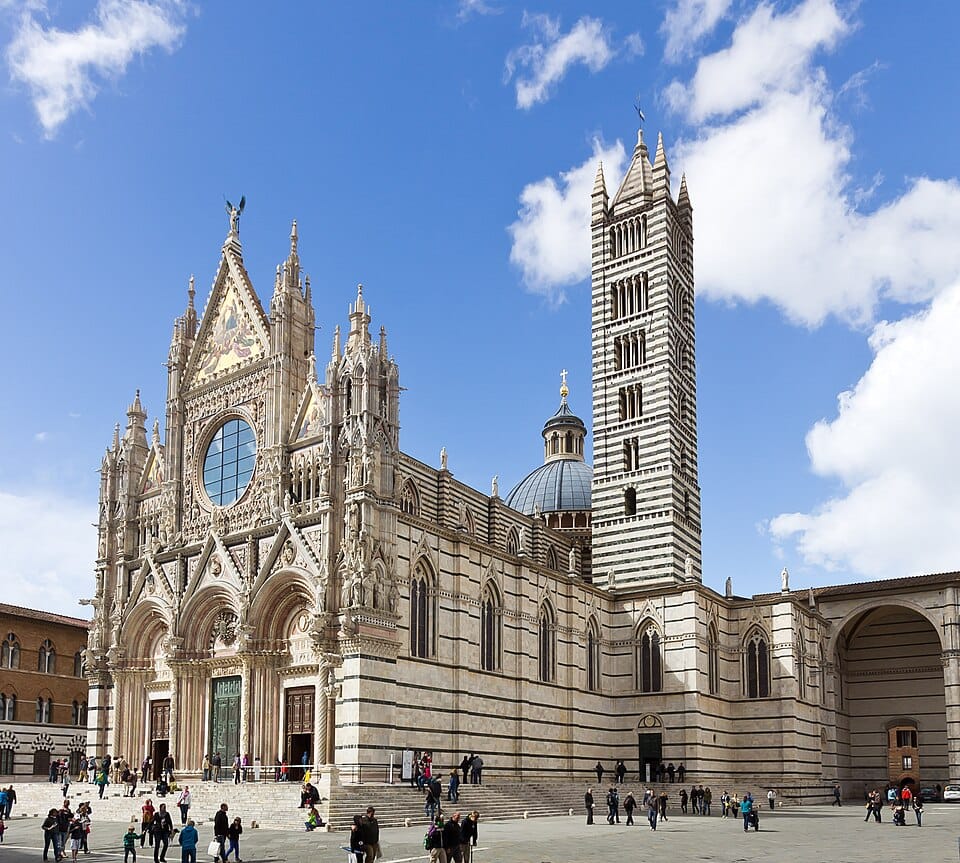
A striking black-and-white striped Gothic cathedral with an inlaid marble floor and a facade richly decorated with sculpture.
Torre del Mangia
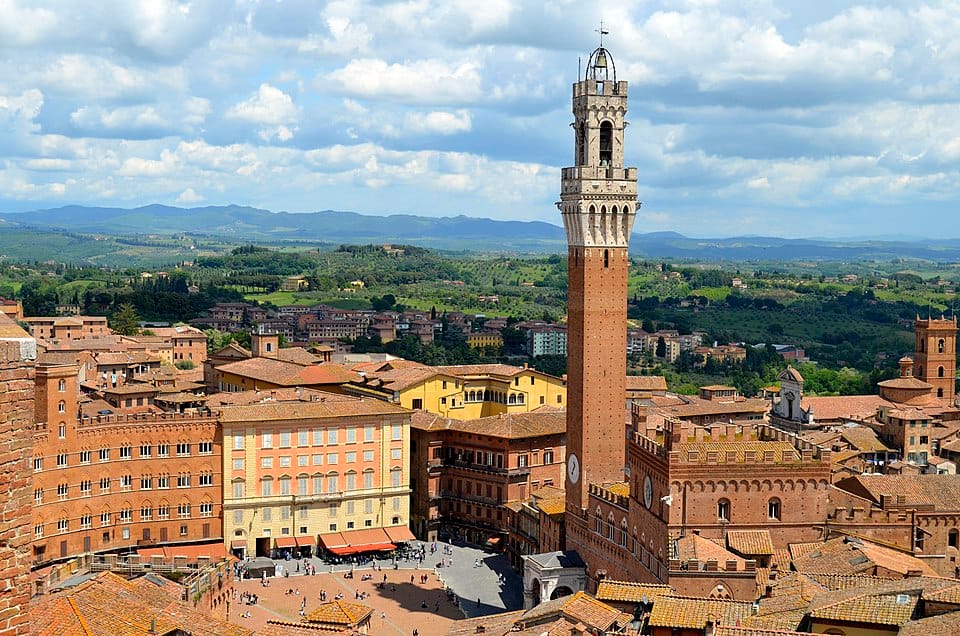
A 14th-century bell tower rising over Piazza del Campo, climbable for panoramic views across the rooftops of Siena.
Basilica of San Domenico
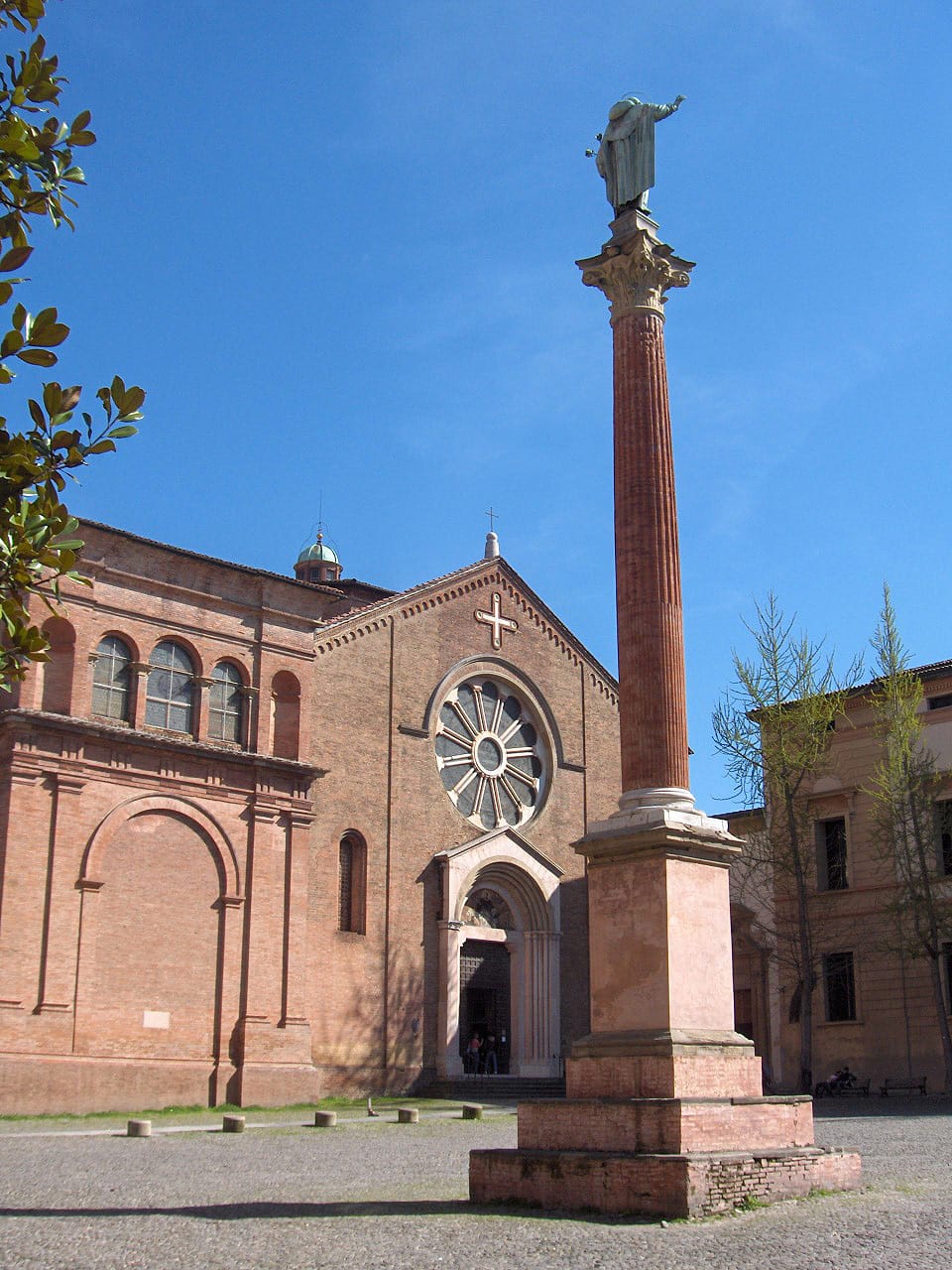
A large brick Gothic basilica associated with Saint Catherine of Siena, home to a chapel preserving one of her relics.
Santa Maria della Scala
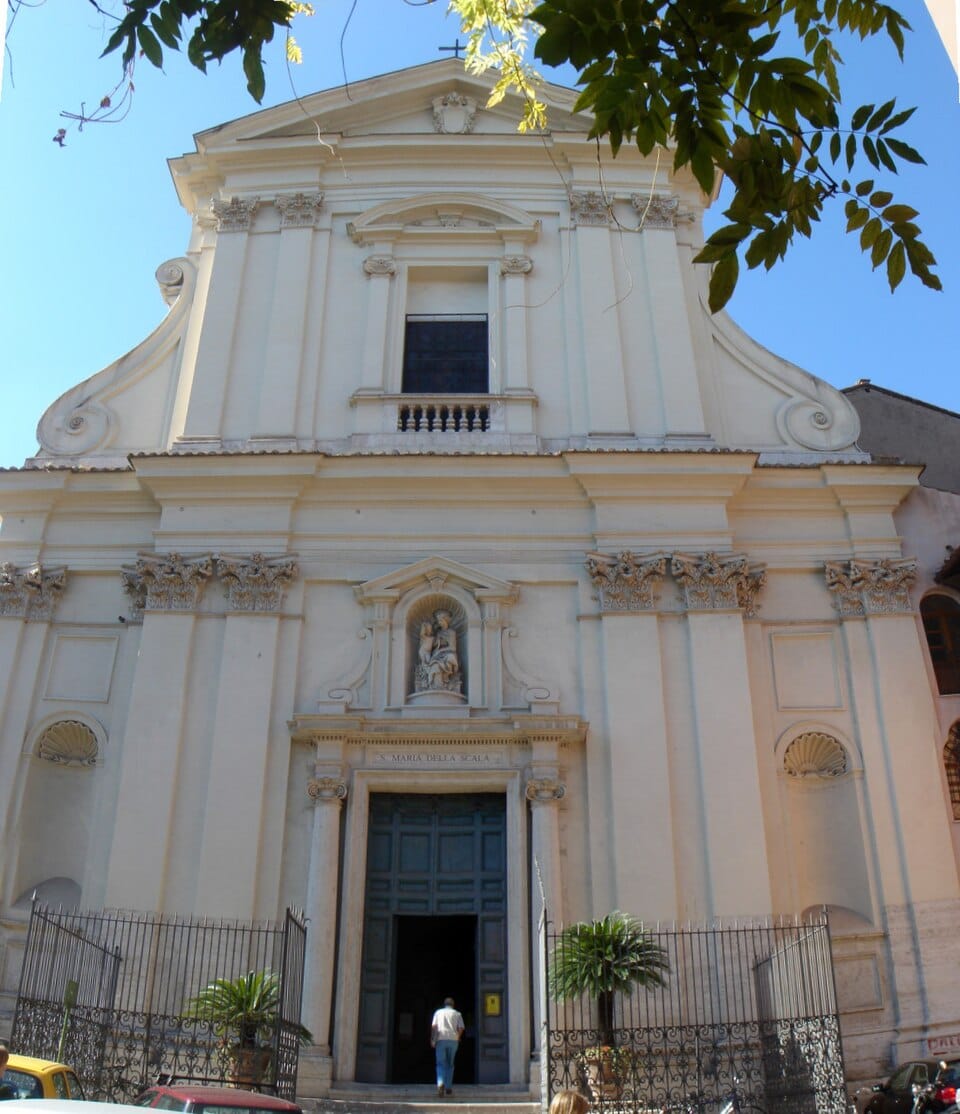
One of Europe's oldest hospitals, now a museum complex with frescoed halls and an underground archaeological area, facing the cathedral.
Florence
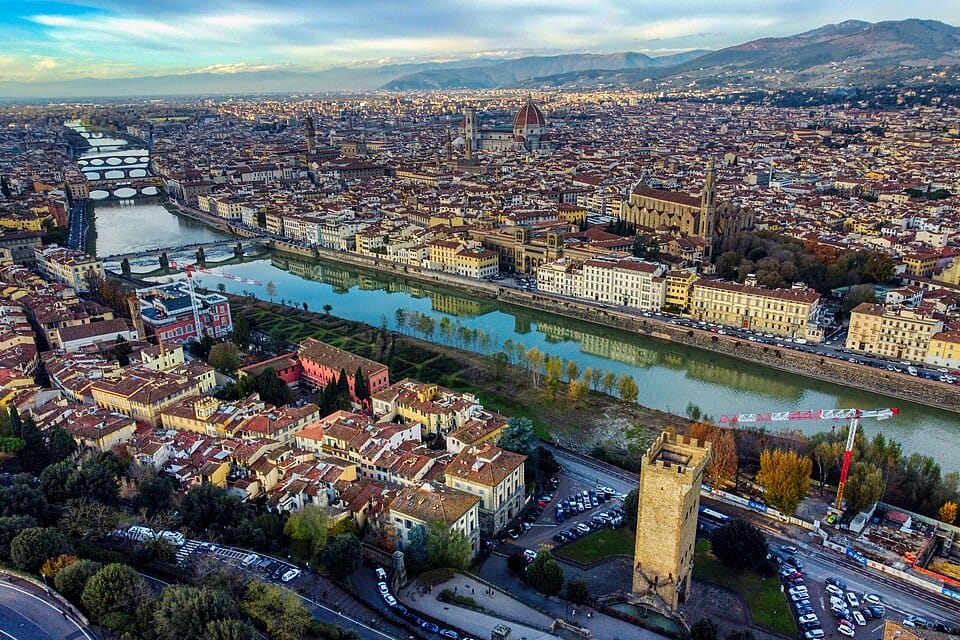
Florence is the capital of Tuscany and the cradle of the Renaissance, where painters, sculptors, and architects like Brunelleschi, Michelangelo, and Botticelli transformed Western art in the 14th to 16th centuries. Its historic center, dominated by the red-tiled dome of the cathedral, is dense with museums, churches, and palaces built by the ruling Medici family.
Top attractions in Florence
Florence Cathedral (Duomo)
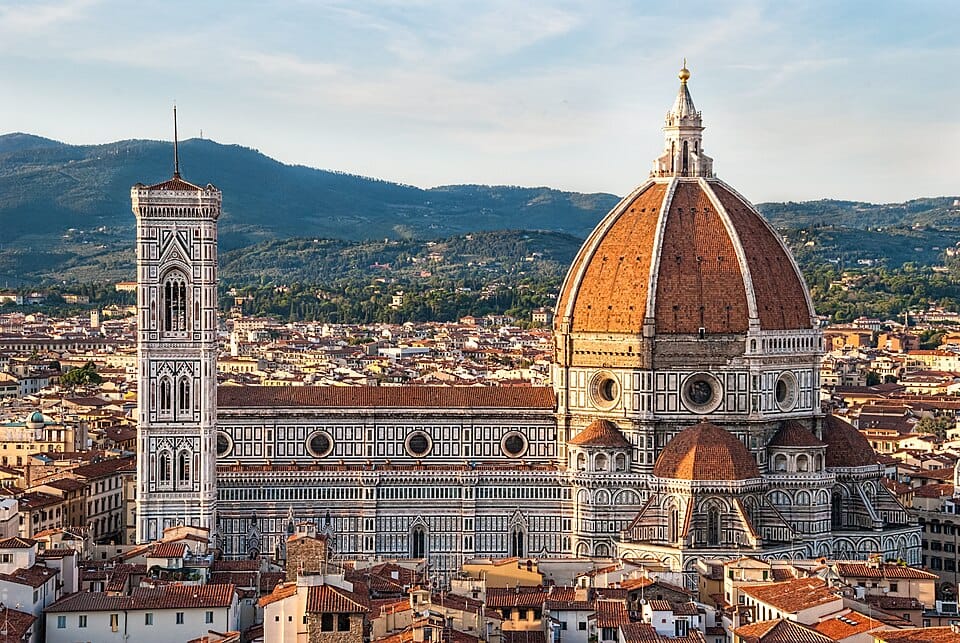
Topped by Brunelleschi's massive engineering feat of a dome, this cathedral with its pink, white, and green marble facade defines the city skyline.
Uffizi Gallery
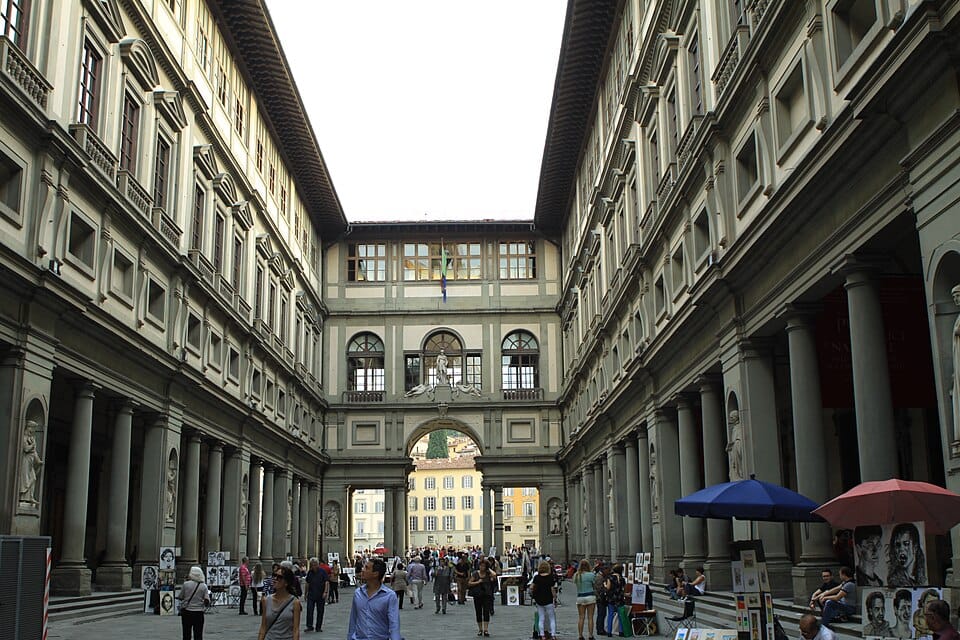
One of the world's great art museums, housing masterpieces by Botticelli, Leonardo da Vinci, and Michelangelo in a former Medici administrative building.
Ponte Vecchio
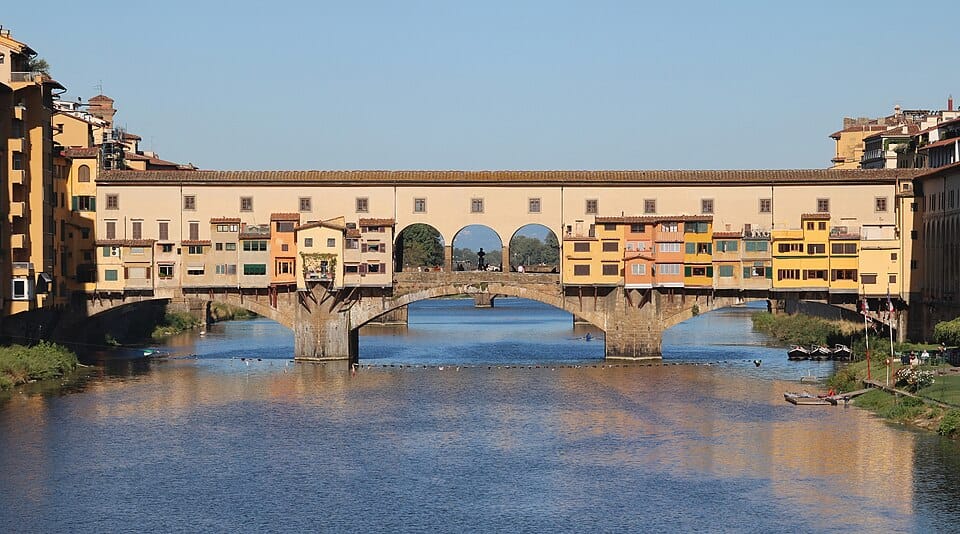
A medieval stone bridge over the Arno River lined with jewelry shops, one of the few Florence bridges to survive World War II bombing.
Galleria dell'Accademia
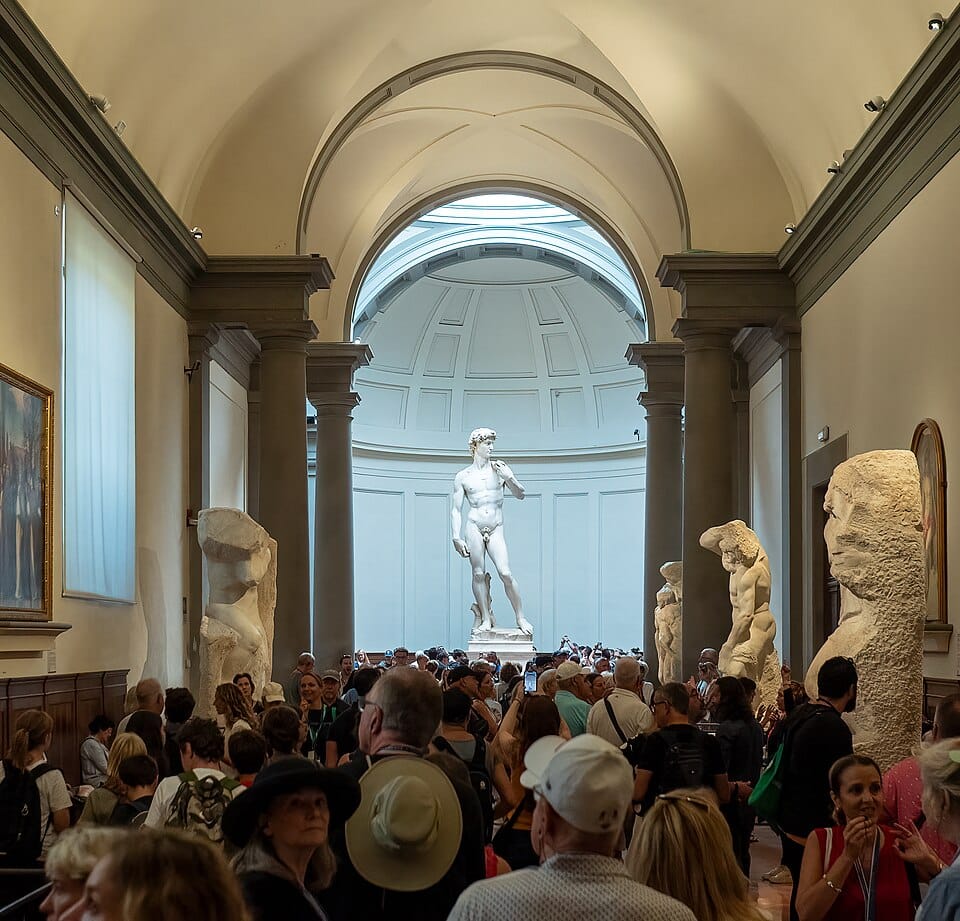
Home to Michelangelo's original marble David statue, along with his unfinished Prisoners sculptures and a collection of Florentine paintings.
Piazzale Michelangelo
A hilltop terrace south of the Arno offering a sweeping panoramic view over Florence's rooftops, domes, and towers.
Pisa
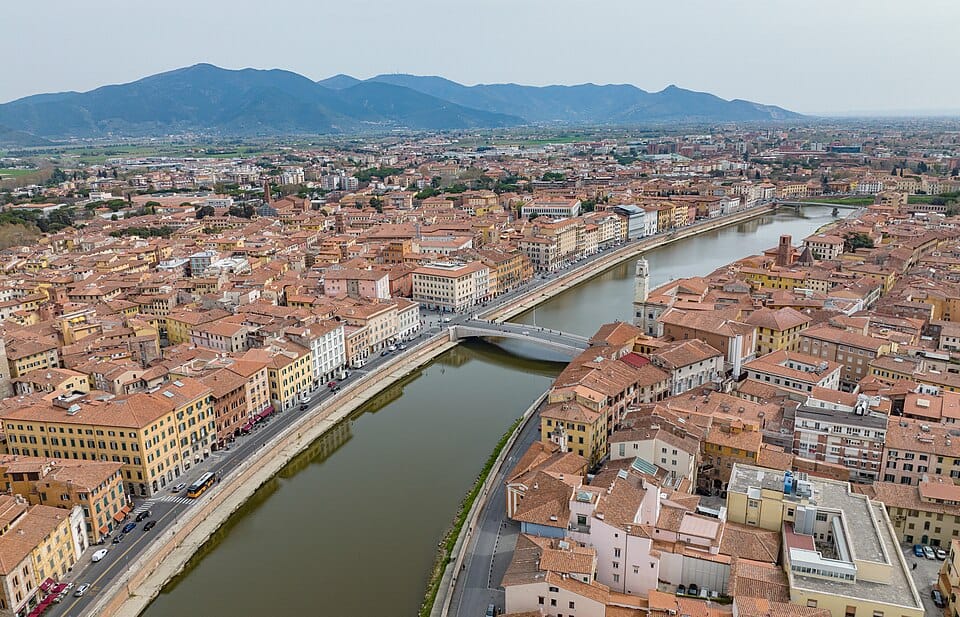
Pisa is a Tuscan city on the Arno River, once a powerful maritime republic that rivaled Venice and Genoa before its decline in the 15th century. Today it is known worldwide for a single monument, the Leaning Tower, whose accidental tilt has made it one of the most photographed buildings on Earth.
Top attractions in Pisa
Leaning Tower of Pisa
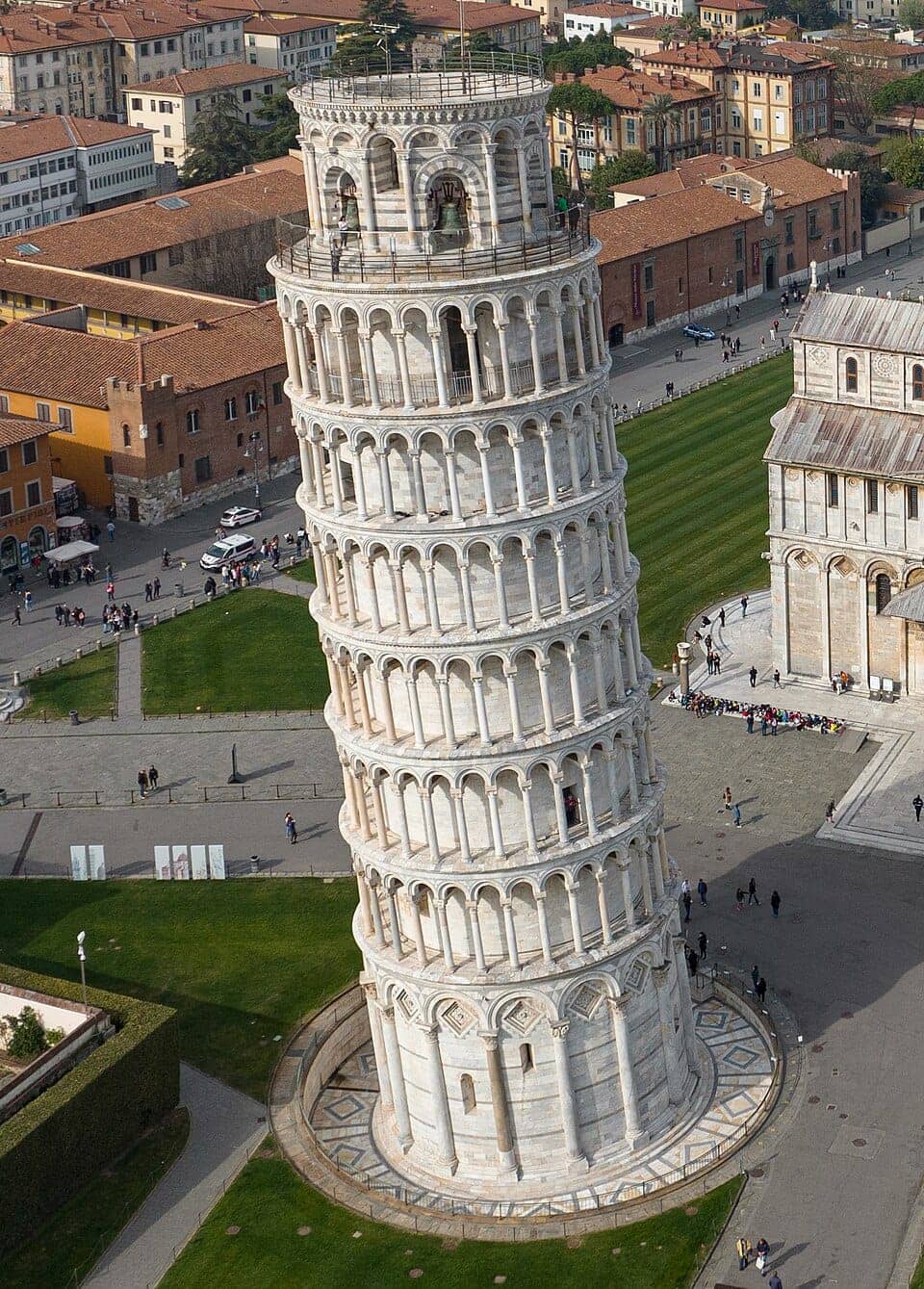
A freestanding bell tower begun in 1173 that started tilting during construction due to soft ground, now stabilized at roughly a four-degree angle.
Pisa Cathedral
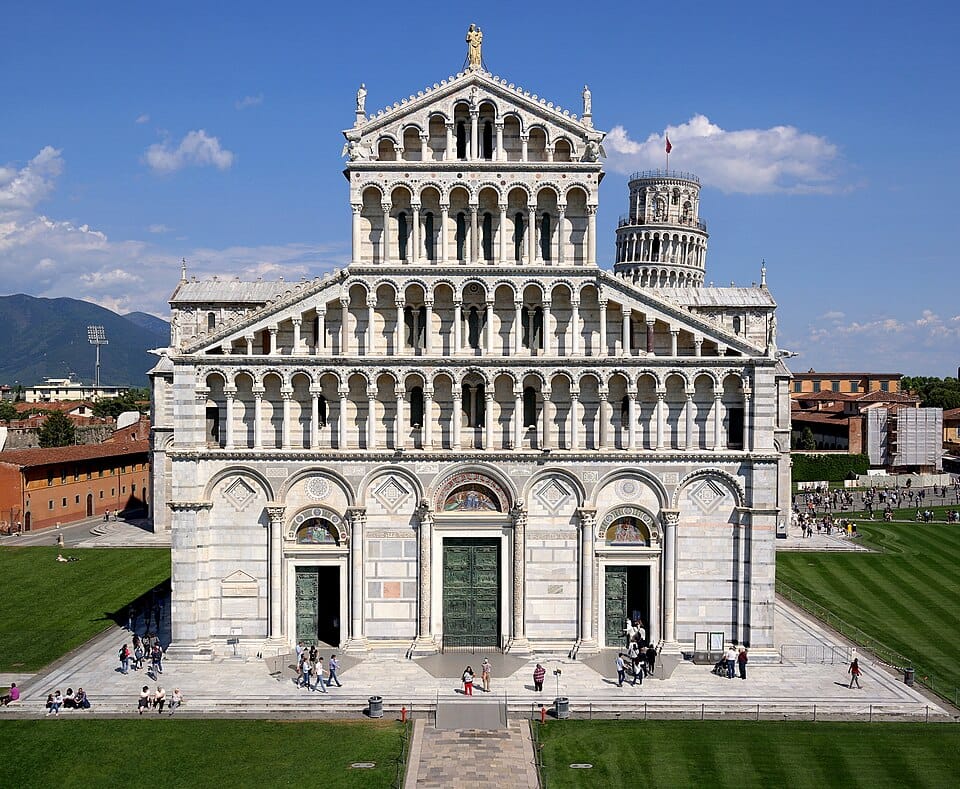
A grand Romanesque cathedral begun in 1064, its striped marble exterior and tiered arcades set the architectural style copied across medieval Tuscany.
Baptistery of St. John
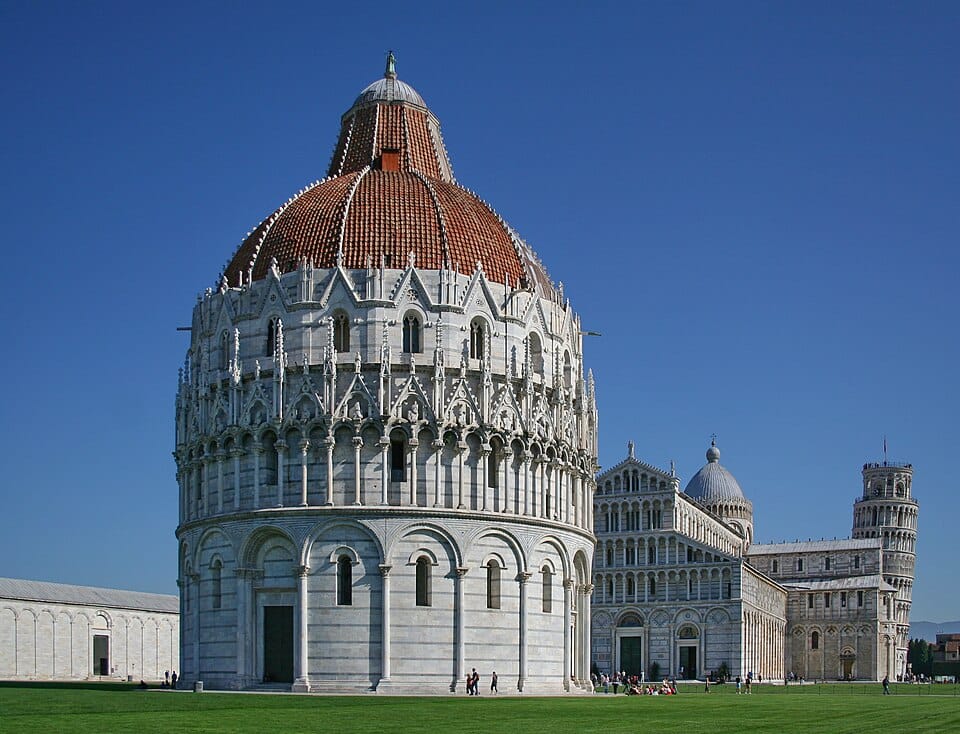
The largest baptistery in Italy, a circular Romanesque-Gothic building famous for its extraordinary acoustics and Gothic pulpit by Nicola Pisano.
Camposanto Monumentale
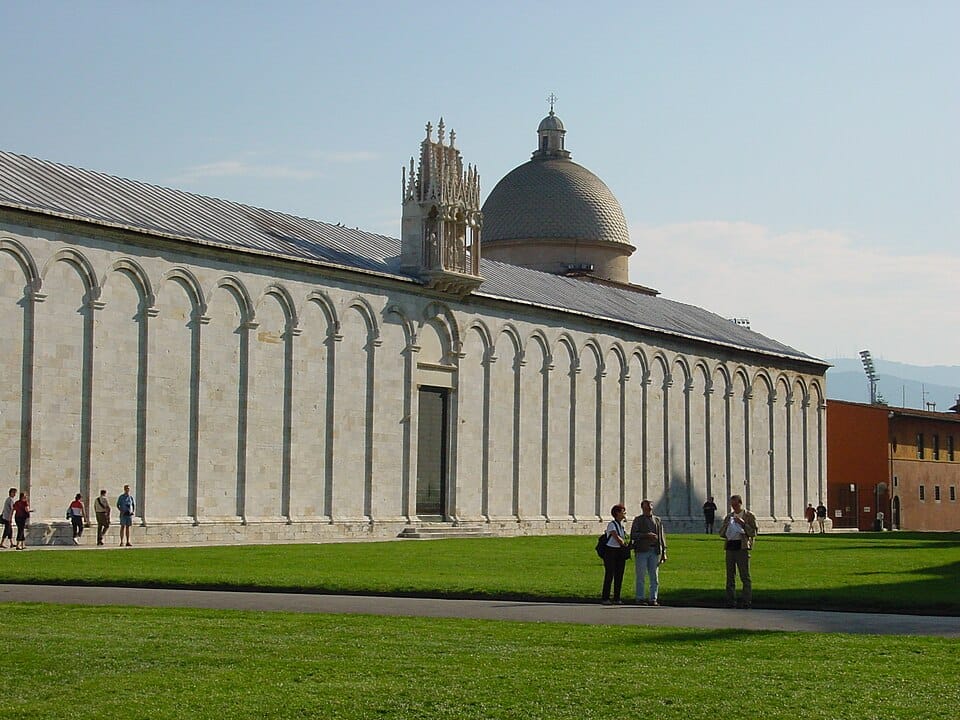
A walled cemetery said to be built around soil brought from Golgotha, its cloister once held extensive medieval frescoes damaged in World War II.
Bologna
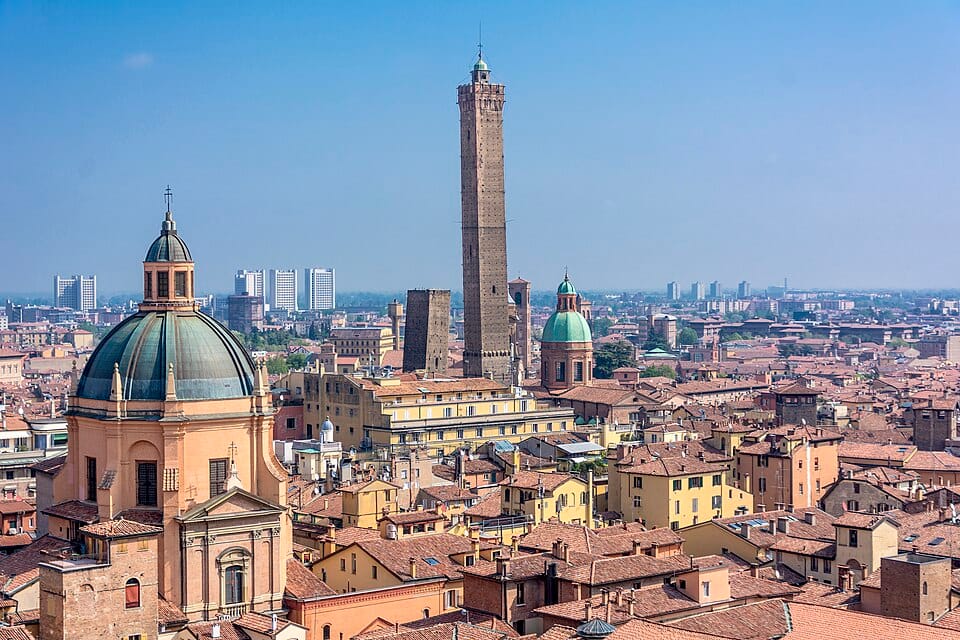
Bologna is the capital of Emilia-Romagna, a city of red-brick porticoes, medieval towers, and Europe's oldest university, founded in 1088. Nicknamed "la dotta, la grassa, la rossa" (the learned, the fat, the red) for its scholarship, cuisine, and terracotta rooftops, it is regarded as one of Italy's culinary capitals, birthplace of tortellini and ragù.
Top attractions in Bologna
Two Towers (Le Due Torri)
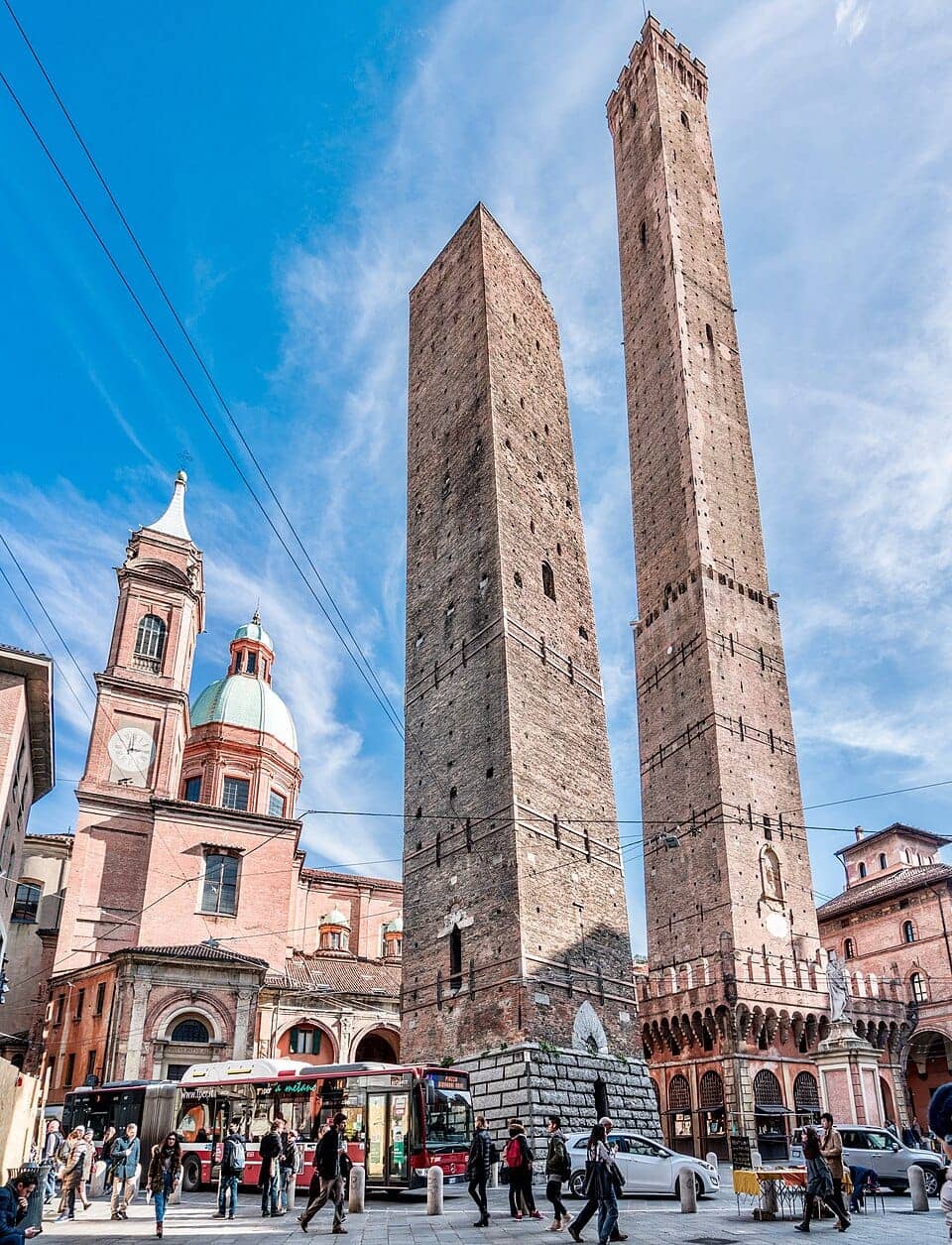
The leaning Garisenda and taller Asinelli towers, both built in the early 12th century, are the surviving landmarks of dozens of medieval defensive towers.
Basilica di San Petronio
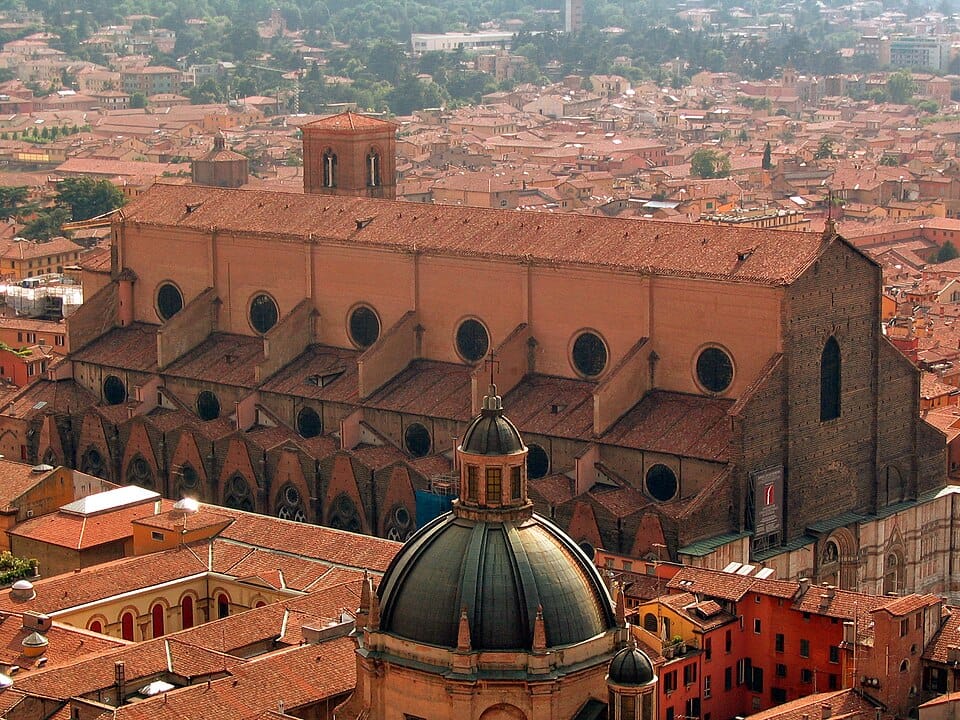
One of the largest church buildings in the world, dominating Piazza Maggiore with an unfinished marble facade and a giant sundial on its floor.
Piazza Maggiore
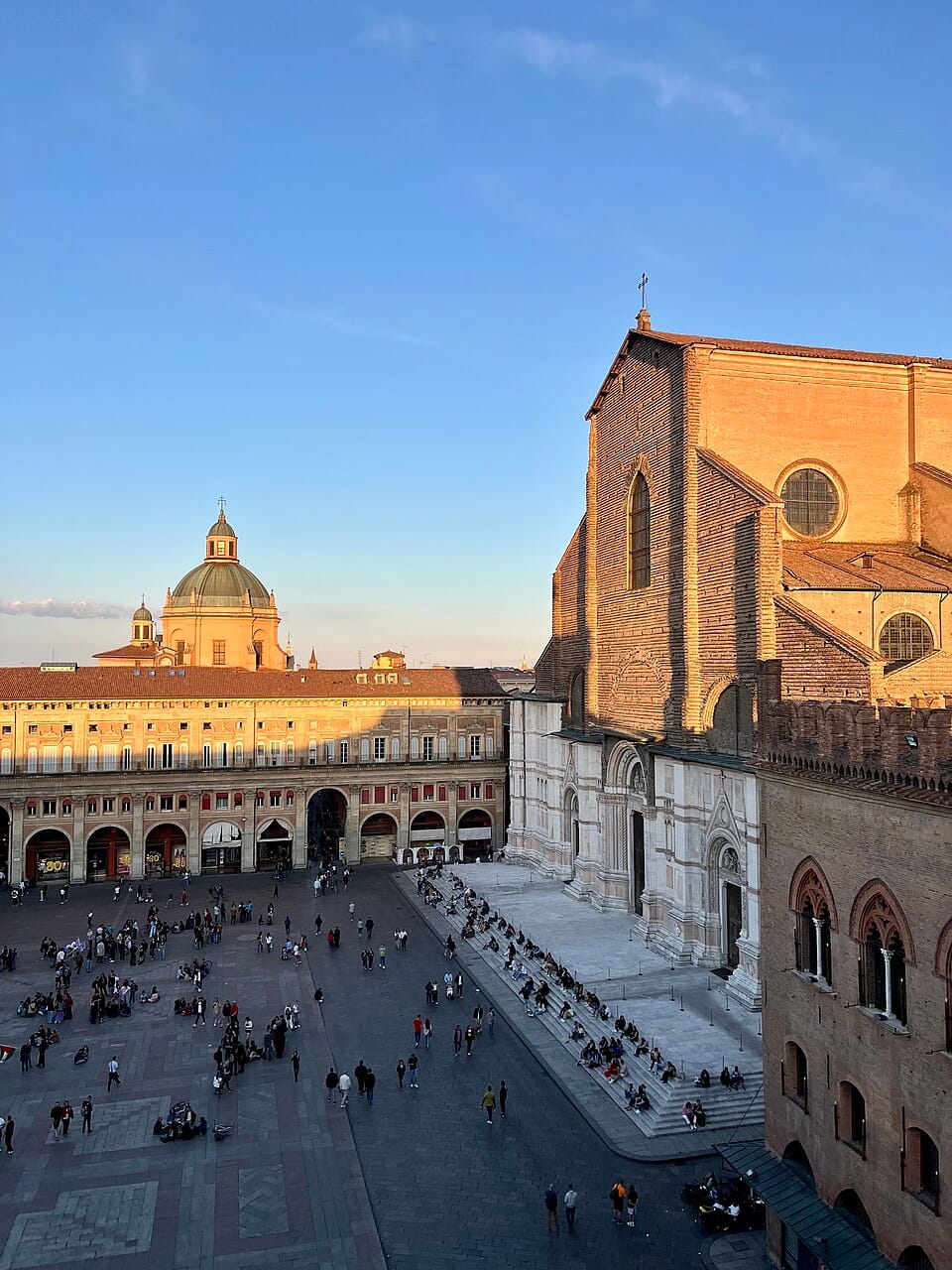
Bologna's central square since the 13th century, framed by the Palazzo d'Accursio, Palazzo del Podestà, and the Fountain of Neptune nearby.
Portico di San Luca
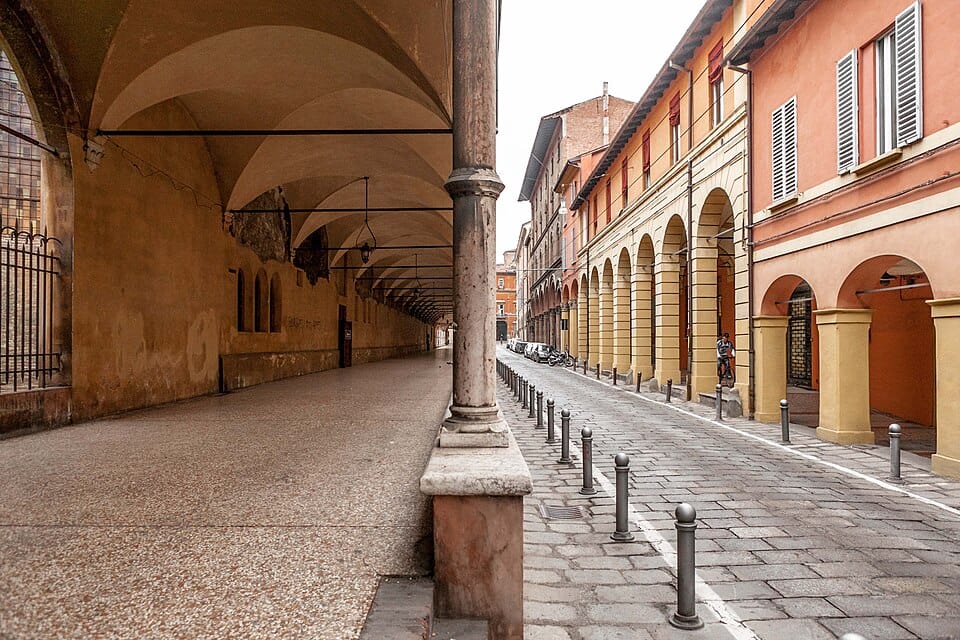
The world's longest continuous portico, nearly 4 kilometers of arches climbing a hill to the Sanctuary of the Madonna di San Luca.
Quadrilatero Market District
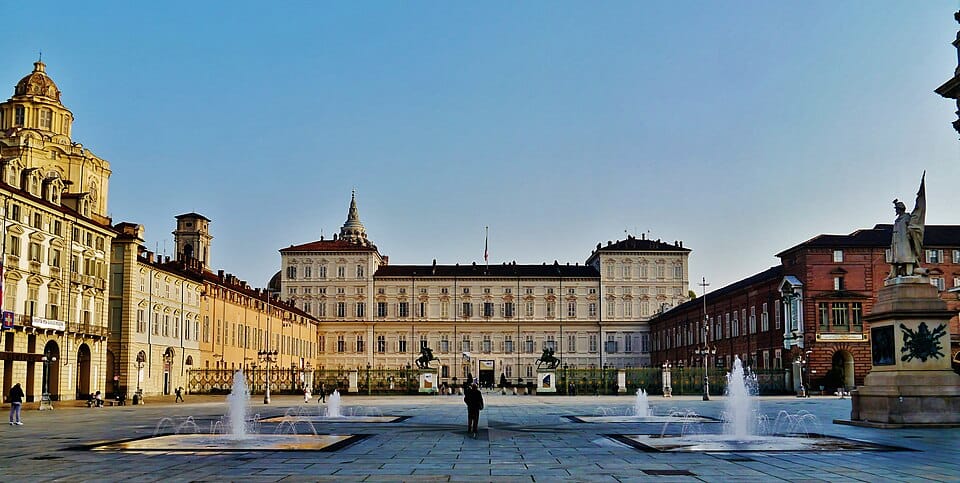
A tangle of narrow medieval streets behind Piazza Maggiore lined with butchers, cheesemongers, and delis that have traded here for centuries.
Venice
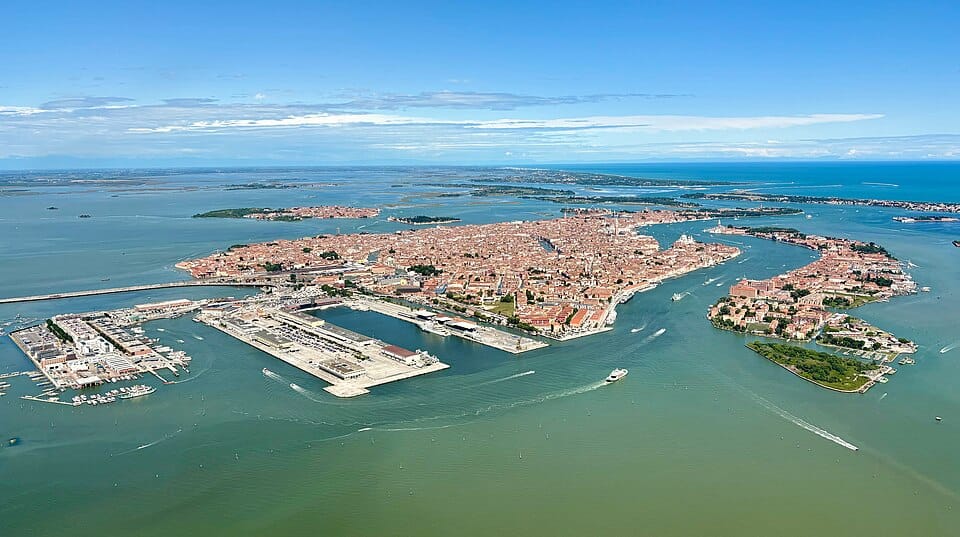
Venice is a city built on more than a hundred small islands in a lagoon on Italy's northeastern coast, its neighborhoods connected by canals instead of roads and its streets replaced by footbridges and waterways. Founded over a thousand years ago, it grew into a maritime and trading empire whose wealth built the ornate palaces, basilicas, and bridges that still line the Grand Canal.
Top attractions in Venice
St. Mark's Basilica
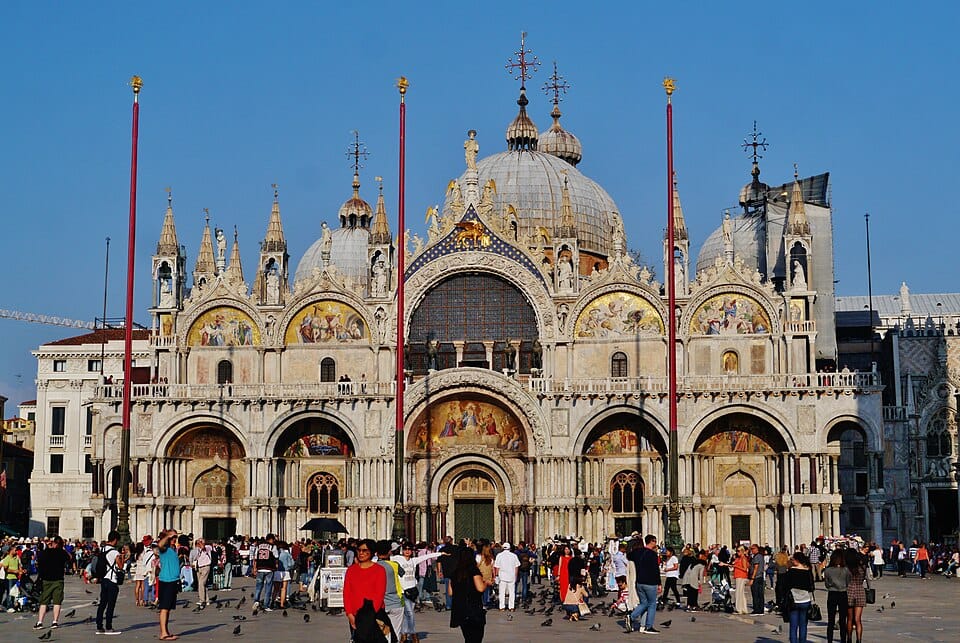
A Byzantine-style cathedral covered in gold mosaics, built to house the relics of St. Mark and long the private chapel of the Doges of Venice.
Doge's Palace
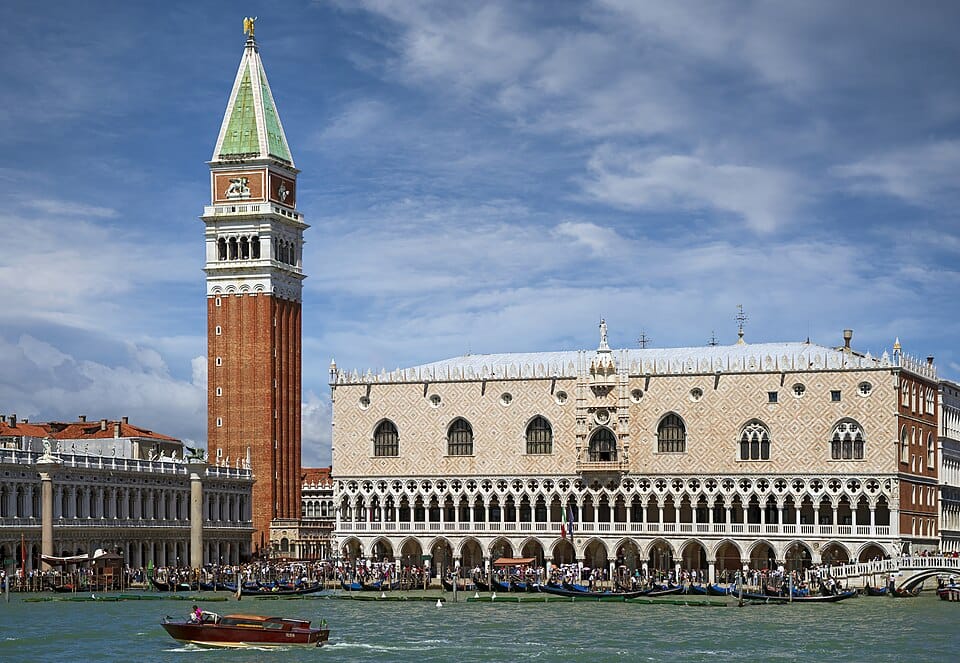
The seat of Venetian government for centuries, a Gothic palace of pink-and-white patterned stone connected to the former prisons by the Bridge of Sighs.
Grand Canal
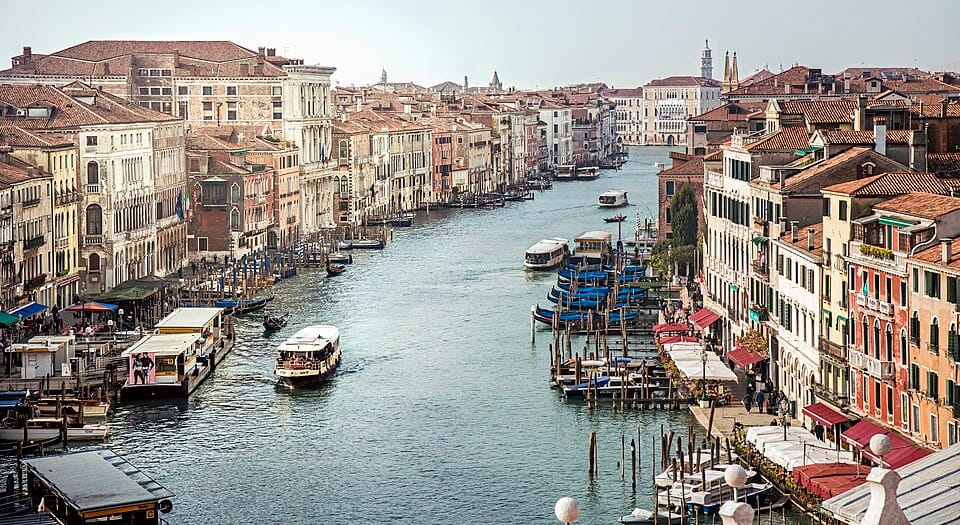
The main waterway winding through Venice in a broad S-curve, lined with centuries of merchant palaces best seen from a vaporetto or gondola.
Rialto Bridge
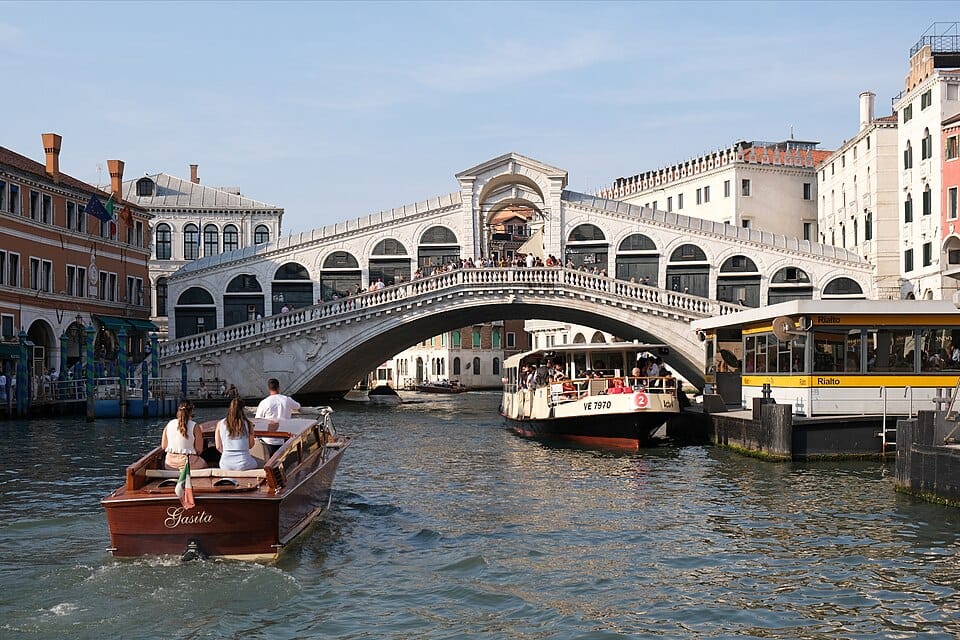
The oldest bridge across the Grand Canal, a stone-arched structure completed in 1591 lined with small shops on both sides.
Murano
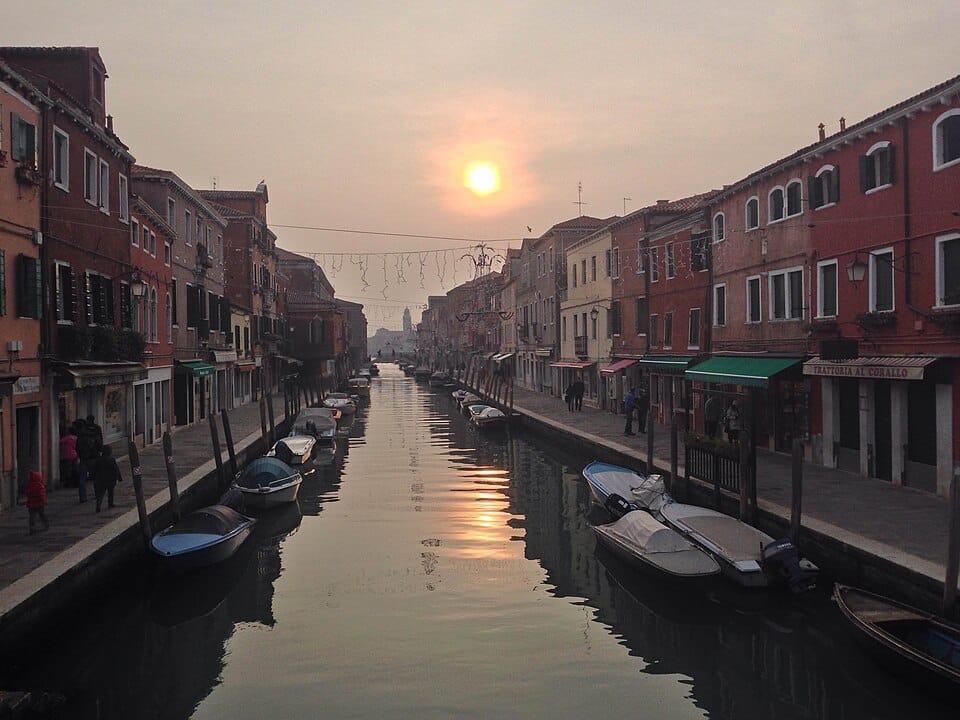
A lagoon island where glassmakers were relocated in 1291 to reduce fire risk, still home to workshops producing traditional Venetian glass.
Plan this route with EuroDrive Scout — tolls, vignettes, ZTL alerts, fuel & parking →