Croatia: the Dalmatian Coast: attractions & sights guide
A stop-by-stop guide to the best things to see along the Croatia: the Dalmatian Coast route — 5 destinations, their must-see sights and how to drive between them.
Plan this route with EuroDrive Scout — tolls, vignettes, ZTL alerts, fuel & parking →
Zagreb
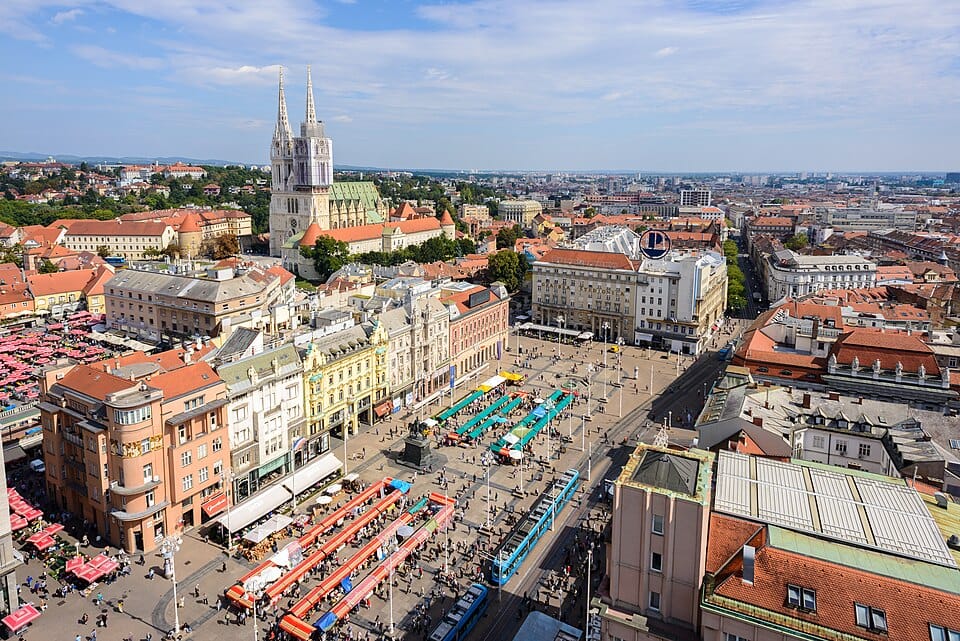
Zagreb is Croatia's capital and largest city, split between the medieval hilltop districts of Gornji Grad (Upper Town) and the grid-planned 19th-century streets of Donji Grad (Lower Town) below. It is known for its Austro-Hungarian architecture, museum-dense squares, and a lively café culture along tree-lined boulevards.
Top attractions in Zagreb
St. Mark's Church
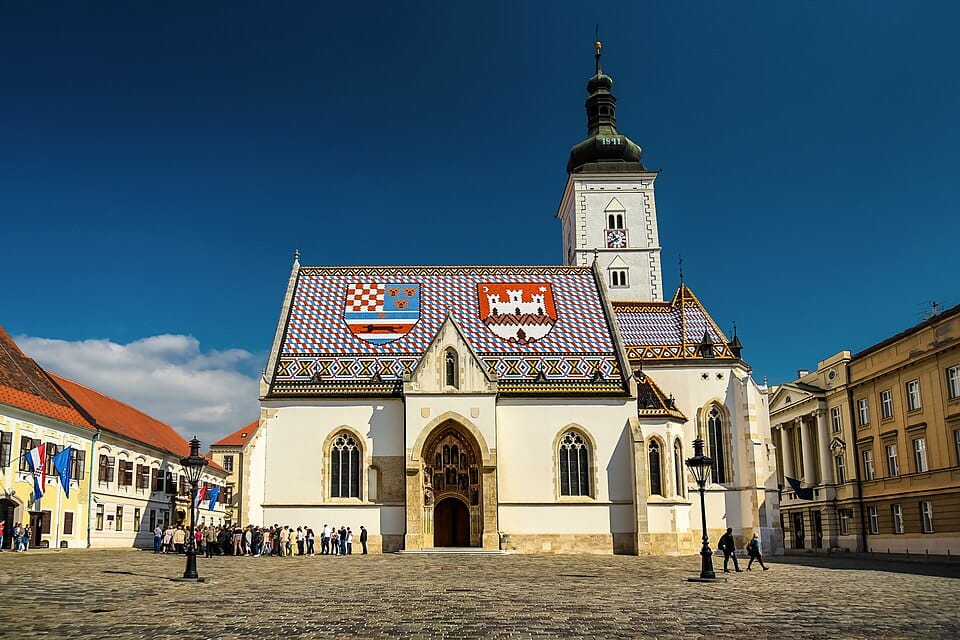
A 13th-century church in Gornji Grad famous for its colourful tiled roof depicting the coats of arms of Zagreb and the Triune Kingdom of Croatia, Slavonia, and Dalmatia.
Zagreb Cathedral
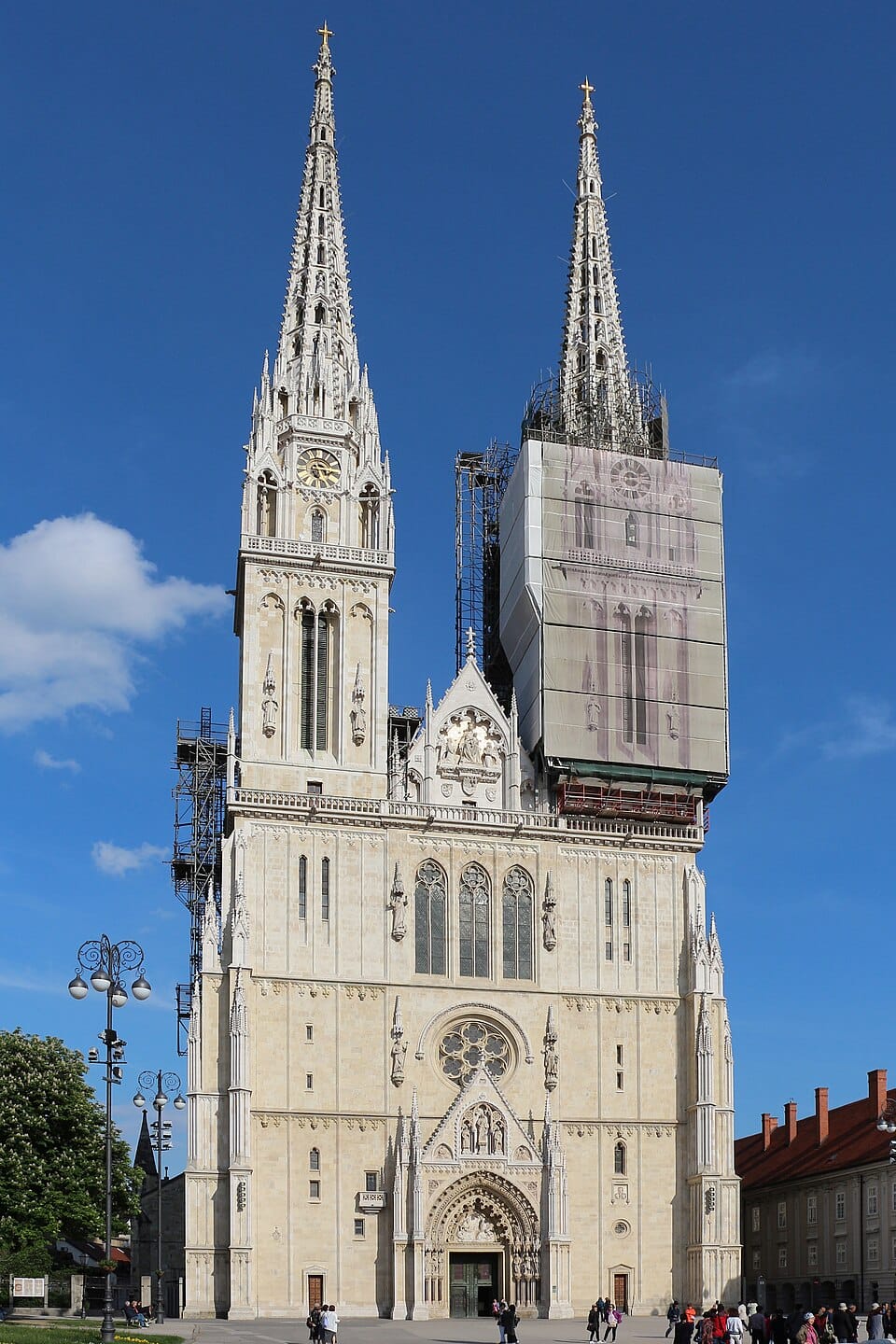
The city's neo-Gothic cathedral, with twin spires visible across much of Zagreb, was rebuilt after a major 1880 earthquake and remains the tallest building in Croatia.
Dolac Market
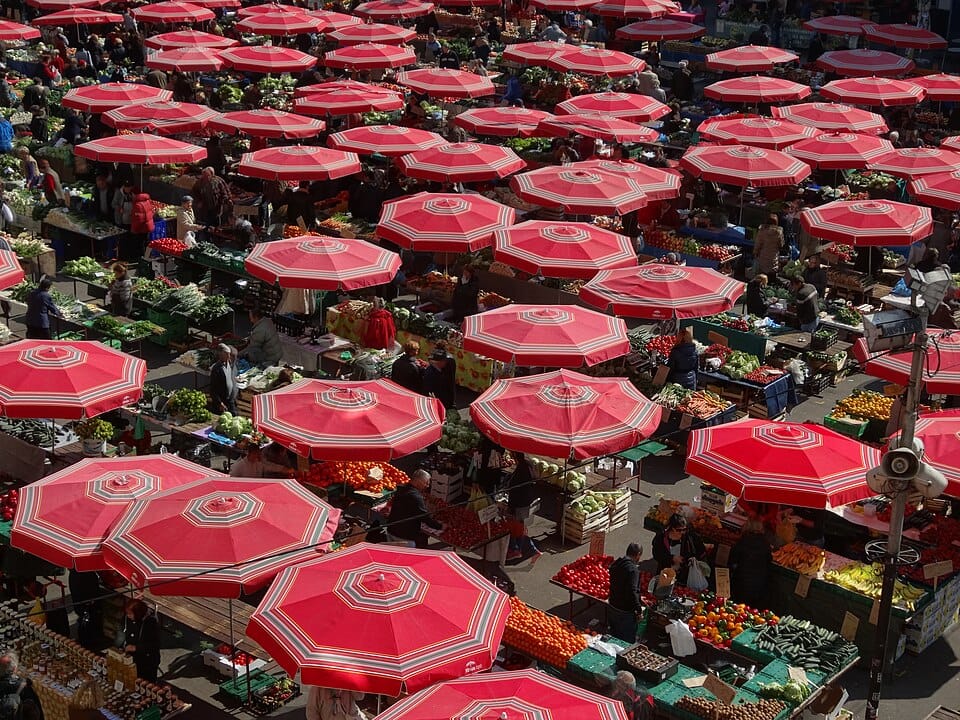
Zagreb's main open-air market, set on a raised platform above the main square, sells fresh produce, flowers, and local cheeses under its distinctive red umbrellas.
Museum of Broken Relationships
A quirky Upper Town museum built entirely from donated objects and short stories tied to failed relationships, mixing humour and melancholy in equal measure.
Lotrščak Tower
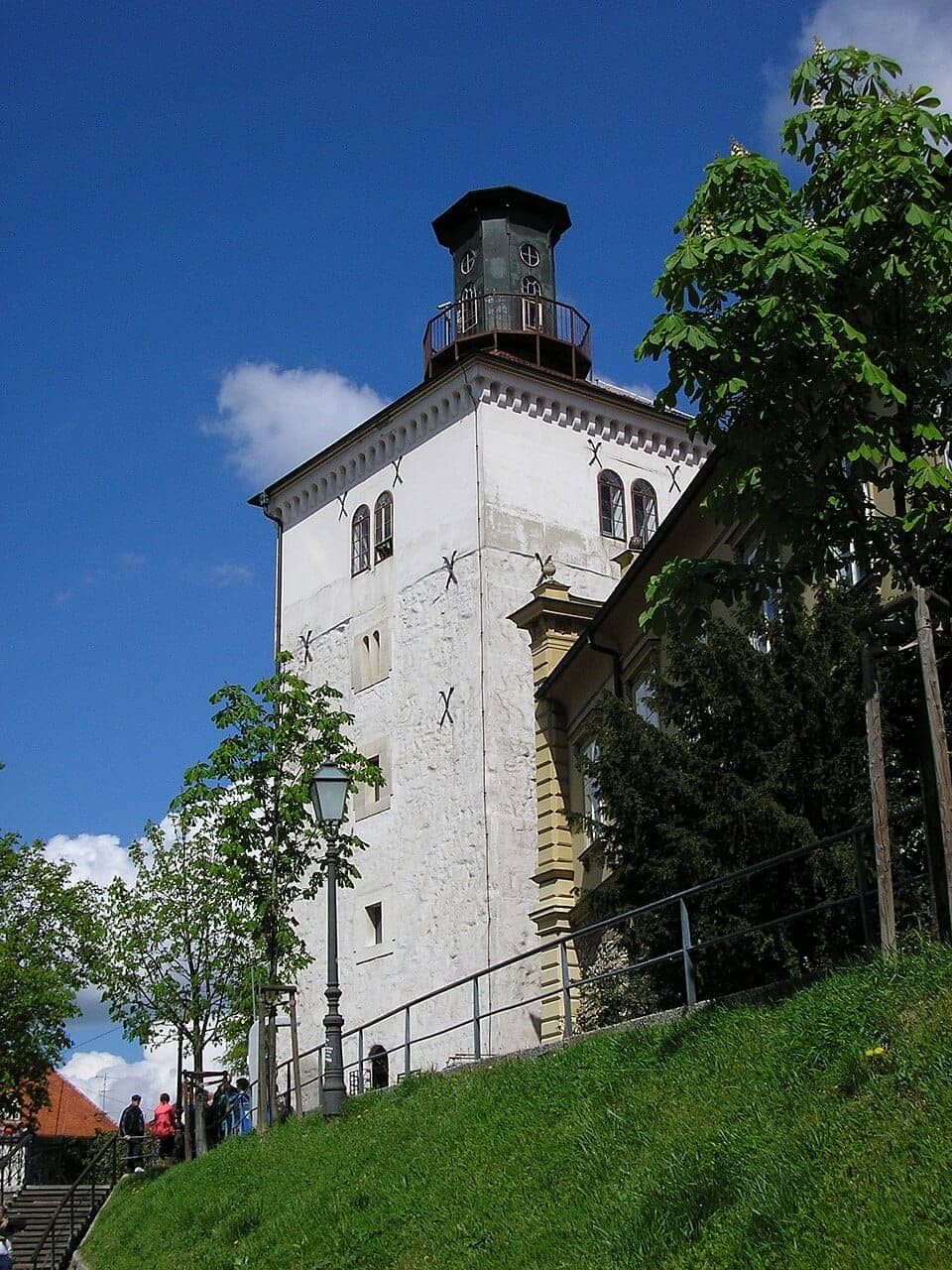
A 13th-century defensive tower on the edge of Gornji Grad known for the Grič Cannon, fired daily at noon, and for panoramic views over the Lower Town from its viewing platform.
Plitvice Lakes
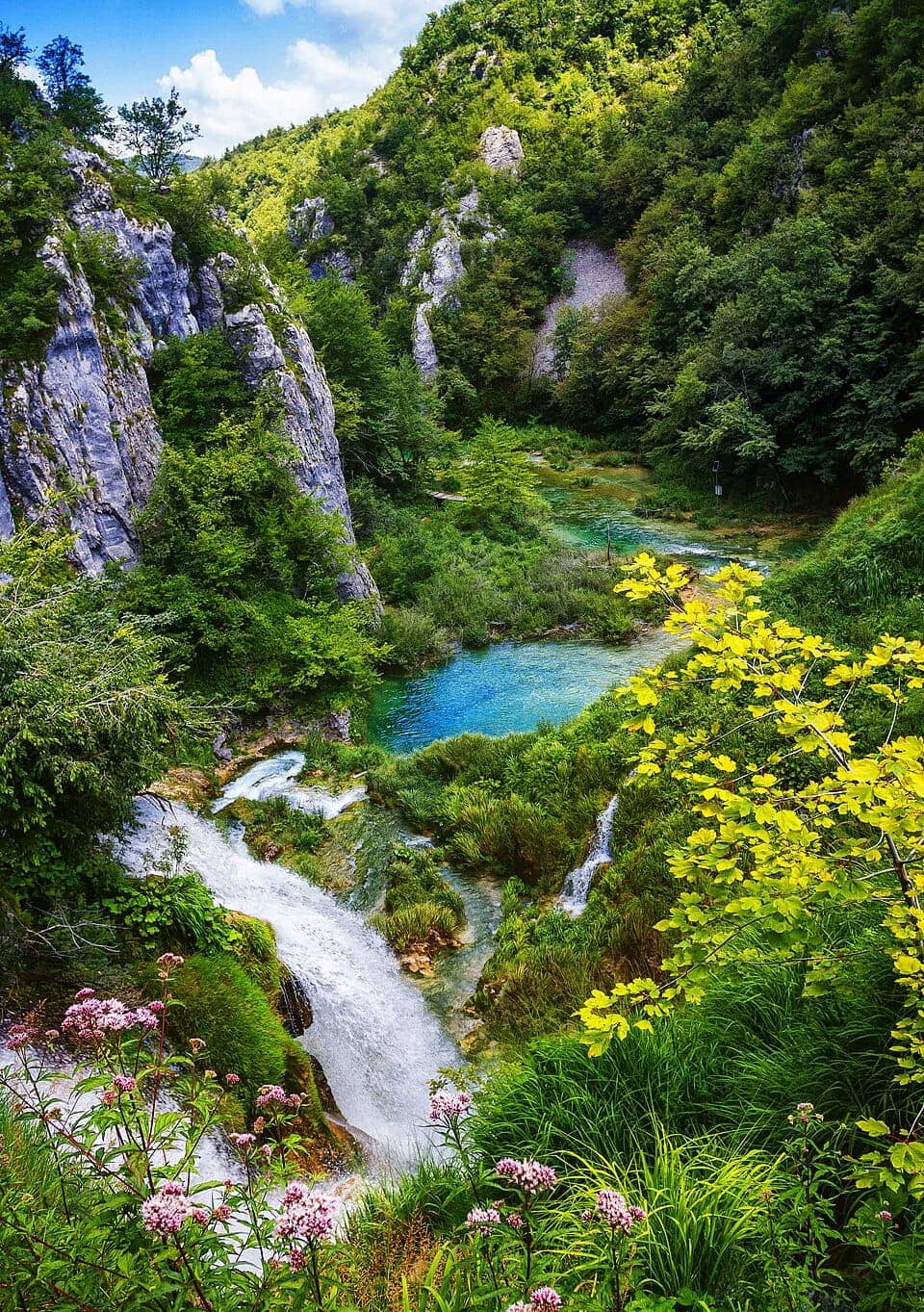
Plitvice Lakes National Park is a UNESCO World Heritage site in central Croatia, made up of sixteen terraced lakes connected by waterfalls and cascades that run through a wooded limestone canyon. The lakes' colour shifts between turquoise, green, and grey depending on mineral content, light, and season, and travertine barriers formed by moss, algae, and bacteria continue to reshape the terrain.
Top attractions in Plitvice Lakes
Veliki Slap (Great Waterfall)
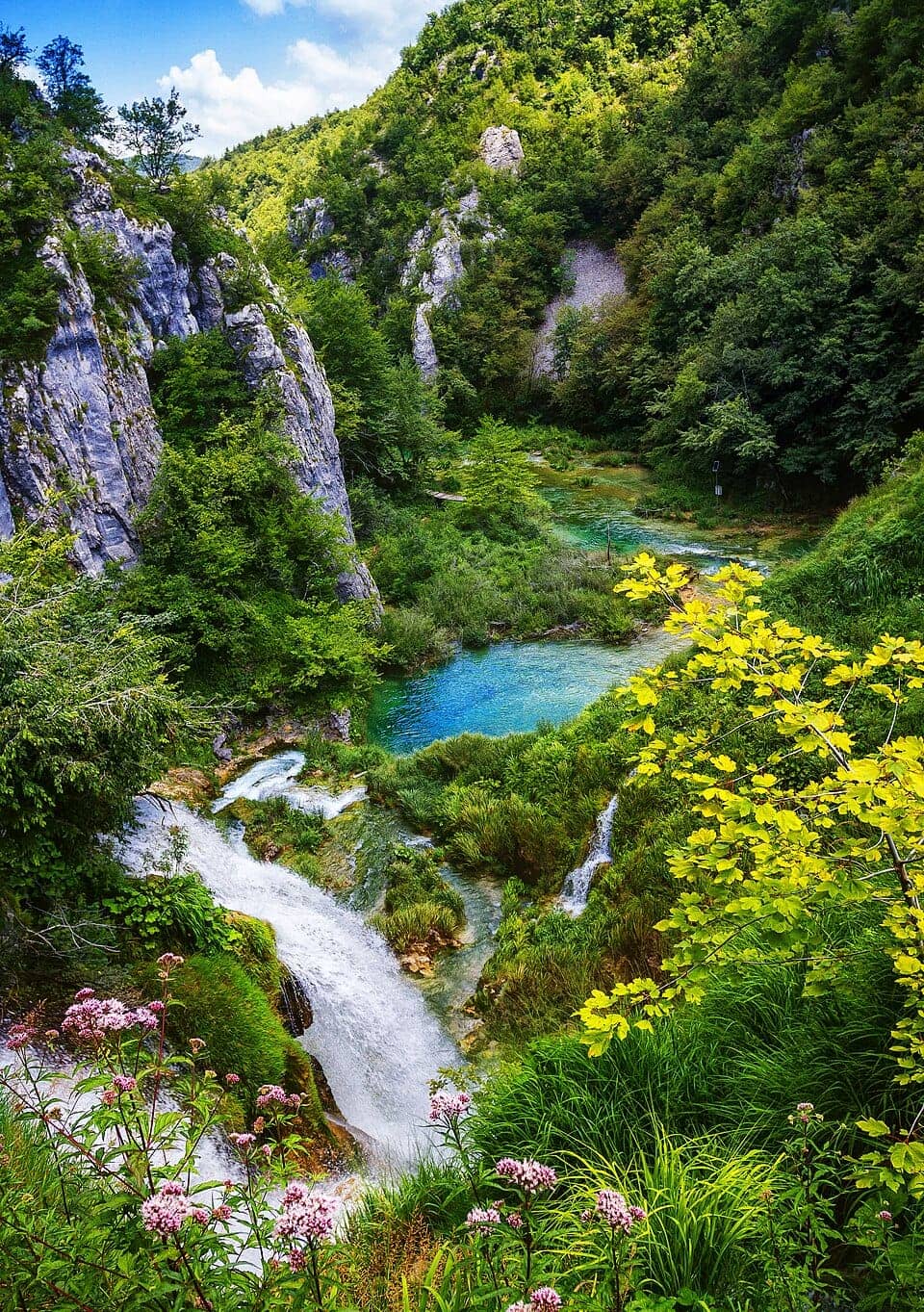
At about 78 metres, this is the tallest waterfall in the park and its best-known landmark, reached via a short walk from the Lower Lakes boardwalk.
Kozjak Lake
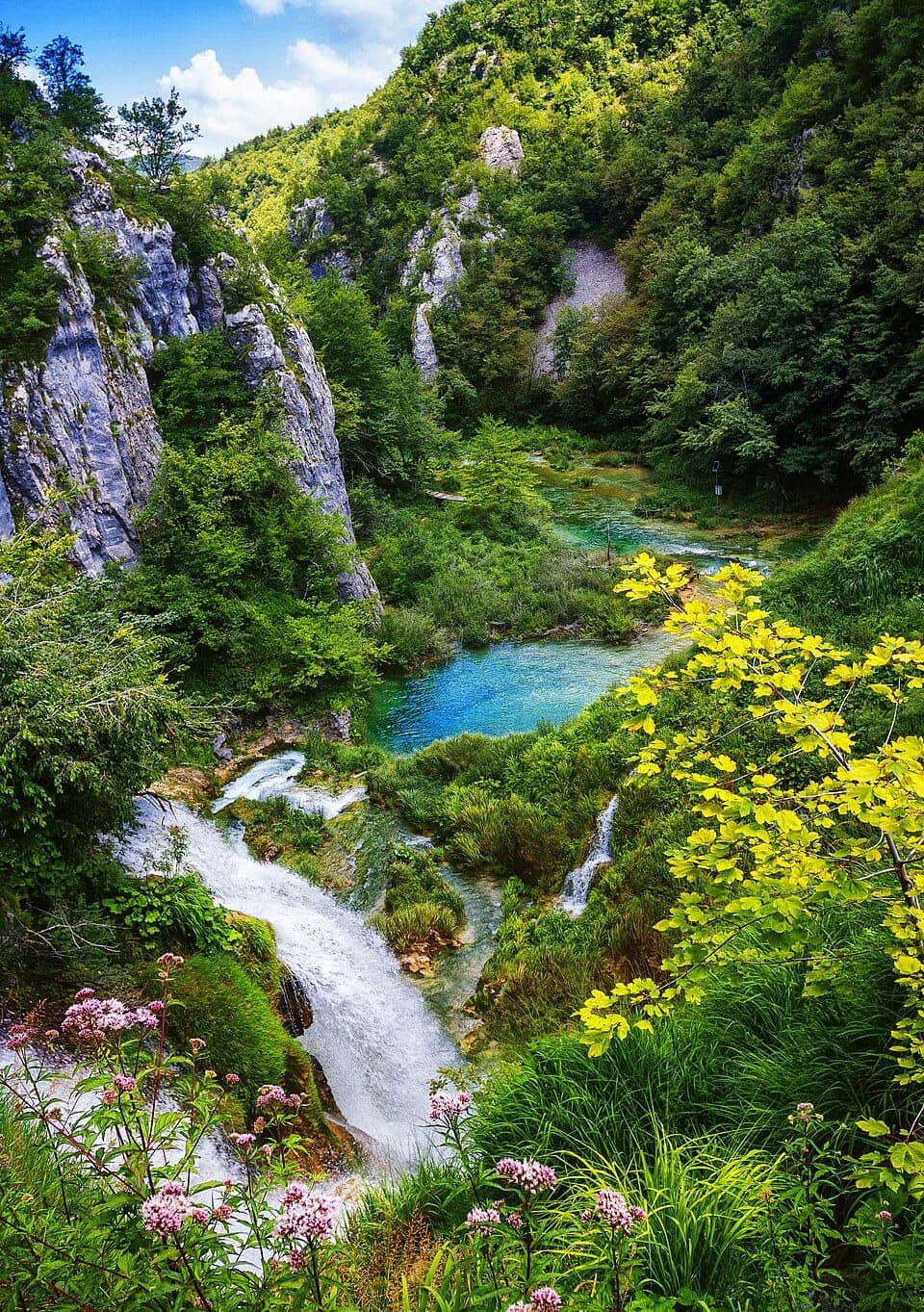
The largest of the sixteen lakes, dividing the Upper and Lower Lakes, crossed by an electric boat that shuttles visitors between the two sections of the park.
Upper Lakes boardwalks
A network of wooden footbridges winds directly over and beside the smaller terraced lakes and cascades of the Upper Lakes, offering close-up views of the travertine formations.
Supljara Cave
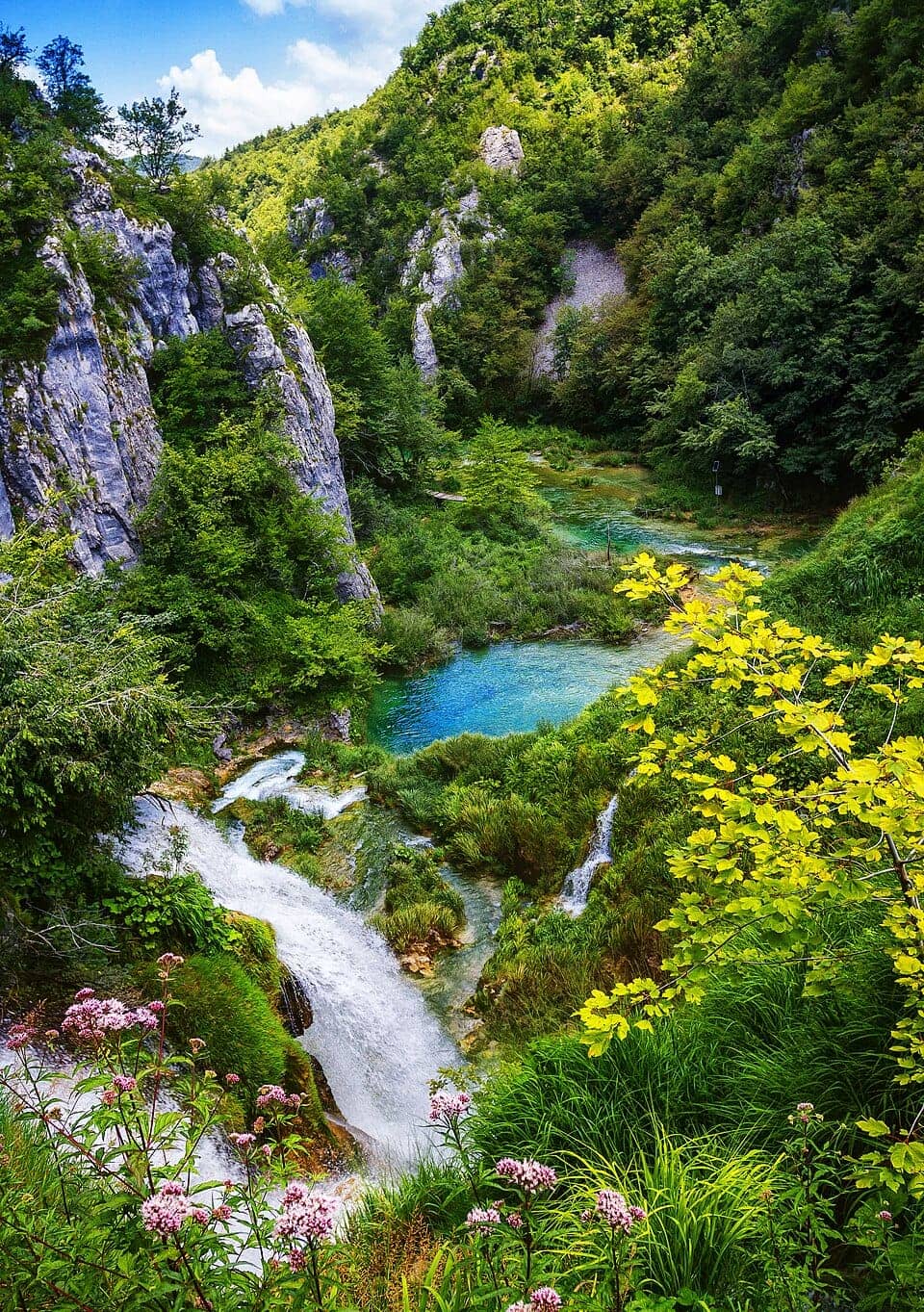
A small limestone cave accessible along one of the Lower Lakes trails, notable for its stalactite formations and as a short, easy detour from the main walking route.
Labudovac Waterfall
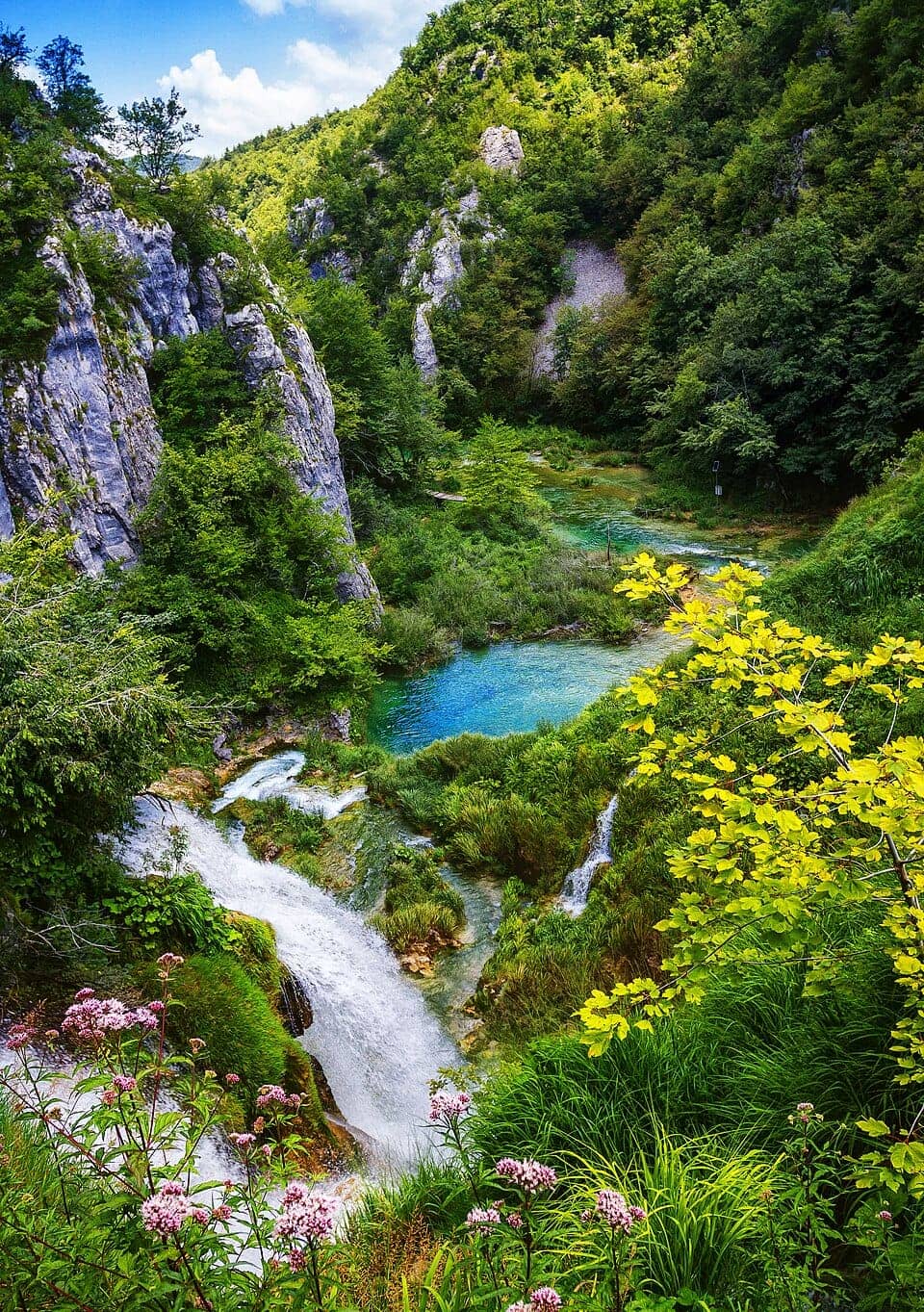
A wide, tiered waterfall on the Upper Lakes, less crowded than the main viewpoints and reachable by hiking trails through beech and fir forest.
Zadar
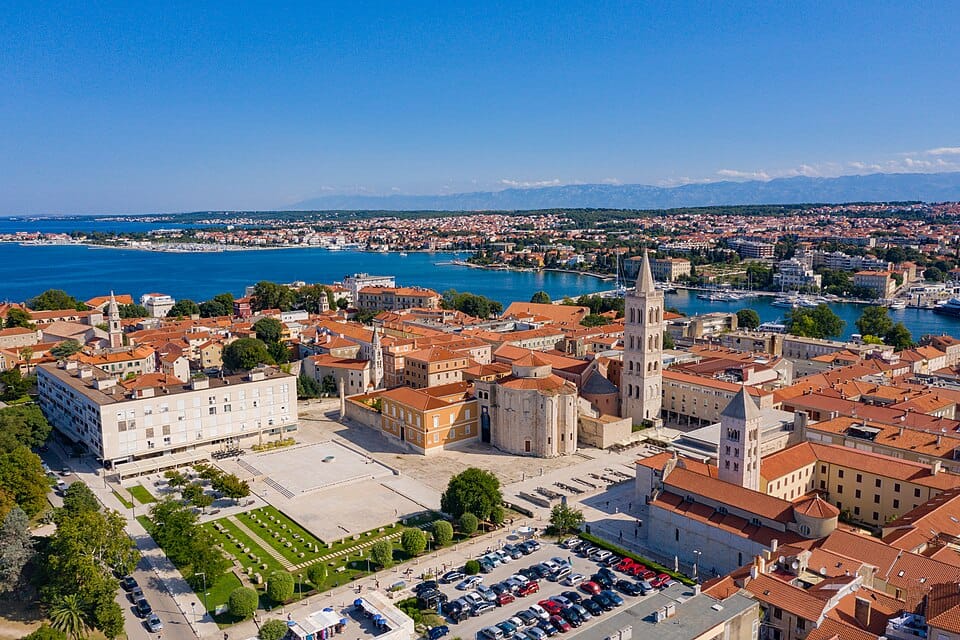
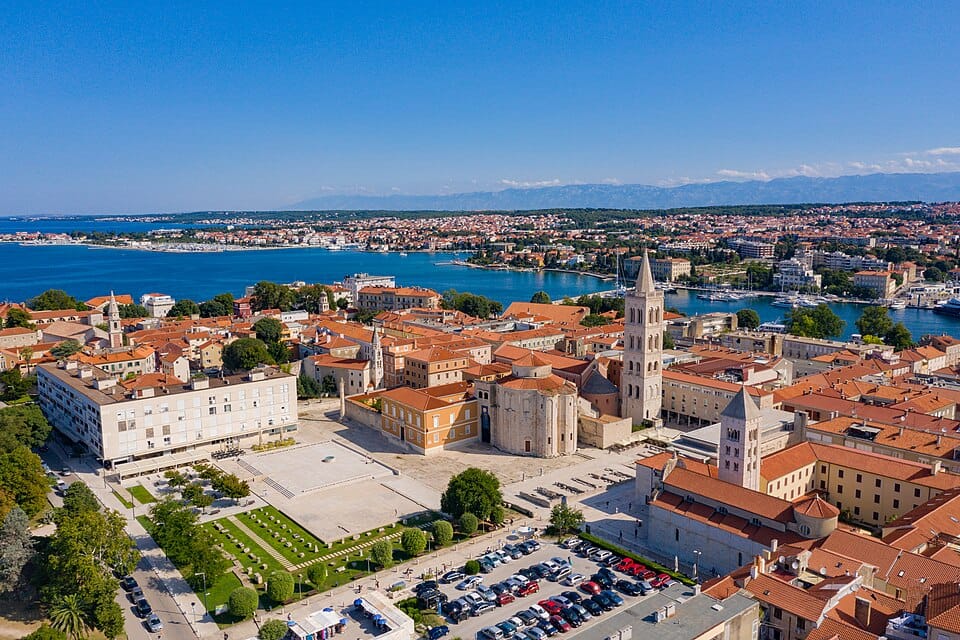
Zadar is a Dalmatian coastal city built on a peninsula, layering a dense Roman and medieval old town over an even older Illyrian settlement. It combines ancient ruins and Romanesque churches with modern public art, including two well-known installations built directly into the waterfront promenade.
Top attractions in Zadar
Sea Organ
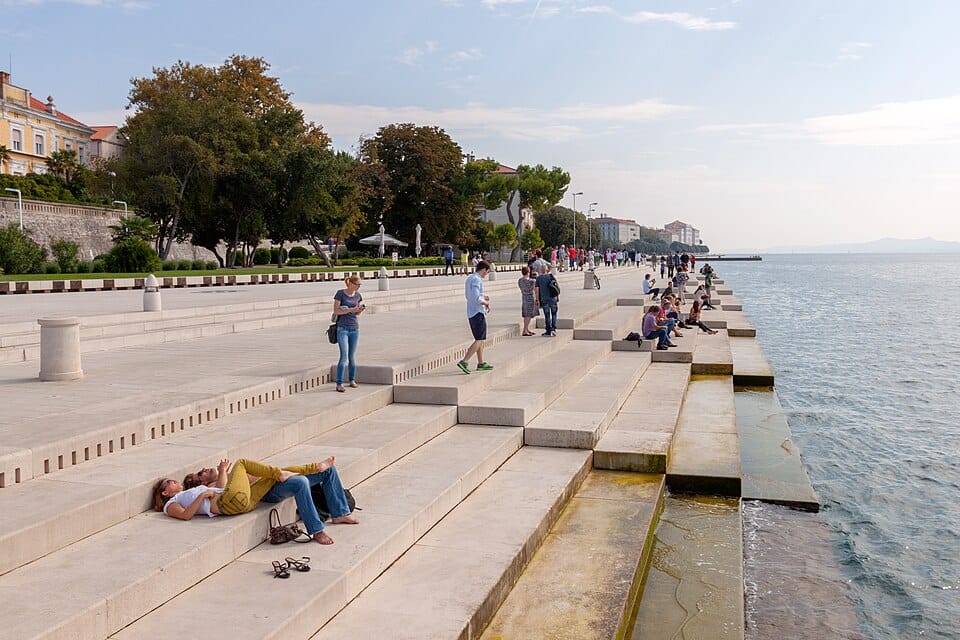
A set of stone steps built into the waterfront with underwater pipes and whistles that turn wave motion into ambient musical tones, designed by architect Nikola Bašić.
Greeting to the Sun
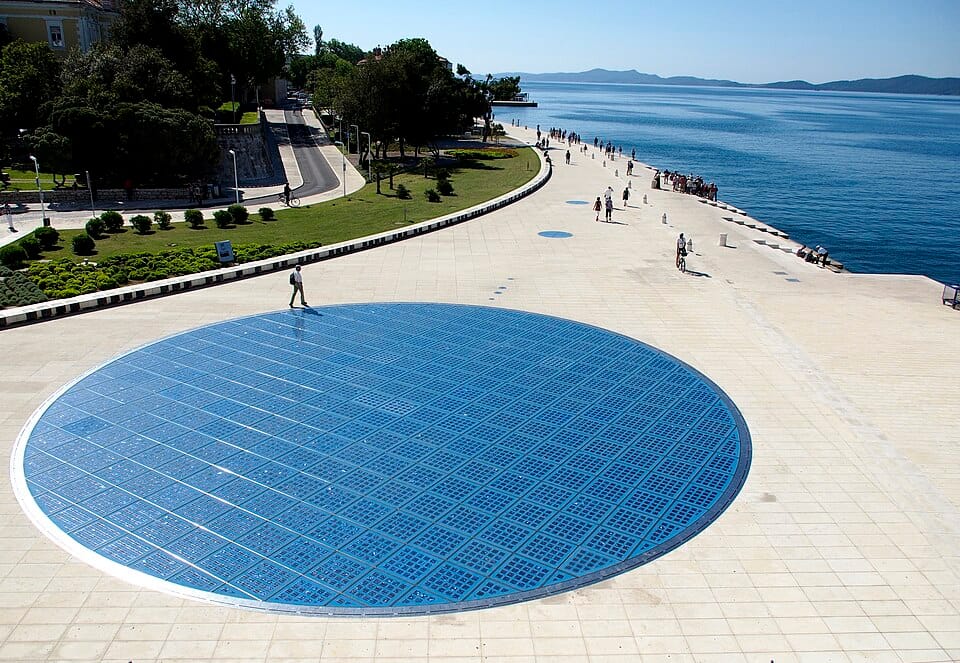
A circular installation of solar panels set flush into the pavement beside the Sea Organ that stores daylight and produces a choreographed light display after dark.
St. Donatus Church
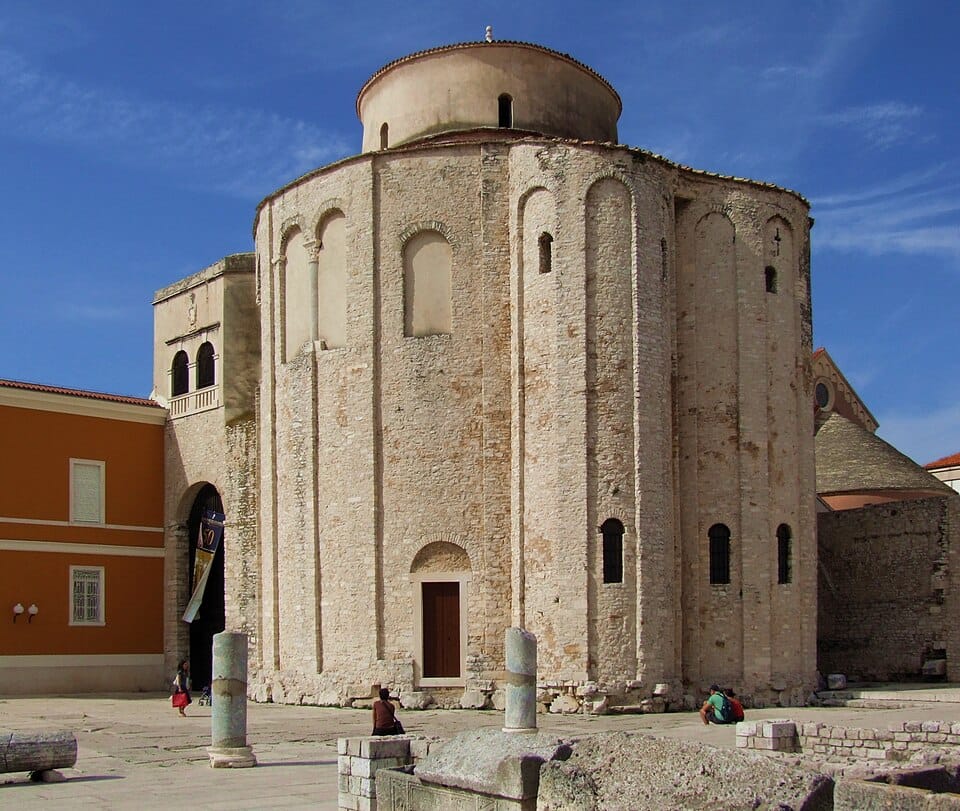
A cylindrical pre-Romanesque church dating to the 9th century, built partly from recycled Roman stone and standing atop the ruins of the ancient Roman forum.
Roman Forum
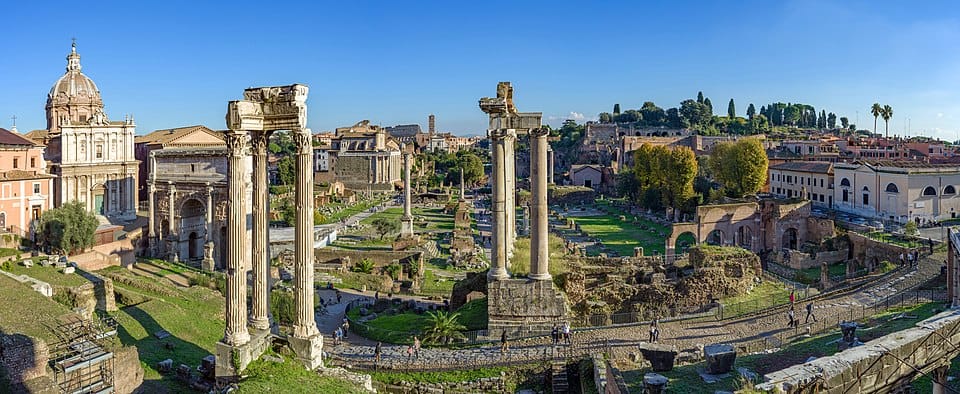
The largest Roman-era public square on the eastern Adriatic, built between the 1st century BC and 3rd century AD, now an open-air site scattered with columns and stone fragments.
Zadar City Walls and Land Gate
Renaissance-era fortifications, part of a UNESCO-listed defence system, with the monumental 16th-century Land Gate serving as the main historic entrance to the old town.
Split
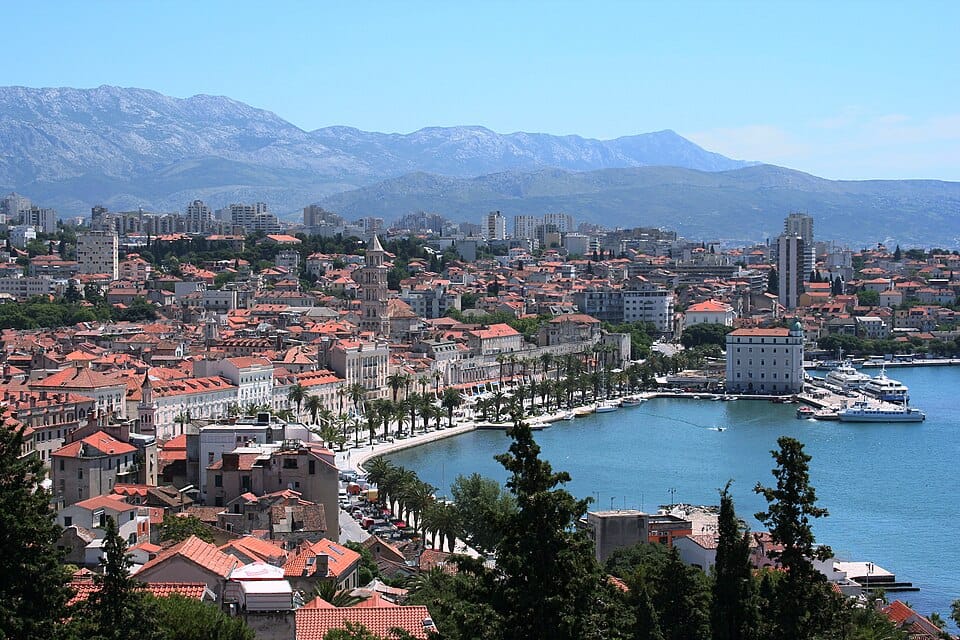
Split is Dalmatia's largest city, built around the retirement palace the Roman emperor Diocletian constructed for himself in the 4th century AD. Unlike a typical ruin, the palace remains inhabited: its ancient walls, courtyards, and basement halls now hold shops, homes, cafés, and a cathedral, forming the living core of the old town.
Top attractions in Split
Diocletian's Palace
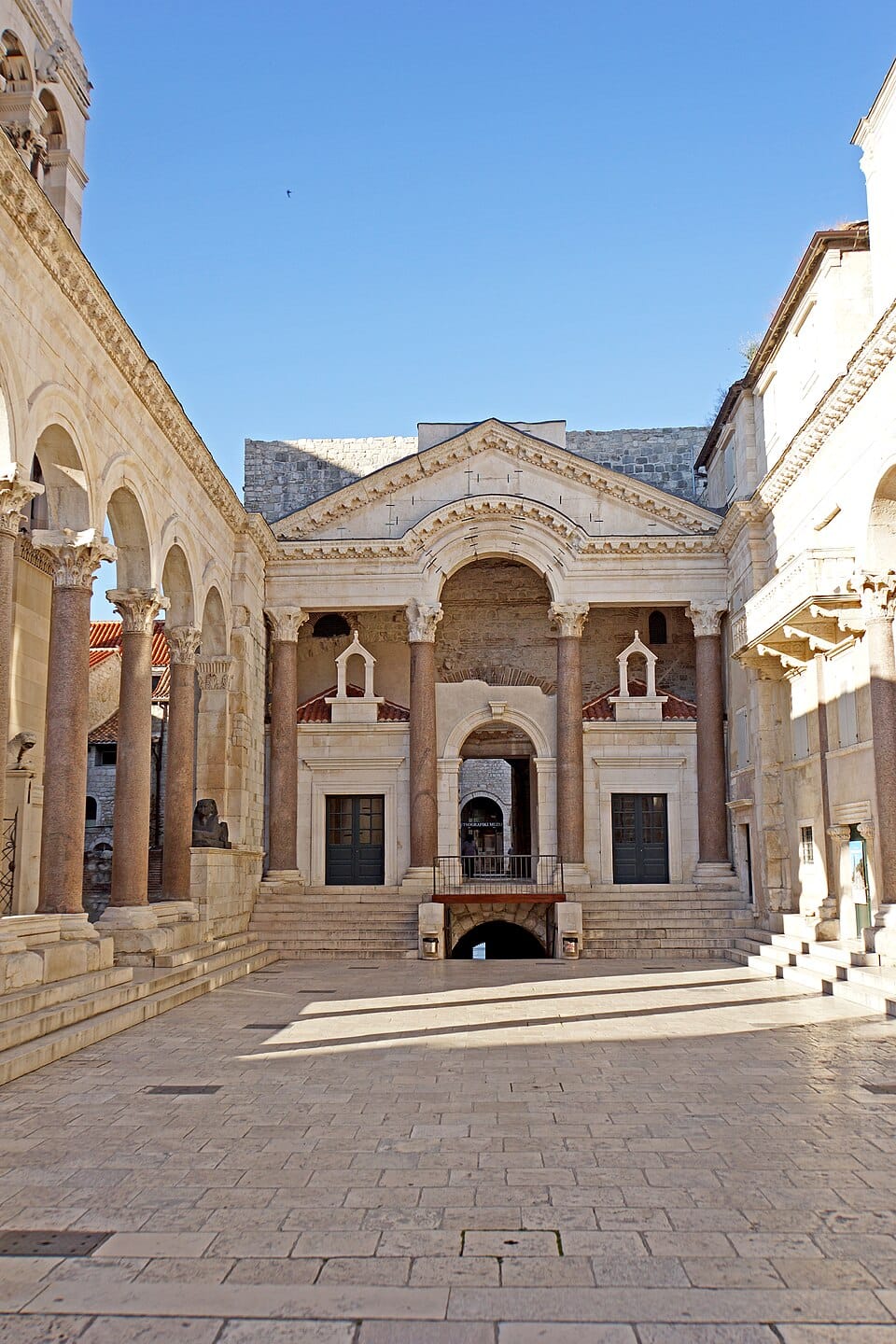
A UNESCO-listed Roman palace complex from around 305 AD that forms the entire core of Split's old town, still lived in and used today rather than preserved as a static ruin.
Cathedral of St. Domnius
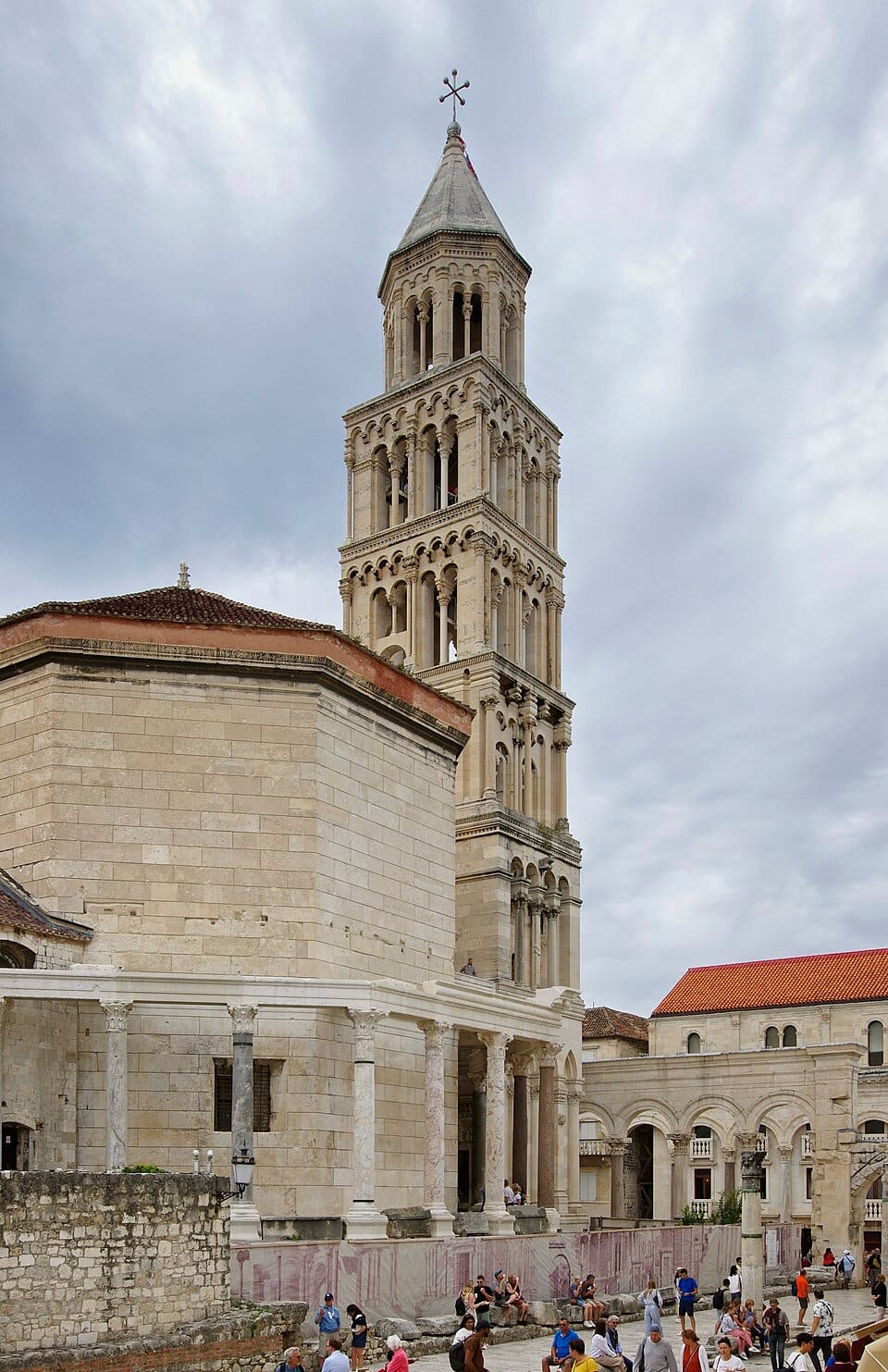
Built from Diocletian's own mausoleum, this is considered one of the oldest cathedrals in the world still using its original structure, with a bell tower offering views over the palace.
Peristyle
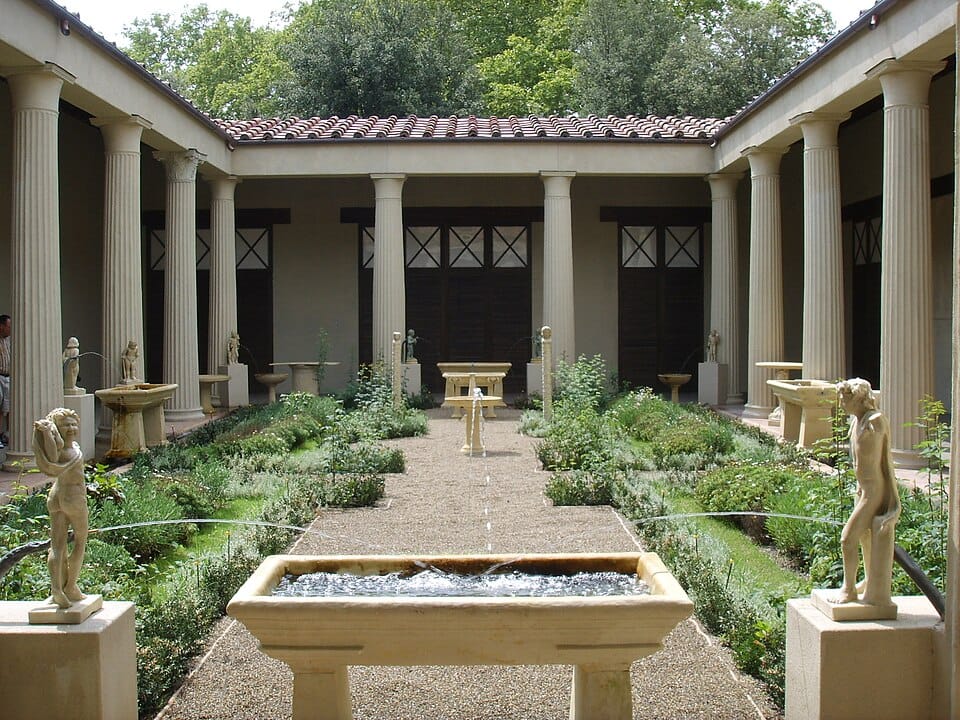
The palace's grand colonnaded courtyard, once Diocletian's ceremonial entrance hall, now the open-air centre of old town life and a common venue for concerts and performances.
Riva Waterfront Promenade
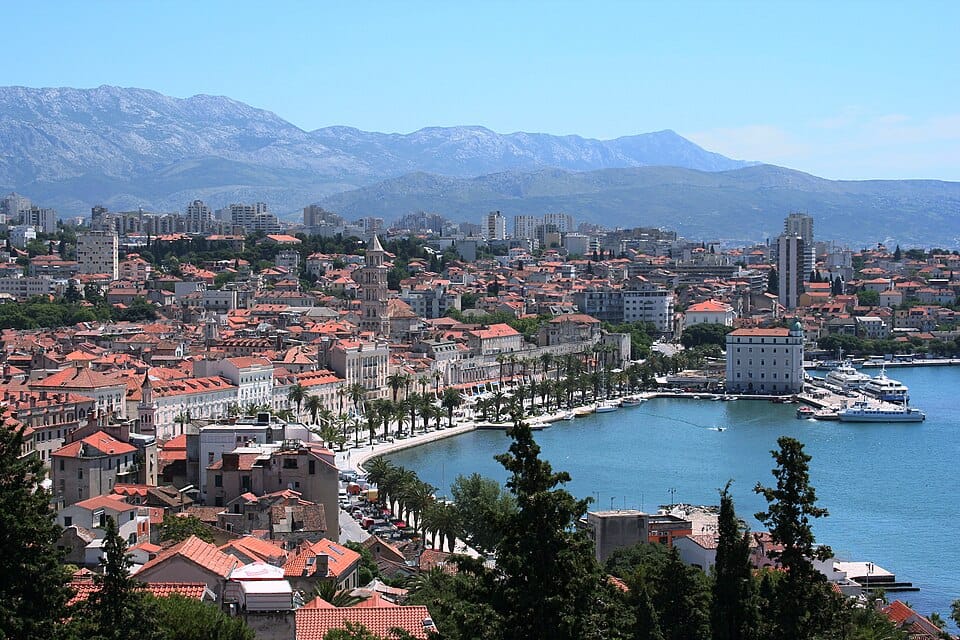
A palm-lined seafront promenade running along the harbour just outside the palace walls, lined with cafés and a popular spot for an evening walk with views of the marina.
Marjan Hill
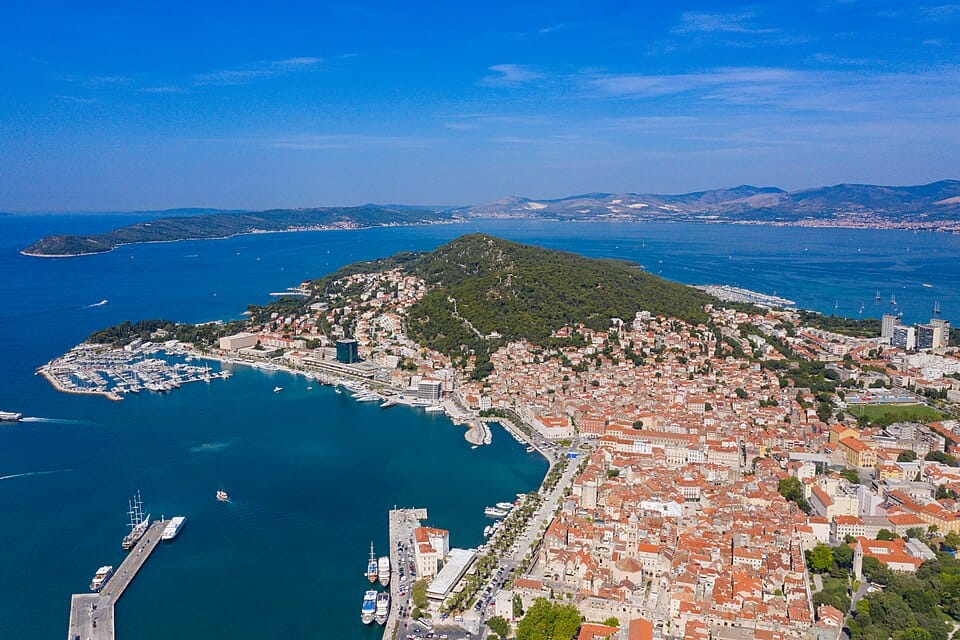
A forested peninsula park west of the old town with hiking and biking trails, small chapels, and viewpoints looking back over Split's rooftops and the surrounding islands.
Dubrovnik
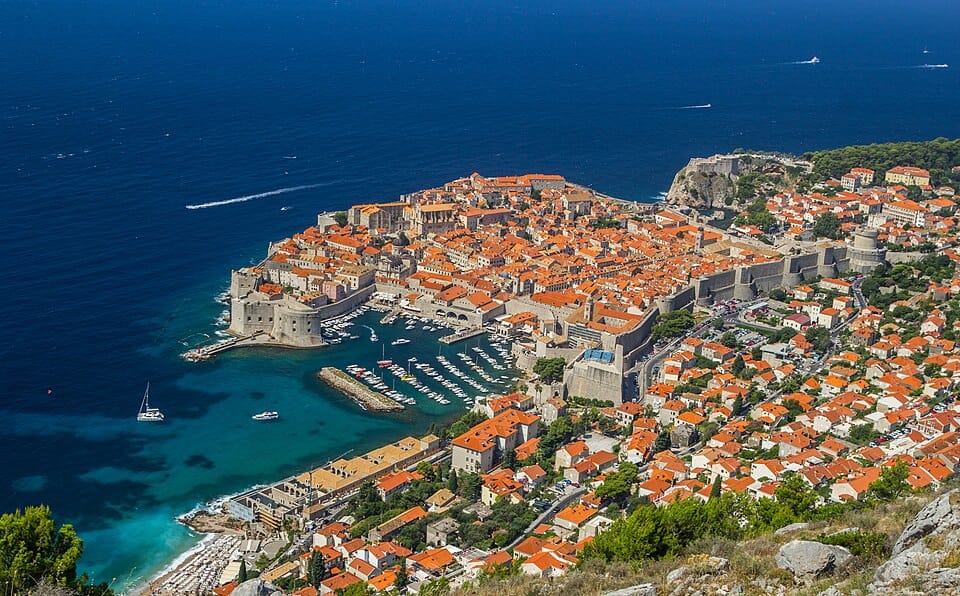
Dubrovnik is a walled Dalmatian city on the southern Adriatic coast, its limestone streets and baroque buildings enclosed almost entirely by intact medieval fortifications. Long a maritime and trading power in its own right as the Republic of Ragusa, it is now one of Croatia's most visited sites and a filming location widely known from television and film productions.
Top attractions in Dubrovnik
City Walls of Dubrovnik
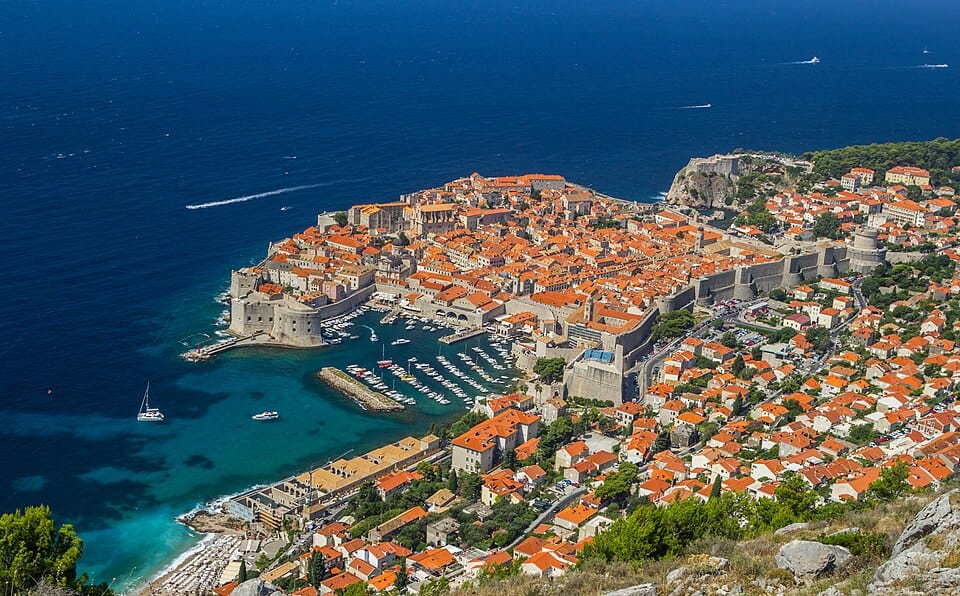
Nearly two kilometres of continuous medieval and Renaissance fortifications encircling the old town, walkable in full and offering views over the terracotta rooftops and the sea.
Stradun (Placa)
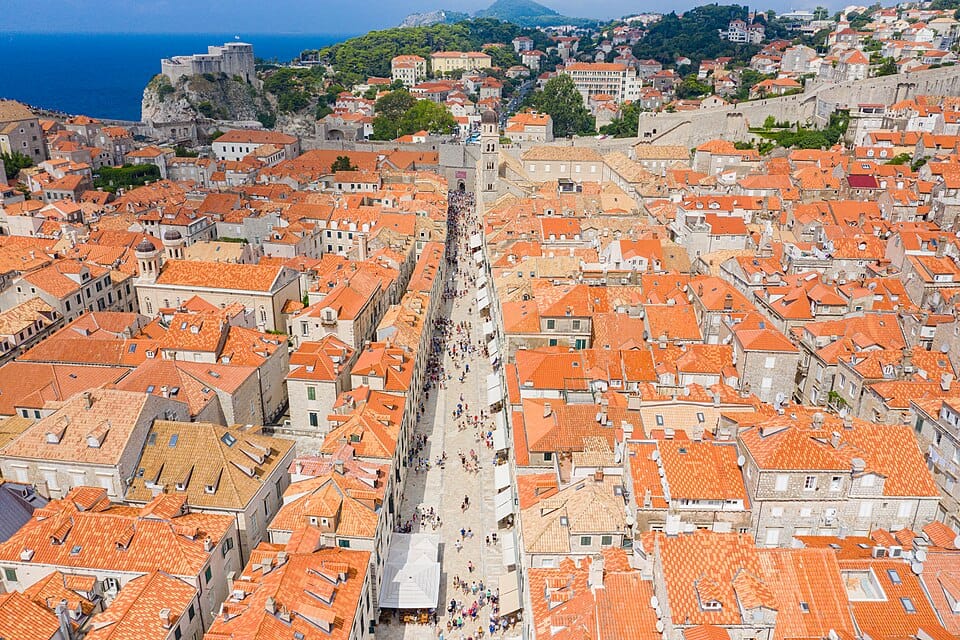
The old town's main limestone-paved thoroughfare, lined with shops, churches, and cafés, running from the Pile Gate to the clock tower and worn smooth by centuries of foot traffic.
Fort Lovrijenac
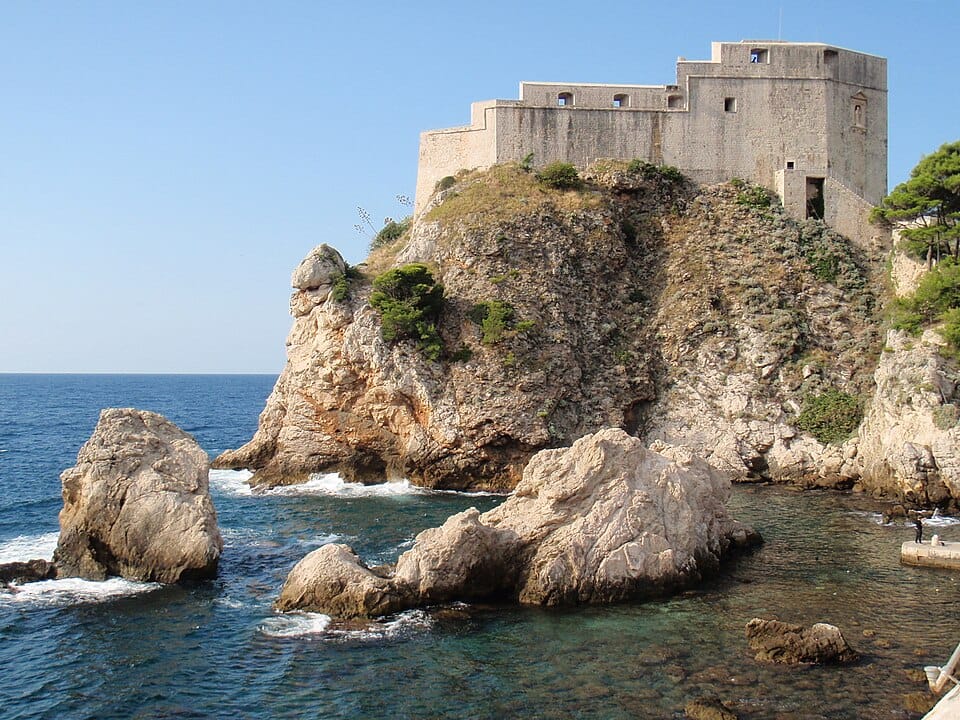
A freestanding fortress on a steep coastal rock outside the western walls, built to defend the city from the sea and now a venue for open-air theatre performances.
Rector's Palace
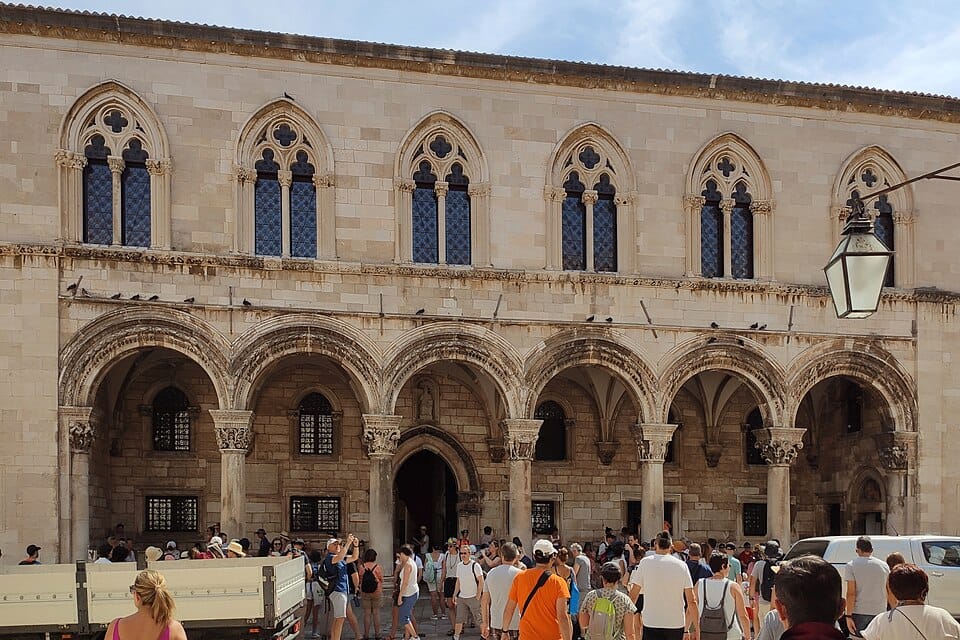
The Gothic-Renaissance former seat of government of the Republic of Ragusa, where the elected rector resided during a strictly limited one-month term, now home to the city's cultural history museum.
Mount Srđ Cable Car
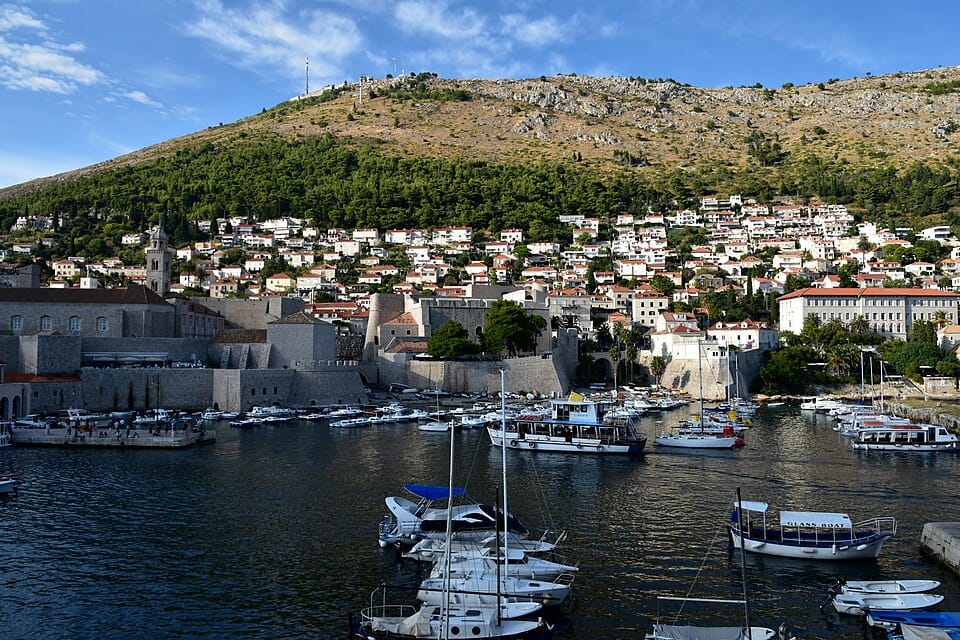
A cable car climbing to the summit above the old town, where a Napoleonic-era fort and panoramic viewpoint look down over the walls, rooftops, and the offshore Elafiti Islands.
Plan this route with EuroDrive Scout — tolls, vignettes, ZTL alerts, fuel & parking →