Holland Highlights: attractions & sights guide
A stop-by-stop guide to the best things to see along the Holland Highlights route — 5 destinations, their must-see sights and how to drive between them.
Plan this route with EuroDrive Scout — tolls, vignettes, ZTL alerts, fuel & parking →
Amsterdam
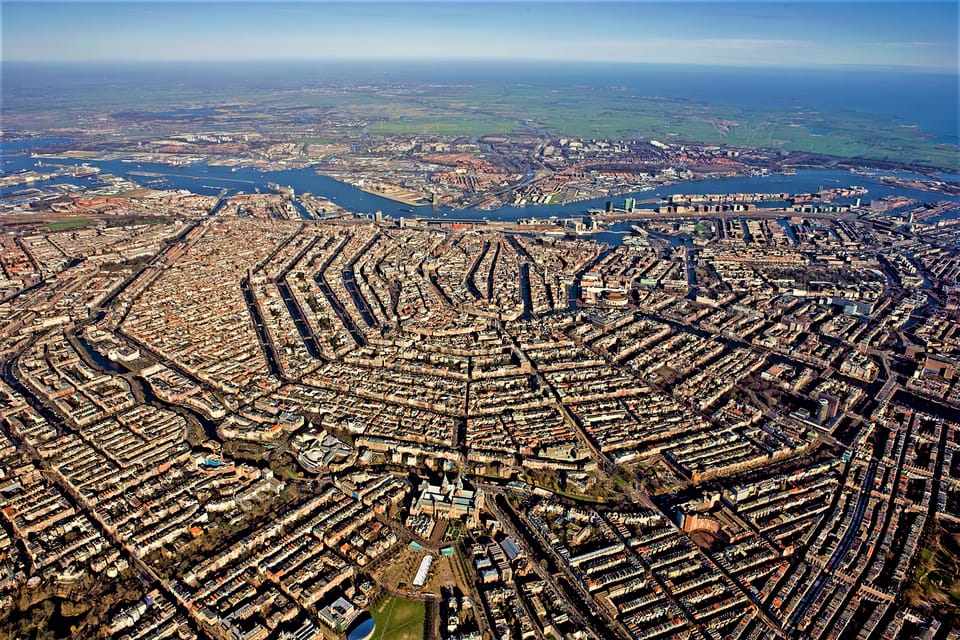
Amsterdam is the capital of the Netherlands, built around a concentric ring of 17th-century canals lined with narrow gabled townhouses. It is known for its cycling culture, world-class museums, and a compact historic center that can be crossed on foot in under an hour.
Top attractions in Amsterdam
Rijksmuseum
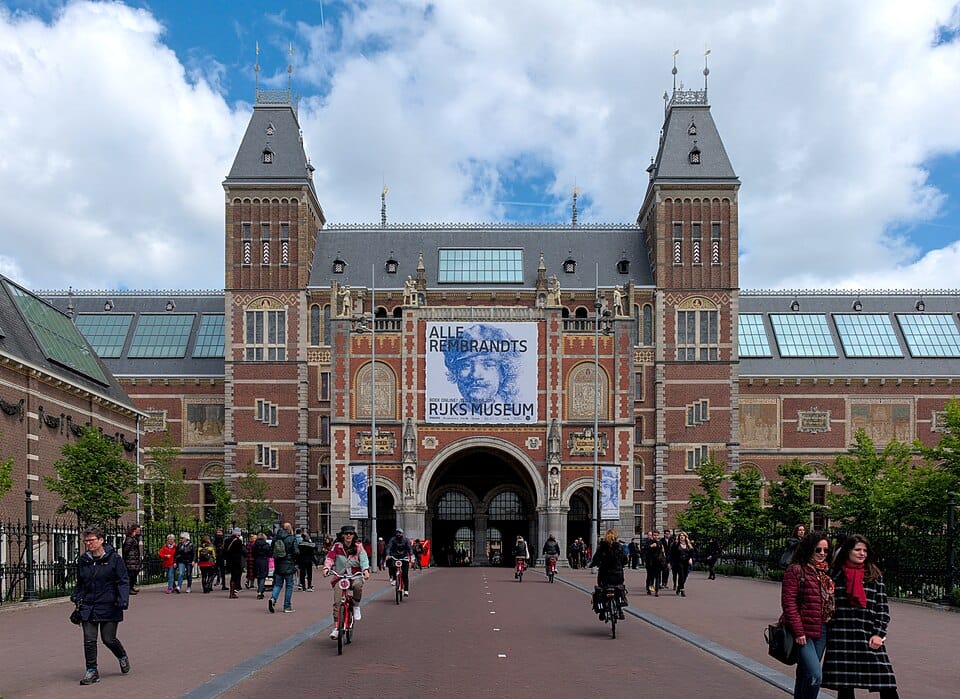
The national museum of the Netherlands holds Dutch Golden Age masterpieces, including Rembrandt's "The Night Watch" and works by Vermeer.
Anne Frank House
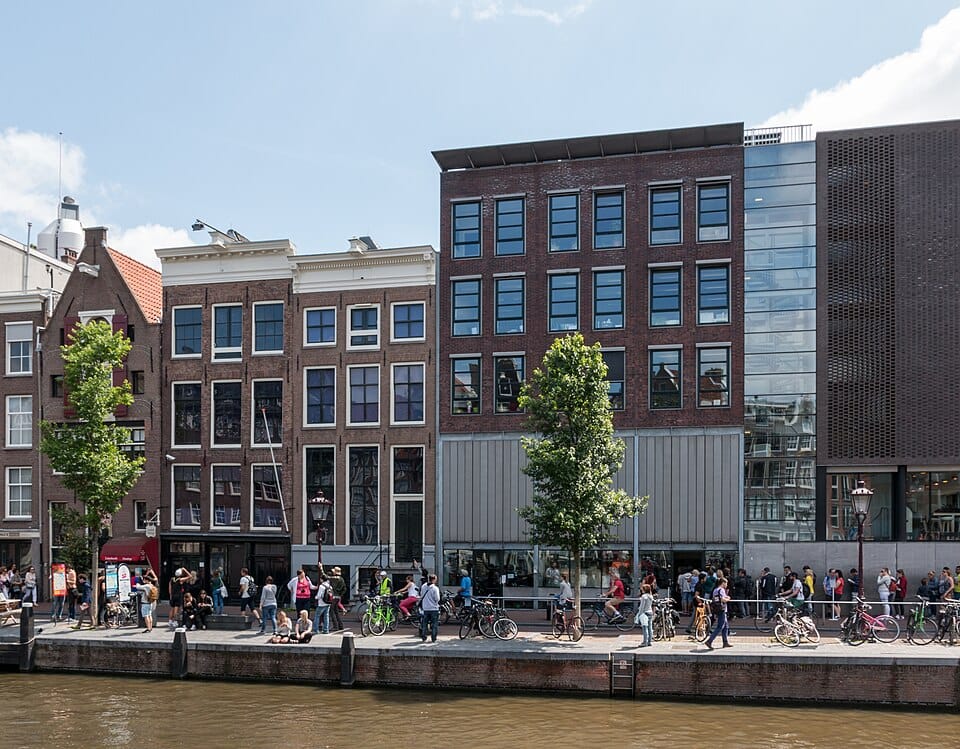
The canal house where Anne Frank and her family hid during World War II is preserved as a museum documenting their story.
Van Gogh Museum
This museum holds the world's largest collection of Vincent van Gogh's paintings and letters, tracing his career chronologically.
Jordaan District
A former working-class neighborhood turned into a quiet, leafy quarter of narrow canals, independent shops, and small art galleries.
Vondelpark
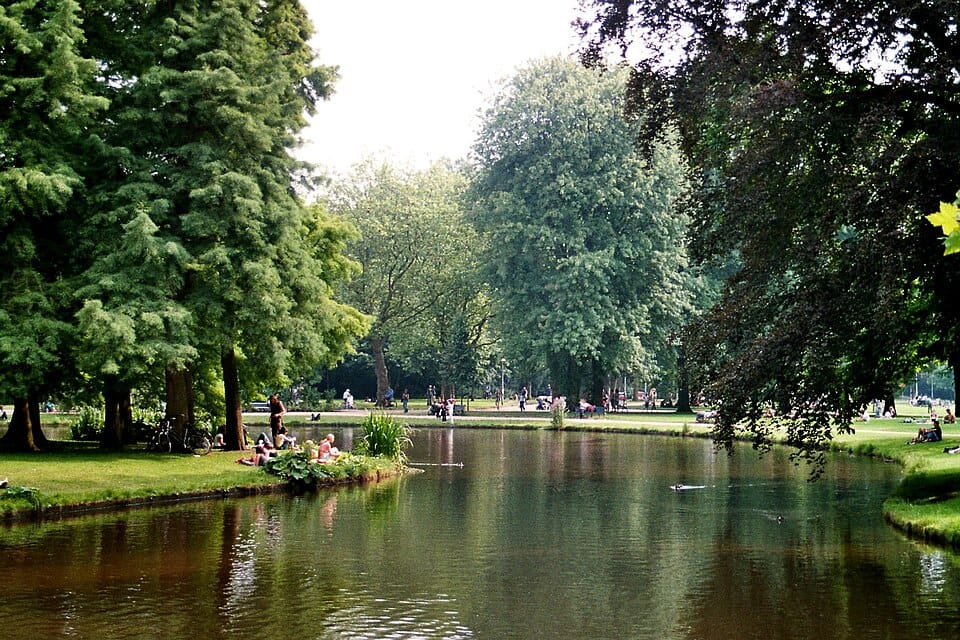
Amsterdam's largest and best-known city park, a landscaped green space popular for walking, cycling, and picnics near the museum quarter.
Zaanse Schans
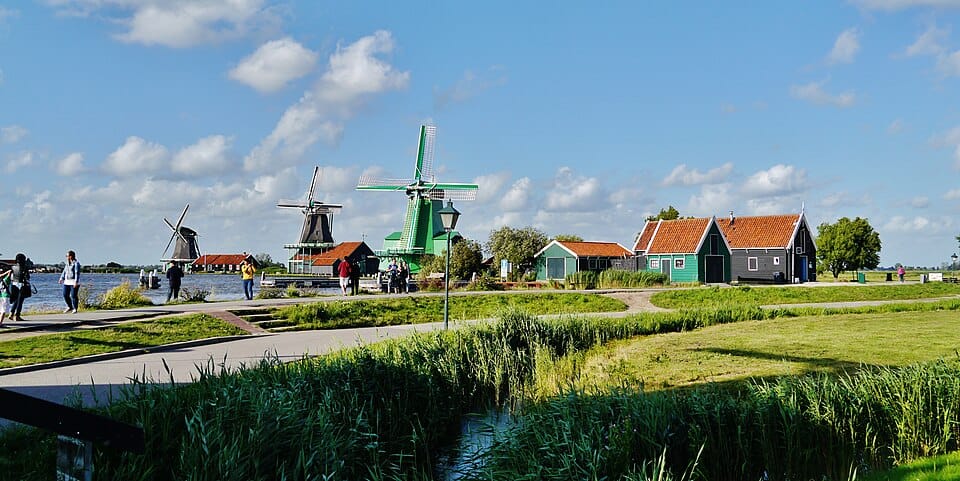
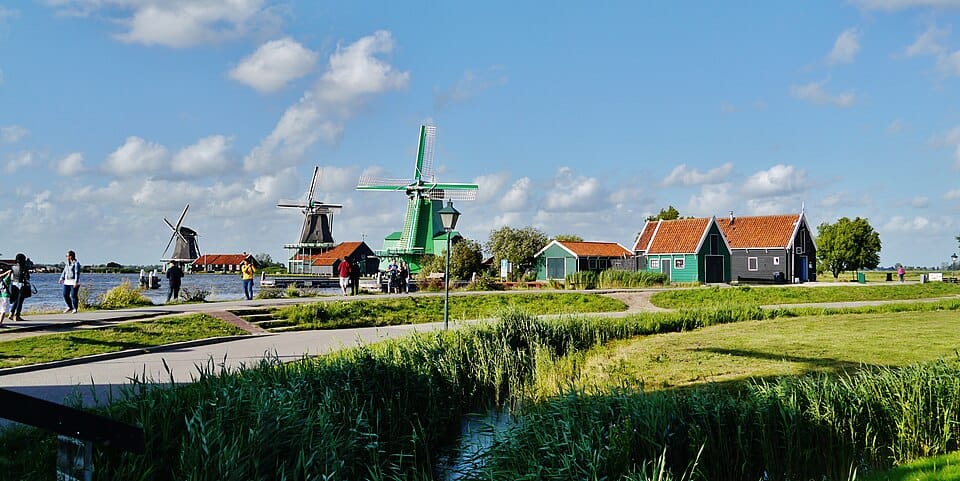
Zaanse Schans is an open-air neighborhood on the Zaan river that gathers historic windmills, green wooden houses, and craft workshops relocated from around the Zaan region to recreate the look of an 18th-century Dutch industrial village. It illustrates how windmills once powered sawmills, oil presses, and paint mills for the surrounding area.
Top attractions in Zaanse Schans
De Kat (paint mill)
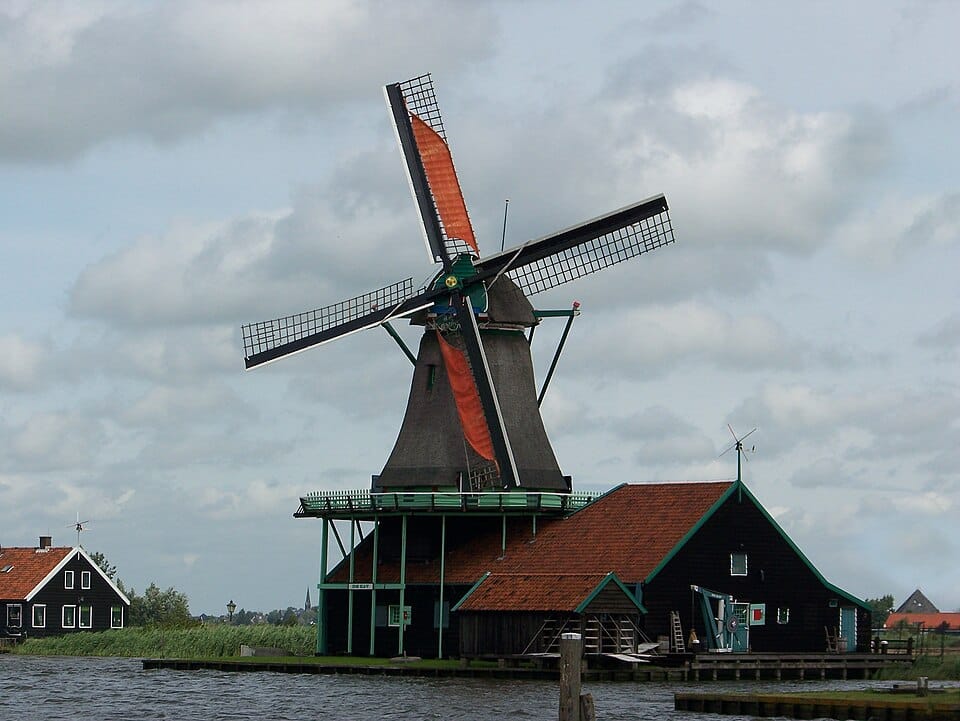
A working windmill that still grinds pigments into artists' paint using its original 17th-century milling technique.
Zaans Museum
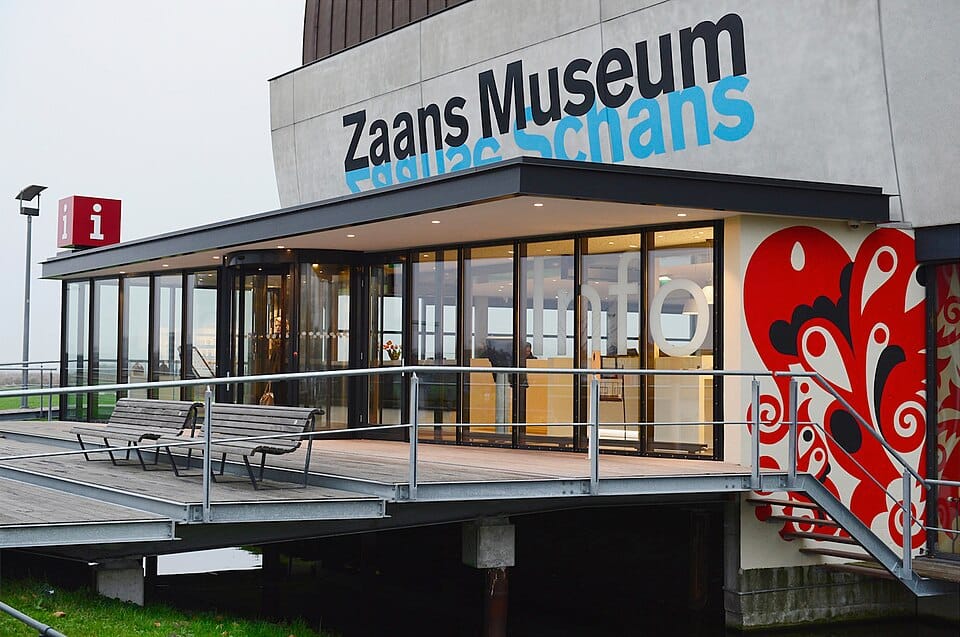
A regional museum next to Zaanse Schans covering the industrial history of the Zaan area, from milling to cocoa and shipbuilding.
Wooden shoe workshop
A demonstration workshop where craftsmen carve traditional Dutch clogs and explain the history of the footwear.
Catharina Hoeve cheese farm
A traditional dairy farm offering cheese-making demonstrations and tastings of Dutch cheeses made on site.
Keukenhof
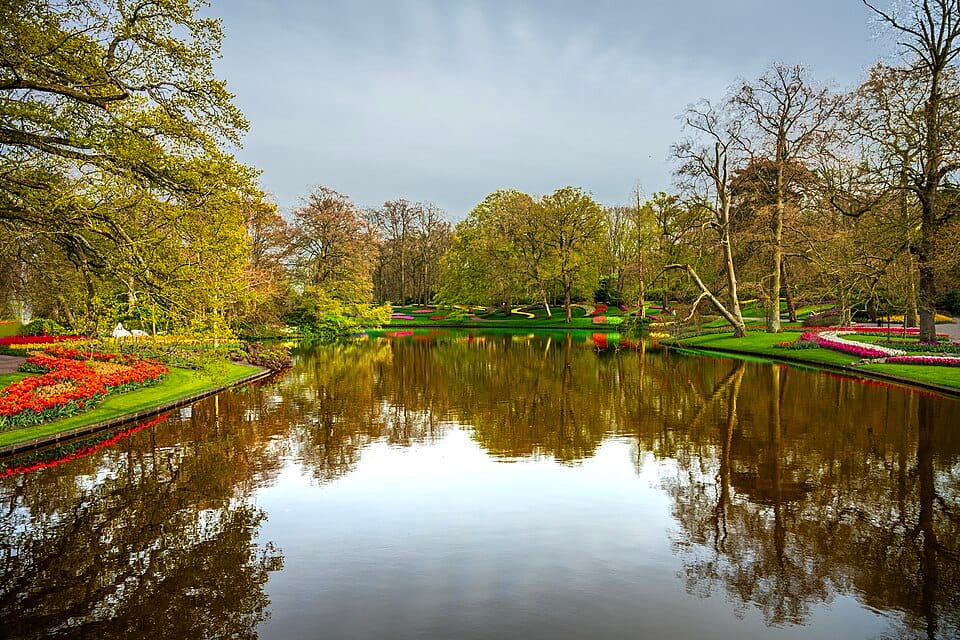
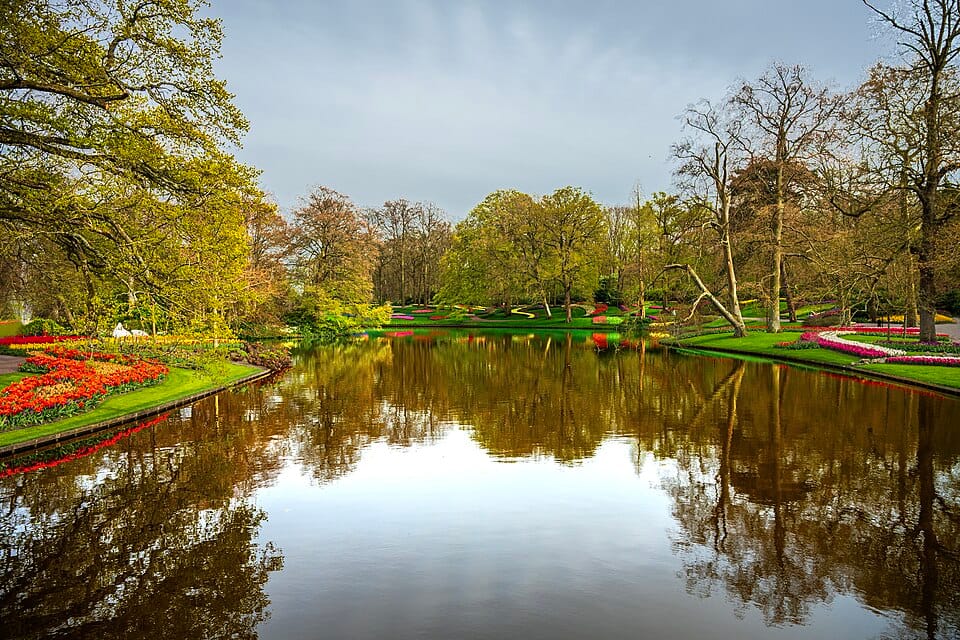
Keukenhof is one of the largest flower gardens in the world, laid out on the former kitchen garden grounds of a 15th-century countess's castle near Lisse. Millions of tulips, daffodils, and hyacinths are planted each year in themed beds, pavilions, and English-style landscaped grounds.
Top attractions in Keukenhof
Tulip display gardens
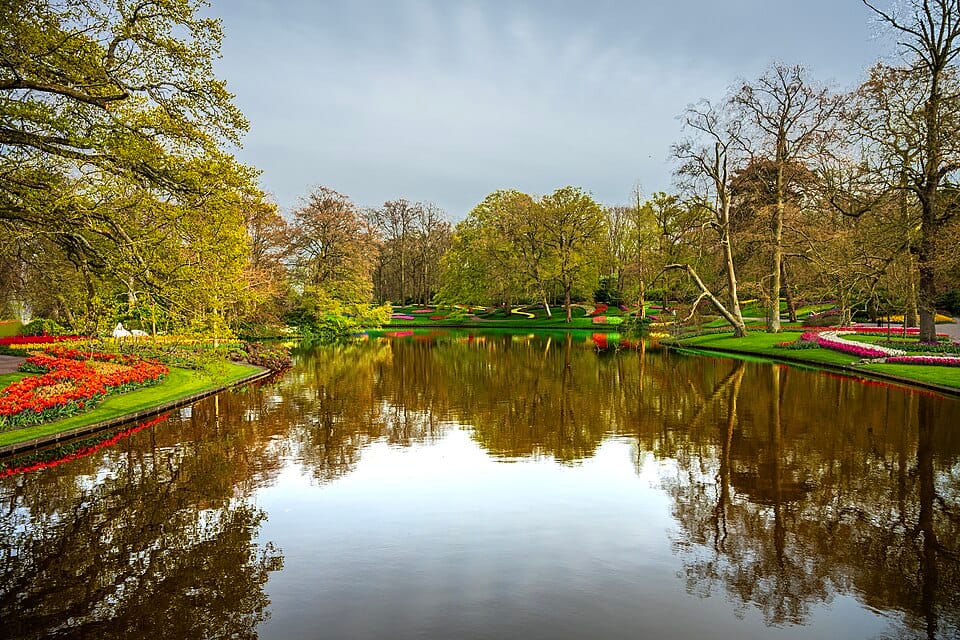
The park's main themed beds display thousands of tulip varieties arranged in changing color patterns each season.
Historic windmill viewpoint
A traditional windmill at the edge of the gardens offers an elevated view over the surrounding tulip fields and canals.
Flower pavilions
Indoor exhibition halls showcase orchids, lilies, and other cut flowers grown by Dutch growers, alongside floral design displays.
English landscape park
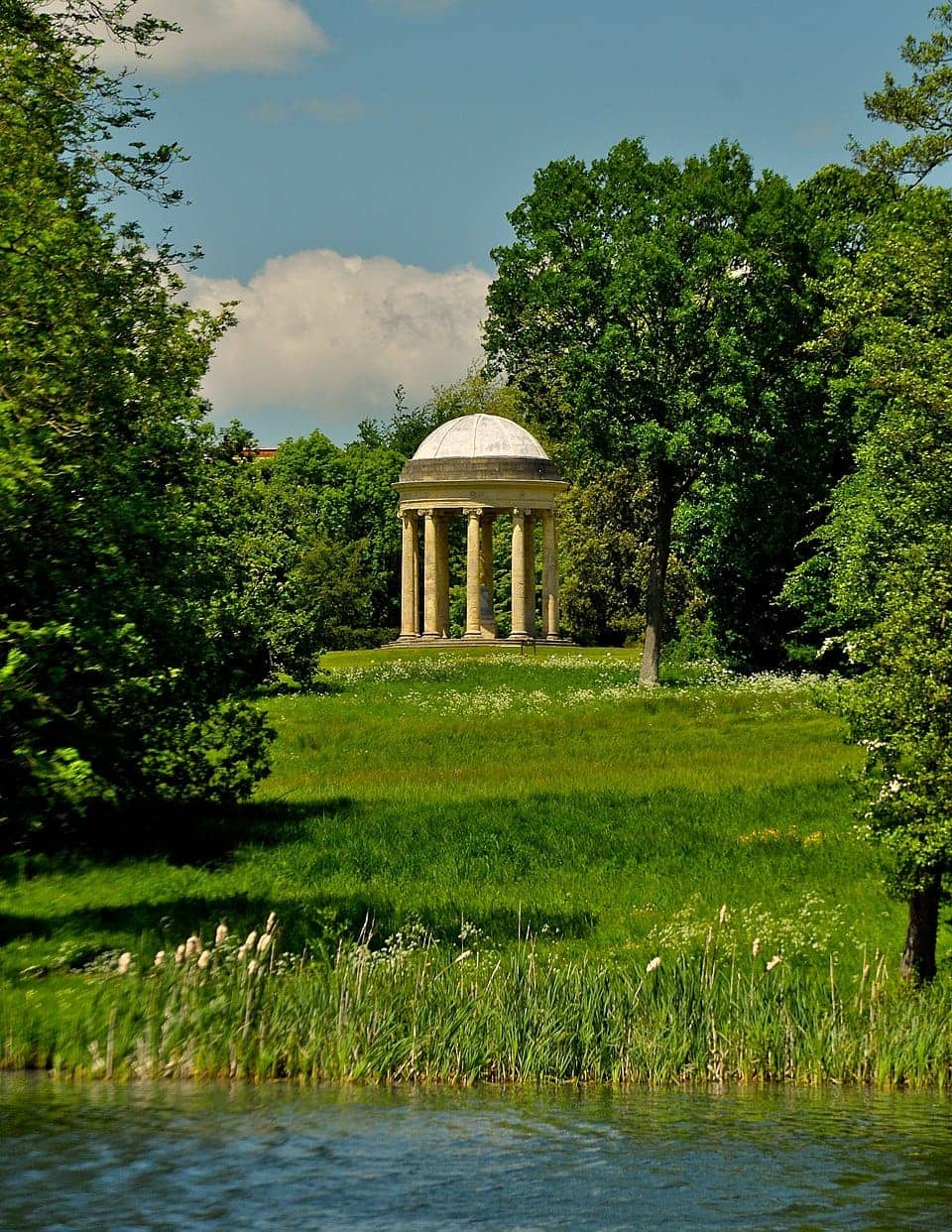
The garden's original 1857 layout by landscape architects Zocher features winding paths, ponds, and mature trees around the flower beds.
The Hague
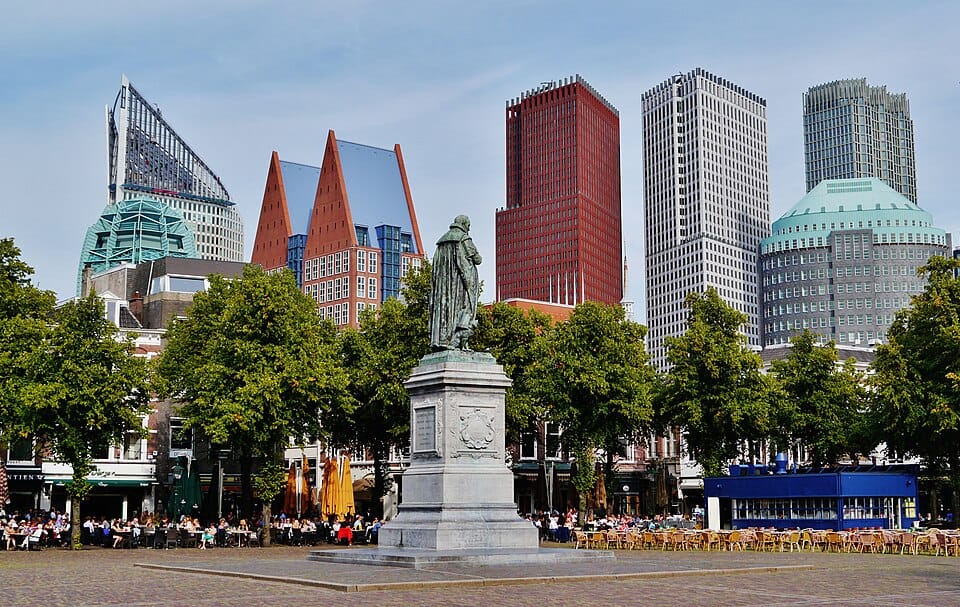
The Hague is the seat of the Dutch government and royal family, and the host city of international institutions such as the International Court of Justice. Unlike Amsterdam, it has broad boulevards, government buildings, and embassies alongside a genuine North Sea beach resort at Scheveningen.
Top attractions in The Hague
Binnenhof
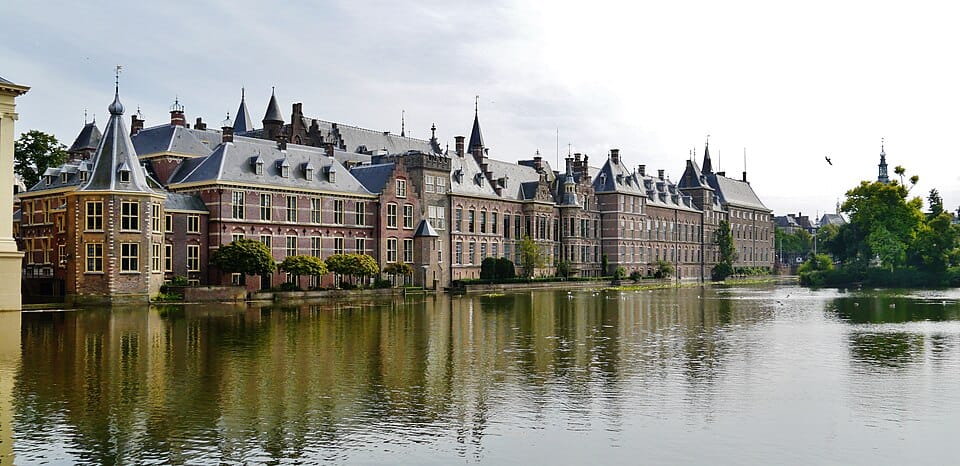
The medieval complex housing the Dutch parliament, built around an inner courtyard beside the Hofvijver pond.
Mauritshuis

A former 17th-century residence turned museum, best known for Vermeer's "Girl with a Pearl Earring."
Scheveningen Beach
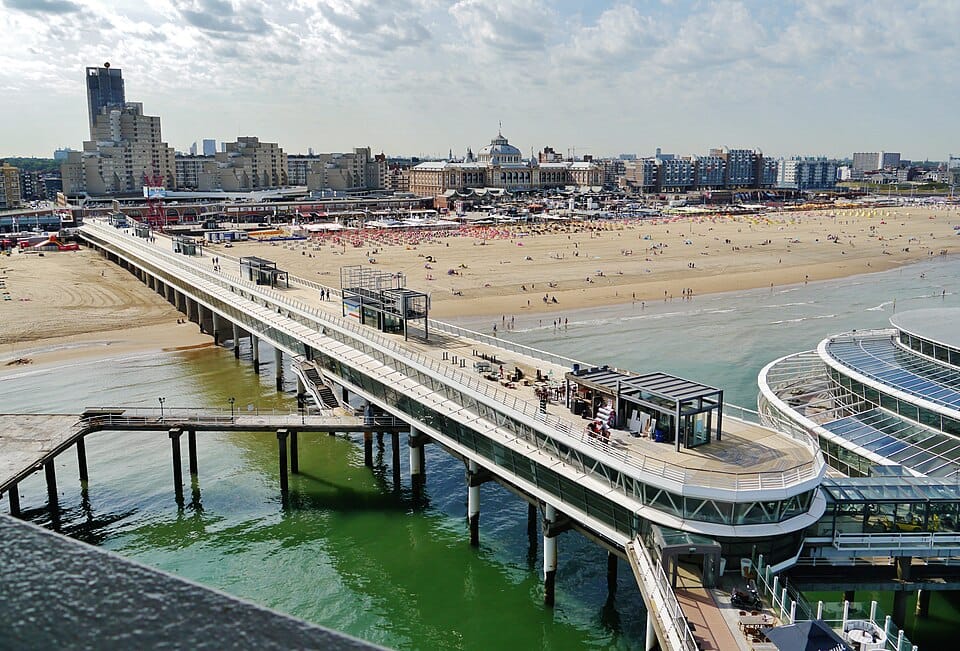
The Hague's North Sea beach and pier district, with a wide sandy shoreline, a promenade, and a historic pier.
Peace Palace
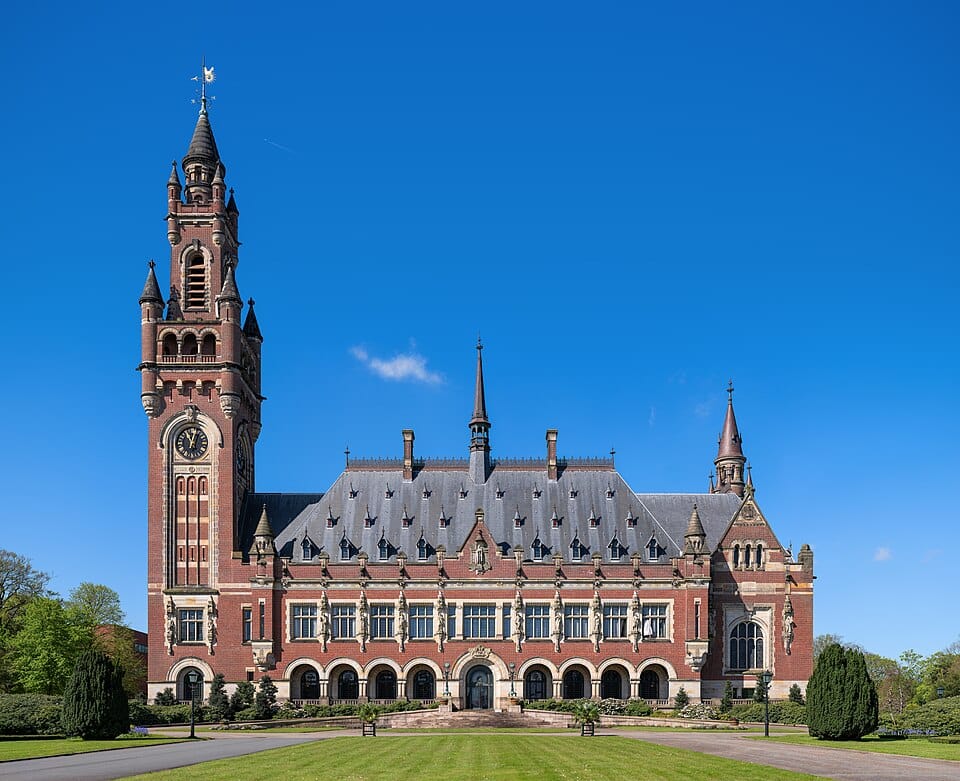
The seat of the International Court of Justice, a grand early 20th-century building set in landscaped grounds.
Rotterdam
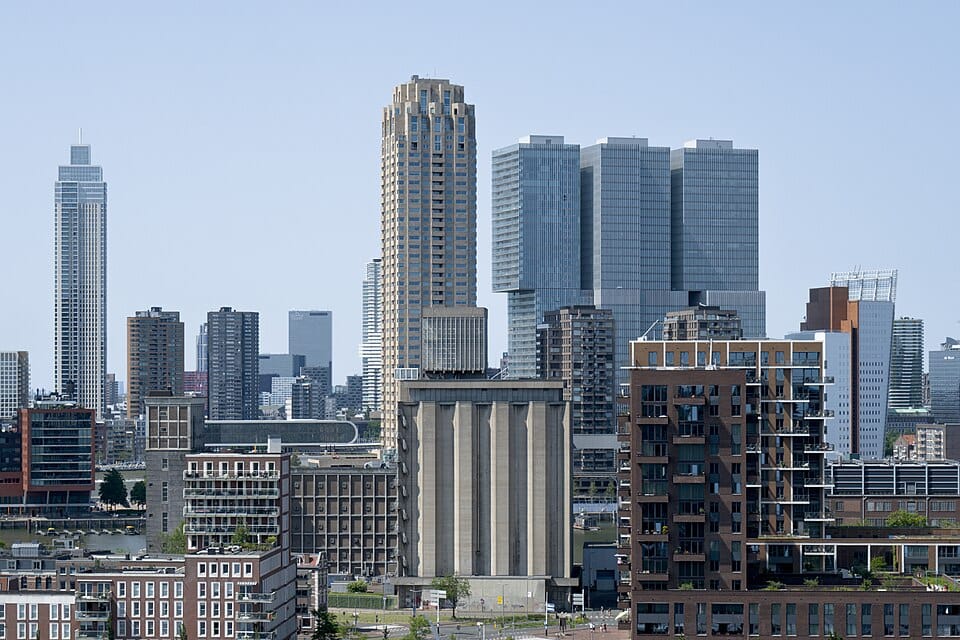
Rotterdam is a major European port city that was almost entirely rebuilt after World War II, giving it a skyline of modern architecture and bold contemporary buildings rather than the historic canal houses found elsewhere in the Netherlands. It is known for landmarks like the Cube Houses, the Erasmus Bridge, and the Markthal food market hall.
Top attractions in Rotterdam
Cube Houses
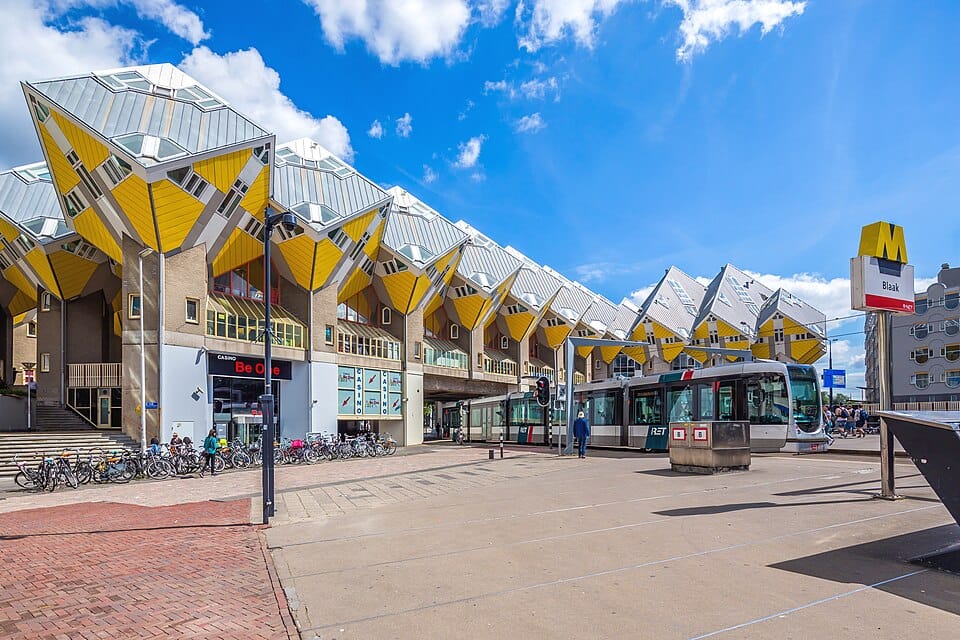
A cluster of tilted cube-shaped houses designed by architect Piet Blom in the 1970s, one of which is open as a show house.
Erasmus Bridge
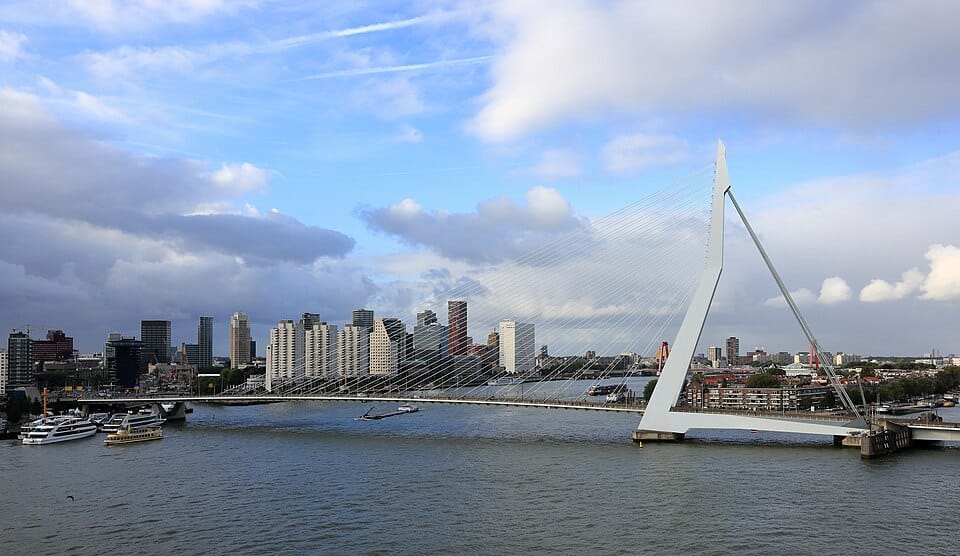
A cable-stayed bridge with a distinctive asymmetric pylon that connects the city center to the redeveloped Kop van Zuid district.
Markthal
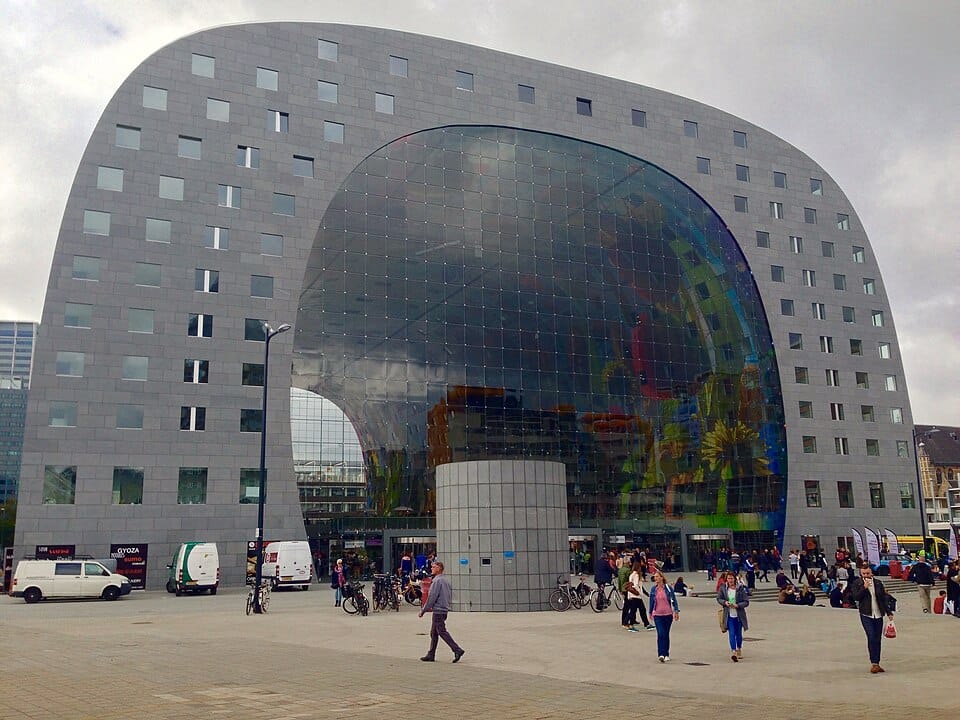
An arch-shaped market hall combining food stalls and shops on the ground floor with apartments built into the arch above, decorated with a large ceiling mural.
Euromast
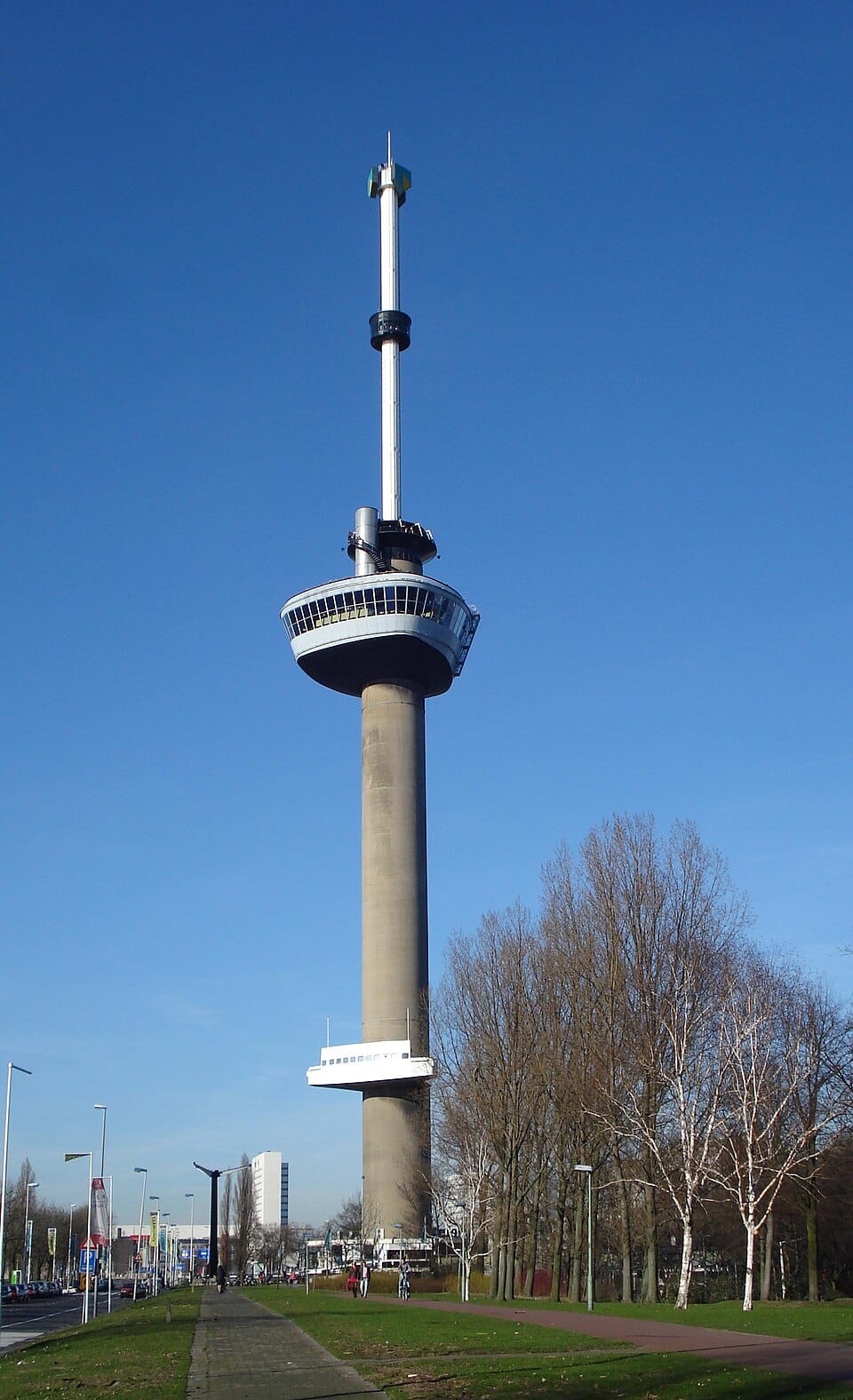
A 185-meter observation tower built in 1960 that offers panoramic views over the port and the city from its rotating platform.
Plan this route with EuroDrive Scout — tolls, vignettes, ZTL alerts, fuel & parking →