Transylvania Circuit: attractions & sights guide
A stop-by-stop guide to the best things to see along the Transylvania Circuit route — 4 destinations, their must-see sights and how to drive between them.
Plan this route with EuroDrive Scout — tolls, vignettes, ZTL alerts, fuel & parking →
Bucharest
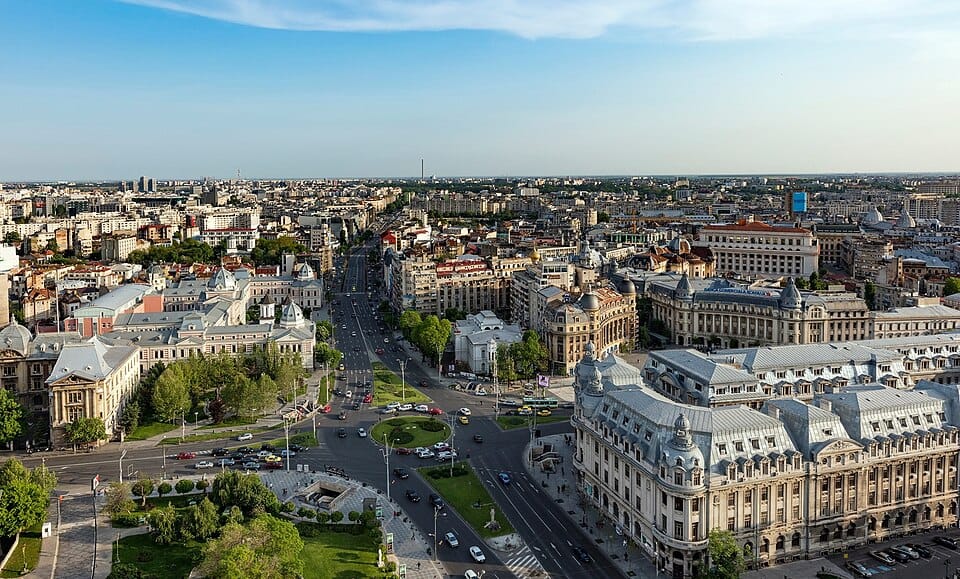
Bucharest is Romania's capital and largest city, a sprawling mix of Belle Époque boulevards, Communist-era monuments, and a fast-growing café and nightlife scene. Its grandest landmark is the Palace of the Parliament, one of the heaviest buildings in the world, built under Nicolae Ceaușescu in the 1980s.
Top attractions in Bucharest
Palace of the Parliament
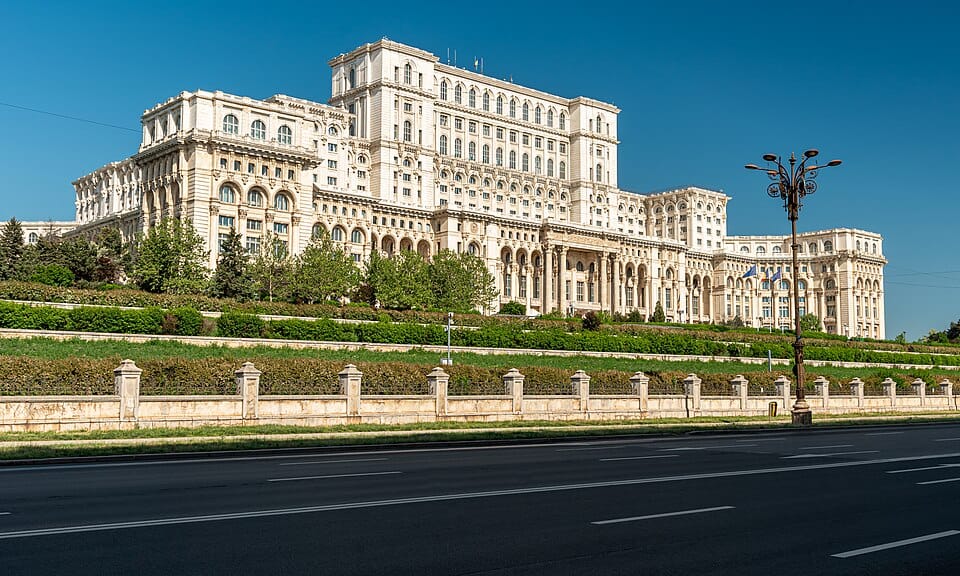
A colossal 1980s government building commissioned by Ceaușescu, said to be the heaviest building on Earth and the second-largest administrative structure after the Pentagon.
Old Town (Lipscani)
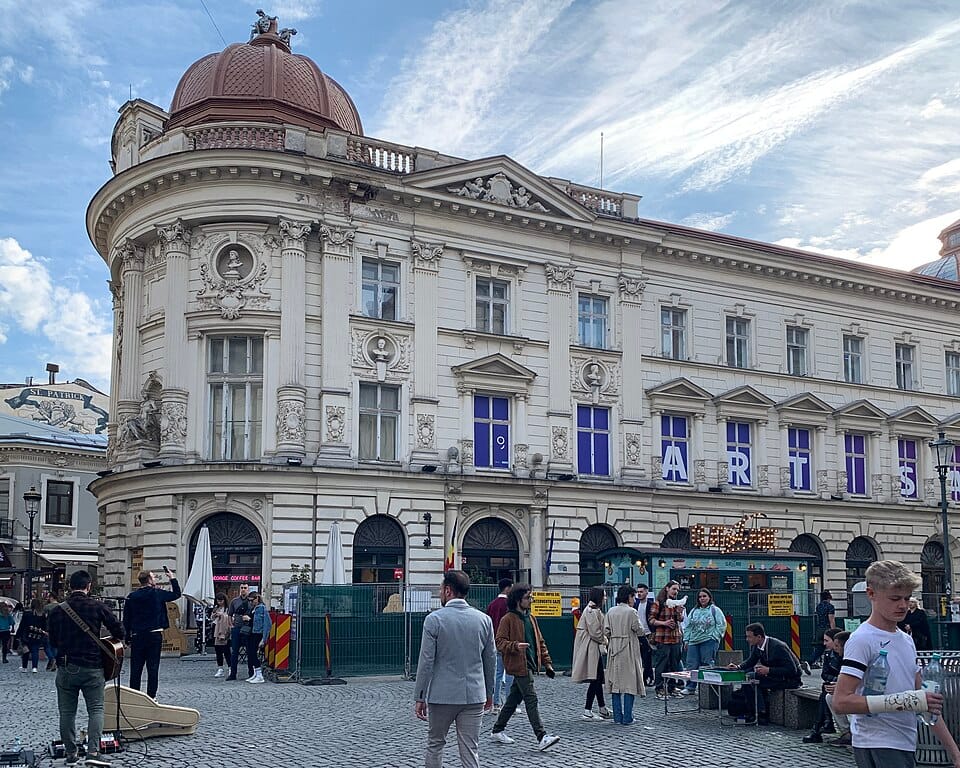
A pedestrian district of narrow cobbled streets lined with restored 19th-century merchant houses, churches, bars, and outdoor cafés.
Village Museum (Muzeul Satului)
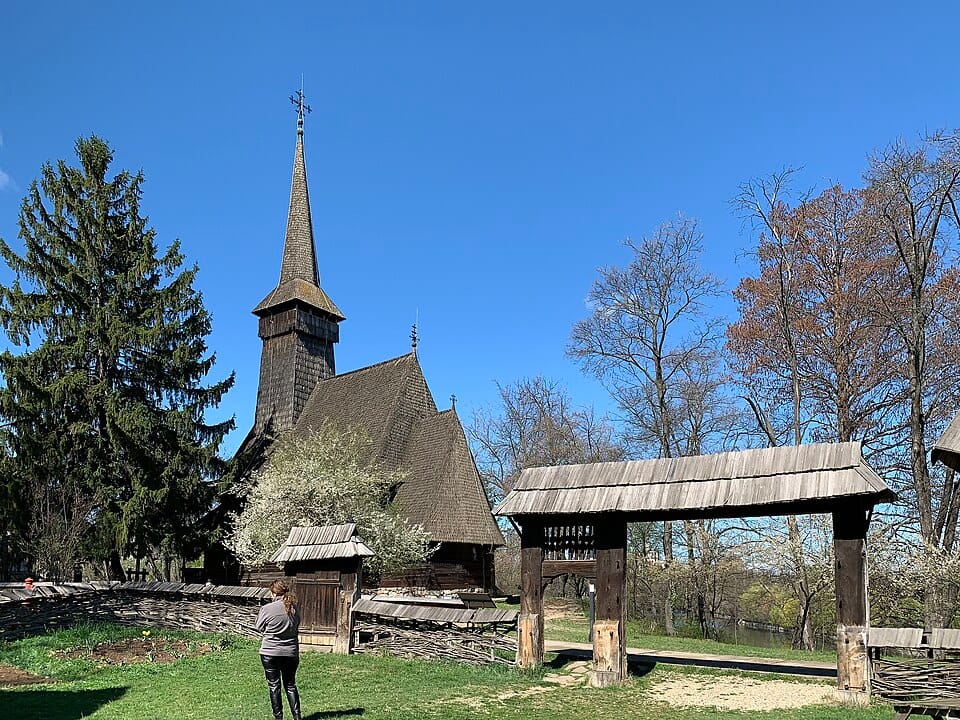
An open-air museum beside Herăstrău Park displaying original farmhouses, churches, and windmills relocated from across rural Romania.
Romanian Athenaeum
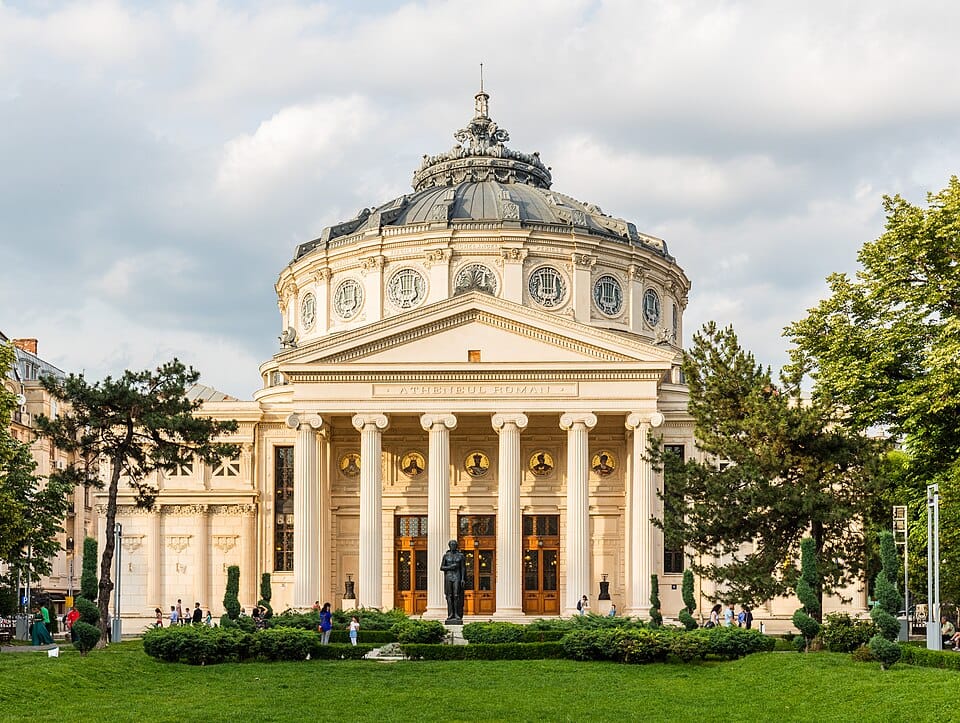
A domed, neoclassical concert hall from 1888 that is home to the George Enescu Philharmonic and one of Bucharest's most recognizable buildings.
Herăstrău Park
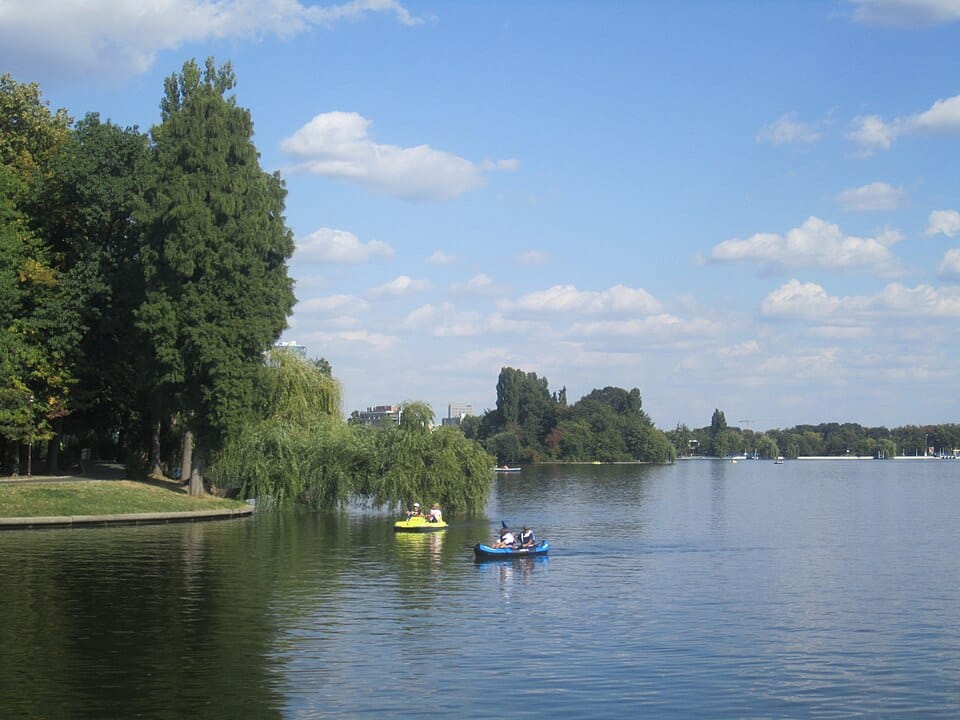
Bucharest's largest park, built around a lake in the north of the city, with waterside promenades, restaurants, and rowing boats.
Brașov
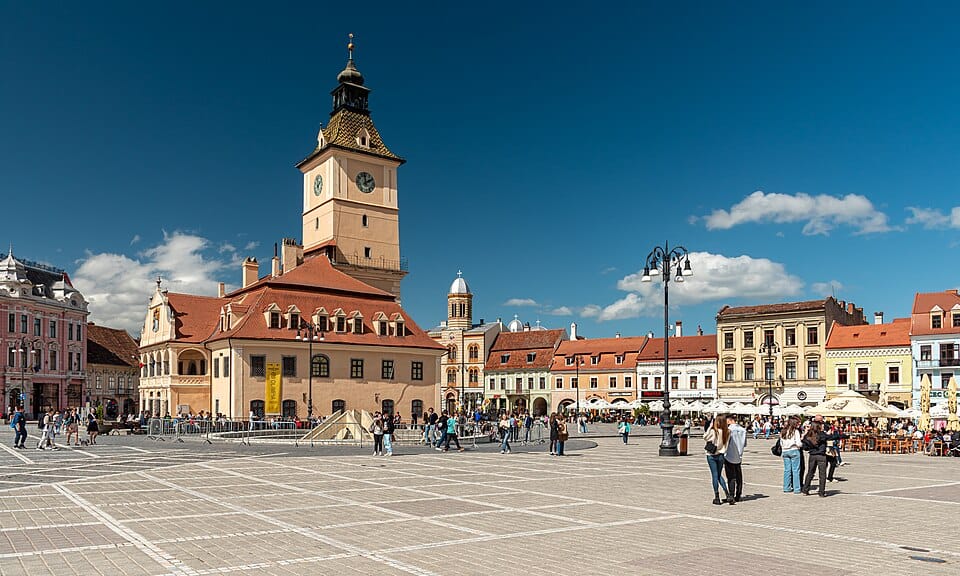
Brașov is a Saxon-founded city in the heart of Transylvania, ringed by the wooded slopes of the Carpathian Mountains. Its well-preserved medieval core mixes Gothic and Baroque architecture, anchored by the towering Black Church and framed by fortification towers and the Tâmpa mountain overlooking the old town.
Top attractions in Brașov
Black Church (Biserica Neagră)
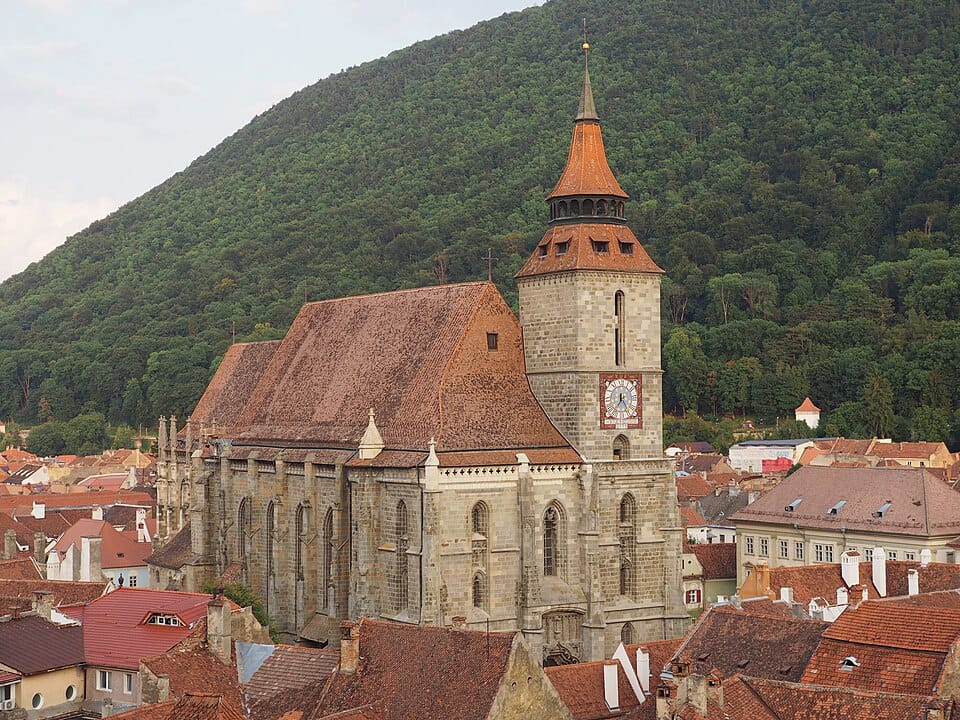
The largest Gothic church between Vienna and Istanbul, named for the soot stains left by a 1689 fire, and home to a notable collection of Anatolian carpets.
Council Square (Piața Sfatului)
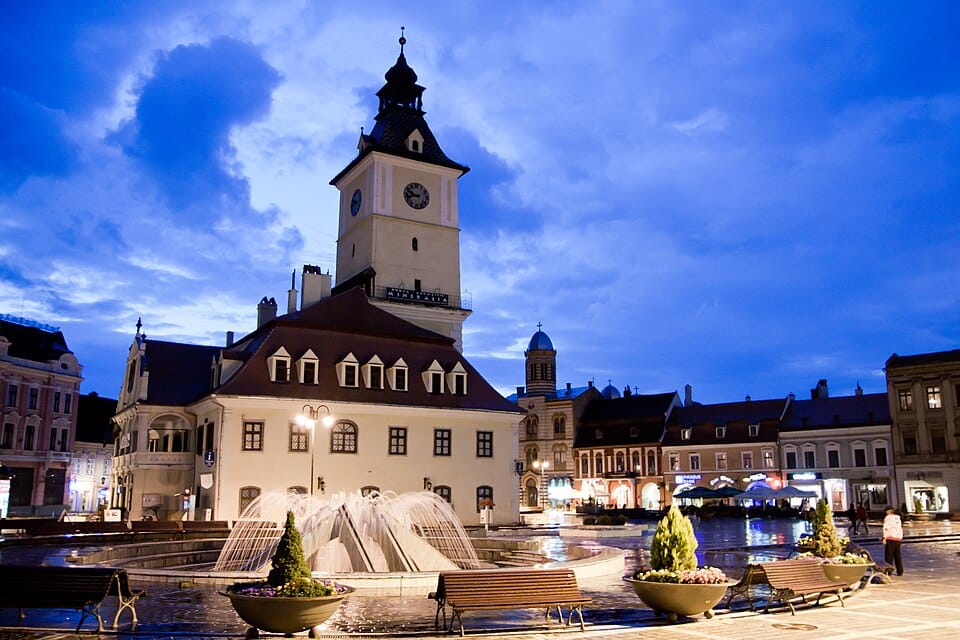
The old town's central square, lined with pastel merchant houses and dominated by the 1420 Old Council House, now a history museum.
Rope Street (Strada Sforii)
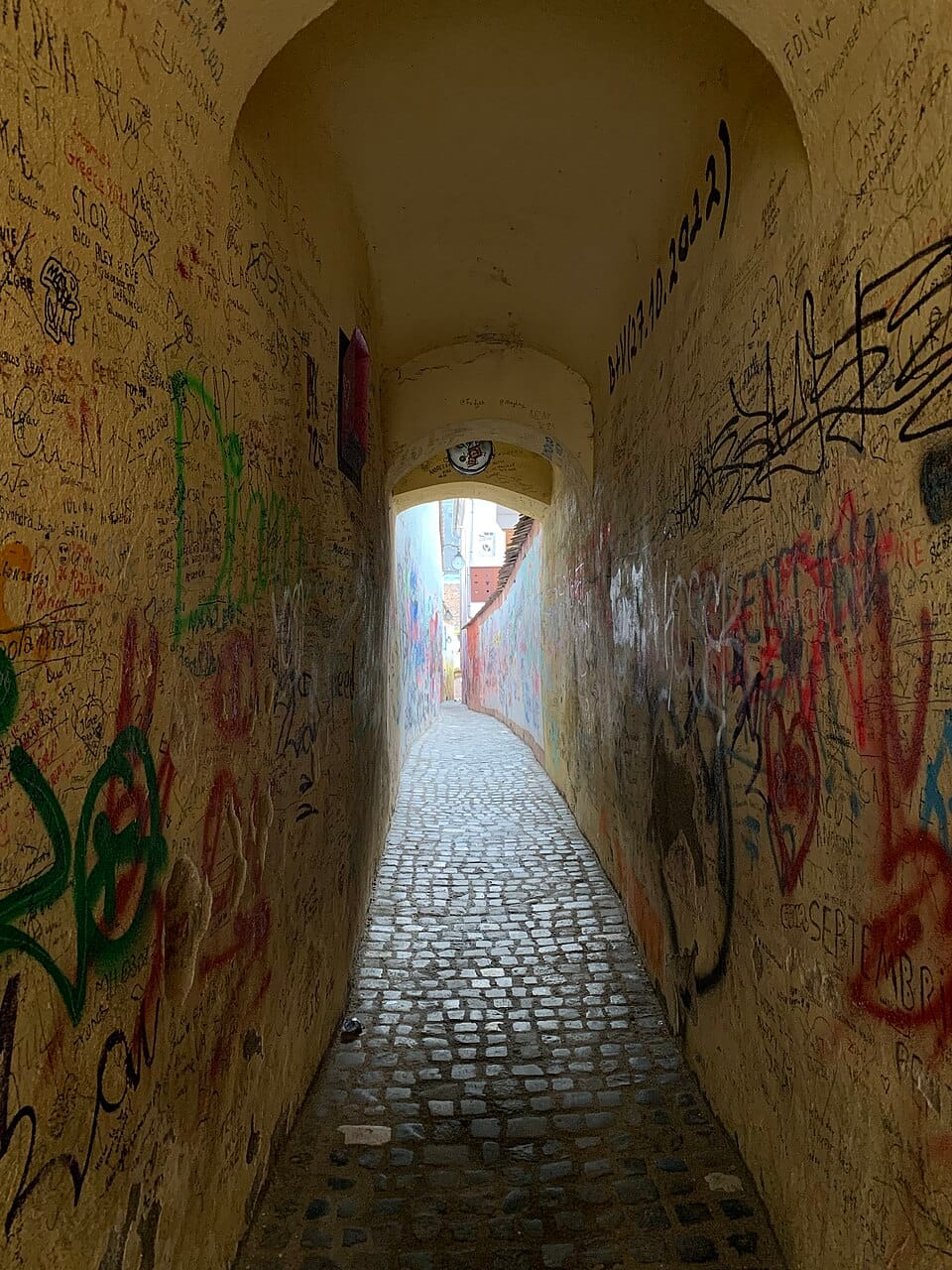
One of Europe's narrowest streets, barely more than a meter wide, once used as a fire-brigade access route between two parallel streets.
Tâmpa Mountain
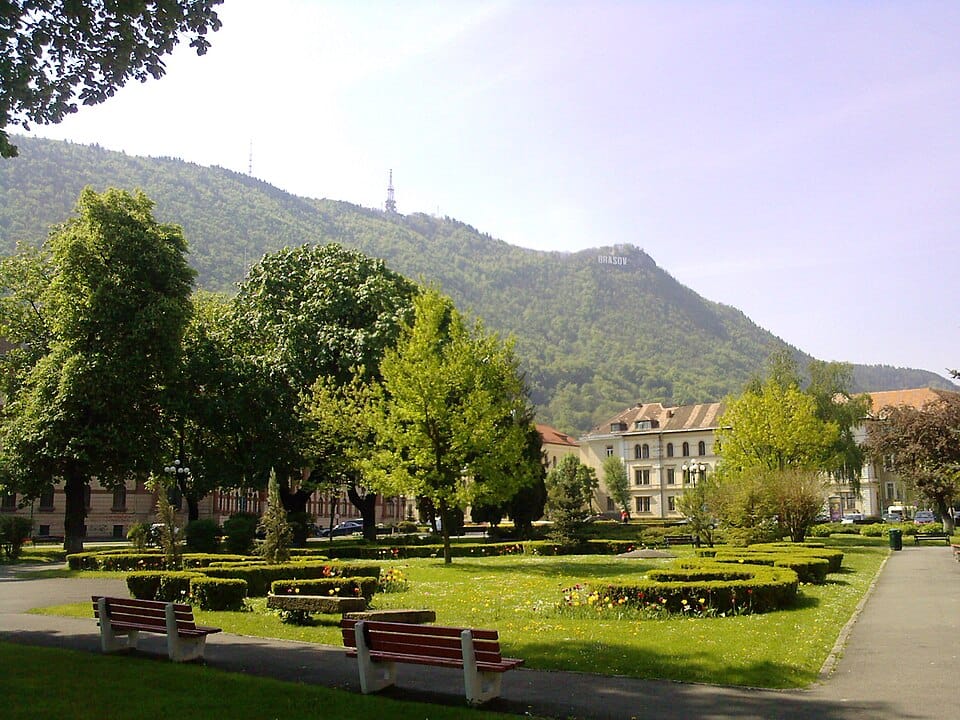
A forested peak rising directly above the old town, reached by cable car or hiking trail, with panoramic views over Brașov's red rooftops.
Bran Castle
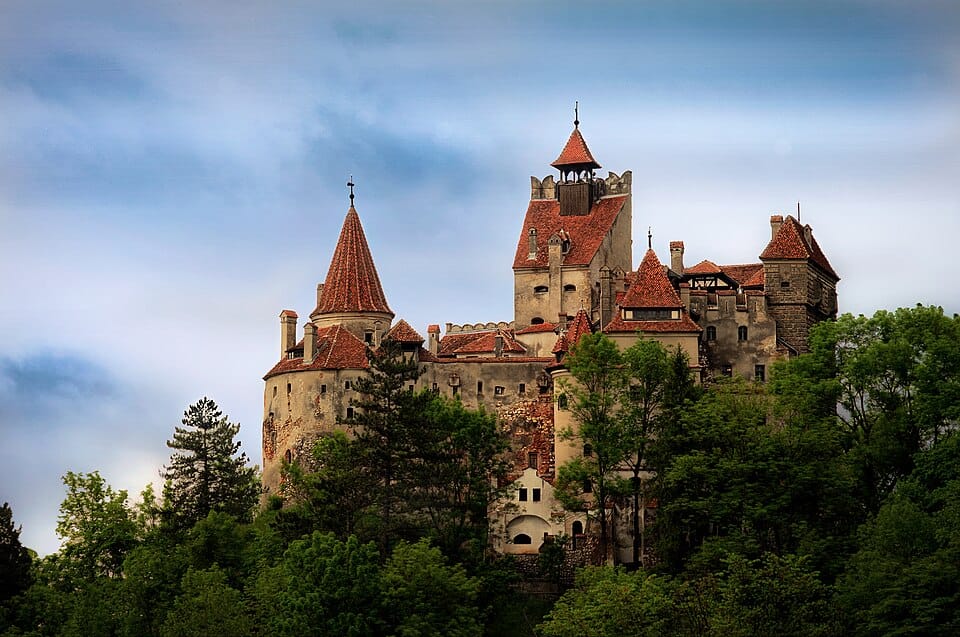
A hilltop fortress about 30 kilometers from Brașov, popularly marketed as 'Dracula's Castle' for its ties to the Vlad the Impaler legend, and a common day trip from the city.
Sighișoara
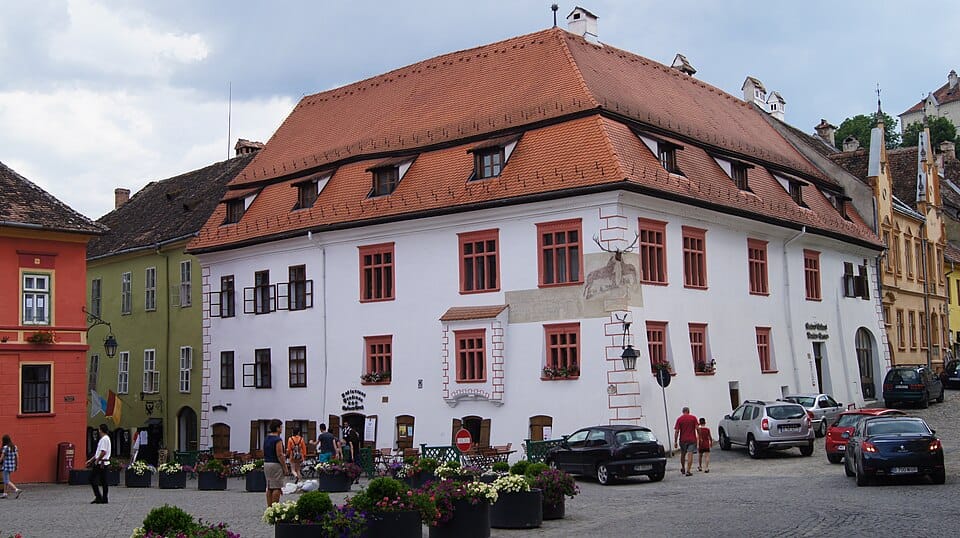
Sighișoara is a small Transylvanian town built around one of Europe's last inhabited medieval citadels, a UNESCO World Heritage site of cobbled lanes, colorful burgher houses, and nine surviving guild towers. It is traditionally cited as the birthplace of Vlad III, the historical figure behind the Dracula legend.
Top attractions in Sighișoara
Clock Tower (Turnul cu Ceas)
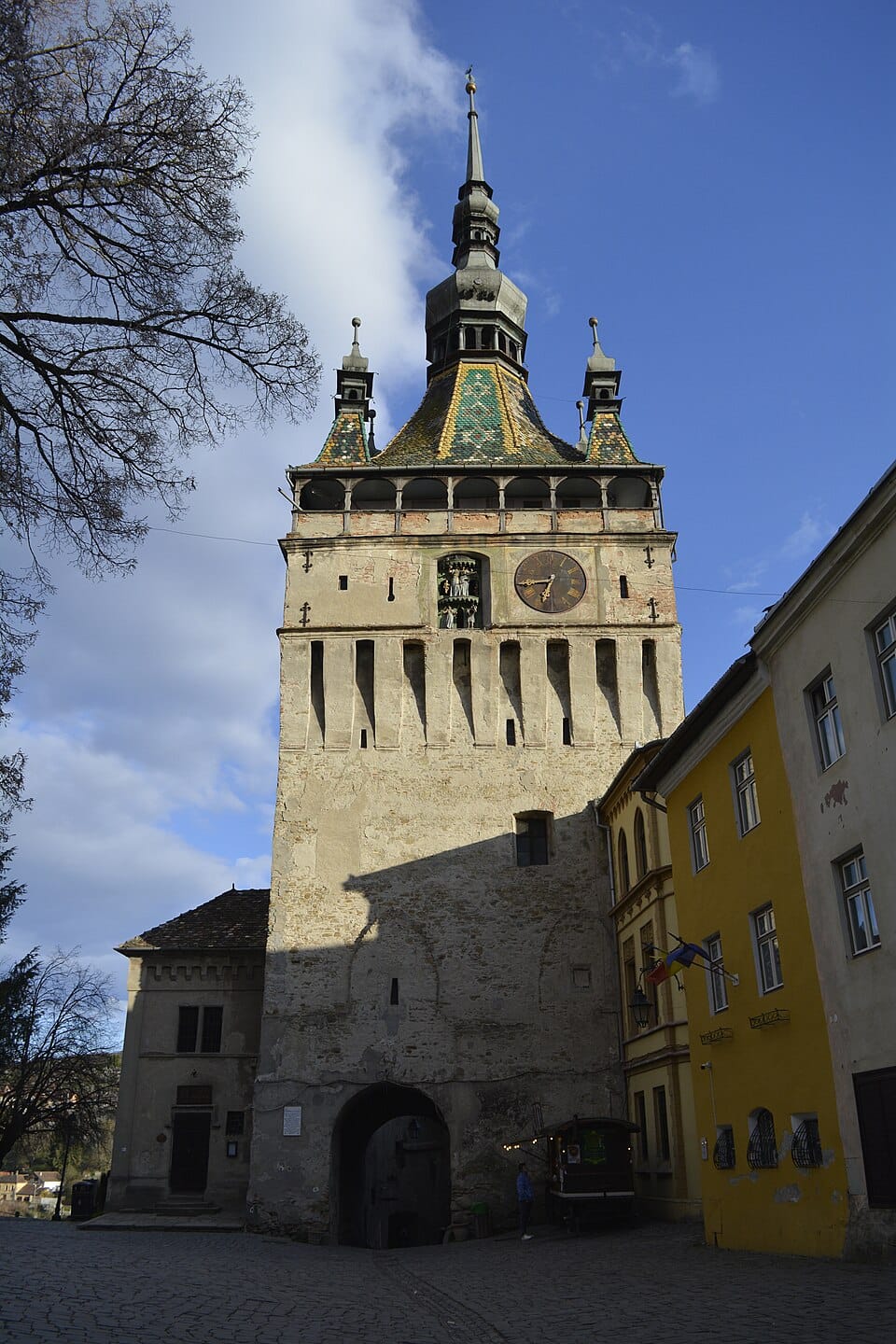
The citadel's main gate tower and symbol of the town, housing a small history museum and an observation deck over the old town's rooftops.
Covered Staircase (Scara Acoperită)
A wooden-roofed 17th-century stairway of nearly 300 steps built so schoolchildren could climb the hill to class in bad weather.
Church on the Hill (Biserica din Deal)
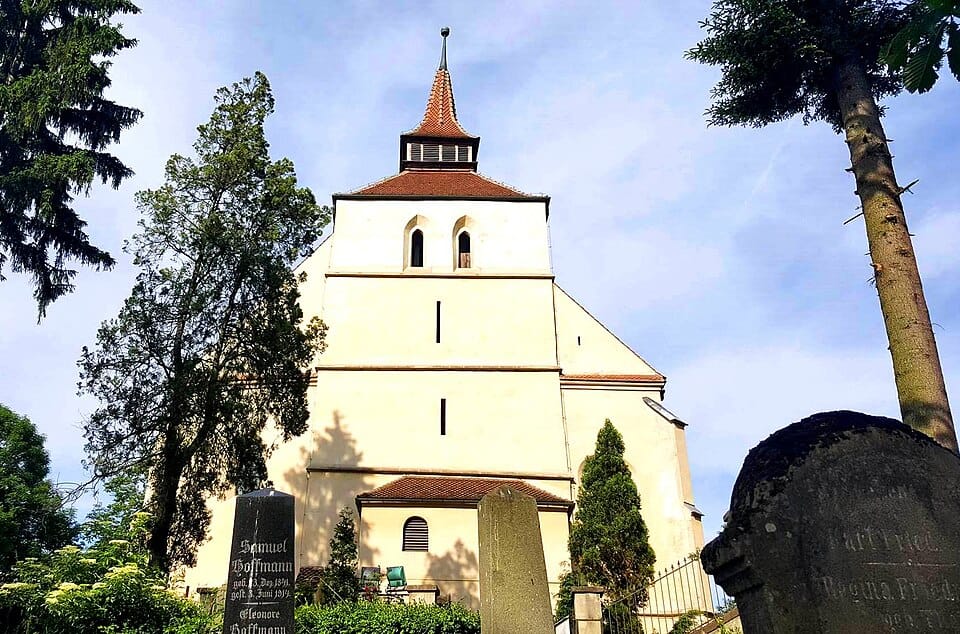
A Gothic church at the top of the covered staircase, surrounded by a walled cemetery, with a crypt and restored medieval frescoes inside.
Vlad Dracul House
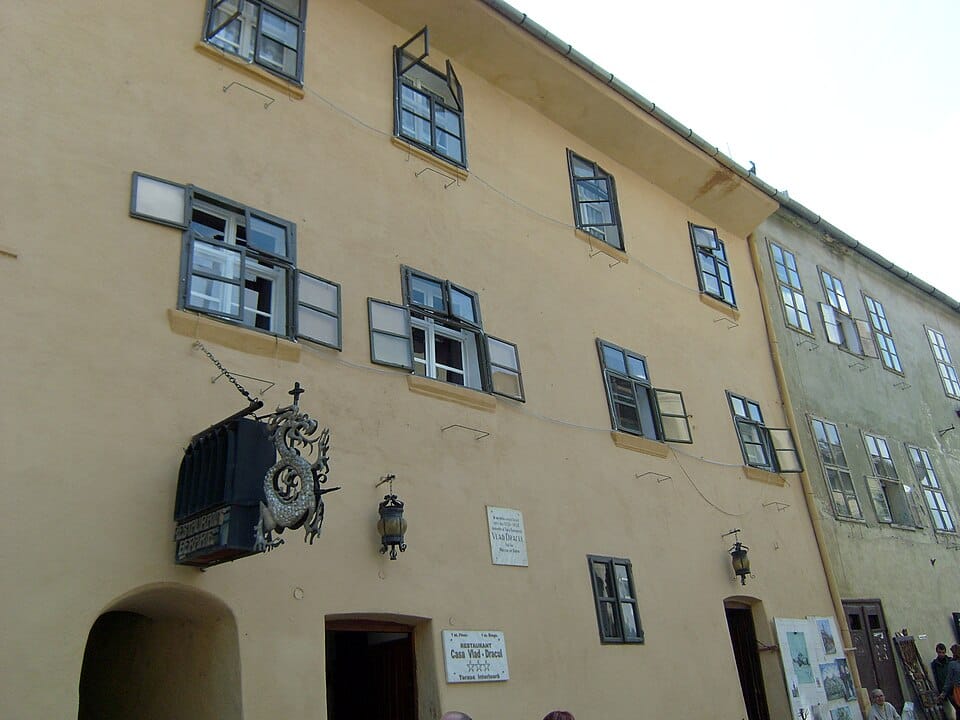
A 15th-century house in the citadel identified as the residence of Vlad II Dracul, now a restaurant with a small exhibit on his son Vlad the Impaler.
Guild Towers
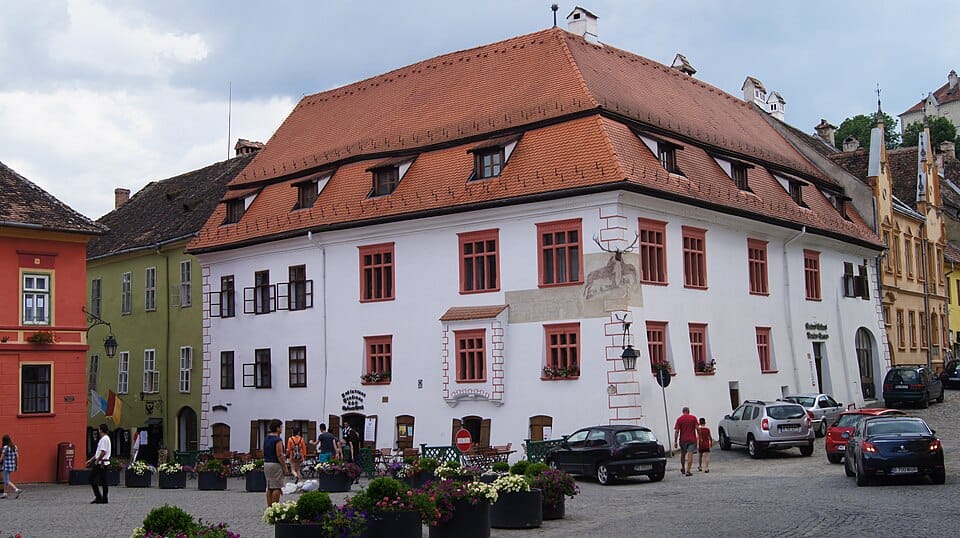
Nine surviving defensive towers along the citadel walls, each once maintained and defended by a different craft guild, including the Tinsmiths', Furriers', and Ropemakers' towers.
Sibiu
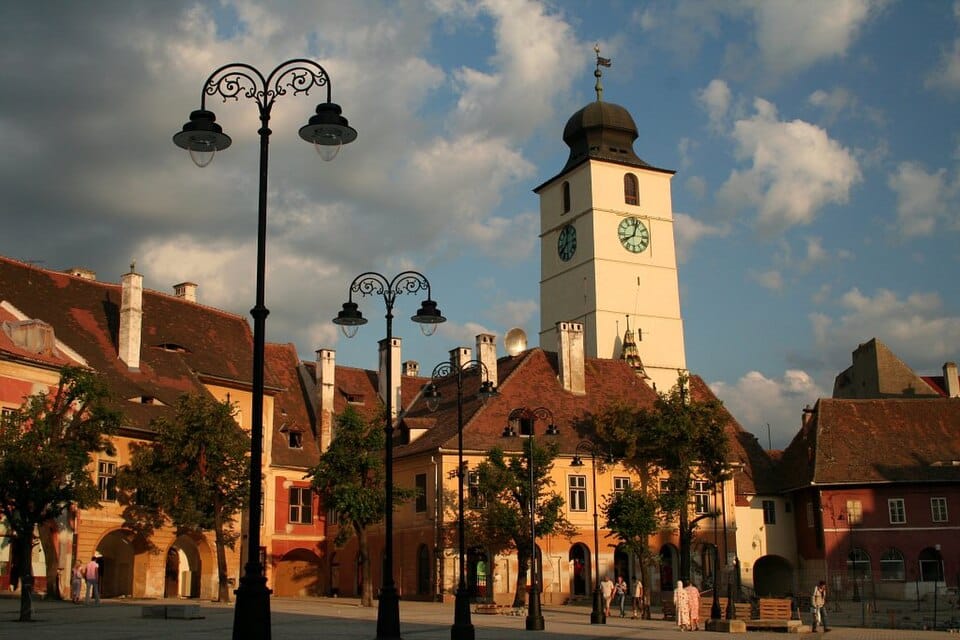
Sibiu is a historic Saxon city in southern Transylvania, known for its layered Upper and Lower Towns, distinctive 'eyelid' dormer windows that appear to watch the streets, and a well-preserved network of defensive towers and bastions. It served as European Capital of Culture in 2007 and remains one of Romania's best-preserved old towns.
Top attractions in Sibiu
Council Tower (Turnul Sfatului)
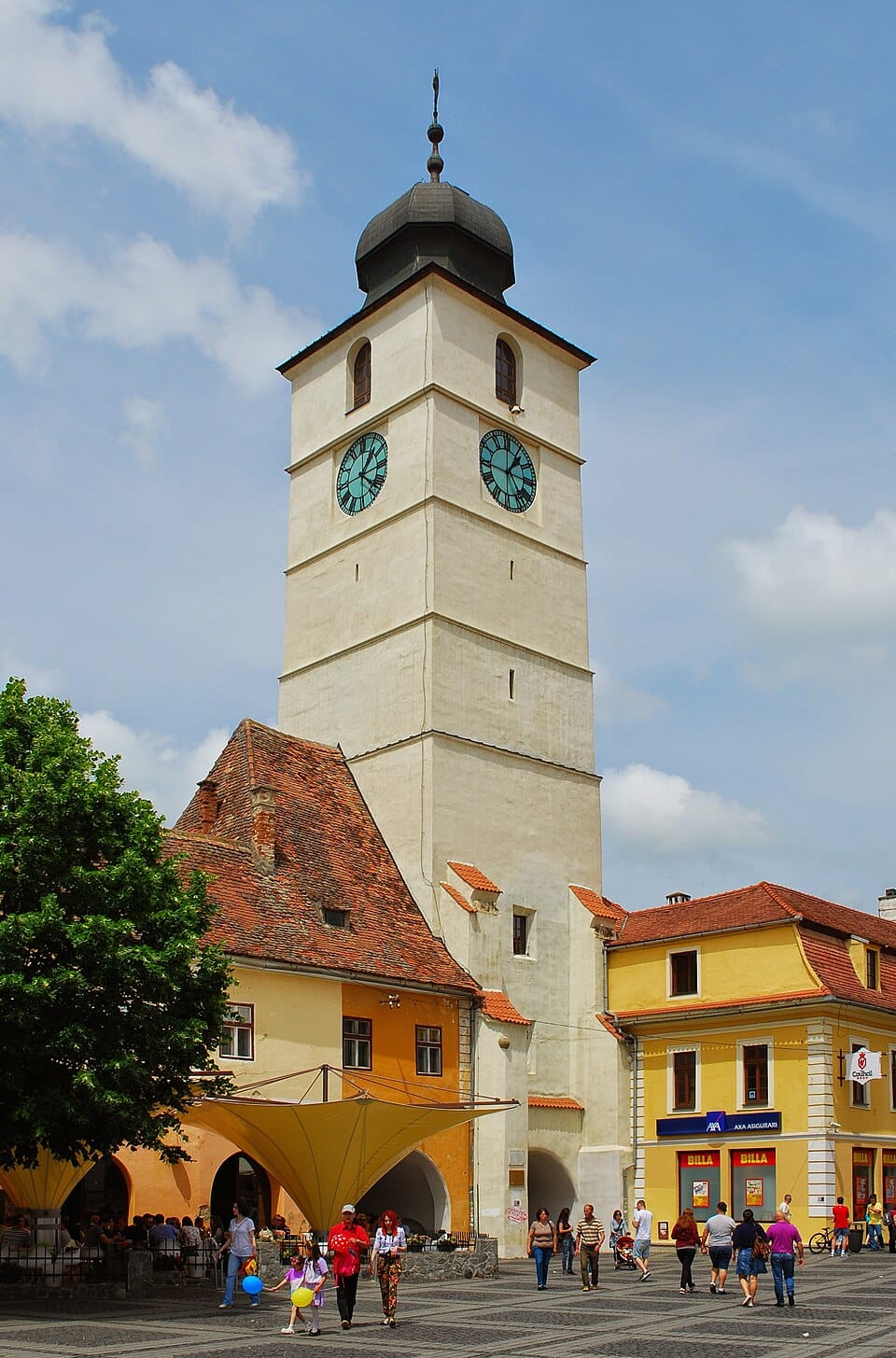
A 13th-century gate tower linking the Upper and Lower Towns, with a viewing platform offering rooftop views over both halves of the old city.
Bridge of Lies (Podul Minciunilor)
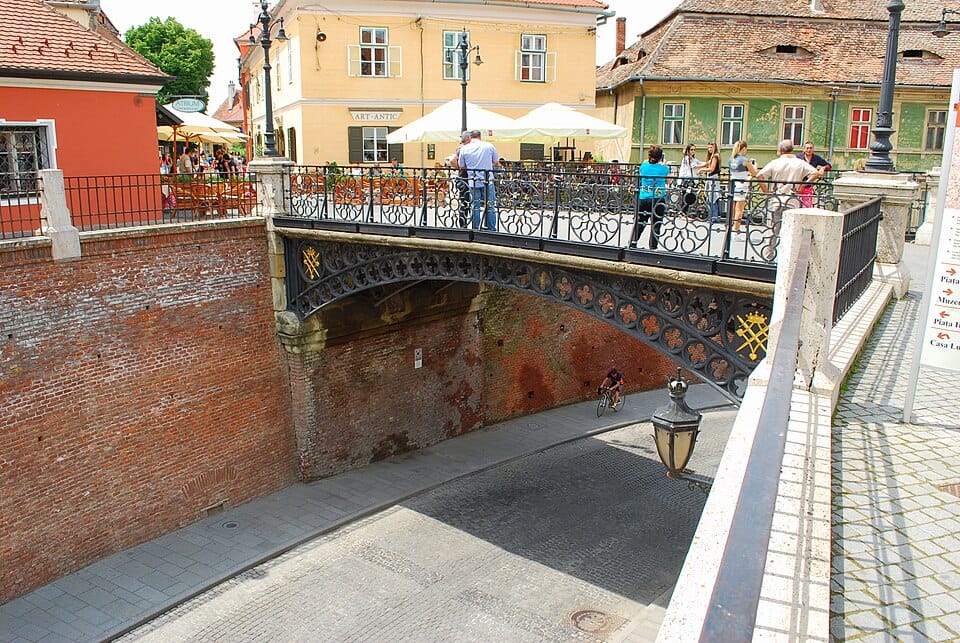
A cast-iron pedestrian bridge from 1859, believed to be Romania's first wrought-iron bridge, tied to local legends about liars being unable to cross it.
Brukenthal National Museum
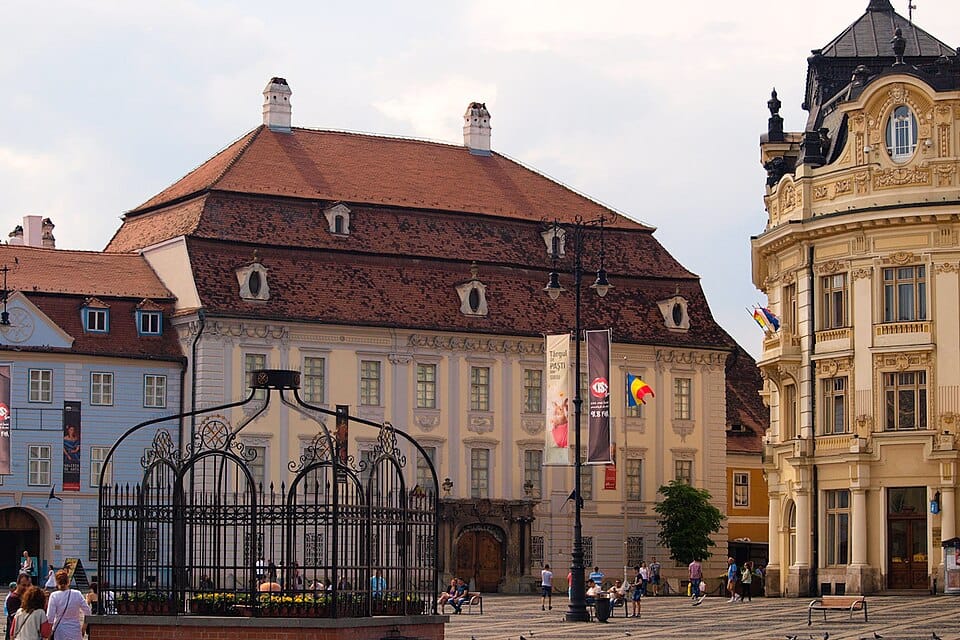
Housed in an 18th-century Baroque palace on the Grand Square, one of the oldest museums in Southeast Europe, with a significant collection of European old master paintings.
Grand Square (Piața Mare)
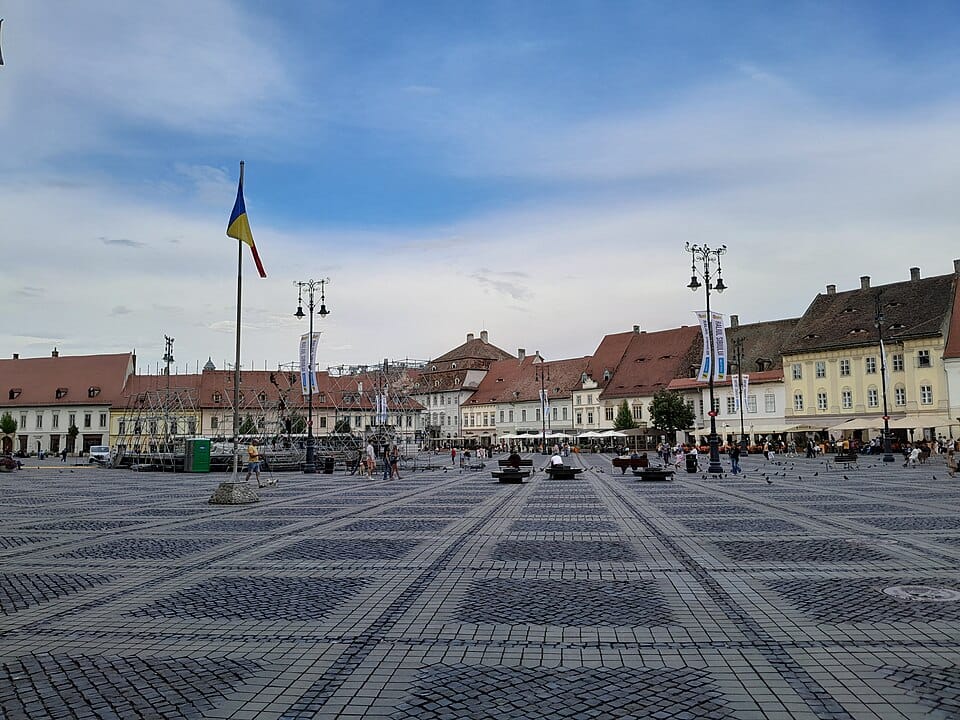
The main square of the Upper Town, framed by Baroque façades, the Brukenthal Palace, and the Roman Catholic parish church, and used for markets and festivals.
Astra National Museum Complex
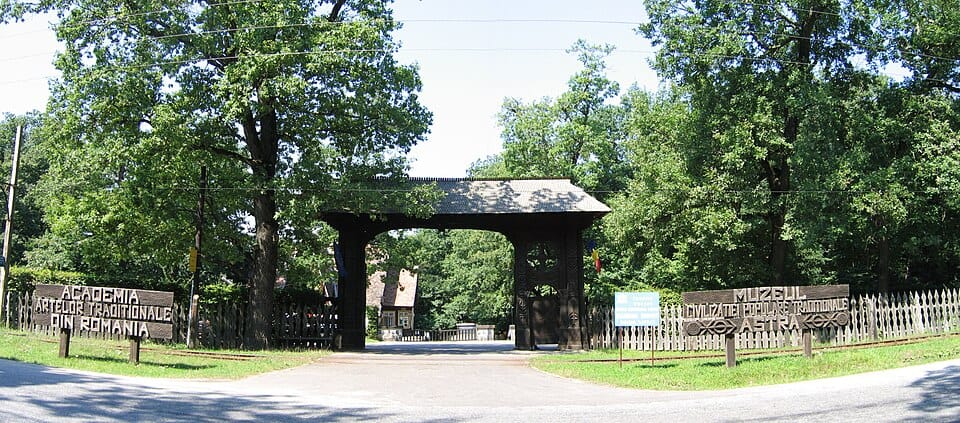
A large open-air ethnographic museum in a forest on the edge of Sibiu, displaying traditional Romanian rural buildings, watermills, and workshops set around a lake.
Plan this route with EuroDrive Scout — tolls, vignettes, ZTL alerts, fuel & parking →