Ireland: Dublin to Galway: attractions & sights guide
A stop-by-stop guide to the best things to see along the Ireland: Dublin to Galway route — 5 destinations, their must-see sights and how to drive between them.
Plan this route with EuroDrive Scout — tolls, vignettes, ZTL alerts, fuel & parking →
Dublin
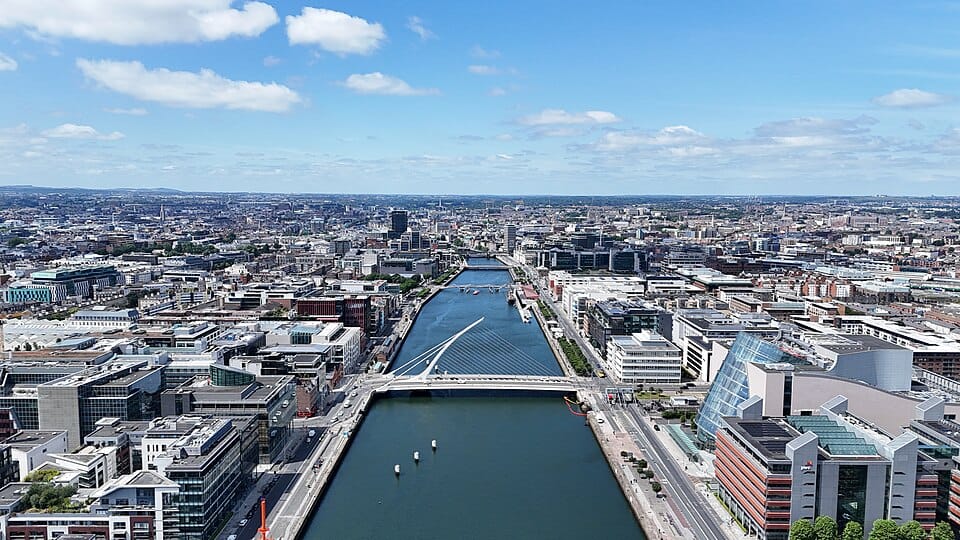
Dublin is the capital and largest city of Ireland, built around the River Liffey where it meets Dublin Bay on the east coast. Founded by Vikings in the 9th century and later shaped by centuries of Georgian building, the city is known for Trinity College, the Guinness brewery at St James's Gate, and a literary tradition that includes James Joyce, Oscar Wilde, and Jonathan Swift.
Top attractions in Dublin
Trinity College & the Book of Kells
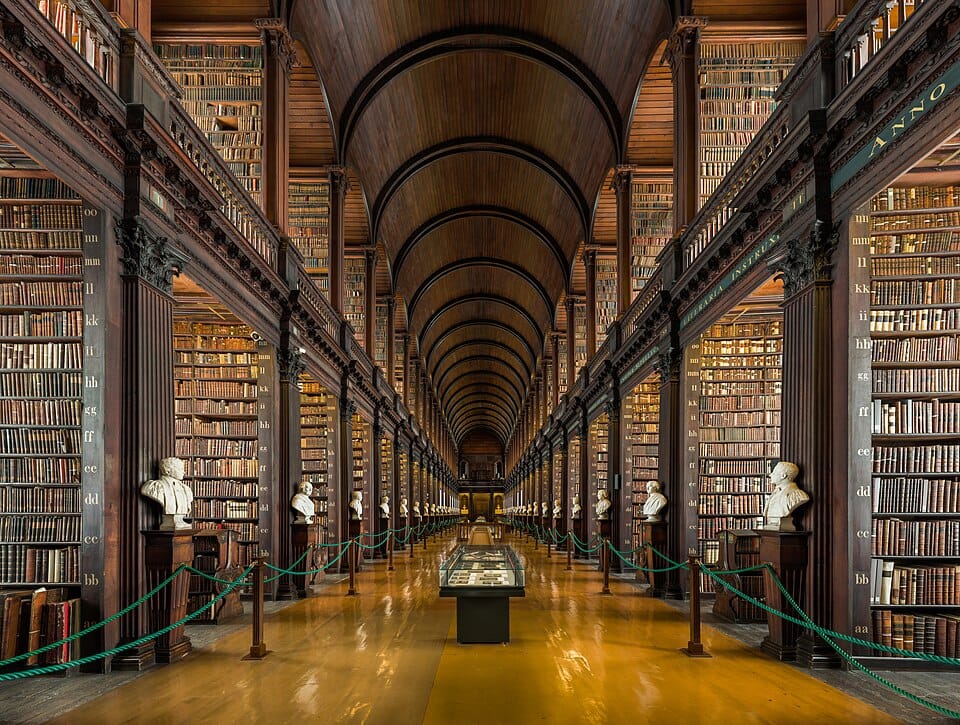
Ireland's oldest university, founded in 1592, whose Old Library houses the Book of Kells, an illuminated manuscript of the four Gospels created around 800 AD.
Guinness Storehouse
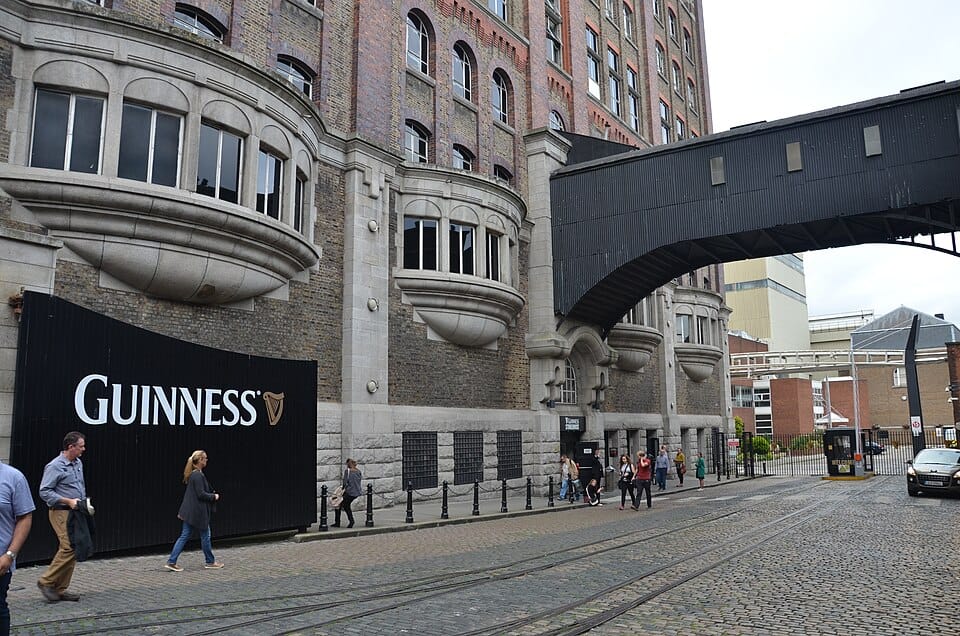
A seven-storey visitor attraction at the St James's Gate brewery, tracing the history of Guinness stout since founder Arthur Guinness signed a 9,000-year lease on the site in 1759.
Dublin Castle
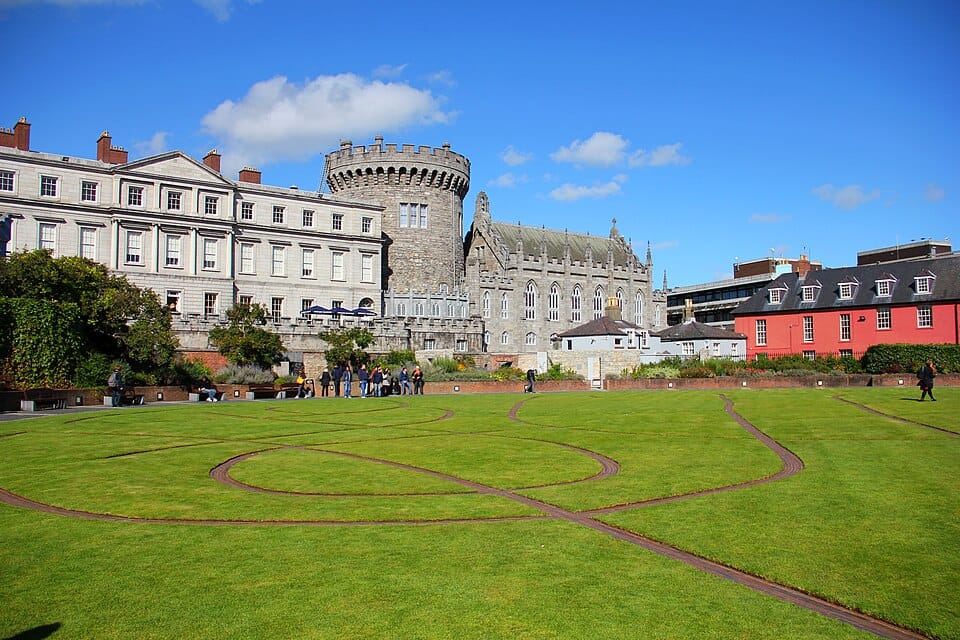
A former seat of British rule in Ireland, built in the 13th century on the site of a Viking settlement and now used for state ceremonies and official functions.
St Patrick's Cathedral
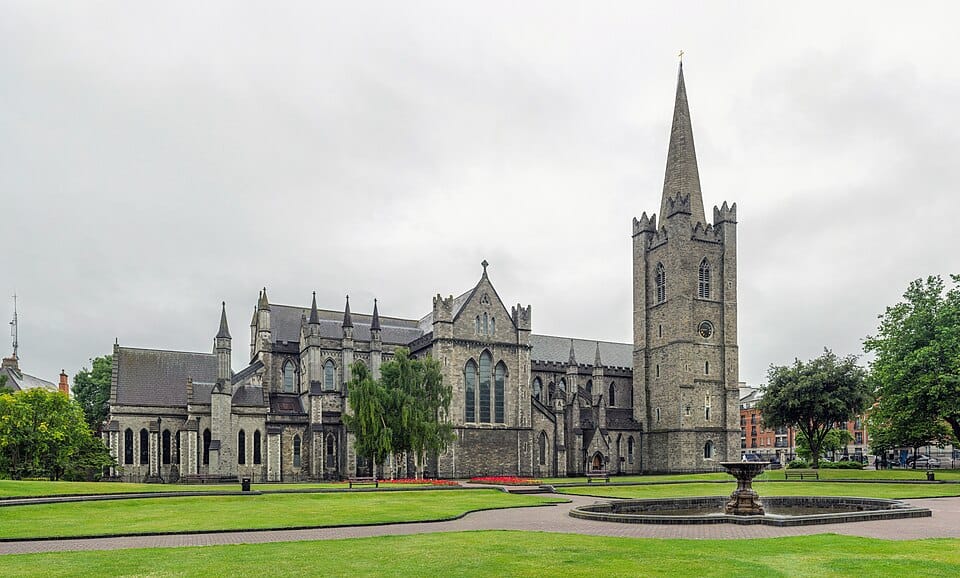
Ireland's largest cathedral, founded in 1191 beside a well said to have been used by St Patrick, and closely associated with satirist Jonathan Swift, who served as dean.
Temple Bar
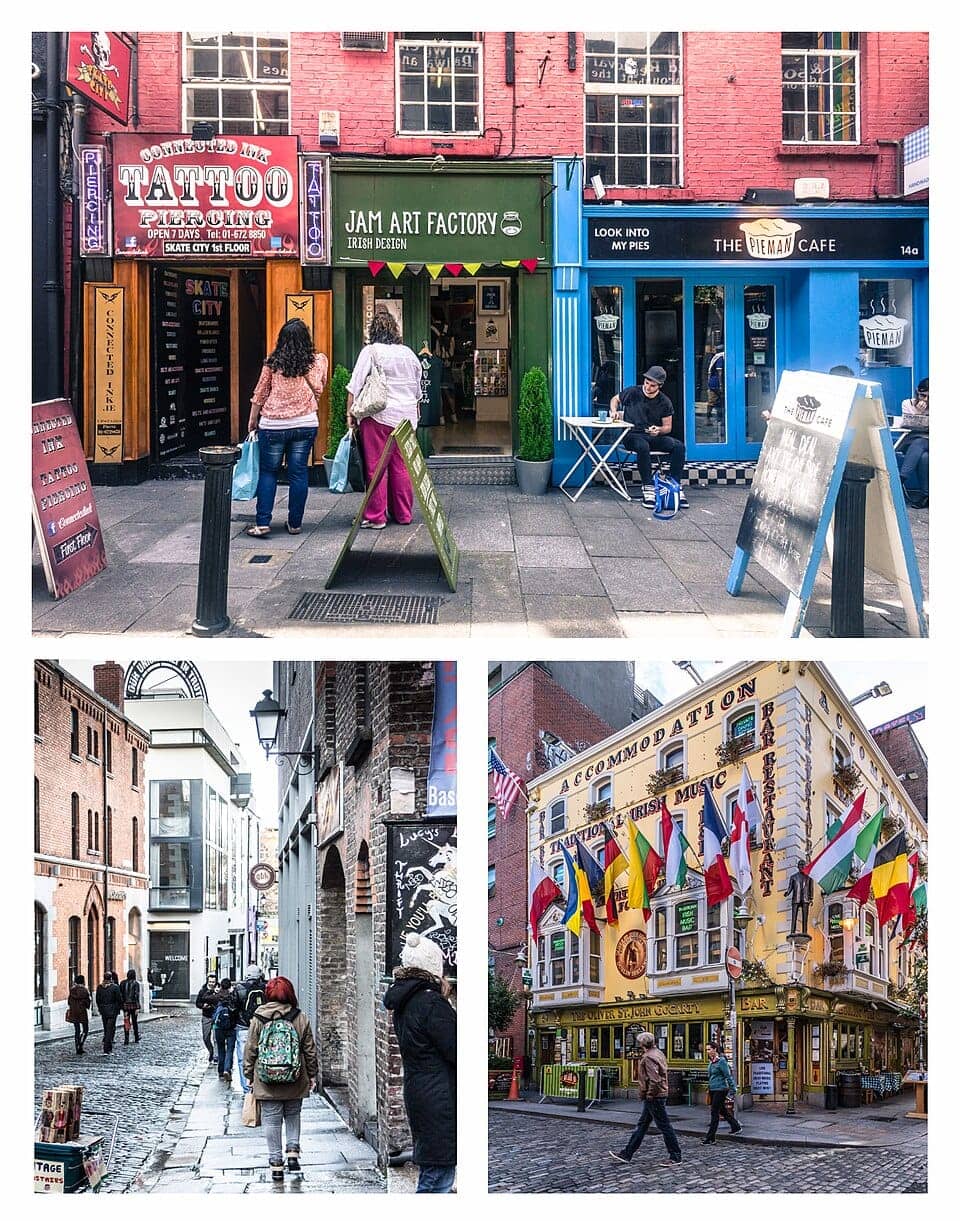
A riverside cultural quarter of cobbled streets, pubs, and galleries that grew from Dublin's old medieval core into the city's best-known nightlife district.
Kilmainham Gaol
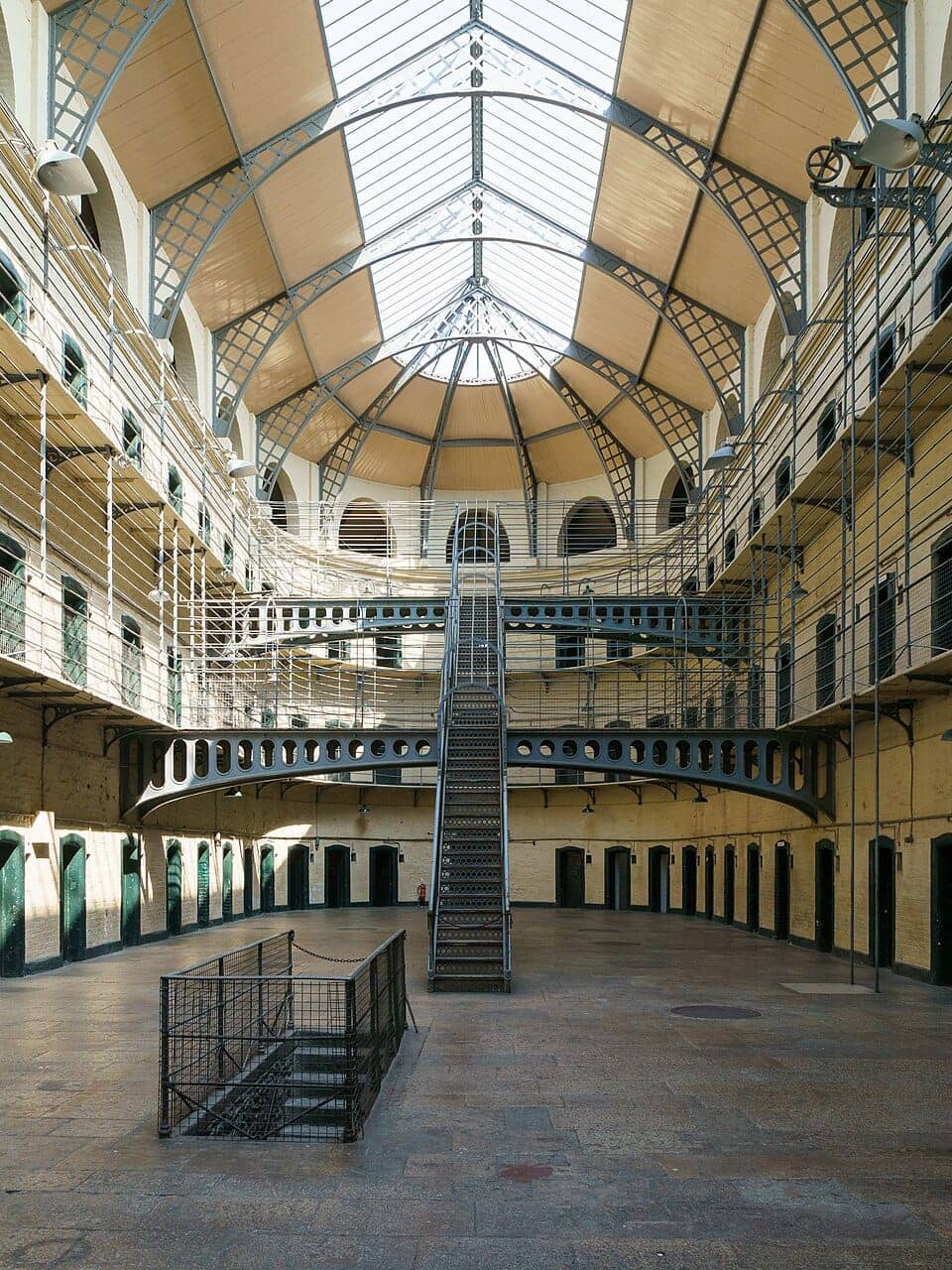
A former prison dating to 1796 where leaders of the 1916 Easter Rising were executed, now a museum on Irish nationalism and penal history.
Kilkenny
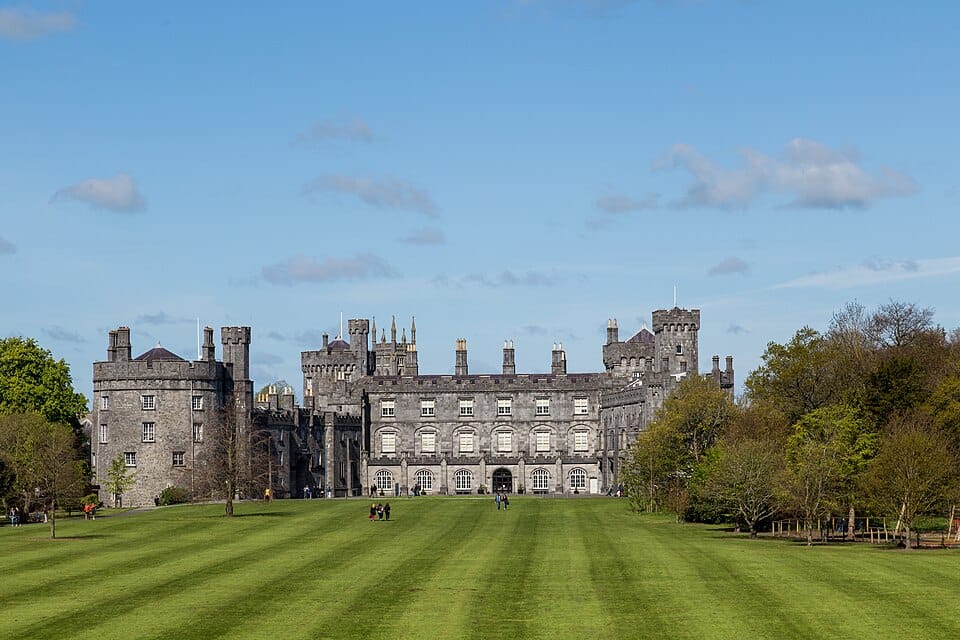
Kilkenny is a medieval city in Ireland's southeast, built around a 12th-century Anglo-Norman castle overlooking the River Nore. Known as the Marble City for the dark limestone quarried locally and used in its buildings, Kilkenny preserves one of the country's best-surviving medieval street layouts, centred on the Medieval Mile that runs between the castle and St Canice's Cathedral.
Top attractions in Kilkenny
Kilkenny Castle
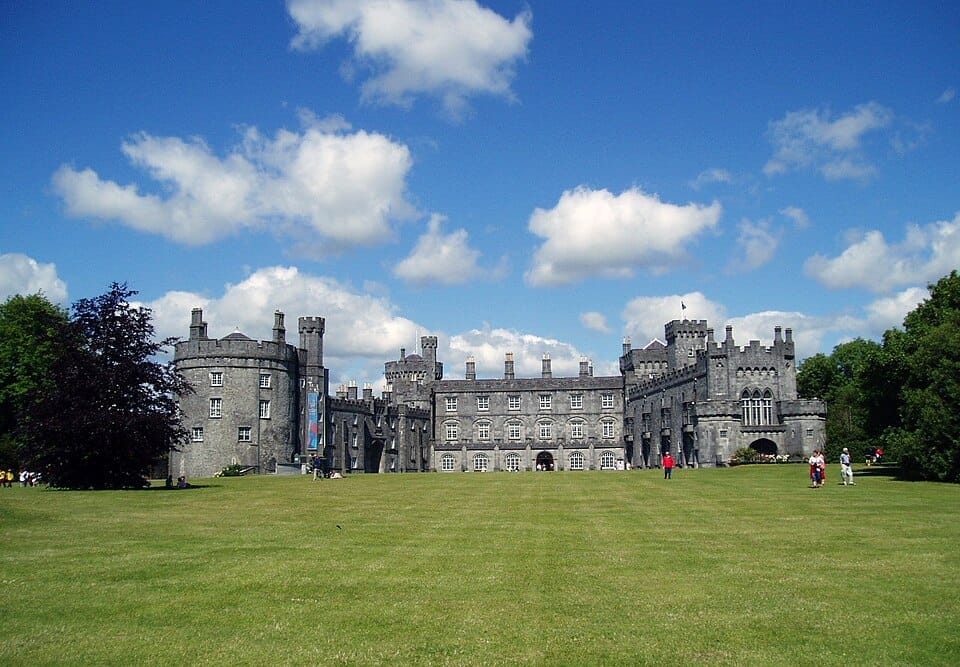
A Norman castle built around 1195 for William Marshal, later the seat of the powerful Butler family for nearly 600 years, set above the River Nore with formal gardens and parkland.
St Canice's Cathedral
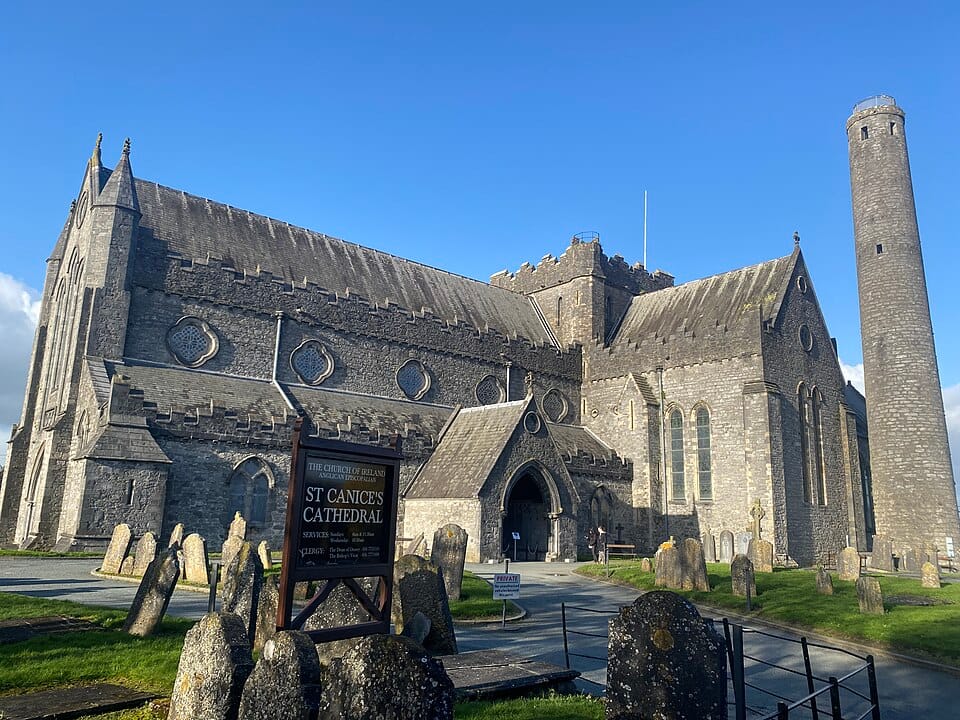
A 13th-century cathedral with an adjoining round tower dating from the 9th century, one of the few such towers in Ireland still open for visitors to climb.
Medieval Mile Museum
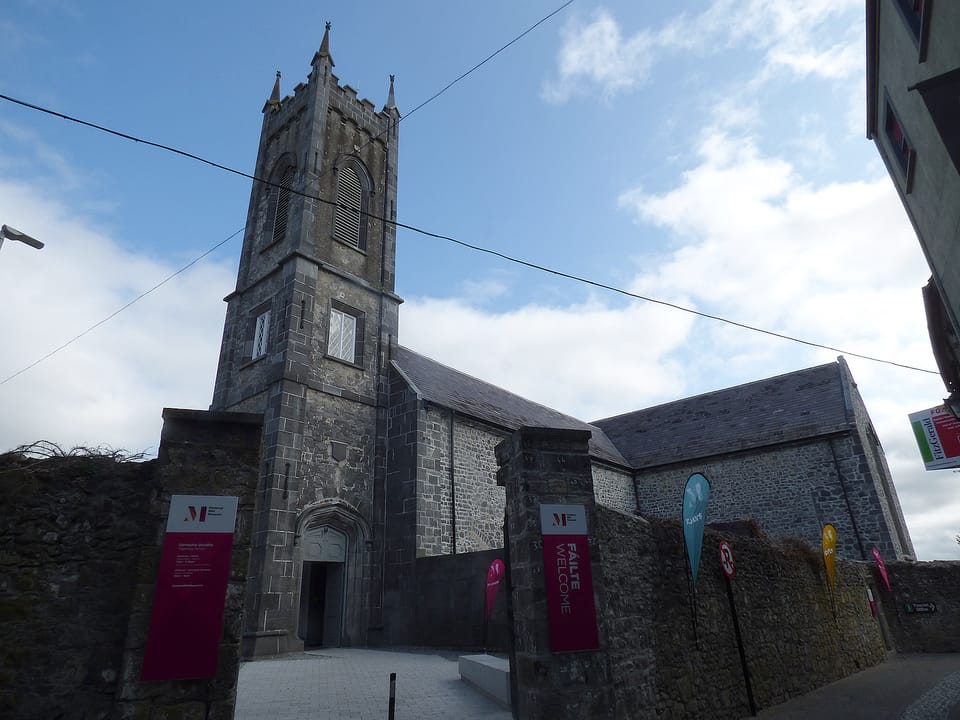
A museum housed in the restored 13th-century St Mary's Church, displaying stone carvings and civic artefacts that trace Kilkenny's medieval history.
Rothe House
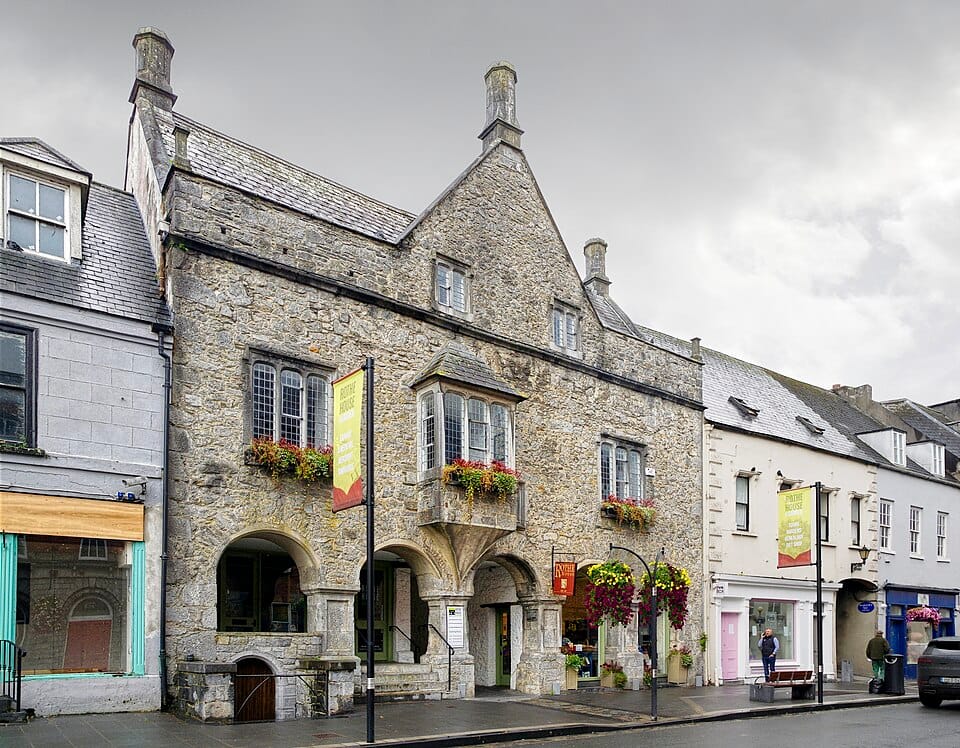
A well-preserved Tudor merchant's townhouse built around 1594, arranged around three courtyards and now a museum of Kilkenny life and history.
Black Abbey
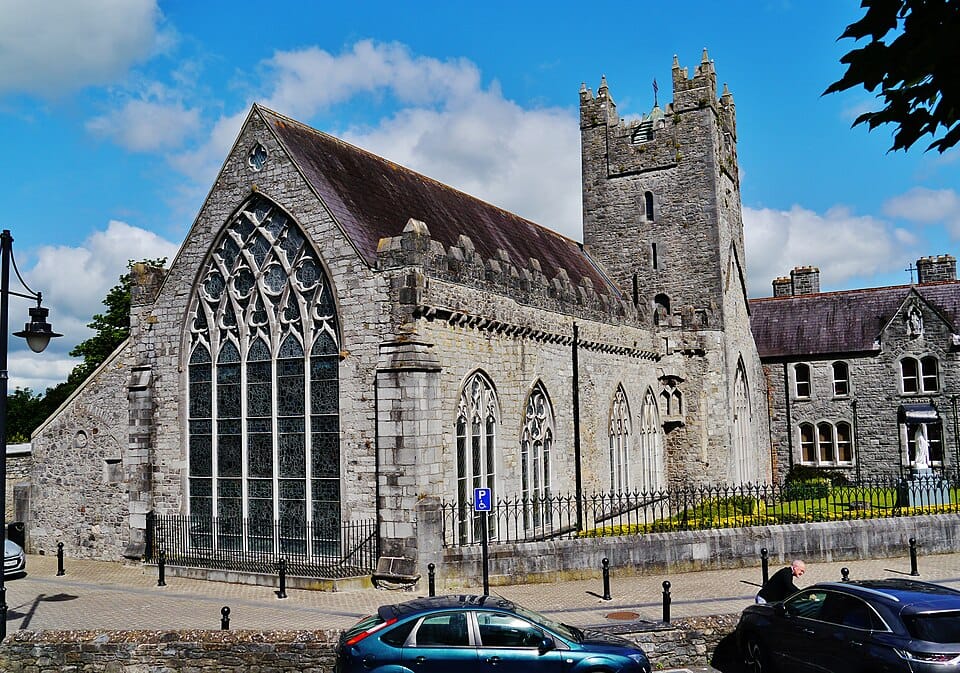
A Dominican friary founded in 1225, named for the black habits worn by its friars, notable for its wide medieval stained-glass rosary window.
Cork
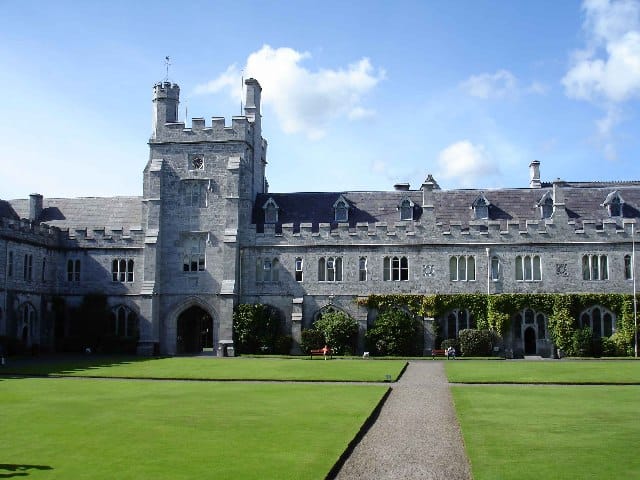
Cork is Ireland's second-largest city, built on islands and quaysides where the River Lee splits into two channels before reaching Cork Harbour. Long an important centre of trade and shipping, the city is known for the covered English Market, its steep hillside streets around Shandon, and a local pride that leads residents to call it the 'real capital' of Ireland.
Top attractions in Cork
English Market
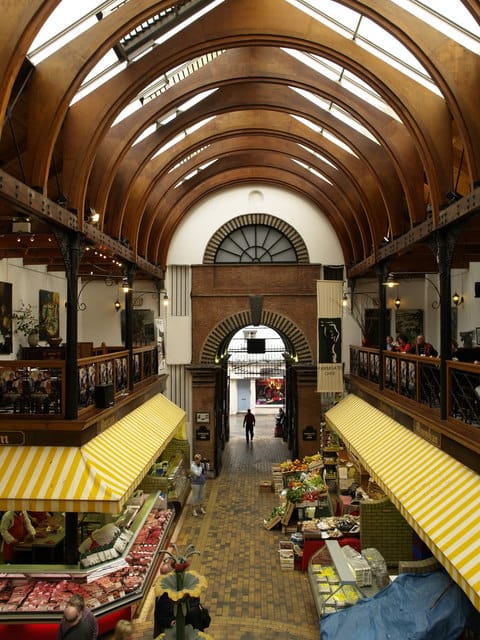
A covered municipal food market trading since 1788, known for its fishmongers, butchers, and local produce stalls beneath a Victorian-era roof.
St Fin Barre's Cathedral
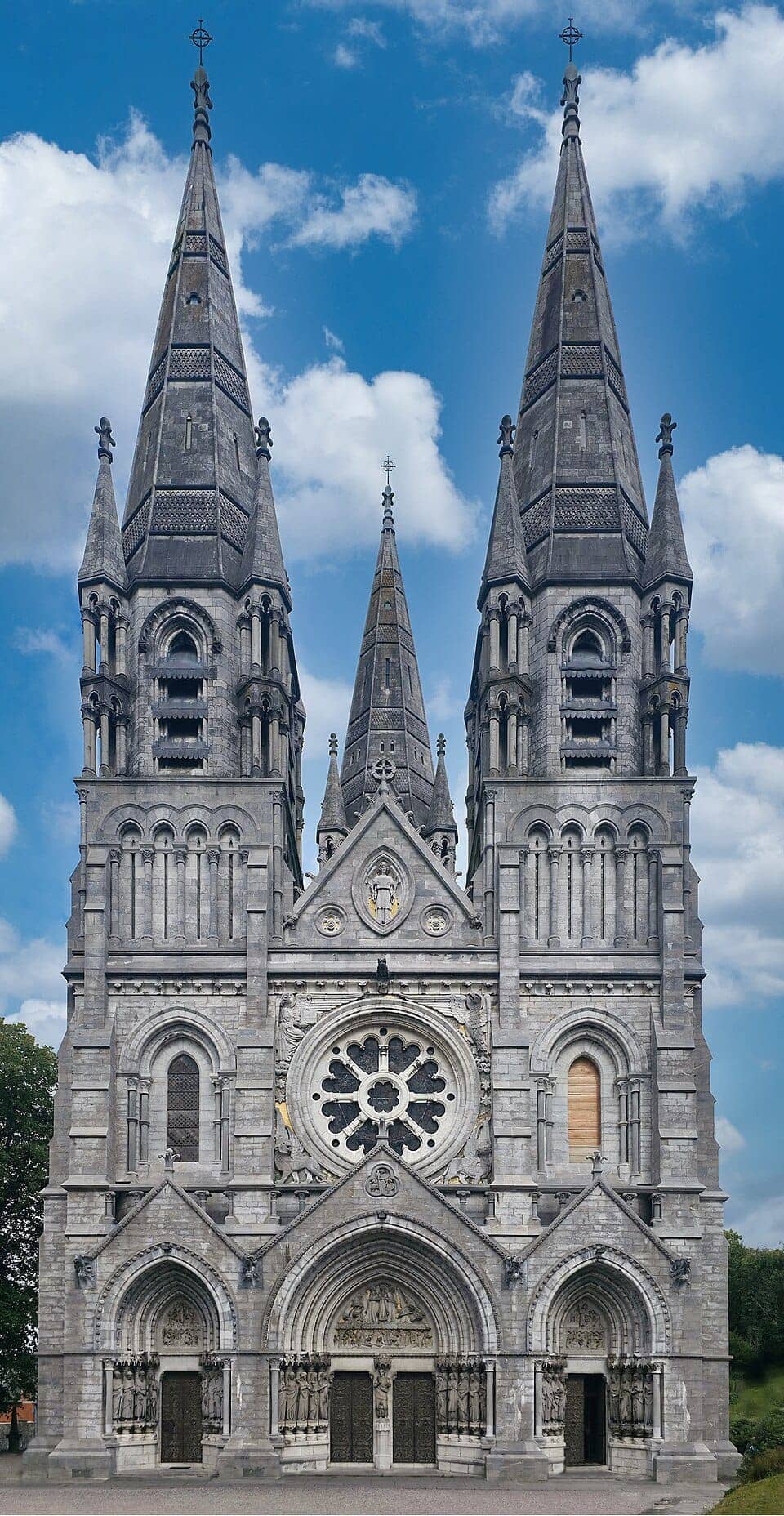
A 19th-century Gothic Revival cathedral designed by William Burges, built on a site associated with the 7th-century monastery founded by Cork's patron saint.
Blarney Castle
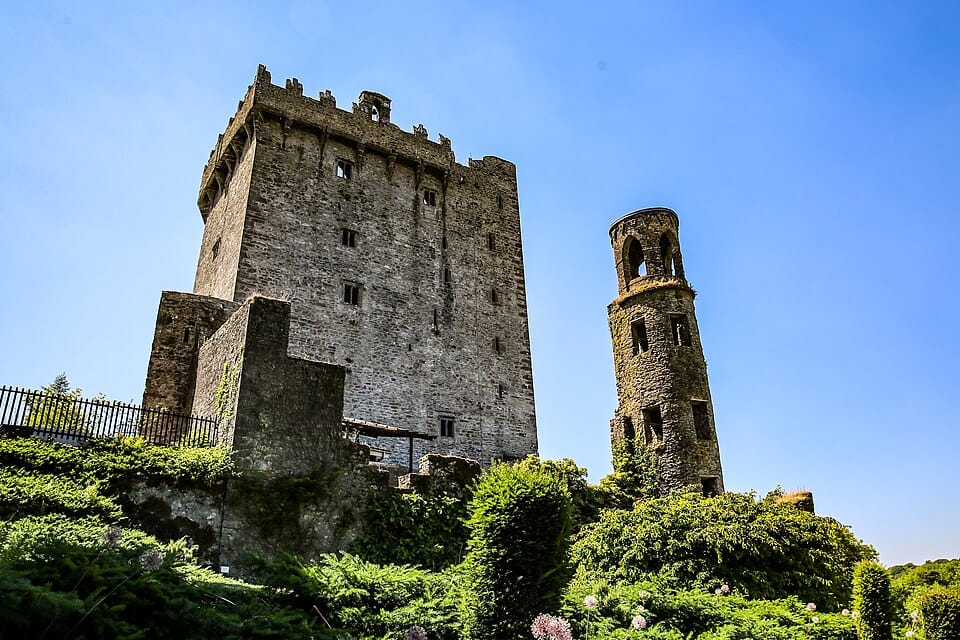
A 15th-century castle a short drive from Cork, famous for the Blarney Stone set into its battlements, which visitors kiss for the traditional gift of eloquence.
Cobh
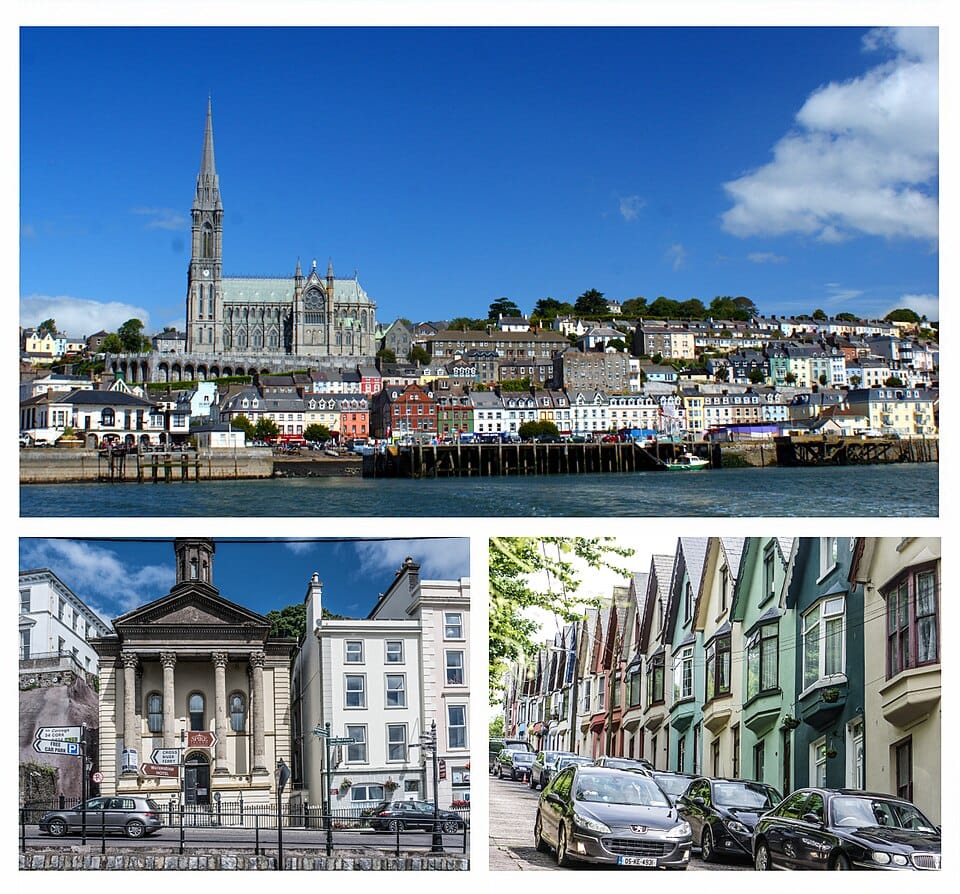
A harbour town on Cork Harbour that was the Titanic's final port of call in 1912 and the main departure point for Irish emigrants to America for over a century.
Shandon Bells (St Anne's Church)
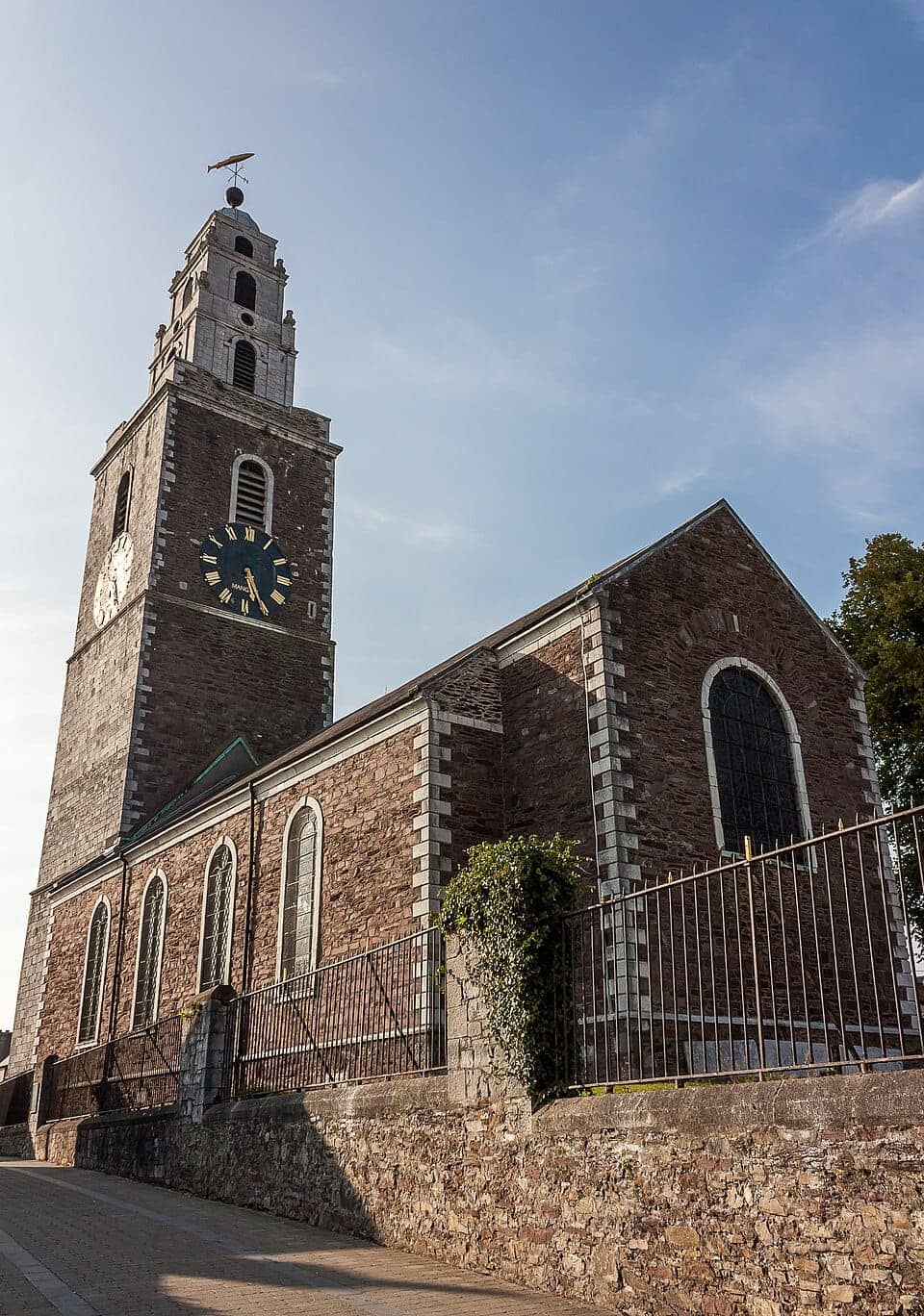
An 18th-century church known for its distinctive clock tower, visible from across the city, where visitors can ring the bells of Shandon themselves.
Elizabeth Fort
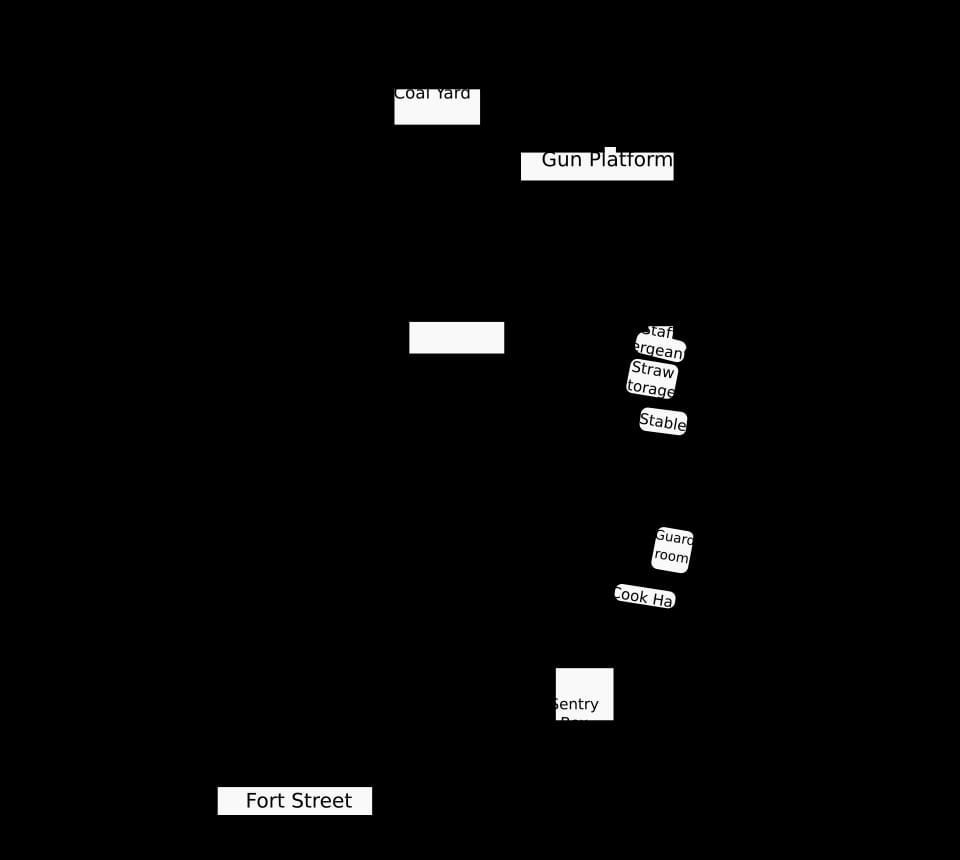
A star-shaped fort built in the early 17th century on a hill above the city, offering panoramic views over Cork's rooftops and the River Lee.
Killarney
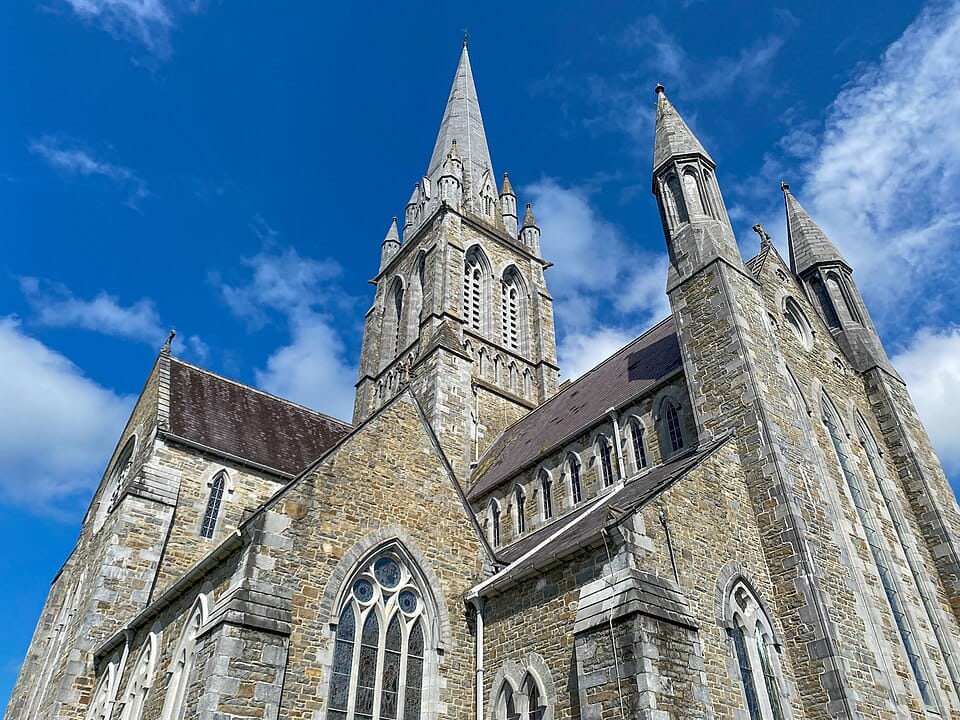
Killarney is a market town in County Kerry, set beside Killarney National Park and its three lakes at the foot of Ireland's highest mountains, the MacGillycuddy's Reeks. Long a magnet for 19th-century tourism, the town grew up around estates such as Muckross House and remains one of Ireland's most visited destinations, known for lakeside walking trails and horse-drawn jaunting cars through the park.
Top attractions in Killarney
Killarney National Park
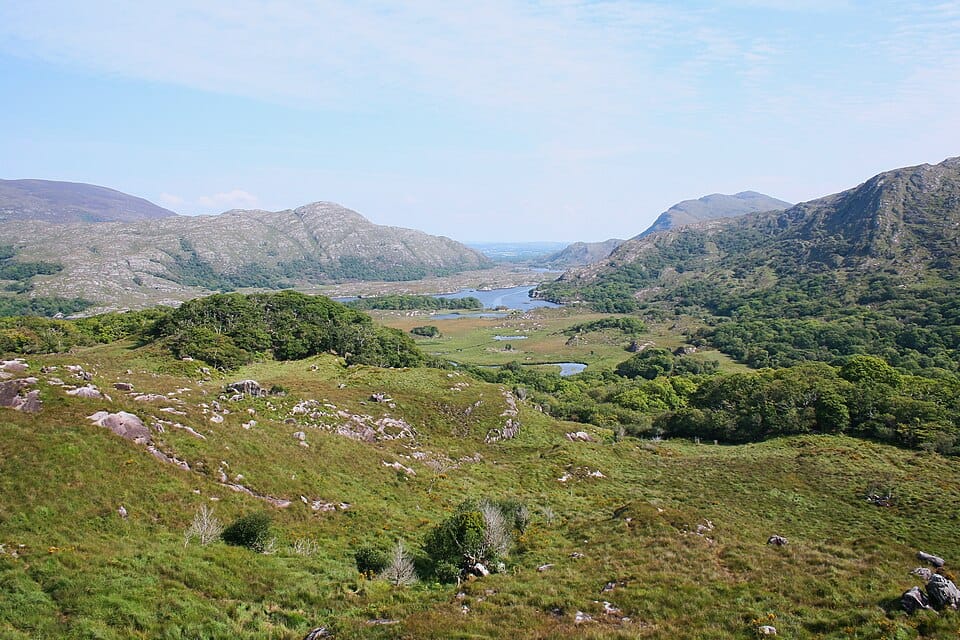
Ireland's first national park, established in 1932 around Muckross Estate, protecting native oak woodland, red deer, and the three Lakes of Killarney.
Muckross House & Gardens
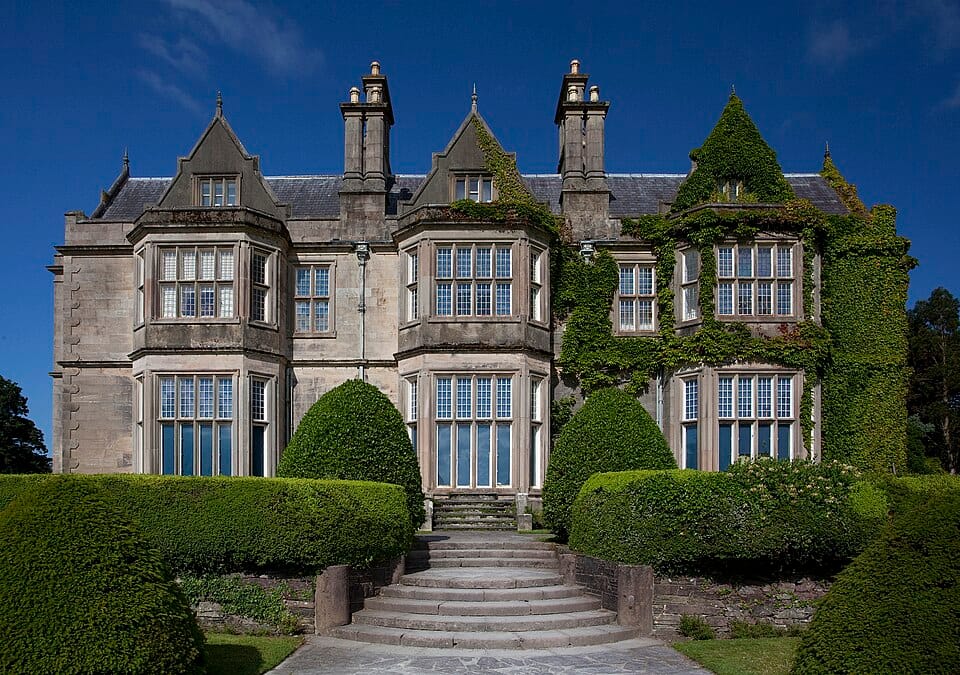
A 19th-century Victorian mansion set on the shore of Muckross Lake, surrounded by formal gardens and now furnished as a museum of period life.
Ring of Kerry
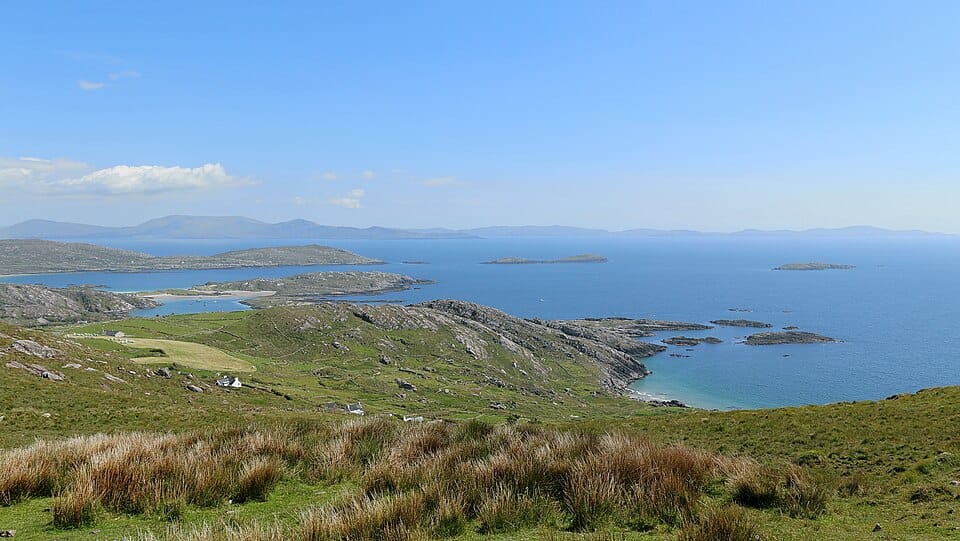
A 179-kilometre circular route around the Iveragh Peninsula, passing coastal villages, mountain passes, and views over the Atlantic, usually driven counter-clockwise by tour coaches.
Torc Waterfall
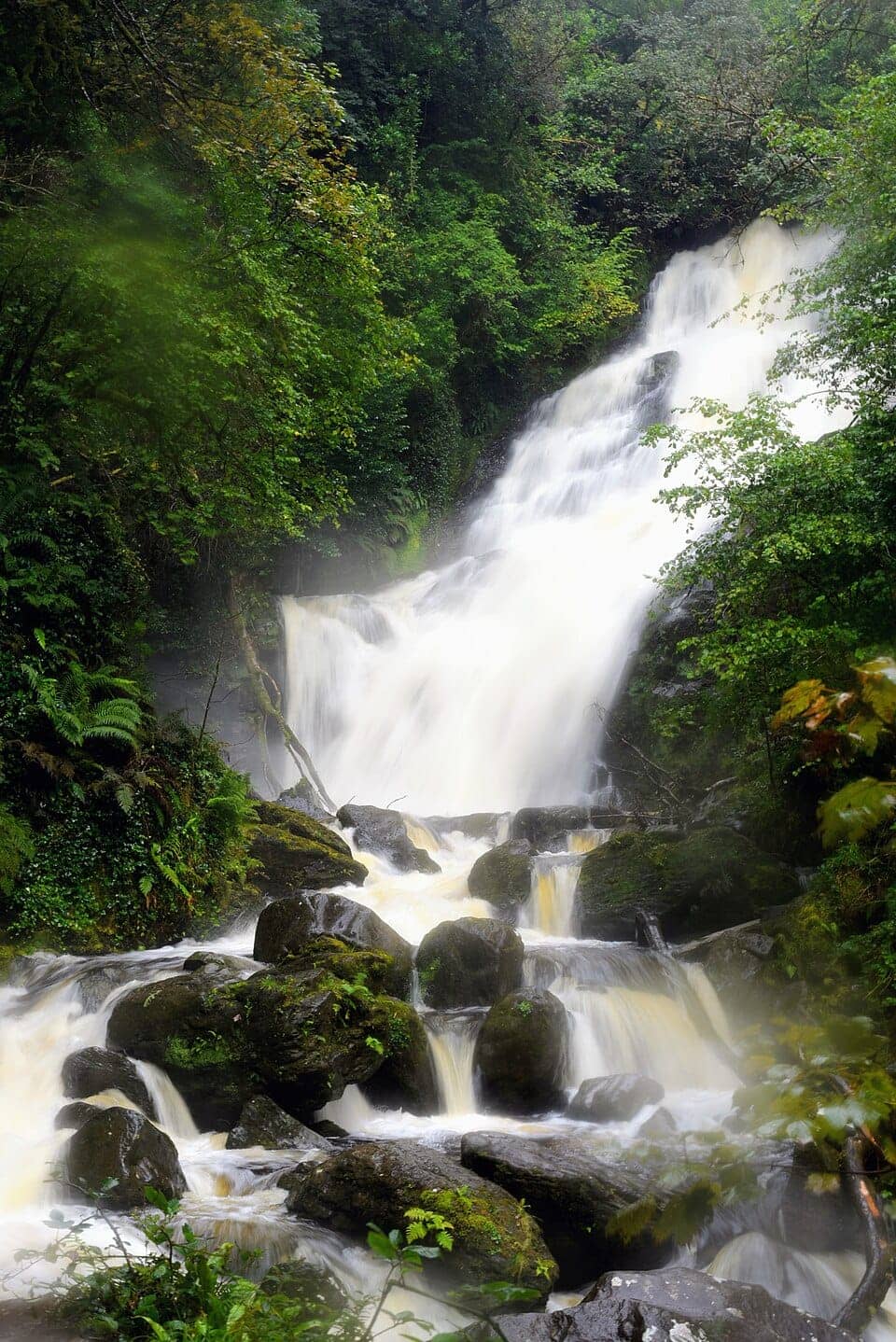
A 20-metre waterfall in Killarney National Park, reached by a short woodland walk from the main road and one of the park's most visited spots.
Ross Castle
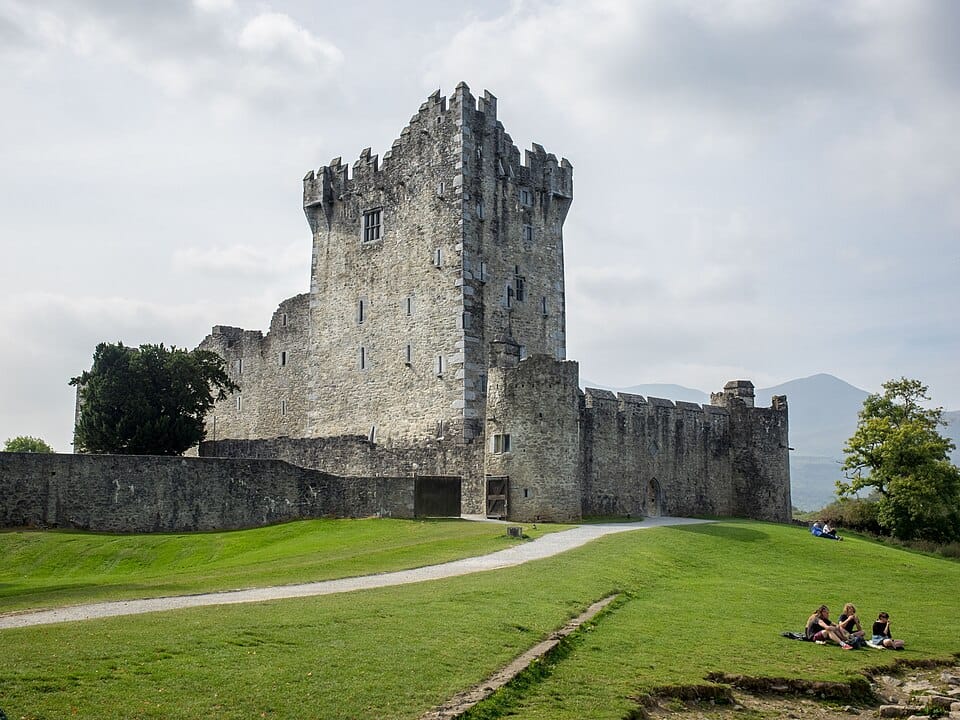
A 15th-century tower house on the shore of Lough Leane, once the stronghold of the O'Donoghue clan and a starting point for boat trips on the lake.
Gap of Dunloe
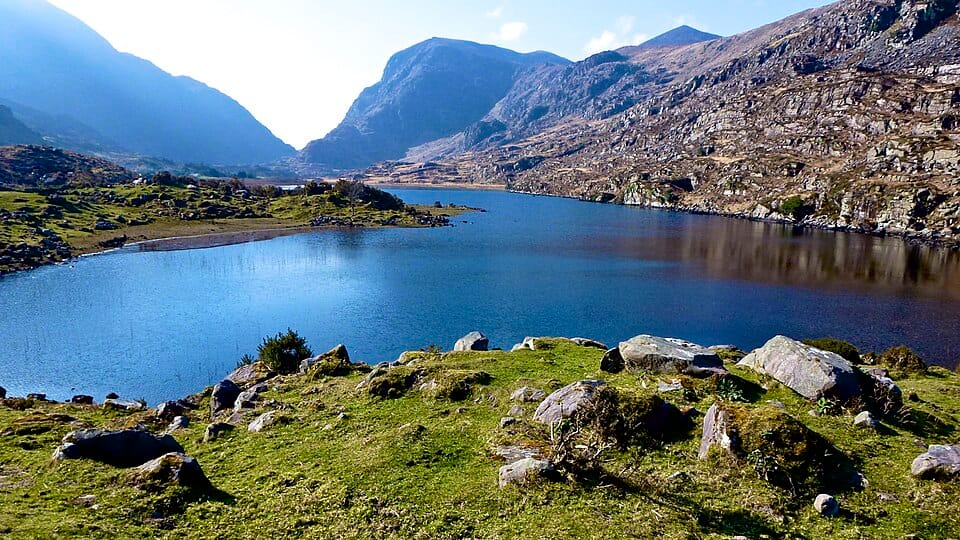
A narrow glacial mountain pass west of Killarney, traditionally crossed by foot, bicycle, or horse-drawn trap rather than car due to its width.
Galway
Galway is a city on Ireland's west coast at the mouth of the River Corrib, where it meets Galway Bay. Its medieval Latin Quarter of narrow streets, the Spanish Arch, and a lively arts and music scene have made it one of Ireland's most visited cities, and its proximity to the Aran Islands and Connemara has long tied it to Irish-speaking coastal culture.
Top attractions in Galway
Cliffs of Moher
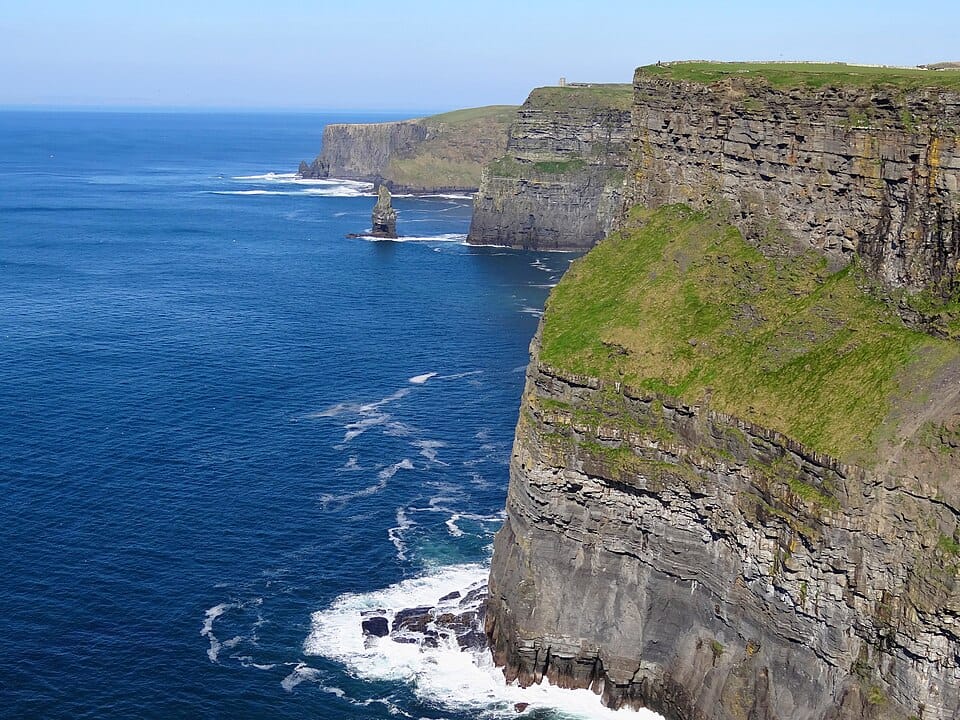
Sea cliffs rising up to 214 metres above the Atlantic in County Clare, about an hour south of Galway, among Ireland's most visited natural landmarks.
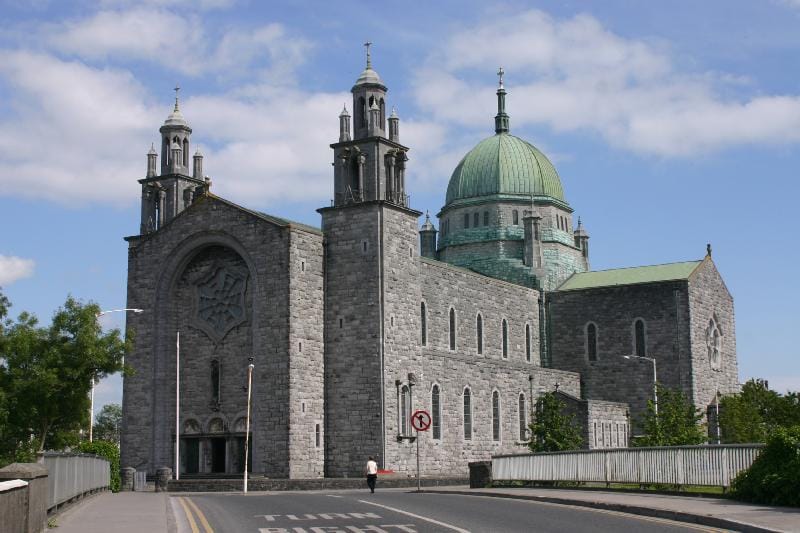
Galway Cathedral
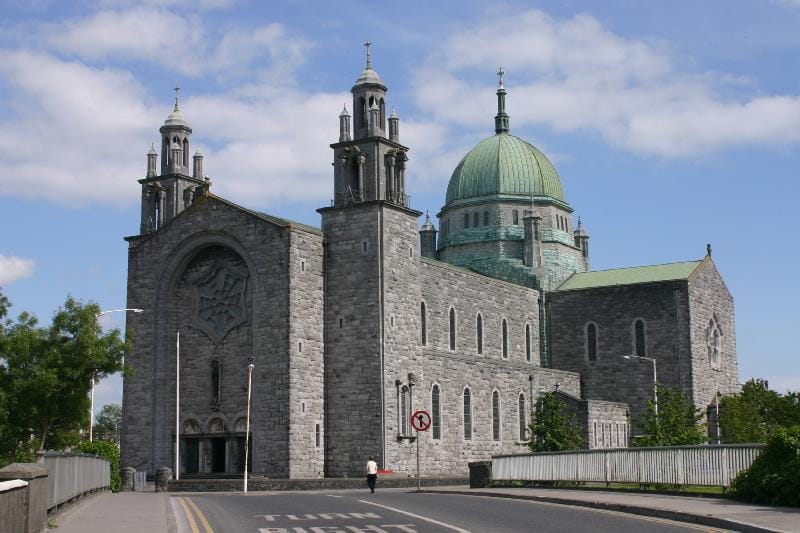
A 20th-century Catholic cathedral completed in 1965, built on the site of a former prison and notable for its combination of Renaissance, Romanesque, and Gothic styles.
Latin Quarter
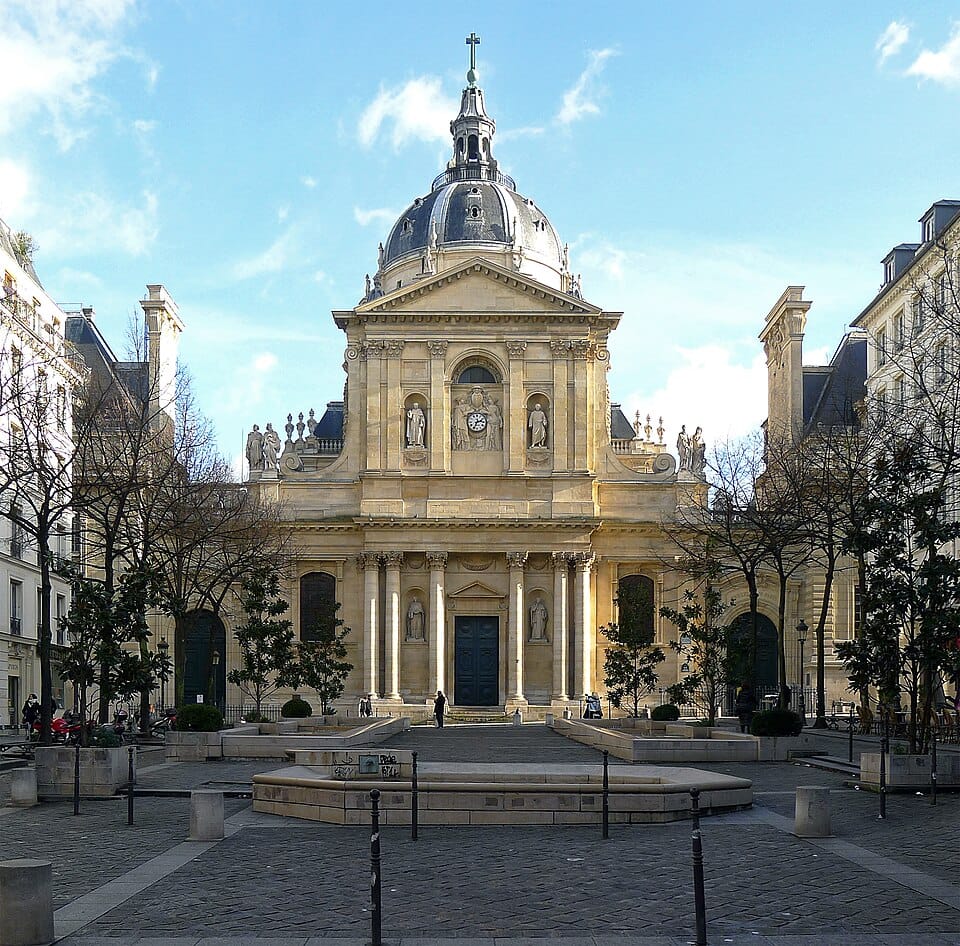
Galway's medieval core of narrow pedestrian streets, lined with shops, pubs, and buskers, built along the original layout of the walled town.
Spanish Arch
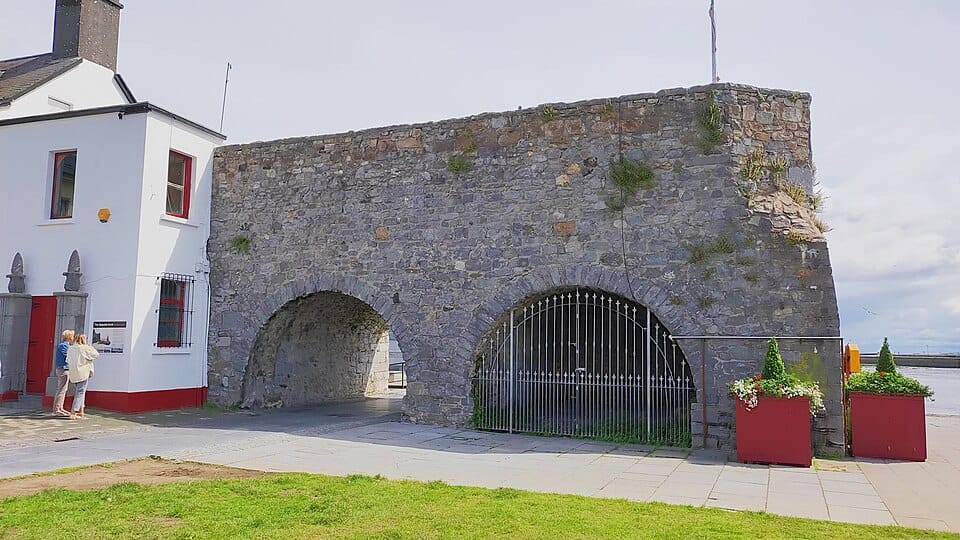
A 16th-century riverside arch that once protected the city's quayside, named for its association with Spanish trading ships that historically docked nearby.
Connemara National Park
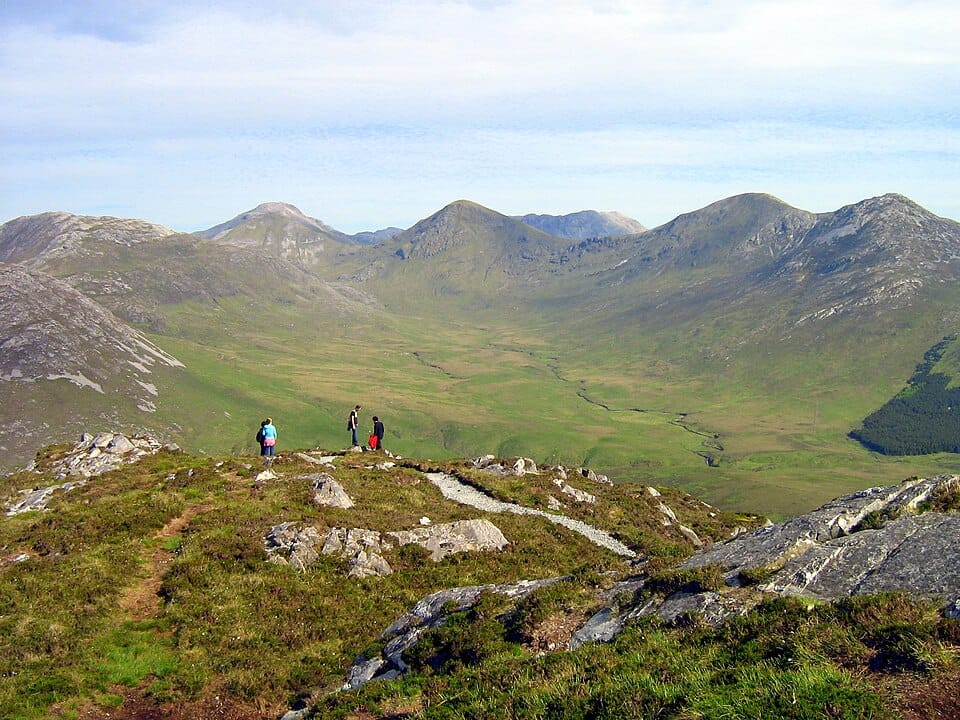
A protected area of bogland, heath, and mountains west of Galway, including the Twelve Bens range and a herd of native Connemara ponies.
Eyre Square
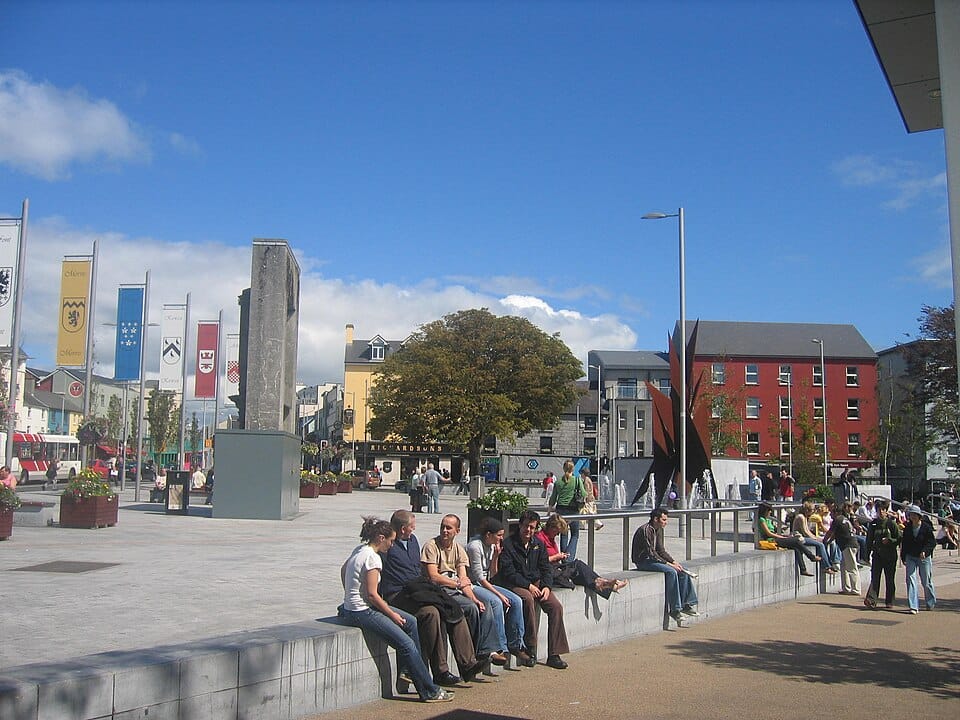
Galway's central plaza, granted to the city in 1631, now a public park surrounded by shops and serving as the traditional starting point for city walks.
Plan this route with EuroDrive Scout — tolls, vignettes, ZTL alerts, fuel & parking →